REVIEW · BUSAN
From Busan: Gyeongju UNESCO World Heritage Guided Day Tour
Book on GetYourGuide →Operated by KTOURSTORY · Bookable on GetYourGuide
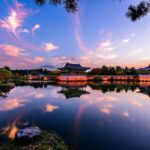
Moonlit ponds in Gyeongju in one day. I love the way this trip layers Silla capital highlights with a real guide, so you’re not just ticking sites. I also love the night focus—Woljeong Bridge and Wolji Pond look incredible under the lights. One drawback: it’s a long day with plenty of walking, so comfortable shoes matter.
From multiple Busan pickups, you ride a coach about 100 minutes each way with English and Chinese-speaking staff. The big win is choosing between three tour packages—the villages and the museum emphasis change what your day feels like—while you still get the same guided backbone.
In This Review
- Key Things I’d Watch For
- Why a Busan-to-Gyeongju day trip feels worth it
- Three tour packages: pick the day that matches your style
- Bulguksa Temple: craftsmanship you can actually see
- Yangdong Village or Gyochon: two hanok worlds, different moods
- If you choose Yangdong (Package A)
- If you choose Gyochon (Package B)
- Daereungwon Royal Tomb Complex and Hwangnidan-gil: kings, then snacks
- Daereungwon Royal Tomb Complex
- Hwangnidan-gil (and free time)
- Woljeong Bridge at night and Donggung Palace & Wolji Pond: the wow finale
- Woljeong Bridge photo stop
- Donggung Palace & Wolji Pond
- Gyeongju National Museum in Package C: artifacts that explain the scenery
- The day’s logistics that actually matter (pacing, shoes, and comfort)
- Price and value: what you’re really paying for at $52
- Who should book this tour (and who might not)
- Should you book it?
- FAQ
- How long is the Busan to Gyeongju day tour?
- What’s included in the tour price?
- Are meals included?
- What are the main differences between Package A, B, and C?
- Does the tour include admission to Donggung Palace and Wolji Pond?
- Does Package A include Yangdong Village entry?
- What language options do the guides/staff offer?
- Where do I meet the tour?
- What should I bring and plan for?
Key Things I’d Watch For
- Moonlit Woljeong Bridge and Wolji Pond: the schedule saves prime evening time for photos and reflections
- Bulguksa as your “set the mood” stop: Buddhist craftsmanship is the tone-setter for the whole day
- Village choice (Yangdong vs Gyochon): both are hanok worlds, just with different styles and stories
- Daereungwon Royal Tombs + Hwangnidan-gil: royal grounds paired with a shopping-and-snacking street break
- Guides who help you see and shoot: names like Bobby Kim, Song, and Jun-a keep coming up for clear explanations and photo help
- Three different endings: packages A/B lean night views; package C adds museum time
Why a Busan-to-Gyeongju day trip feels worth it
Gyeongju is where Korea’s ancient Silla Kingdom feels most “place-based.” You’re not studying history in a textbook—you’re standing in the same kinds of locations where kings built, prayed, and ruled. The travel value here is that you’re not figuring out transport on your own. You get a coach from Busan, a guide to connect the dots, and structured time at the big sites.
Also, the transport gets strong praise. The bus/coach scoring is high, and the day is planned so you’re not stuck watching traffic crawl without context. Still, it’s not a short hop. The total day runs about 8–12 hours, so you’ll want to pace yourself and plan for a lot of steps.
You can also read our reviews of more tours and experiences in Busan.
Three tour packages: pick the day that matches your style
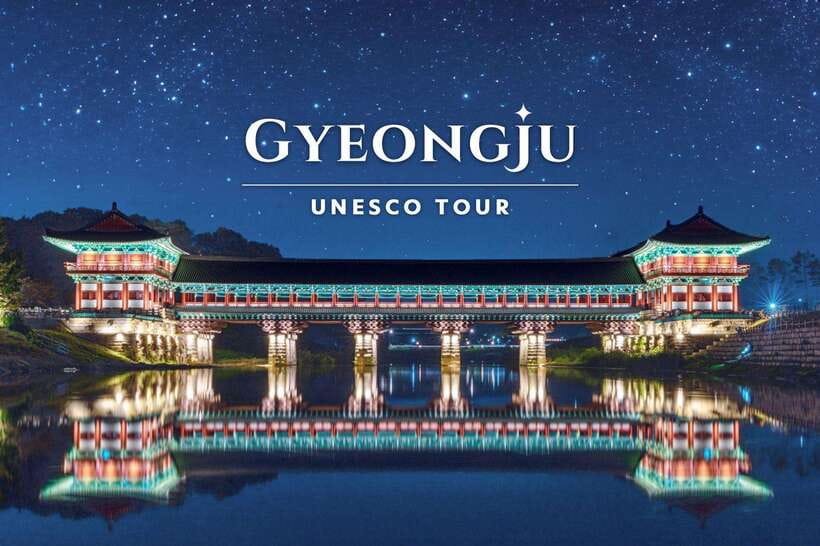
This is the part that makes the tour better than a one-size-fits-all “highlights bus.” You choose one of three packages, and your itinerary shifts mainly around the middle and your evening.
Package A: Gyeongju UNESCO Tour
You’ll do Bulguksa, then the UNESCO-listed Yangdong Village, then Daereungwon Royal Tomb Complex and Hwangridan-gil. Your finale is the evening circuit: Woljeong Bridge (illuminated photo stop) and Donggung Palace & Wolji Pond.
Package B: Echoes of Silla Tour
Same opening with Bulguksa and same core tomb stop at Daereungwon and the street time at Hwangnidan-gil. The swap here is the village: you’ll go to Gyeongju Gyochon Traditional Village instead of Yangdong. The evening payoff again goes to Woljeong Bridge and Donggung Palace & Wolji Pond.
Package C: Gyeongju Museum Tour
This one leans more “artifacts and interpretation.” Bulguksa stays, and the focus moves toward the historic area around Hwangnidan-gil and the tomb area/Cheomseongdae area, then you finish with Gyeongju National Museum and have time to explore inside.
My practical advice: if you want the famous night scenery, go A or B. If you get bored easily by outdoor sightseeing and want objects—crowns, relics, and museum context—choose C.
Bulguksa Temple: craftsmanship you can actually see
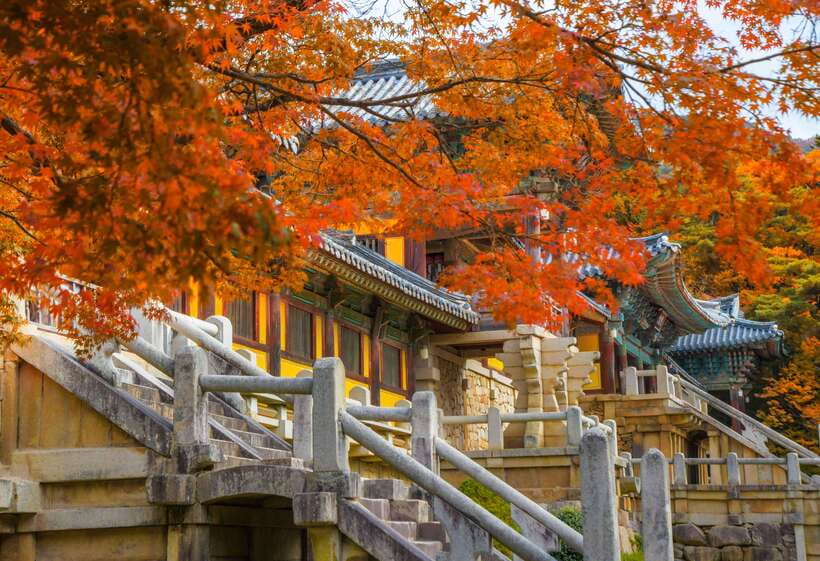
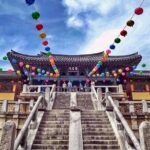
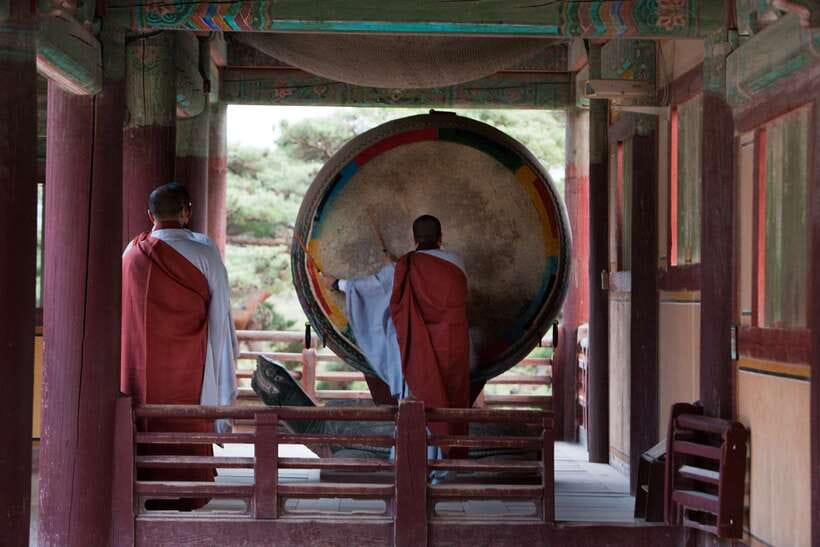
Bulguksa is the kind of stop where your brain slows down. You’re looking at Buddhist architecture built with real skill—wooden structures sitting on raised stone terraces. Even if you don’t know all the terms, you can feel why this is an anchor site for Silla-era devotion.
In a guided day, the value of Bulguksa is timing and explanation. You’re not walking around wondering what matters most. The guide helps you spot what connects the temple’s design to its historical role, so your photos end up capturing more than scenery.
Possible drawback? It’s an early “big wow” stop. If you’re the type who needs a slower ramp-up, you might want to save energy before you arrive—water, hat, and good shoes.
Yangdong Village or Gyochon: two hanok worlds, different moods
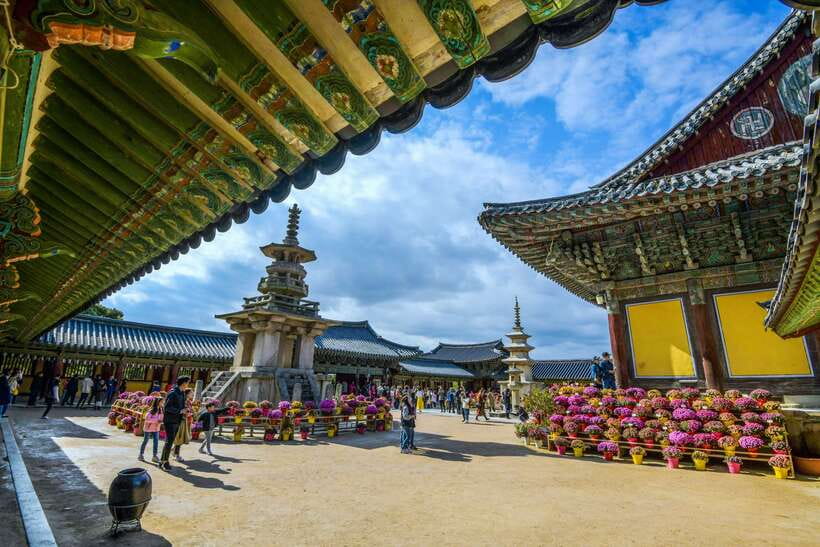
This is where package choice becomes personal.
If you choose Yangdong (Package A)
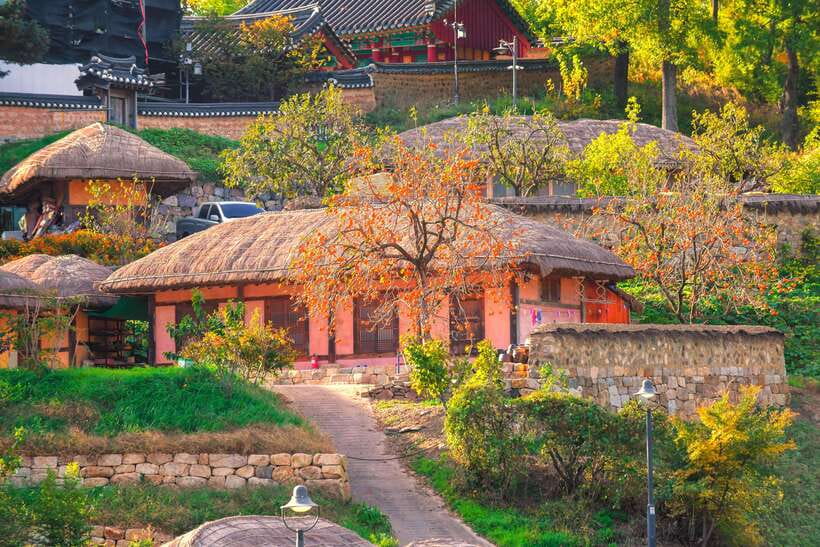
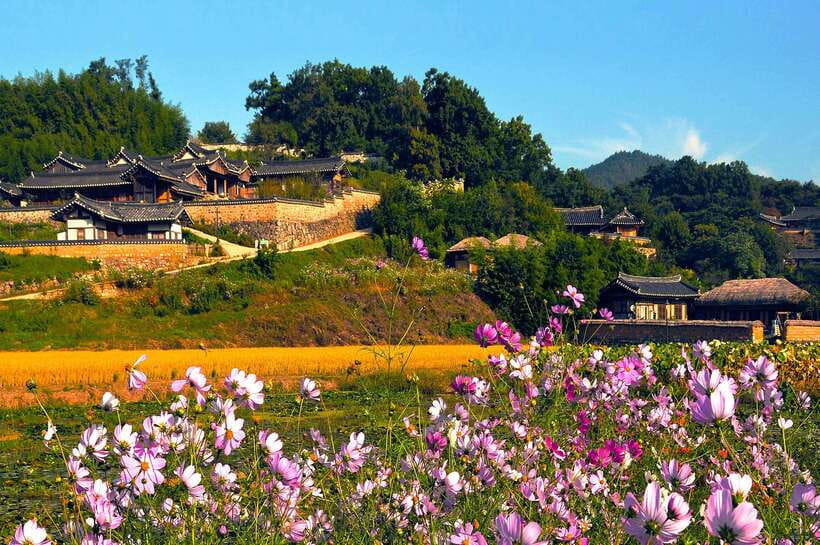
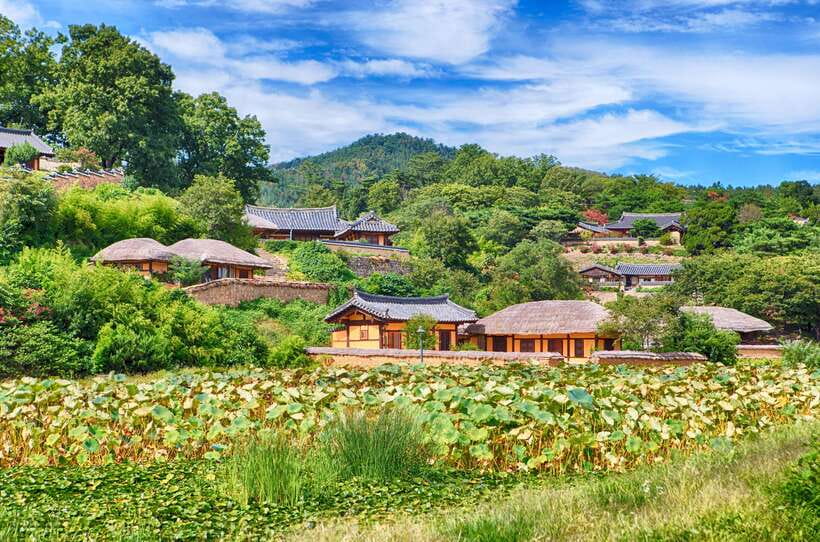
Yangdong Folk Village is a traditional Korean hanok village tied to Joseon-era culture. It’s UNESCO-listed, and that matters because the village reads like living heritage rather than a theme park. I like how the visit gives you a sense of domestic life: what people built, how space worked, and how culture stayed visible across centuries.
You also get extra inclusions in Package A: Yangdong Village entry is included, and Daereungwon Cheonmachong Tomb entry is included too. That can be a small but real value bump if you plan to pay at multiple sites anyway.
If you choose Gyochon (Package B)
Gyeongju Gyochon Traditional Village is tied to the ancestral homes of the Gyeongju Choi clan. The setting helps you understand how family heritage shaped village life—again, not as abstract history, but as architecture and layout you can walk through.
Either way, you’ll have a guided walk and then a chance to look around. For the best photos, you’ll want to slow down near doorways and courtyards and not only chase the postcard angle. The guide can point you toward what’s most worth framing.
Daereungwon Royal Tomb Complex and Hwangnidan-gil: kings, then snacks
After the villages, the day turns from homes to power.
Daereungwon Royal Tomb Complex
Daereungwon is where you get direct contact with the Silla royal tombs. A guided stop here helps because the tomb grounds can look similar at first glance—your guide explains the significance and what to look for, so it clicks instead of just feeling like “more grass and stones.”
Package A includes additional tomb entry (Daereungwon Cheonmachong Tomb), which is a plus if you want deeper access and don’t want to pay extra on-site.
Hwangnidan-gil (and free time)
Then comes Hwangridan-gil / Hwangnidan-gil, a lively street lined with cafes, boutiques, and street food vendors. This is a built-in decompression stop. You get time to browse and decide what you feel like eating rather than being forced into one meal plan.
In practice, this free time is useful even if you don’t snack. It’s your chance to regroup, grab water, and recharge for the evening leg.
Woljeong Bridge at night and Donggung Palace & Wolji Pond: the wow finale
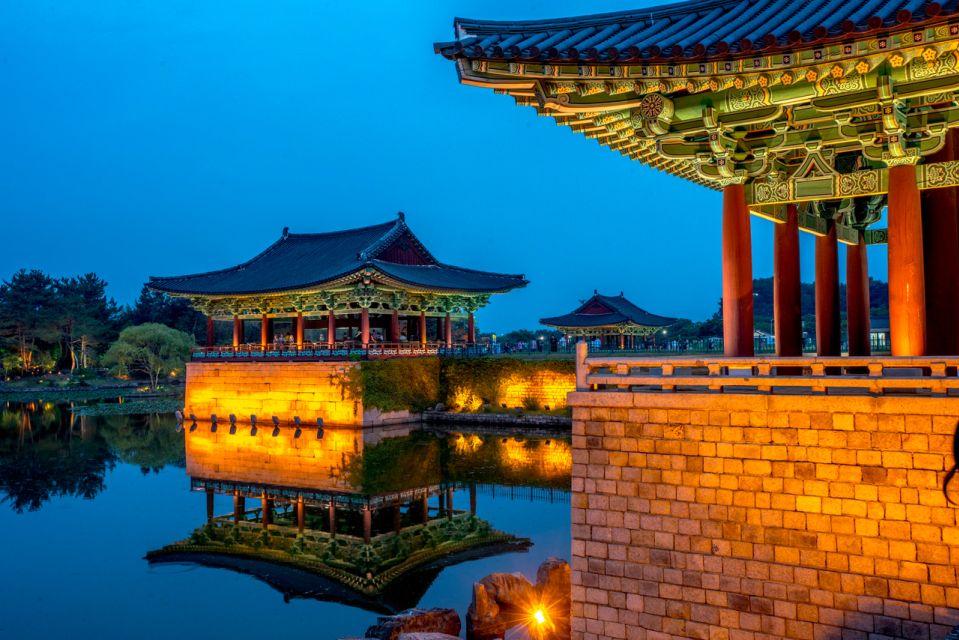
If you’re coming to see one “late-day” scene, this is it. Your schedule is set up so the evening hits when light turns dramatic.
Woljeong Bridge photo stop
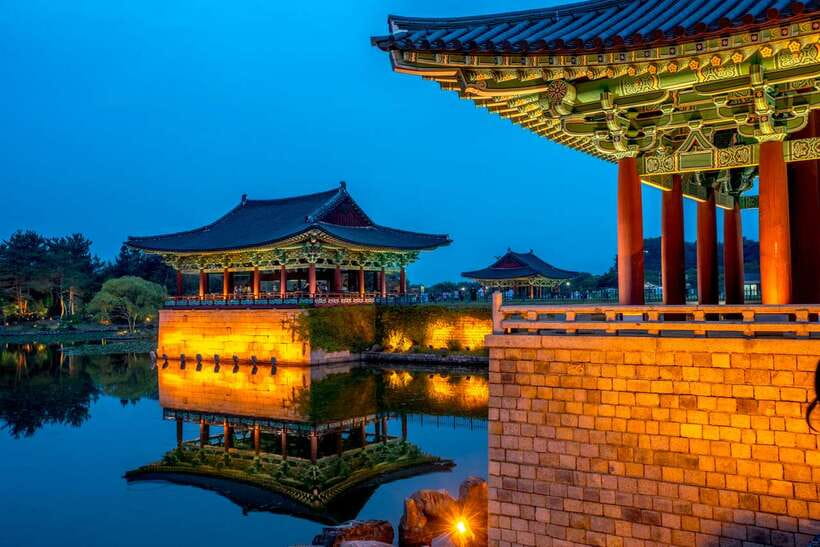
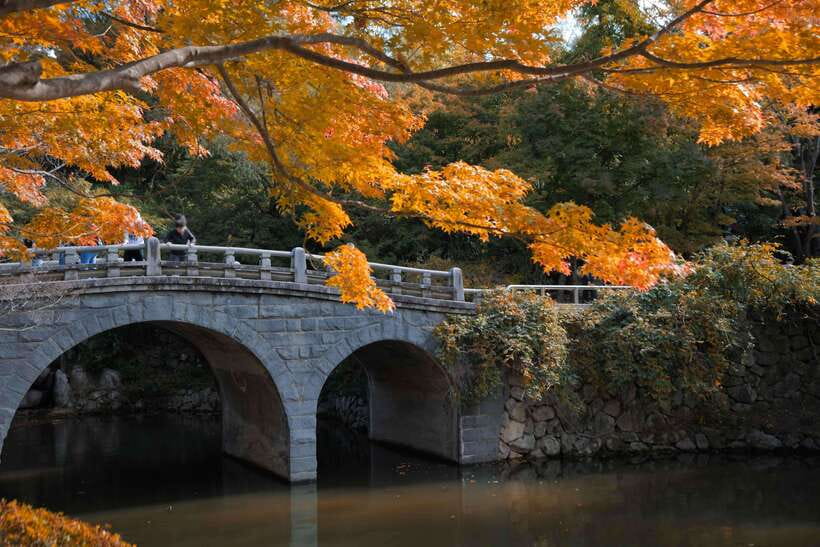
You’ll stop at Woljeong Bridge and get guided context plus time for photos. The bridge is described as a beautifully reconstructed wooden span over the Nam River, and in the A/B packages it’s visited with the illuminated night atmosphere in mind. That’s a big deal for photos, because the reflections and lighting help your images look more cinematic than daytime shots.
Donggung Palace & Wolji Pond
From there, it’s Donggung Palace and Wolji Pond—part of the Silla palace complex. The star is the pond reflection. When the sky darkens, you get that classic “moon over water” vibe that turns a historical site into a mood.
This stop is included with entry fees in Packages A and B, so you don’t have to think about paying separately here.
Pro tip: if you’re sensitive to crowds, keep your patience for the photo moments. Evening is when everyone wants the same shot.
Gyeongju National Museum in Package C: artifacts that explain the scenery
If you choose Package C, you’ll end at Gyeongju National Museum with free time to explore. This is where the day becomes more interpretive. Outdoors you learn by location—inside you learn by objects.
The museum is highlighted for priceless Silla artifacts, including golden crowns and Buddhist relics. That’s the kind of payoff you can’t fully capture with a phone photo outdoors. It also helps connect what you saw earlier at tombs and temple architecture to the materials and craftsmanship that survived.
The museum time is framed as guided context plus your own exploration. If you like to read labels and slow-walk exhibits, this package suits that style.
The day’s logistics that actually matter (pacing, shoes, and comfort)
The itinerary is packed, even though it doesn’t feel chaotic. You’re out around 100 minutes on the coach from Busan, then you spend the day moving between major sites with guided stops and a few pockets of free time.
Here’s what to plan for:
- Comfortable shoes are non-negotiable. The route involves multiple sites and enough walking that reviews repeatedly call it a long day.
- Bring layers. You’re moving between daytime temple grounds and evening pond/bridge views.
- Expect a “full schedule” feel. The guides manage timing well, but it’s still a concentrated day.
Guides are also praised for group management—people are helped at stairs and the whole group is kept together at stops. You can feel that the day is run with logistics in mind, not just sightseeing enthusiasm.
Price and value: what you’re really paying for at $52
At $52 per person, you’re paying for three big value items:
- Transport between Busan and Gyeongju (coach service about 100 minutes each way)
- Guided interpretation across multiple UNESCO-level stops
- Paid entry components depending on your package (Yangdong in A, certain tomb entry in A, and Donggung & Wolji in A/B)
Meals are not included, so your lunch cost is on you. Still, the tour builds in the right kinds of time gaps so you can choose what fits your budget. One of the recurring themes in guest feedback is that the day feels well managed and worth the money because you’re seeing a lot with clear context—not just being dropped at sites.
For first-timers to Gyeongju from Busan, this is a strong value. You buy the peace of mind of not sorting transport or missing significance.
Who should book this tour (and who might not)
This tour fits best if you:
- want a guided, structured day instead of planning the whole route yourself
- care about Silla-era context, not just photos
- like the idea of night scenery at Woljeong Bridge and Wolji Pond
- want a choice between outdoor-heavy (A/B) and museum-leaning (C)
You might skip it if you:
- hate long days and lots of walking
- prefer totally independent sightseeing with no fixed schedule
- need meals fully included (since meals aren’t part of the package)
Should you book it?
Yes, if you want the easiest route from Busan to Gyeongju’s core Silla sites—and you want a guide to connect the dots between Bulguksa, royal tombs, traditional villages, and the famous evening pond/bridge views. The price is reasonable for what’s included, especially when your package adds entry fees and you’re saving time on transport planning.
My final check before you book: choose your package based on your mood. Want the moonlit finale? Pick A or B. Prefer artifacts and indoor explanations? Pick C. Either way, plan for a full day, wear good shoes, and let the guide handle the “what you’re looking at” part.
FAQ
How long is the Busan to Gyeongju day tour?
The duration is listed as 8–12 hours, depending on starting times and conditions.
What’s included in the tour price?
Transportation is included, along with English and Chinese-speaking staff. Some site entry fees are included depending on your selected package.
Are meals included?
No. Meals are not included in the tour price.
What are the main differences between Package A, B, and C?
Packages A and B both include Bulguksa, a traditional village stop (Yangdong for A, Gyochon for B), Daereungwon, Hwangnidan-gil, and the evening Woljeong Bridge plus Donggung Palace and Wolji Pond. Package C shifts the focus toward Hwangnidan-gil and the museum, ending at Gyeongju National Museum.
Does the tour include admission to Donggung Palace and Wolji Pond?
Entry fees for Donggung and Wolji are included for Packages A and B.
Does Package A include Yangdong Village entry?
Yes. Yangdong Village entry is included for Package A.
What language options do the guides/staff offer?
The tour includes staff who speak Chinese, English, and Korean.
Where do I meet the tour?
The meeting point varies depending on the option booked, with multiple pickup locations around Busan such as Haeundae Station and KTX Busan Station.
What should I bring and plan for?
Bring comfortable shoes. The itinerary may change due to weather and traffic conditions. Also, the tour is free for infants aged 0–2 if they do not occupy a seat, and you should inform the provider 48 hours in advance if you’ll bring a stroller.