REVIEW · GALLE
Sea waves sri lankan cooking class
Book on Viator →Operated by Sea waves cooking class · Bookable on Viator
A beach-fresh curry is a great idea. This Sea Waves Sri Lankan cooking class in Galle pairs a hands-on lesson with time at the fish and vegetable markets, then ends with you eating what you cooked.
I like that you don’t just watch instructions from a distance. You get to choose ingredients up front and cook them with a chef who has decades of experience.
What really makes this class feel worth the money is the payoff: you’ll sit down to a proper meal at the end, made from your own work. You’re not leaving with recipes only you also leave with lunch (or a late brunch vibe) in your belly.
One thing to consider: even though it’s labeled private, some bookings have ended up sharing the lesson with a few extra people. It’s still a fun, guided experience, but check your expectations if you’re hoping for a true one-party-only setup.
In This Review
- Key things to know before you go
- Starting on Galle’s coast, then heading to the ingredients
- Fish and vegetable markets: where flavor decisions begin
- The open-air kitchen with a jungle view
- What you actually cook: curries, spices, and coconut-based technique
- Timing and pacing: a 3-hour class that doesn’t rush you
- Price and value in plain terms (is $59 fair?)
- “Private” lesson expectations: great for groups, double-check for exact setup
- Food safari meets culture: what you’ll learn besides recipes
- Where this class fits best (and who should book it)
- Quick practical guidance for your day
- Should you book Sea Waves Sri Lankan Cooking Class?
- FAQ
- What is the duration of the Sea Waves Sri Lankan cooking class in Galle?
- Where does the cooking class start?
- Do I eat the food I cook?
- Is this class private for my group?
- Are ingredients and cooking tools provided?
- What does the class include in terms of food you cook?
- Is the class taught in English?
- FAQ
- What is the price for the cooking class?
- Is there a cancellation policy?
- Does the class run in any weather?
Key things to know before you go
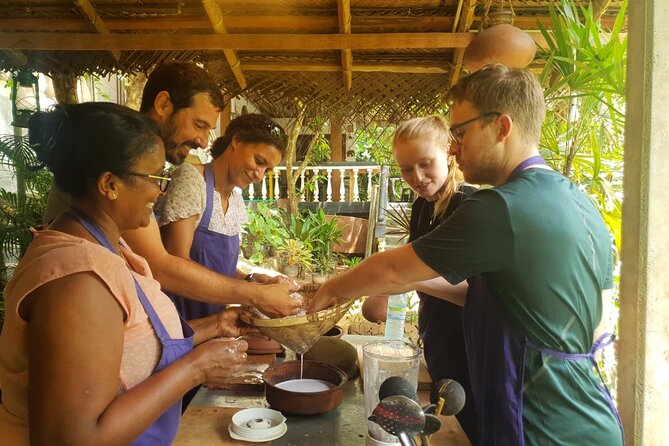
- Market picking that shapes your menu: you choose what you want to cook before you ever reach the kitchen
- Open-kitchen setting with jungle views: you may spot monkeys and birds while you cook
- English guidance from the chef: the instructor speaks fluent English and guides you step by step
- A meal you actually make: you dine on your finished dishes at the end
- Flexible protein and veggie plan: you can choose fish or chicken, plus multiple vegetables (five is the typical structure)
Starting on Galle’s coast, then heading to the ingredients
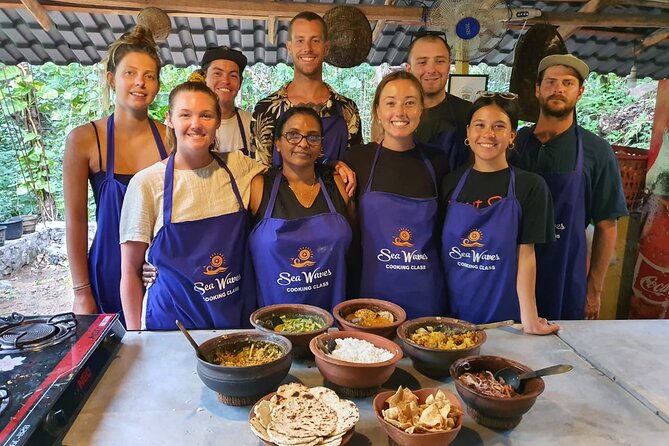
The day starts around 10:00am at the Sea Waves Restaurant & Cooking Classes area near Unawatuna, on Dunwella Road (meeting point). From there, you’ll head out as part of the class flow, and the experience quickly turns from vacation mode into food mode in a good way.
The first meaningful moment is the start point tied to the beach and market vibe. You’re in a coastal zone where fishing is part of daily life, not a staged activity. That matters because it sets the tone: Sri Lankan cooking starts with fresh, simple ingredients, then builds flavor through technique and seasoning.
If you’re the type who likes to know what you’re eating before you eat it, this is a strong match. You’ll likely spend time looking at both fish and vegetables before you step into the restaurant kitchen.
You can also read our reviews of more tours and experiences in Galle.
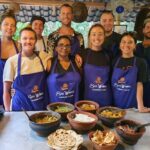
Fish and vegetable markets: where flavor decisions begin
You’ll visit the fish market and then a vegetable market before cooking. In one common pattern, you go to the fish market on the beach near the Fort area, then travel (often by tuk tuk) to the vegetable market. The key value here is not just shopping. It’s learning what to look for and how to choose ingredients based on taste and cooking style.
This is also where the class becomes personal. When you pick what you want, your cooking feels less like an assignment and more like you’re building your own lunch. If you choose fish, you’ll be working around that flavor and texture through the curry process. If you choose chicken, you’ll adapt spices and timing to the protein.
Practical tip: markets move fast and there’s a lot going on. If you have dietary preferences (spice level, seafood-only, chicken-only), this is the moment to speak up so the chef can plan around it.
The open-air kitchen with a jungle view
Back at the restaurant, you’ll cook in an open kitchen. The setting is part of the experience: there’s a jungle view, and you might see monkeys and birds while you work. It sounds like ambiance, but it changes the feel of the class. You’re not locked in a back room; you’re cooking in a live environment.
The chef leading the class has more than 30 years of cooking experience and speaks fluent English. That combination matters. It means you get clear guidance, not just vague tips. You learn why certain ingredients go in at certain stages, and how spices are handled so they bloom instead of turning harsh.
Since tools and ingredients are provided, you’re not hunting through your suitcase for equipment. You show up, you cook, and the station is set up for you to succeed.
What you actually cook: curries, spices, and coconut-based technique
The class focuses on Sri Lankan fare and includes a menu built around vegetables and either fish or chicken. The structure described is a dish with five vegetables plus fish or chicken, selected by preference. You’ll also learn spice blending and how Sri Lankan flavors are assembled.
Based on the dishes people have described in their classes, it’s common to work with curries where coconut milk plays an important role, and to learn how to build flavor through spices that are more than just salt-and-pepper seasoning. You might find yourself making a dhal-style curry, plus a fish curry (for example tuna) or a vegetable-heavy curry plan depending on your choices and what the chef suggests.
The best part is that you’re not just tasting at the end. You’re taking part in the process: handling spices, combining ingredients, and cooking in stages so flavors develop. That’s the difference between eating Sri Lankan food in a restaurant and learning how it’s made at home scale.
If you’re worried you’ll miss steps because the kitchen is busy, don’t. This is guided cooking. The chef is there to show you what to do and help you correct course while you’re still in the process.
Timing and pacing: a 3-hour class that doesn’t rush you
The duration is about 3 hours. That’s enough time to shop at the markets, cook, and then eat, without feeling like a half-day tour that drains your energy.
The pacing is practical:
- You start with ingredient choice and context.
- You move into cooking with tools and ingredients already set up.
- You finish by sitting down to dine on what you made.
If your holiday schedule is tight, the timing is one of the quieter advantages. You can do this in the late morning and still keep the rest of the day flexible for beach time, a stroll in Galle, or other sightseeing around Unawatuna.
Price and value in plain terms (is $59 fair?)
At $59 for a roughly 3-hour private class, the value comes from three things you can feel immediately:
1) You get guided cooking plus a market visit. That turns the class into a mini food experience, not just a cooking demonstration.
2) You eat what you make. Even modestly priced meals add up, especially in popular coastal areas. Here, lunch is included in the experience value.
3) The chef brings real experience. More than 30 years matters because you’re learning technique, not just a recipe list.
So yes, the price is reasonable if your goal is skill and a satisfying lunch. If you’re only looking for a quick taste and zero effort, a restaurant meal might cost less. But if you want to leave with the ability to cook Sri Lankan-style dishes, this is the kind of deal that starts making sense fast.
“Private” lesson expectations: great for groups, double-check for exact setup
This is marketed as a private tour/activity for your party. That usually means you’re not part of a big rotating bus group. Still, one practical consideration: a previous booking experience included extra people joining even when it was booked for two. That doesn’t mean it’s always like that, but it’s enough to flag.
My advice if privacy matters: message ahead with your booking details and ask how many people are expected. If you’re a couple or a solo traveler who wants an intimate, one-party vibe, confirm the setup before you go.
The upside is that the cooking itself remains hands-on and guided, and the overall atmosphere tends to stay friendly and focused around the chef.
Food safari meets culture: what you’ll learn besides recipes
This class isn’t only about what goes into a pot. It’s about how Sri Lankan cooking works as a system: spices, timing, ingredient freshness, and technique. When you watch spices go through their steps and then taste the results, you start understanding the logic behind the flavor.
You’ll also likely come away with practical memory hooks. For example, many people highlight learning how to make coconut milk, and how to build curries from scratch. Others mention getting comfortable cooking specific curries like dhal (depending on your choices) and fish or tuna curry paired with multiple vegetables.
Even if you don’t remember every step later, the key skill you gain is confidence. You learn what to look for in ingredients, how to blend spices, and how to carry flavors from kitchen prep into the finished curry.
Where this class fits best (and who should book it)
This is a great fit if you:
- Want a hands-on cooking experience, not a short demo
- Like the idea of a coastal market visit tied directly to your meal
- Prefer learning from a chef who explains in fluent English
- Want an authentic, family-restaurant feel rather than a factory-style cooking show
It’s also a strong choice if you’re a foodie who wants one memorable, structured activity in Galle or Unawatuna, leaving the rest of the day open for beaches and walking.
If you dislike markets, strong smells, or kitchen heat, you might find it less comfortable. But if you can handle lively environments, the benefits outweigh the noise.
Quick practical guidance for your day
Bring a light layer for the kitchen (open-air means breezes and uneven sun). Wear shoes you don’t mind on uneven outdoor areas near markets and the restaurant zone.
Also, if you’re sensitive to spice, tell the chef early. Sri Lankan curries can range from mild to punchy, and adjusting spice levels is easiest before cooking starts.
And plan your appetite. You’ll eat what you cook at the end, so don’t overpack your morning with heavy breakfast plans.
Should you book Sea Waves Sri Lankan Cooking Class?
If you want a cooking class that’s genuinely connected to ingredients, this one is a smart pick. The market start plus the open-kitchen experience makes it feel grounded in real daily food life, not just a scripted activity. And the fact that you eat your own meal keeps it from feeling like a chore.
Book it if you:
- Care about learning technique
- Like choosing ingredients yourself
- Want a memorable food activity that also functions as lunch
Pause before booking if:
- You require a strict one-party-only setup for privacy and are worried about sharing
- You don’t enjoy market visits or hands-on cooking environments
If you’re flexible and you communicate your preferences, you’ll likely end up with a satisfying meal and real skills you can use later.
FAQ
What is the duration of the Sea Waves Sri Lankan cooking class in Galle?
It lasts about 3 hours.
Where does the cooking class start?
The meeting point is Sea Waves Restaurant & Cooking Classes on Dunwella road, Yaddehimulla, Unawatuna 80600, Sri Lanka.
Do I eat the food I cook?
Yes. At the end of the class, you sit down to dine on your meal.
Is this class private for my group?
It is described as a private tour/activity where only your group participates, though it’s worth confirming expectations for group size.
Are ingredients and cooking tools provided?
Yes. All ingredients and tools are provided.
What does the class include in terms of food you cook?
Before cooking, you’ll go to the fish and vegetable market to choose what you like. Then you’ll make a dish with five vegetables plus fish or chicken, depending on your preference.
Is the class taught in English?
The instructor is described as speaking fluent English and guiding you during the class.
FAQ
What is the price for the cooking class?
The price is $59.
Is there a cancellation policy?
Yes. You can cancel for free up to 24 hours in advance for a full refund. If you cancel less than 24 hours before the experience start time, the amount paid is not refunded.
Does the class run in any weather?
The experience requires good weather. If it’s canceled due to poor weather, you’ll be offered a different date or a full refund.