REVIEW · TOKYO
Sushi Making Tokyo Roll and Authentic Japanese Sushi Class
Book on Viator →Operated by Sushi Making Tokyo Cooking Class in Japan · Bookable on Viator
Sushi gets real when your hands make it. This Tokyo sushi making class happens in Asakusa, just steps from Senso-ji, where you learn by doing instead of watching from the sidelines.
I love the hands-on process of shaping sushi rolls and forming nigiri, because you actually leave with food you made. I also like the English-speaking instruction that turns sushi words and techniques into something you can repeat later, with teachers such as Moe, Ken, and Kazu showing up in real sessions.
One catch: the meeting point near Kaminarimon can be a little tricky to spot, so arrive early and give yourself a buffer.
In This Review
- Key highlights worth circling
- Asakusa and Senso-ji: a sushi class with Tokyo built in
- What you learn: sushi rolls and nigiri you can actually repeat
- How instruction works in this Tokyo sushi class (and why English matters)
- Lunch at the end: you eat your sushi and feel the payoff
- Price and value: what $59.69 really buys you
- Timing, group size, and finding the Kaminarimon meeting point
- Who this sushi making Tokyo Roll class is best for
- Possible drawbacks to consider before you book
- Should you book Sushi Making Tokyo in Asakusa?
- FAQ
- Where is the meeting point for the sushi class?
- How long does the class last?
- Do I need any cooking experience?
- What language are the instructors speaking?
- What sushi dishes will I make?
- Is hotel pickup included?
- How big is the class group?
- Is a mobile ticket used?
- Can I cancel and get a full refund?
Key highlights worth circling
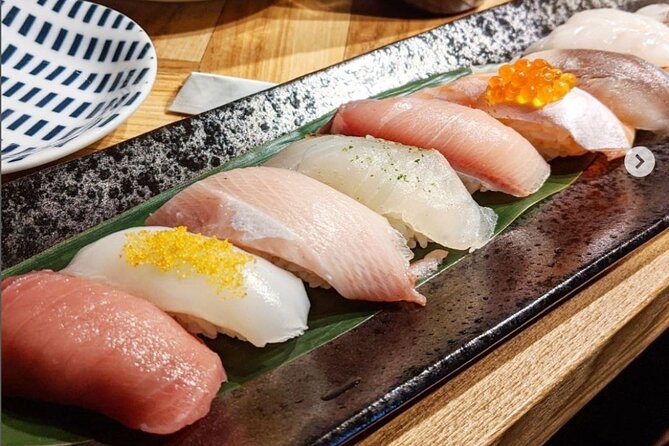
- Maki rolls and nigiri, step by step so you’re not stuck with only one style
- English-speaking instructors with clear, beginner-friendly guidance at your table
- You eat what you make with enough ingredients to enjoy a full lunch
- Small group size (up to 30) for smoother interaction and help
- Asakusa location near Senso-ji makes it easy to combine with temple time
Asakusa and Senso-ji: a sushi class with Tokyo built in
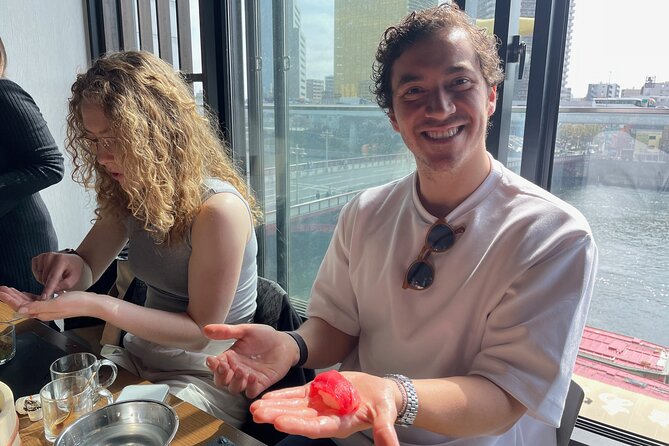
If you’re doing classic Tokyo, you’ll probably land in Asakusa anyway. This class is in that exact zone, near Kaminarimon and within easy walking distance of Senso-ji, so it feels like part of your day instead of a random detour. You’re also in a neighborhood where old Tokyo is still visible in the streets, which matters because sushi is not just a recipe. It’s a craft with culture attached.
I like experiences where the setting helps you understand the food. Here, the timing and location do that job. You can head to the temple area first, then come back for a calm, hands-on session that gives your lunch a story. And since the class ends back at the meeting point, you don’t need a plan for getting “somewhere else” after you’re full.
The class also has a track record that’s hard to ignore: it’s a two-time TripAdvisor Best of the Best award winner, and it’s rated 5 with a 99% recommendation rate. That doesn’t guarantee your exact instructor will be your favorite, but it does suggest consistent quality and teaching that lands well with international visitors.
One more practical point: you’ll use a mobile ticket. That’s a small thing, but it speeds check-in and reduces the stress of finding the right spot while you’re already walking around Asakusa.
You can also read our reviews of more tours and experiences in Tokyo.


What you learn: sushi rolls and nigiri you can actually repeat
This is a “make it yourself” sushi class focused on two core styles: sushi rolls (maki) and authentic nigiri. The point isn’t to train you into a pro kitchen. The point is to teach you the key moves so you can recreate the results at home without guessing.
The session is described as relaxed and beginner-friendly, with step-by-step guidance. That’s important because sushi has a few intimidating parts when you first look at it: sushi rice texture, rice-to-filling balance, and getting clean shapes. The class format helps you work through that in a structured way, rather than trying to learn from YouTube while your kitchen turns into rice chaos.
You also get cultural context alongside the technique. That’s what transforms this from “a cooking activity” into something that sticks. You’ll learn about Japanese culinary culture, and the instruction doesn’t treat sushi as a random trend. It frames sushi as a skill people practice and refine.
A detail I really appreciate: you don’t just make one item. The class is built around having enough ingredients and time to produce a real lunch. In other words, you get to try, adjust, and eat, instead of leaving hungry and empty-handed.
And yes, you can take photos during or after. That’s useful here because sushi is visual, and you’ll want to remember the shapes you made, not just that you had fun.
How instruction works in this Tokyo sushi class (and why English matters)
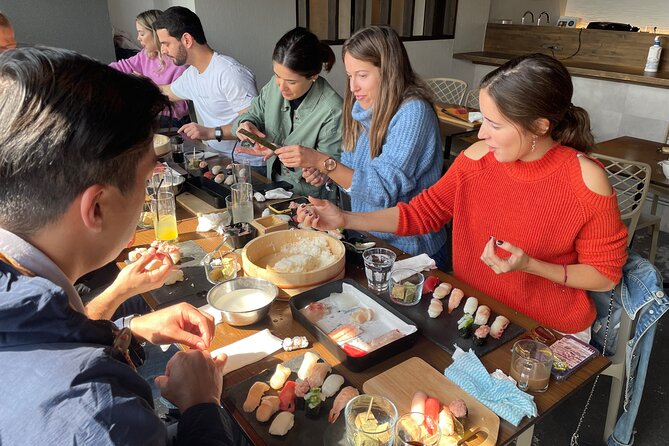
In Tokyo, clear language can make or break a class. This one is taught by English-speaking instructors, and the vibe is set up for international visitors. That matters if you’re nervous about kitchen steps, tool names, or culinary terms. When staff explain clearly, you waste less time translating in your head and more time learning what your hands should do next.
I also like the teaching style: it’s hands-on and table-side. You’re not hovering while someone else works. Your class leader gives you personal attention, which is where the “you can do this” feeling comes from. If you make a roll that’s a bit uneven, you have someone watching closely enough to point out what to fix.
Some sessions also use visuals like video or PowerPoint-style presentation, plus table-side modeling. That combination is especially helpful for beginners, because you can match what you see with what your hands are doing in real time. Several people mention that instructors explain the process clearly, with helpful history and facts folded in at the right moments, not tacked on at the end.
There’s also an energetic, entertaining element. Names that popped up in real classes include Moe, Ken, Arisa, Ellie, Jun, Kazu, Karoi, Shiroi, Jun Kyoto, and Kaori. You don’t need to know these names to enjoy the class, but it’s a good sign that instructors bring personality while still teaching real technique.
Lunch at the end: you eat your sushi and feel the payoff
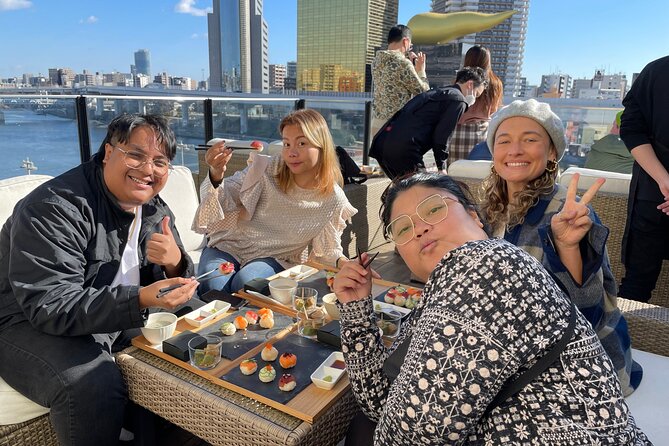
Most cooking classes end with a small bite and a polite nod. This one aims for the full payoff: you enjoy your own sushi and rolls afterward, and the ingredient setup is described as plentiful enough for a full lunch. That’s a major value point, because the money is going toward time, instruction, ingredients, and the meal outcome.
If you like sushi but hate the idea of being full of sushi just because you paid for it, this class flips that. You’re not just consuming. You’re producing. That changes how you taste. Suddenly you understand why the rice matters, why the balance is tight, and why the shape you make affects how it eats.
Fish and rice quality also comes up in the feedback: the class materials are described as high quality, and the end result is delicious. That’s important for a beginner class, because the “lesson” only feels worthwhile if the food is good enough that you want another bite.
And since photos are encouraged, you’ll likely end up with something you can share with friends later: your maki roll shapes, your nigiri lineup, and a lunch that looks like you didn’t just stumble into it.
Price and value: what $59.69 really buys you
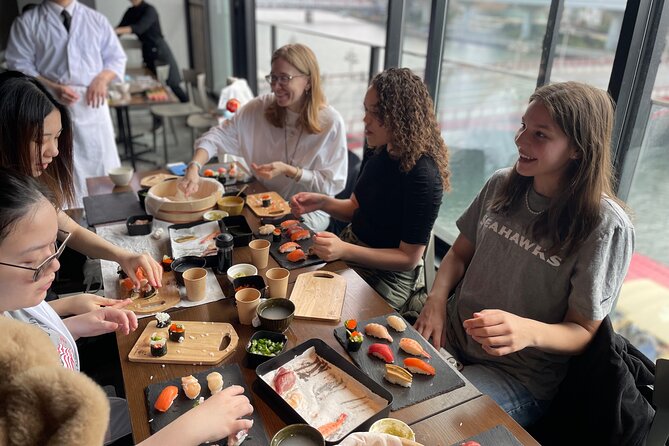
At $59.69 per person, this isn’t a bargain in the sense of being cheap. But it also isn’t trying to compete with a casual snack stop. You’re paying for instruction, hands-on guidance, and the ingredients that feed you. The class duration is about 1 hour 40 minutes, which is long enough to learn and produce real items.
Here’s how I think about value for this kind of experience:
- You get a meal outcome. That reduces the “hidden cost” problem where you pay for teaching but then still need to eat elsewhere.
- You get guidance at the table. Even if you only remember 60% of the steps, that’s still useful practice you wouldn’t get alone.
- You get cultural context. If you’re already visiting Asakusa and Senso-ji, this adds meaning to the area. You’re not just eating near a landmark.
There’s also the benefit of small-group teaching: the maximum is 30 travelers. Even if you’re in a group, the teaching is structured so you can follow along and get help.
So the value question is really simple: if you want lunch in Tokyo but also want a skill and a story, this fits. If you only want to eat sushi without any learning piece, you might prefer a traditional meal instead.





Timing, group size, and finding the Kaminarimon meeting point
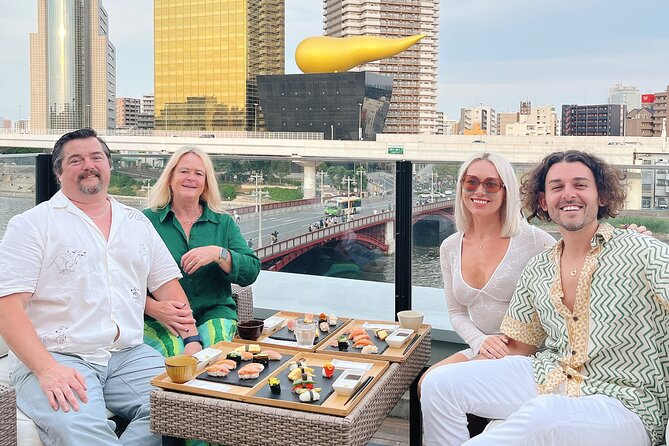
This activity runs for about 1 hour 40 minutes and ends back at the meeting point. That makes it easier to plan around it. No hotel pickup is included, so you’ll be navigating to the address on your own: 2-chōme-17-9 Kaminarimon, Taito City, Tokyo 111-0034.
The meeting location near Kaminarimon is close to your likely sightseeing route, but some people note it can be a little tricky to find. My advice is to treat it like an appointment: arrive with extra minutes, not at the last second. This is especially true if you’re coming straight from Senso-ji area walking.
The class size caps at 30. In practice, that usually means you’ll still have a communal setup, but it’s not so big that you disappear into a crowd. For a beginner class, that balance is what you want.
Also, this is a mobile-ticket experience with confirmation at booking. That reduces a common Tokyo headache. You won’t need complicated paper to check in.
Who this sushi making Tokyo Roll class is best for
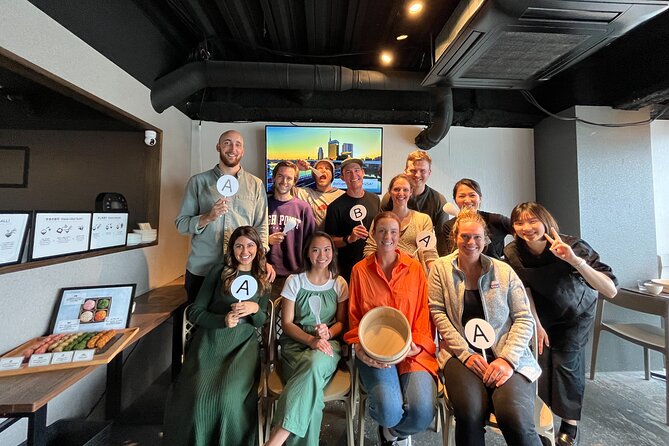
This works well for more than just sushi fans. It’s often described as a great option for couples and for families, including kids. The class is beginner-friendly and requires no cooking experience, which helps if you’re traveling with teens, younger kids, or someone who just wants a fun challenge.
If you’re on a honeymoon or a special trip, it can feel different from another meal. You get instruction, you get to make something, and you end up eating it together. That’s the kind of activity that creates shared memories without requiring everyone to be “good at cooking” first.
If you’re the kind of person who loves learning practical skills, you’ll like that the goal is home use. Several people mention that the steps made sushi less intimidating and helped them understand how to make it. Even if you don’t become a sushi roller every week, you’ll likely remember the key moves.
If you have a food allergy, this tour’s data doesn’t spell out substitutions or restrictions. So you should plan to ask questions directly when booking or at the start. The good news is that the class is clearly organized and beginner-led, which usually means there’s a process for handling common needs.
Possible drawbacks to consider before you book
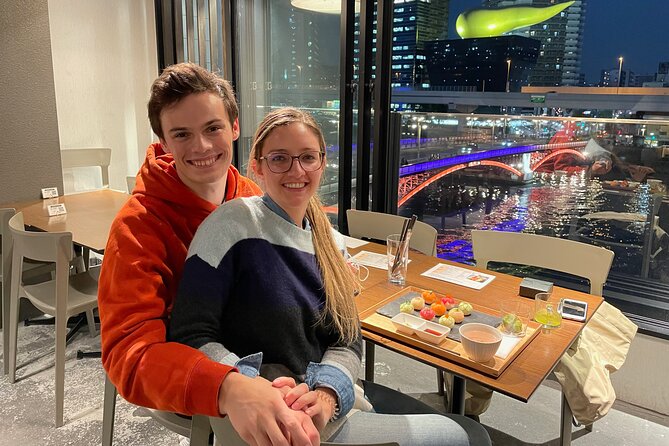
No class is perfect for every traveler. Here are the main tradeoffs I see based on what’s described.
First, this is built for tourists in a friendly, beginner-friendly way. That can be great if you want clarity and a relaxed pace. But if you’re specifically chasing a strict, traditional apprenticeship style, you might find the format more approachable than you expected.
Second, there’s no hotel pickup. If you’re tired, hauling luggage, or relying on others for navigation, you’ll need to plan your approach to the meeting point.
Finally, you’ll be in a group. Even with personal attention, you’re still sharing instructor time with other people. That’s normal for a class up to 30, and for many travelers it’s part of the fun.
Should you book Sushi Making Tokyo in Asakusa?
Book it if you want a Tokyo experience that’s more than eating. The big win is simple: you learn maki and nigiri step by step, then eat your own lunch. With English-speaking instructors, clear guidance, and a location near Senso-ji that fits naturally into a sightseeing day, it’s one of those rare activities that checks multiple boxes at once.
Skip it only if sushi-making sounds like work to you. If you’d rather eat at a top sushi counter and not spend 1 hour 40 minutes in class mode, a meal-only option might suit better. This one is for people who want the skill and the story, not just the taste.
If you do book, do one practical thing: arrive a little early at the Kaminarimon meeting point. It’s close, but it’s easy to lose track when you’re surrounded by temples, shops, and signage in Japanese.
FAQ
Where is the meeting point for the sushi class?
The meeting point is at 2-chōme-17-9 Kaminarimon, Taito City, Tokyo 111-0034, Japan.
How long does the class last?
The sushi making experience runs about 1 hour 40 minutes.
Do I need any cooking experience?
No. The class is beginner-friendly and does not require prior cooking experience.
What language are the instructors speaking?
The class includes an English-speaking instructor.
What sushi dishes will I make?
You’ll make sushi rolls and authentic nigiri step by step, and you’ll have a meal afterward made from what you prepare.
Is hotel pickup included?
No. Hotel pickup and drop-off are not included, and the activity ends back at the meeting point.
How big is the class group?
The experience has a maximum of 30 travelers.
Is a mobile ticket used?
Yes. It’s listed as a mobile ticket experience.
Can I cancel and get a full refund?
Yes, you can cancel up to 24 hours in advance for a full refund. If you cancel less than 24 hours before the start time, the amount paid is not refunded.