A friendly bout with retired sumo is pure Japan magic. This interactive experience teaches sumo history and rules while you watch sparring, then gives you a chance to test yourself against the pros. I love that it’s led by retired sumo wrestlers (not actors), and I also like that the meal is part of the package. One thing to consider: some seating can be set back from the ring, so you may need to stand for the best view.
You’ll meet in Sumida at Yokozuna Tonkatsu/Sumo lunch, then settle in for about 1 hour 30 minutes of demo, explanations, and photos before lunch. The group stays small enough to feel personal, and the overall vibe is light—fun, not stuffy.
In This Review
- Key highlights you’ll feel right away
- Why this SUMO show feels different from a typical performance
- Price and value: $89.54 for show time plus a real lunch
- Getting to Yokozuna Tonkatsu / Sumo lunch in Sumida City
- The flow of the experience: demo, rules, photos, and a friendly bout
- 1) Welcome and warm-up sumo moves
- 2) A quick, clear explanation of rules and sumo culture
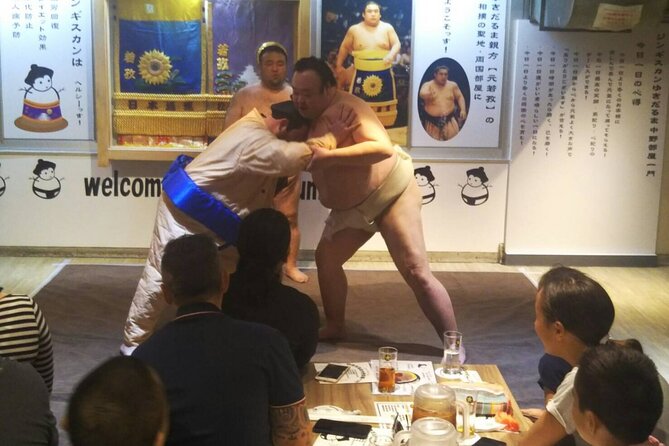
- 3) Sparring demonstration with audience interaction
- 4) Your chance to try a bout (if you want)
- 5) Sumo costume photos
- What you learn (and why it makes the show click)
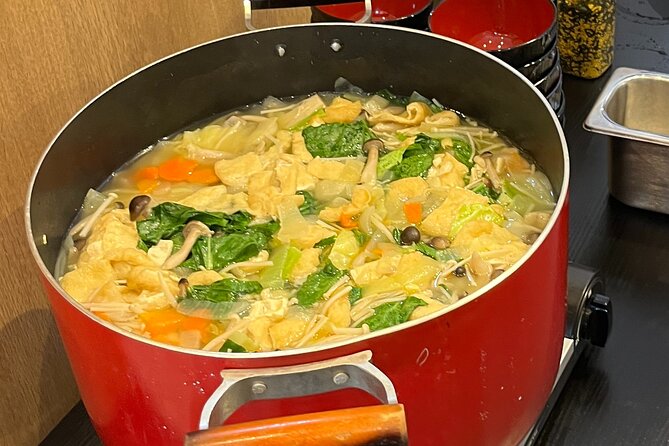
- Lunch details: tonkatsu and chanko soup with dietary options
- Chanko nabe: the sumo comfort bowl
- Tonkatsu: familiar but still part of the meal
- Dietary restrictions are handled, but plan ahead
- Seating, sound, and how to get a better view
- Who this is best for (and who might skip it)
- You’ll likely love it if…
- You might want to think twice if…
- Should you book the SUMO show with Beauty of Japan?
- FAQ
- How long is the SUMO show experience?
- What is included in the $89.54 price?
- Are drinks included?
- Where is the meeting point?
- Is there a meal option for dietary restrictions?
- Can I participate in wrestling if I want to?
- What is the cancellation policy?
Key highlights you’ll feel right away
- Retired pro wrestlers lead the show, including a chance to challenge them
- Hands-on sumo basics, from simple moves to why the rules matter
- Great audience energy, with lots of interaction and photo time
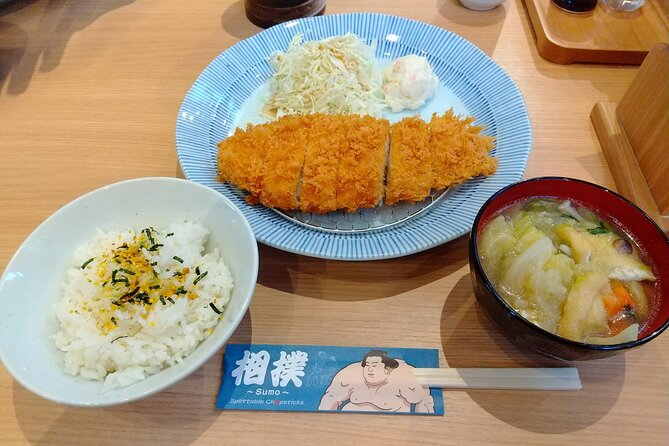
- Tonkatsu + chanko soup lunch cooked and served as part of the experience
- Costume photo moment, so you leave with more than just memories
- Small-group feel, even with a total cap of 60 people per session
Why this SUMO show feels different from a typical performance
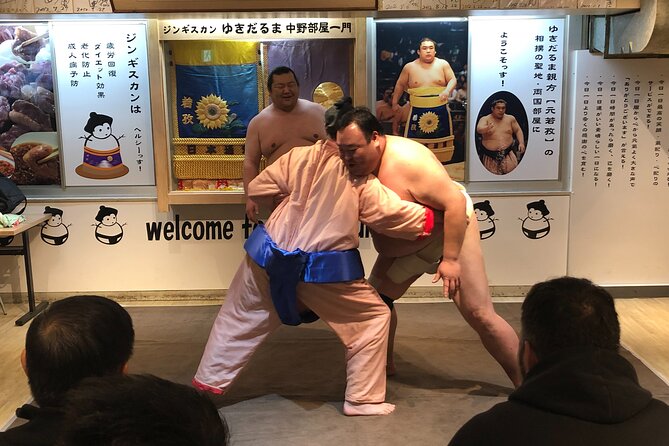
Most sumo experiences are watch-only, with you stuck behind the same row of seats. Here, you get the why behind the sport—then you get to try it. The format is built around short teaching moments, a sparring-style demo, and crowd participation that keeps things moving.
What I like most is the balance: you learn enough sumo vocabulary and basic rules to “get” what you’re seeing, but the tone stays playful. You’re not pressured to compete, either. If you want to jump in, you can. If you’d rather watch and take photos, you can still have a solid experience.
The best part for first-timers is that you’re handed context fast. Sumo has rituals, training routines, and a set of rules that can sound complicated at first. You leave with a clearer sense of what the wrestlers are actually doing during a bout—why certain moves work, and what the referee is looking for.
You can also read our reviews of more tours and experiences in Tokyo.

Price and value: $89.54 for show time plus a real lunch
At $89.54 per person for about 90 minutes, this isn’t a bargain deal. But it’s also not just “a show ticket,” because lunch is included. The included meal is tonkatsu and chanko soup, which is a very sumo-style pairing: tonkatsu is a straightforward comfort plate, while chanko nabe is the wrestler staple soup.
Here’s how I judge value with this one:
- You’re paying for direct interaction with retired wrestlers, not just watching from a distance.
- You’re getting an included meal cooked for the group, so you don’t have to figure out food plans during your busiest sightseeing window.
- Drinks are not included, so budget a little extra if you like soda, tea, or beer with lunch.
If you’re planning to do sumo anyway (and you’re okay with a guided, structured experience rather than a self-guided museum-style visit), the price starts to make sense. You’re buying convenience, time efficiency, and participation—not just entertainment.
Getting to Yokozuna Tonkatsu / Sumo lunch in Sumida City
Your meeting point is clearly set: Yokozuna Tonkatsu / Sumo lunch, 3-chōme-1-11 Tatekawa, Sumida City, Tokyo 130-0023. The start time is 1:00 pm, and the activity ends back at the same spot.
The venue is described as near public transportation, which matters in Tokyo. You’re not guessing across town with a complicated walk at the worst time of day. Also, you’re given a mobile ticket, which is handy on a phone when you’re hopping between neighborhoods.
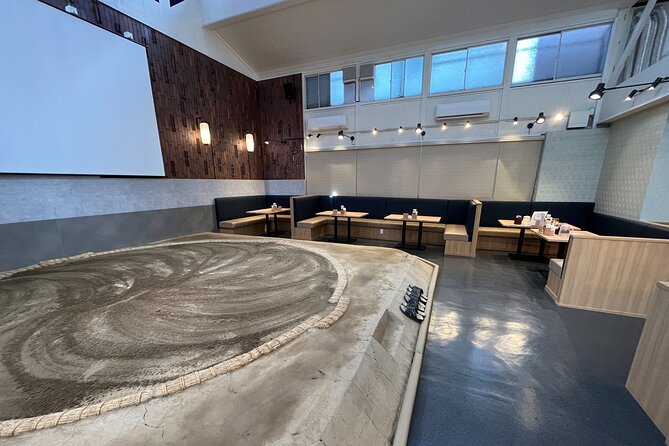
One practical note: don’t count on arriving early to get the best view. Seating is decided by the order reservations are received, and some tables can sit farther back from the dohyo (ring), so you may want to be ready to stand when the action starts.
The flow of the experience: demo, rules, photos, and a friendly bout
The session runs about 1.5 hours, and it typically moves through a predictable rhythm. That predictability is a good thing—especially if you’re traveling with kids or you’re short on time.
Here’s what the experience is built around:
1) Welcome and warm-up sumo moves
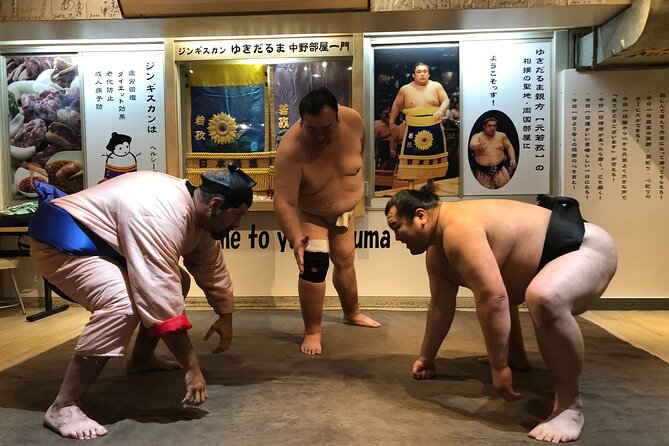
After you meet your host and the retired wrestlers, the session starts with a demonstration of a few sumo moves and techniques. This isn’t just showmanship. It’s designed to give you a basic mental map for what to watch later when sparring happens.




2) A quick, clear explanation of rules and sumo culture
You get an introduction to sumo history and its “convoluted” rules—meaning: not vague trivia, but the stuff that helps the matches make sense. Sumo has specific outcomes, procedures, and judging logic. When you understand those basics, the movements stop looking random.
3) Sparring demonstration with audience interaction
Then you watch the wrestlers demonstrate sparring. The show stays lively by involving the audience. This is also when the humor and personality come out—one of the big reasons people rate this highly.
4) Your chance to try a bout (if you want)
If you’re feeling brave, you can challenge a wrestler to a bout. This is not a “test of strength” in the gym sense. Think of it as a friendly, guided participation moment where the retired wrestler sets the tone.
Even if you’re not sure you’re sporty, this can still be fun. Your goal is to follow instructions, not win a championship.
5) Sumo costume photos
Before you wrap up, there’s time for photos with the wrestlers and a chance to wear a traditional sumo costume. This is one of those tourist moments that doesn’t feel gimmicky here because it’s paired with real personality and real wrestlers.
What you learn (and why it makes the show click)
Succeeding at sumo is not just about being big. It’s about timing, balance, grip strategy, and knowing what the rules reward. That’s the learning payoff you get during the session.
From the way the show is structured, you can expect to pick up things like:
- basic reasons certain techniques and grips show up again and again
- how the rules affect what wrestlers try to do
- why the warm-ups and training routines are part of the sport’s identity
It’s not presented like a lecture. The explanations are built to match what you’re about to watch, so your brain keeps up without effort.
And since the wrestlers are the instructors, you’re getting their version of the sport: the real-world logic behind the moves, plus small details that you wouldn’t get from a written guide.
Lunch details: tonkatsu and chanko soup with dietary options
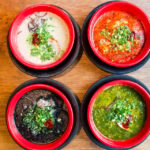
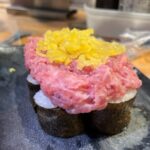
Lunch is a core part of the experience, not an afterthought. You’ll get tonkatsu and chanko soup as part of the package.
Chanko nabe: the sumo comfort bowl
Chanko nabe is the wrestler staple soup. It’s hearty, warming, and very “training camp” in spirit. If you’re curious about how sumo life feeds people, this is the food piece that makes that question real.
Tonkatsu: familiar but still part of the meal
Tonkatsu is the other half of the combo—fried and satisfying, with a more familiar taste for many visitors. It also makes the meal feel complete, not like you’re only eating soup.
Dietary restrictions are handled, but plan ahead
Vegetarian and other dietary accommodations are available upon request. You’ll need to include restrictions or allergies in the special notes when reserving. Requests made less than 5 days before the event date may not be possible, so give yourself time.
One more practical reality: you might share a table with another group to maximize seating. It’s not a problem if you’re friendly and go with the flow—but it’s something to know if you’re traveling with a tight schedule or want maximum privacy.
Seating, sound, and how to get a better view
This is the one part I’d prepare for up front. Some tables can be placed quite far from the ring, so it may be harder to see everything without standing. If you want the ring action clearly, arrive prepared to adjust your position during the show.
Also, the session includes both live talk and some video-style presentation elements. In one practical tip that comes up, the audio can be tricky if you’re trying to listen closely during video playback. If that matters to you, keep your attention on what’s happening live when it shifts back to the wrestlers and your host.
No matter what, remember: this is a guided hall experience. You’ll be asked to follow staff instructions, and that’s for everyone’s safety and the smooth running of the room.
Who this is best for (and who might skip it)
This experience fits best if you want a fun, structured way to experience sumo culture without committing a whole day to logistics.
You’ll likely love it if…
- you’re a first-timer and want the rules explained in plain language
- you like hands-on participation, not just watching
- you’re traveling with families and want a lively, friendly atmosphere
- you value a package deal where lunch is handled
You might want to think twice if…
- you only want formal, traditional sumo viewing with no participation element
- you’re extremely sensitive to visibility issues (some seating can be set back)
- you’re counting every yen/dollar and want drinks included (drinks are not part of the package)
The “retired wrestler” angle also matters. You’re getting real people who can explain what the sport is like beyond the basics.
Should you book the SUMO show with Beauty of Japan?
I’d book it if your Tokyo trip needs one memorable, interactive cultural stop. The strongest reasons to say yes are simple: retired wrestlers lead the experience, you get real participation options, and you leave fed with tonkatsu and chanko soup.
I’d reconsider if you’re looking strictly for a spectator-only event or if you need guaranteed front-row views. If view quality is your top priority, choose seats thoughtfully on arrival and be ready to stand.
If you want a lighthearted sumo lesson—food included, photos included, and a real chance to test your balance—this is a very practical way to do it in about 90 minutes.
FAQ
How long is the SUMO show experience?
The sumo demo plans including meal are about 1.5 hours.
What is included in the $89.54 price?
You meet retired sumo wrestlers, learn and watch the demonstrations, and you receive lunch: tonkatsu and chanko soup.
Are drinks included?
No. Drinks are not included.
Where is the meeting point?
You meet at Yokozuna Tonkatsu / Sumo lunch, 3-chōme-1-11 Tatekawa, Sumida City, Tokyo 130-0023, Japan. The activity ends back at the meeting point.
Is there a meal option for dietary restrictions?
Vegetarian and other dietary accommodations are available upon request. You need to include dietary restrictions or allergies in the special notes when you reserve.
Can I participate in wrestling if I want to?
Most travelers can participate, and there is an option to challenge a wrestler to a bout if you’re feeling brave.
What is the cancellation policy?
You can cancel up to 24 hours in advance for a full refund. If you cancel less than 24 hours before the start time, the amount paid is not refunded. Date changes aren’t allowed within 3 days of the experience.