REVIEW · SEOUL
Closest Observatory to DMZ & Suspension Bridge Tour from Seoul
Book on Viator →Operated by I Love Seoul Tour · Bookable on Viator
Aegibong lets you see the Korean peninsula up close. This tour goes to the closest observatory area tied to the DMZ experience, with a stop at Aegibong Peace Eco Park and Jogang Observatory—where North Korea is visible from just 1.4 km away.
What I like most is the mix of meaning and views: the site on former Hill 154 tells a clear story about the war and displacement, and the observatory area adds a very modern touch with the famous Starbucks on the observatory.
One thing to consider: you’ll need good weather to make the most of the viewing, and you must bring a passport because this is in a civilian control zone area.
In This Review
- Key highlights at Aegibong and Jogang
- Aegibong and Jogang: Why This DMZ-Adjacent View Matters
- Your 4 Hours 45 Minutes Plan From Myeong-dong
- Stop 1: Aegibong Peace Eco Park and the Hill 154 Story
- Jogang Observatory: See North Korea from 1.4 km Away
- Guide Energy: What Makes the Explanations Click
- Price and Value: Is $48 a Good Deal?
- Practical Tips That Actually Matter (Passports, Weather, Comfort)
- Bring the passport
- Plan for moderate physical movement
- Weather affects the payoff
- Use the mobile ticket
- Who Should Book This Tour (and Who Should Skip It)
- Should You Book This Closest-Observatory Tour?
- FAQ
- Where does the tour start and end?
- How long is the experience?
- Do I need a passport?
- What’s included in the price?
- Is coffee included at the Starbucks?
- What should I know about physical requirements?
- What happens if the weather is bad?
Key highlights at Aegibong and Jogang
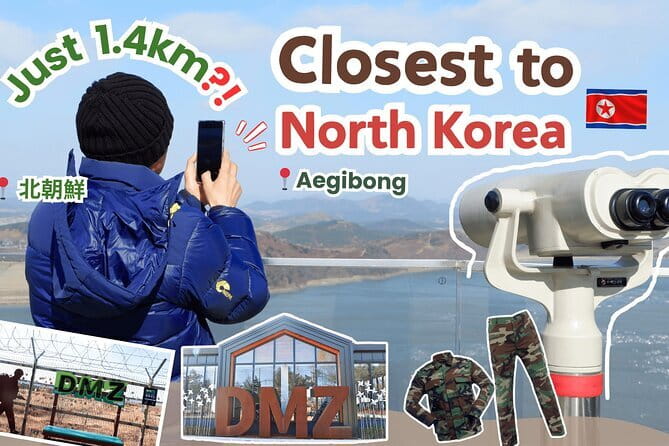
- North Korea visible from 1.4 km at the observatory
- Hill 154 context: a Korean War battleground turned peace symbol
- Starbucks on the observatory (coffee itself is not included)
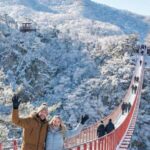
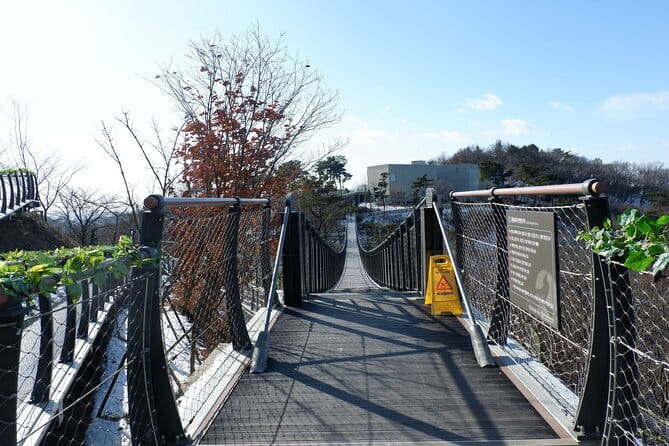
- Meaningful peace-and-memory design including bridge shapes linked to the former Christmas tree
- Guides with strong DMZ explanations, including Sunny, Thomas, and Shin
- Small-group feel for a big topic (max 120 people), with mobile tickets
Aegibong and Jogang: Why This DMZ-Adjacent View Matters
If you’ve been looking at DMZ options in Seoul, you’ll notice one big pattern: a lot of the famous spots are limited, change with closures, or require more time and stricter procedures. This tour is built around a different angle—the closest observatory experience connected to the DMZ world—so you get a powerful payoff even when other areas are harder to access.
Aegibong Peace Eco Park isn’t just a viewpoint stop. It’s tied to the Korean War site known as Hill 154, located where the Hangang River meets the Jogang River. After the fighting, many displaced people returned to Aegibong to try to see their old homes again. That memory-connection is exactly what makes the place feel more human than it would as a simple photo stop.
Then comes the modern contrast: the observatory area is famous today for a Starbucks inside the experience footprint. Coffee there is optional and not included, but the idea is clear—this is a place designed for peace and everyday life, not only for tension and barricades.
Possible drawback: if visibility is poor, your “closest view” may feel less close. Plan to dress for changing conditions and accept that weather can shape what you actually see.
You can also read our reviews of more tours and experiences in Seoul.
Your 4 Hours 45 Minutes Plan From Myeong-dong
This is a half-day-ish outing at about 4 hours 45 minutes total. It’s designed for travelers who want a structured DMZ-adjacent experience without spending an entire day on the road.
You start at Myeong-dong (Jung District) and the tour ends back at Myeongdong Station. There’s no hotel pick-up or drop-off included, so you’ll want to be comfortable meeting at the central area and using local transit or walking to get there.
A big practical plus: it’s paced. You’re not rushed through a checklist of stops. The itinerary gives you time at Aegibong Peace Eco Park for 1 hour 30 minutes, including admission. That matters because the whole point of this place is to slow down and connect the view to the story.
Also note the group scale: maximum 120 travelers. It won’t be private, but it’s not so huge that you’ll feel invisible. You’ll still be able to hear your guide’s explanations, especially if you choose a spot closer to the front during bus segments.
Stop 1: Aegibong Peace Eco Park and the Hill 154 Story
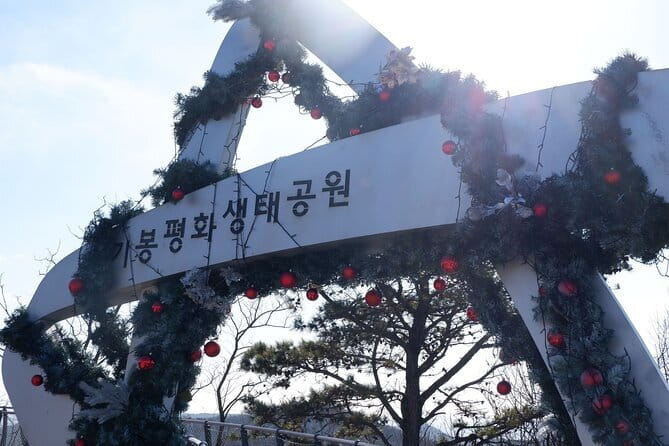
Aegibong Peace Eco Park is where this tour becomes more than sightseeing. The site started as Hill 154, where the two Koreas fought fiercely during the Korean War. The rivers are part of the story, too: the park sits near the mouth of the Hangang River along with the Jogang River, so you get a strong sense of why this area mattered strategically.
A key theme you’ll hear explained on-site is displacement. After the war, many people who had lost their homes visited Aegibong, hoping to look for what they remembered. That’s why Aegibong became famous as a place displaced people returned to—almost like a living bookmark of lost home.
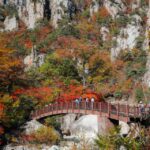
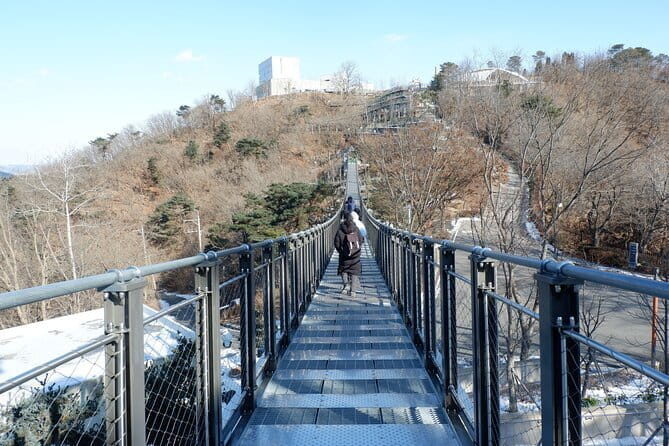
Then there’s a surprising, very human detail: the park was known for a huge Christmas tree, but it was removed because the lights were too bright and caused conflict due to electricity limits in North Korea. The workers responded by creating bridge designs in the shape of that tree. It’s an odd-but-moving example of how the site keeps adjusting to reality, not just to tourist expectations.
You’ll also see how the park is framed today as a symbolic area for peace and harmony. It’s not only about what happened; it’s about how the space tries to prevent the same story from repeating.
What to watch for: don’t treat the park as a quick walk-through. If you’re going to remember anything, remember the bridge/tree design and the Hill 154 context. Those are the anchors that make the observatory stop hit harder.
Jogang Observatory: See North Korea from 1.4 km Away
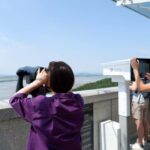
The headline here is the Jogang Observatory, renewed after an earlier observatory existed and was later demolished. The older observatory was established in 1978, then it was torn down and renewed under the name Jogang observatory.
What you’re really here for: the view. The observatory allows you to see North Korean land from the closest point mentioned—1.4 km away from North Korea. Even if you’ve read about DMZ sights before, this is the kind of number that changes how you experience the area. It’s not abstract anymore.
And yes, the Starbucks factor is real. The park’s observatory area is now famous for the Starbucks cafe on the observatory. Since coffee isn’t included, you can decide whether you want a drink there or just use it as a landmark for where you are.
I also like the way the tour frames the observatory’s purpose. It’s not presented as a thrill ride. It’s presented as a peace-symbol place where the view forces you to think—about division, distance, and how people live with that reality.
Guide Energy: What Makes the Explanations Click
A DMZ-adjacent experience lives or dies on the guide. The good news: this tour’s guide lineup can be excellent, and the names Sunny, Thomas, and Shin show up repeatedly in the best experiences.
Here’s what that usually means for you:
- You’ll get clear explanations about the South–North conflict and the division of the peninsula.
- The guide helps you connect what you see (park features, memorial context, observatory viewpoint) to why it exists.
- You’ll have someone to translate the emotional weight into something you can actually grasp in a few hours.
One review-style theme you’ll feel in the experience is that guides treat history like a living subject. For example, Thomas is described as very helpful and friendly when explaining the conflict in an engaging way. Shin is praised as among the most informative guides people have had for this kind of outing. That matters because Aegibong can be emotionally intense, and a good guide keeps it understandable—not just dramatic.
Tip for you: when your guide talks about Hill 154, displaced people, and the observatory renewal, try to ask one question that connects the story to the view. For instance: what you’re seeing from this point is why they built the site in the first place? You’ll walk away with better mental “map meaning,” not just photos.


Price and Value: Is $48 a Good Deal?
At $48 per person, this is priced like a focused specialty tour rather than a broad sightseeing bus day. The value comes from what’s included in that price:
- Admission ticket included for the main park stop (Aegibong Peace Eco Park)
- Air-conditioned vehicle
- Passport requirements handled in the process
- A professional tour guide is included if you select that guide option
Not included items are straightforward: you’ll pay for coffee or tea yourself at Starbucks (and snacks and lunch aren’t included). That’s normal for this style of tour, but it means you should plan a light meal or bring small snacks if your schedule needs it (just don’t expect the tour to provide it).
Also, it’s booked about 31 days in advance on average, which usually signals steady demand for the DMZ-adjacent viewpoint. If you’re traveling in a peak season or weekend-heavy schedule, booking earlier can help you secure the time slot you want.
My take on value: you’re buying access to a meaningful observatory experience tied to the DMZ world, plus transportation and a guide framework. For many people, that’s a better use of half a day than hopping between random viewpoints and hoping you’ll get the political context later.
Practical Tips That Actually Matter (Passports, Weather, Comfort)

This is one of those tours where small planning changes your day.
Bring the passport
Passports are mandatory. Don’t assume you can “show later” or rely on a digital copy. If you forget, you’ll likely lose your chance to participate. Build passport access into your day the night before.
Plan for moderate physical movement
The tour notes a moderate physical fitness level. That doesn’t mean it’s a hike, but you should expect standing, walking, and moving between park and observatory areas. Wear comfortable shoes.
Weather affects the payoff
This experience requires good weather. Since the main point is visibility from an observatory, cloudy or poor conditions can reduce what you actually see. If weather cancels it, you’ll be offered a different date or a full refund.
Use the mobile ticket
It’s listed as mobile ticket. That’s helpful, especially when you’re meeting at Myeong-dong and moving quickly through instructions.
Who Should Book This Tour (and Who Should Skip It)

This tour is a great fit if you:
- Want a DMZ-adjacent view without needing a full-day commitment
- Care about the story behind division—Hill 154, displacement, and the peace-design elements
- Like guided context for serious topics, especially if your guide is strong (Sunny, Thomas, Shin are names to watch for)
- Prefer a viewpoint that connects to modern symbols like the Starbucks on the observatory
You might skip it if:
- You only want a casual photo stop and you’re not interested in the explanations about history and division
- You’re traveling on a tight schedule where delays from weather would be hard to absorb
- You’re not comfortable with passport requirements
One extra note: this kind of observatory-focused tour can feel especially useful when bigger DMZ elements are closed. If you’re planning around uncertainty, going for the closest observatory approach is a smart risk-management move.
Should You Book This Closest-Observatory Tour?
If you want one clear, high-impact DMZ experience option from Seoul, this is one of the strongest bets. The 1.4 km observatory visibility, the Aegibong peace symbolism, and the Hill 154/displacement story give you meaning, not just a view. Add the chance of a top guide (Sunny, Thomas, Shin have been excellent in this experience) and you get a smoother, more understandable visit.
Book it if you’re ready to treat it as more than tourism. It’s emotional, it’s political, and it’s designed to make you look—then think—then look again.
FAQ
Where does the tour start and end?
The tour starts in Myeong-dong, Jung District, Seoul, and ends at Myeongdong Station.
How long is the experience?
It runs about 4 hours 45 minutes.
Do I need a passport?
Yes. Passports are mandatory for this tour.
What’s included in the price?
The tour includes an air-conditioned vehicle, and an admission ticket for Aegibong Peace Eco Park. A professional tour guide is included if you select the guide option.
Is coffee included at the Starbucks?
No. Coffee and/or tea are not included. The Starbucks is there, but you pay for your drink.
What should I know about physical requirements?
You should have moderate physical fitness. Expect walking and standing during the park and observatory time.
What happens if the weather is bad?
The experience requires good weather. If it’s canceled due to poor weather, you’ll be offered a different date or a full refund.