REVIEW · SA PA
Sapa: Eco Adventure Terrace Fields and Local Villages Trek
Book on GetYourGuide →Operated by Da Nang Happy Tour · Bookable on GetYourGuide
A trek through Sapa feels personal fast. This Sapa terraces and local villages walk pairs big views toward Fansipan with real village moments with the Hmong and Zay (Dzay) communities.
Two things I like a lot: the route is built around local life, not just photo stops, and your home-cooked lunch is part of the experience. One heads-up: this is a proper 10–12 km trek, and early sections can be muddy or slick.
In This Review
- Quick hits
- Meeting at Sapa Church: what your morning run-up really looks like
- From the viewpoint into Muong Hoa Valley’s rice-terrace rhythm
- Y Linh Ho Village: meeting Hmong daily life, not just a viewpoint
- Lao Chai Sang lunch: the meal that anchors the whole trek
- Lao Chai Village and the clothing-making cultural stop
- Ta Van Village: Dzay community before the return to Sapa
- Guides and small-group pacing: why this tour feels better than big buses
- Mud, fog, and shoe reality: the gear advice that actually helps
- Paying about $27: is it worth it or just a bargain?
- Who should book this Sapa terrace and village trek
- Should you book this tour?
- FAQ
- How long is the trek?
- Where do I meet the guide?
- What time does the trek start and when does it end?
- How far will we walk?
- What’s included in the price?
- What should I bring?
- Is it suitable for kids or seniors?
- Is pickup from hotels included?
Quick hits
- 9:00 AM start at Sapa Church so you get into the mountains before crowds
- Muong Hoa Valley rice terraces with rivers, wooden houses, and working farmers
- Hmong village visits at Y Linh Ho and Lao Chai Sang, plus a lunch with a local family
- A cultural clothing moment where you learn about daily life and how traditional clothing is made
- Ta Van Village with Dzay community before heading back to town
Meeting at Sapa Church: what your morning run-up really looks like
This trek starts at 9:00 AM with your guide meeting you in front of Sapa Church. It’s a good set-up for first-timers because you’re not trying to figure out trail logistics in a place where everything happens fast. Your guide also handles the flow of the day, and you’ll be in a small group limited to about 10.
You’ll want to think of this morning as a gradual “get your bearings” stretch. The day begins with a small hill viewpoint where you can look out across the valley toward Fansipan Peak. Even if the visibility isn’t perfect, the viewpoint matters because it gives you scale. Sapa looks dramatic from town, but up on the trail you see how the terraces and valleys actually stack.
If you’re the type who likes to know what to expect, here’s the practical part: your custom trekking route is still structured—so you’re not wandering alone—but you’ll have enough time for the stops that make the villages feel real. And yes, you’ll be asked to bring the basics: warm clothing, hiking shoes, and insect repellent. In Sapa, that’s not being fussy. It’s being smart.
You can also read our reviews of more tours and experiences in Sa Pa.

From the viewpoint into Muong Hoa Valley’s rice-terrace rhythm
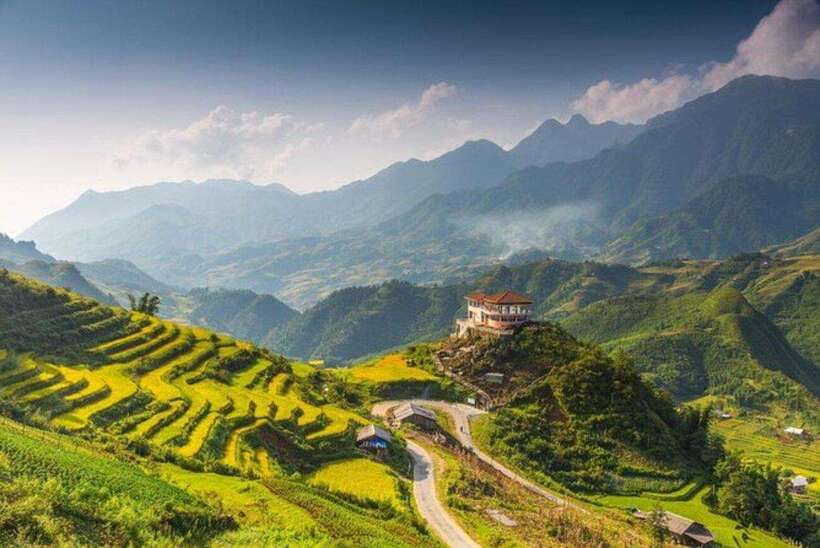
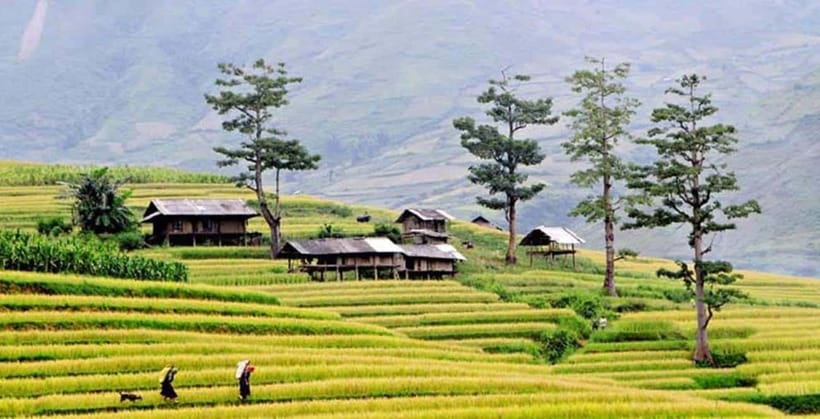
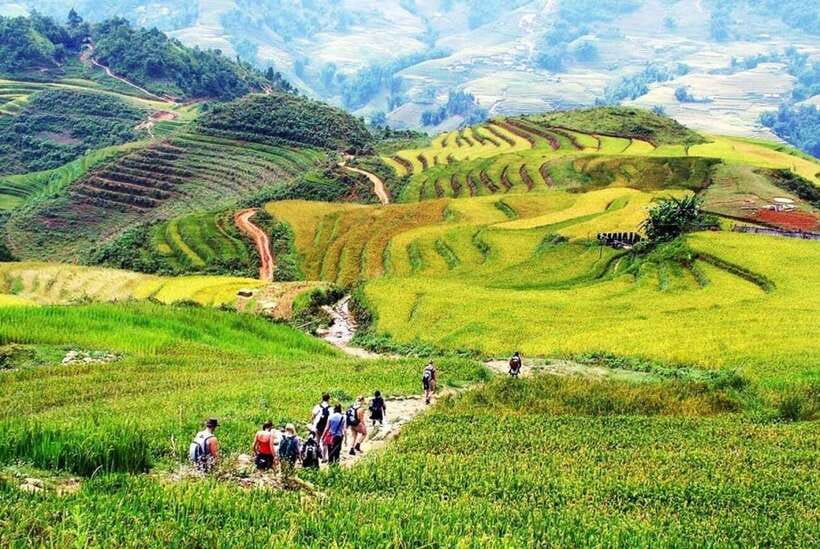
After that first viewpoint stop, the trek moves into Muong Hoa Valley, which is famous for layered rice terraces and mountain scenery. This is the part many people come for, and it does deliver. The terraces don’t just look pretty from above—they form the “lines” of the day as you walk past water channels, streams, and farmers working their plots.
You’ll also pass meandering streams and traditional wooden houses along the way. That mix matters. It keeps the walk from being purely scenic and turns it into “how people live here.” You’re seeing the infrastructure of farming—the channels, the footpaths, the places where daily routines meet the terrain.
A quick weather note based on real-world experience: mornings can be misty or foggy, which can blunt the view. The good news is that visibility can improve later in the day. So if your first photo looks foggy, don’t panic. The trail has plenty of other moments that work even when the peaks hide.
Y Linh Ho Village: meeting Hmong daily life, not just a viewpoint
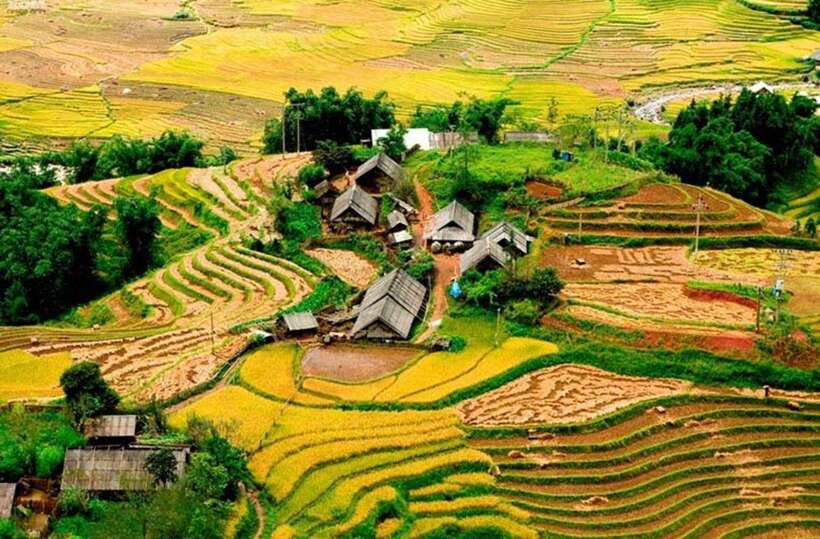
Around 11:00 AM, you arrive at Y Linh Ho Village, home to the Hmong ethnic minority. Expect a village walk vibe here—river crossings, trails that follow how people actually move, and small details that tell you this isn’t a staged stop.
You’ll cross a small bridge over a scenic river, which is one of those simple moments that makes the rest of the trek feel grounded. Bridges in rural valleys are never just for getting across; they’re part of the local geography. After that, you continue along trails toward Lao Chai Sang, with endless rice fields and towering mountains lining the path.
One thing I’d plan for: village time can be slower than city time. People will be doing what they do—planting, tending, moving about—and your guide will explain what you’re seeing. That’s where the trek becomes more than walking.
Lao Chai Sang lunch: the meal that anchors the whole trek
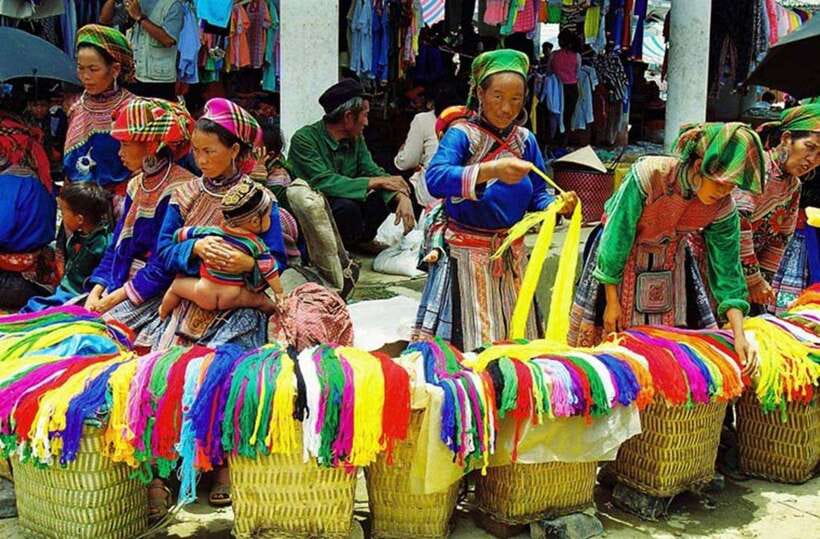
At about 12:30 PM, you break for home-cooked lunch with a local Hmong family in Lao Chai Sang. This is a big part of the value of the tour. You’re not eating a rushed restaurant lunch that could be anywhere in Vietnam. You’re eating in the village context—where the day’s work shapes the food and the pace.
In practice, the lunch is also a social moment. Many guides (people like Chai and Vu have been mentioned) do a great job of translating daily life into something you can actually picture. You’re getting more than a meal; you’re getting a window into how hospitality works here.
Vegetarian options aren’t guaranteed in the basic description, but at least some groups report vegetarian choices. If you need that, it’s worth saying something directly when you book or when you meet your guide.
Also: take the pause seriously. This is when you reset your legs and your attention. After lunch, you’re walking again through rice fields, and the next stretch is where you may notice how your shoes and balance handle the terrain.
Lao Chai Village and the clothing-making cultural stop
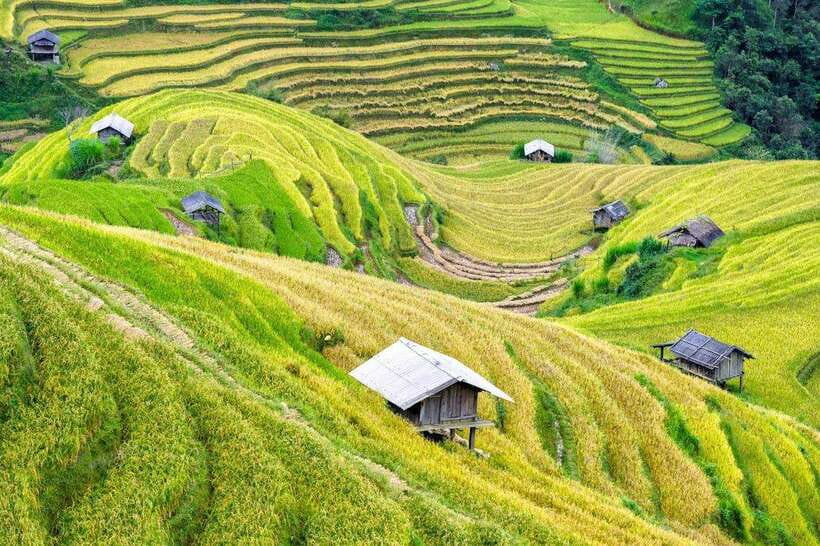
After lunch, you head toward Lao Chai Village, where you’ll often see villagers planting or harvesting rice, depending on the season. That seasonal change is important because it keeps the walk from being the same “static” experience year-round. In other words, you’re not just touring scenery. You’re walking through an active landscape of work.
Later in the afternoon, the trek includes a more cultural stop—learning about Hmong daily life and traditional clothing-making. This is one of those experiences that pays off if you like details. Instead of only hearing about traditions in general terms, you get a tangible topic—clothing production and what it takes to make and maintain it.
One practical note: some sections can feel more uneven than you expect, especially after lunch. The trail can shift from easier paths to rougher walking as you move closer to the next village areas. Your guide’s job is to pace the group and manage those footing issues, and the best guides also offer options when you need to go slower.
Ta Van Village: Dzay community before the return to Sapa
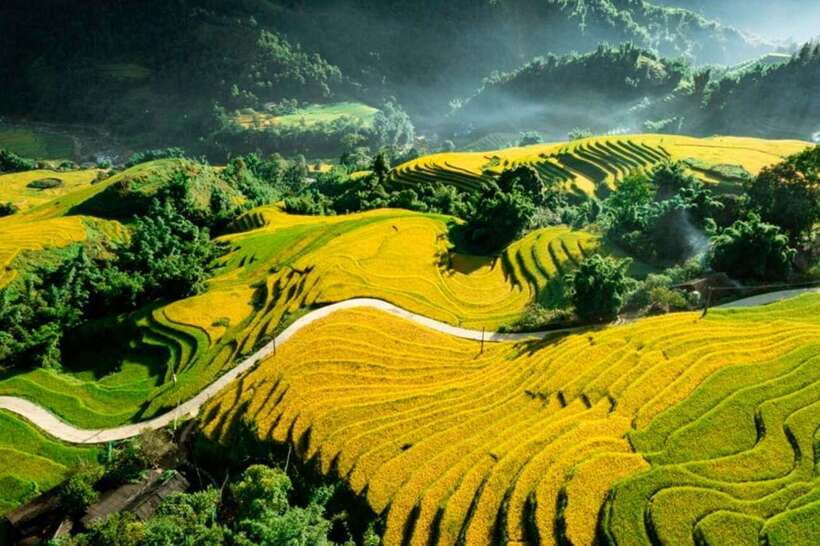
Next up is Ta Van Village, home to the Dzay (Zay) minority. This segment helps balance the day so it doesn’t feel like only one community story. Ta Van also gives you a different rhythm—still rural, still grounded, but with its own village character and explanations.
You’ll keep trekking through the afternoon and then return to Sapa at around 3:30 PM (some days it can run closer to 4:00 PM depending on pace and conditions). That’s early enough that you’re not stuck with an exhausted “late return” feeling, but late enough that you’ve had meaningful village time—not just a quick visit and back.
Guides and small-group pacing: why this tour feels better than big buses
This trek is run with an English live guide and a small group setup. That matters in Sapa because the day involves more than one village rhythm. A larger group would struggle to keep everyone together and safe, especially with slippery conditions.
In the feedback, guides like Chai and Vu get repeated praise for being friendly, organized, and good at connecting everyday details to broader cultural context. You’ll also see that “care” in small ways: helping slower walkers, keeping the group moving at a realistic pace, and answering questions in a way that actually clicks.
Another small-group benefit: you can get your questions answered without feeling like you’re waiting in line for your turn. When you learn about Hmong and Dzay daily life, the best explanations are often the ones you didn’t know you’d ask.
Mud, fog, and shoe reality: the gear advice that actually helps
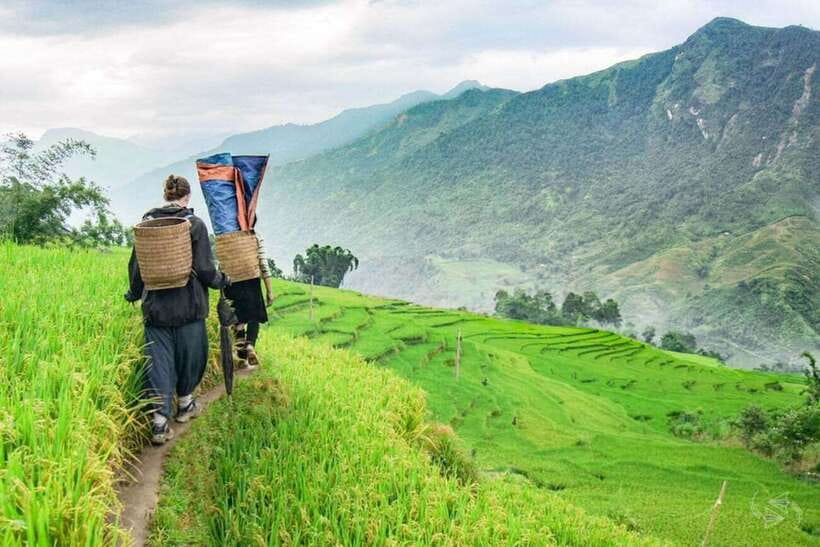
Let’s be real: Sapa trekking often includes mud and slick trails, especially early. One common pattern is a harder, muddier first stretch, sometimes even on days that aren’t raining hard at the start. People also report that later parts can be easier and include more paved or road-adjacent walking through village sections.
You might hear about gumboots/wellies being available to rent near the start of the trail (not always guaranteed, but it comes up in real experiences). If you don’t want wet feet or you hate the idea of your shoes taking a long bath, gumboots are a simple fix.
Here’s the gear list, straight from what you’ll need:
- Warm clothing (layers help because mountain weather changes fast)
- Hiking shoes with grip
- Insect repellent
Optional but smart: clothes you don’t mind getting dirty, and a plan for rain or mist.
Also, don’t assume you can “race through” slippery parts. Some stretches are downhill and can feel more challenging than the distance suggests. Your best strategy is steady steps and letting your guide set the pace.
Paying about $27: is it worth it or just a bargain?
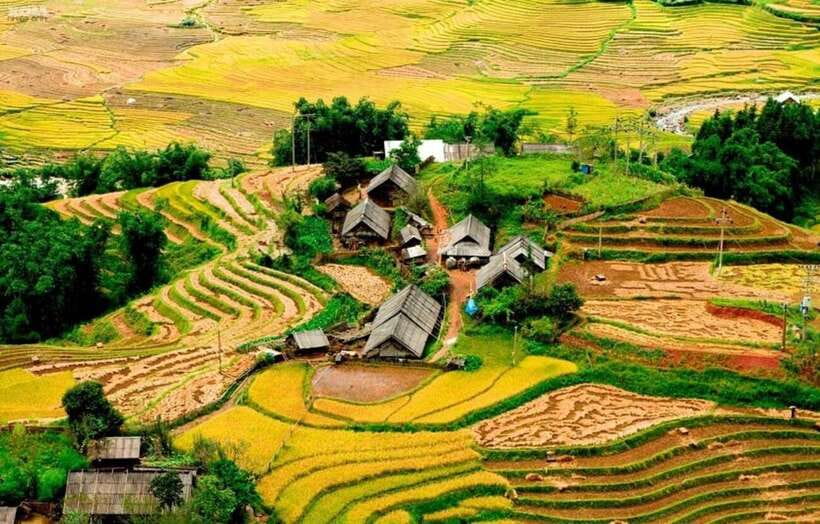
At about $27 per person, the value is strong because you’re getting more than a guided walk. Your price includes:
- A local ethnic English-speaking guide
- Entrance tickets
- Local lunch
The hidden value here is that lunch is part of the schedule, not an afterthought. That means you’re paying for your time to be structured around village visits and a proper meal break. And because it’s a small group, you’re paying less for “crowd logistics” and more for actual attention from your guide.
What’s not included matters too. Drinks aren’t covered, and there’s no hotel transfer service. So you’ll want to budget for your own way to the meeting point in Sapa and plan your water.
If you come into Sapa thinking, I’ll just walk around, you’ll probably miss the best part: the cultural framing and the meal. This tour is for people who want that structure and don’t mind getting their shoes dirty.
Who should book this Sapa terrace and village trek
This is a great fit if you:
- Like active days and you’re comfortable walking 10–12 km
- Want to see Hmong and Dzay culture through daily routines and village stops
- Care about a home-cooked lunch experience
- Prefer small groups over big bus tours
It’s not a good fit if you can’t handle the physical side. The tour isn’t suitable for:
- Children under 5
- Pregnant women
- People with mobility impairments, wheelchair users
- People over 75
Also, be honest about your knees. Even when the route is manageable, slippery downhills can be part of the day.
Should you book this tour?
Book it if you want Sapa that feels real: terrace walking plus village culture plus a lunch that ties it all together. The small-group format and the English-speaking guide experience are big reasons this works, especially when conditions get slippery and you need clear guidance.
Skip it—or choose another option—if you’re mainly chasing easy strolling or if 10–12 km on uneven ground sounds like suffering. Also, if your schedule is ultra-tight, remember there’s no mid-trek vehicle support; you’ll be walking the whole route and returning to town later.
If you like the idea of a day where the views are just part of the story—then this trek is a solid choice.
FAQ
How long is the trek?
The experience runs for about 390 minutes (roughly 6.5 hours).
Where do I meet the guide?
The guide meets you in front of Sapa Church.
What time does the trek start and when does it end?
The trek starts at 9:00 AM and returns to Sapa at around 3:30 PM.
How far will we walk?
You should expect 10–12 kilometers of walking and hiking.
What’s included in the price?
Included are a local ethnic English-speaking guide, entrance tickets, and a local lunch.
What should I bring?
Bring warm clothing, hiking shoes, and insect repellent.
Is it suitable for kids or seniors?
It’s not suitable for children under 5 or people over 75.
Is pickup from hotels included?
No. Hotel transfer service is not included.