REVIEW · CAIRO
Private tour: GIza Pyramids, Memphis City & Sakkara Pyramid
Book on Viator →Operated by EMO TOURS EGYPT · Bookable on Viator
Cairo can feel huge and chaotic, so a single-day route with a plan helps a lot. This private tour strings together Giza, Saqqara, and Memphis with hotel pickup, so you spend less time guessing and more time looking. You also get to control the pace, since it’s just your group in a private vehicle.
I like two things most. First, you get the big-picture story in Giza, Saqqara, and Memphis, not just photos from the roadside. Second, the “modular” setup lets you choose how much to pay for a guide, entry fees, and lunch.
One thing to consider: the day includes optional extra stops (papyrus, perfume/cotton, handmade rugs, and sometimes souvenirs), and some departures have had surprises around add-ons or fees. If you like a pure monuments-only day, you’ll want to communicate that early and stick to it.
In This Review
- Key things to know before you go
- Giza to Saqqara to Memphis: why this one-day route makes sense
- Pickup, transfers, and timing: how you avoid the Cairo stress tax
- Giza Plateau: Great Pyramids, Valley Temple, and getting close to the Sphinx
- Khufu (Great Pyramid), Menkaure, and Khafre: the short stops that still add up
- Saqqara Step Pyramid: where pyramid evolution becomes obvious
- Saqqara monuments beyond the Step Pyramid: Unas, Teti, and Ti
- Memphis: Ramses II, an Alabaster Sphinx, and the capital-city angle
- Optional guide, entry fees, and lunch: how to avoid paying twice
- The shopping stops: papyrus, perfume/cotton, and handmade rugs
- Car comfort and communication: small issues that can ruin a big day
- Price and value: the $8 headline vs what you’ll actually budget
- Who this tour suits best (and who should choose differently)
- Should you book this Giza, Memphis & Saqqara private tour?
- FAQ
- What’s included in the private tour package?
- Do I need to pay entrance fees for the pyramids and sites?
- How long is the tour and what time does it start?
- Is lunch included?
- Is this really private, or will I be mixed with other groups?
- Can I cancel for a refund?
Key things to know before you go
- Private car + hotel pickup means fewer headaches in Cairo traffic and less walking between sites
- Two-way transfers keep the day moving; the route is built for an 8.5-hour schedule
- Optional guide and entry fees can change the final price a lot, so confirm what’s included
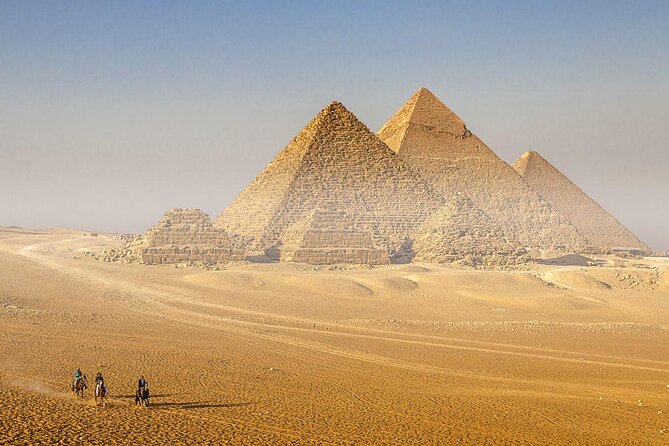
- Giza time includes the Sphinx and the main pyramid complexes (not just one stop)
- Saqqara includes the Step Pyramid plus shorter looks at Old Kingdom monuments
- Built-in stops for papyrus, perfumes/cotton, and rugs are easy to skip if you plan ahead
Giza to Saqqara to Memphis: why this one-day route makes sense
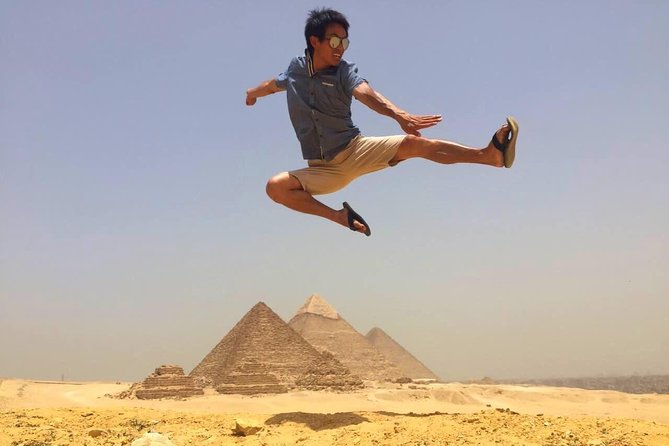
This tour works because it groups three sites that all explain Egypt’s timeline in plain sight. Giza shows the peak of pyramid-age power. Saqqara explains the evolution that led there, and Memphis grounds it all with the real political capital story.
The private setup matters. Cairo traffic can turn a plan into a guessing game. Having a car waiting and a driver who knows how to move you between neighborhoods lets you spend more time at the monuments and less time stuck.
At about 8 hours 30 minutes, you’re not trying to see everything Egypt ever built. You’re hitting the core highlights across different periods. That’s a smart choice if you have limited time and want meaningful context.
Pickup, transfers, and timing: how you avoid the Cairo stress tax
The day starts at 8:00 am with pickup from your Cairo or Giza hotel area. That early start helps you reach sites before the day turns into a long line-and-heat situation. You also get a finish drop-off back at your hotel.
The pacing is structured with short-to-medium visits at each area. For example, you’ll spend about an hour at the Giza plateau introduction area, then smaller blocks around specific pyramids. In Saqqara, you’ll get a longer visit for the Step Pyramid before shorter looks at other Old Kingdom structures.
This kind of schedule is great if you like momentum. It’s not great if you want to linger for hours in one place. If you’re the type who needs slow museum-style time, plan to bring patience or choose an upgrade that adds more focused time.
Giza Plateau: Great Pyramids, Valley Temple, and getting close to the Sphinx
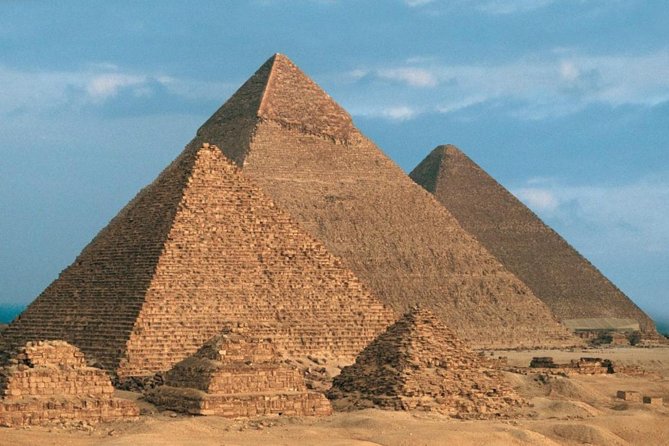
Your day begins on the Giza Plateau, where you visit the main pyramid complexes tied to Cheops, Chephren, and Mykerinos. You’ll also stop at the Valley Temple, described as the place connected to mummification practices for King Chephren. Even if you only remember a few key facts, this first stop helps you orient fast.
Then comes one of the world’s most famous photo moments: the Great Sphinx. The tour includes time for a close-up look at the Sphinx with its lion body and king’s head. You’ll see it from multiple angles during the Giza portion, since the day builds in separate stops for the Sphinx area.
Reality check: the Sphinx is an outdoor site with uneven ground and strong sun. Bring water, wear sun protection, and expect that your “close-up” time can be limited by crowds. The best guides use the time efficiently, pointing out what to look for and keeping you from wandering aimlessly.
Khufu (Great Pyramid), Menkaure, and Khafre: the short stops that still add up
After the initial plateau overview, the itinerary focuses on specific pyramid complexes. Khufu’s Great Pyramid gets about an hour. This includes context about the valley temple now buried under the modern area of Nazlet el-Samman. Even if you don’t see every buried detail, it helps you understand why the site looks the way it does today.
Menkaure’s pyramid is a shorter stop (around 30 minutes). The complex includes a valley temple, a causeway, and a mortuary temple connected to Menkaure’s pyramid. That means you’ll likely walk enough to see the layout, even if you don’t spend time in deep archaeological zones.
Then you move to Khafre’s pyramid, another complex that’s built around temples and causeways. The description includes a detail connected to discoveries by Mariette in 1860, when statues were found in a well inside the valley temple area. If your guide is good at explaining, these “small” facts help the monuments feel less like random stones.
Saqqara Step Pyramid: where pyramid evolution becomes obvious
Saqqara is where the trip shifts from “wow, big pyramid” to “how did Egypt learn to build this?” The star stop is the Step Pyramid of King Zoser, and you’ll have around two hours there.
The tour frames it as an important link in pyramid evolution, moving from earlier mastaba forms into the stacked step design you see today. That’s a useful way to look at the site. Instead of treating it as just one monument, you treat it as a chapter in a longer engineering story.
Saqqara is also where the ground can feel open and windy. You’ll likely do a fair amount of walking on uneven surfaces. If you’re sensitive to heat, schedule your break moments smartly, and keep water within reach.
Saqqara monuments beyond the Step Pyramid: Unas, Teti, and Ti
After the Step Pyramid, the itinerary continues with shorter Saqqara visits. You might see a stop described as a Pyramid of Unas replica, which sounds like a curated view at a display or shop setting rather than a major in-field monument time.
Then you’ll spend about 30 minutes at the Pyramid of Teti, described as including chambers and corridors tied to Pharaoh Teti’s burial site. That short window is still valuable because it connects you to the later Old Kingdom style of burial architecture.
Finally, you get the Mastaba of Ti, linked to discovery by Auguste Mariette. The description mentions two serdabs and wall scenes showing everyday life. Even with brief time, these are the kinds of details that make Saqqara feel human, not just monumental.
Memphis: Ramses II, an Alabaster Sphinx, and the capital-city angle
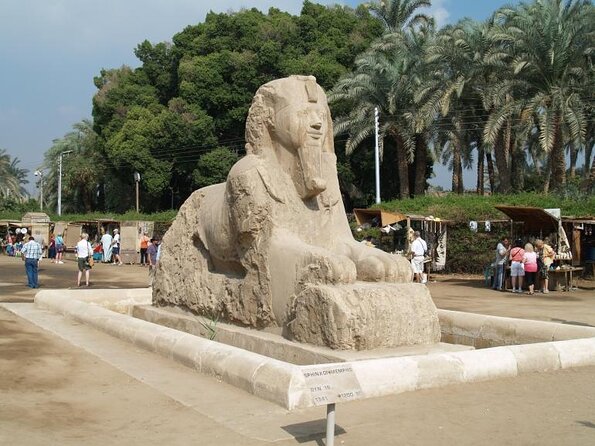
After Saqqara, you head to Memphis, described as the ancient capital dating back to around 3100 B.C.. The tour focuses on seeing two standout sculptural elements: a colossal statue of Ramses II and the Alabaster Sphinx.
This is a great contrast after the pyramid sites. At Giza and Saqqara, you’re mostly dealing with royal funerary architecture. At Memphis, you’re seeing symbols of power and city life through monumental art tied to rulers and public presence.
The Memphis portion is about one hour. That’s enough to absorb what you came to see without turning it into another all-day walking project. If you’re short on time, this hour is a good payoff.
Optional guide, entry fees, and lunch: how to avoid paying twice
This is a modular tour. You can book the car and driver only, then upgrade to add a guide, entry fees, and lunch. The listing also notes that entry tickets include basic areas only, and entrance fees depend on the option chosen.
This is where you should be extra sharp. Some past experiences mention confusion about entrance ticket paperwork and added fees. Before you leave the hotel, confirm what your chosen option covers and ask for clarity on any site-specific payment you’ll make on the day.
Lunch is listed as optional, including koshari. Some people were disappointed when lunch costs didn’t match expectations, so treat lunch as a “confirm it first” item. If you don’t want that uncertainty, plan your own lunch or skip the included meal and eat when it suits you.
The shopping stops: papyrus, perfume/cotton, and handmade rugs
The tour includes built-in stops that can take time: around 20 minutes at each location tied to traditional crafts and souvenir shopping. These include Paradise Perfumes Palace & Flower Cotton, Key of Life Papyrus (with papyrus making and traditional artwork), and a Handmade Carpets stop where you can watch rug weaving.
This can be enjoyable if you like process and craft. It’s also easy to overdo if you want maximum monument time. The key is to treat these stops as optional lifestyle extras, not as required “only way to see Cairo” moments.
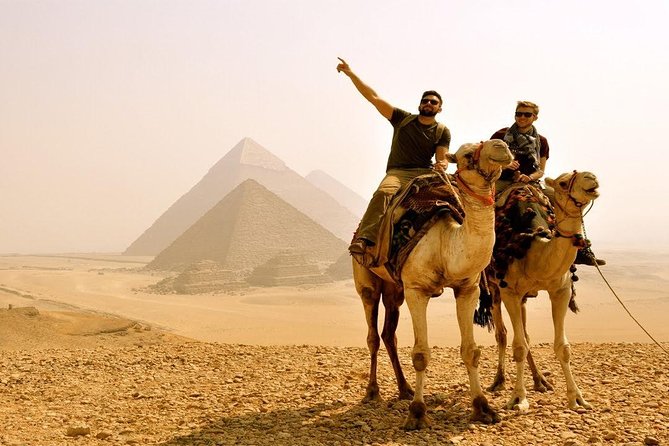
If someone starts pushing a lot of extras, politely keep control. One person’s experience included being encouraged to do a camel ride and shop purchases that felt commercially motivated. You can say no, and it’s worth remembering that you’re on a private tour, so your preferences should matter.
If you do want crafts, set expectations early. For example, you can enjoy watching papyrus making and still skip purchases you don’t want. That keeps the day from turning into a shopping marathon.
Car comfort and communication: small issues that can ruin a big day
A private tour lives or dies by the basics: car condition, driver comfort, and whether you can understand the guide. Some departures praised friendly drivers who kept vehicles clean and provided safe, smooth transit. Others mentioned practical issues like an AC problem.
Also pay attention to language fit. One past experience described a guide with a strong accent that made communication harder. If you’re traveling with older kids, or you need clear explanations, consider bringing a few key terms you want explained and be ready to ask for repetition.
My advice is simple: confirm what’s included, ask the guide to explain in a way you can follow, and be upfront if you want more history talk or more sightseeing time.
Price and value: the $8 headline vs what you’ll actually budget
The price shown is $8 per person, booked on average about 25 days in advance. But the structure is modular, and entry fees and guide service are optional. That means your final cost likely depends on what you select for the day.
Think of the base price as transport and the skeleton of the route. The upgrades add the “why it matters” piece (a guide’s explanations) and the “can we get in” piece (site admissions). Lunch is optional too, and some people found lunch pricing didn’t match what they expected.
So the best value comes from choosing the right combo. If you’re comfortable reading and you have a good self-guided approach, you might skip the guide upgrade. If you want context for pyramids, Old Kingdom evolution, and Memphis politics, budgeting for the guide and proper entry makes the day feel much more complete.
Who this tour suits best (and who should choose differently)
This works best if you want a single day with the major hits: Giza pyramids, Saqqara Step Pyramid, and Memphis. It’s also a strong choice for families who prefer a private pace rather than weaving through crowds.
It’s also good if you want flexibility. Private tours can be adjusted when traffic or timing gets weird. Some guides managed road blocks creatively, keeping the day moving without dropping all your priorities.
You might want a different setup if you need long stops, slow museum time, or zero-shopping days. Because the day includes set crafts/souvenir stops, you’ll need to manage your expectations and communicate your preferences early.
Should you book this Giza, Memphis & Saqqara private tour?
If you’re trying to pack Egypt’s pyramid story into one efficient day, I’d book this kind of private route. The blend of Giza + Saqqara + Memphis gives you a clean storyline from pyramid evolution to royal tomb culture to capital-city context.
Book it with a plan. Choose your upgrades deliberately, confirm what entry fees cover, and decide in advance whether you want the papyrus/perfume/carpet stops. If you’re traveling with kids, or you just hate Cairo logistics, this private format is the easiest way to get meaningful sights without burning your whole day in transit.
If you’re the type who dislikes any extra sales pressure, message the operator before you arrive and repeat it at pickup. Then you’ll get the best of what this tour offers: major monuments, a controlled pace, and a day that feels organized instead of exhausting.
FAQ
What’s included in the private tour package?
The tour includes hotel pickup and drop-off, a private tour, and bottled water. A tour guide, entry fees, and lunch are not included unless you choose the optional upgrades.
Do I need to pay entrance fees for the pyramids and sites?
Entry fees depend on the tour option you choose. The information notes that admission may include basic area only, and entrance fees are not included by default.
How long is the tour and what time does it start?
The tour runs for about 8 hours 30 minutes and starts at 8:00 am.
Is lunch included?
Lunch is listed as optional, with koshari mentioned as an example of what may be served. If you choose the lunch upgrade, confirm what’s included to avoid surprises.
Is this really private, or will I be mixed with other groups?
This is a private tour/activity. Only your group participates.
Can I cancel for a refund?
Yes. You can cancel up to 24 hours in advance for a full refund. If you cancel less than 24 hours before the start time, the amount paid is not refunded.