REVIEW · SA PA
Sa Pa: Muong Hoa Valley Trek and Local Ethnic Villages
Book on GetYourGuide →Operated by Vietnam Nomadtrails · Bookable on GetYourGuide
Ten kilometers in Sa Pa feels like stepping into daily life. You walk the Muong Hoa Valley with an English-speaking guide, visiting Black Hmong and Red Dao villages and seeing rice terraces hidden in mist. I love how the day mixes real trail time with culture stops like Lao Chai and Giang Ta Chai, and I also love the lunch in a local home mid-trek. One watch-out: the route can be slippery and muddy in wet weather, so shoes and steady footing really matter.
If you’re into places where people work the land, this trek delivers. You’ll follow trails past well-tended terraced rice fields, cross the Muong Hoa River area, and hike through stretches that feel remote—then finish at the main road around 3:30 PM. Guides such as Chai and Khu come up again and again in the day’s success because they manage pace, safety, and explanations as you move.
The possible drawback is simple: this is a challenging 10-kilometer trek. Even when the itinerary sounds straightforward, the bamboo forest and wet patches can turn footing into a slow, careful shuffle.
In This Review
- Key Highlights Worth Getting Excited About
- Muong Hoa Valley Trek: Why This Day Feels Different in Sa Pa
- Timing and Pickup: How the 6 Hours Will Fit Your Day
- The First Stretch: Rice Terraces, the Muong Hoa River, and Lao Chai
- Ta Van Giay, the Suspension Bridge, and Ancient Rock Carvings
- Lunch in a Local Home: Where the Day Resets
- Bamboo Forest to Giang Ta Chai: Waterfall Pause and the Uphill Finish
- Slippery Reality: What to Do About Mud, Wet Rock, and Traction
- Village Etiquette and the Small Purchases Question
- Price and Value: What $23 Buys You (and What It Doesn’t)
- Who Should Book This Trek (and Who Should Skip It)
- Should You Book This Muong Hoa Valley Day Trek?
- FAQ
- How long is the tour, and how long is the trek?
- Does this include hotel pickup in Sa Pa?
- How big is the group?
- What’s included in the price?
- Is lunch included?
- What should I bring for this trek?
- Is the trek harder in rainy or wet weather?
- Which villages and sights are part of the route?
- Who is this not suitable for?
- Can I cancel for a refund?
Key Highlights Worth Getting Excited About
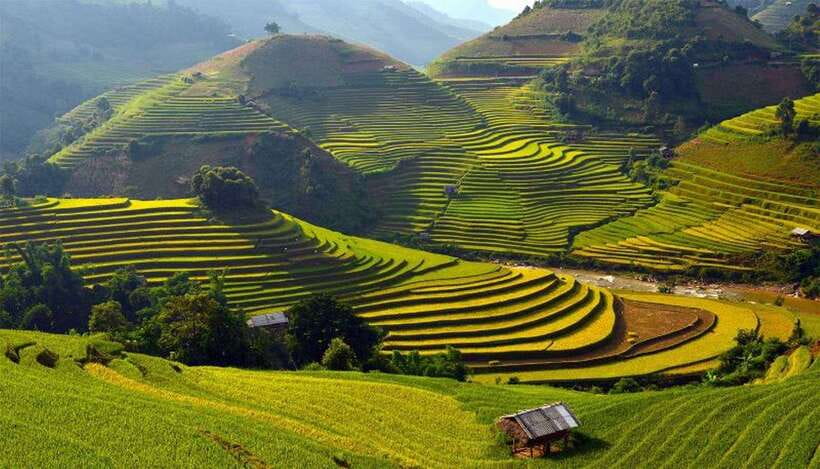
- 10 km of walking on local trails through terraces, river crossings, bamboo forest, and village paths
- Village visits that explain daily life, including Lao Chai (Black Hmong) and Giang Ta Chai (Red Dao)
- Muong Hoa River moments, including a suspension bridge about 2 kilometers from the settlement
- Ancient rock carvings with images of men, stilt houses, and decorative patterns
- Lunch at a local house, often the best break in the middle of the day
- Small group (up to 11) means you’re not lost in a crowd during the tougher steps
Muong Hoa Valley Trek: Why This Day Feels Different in Sa Pa
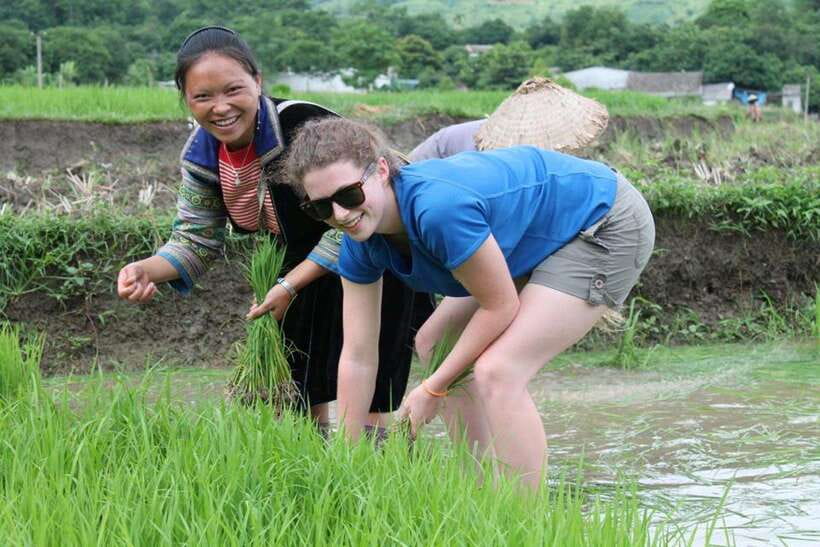
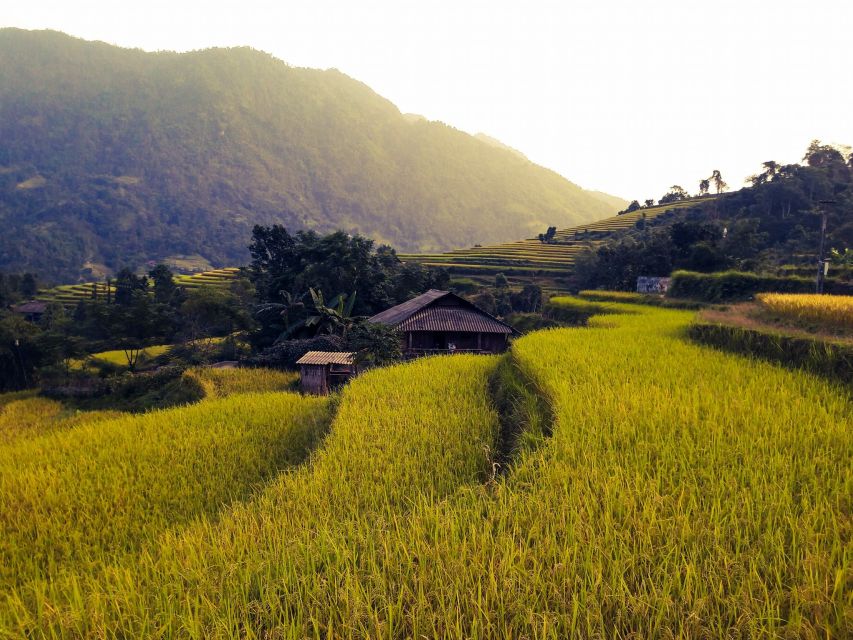
Sa Pa can be all fog, photos, and short walks if you’re not careful. This trek is different because it’s built around movement through the valley—on the kind of paths locals actually use. You’re not just viewing terraces from a distance. You’re walking through them.
What I like most is the flow of the day. You start with a river-and-rice rhythm, then shift into villages, then back onto trail with bamboo forest and a waterfall rest. That keeps the day from feeling like a single long “hike and hope” moment.
The cultural side also isn’t random. Lao Chai brings you into Black Hmong community life, then the route continues toward Ta Van Giay area and onward to Giang Ta Chai, where Red Dao culture is front and center. You’ll also stop at ancient rock carvings, which gives the day a sense of depth beyond the scenery.
You can also read our reviews of more tours and experiences in Sa Pa.

Timing and Pickup: How the 6 Hours Will Fit Your Day
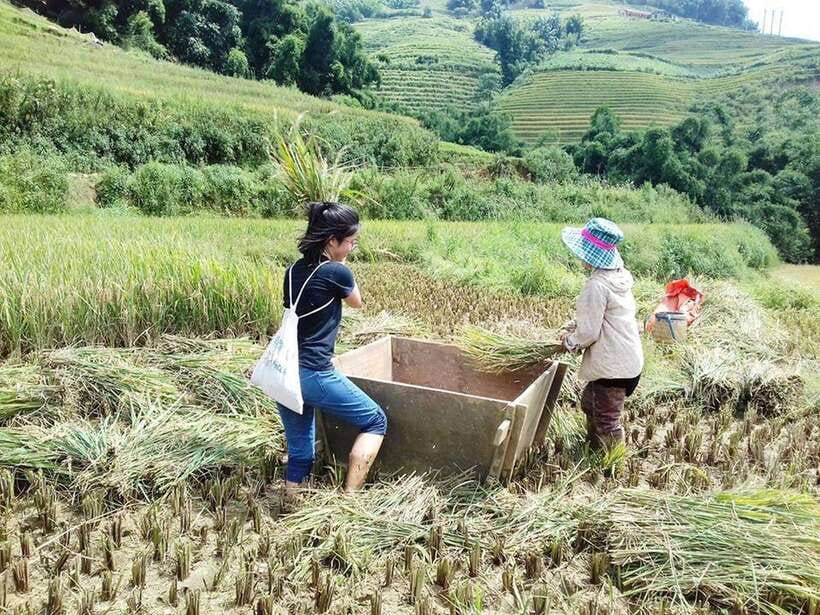
This is a 6-hour activity with hotel pickup in Sa Pa center town (or pickup at the operator’s office in Sa Pa). Pickup is limited to that Sa Pa area, so if you’re staying outside the center, plan on getting to the pick-up point.
You should expect a full day format. Even though it’s not all uphill, you’re walking continuously enough that “just wearing comfortable clothes” isn’t the right mindset. This ends around 3:30 PM, which helps if you want a late-afternoon market wander or a relaxed dinner after.
Because it’s a small group (up to 11 people), the guide can keep a tighter pace. That matters especially when the ground turns slick, since everyone needs to move as a team.
The First Stretch: Rice Terraces, the Muong Hoa River, and Lao Chai
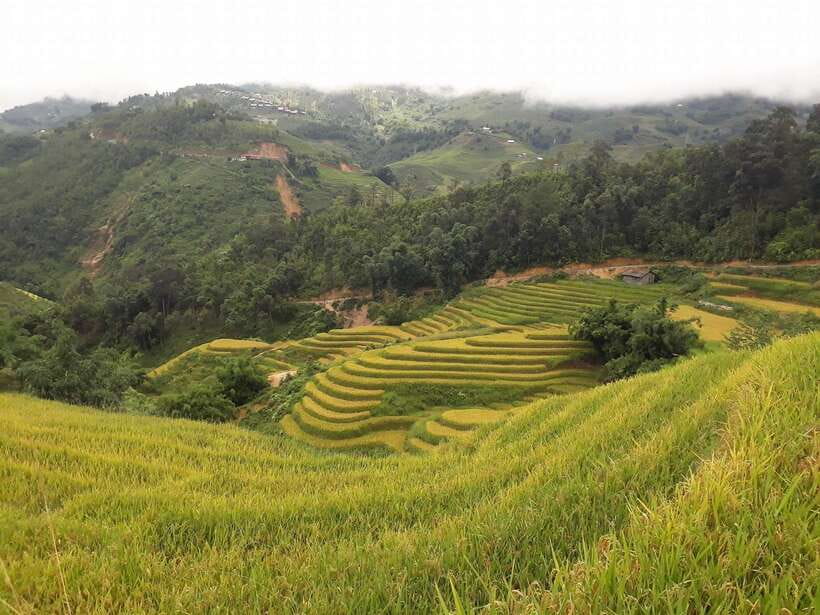
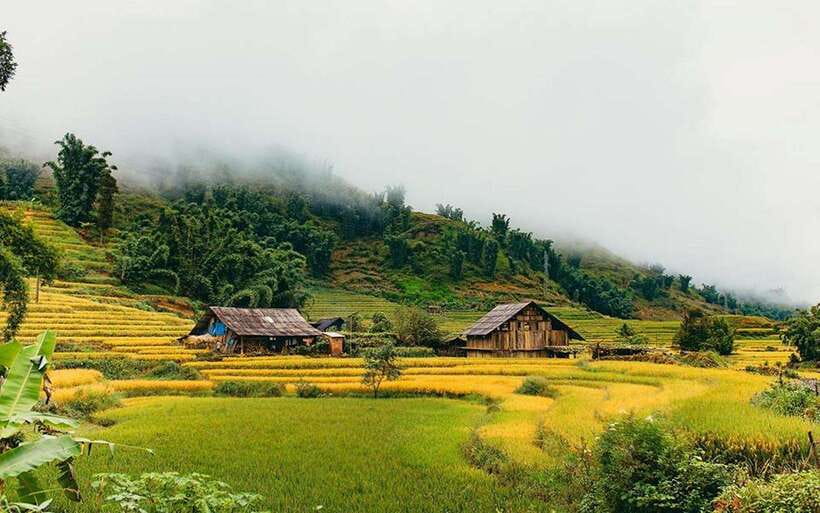
You’ll begin with a 10-kilometer trek through the valley. Early on, the big visual payoff is the terraces—often described as hidden behind morning mist. Even if visibility is cloudy, the terraces still read clearly once you’re down among them.
Next comes your first real “valley logistics” moment: a short trail that leads you toward a crossing near the Muong Hoa River. These aren’t dramatic bridges at the start. It’s more the feel of switching between fields, footpaths, and water edges.
Then you reach Lao Chai, home to a Black Hmong ethnic community. This is where the day shifts from scenery to people. You get time to walk through village life along the route, and the guide’s job becomes translating what you’re seeing into something you can actually understand—house layout, daily routine, and how the landscape supports life.
A small practical note: parts of this route are along narrow trails beside cultivated ground. When it’s dry, it’s scenic and manageable. When it’s wet, you’ll want to slow down and keep your weight balanced.
Ta Van Giay, the Suspension Bridge, and Ancient Rock Carvings
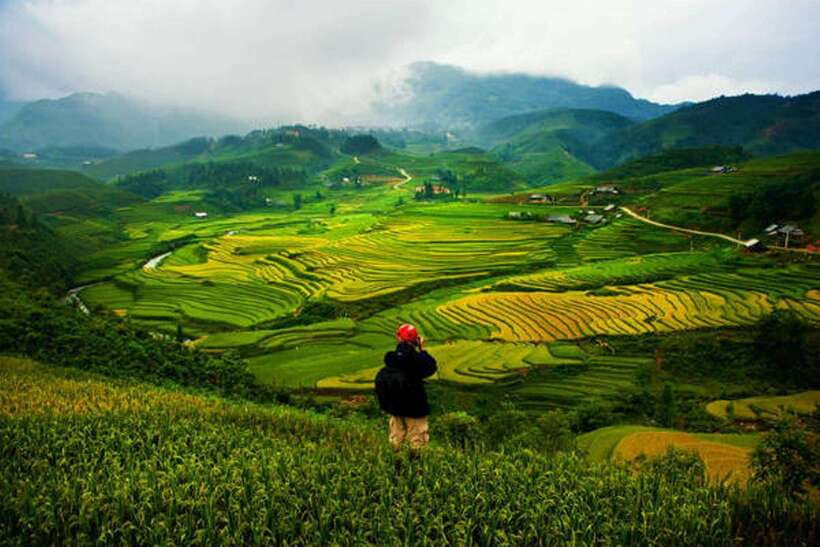
From Lao Chai you continue toward Ta Van Giay. The trail follows along the Muong Hoa River route for a while, so the soundscape tends to change—less “open field quiet,” more of the river valley atmosphere.
One of the day’s standout structure points is the suspension bridge, roughly 2 kilometers from the settlement. It’s not long, but it breaks up the hike and gives your legs a mental reset. It also helps you understand the scale of the valley, because the river isn’t a background feature here—it shapes paths and movement.
Then you’ll encounter a truly interesting stop: a collection of ancient rock carvings. The designs include images of men, stilt houses, and decorative patterns. If you’ve only seen Sapa through viewpoint platforms, this stop adds context fast. It hints that people have been reading this valley for a very long time—how they built, how they marked identity, and what they valued.
If you’re the type who likes a “why does this matter” pause, this part gives it to you.
Lunch in a Local Home: Where the Day Resets
Lunch is one of the best value points in this trek. It’s included, and it happens at a local house in one of the villages—not at a restaurant engineered for tourists. That changes the whole mood.
Practically, this is also your break from the moving. Even if the trek isn’t nonstop steep, the walking adds up, and lunch gives you a chance to warm up, sit down, and let your body catch up.
Food-wise, expectations are simple: it’s local, and it’s filling. I’ve seen mentions of meals like rice and vegetables, and even support for a vegan diet on at least one day. So if you have dietary restrictions, it’s worth asking ahead of time, but there’s evidence that the day’s structure can adapt.
The best lunch strategy here is to treat it like a mid-trek checkpoint. Eat, hydrate, and don’t rush back out the door—your next terrain (including bamboo forest) can demand more careful footing.
Bamboo Forest to Giang Ta Chai: Waterfall Pause and the Uphill Finish
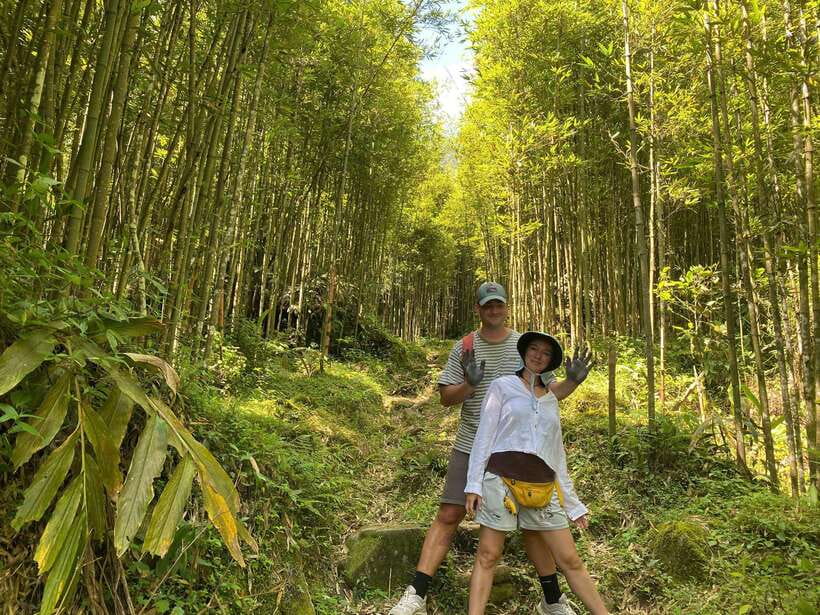
After lunch you move into the bamboo forest. This is where the trail can feel more slippery, especially if rain came through earlier. Several guides handle this with a steady pace and safety reminders, and some routes include extra local support along the trickiest patches.
Next comes Giang Ta Chai, a Red Dao ethnic minority village. This is your second major community stop after Lao Chai. It’s the kind of shift that makes a day trek feel like more than “one village and done.” You compare how life looks and how people relate to the valley in different ethnic communities.
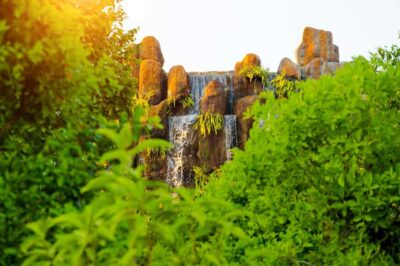
You’ll also take a short rest at a nearby waterfall. It’s not a long sightseeing stop, but it helps break the hike into segments. Then you climb uphill toward the main road where your driver will be waiting for the return to Sa Pa.
The final uphill leg is exactly where you’ll feel your total effort. If you’ve been rushing earlier, this is where you’ll pay for it. If you’ve paced yourself and stayed steady on your footing, it feels like a finish line rather than a punishment.
Slippery Reality: What to Do About Mud, Wet Rock, and Traction
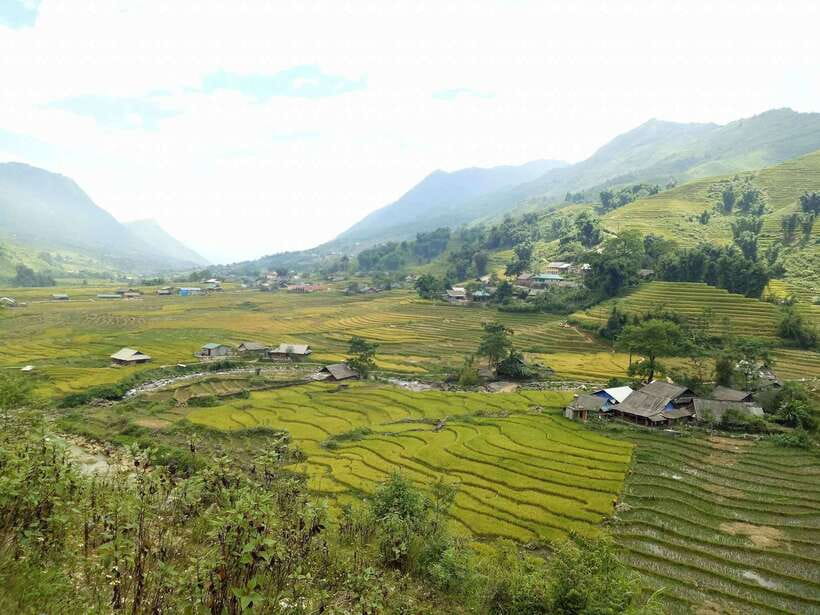
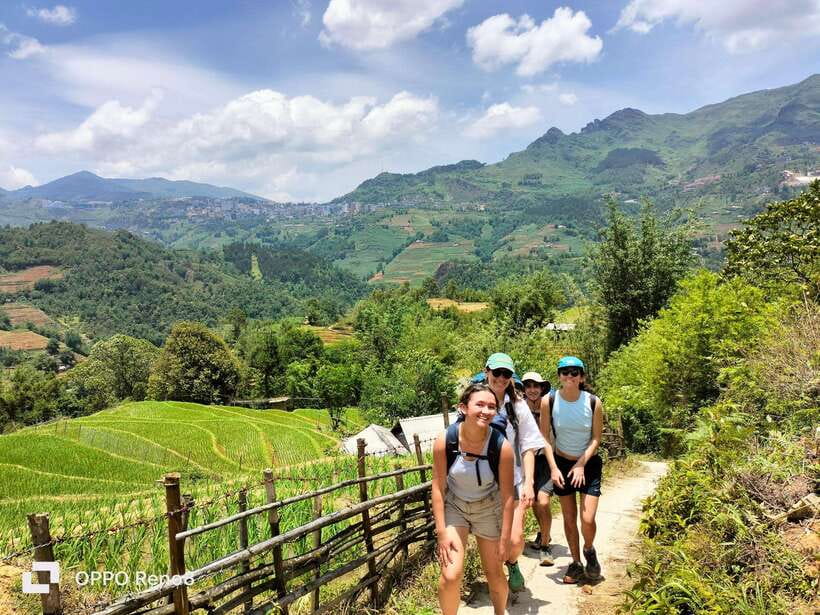
This trek is described as challenging, especially in wet weather. Wet ground changes everything: the trail can go from “scenic and narrow” to “mud slides waiting to happen,” particularly on the bamboo forest sections.
So here’s the practical advice that matters:
- Wear hiking shoes with real grip. Many people recommend trekking boots or even gumboots when conditions are heavy.
- Skip white or “nice” sneakers. Your feet will get dirty, and you might not love the final look.
- Bring sunglasses and sunscreen. Even with fog, light still hits, and there’s no shade guarantee.
- Bring insect repellent. Repellent is listed as a recommendation for a reason.
A funny-but-true element in the day: local helpers may join to support you through the worst mud patches. That’s not a failure. It’s part of how the valley trekking works when conditions are rough.
If the weather is foggy and wet, visibility may be less than the classic terrace photos, but the experience can still be very special. Just adjust your expectations toward the trail feel and the people, not perfect panoramic views.
Village Etiquette and the Small Purchases Question
There’s a real dynamic on some treks like this: you may be followed at certain points by local women, and you may be encouraged to buy small items as a thanks. This can include woven goods or simple village wares.
I’m not against it as long as you treat it the right way:
- Keep some cash on hand for small purchases if you want to show appreciation.
- Decide your spending limit before you feel pressured mid-slippery-step.
- Remember that your guide is there to help you navigate the social side as well as the trail.
It’s also worth noting that the selling attention doesn’t necessarily last the whole walk. Some guides (and local helpers) focus support where it’s needed most—then the trekking momentum continues.
Price and Value: What $23 Buys You (and What It Doesn’t)
At $23 per person, this is a bargain when you compare what’s included versus typical private guiding. You get:
- Hotel pickup in Sa Pa center (or office pickup)
- An English-speaking guide
- Entry tickets (handled for you)
- Lunch
- Mineral water (500ml per person)
- Transport back as mentioned in the plan
What’s not included is also normal:
- Beverages and personal purchases
- Soft drinks
- The option of a French-speaking guide (listed as an additional $19 per person)
- A Lunar New Year surcharge from Feb 14 to Feb 21, 2026 (listed as $30 per person)
Value-wise, the big win is that you’re paying for a guided day that includes transport, lunch, and a guided cultural walk on real paths. If you were to do even part of this independently—especially with the challenge level of the terrain—your costs and stress would rise fast.
If you’re on a tight schedule and want a day trek that actually covers multiple villages, this is strong value.
Who Should Book This Trek (and Who Should Skip It)
This is best for people who:
- Are comfortable walking 10 kilometers in uneven terrain
- Have decent balance and can handle slippery sections
- Want a cultural day tied to the valley’s day-to-day reality
It may feel too tough if you:
- Have mobility impairments
- Are bringing kids under 6 years old
And if you’re the type who hates getting sweaty and muddy, be honest with yourself. You can still enjoy the day, but the “clean sightseeing” approach won’t work here.
Should You Book This Muong Hoa Valley Day Trek?
If you want Sa Pa beyond viewpoints, I’d book it. The mix of terraces, village visits, a mid-day home lunch, and stops like the rock carvings gives the day structure. The small group format helps, and the guides (people like Chai and Khu) seem to do a lot to keep the experience safe and meaningful.
Just book with the right expectations. This is a real trek. Pack for mud. Bring proper shoes. If you do that, the day becomes one of those Sa Pa experiences you remember because it felt human, not staged.
FAQ
How long is the tour, and how long is the trek?
The tour runs about 6 hours total. The trek itself is 10 kilometers long.
Does this include hotel pickup in Sa Pa?
Yes, hotel pickup is included if your hotel is in Sa Pa center town. Pickup is also available from the operator’s office in Sa Pa town. Pickup outside the Sa Pa area is not available.
How big is the group?
It’s a small group with a limit of 11 participants.
What’s included in the price?
Included are hotel pickup (where available), an English-speaking guide, entry tickets, lunch, mineral water (500ml per person), and transport as mentioned.
Is lunch included?
Yes. You’ll have lunch at a local house during the trek.
What should I bring for this trek?
You should bring hiking shoes. Sunglasses, sunscreen, and insect repellent are also recommended, and warm clothes are recommended from October to March.
Is the trek harder in rainy or wet weather?
Yes. The trek is noted as challenging and can be slippery, especially in wet weather.
Which villages and sights are part of the route?
You’ll pass through the valley toward Lao Chai (Black Hmong), then toward Ta Van Giay, and onward to Giang Ta Chai (Red Dao). You’ll also see ancient rock carvings and cross a suspension bridge. There’s also a short rest at a nearby waterfall.
Who is this not suitable for?
It’s not suitable for disabled people and children under 6 years old.
Can I cancel for a refund?
Yes. There is free cancellation up to 24 hours in advance for a full refund.