REVIEW · TOKYO
The Old Quarter of Tokyo – Yanaka Walking Tour
Book on Viator →Operated by Localized Walking & Food Tours · Bookable on Viator
Yanaka has a slower heartbeat than central Tokyo. This 3-hour walking tour is a smart way to see traditional pockets of the city on foot, with small-group attention and plenty of story time. You’ll move through temples, shrines, and residential lanes that still show what life looks like when the crowds thin out.
I like how the tour spotlights everyday religion in real places, not just big postcard sites. You also get guided stops that include thoughtful breaks, like a stop at Ueno Sakuragi Atari in restored old houses. A note before you go: some stops have admission or extra costs not included, so budget a little for drinks or small purchases if you want them.
The tour is designed for walking, and it runs in good weather. It also has a max size of 10 people, which is great for questions, but it means the vibe is tied to the pace set by your guide and group.
Key Tour Highlights (Why this one works)
- Small group size (max 10) means you’re not stuck listening over everyone’s shoulder.
- English-speaking local expert guides the route and helps you understand what you’re seeing.
- Free entry at several major religious stops, with a few paid stops mixed in.
- Yanaka Ginza shopping street is a natural finish for souvenirs and quick local bites.
- Photo opportunities throughout so you’re not guessing when to stop for pictures.
- Meeting point at Nippori Station, with the tour ending back in Yanaka near Yanaka Ginza.
In This Review
- Why Yanaka Feels Like Real Tokyo and Not a Theme Park
- Meeting at Nippori Station and Settling Into a 3-Hour Rhythm
- Tennoji Temple: The Yanaka Buddha and the Stories Behind It
- Yanaka Cemetery: Learning the Customs Without Getting Weird
- Ueno-Sakuragi Atari: Old Houses Become a Community Space
- The 100-Year Cyder Tree Moment: A Yanaka Symbol Worth Slowing For
- Enju-ji Temple: The God of Strong Legs and Wish-Boards
- Nezu Shrine: Torii Gates, Photo Time, and Shrine Etiquette
- Hebimichi Back Street: Spotting How People Actually Live
- Yanaka Ginza Shopping Street Finish: Souvenirs and Snacks Without Pressure
- Price and Value: What $40 Gets You (and What It Doesn’t)
- Group Size, Timing, and Weather: The Stuff That Affects Your Comfort
- Who Should Book This Yanaka Walk (and Who Might Skip)
- Should You Book the Old Quarter of Tokyo – Yanaka Walking Tour?
- FAQ
- How long is the Yanaka walking tour?
- Where does the tour start and end?
- What does the $40 price include?
- Is the tour a small group?
- Are admission tickets included for every stop?
- Does the tour include food and drinks?
- What kind of ticket do I receive?
Why Yanaka Feels Like Real Tokyo and Not a Theme Park
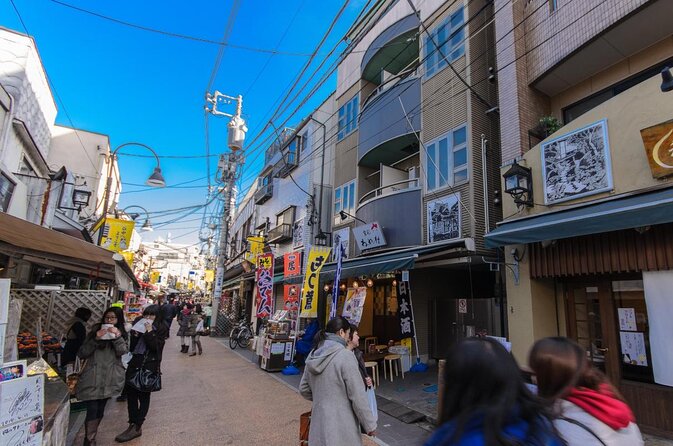
Tokyo can feel like one long rush. Yanaka is different. This neighborhood stays quieter, and it still carries the look and rhythm of older residential Tokyo—wooden houses, small shrines, and back streets where people actually live their day.
What makes the tour worth it is the focus. You’re not just moving from one landmark to the next. You’re learning how locals read sacred spaces, how neighborhoods hold stories, and how religion shows up in ordinary life. That context matters when you want your photos to mean something later.
I also appreciate that the tour has a humane length—about 3 hours. It’s long enough to feel like you walked through a real place, but not so long that you’re cooked by the time you reach lunch.
Meeting at Nippori Station and Settling Into a 3-Hour Rhythm
You start at Nippori Station (2 Chome-19 Nishinippori). The meeting setup is simple, and it’s near public transportation, which makes it easier to fit into a Tokyo day.
Because this is a max-10 tour, the group typically moves at a comfortable pace. Many of the reviews you’ll see emphasize that guides were attentive and kept the pace just right—one reason this works well if you want to ask questions without feeling rushed.
You’ll also want to think about comfort in practical terms. This is real walking on neighborhood streets. In warmer weather, plan for heat and humidity. One review specifically called out that it was around 35 degrees and advised sun protection and a hat. Even on a shady street, you’ll still cover distance.
You can also read our reviews of more tours and experiences in Tokyo.


Tennoji Temple: The Yanaka Buddha and the Stories Behind It
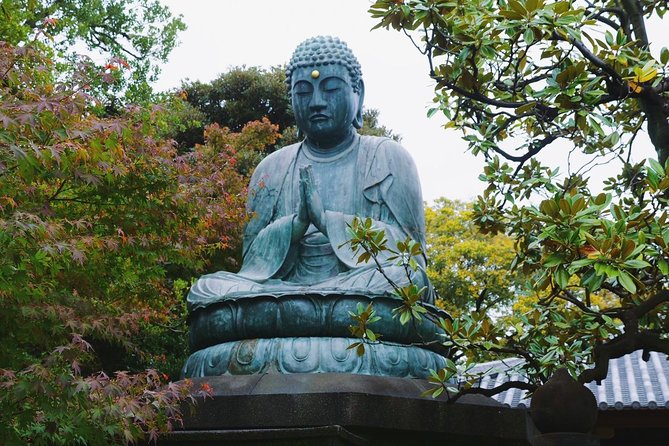
Your first major stop is Tennoji Temple, where you’ll hear about the Yanaka Buddha. The key detail here is age: it’s connected to a creation date of 1690. The tour frames it as more than a statue—this is about how Japanese religion shows itself through temples, objects, and local tradition.
What I love about this stop is the way it sets a theme for the rest of the walk. Once you understand what Tennoji is telling you, the later shrines and temples stop feeling like separate checkboxes. They start to feel like chapters in the same neighborhood story.
It’s also one of the easier stops to plan around because admission is free. You can take your time, listen to the background, and then move on without worrying about a separate ticket.
Yanaka Cemetery: Learning the Customs Without Getting Weird
Next comes Yanaka Cemetery. This is the kind of place that can feel intimidating if you don’t know what you’re looking for. The tour helps you understand what a Japanese cemetery looks like in practice and how locals follow customs.
This is one of the most valuable parts of the experience because it changes how you interpret what you see. Cemeteries aren’t just quiet grounds. They’re part of the living culture, tied to family remembrance and everyday respect.
Time here is about 15 minutes, and admission is free. That short window is smart. You get the basics without dragging your afternoon into something that feels overly heavy.
Ueno-Sakuragi Atari: Old Houses Become a Community Space
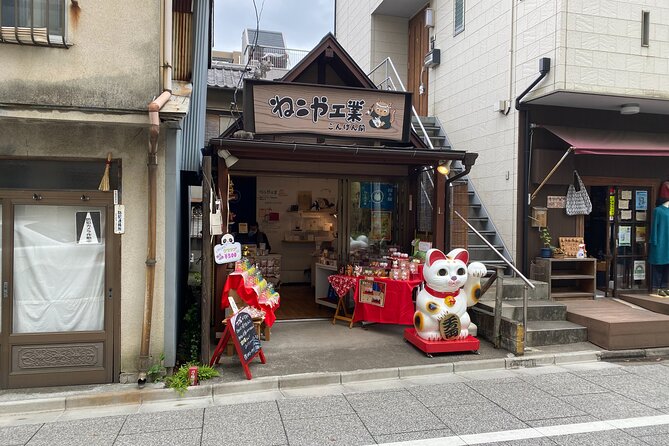
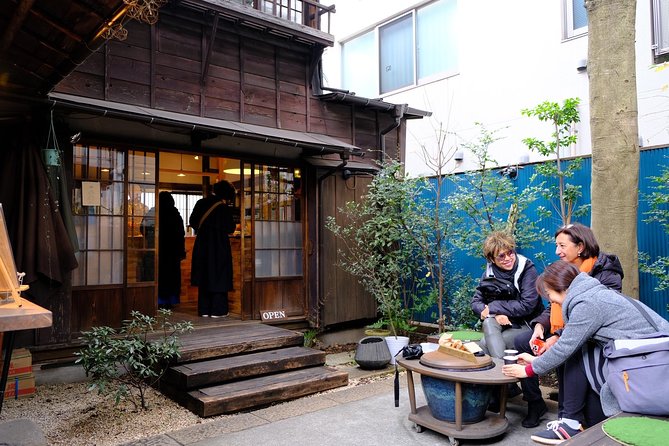
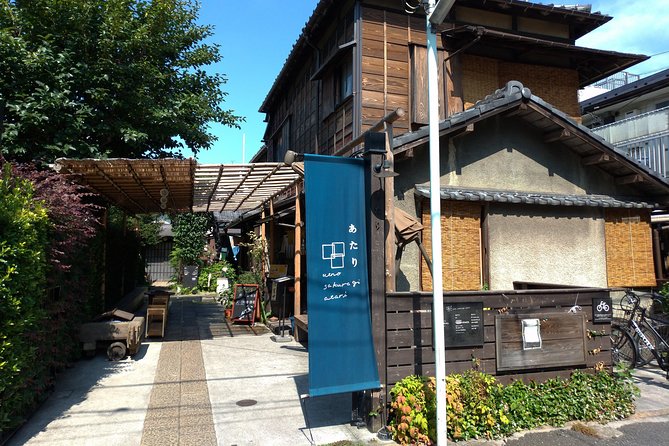
After the solemnity, you’ll get a more relaxed stop at Ueno Sakuragi Atari. This is where about 80-year-old wooden houses were renovated into a mix of spaces like a café, bakery, and beer hall—plus a community hangout for locals.
This stop works because it’s a contrast. You’re seeing how old Tokyo doesn’t only survive in temples and cemeteries. It survives in everyday life: where people gather, snack, and talk.
There’s a 15-minute break here, and admission isn’t included. That’s normal for a cafe/food-style stop. If you want to try something, treat it as optional add-on spending rather than a required ticket cost.
The 100-Year Cyder Tree Moment: A Yanaka Symbol Worth Slowing For
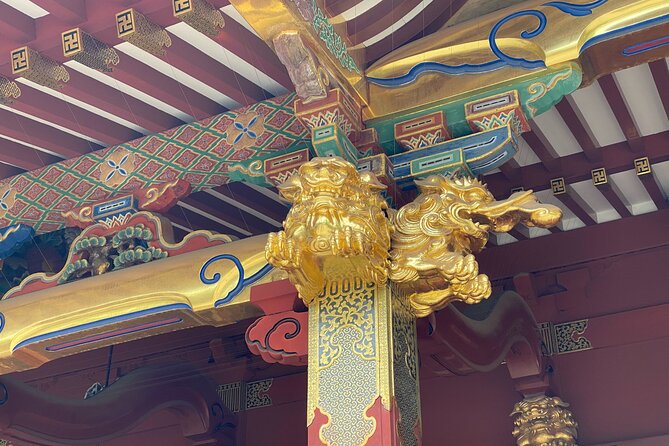
Mid-route, there’s a stop for a 100-year-old cyder tree, described as a symbol of Yanaka. Even if you don’t know the species in your home country, it’s the kind of object that makes the neighborhood feel specific. Trees like this are living landmarks. They anchor stories and give the place a point you can remember later.
I suggest you use this moment to pause, look around, and take photos from a couple angles. That’s the trick with older neighborhoods: your best pictures often come when you notice small scale details, not just big monuments.





Enju-ji Temple: The God of Strong Legs and Wish-Boards
Then you head to Enju-ji Temple. The standout twist is the focus: it enshrines a god of strong legs, and you’ll see wish wooden boards tied to foot problems.
This is where the tour shows its strength: it makes religion understandable. Instead of treating shrines like mysterious scenery, you get the logic behind them. Why would someone write a wish on a board? Because in Japan, these places are used for hope and daily prayer, not just tourism.
The stop is short—around 5 minutes—so you won’t feel stuck waiting. Admission is listed as not included, which means there may be a fee depending on what you’re doing at the site. If you want to participate fully, keep a little cash or card-ready for small temple-related charges.
Nezu Shrine: Torii Gates, Photo Time, and Shrine Etiquette
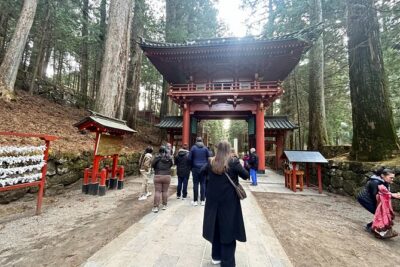
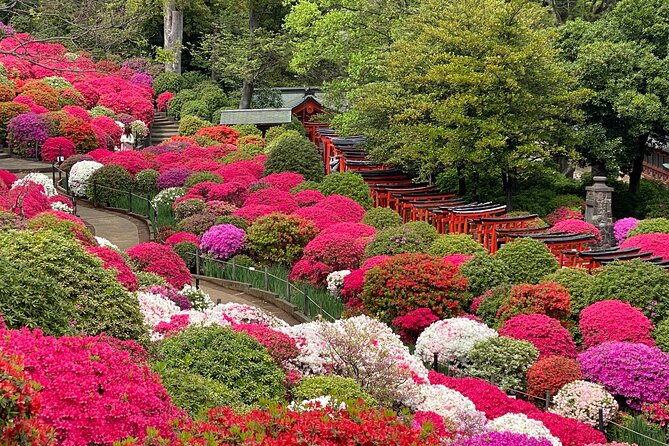
At Nezu Shrine, you’ll see lots of red torii gates, and the tour specifically points out they’re a strong visual like what you might know from Kyoto’s Fushimi Inari—just in Tokyo. It’s one of the easiest stops to love because it’s dramatic, photogenic, and atmospheric even if you’ve been sightseeing all day.
You’ll also learn shrine etiquette, which is important. The difference between snapping a photo and being respectful can be as simple as where you stand, how you move, and how you follow local flow.
This one gets about 20 minutes and has free admission. The time allocation is good: enough to see, enough to take photos, and enough to listen without feeling like you rushed through.
Hebimichi Back Street: Spotting How People Actually Live
After the shrine, the tour turns toward the residential reality of Yanaka through Hebimichi, a back street in the residential area.
This section is valuable because it shifts you from history to normal life. You’ll see everyday Tokyo details—small storefronts, narrow streets, and the kind of quiet you rarely get from major stations and major shopping boulevards.
In my view, this is where the neighborhood stops being an idea and becomes a place. When you return to your hotel later, you remember streets like this because they feel lived-in rather than staged.
Yanaka Ginza Shopping Street Finish: Souvenirs and Snacks Without Pressure
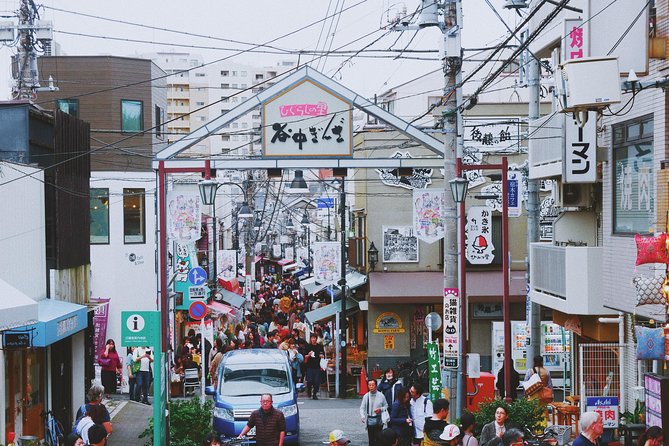
You end at Yanaka Ginza Shopping Street. This is a classic neighborhood shopping strip where you can learn about local shops and normal daily habits.
A big plus here is flexibility. The tour says you can try local foods and sweets, but food fees are not included. Translation: you’re free to snack if you want, but you won’t feel forced into spending at every stop.
This makes the ending feel practical. You can wrap up your walking tour, then keep strolling on your own if you want, or grab a sit-down meal nearby.
Price and Value: What $40 Gets You (and What It Doesn’t)
At $40 per person for about 3 hours, the value depends on how you travel.
Here’s what you’re paying for:
- A guided route that connects multiple spots into one story
- An English-speaking local expert who explains what matters at each stop
- Photo opportunities built into the flow
- A small group that makes questions realistic
What you’re not paying for:
- Food and drinks
- Some stops where admission is marked not included
- Any optional purchases you make along the way
Compared with DIY walking, the guide time is the core value. Yanaka is the kind of neighborhood where you can wander alone and still enjoy it, sure. But you’ll miss the meaning of what you see—especially with cemeteries and the religion-centered explanations. Paying for context turns the same streets into a more memorable experience.
Group Size, Timing, and Weather: The Stuff That Affects Your Comfort
This tour has a max of 10 travelers, which usually means more direct conversation and less waiting. Confirmation happens at booking, and the ticket is mobile, so you don’t need to hunt for printed paper.
You’ll want to plan for weather. The experience notes that it requires good weather. If it’s rainy or unpleasant, you’ll likely want to wear shoes that handle damp sidewalks comfortably.
The route is also described as near public transportation, so you can connect it to other plans without feeling stranded.
Who Should Book This Yanaka Walk (and Who Might Skip)
Book this if you:
- Want a quieter Tokyo experience with real neighborhood streets
- Like walking tours where the guide explains religion, culture, and customs
- Prefer small groups over large bus-style sightseeing
- Enjoy photo-friendly stops that aren’t only temples for tourists
You might skip it if you:
- Only want major monuments and aren’t interested in everyday religious practice
- Hate walking through residential areas and prefer fully urban sightseeing loops
- Have very strict dietary preferences that make optional food stops harder to manage
Should You Book the Old Quarter of Tokyo – Yanaka Walking Tour?
Yes, I’d book it if you want Tokyo that feels human and specific. Yanaka is one of those places where the details add up. The temples and shrine visits aren’t random; they link together through themes of faith, custom, and daily life. Add in a small group and guides who clearly enjoy talking (I’ve seen names like Polina, Aya, Junko, Mami, Mei, Kiyo, Rei, and Mommi praised for friendliness and strong explanations), and it’s the kind of tour that gives you more than just photos.
If you like your sightseeing with context and pacing, this one fits well.
FAQ
How long is the Yanaka walking tour?
The tour lasts about 3 hours.
Where does the tour start and end?
It starts at Nippori Station (2 Chome-19 Nishinippori, Arakawa City) and ends at Yanaka Ginza (3-chōme-13-1 Yanaka, Taito City).
What does the $40 price include?
You get a guided walking tour with an English-speaking local expert, plus photo opportunities throughout.
Is the tour a small group?
Yes. The tour has a maximum of 10 travelers.
Are admission tickets included for every stop?
Not all stops. Several religious sites are listed as free, but some stops are marked as admission not included.
Does the tour include food and drinks?
No. Food, drinks, and personal expenses are not included, though you may have opportunities to try local foods at the shopping street.
What kind of ticket do I receive?
It uses a mobile ticket.