REVIEW · SEOUL
Seoul DMZ Tour with 3rd Tunnel and Red Suspension Bridge
Book on Viator →Operated by I Love Seoul Tour · Bookable on Viator
A day that makes the border feel real. This Seoul DMZ tour takes you from Imjingak Park to the 3rd Tunnel, then up to Dora Observatory for views toward North Korea, finishing with a suspension bridge tied to British fighting.
I especially like two things. First, the guides (Stella, Mama Winnie, Leo, Grace, Kenny, Thomas, Chloe) explain each stop with clear context, so you understand what you’re seeing instead of just collecting photos. Second, the ticket is good value because your price covers admission to the big-ticket sites like the 3rd Tunnel and Dora Observatory.
The main drawback is physical. You’ll be walking and climbing more than you might expect, and the Third Tunnel has a low, cramped feel that is tough if you get claustrophobic or stiff.
In This Review
- Quick hits
- Start at Myeong-dong, Then Head Straight to Imjingak’s Unification Park
- Mangbaedan: A New Year’s Place for Families Left Behind
- Inside the 3rd Tunnel: Long, Low, and Definitely Not for Flustered Minds
- Dora Observatory: North Korea Views, Named Landmarks, and Weather Reality
- Gamaksan Chulleong Bridge: Red Suspension Bridge and Gloucester Hill Context
- Logistics and Comfort: A Real Full Day, No Hotel Pickup, and Bring Snacks
- Price and Value: Why $45 Can Work for a Full-Day Border Experience
- Who Should Book This DMZ Tour, and Who Might Not
- Should You Book This DMZ Tour from Seoul?
- FAQ
- How long is this Seoul DMZ tour?
- Where do I meet, and where does the tour end?
- Is the Joint Security Area (JSA) included?
- Do I need a passport?
- What’s included in the ticket price?
- Are meals included?
Quick hits
- Imjingak Park’s unification message: built in 1972, filled with memorials and a North Korea Center.
- Mangbaedan on New Year’s Day: a specific place for families separated by the Korean War to leave their respects.
- 3rd Tunnel is truly tight: 1,635m long, about 2m high and 2m wide, with a low ceiling feel.
- Dora Observatory views depend on weather: on a clear day you can often see more details, and the tour notes you might spot activity.
- Gamak mountains + the red suspension bridge: linked to the Battle of Solma-ri and the UK’s Gloucester Hill story.
- You won’t do JSA: this tour focuses on other key DMZ-related sites.
Start at Myeong-dong, Then Head Straight to Imjingak’s Unification Park
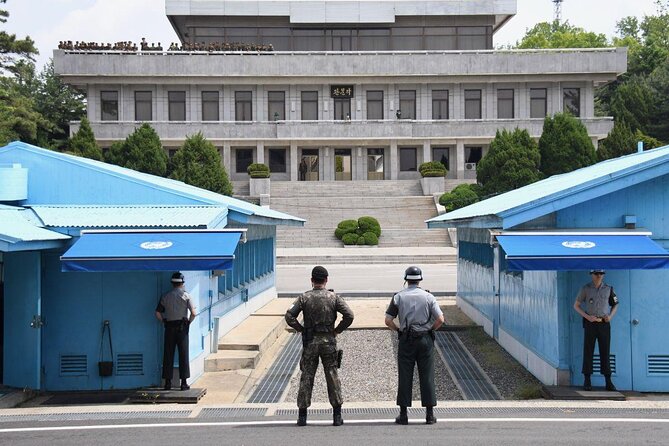
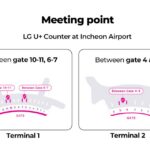
The day starts with a meet-up around Myeong-dong subway station, and you end back at the same central area. Expect about an 8-hour day with an air-conditioned vehicle, which matters because you’re spending long hours in transit.
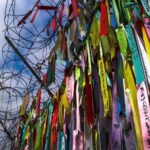
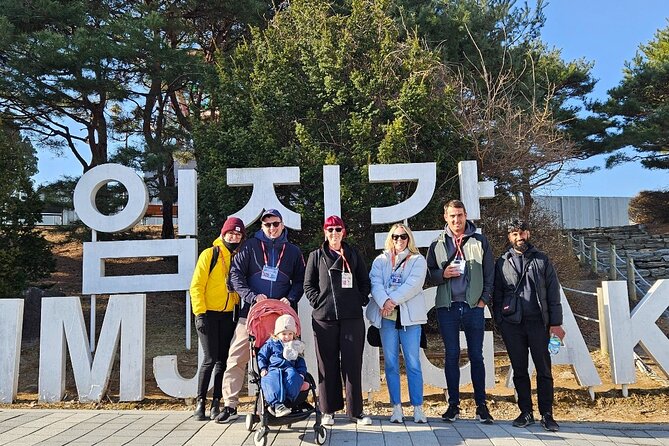
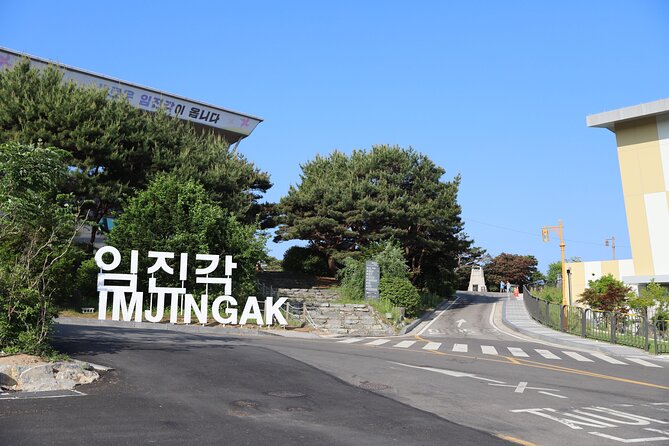
Your first main stop is Imjingak Pyeonghoa-Nuri Park, about 7 km from the Military Demarcation Line. It’s built in 1972 with the hope of unification, so the atmosphere isn’t only war-focused. It’s also about what could come next.
You’ll get time (about 30 minutes) to walk through the park’s monuments and related areas. Look for the North Korea Center area, plus spots referenced like Unification Park and memorial-style points that help explain why this area remains emotionally charged.
This first stop is a smart warm-up. Instead of throwing you directly into the tunnel, you see the official “story” South Korea tells about division, remembrance, and hope. It sets the tone for the rest of the day.
You can also read our reviews of more tours and experiences in Seoul.
Mangbaedan: A New Year’s Place for Families Left Behind
Next comes Mangbaedan, with about 15 minutes on the ground. The tour frames it as a place where people who left their families in the North visit on New Year’s Day.
That timing detail matters. It’s not just a memorial you pass by. It’s linked to an annual ritual, which helps you understand the ongoing human side of the Korean War’s aftermath.
Because it’s a shorter stop, you want to be intentional. Take a few minutes to read what you can, then use your guide to connect it to the larger border story you’ll see later. If you rush here, you’ll miss the meaning.
Inside the 3rd Tunnel: Long, Low, and Definitely Not for Flustered Minds
The star physically is the 3rd Tunnel, discovered by South Korea in 1978. You’ll be able to walk through on-site time of about 40 minutes, and the tour notes the tunnel’s measurements: 1,635m long, around 2m wide, and 2m high.
Even on paper those numbers sound manageable. In reality, the feel is the issue. The guided experience highlights how it forces you to move differently—stopped, careful steps, and often a bent posture for a long time.
You should also plan for a steep segment and a low-ceiling feel. One common theme from experience reports is that people walk hunched over and hit their helmet a few times if they’re taller, because the space is tight. If you’re shorter and comfortable bending, it can feel more doable. If you’re stiff, it can be very tiring.
The tunnel is also a “close-to-history” moment. The tour explains it’s estimated that about 30,000 soldiers could have fit through, which is the kind of detail that makes the tunnel feel less like a novelty and more like war infrastructure.
Practical note: the tour recommends avoiding flip-flops, slippers, and high heels. For the tunnel and the return climb, sturdy shoes help you keep balance and focus. Also, consider that it can feel cooler and darker inside, so dress in layers you can tolerate.
Dora Observatory: North Korea Views, Named Landmarks, and Weather Reality
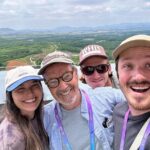
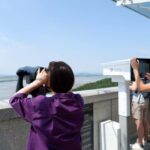
After the tunnel, you head to Dora Observatory with about 30 minutes there. The tour emphasizes that it offers oversight toward North Korea, including specific places you can look for: Gaeseong, Songaksan, the Kim Il-Sung Statue, and Cooperation Farm (Geumamgol).
This stop is the payoff for the whole day. You’ve spent time reading about division and seeing the engineered war setup. Now you’re standing somewhere the tour describes as a place where, if you’re lucky, you might even see people living and working.
But here’s the honest consideration: visibility depends on the day. Experience reports often mention that clear weather makes a big difference, while haze can limit what you can make out. So if you care about detail spotting, you’ll want to treat weather as part of the plan.
Dora is also where the guide’s role matters most. When someone points out what each named location means, it turns the view from background scenery into a guided map. That’s when you start connecting the tunnel story to the geography.
Admission is included, which helps keep the day smooth. You won’t need to stop and figure out ticketing once you’re already committed.
Gamaksan Chulleong Bridge: Red Suspension Bridge and Gloucester Hill Context
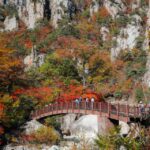
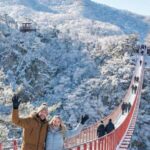
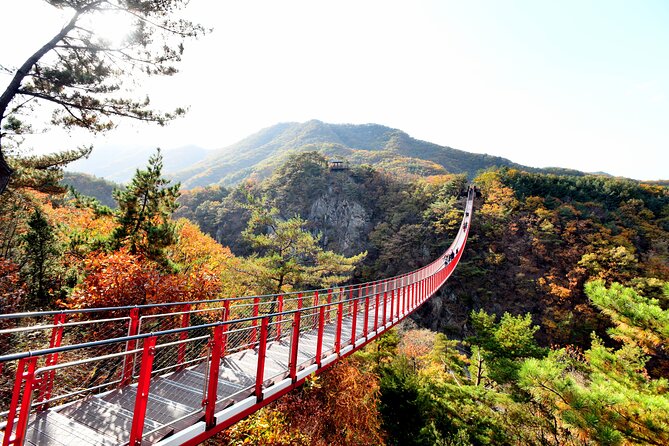
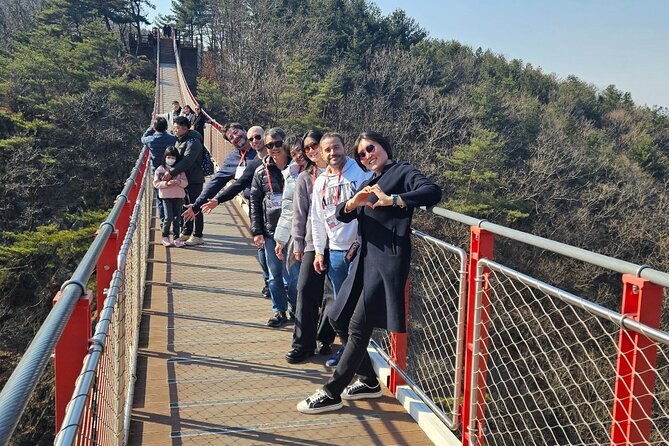
The final scenic highlight is the Gamaksan Chulleong Bridge, also described as a suspension bridge in Mt. Gamak. The tour notes its size: about 150m long and around 1.5m wide.
You’ll spend about 1 hour here, and the setting comes with a strong war connection. The tour ties the area to the Battle of Solma-ri, also called the Battle of Gloucester Hill, and it connects this bridge area to the heroic British troop story of the Korean War.
One practical detail: reaching the bridge involves climbing. Experience reports mention roughly 400 steps from the road to the top area where the bridge starts. If you’re not used to step-heavy walking, pace yourself. Bring water and take small pauses so you can enjoy the views when you reach the top.
The bridge itself is narrow compared to many famous suspension bridges, which changes how you move and how you photograph. It’s less about wide views and more about making a crossing feel close to the moment.
And it’s poignant in a very specific way. The tour frames the memorial angle directly through the British connection, so you’ll feel the site is more than a photo stop.
Logistics and Comfort: A Real Full Day, No Hotel Pickup, and Bring Snacks
This is a long day with a focus on specific sites. The tour uses an air-conditioned vehicle and covers a lot of ground beyond Seoul, including the tunnel and Dora Observatory area.
Two logistics items are especially important for planning:
- No hotel pickup or drop-off: you meet at Myeong-dong subway station (and the start and end are back at Myeong-dong).
- Bring snacks and drinks: meals and beverages are not included, and there’s mention of not having a full official meal block. Even if you can grab small items, you’ll feel better if you come prepared.
Footwear is worth repeating. The tour strongly recommends avoiding flip-flops, slippers, and shoes with heels. That advice isn’t about fashion. It’s about grip and support for stairs and for the tunnel’s cramped, sloped walking.
Also bring a current passport. The tour states a valid passport is required on the day of travel. Don’t leave it in a hotel safe you can’t reach in time.
One more thing: the tour doesn’t stop at typical shopping traps like ginseng centers or amethyst factories. That keeps time focused on the DMZ-related sites.
Finally, remember that the DMZ is operated by the military. The tour notes it can be canceled without prior notice due to military operations. If you’re only in Seoul for one short window, build in flexibility.
Price and Value: Why $45 Can Work for a Full-Day Border Experience
At $45 per person, this tour is priced like a budget-friendly day trip, but it’s not a “bare-bones bus ride.” Your price includes:
- Air-conditioned vehicle
- Admission tickets
- A professional tour guide
- And key admissions such as the 3rd Tunnel and Dora Observatory are included
That’s the main value logic. Many tours that cover just one or two sites end up charging more once you add transport and separate tickets. Here, the included admissions cover the experiences that are hardest to DIY on a short timetable.
What’s not included is also clear: meals and beverages, plus travel insurance. If you want lunch that feels like a proper meal, you’ll need to plan that yourself. The best approach is simple: snack early, snack often, and treat any lunch you find as extra rather than a promise.
You also don’t visit the Joint Security Area (JSA). If your dream DMZ stop is specifically JSA, this may not match your goals. But if what you really want is a full day of DMZ-adjacent sites—tunnel engineering, observatory views, and memorial locations—this tour gives you a strong sweep.
Who Should Book This DMZ Tour, and Who Might Not
This experience fits best if you:
- Like structured history with real-world stops
- Want a day focused on the Korean War and the border’s living impact
- Are okay with a moderate walking day that includes stairs and slopes
- Prefer having a guide call out what to look for at Dora Observatory
It may feel tough if you:
- Have limited mobility, knee issues, or strong sensitivity to cramped spaces
- Get anxious in enclosed areas (the tunnel’s low height is part of the design)
Families can work if everyone in the group is comfortable walking. Some experiences highlight parent-and-teen groups having a good day. But if your group includes older adults or anyone sedentary, plan for the climbing and stooping to be the hardest part.
The guide quality seems to be a major reason people rate this tour highly. Names like Stella, Mama Winnie, Kenny, and Thomas show up repeatedly for clear explanations and respectful pacing. When you’re dealing with politically sensitive sites, that tone matters.
Should You Book This DMZ Tour from Seoul?
I’d book it if you want a focused, single-day DMZ-style experience that covers both memorial context and the physical reality of the border story. The 3rd Tunnel and Dora Observatory combination is the big reason, and the included admissions make the math easier than piecing it together yourself.
I’d skip it or at least choose a different option if you’re chasing JSA specifically, or if the idea of a long, strenuous day with tunnel stooping and a stair climb makes you uneasy. For comfort and safety, this tour asks you to show up ready to move.
If you’re the type who likes your sightseeing with purpose—history you can stand inside, and views you can actually name—this is a strong match.
FAQ
How long is this Seoul DMZ tour?
The tour runs for about 8 hours.
Where do I meet, and where does the tour end?
The start and end point is Myeong-dong, Jung District, Seoul, with the meeting at Myeong-dong subway station.
Is the Joint Security Area (JSA) included?
No. The tour explicitly notes that visiting the JSA is not included.
Do I need a passport?
Yes. A current valid passport is required on the day of travel.
What’s included in the ticket price?
The price includes an air-conditioned vehicle, admission tickets, and a professional tour guide.
Are meals included?
No. Meals and beverages are not included, so it’s recommended you bring snacks and drinks.