REVIEW · KYOTO
Kyoto Night All-Inclusive Eats and Streets, Gion and Beyond
Book on GetYourGuide →Operated by Pinpoint Traveler · Bookable on GetYourGuide
Kyoto at night has a different volume. This small-group Gion and Ponto-cho food walk pairs evening shrine vibes with real Kyoto dining at two local restaurants, guided by pros like Ferdinand and Jamie (depending on your departure). I love the pace here—easy walking, lots of context, and time to actually look around. I also love the value of getting two restaurant stops (with drinks included) instead of one rushed meal. One consideration: the food is very “tapsy,” not huge-portion, and one restaurant stop has been reported as allowing smoking indoors.
You’ll start near Minamiza Theater, then head into Gion’s narrow lanes where the stories behind the Geisha district start to make sense. You’ll also get a nighttime look at Yasaka Jinja, plus a guided stroll past areas like Kamo River and Ponto-cho, with breaks that keep the night from feeling like a checklist. If you want a first-timer friendly evening that still feels local, this hits.
One more heads-up: bring comfortable shoes. This is a walking tour, and it’s not built for people with mobility impairments or kids under 18.
In This Review
- Key things you will notice
- Starting where Gion feels like a neighborhood
- Minamiza Theater to Yasaka Jinja: the shrine that owns the night
- Gion by night: the Geisha district, explained with respect
- Kamo River: where the pace cools down
- Japanese tapas-style dinner: two restaurants, multiple bites, included drinks
- The Kobe (or nearby) beef option: good to plan ahead
- Ponto-cho and Kiyamachi: night streets with real atmosphere
- Second restaurant stop: finish strong without overbooking your stomach
- Price and value: what you get for $92 in 3 hours
- Who should book this Kyoto night food walk
- Things to consider before you go
- Should you book this Kyoto night food and Gion streets tour?
- FAQ
- How long is the Kyoto night tour?
- What does the price include?
- Do I get a Kobe beef option?
- Where do we meet?
- What language will the guide speak?
- Is this tour suitable for children or people with mobility impairments?
- What should I bring?
Key things you will notice
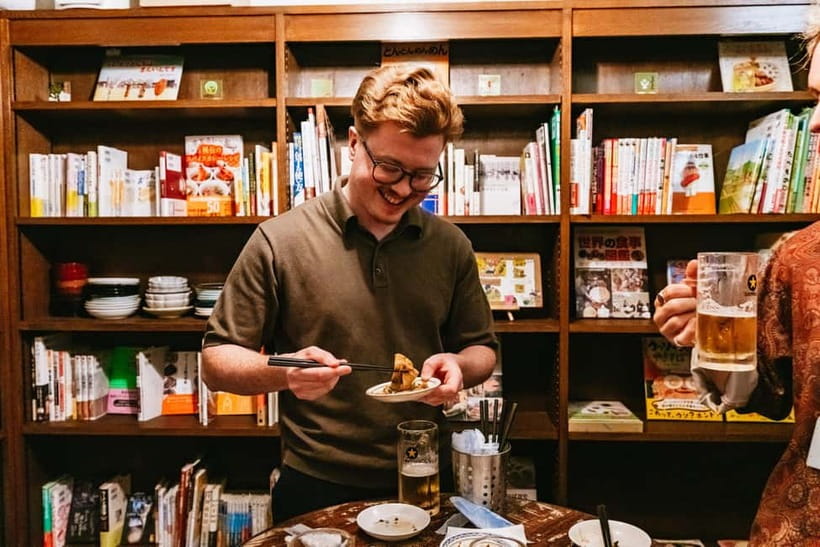
- Small group size (max 6): you get real conversation, not a bus briefing
- Two quality restaurants: one evening, multiple bites, and included drinks
- Yasaka Jinja after dark: lantern-lit shrine atmosphere without the daytime crowds
- Geisha district context: not myths—actual etiquette and cultural mores
- Ponto-cho + Kiyamachi night streets: the “where to go” part of Kyoto, explained
- Optional Kobe-beef add-on: available with advance notice (at least 10 hours)
Starting where Gion feels like a neighborhood
You meet in front of Minamiza Theater, right at street level at the Gion Shijo Station exit 6 area. That matters more than it sounds. Starting here puts you close to the action fast, without long transfers eating up your 3 hours.
This tour is designed for a small group of no more than 6. That changes the whole vibe. On nights like this, you want your guide to slow down when you’re curious and speed up only when it makes sense—especially in narrow lanes where it’s easy to bunch up.
And yes, you’ll hear the same Japanese in the background: shop sounds, footsteps, and the soft clink of cups. Your guide will keep the tone light and friendly while explaining the parts of Gion that outsiders often misunderstand.
You can also read our reviews of more tours and experiences in Kyoto.
Minamiza Theater to Yasaka Jinja: the shrine that owns the night
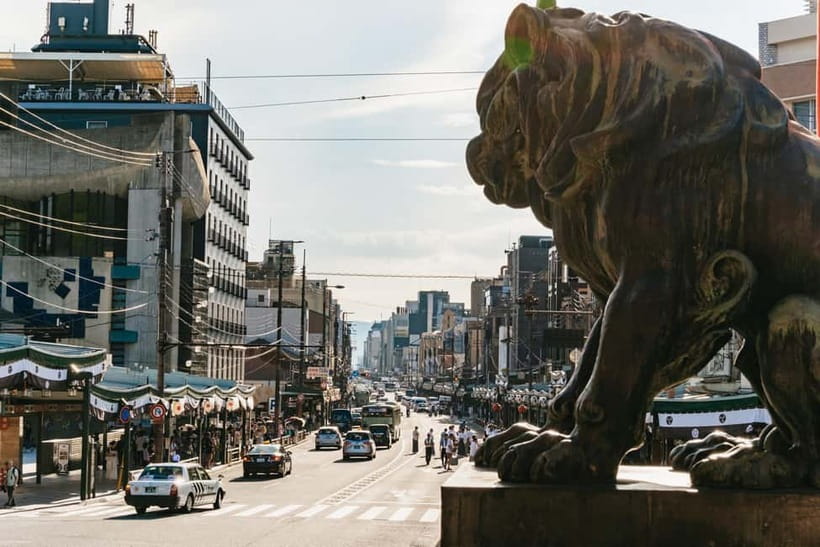
Your first stop is Yasaka Jinja. In the evening, it’s less about “seeing a famous place” and more about feeling the atmosphere. You’ll get guided time for sightseeing and walking (about 15 minutes), which is just enough to orient yourself before the tour shifts into street mode.
Why it works: Yasaka Jinja sits right in the same Kyoto world as Gion. So instead of treating them like separate attractions, you’re connecting the cultural dots. Your guide will point out things you’d likely miss if you were just snapping photos and moving on.
Practical tip: go in expecting gentle walking and some stops where you’ll need to pause for sightlines. Comfortable shoes help you enjoy the moment instead of thinking about your feet.
Gion by night: the Geisha district, explained with respect
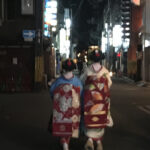
Next comes Gion. This is where the tour earns its keep. Gion’s streets are pretty in any light, but at night they become more meaningful. Your guide explains the Geisha district with clarity—how it functions, what people should and shouldn’t do, and why certain rules exist.
You’ll have time for sightseeing and a guided walk (about 15 minutes), which is useful because it gives you a baseline for what you’re seeing. You start noticing details: the lane layout, the storefront patterns, the way people move through the district, and the difference between daytime Kyoto and nighttime entertainment areas.
A small note that makes a big difference: your guide will keep it light and fun, but the etiquette gets taken seriously. That’s the sweet spot. You’re learning without feeling like you’re in a lecture.
Kamo River: where the pace cools down
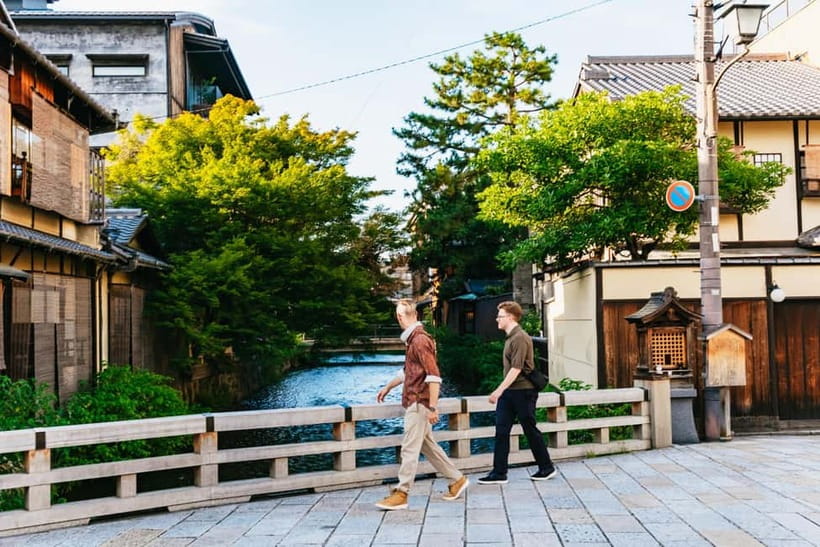
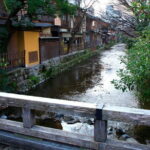
After Gion, you’ll walk toward the Kamo River area. This stretch adds breathing room. It’s guided sightseeing and walking time (not just a transit stop), so you’re not simply waiting to eat—you’re building a sense of place.
At night, the river zone feels like a natural pause button. It helps break up the intensity of “looking for interesting things” so you can reset before restaurant time. If you’re the type who likes context, this is where it clicks: Kyoto’s nightlife isn’t one big party. It’s layered, timed, and spatial.
This portion also helps you get comfortable with the group flow. By now, you’ll know how your guide handles questions and how often you’ll stop.
Japanese tapas-style dinner: two restaurants, multiple bites, included drinks
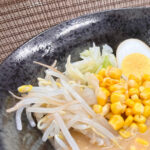
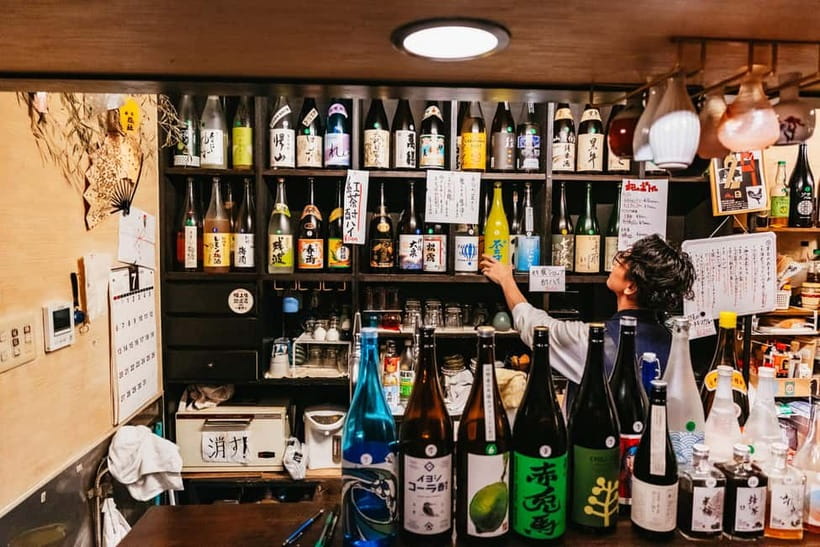
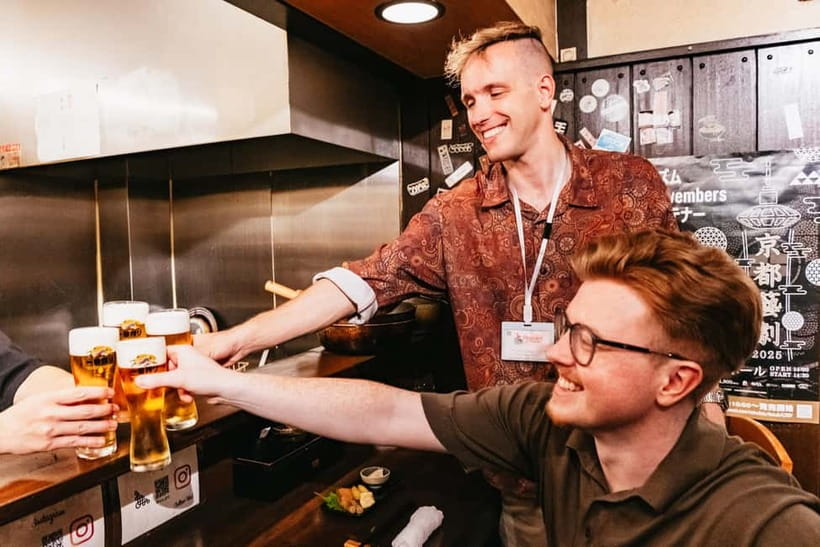
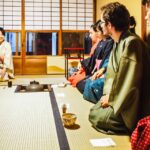
Then the evening turns into food. Your first restaurant stop includes dinner plus two drinks across the tour (alcoholic or non-alcoholic). The time here is about 45 minutes, which means you’re tasting and grazing rather than sitting through a single formal course marathon.
This is where the “Japanese-style tapas” concept matters. You’ll graze from small plates, which is exactly what you want for a neighborhood like Gion: you get variety without wasting the entire night on one dish.
One practical downside: some people feel the portions are more like tapas than a full meal. If you’re a big eater or you’re used to Western “starter, entrée, dessert” logic, you might want to pace yourself so the second restaurant doesn’t surprise you.
Also, drink extras aren’t included. The tour includes your two drinks, so if you want more, you’ll pay separately.
The Kobe (or nearby) beef option: good to plan ahead
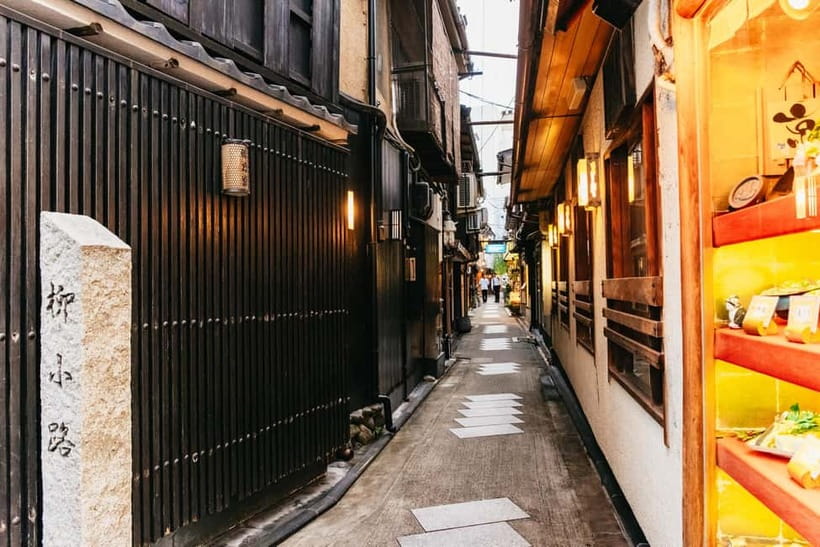
There’s an optional Kobe (or nearby sourced) beef choice. But it’s not a last-minute thing. You need to book at least 10 hours in advance to add it.
This is a great option if you’re coming to Kyoto specifically for a “once in a trip” meat moment. Just don’t wait until you’re hungry and then hope it’s available. Kyoto dining is popular, and your guide can’t always rearrange what’s already set.
Ponto-cho and Kiyamachi: night streets with real atmosphere
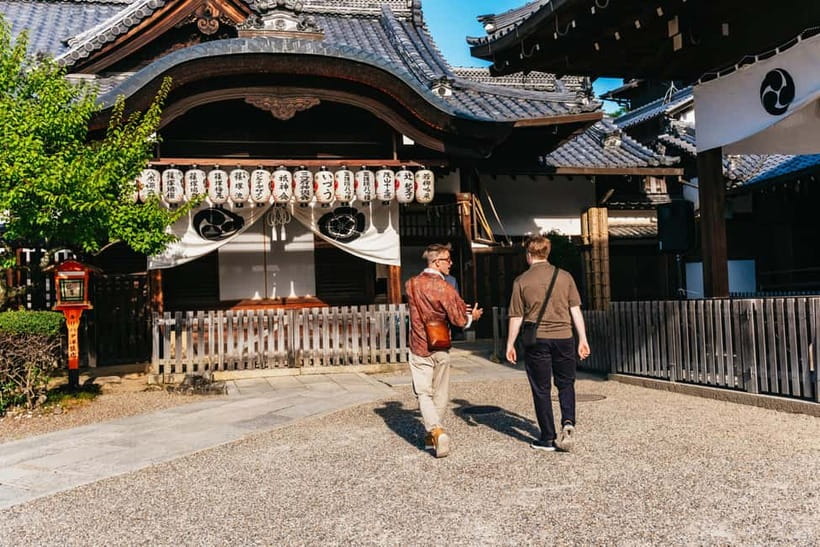
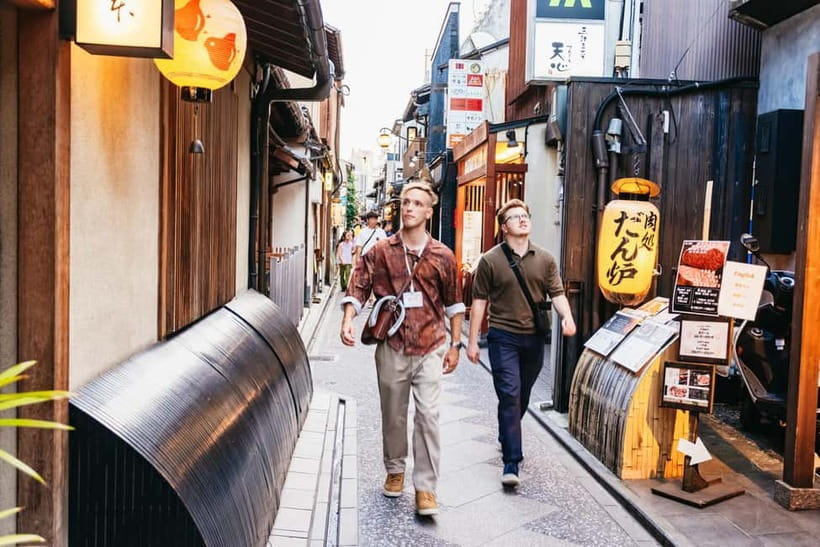
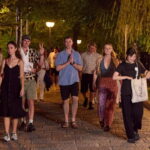
After your first dinner stop, you’ll explore the streets around Ponto-cho and Kiyamachi, plus other commercial and nightlife lanes. This is guided sightseeing and walking time (with about 30 minutes at Ponto-cho itself).
Why this part is so satisfying: you’re not just watching Kyoto’s nightlife from the sidewalk. Your guide helps you understand what you’re looking at—where people go, how the streets feel different block by block, and how the “entertainment district” label fits into daily life.
Ponto-cho is the payoff alley. In the evening, it feels like a corridor between old Kyoto character and modern momentum. You’ll have time to look around and absorb it instead of rushing through like a tourist train.
If you’re into photos, this is your window. Keep your phone ready, but don’t forget to look up—some of the best impressions are the small, non-photo moments.
Second restaurant stop: finish strong without overbooking your stomach
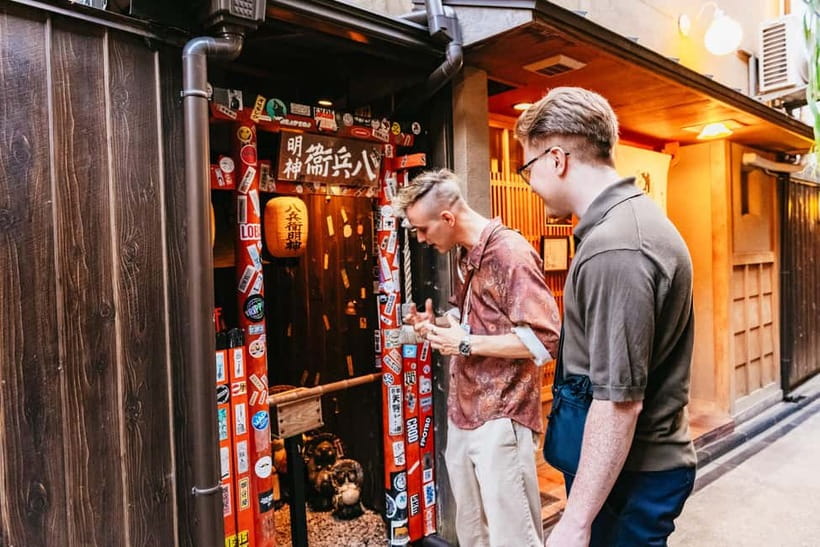
The second restaurant stop runs about 30 minutes. Again, you’ll get food and drinks included as part of the all-inclusive evening, with variety built into the format.
This is a smart design. Two restaurants mean you don’t get bored and you’re less likely to miss out on what Kyoto does well. It also helps you avoid the tourist problem of eating one “safe” place and calling it done.
One caution from real-world experience: one indoor bar stop has been reported as allowing smoking. If that matters to you—health-wise or comfort-wise—ask your guide at the start about smoke conditions for the restaurant/bar segment.
Price and value: what you get for $92 in 3 hours
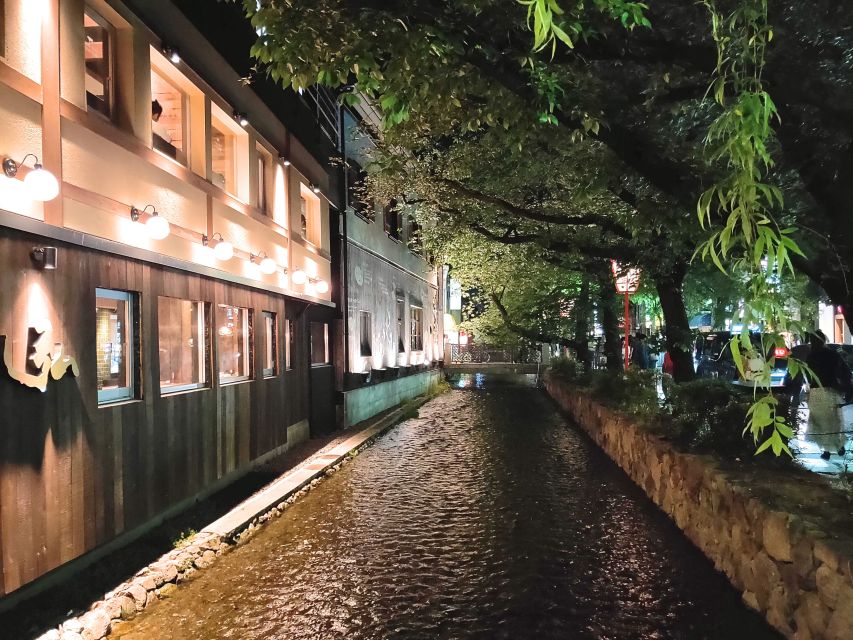
At $92 per person for a 3-hour night, you’re paying for three things: local guidance, food variety, and included drinks.
If you break it down, the value comes from the two-restaurant structure. Buying multiple small meals in Gion and pairing them with drinks adds up fast if you’re doing it solo. Then add the guide—especially someone fluent in Spanish, French, or English—who helps you navigate what to order and what to expect in each setting.
It’s also value in the small-group format. Max 6 isn’t just a comfort perk. It makes the explanations clearer and the conversations easier, which is the difference between eating in a neighborhood and actually learning it.
Who should book this Kyoto night food walk
This tour fits best if you:
- want a first-night Kyoto plan that isn’t just temples and photo stops
- enjoy trying several dishes over one big plate
- like cultural context alongside your meal
- want a small group vibe where you’ll actually meet other people
It’s also a solid fit for language support. Your guide will be fluent in Spanish, French, or English (depending on your departure), and you’ll still hear Japanese in the environment—so you get a “real Kyoto” feel without being lost.
Things to consider before you go
Here’s what you should plan around:
- Walking: it’s comfortable walking, but you will be on your feet most of the tour. Bring comfortable shoes.
- Tapas portions: some diners find the plates small. Plan to graze, not expect huge portions.
- Smoking possibility: there’s at least one reported indoor restaurant/bar stop where smoking was allowed. If you’re sensitive, this is worth flagging early.
- Not for kids or limited mobility: it isn’t suitable for children under 18, and it’s not meant for people with mobility impairments.
- Menu changes: the menu is seasonal and can vary based on restaurant availability, so don’t assume every specific dish is guaranteed.
Should you book this Kyoto night food and Gion streets tour?
I’d book it if you want a Kyoto evening that feels guided, tasty, and grounded in place—not just a “landmark with dinner after.” The combination of Yasaka Jinja after dark, Gion street context, and two restaurant stops makes it a high-success itinerary, especially for your first days in town.
Skip it if you need big portions, are very sensitive to indoor smoke situations, or you can’t do a walking-focused evening. If you’re flexible on that, this tour is an efficient way to get your bearings fast and enjoy Kyoto’s nighttime character with food that’s hard to match on your own.
FAQ
How long is the Kyoto night tour?
It runs for 3 hours.
What does the price include?
Your price includes a full dinner across two restaurants, two drinks (alcoholic or non-alcoholic), and gratuities.
Do I get a Kobe beef option?
Yes, there is an optional Kobe (or nearby sourced) beef choice, but bookings must be made at least 10 hours in advance.
Where do we meet?
Meet in front of Minamiza Theater, at street level of Gion Shijo Station exit 6.
What language will the guide speak?
Guides are available in Spanish, French, and English.
Is this tour suitable for children or people with mobility impairments?
No. It is not suitable for children under 18 years or for people with mobility impairments.
What should I bring?
Wear comfortable shoes, since it involves guided walking through the streets.