REVIEW · BANGKOK
From Bangkok: Pattaya Ethical Elephant Sanctuary Day Trip
Book on GetYourGuide →Operated by My Bangkok Holiday · Bookable on GetYourGuide
Elephants, mud, and a long Bangkok morning. I love the hands-on feeding and river swimming that feel safe, supervised, and genuinely interactive. You’ll also get a full day of elephant stories and natural enrichment, but the trade-off is a pretty early start and a long ride that can stretch with Bangkok traffic.
One of my favorite parts is how the guides explain the elephants as individuals, not as props. People mention guides such as Tak (and also Pornpan Tak Seehan / Madam Tak) giving the background on elephants like Frankie, Somkid, and Thangthai, which makes the whole experience feel more meaningful and less like a show. Still, you should know the vibe is very hands-on and photo-friendly, so if you want total silence and zero crowd energy, this may not be your ideal day.
The schedule is built around timing: morning pickups run around 6:00–6:30 AM and typically bring you back by 1:00 PM, while afternoon pickups run around 10:30–11:00 AM and return around 6:00 PM. Wear clothes you don’t mind getting sweaty or muddy, and bring socks—wellie boots are provided if it rains.
In This Review
- Key Things to Know Before You Go
- Bangkok to Pattaya: the drive that shapes your day
- Getting to the sanctuary: your English-speaking guide and the elephant meet-and-greet
- Feeding and walking with free-roaming elephants (and the stories behind them)
- Mud spa and river bath: how the wet portion works (and how to prepare)
- Thai lunch, fruit, and the pace check after elephant time
- Price and logistics: is $142 good value from Bangkok?
- Ethics in action: what to look for in a day like this
- Who should book this elephant sanctuary day trip (and who should skip it)
- Should you book it?
- FAQ
- Do I need passport details for this trip?
- Is elephant riding included?
- What’s the pickup time from Bangkok?
- What time do we return to Bangkok?
- How long is the drive from Bangkok to Pattaya?
- Is lunch included?
- What elephant activities are included?
- What should I bring for the wet and muddy parts?
- What happens if it rains?
- Are the guides English-speaking?
- What’s included in the price?
Key Things to Know Before You Go
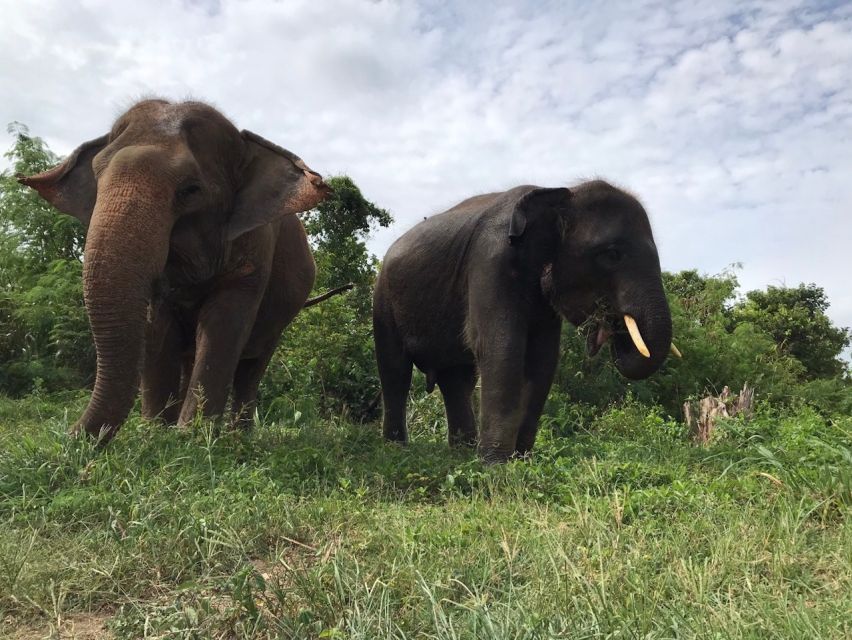
- Free-roaming, no riding: The day is built around feeding, walking, touching, and bathing—no elephant riding.
- Wet-and-muddy time is real: Plan for a mud spa and a river swim, not just a quick splash.
- Guide-led elephant stories: You’ll hear individual backgrounds and behaviors from your English-speaking guide (names you may hear include Tak).
- Lunch and snacks are included: Thai lunch plus seasonal fruit are part of the day, and you’ll get snacks afterward too.
- The drive can be the hardest part: It’s about 2 hours without major delays, but it can run longer with hotel pickups and traffic.
Bangkok to Pattaya: the drive that shapes your day
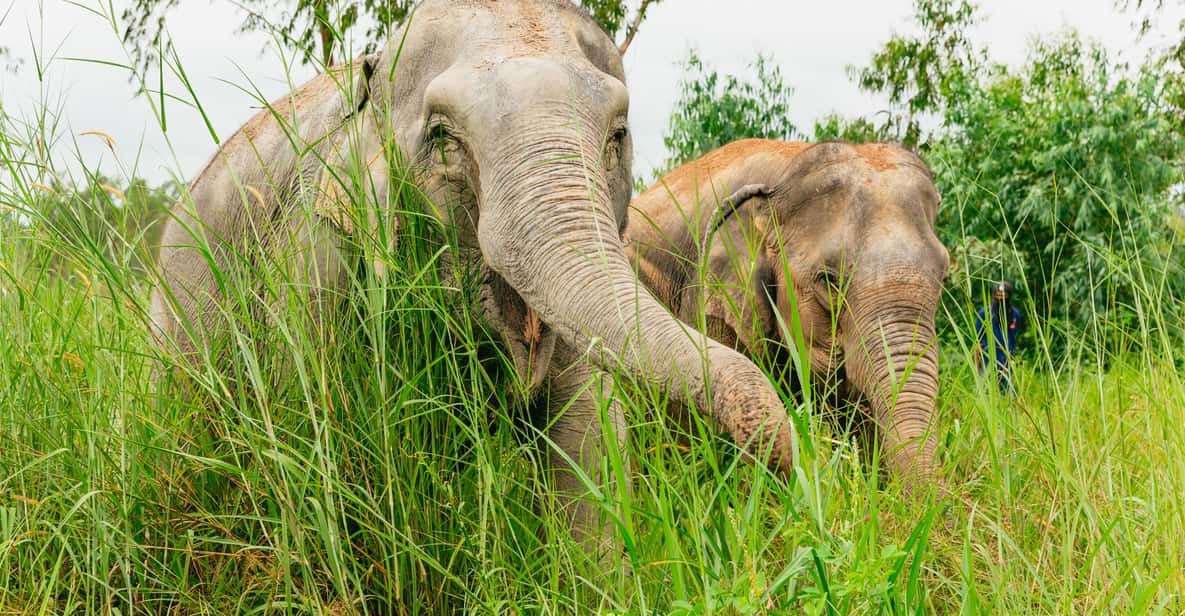
This is a day trip, so the first thing to plan for is time. You start in Bangkok with an air-conditioned vehicle pickup from your hotel area, then head to Chonburi Province and the Pattaya sanctuary area. The trip time is listed as about 2 hours, but Bangkok logistics can make it longer—some people report closer to 3 hours once traffic and multiple hotel pickups stack up.
That long ride isn’t just a delay. It affects how you’ll feel once you arrive. I’d treat it like the first course of the day: keep yourself comfortable early (sunscreen, hat, water), and don’t expect to arrive fresh and ready to hike. The upside is that the drive also means you’re escaping the city quickly—once you’re at the sanctuary, the pace changes to a slower, more elephant-centered rhythm.
You’ve got two session options:
- Morning session: pickup around 6:00–6:30 AM; return around 1:00 PM
- Afternoon session: pickup around 10:30–11:00 AM; return around 6:00 PM
So pick your session based on your tolerance for early mornings. If you hate starting before sunrise, the afternoon slot is the calmer choice—just expect more chances of traffic on the way out of Bangkok.
Practical tip: if you’re sensitive to long drives, bring something to keep your hands busy and your brain relaxed (music, offline podcast, or even a simple snack plan using water and snacks you bring along).
You can also read our reviews of more tours and experiences in Bangkok.



Getting to the sanctuary: your English-speaking guide and the elephant meet-and-greet
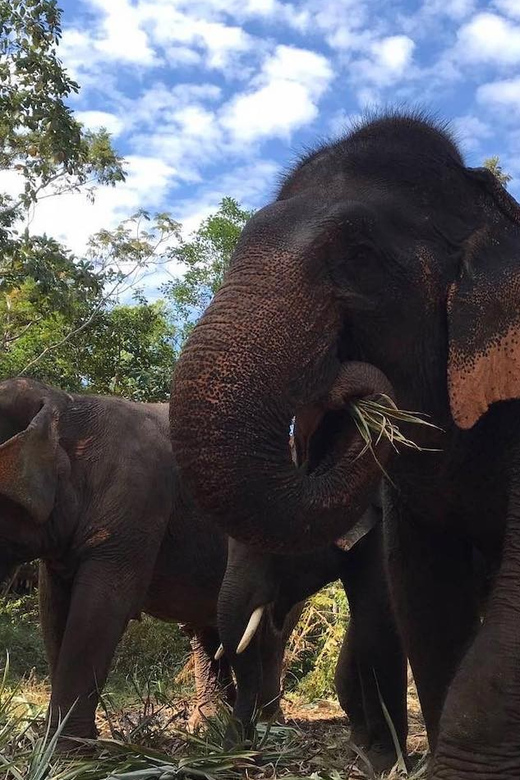
Once you arrive, you’ll meet your English-speaking guide, get a feel for how the day works, and then get ready to interact with elephants in a structured, supervised way. The sanctuary experience is described as ethical and sustainable, with elephants living in safe, free-roaming conditions.
A big part of what makes the day work is the guide. You’re not just handed bananas and pointed in a direction. Guides explain elephant behavior and lifestyle while also managing the flow of the group so you’re safe and the elephants have room. Names that come up include Tak (sometimes referred to as Madam Tak), and people also mention guides like Pornpan Tak Seehan and others—each adding context and answering questions.
Your early elephant moments tend to be sensory. You’ll gather elephant food such as bananas and sugar cane, and then you’ll start with feeding before moving into walking and bathing activities. That sequence matters: feeding is a low-stress way to connect, then the day ramps up into mud and water.
What I like about this setup: it reduces the chance of you rushing into contact. You learn the basic rules first, then you earn the closer moments with understanding and guidance.
One consideration: the experience is hands-on and photo-friendly, so you may spend time waiting for your turn at certain moments. That’s normal for a group day—but if you’re the type who needs private, quiet time, it can feel a bit busy.
Feeding and walking with free-roaming elephants (and the stories behind them)
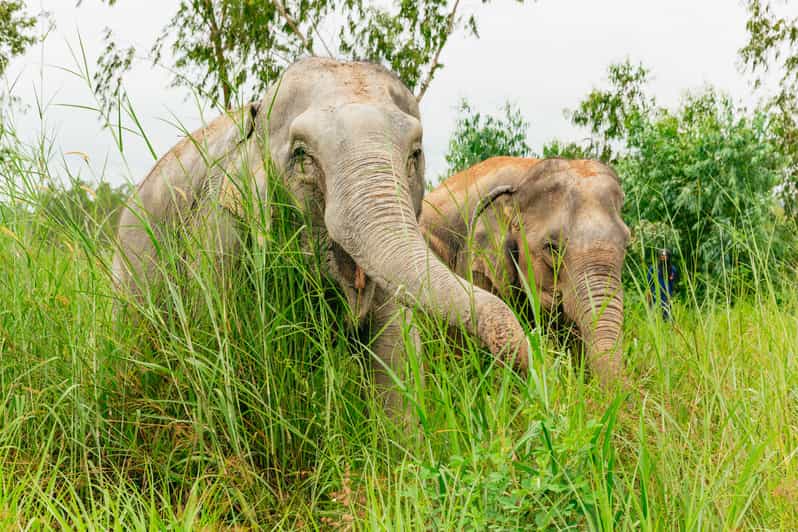
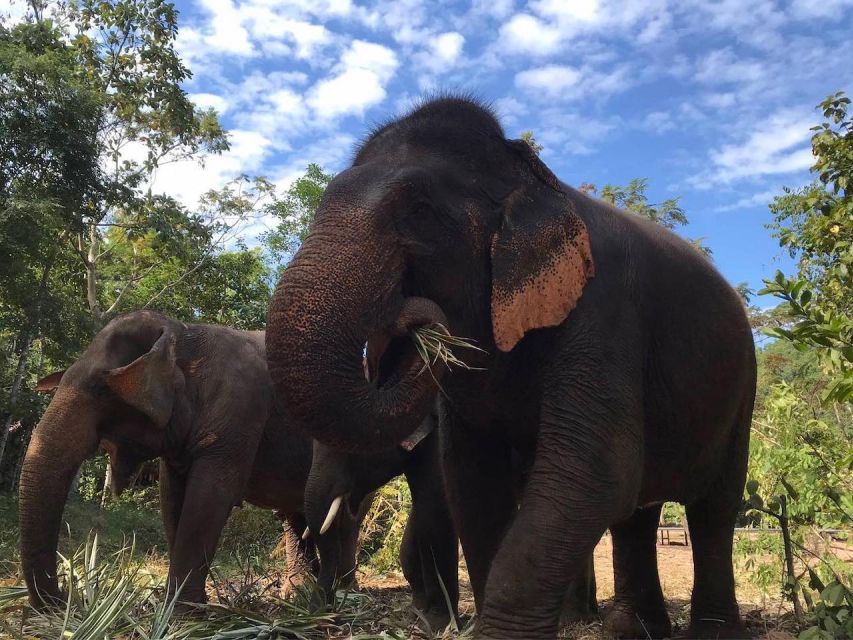
This day is built around the things most ethical elephant experiences promise—but it’s the how that decides whether it’s worth it. Here, you walk with your guide through the sanctuary and meet elephants in free-roaming environments. You can touch, feed, and interact at your leisure, with staff keeping the interaction respectful and safe.
The guide portion is the difference-maker. People talk about learning individual stories and behaviors, including the idea of why each elephant behaves the way it does now. You might hear references to rescued backgrounds and progress in their current care. When the elephants are introduced as individuals—like Frankie (often mentioned as a young bull who enjoys playful splash moments)—it helps you see behavior rather than just getting a close selfie.
The walking time also gives you a different view than a standard animal show. You’re moving through the sanctuary environment while the elephants come and go naturally. That’s part of why people describe the setting as calm and well cared for, sometimes noting no hooks or chains in sight.
What to expect in the walk: you’ll likely follow your guide along safe paths while elephants roam nearby. You’ll be close enough to feel the scale, but the goal stays centered on respectful interaction, not forced posing.
Small group advantage: some visitors note their group size was small (like groups of four), which can mean better photos and more time with the elephants without feeling rushed. That’s not something you can count on every day, but it’s a real benefit when it happens.
Practical advice: closed-toe shoes are a must. Even before you reach mud and river time, the ground can be slippery or uneven. Also, keep your arms and hands calm when feeding. The guide will set the tone for safe contact.
Mud spa and river bath: how the wet portion works (and how to prepare)
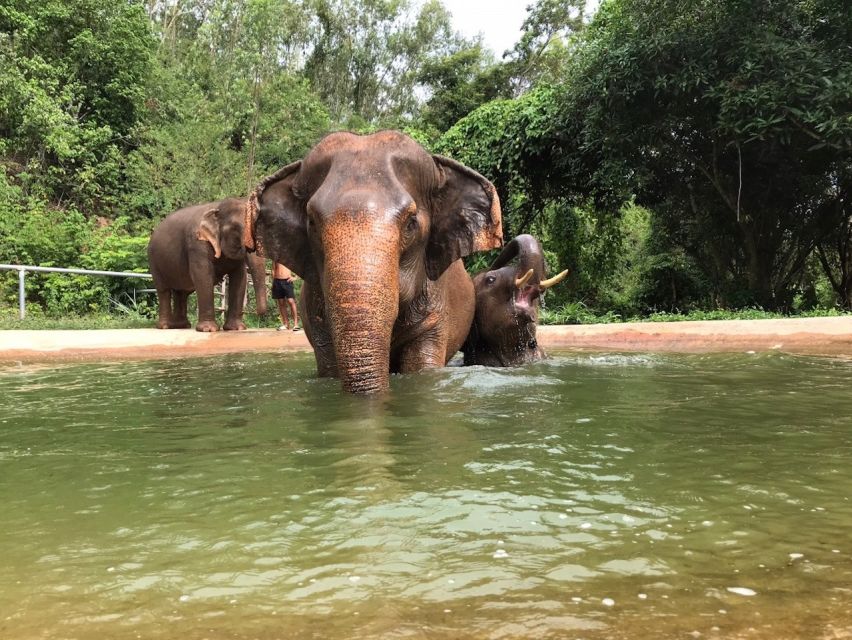
Here’s the part that turns a polite day trip into a full-body experience: the mud spa and the river bath. After you’ve met the elephants, you’ll accompany them to a nearby mud spa. The activity includes applying a healthy cosmetic mud treatment to their skin—so yes, you’ll get muddy as part of the interaction.
Then it’s off to a nearby river. This is where the day becomes more physical and more fun. You’ll walk with the elephants and join them in the water for a refreshing bath. Staff help brush and bathe as elephants wade and play. People often describe this as the highlight.
If you’re picturing a clean, controlled “pool session,” adjust your expectations. This is natural water and mud, and it’s okay if it gets messy. That’s the point: it’s part of the elephants’ enrichment and hygiene routine, not a staged gimmick.
Rain plan: if it rains, wellie boots are provided because the area can become muddy. Bring socks, since you’re going to be in damp terrain and want your feet to stay comfortable.
Clothes strategy: wear clothes you don’t mind getting sweaty or muddy, and be ready for the moment when you change into dry clothes afterward. Even if you’re not a fan of water, this is one of the parts that tends to feel most real because it’s active and shared.
One thing to watch for: while mud spa is listed as included, a few people mention their day felt slightly different in practice (like more time in the water than in the mud). Don’t worry—either way, plan for water contact and mud exposure.
Thai lunch, fruit, and the pace check after elephant time
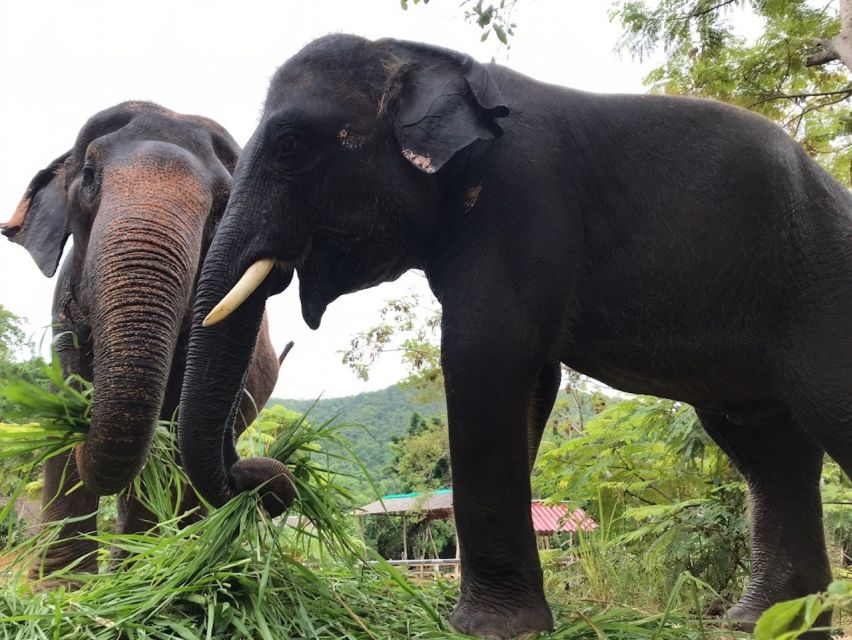
Between elephant interaction and the wet portion, you’ll get a traditional Thai lunch. The experience is described as including freshly cooked Pad Thai plus seasonal fruits. In practice, some days can vary in which Thai noodle dish you get, but the overall idea stays the same: a proper meal that fuels the rest of the day.
Then you’ll have snacks and seasonal fresh fruit after your time at the sanctuary. It sounds simple, but it matters. Elephant days are physically and emotionally engaging, and a real meal keeps you from feeling drained when it’s time to head back to Bangkok.
A nice detail is the inclusion of drinking water. Small things like water reduce the stress of long days, especially in hot weather and after mud-and-water time.
One more included perk: a Save the World canvas bag. It’s not the main reason to go, but it’s a tangible reminder that your day trip is supporting the sanctuary effort.





Price and logistics: is $142 good value from Bangkok?
At $142 per person, you’re paying for more than “elephant time.” You’re paying for:
- air-conditioned round-trip transport from Bangkok
- an English-speaking guide
- feeding interaction materials
- lunch, fresh fruit, and water
- the full experience elements like mud spa and river bathing
- a small included souvenir bag
So yes, the price can feel high compared to shorter, cheaper animal attractions. But elephant sanctuaries also require staff, daily care, and safe handling—none of which is free. In a day trip format, you’re also absorbing the travel cost of getting from Bangkok to Pattaya.
That said, logistics can be the weak link depending on your pickup. Some people report their vehicle was cramped for the number of adults, and one person noted the driver didn’t speak English. Others praised a very smooth, safe driver and prompt pickup. Vehicle type can also vary (private car vs van style), and traffic can inflate travel time on either end.
My value take: this is worth it if you want a full, structured half-day that’s centered on respectful interaction and not on elephant riding. It’s less worth it if your main goal is maximizing comfort and minimizing time spent in transit.
Practical move: if you’re booking for the afternoon slot, expect more Bangkok congestion return-trip. If you’re sensitive to delays, pick the morning session.
Ethics in action: what to look for in a day like this
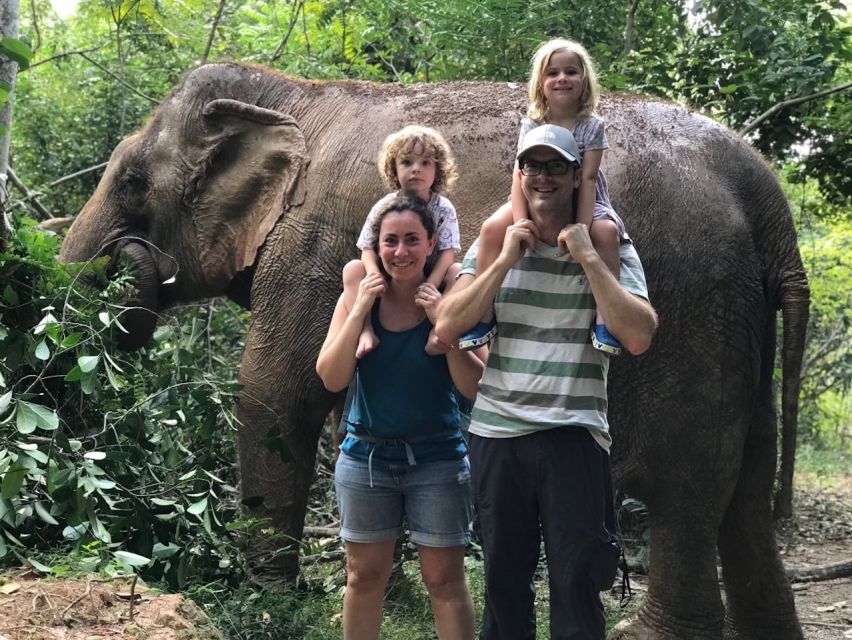
I can’t promise any sanctuary is perfect on every day, but this tour includes clear signals of intent: no elephant riding, ethical and sustainable wording, and hands-on activities that focus on feeding, bathing, and walking rather than performance.
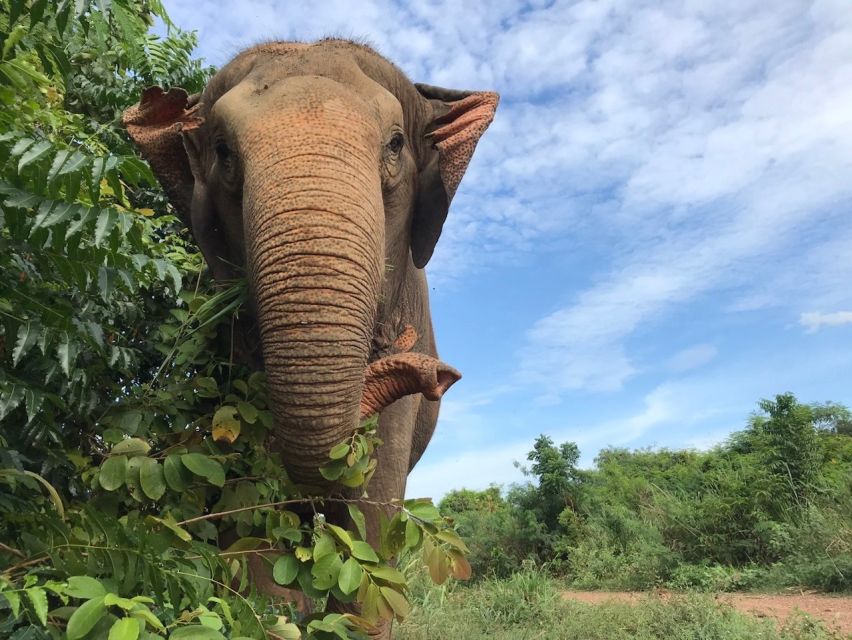
People also mention reassuring details like elephants appearing well fed and roaming in a way that looks more natural than forced. Some visitors specifically say the elephants they saw looked healthy and that no hooks or chains were visible.
Still, here’s the balanced part: it’s still a tourist experience. Guides are often with elephants, and the day includes photo-friendly moments. Some visitors also note command-based behavior in the background (not necessarily a dealbreaker, but something to keep in mind if your personal ethical line is very strict).
My checklist for you:
- Choose tours that clearly state no riding and emphasize natural interaction.
- Pay attention to elephant body language and whether staff keep space and calm.
- Ask your guide what your specific elephant can do and why, not just what you can photograph.
Who should book this elephant sanctuary day trip (and who should skip it)
This trip fits best if you:
- love animals and want hands-on, guide-led interaction
- don’t mind mud and water and plan for it
- can handle a long Bangkok-to-Pattaya day and want a break from the city
- prefer sanctuaries over elephant riding shows
If you should skip it, it’s likely if you:
- want a low-effort day with minimal time in transit
- hate getting wet or muddy, even with wellie boots if it rains
- want a totally hands-off viewing experience with no touch at all
If you have mobility concerns, the experience may still work because at least one visitor reports the staff made sure they were taken care of. I’d still recommend reaching out in advance so they understand your needs and can plan interaction support.
Should you book it?
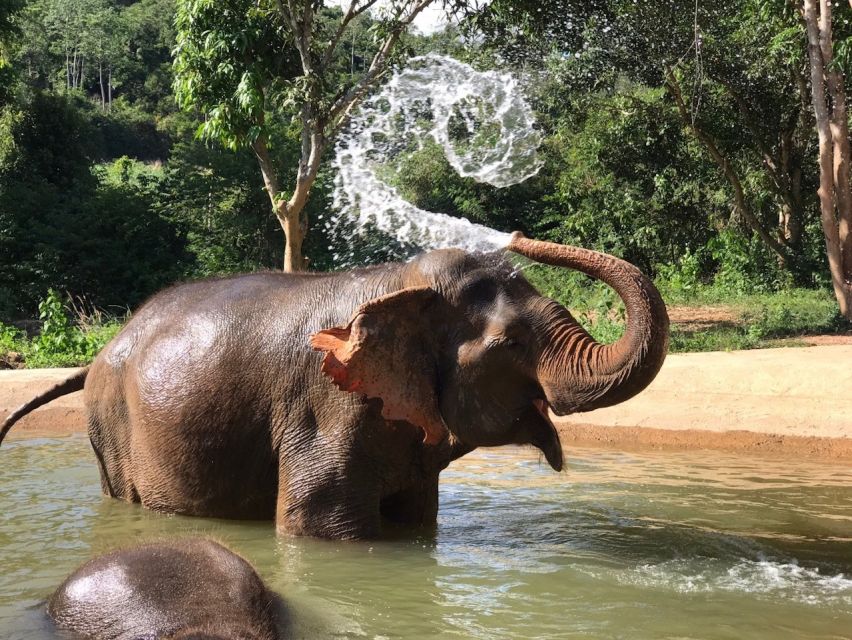
I’d book this if you want an elephant day that feels active, supervised, and focused on contact that supports care—feeding, walking, mud spa, and a real river bath. The best part is how much your day depends on the guide, and people consistently highlight staff like Tak and Madam Tak for sharing elephant stories and keeping things moving safely.
I wouldn’t book it if the long drive from Bangkok will stress you out, or if you’re hoping for an experience that avoids any tourist energy and photo moments. Also, if you’re extremely uncomfortable with getting muddy, this tour probably won’t match your comfort level.
If you go, go prepared: closed-toe shoes, socks for possible mud, sunscreen, insect repellent, and clothes you can actually ruin a little. Then lean into the day’s rhythm. When the elephants head into the water and your guide explains who they are and what they need, it’s the kind of Thailand memory that lasts.
FAQ
Do I need passport details for this trip?
You should bring your passport.
Is elephant riding included?
No. The experience explicitly promotes sustainable tourism and does not offer elephant riding.
What’s the pickup time from Bangkok?
Morning sessions pick up around 6:00–6:30 AM, depending on your hotel location. Afternoon sessions pick up around 10:30–11:00 AM.
What time do we return to Bangkok?
The morning session returns to your hotel in Bangkok at about 1:00 PM. The afternoon session returns at about 6:00 PM.
How long is the drive from Bangkok to Pattaya?
The journey is approximately 2 hours, though Bangkok traffic and hotel pickups can make it longer.
Is lunch included?
Yes. You get a traditional Thai lunch (described as freshly cooked Pad Thai) and seasonal fruits.
What elephant activities are included?
You can feed elephants, walk with them in the sanctuary, and join them for a mud spa and a river bath where you swim and help bathe/brush them.
What should I bring for the wet and muddy parts?
Bring socks, clothes you don’t mind getting dirty, closed-toe shoes, and a few sun essentials like sunglasses, hat, umbrella (for rain), and sunscreen. Insect repellent is also recommended.
What happens if it rains?
Wellie boots are provided if it rains, since the area can become muddy.
Are the guides English-speaking?
Yes, guides are described as English-speaking (and Thai is also used).
What’s included in the price?
Transportation from Bangkok, a guide, Thai lunch and fruit, drinking water, food for feeding elephants, and a Save the World canvas bag are included.