REVIEW · BEIJING
Beijing: Forbidden City and Tian’anmen Square Waking Tour
Book on GetYourGuide →Operated by JTB Travel Agency · Bookable on GetYourGuide
History moves fast in Beijing. This waking-day tour strings together Tian’anmen Square and the Forbidden City with a real guide, clear routing, and smart timing. I especially like the way guides like Huang turn the palace maze into a set of stories you can actually follow, instead of just a checklist of halls.
I also love the practical touch: you get help with tickets and entry, plus a guide who checks how you’re doing in the cold or heat and points out good photo angles. One thing to consider is that Tian’anmen Square requires real identity registration, and if it’s closed for political reasons without notice, your plan can switch to Jingshan Park automatically.
In This Review
- Key points to know before you go
- A Waking-Day Route That Actually Works: Tian’anmen + the Forbidden City
- Where You Meet and Why It Matters More Than You’d Expect
- Tian’anmen Square: Fast Orientation Plus Real-World Rules
- Temple of Heaven: The Religion Lesson You Can Walk Through
- The Subway and the On-Foot Sections: How the Tour Keeps You Moving
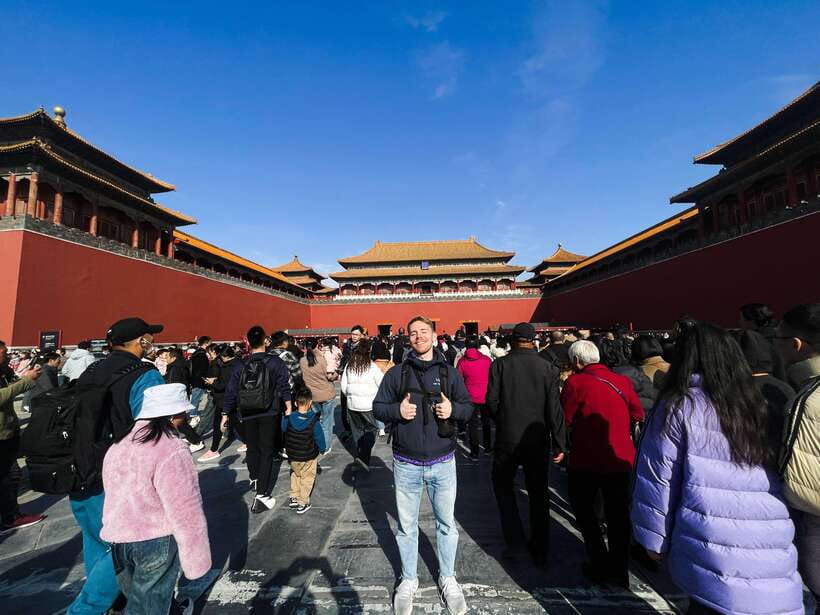
- Inside the Forbidden City: Where the Guide Turns Tiles Into Meaning
- Highlights you’ll notice on the inside loop
- Ending at the Gate of Divine Prowess
- Mutianyu Great Wall: When Your Option Adds the Walk Along the Landmark
- Cost and Value: Why $2 Can Still Be a Good Deal (Depending on the Option)
- What to Pack and How to Stay Comfortable (Because Beijing Doesn’t Wait)
- Who This Tour Fits Best (And Who Might Feel Frustrated)
- Should You Book This Beijing Forbidden City + Tian’anmen Square Tour?
Key points to know before you go
- Guaranteed Forbidden City entry with help handling the limited online ticket demand
- Tian’anmen Square identity rules (passport/ID details) and a built-in backup plan
- A guided Forbidden City loop that reaches beyond the obvious, including concubines’ living quarters and indoor decorations
- Temple of Heaven included on select options, with a focused guided hour
- Comfort-first pacing, with guides watching wind, shade, and breaks and even using small audio so you can hear
- Good photo strategy, with your guide steering you to better viewing spots and angles
A Waking-Day Route That Actually Works: Tian’anmen + the Forbidden City
Beijing can feel like two different cities: one that looks like postcards and one that tests your feet. This tour helps you bridge both by taking you through the biggest headline sites in a tight order, so you’re not wasting half a day on confusion and lines.
The core idea is simple. You start near the Tian’anmen area, get oriented with a short guided look at the Square, then continue to the Forbidden City for a longer deep walk through the imperial complex. If you book the longer option, you also add Temple of Heaven to the day, which gives you a nice contrast: politics and power at one end, ritual and belief at the other.
What makes this route feel good is the pacing. You’re moving for hours, yes, but the guide is part of the plan, not just an added expense. In cold weather, you’ll notice the guides adjust how they pace and where they stop for moments of shade or warmth. On windy days, that matters more than you think.
You can also read our reviews of more tours and experiences in Beijing.


Where You Meet and Why It Matters More Than You’d Expect
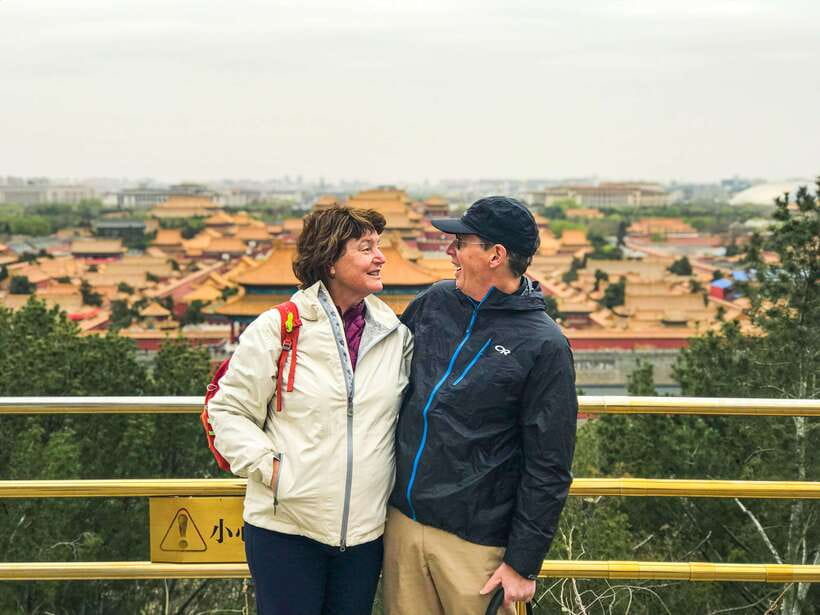
This tour has multiple options, so the meeting point can vary. For the Tian’anmen + Forbidden City style tour, you’ll commonly meet around Beijing XinQiao Hotel (also referred to as Novotel Beijing Xin Qiao) with a 9:30 AM meeting time. For the Forbidden City + Jingshan Park version, the meeting can be at the Eastern Gate of the Palace Museum (故宫博物院东华门), with 8:00 AM or 2:00 PM starting times.
Why I’m pointing this out: Beijing’s public transit and sight entrances can be confusing if you’re trying to do it yourself with a phone map. Starting at the right gate or hotel reduces the frantic sprinting part of sightseeing and keeps your timing realistic for ticket checks and security lines.
Also, transportation costs are listed as not included, even when the itinerary mentions time on the subway. Translation: you might still be taking transit during the day, and you’ll want to be ready to pay your share for that local movement.
Tian’anmen Square: Fast Orientation Plus Real-World Rules
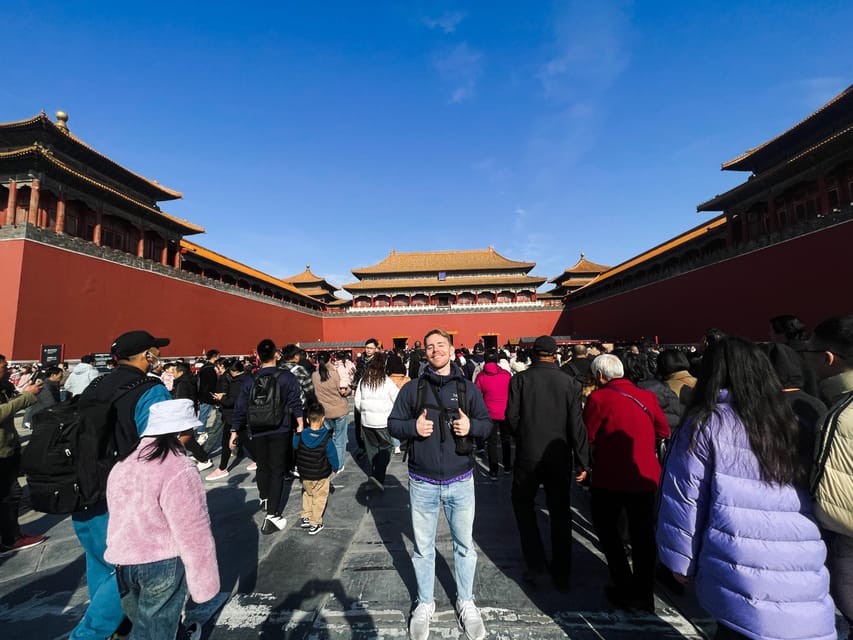
Tian’anmen Square is free to enter, but it’s not casual. The tour experience hinges on one detail: you must use real identity registration for the reservation process. That means your full name and passport/ID details have to match what you use in real life.
Your guided time at the Square is typically about 30 minutes on the longer day plan. That’s enough time to understand what you’re looking at without turning the Square into a time sink. The guide’s job is to help you read the space: why it’s important, what changed over time, and what you’re seeing in the present moment.
The built-in watch-out is also important. If Tian’anmen Square is closed due to political reasons without advance notice, the tour doesn’t leave you stranded. The plan changes to Jingshan Park instead. That’s a genuine risk-management detail, not just a polite statement.
Temple of Heaven: The Religion Lesson You Can Walk Through
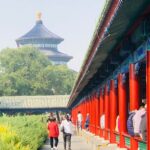
On options that include it, Temple of Heaven gets about a one-hour guided visit. This stop is valuable because it changes the tone of the day. After the wide, political scale of Tian’anmen, the Temple of Heaven area feels more human-scale, with calmer spaces for you to slow down and notice patterns.
You’ll be shown as you explore, with the guide explaining the site’s religious purpose and history as you move around the complex. Even if you don’t plan to study Chinese theology, you’ll leave with a clearer sense of what the buildings were meant to represent and why the design looks the way it does.
A common theme in these kinds of Beijing days is that people remember the pictures but forget the meaning. Temple of Heaven is one place where your guide can keep your attention on both.
The Subway and the On-Foot Sections: How the Tour Keeps You Moving
The itinerary includes transit time and walking segments (including a subway/metro portion and an on-foot walking stretch before you reach the Forbidden City). This isn’t a luxury ride day. It’s a practical “get you there, keep you oriented” day.
Here’s the benefit: you’ll likely spend less time guessing where to enter and more time actually walking through the complex. The trade-off is obvious—you’re on your feet, possibly stairs, possibly uneven steps. If your plan is to take everything at a slow pace, you’ll feel it. If you can handle a long walk with a few breaks, you’ll be fine.
One small comfort detail mentioned in feedback: some guides use small earphones so everyone can hear them clearly. In busy places, that’s not a gimmick. It helps you stop straining and just listen while you move.


Inside the Forbidden City: Where the Guide Turns Tiles Into Meaning
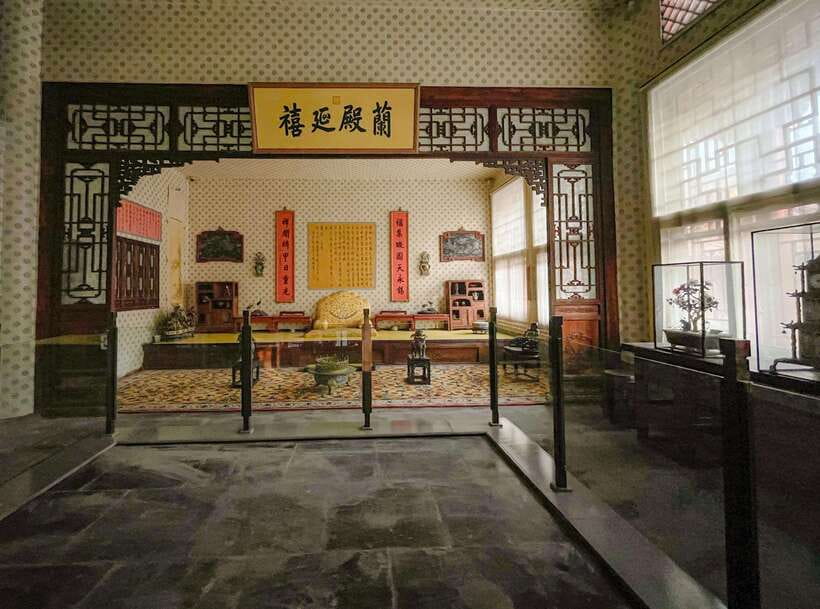
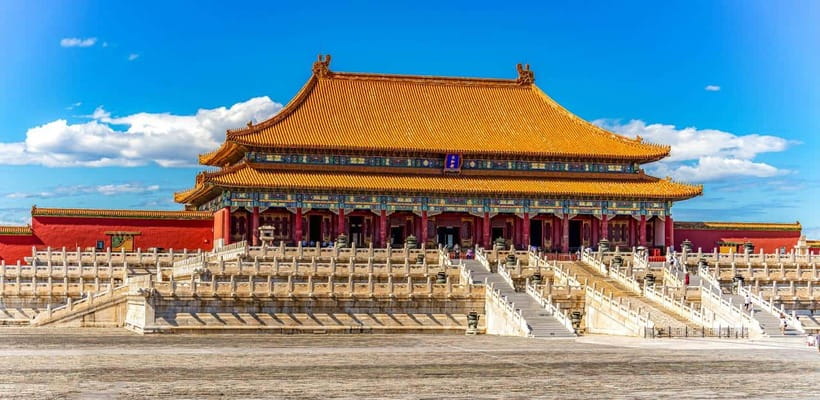
This is the main event. The Forbidden City portion is typically about 2.5 hours with a guided route, and that time is used well: you don’t just shuffle from one landmark photo spot to another.
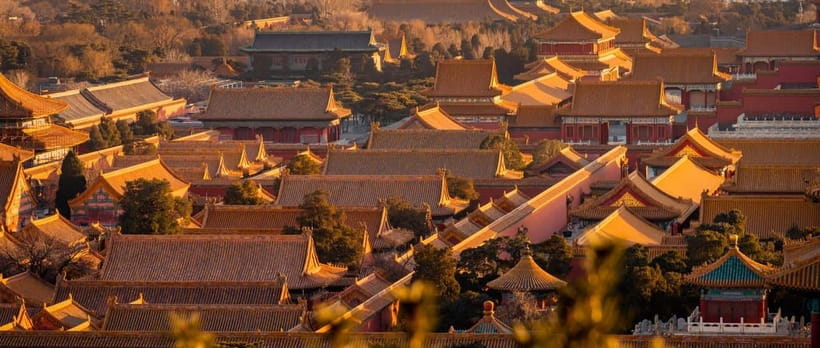
The biggest reason a guide matters here is that the Forbidden City is massive, and your brain can lose the plot fast. A strong guide keeps you oriented by linking each area to how the palace worked and who lived where.
Highlights you’ll notice on the inside loop
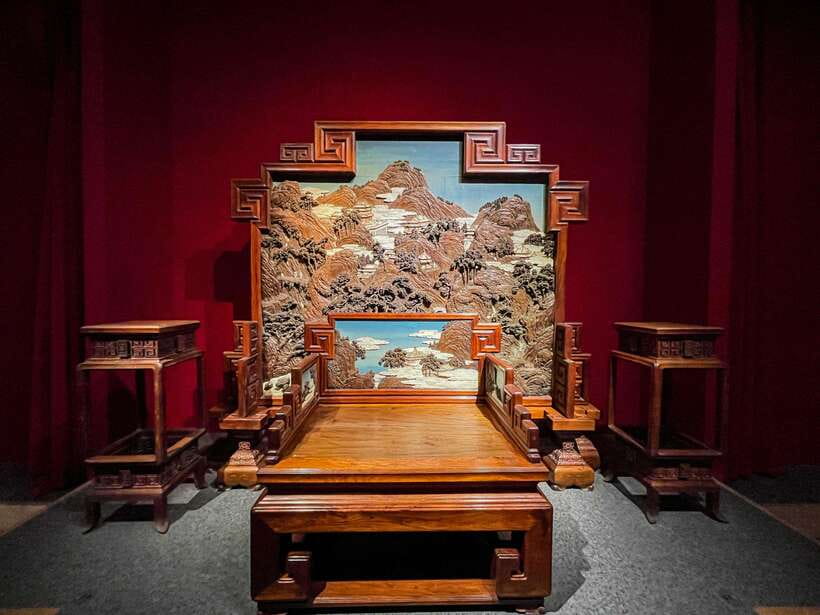
You’re guided through key spaces, and the tour is designed to reach areas that go beyond the most obvious showpieces. One standout detail is the visit to the living quarters of the concubines, where you can see indoor decorations. That kind of stop gives you a more human angle on palace life, not only the ceremonial power.
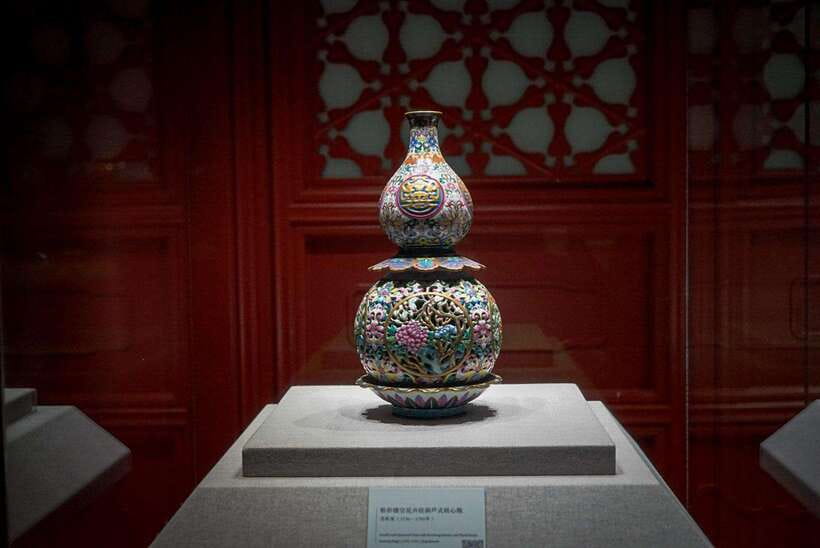
You’ll also get explanations tied to the craftsmanship and symbolism you see in the architecture—down to the idea that even small building materials and carefully selected design elements connect back to imperial authority.
Ending at the Gate of Divine Prowess
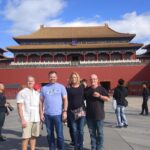
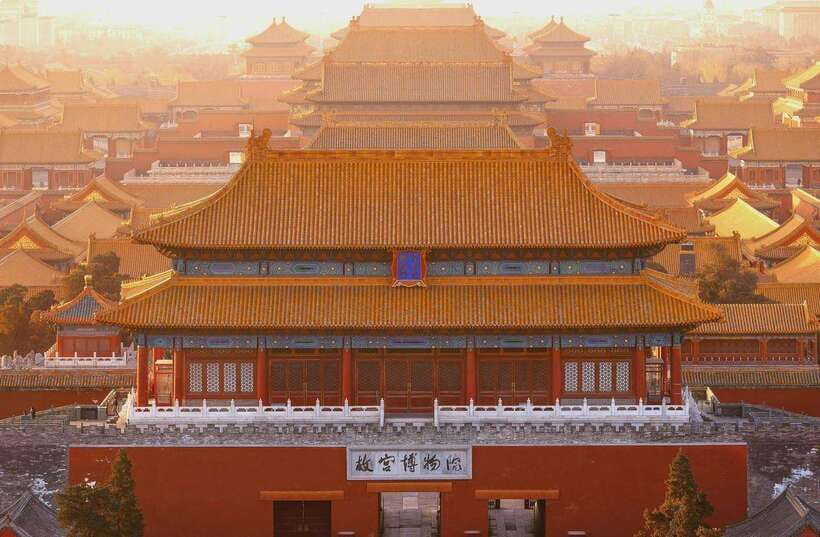
The walk finishes at Gate of Divine Prowess. It’s a useful finishing point because it signals a transition from “wandering” to “wrapping your head around what you just saw.” It also helps with the feeling of closure at the end of a long day.
Mutianyu Great Wall: When Your Option Adds the Walk Along the Landmark
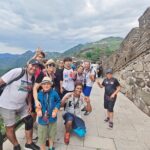
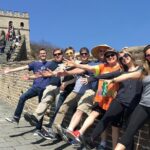
Your tour highlights mention a guided visit to Mutianyu Great Wall, including a walk along an iconic landmark. That means if your booking includes the Great Wall component, you should expect your day to expand beyond palace walls and into big outdoor views.
Here’s how to think about it:
- The Forbidden City is about density and detail (indoor spaces, guided storytelling).
- Mutianyu Great Wall is about scale and walking (wind, stairs, longer exposure).
If you choose an option that includes both, plan for a heavier legs day. Pack for the outdoors too, not just the city.
Cost and Value: Why $2 Can Still Be a Good Deal (Depending on the Option)
The price shown is $2.00 per person, which is so low it makes you check the fine print. So don’t buy the price tag alone. Buy what it includes.
From the tour details, you should think of it like this:
- The tour is built to include Forbidden City entry costs (with guaranteed entry help).
- If you pick the right option, you may also get Tian’anmen Square reservation support and Temple of Heaven admission through the tour.
- Hotel pickup/drop-off, food, and tips are not included.
- Any transportation costs are excluded, even though transit time is part of the route.
So the value equation is less about the literal number and more about what you’re saved:
- You save time and stress by having help with entry and reservations.
- You save brainpower by having a guide explain what you’re seeing while you walk.
- You pay for convenience, plus that continuity from Square to palace.
Where you might decide against it: if you already have timed tickets locked down, you know exactly how you’ll get between sites, and you’re comfortable doing the Forbidden City without a guide. Otherwise, the guide + ticket handling is the part that makes this feel easier than DIY.
What to Pack and How to Stay Comfortable (Because Beijing Doesn’t Wait)
This tour is strict about security, and you should treat that seriously. Bring your passport or ID card. That’s not optional for the Tian’anmen part.
Avoid prohibited items like weapons/sharp objects, drones, and any kind of restricted items such as explosive substances or sprays/aerosols. If you show up carrying something sketchy by accident, you lose time and you risk the day turning into a logistics problem.
Comfort-wise, it’s a long walking day. So I’d plan for:
- Layers, especially if you’re doing it in winter mornings when wind cuts.
- Shoes you trust on stairs and uneven steps.
- A water strategy (water is typically on you since food and drinks aren’t included).
One reason guides are praised is that they watch the weather reality. Even if you think you’ll be fine, build in the chance you won’t be. A little break can keep the whole day from feeling rushed.
Who This Tour Fits Best (And Who Might Feel Frustrated)
This tour works best if you want a guided day through major sites without spending your trip managing ticket rules. It’s especially good for first-timers who need context fast and hate standing around wondering what to do next.
It’s also a good fit if you value a guide who changes their pace based on the group’s needs. Multiple guides are described as thoughtful and communicative, and the practical details like helping with photo spots and keeping people comfortable are exactly the difference between seeing sights and enjoying the day.
But it’s not suitable for visually impaired people, based on the tour notes. If that applies, you’ll want to look for a different accessibility-focused plan.
Should You Book This Beijing Forbidden City + Tian’anmen Square Tour?
If your priority is to see Tian’anmen Square and the Forbidden City with ticket help, guided context, and a day that’s paced so you can actually absorb what you’re looking at, I think this is an easy yes.
Book it especially if:
- You’re going in peak season and you want a smoother path through limited online ticket availability.
- You don’t want to wrestle with the identity registration requirements for the Square.
- You want your time inside the Forbidden City structured, including stops like the concubines’ quarters rather than only the headline views.
Skip or rethink it if:
- You hate reservation-based experiences and prefer fully self-directed plans.
- You’re unwilling to walk a lot and handle the stair-and-crowd reality of these sites.
- You need an accessibility setup beyond what’s described.
If you’re flexible and want the easiest route between two of Beijing’s biggest moments, this is a solid bet, and the guides named in feedback like Huang and Alice are a big part of why it works.