REVIEW · BATU CAVES
From Kuala Lumpur: Batu Caves Cultural Temple Tour
Book on GetYourGuide →Operated by Travelvago · Bookable on GetYourGuide
Four hours, three faiths, one city. This Batu Caves Cultural Temple Tour is a tight, well-paced way to see major religious landmarks—plus the market life of Kuala Lumpur—without spending the day figuring out routes.
I especially like the 272-step Batu Caves climb, because it’s short enough to fit in a half-day plan but big enough to feel like a real outing. I also like that your guide work often shows up in the details—clear stories on why places matter, plus solid timing so you’re not stuck sprinting between stops (names like Ayyanar, Sathia, Kumaran, and Jeganathan come up in guide write-ups).
One consideration: the National Mosque of Malaysia is closed on Friday, and Batu Caves is not wheelchair friendly—so plan your day and bring sneakers if you’re at all worried about steps and heat.
In This Review
- Quick hits: the best parts of this KL cultural loop
- How Batu Caves makes a half-day tour feel like a full story
- Riding past Little India and Brickfields: you get the city context fast
- Thean Hou Temple: a 6-tier pagoda with Hainanese roots
- Chinatown and Central Market: where the cultural mix shows up in food
- Masjid Negara (National Mosque): gardens, bold design, and timing rules
- The 4-hour flow: how to fit Batu Caves, temples, mosque, and markets without stress
- Is $34 a fair deal for this many stops? Value check
- Who should book this tour, and who should skip it
- Should you book the Batu Caves Cultural Temple Tour?
- FAQ
- What time does this tour run and where is pickup?
- How hard is the Batu Caves walk?
- What should I wear for the religious sites?
- Is the National Mosque open every day?
- Are meals included in the price?
- Is the tour wheelchair accessible?
Quick hits: the best parts of this KL cultural loop
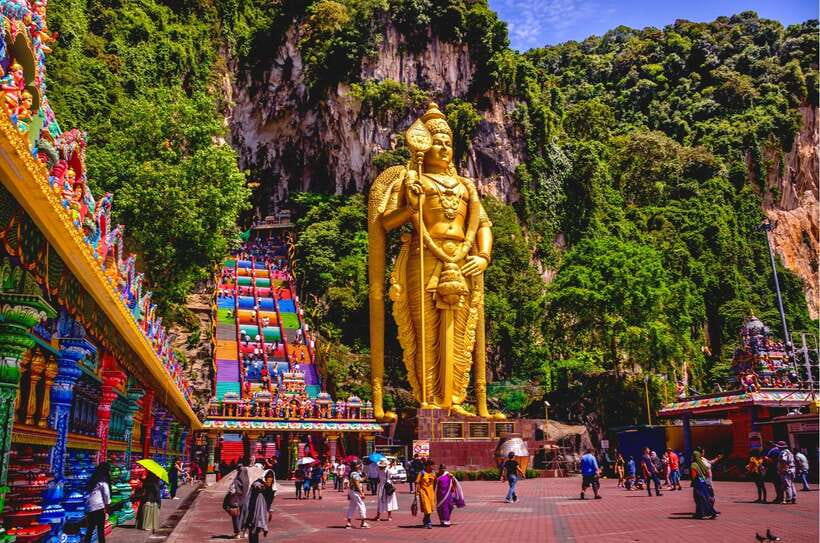
- Batu Caves first stop with time for the Cathedral Cave inside the complex
- 272 steps to Lord Murugan and the golden statue viewpoint
- Thean Hou Temple on Robson Heights: 6 tiers, opened in the late 1980s by the Hainanese community
- Chinatown food and shopping with multiple trader communities and classic dishes on offer
- Masjid Negara gardens: 13 acres and late-1950s architecture symbolism
- Central Market add-on for quick browsing before you head back
How Batu Caves makes a half-day tour feel like a full story
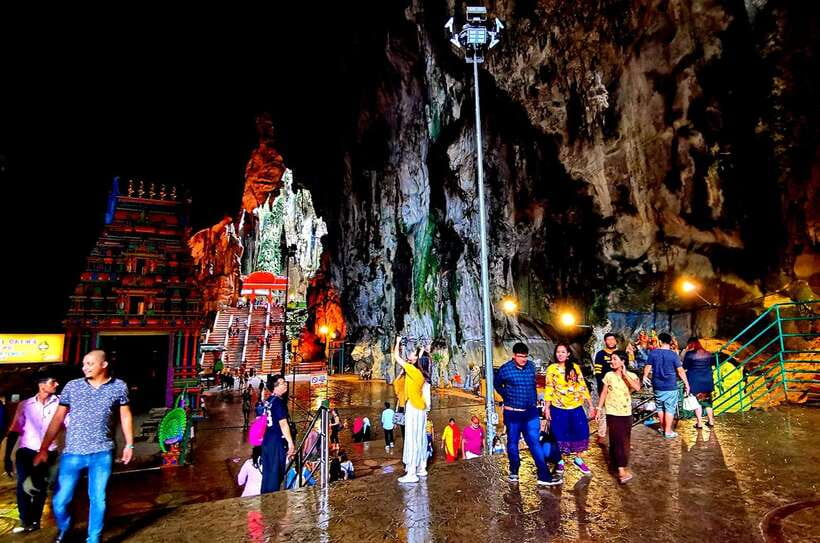
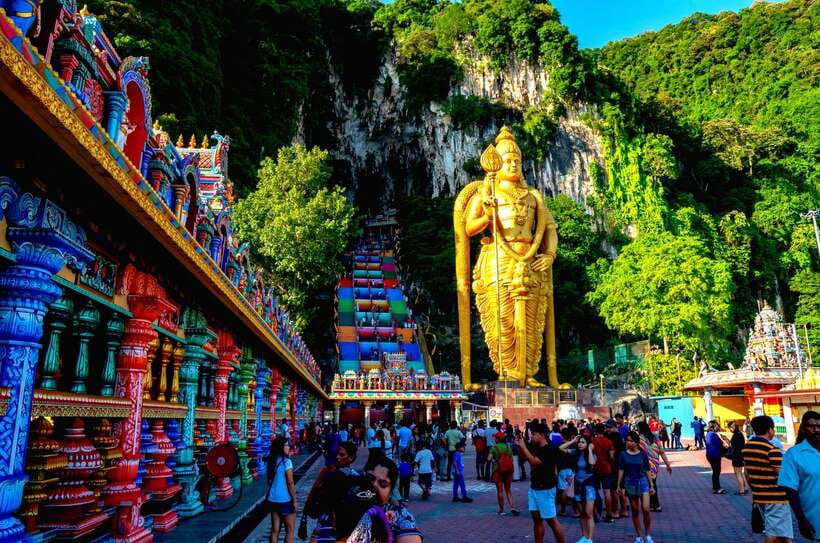
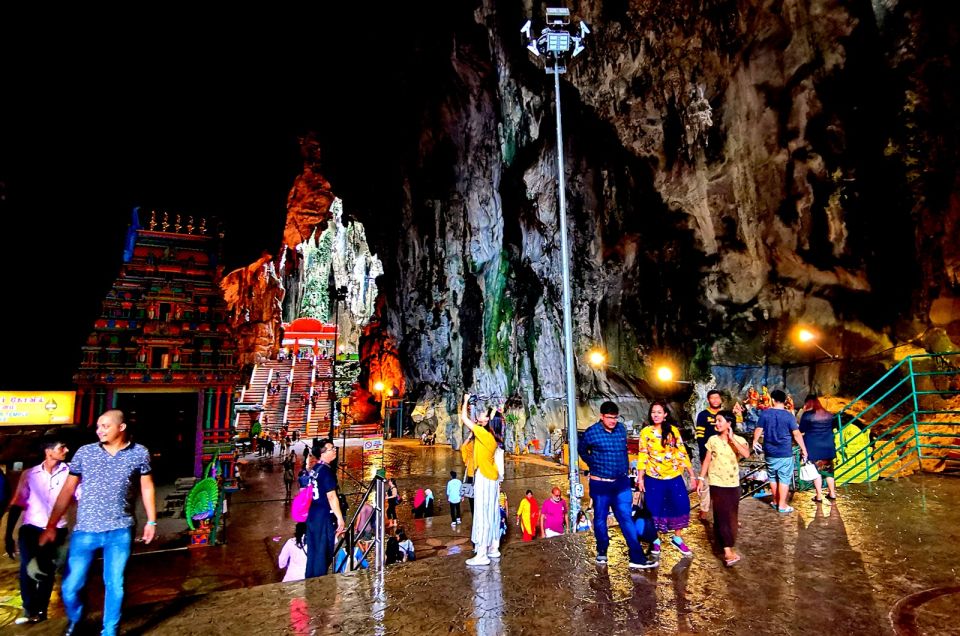
The tour’s anchor is Batu Caves, and it’s a good choice because it mixes drama, religion, and street-level human detail in one place. After a drive of about 30 minutes, you arrive at the cave complex that’s home to Hindu shrines and religious deities, and the guide explains the Hindu roots behind the site so it doesn’t feel like you’re just watching scenery go by.
Then you do the climb: 272 steps up to the golden statue of Lord Murugan. This is where you should decide your pace. If you go early (the tour runs with a 09:00 start or a 14:00 start), you’re more likely to feel less heat on the way up. Either way, wear comfortable sneakers, take breaks if you need them, and keep your phone and valuables secured—Batu Caves is known for monkeys around the site, and you’ll want to be ready if they get curious.
At the top, you’re not just looking at the statue. You also head to Cathedral Cave, described as the largest cave in the complex. That’s the payoff for people who want more than a quick photo moment: it’s the more intricate part of the shrine area, and it helps explain why Batu Caves is so important to many visitors.
One small reality check: you only have about an hour at Batu Caves. That means you’ll want to pick your priorities before you start climbing—statue photos, the main cave area, and a quick wander inside Cathedral Cave—rather than trying to see everything slowly.
Riding past Little India and Brickfields: you get the city context fast
A big part of why this tour works for first-timers is the way it frames Batu Caves inside real neighborhoods. You pass through Little India and Brickfields on the way to the caves, and those drives matter because they show how Kuala Lumpur’s culture doesn’t sit behind ticket gates. You’ll see colorful streets and unique shops along the route, even though you’re not stopping for long.
This “drive-by orientation” is useful because it helps you understand what you’re seeing later. When you reach Chinatown and then head to temples and mosques, the city doesn’t feel like random landmarks. It feels like Kuala Lumpur’s communities stacked together in one day.
Thean Hou Temple: a 6-tier pagoda with Hainanese roots
Next up is Thean Hou Temple, a six-tiered pagoda temple built atop Robson Heights. It’s one of those places where you notice architectural choices right away: the tiers stack upward in a way that feels designed for viewing from multiple angles, not just worship.
The key details to remember here: it was completed in 1987 and officially opened in 1989. It was built by the Hainanese community of Kuala Lumpur and dedicated to the goddess Tian Hou, also called the Heavenly Mother. When your guide connects those facts to what you’re seeing on-site, the temple becomes more than a pretty stop. It becomes a piece of immigrant history made visible in stone, paint, and ritual space.
Your time on this stop is about 30 minutes. That’s enough to walk around, take photos, and get a feel for the temple’s layout without feeling rushed. If you care about structure and symbolism, you’ll like this stop because it’s easy to read the design at a glance, even with limited time.
Chinatown and Central Market: where the cultural mix shows up in food
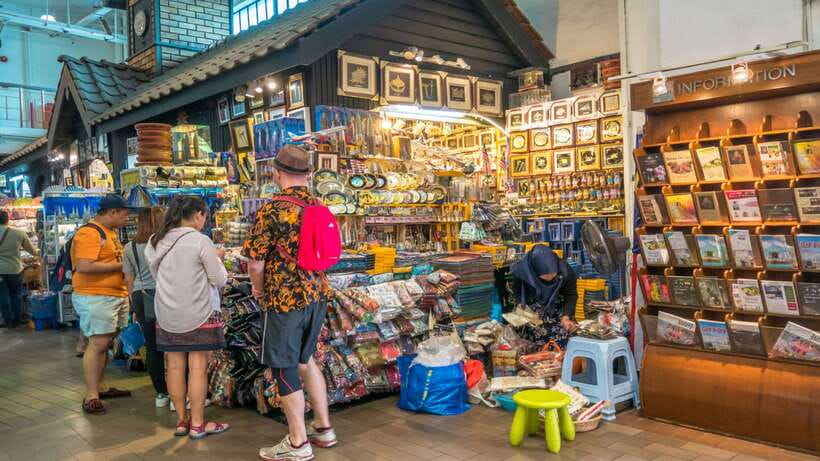
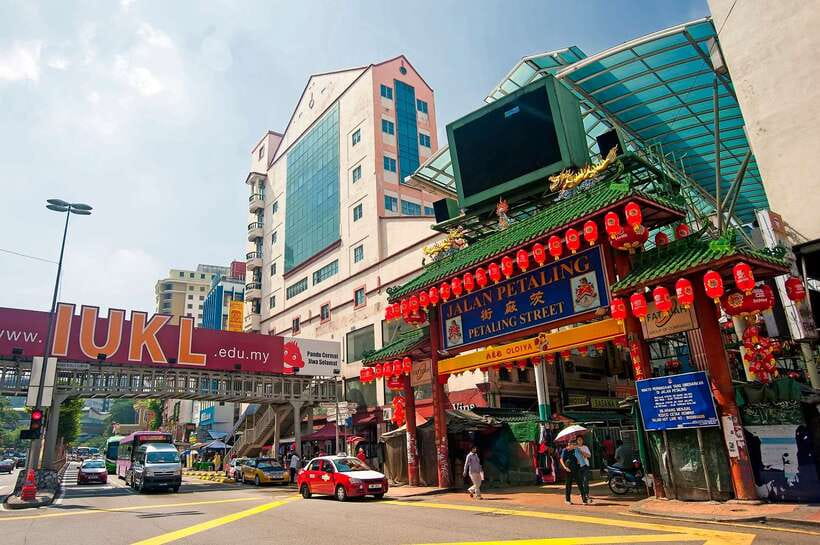
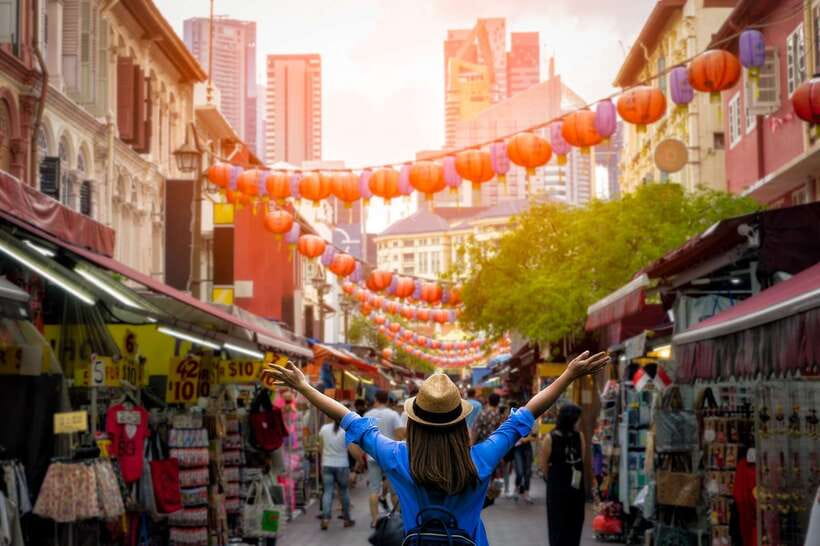
After Thean Hou Temple, you head to Chinatown. This is a shopping-and-stroll stop with a clear purpose: you get to experience market culture and small-plate food life without planning it yourself.
What you can expect is dozens of food stalls and restaurants tended by Chinese, Indian, Malay, and Bangladeshi traders. That mix is the point. It’s not one single “Chinatown experience.” It’s a shared food ecosystem shaped by different communities.
The menu highlights mentioned include curry noodles, Hokkien mee (a Fujian noodle dish), ikan bakar (barbecued fish), and asam laksa (a sour fish and tamarind-based soup). You won’t be fed on the tour, but you will get the chance to buy and taste. If you’re trying to keep the day simple, pick one dish and slow down enough to enjoy it rather than treating it like a checklist.
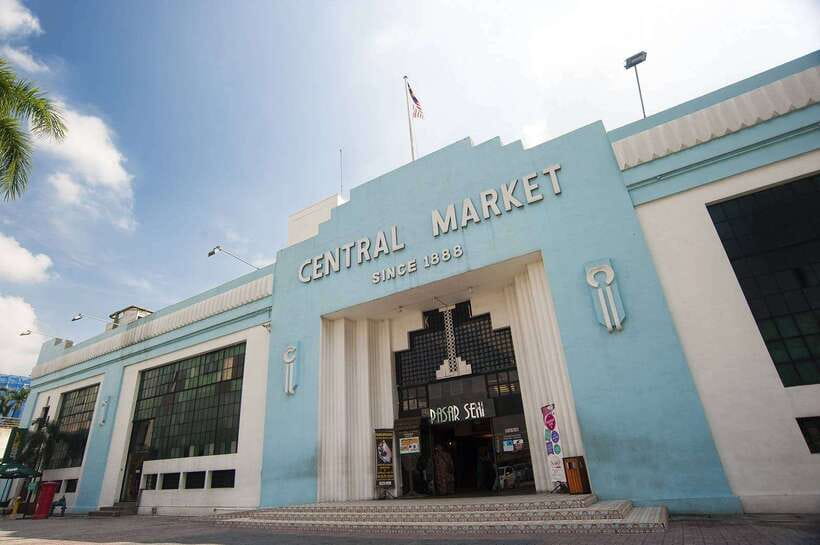
After the National Mosque stop later, you may also have time at Central Market. Think of it as a practical shopping buffer. It’s another chance to browse souvenirs and local goods without needing to pack your schedule with extra transport.
And yes—bargaining is part of the game in Chinatown. If you like that kind of interaction, you’ll have fun. If not, you can still enjoy the atmosphere and just shop with a calm plan: decide your budget first, then negotiate politely.
Masjid Negara (National Mosque): gardens, bold design, and timing rules

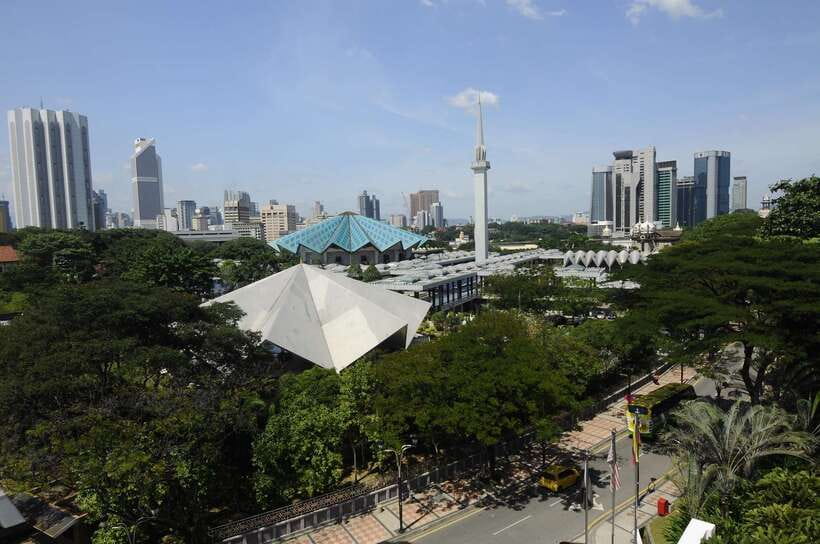
The final major cultural stop is the National Mosque of Malaysia, Masjid Negara, set on 13 acres of gardens. This is your contrast stop. Batu Caves and Thean Hou Temple pull you into cave shrines and pagoda worship; the mosque gives you architecture, open grounds, and a different kind of calm.
The design is described as bold, and the timeline matters: it was designed in the late 1950s as a symbol of the aspirations of the newly independent nation. That’s a big reason this stop feels more meaningful than just seeing a building. You’re not only looking at worship space—you’re seeing a statement about identity, built at a moment when a new Malaysia was defining itself.
Plan your timing carefully. The National Mosque is closed on Friday. If your trip lands on a Friday, this tour’s order becomes more important, because you’ll want the rest of the day to still work even if you can’t visit that site.
Dress code matters here too. Ladies should wear long dresses or pants with shoulders covered. Men can use a simple tee and knee-length shorts or pants. Bring that in mind early, because it’s easier to avoid last-minute fixes if you plan your outfit before you leave the hotel.
The 4-hour flow: how to fit Batu Caves, temples, mosque, and markets without stress
This is a true half-day tour, about 4 hours total, and the schedule is tight by design. You start with pickup from your hotel in Kuala Lumpur or Petaling Jaya, then move through stops with limited time blocks.
Here’s how I suggest you make it work:
- Be ready for a short climb plus indoor cave time at Batu Caves, and don’t try to see it at the pace of a full day pass
- Use Thean Hou Temple for photos and a quick orientation to its meaning
- Treat Chinatown as both culture and shopping, but choose foods you’ll actually eat rather than sampling everything
- Keep your mosque outfit ready and plan for the mosque stop time window
The transport is an air-conditioned vehicle, and many write-ups note comfortable cars and smooth pickup timing. The tour is also a private group, which matters because it lets the guide adjust pacing slightly if your group moves slower or needs a moment to regroup.
One practical point: the driver-guide communicates using WhatsApp applications. It’s smart to download or update WhatsApp so messages land right when the driver is close to your pickup point.
Is $34 a fair deal for this many stops? Value check
At about $34 per person, this tour is priced like a practical “KL highlight loop” rather than an all-day, deep-cut cultural program. The value is strong because several things are included:
- Hotel pick-up and drop-off
- A 4-hour ride by air-conditioned vehicle
- English-speaking driver-guide
What is not included is food and drinks. That’s normal for a half-day cultural route in a city with great street and market options. If you plan to eat at Chinatown, it helps to budget for it rather than assuming the tour covers meals.
There are also extra transportation charges if you’re picked up from outside the Kuala Lumpur area, like Port Klang Cruise Terminal or the airport. The exact extra cost is stated as a $50 charge per those situations. If you’re staying centrally, you’ll avoid that add-on.
For many people, the real value is time saved. You’re getting multiple stops grouped in one ride, with an English-speaking guide explaining why each site matters, and you’re not paying for separate taxis between locations.
Who should book this tour, and who should skip it
This tour makes the most sense if you want a fast, organized introduction to Kuala Lumpur’s major cultural landmarks. It’s a good fit for:
- First-time KL visitors with limited time
- People who like “see it, understand it, then move on” pacing
- Anyone who wants Batu Caves plus religious sites like Thean Hou Temple and Masjid Negara in one afternoon
It’s less ideal if:
- You need wheelchair access (the tour is not wheelchair accessible)
- You want a long, unhurried deep dive at any single site
- You’re visiting on a Friday and were hoping for the National Mosque stop
If you’re someone who gets worn out by steps and heat, schedule strategy helps. The 09:00 departure is often easier for the Batu Caves climb. And regardless of timing, sneakers aren’t optional if you want the day to feel comfortable.
Should you book the Batu Caves Cultural Temple Tour?
I’d book it if you’re short on time and want a guided route that hits the essentials: Batu Caves, Thean Hou Temple, Chinatown, and the National Mosque area. The big reason to say yes is efficiency without feeling like a random taxi hop—there’s a real storyline connecting each stop.
I’d hesitate only if your travel day is a Friday (due to Masjid Negara closure), or if step climbing is a deal-breaker for your group. If those aren’t issues, this is one of the more straightforward ways to understand KL’s religious and market life in one compact half-day.
FAQ
What time does this tour run and where is pickup?
You can depart from your hotel in Kuala Lumpur or Petaling Jaya at either 09:00 or 14:00. The tour duration is about 4 hours.
How hard is the Batu Caves walk?
Batu Caves includes a climb of 272 steps. You’ll want comfortable sneakers, especially because it can be hot.
What should I wear for the religious sites?
Ladies need to wear long dresses or pants with shoulders covered. Men can wear a simple tee with knee-length shorts or pants.
Is the National Mosque open every day?
No. The National Mosque of Malaysia is closed on Friday.
Are meals included in the price?
No. Food and drinks are not included. You’ll have opportunities to eat at stops like Chinatown.
Is the tour wheelchair accessible?
No. The tour is not wheelchair accessible.