REVIEW · TAKAYAMA
Kanazawa: World Heritage Shirakawa-go Morning Guided Tour
Book on GetYourGuide →Operated by Japan Panoramic Tours · Bookable on GetYourGuide
If you want the snow photos, start early. This Kanazawa to Shirakawa-go tour is built for an efficient morning: you get transport, live English/Japanese guiding, and time in the village before it fills up.
I love two things right away. First, the early departure from Kanazawa Station helps you see Shirakawa-go with fewer people around. Second, the setup is low-stress: you ride in an air-conditioned bus with Wi‑Fi, then you’re given guidance for where to walk and what to try.
The one drawback to keep in mind is simple: the time in Shirakawa-go is limited. If you want to linger in every shop or go inside every grass hut, you may feel a bit rushed.
In This Review
- Quick take: what makes this Shirakawa-go morning tour work
- From Kanazawa to UNESCO Shirakawa-go in one smooth morning
- Price and value: what $77 buys (and what it doesn’t)
- The bus ride: where the guide sets up the village walk
- Shirakawa-go on foot: Gassho-zukuri streets and real village life
- Food stops I’d prioritize once you’re there
- Inside the houses: why you might not get to everything
- Kenrokuen Garden finish: turning history into an easy next step
- Winter tip: packing for cold that sneaks up on you
- What guides do right here: humor, context, and helpful pacing
- Optional upgrade: when the half-day still feels short
- Should you book this Kanazawa: World Heritage Shirakawa-go morning tour
- FAQ
- How long is the Kanazawa to Shirakawa-go morning guided tour?
- Where do I meet for the tour?
- What time does the tour depart?
- How much time do we spend in Shirakawa-go?
- Does the tour include Kenrokuen Garden?
- What languages are available for the live guide and audio?
- Is the bus air-conditioned, and is there Wi‑Fi?
- Are meals included in the price?
- Is hotel pickup or drop-off included?
- What should I bring, and are pets allowed?
Quick take: what makes this Shirakawa-go morning tour work
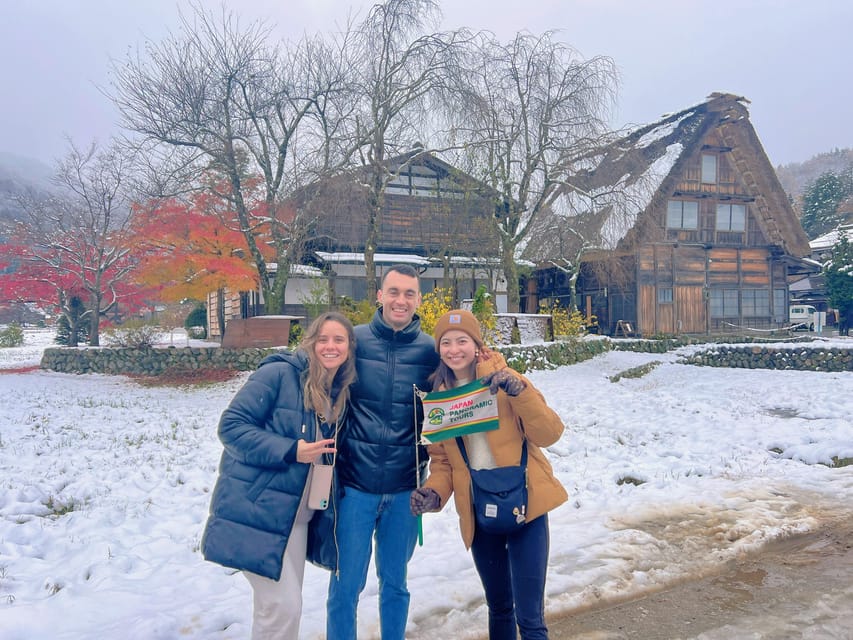
- Early arrival timing so you can enjoy quieter streets and better photos
- English-speaking guidance plus bus commentary to get context fast
- Audio headsets in multiple languages to follow along even when you step away
- Comfort perks on the coach: air-conditioning, Wi‑Fi, and antibacterial coating/ventilation
- Local-food walking options like Hida beef and Doburoku soft serve
- A smooth finish in Kanazawa at Kenrokuen Garden around 13:00
From Kanazawa to UNESCO Shirakawa-go in one smooth morning
This is one of those trips that makes sense even if your Japanese is zero. You meet at Kanazawa Station West Plaza – Short-term Car Park (1-chōme-6-802 Hirooka), check in at 7:50 AM, and head out at 8:00 AM. The bus ride takes about 80 minutes, mostly by expressway, and it’s comfortable enough that you can use the time to settle in, get oriented, and snack if you brought anything.
The best part is that you’re not spending your morning figuring out transport. Shirakawa-go is not hard to reach with the right plan, but it’s very easy to waste time with the wrong bus connections. Here, your route is decided for you, and the guides use the drive to explain what you’re about to see.
The vibe of the tour changes by season. In winter, especially when Shirakawa-go is snowy, that early start becomes even more valuable. Multiple people on the tour highlighted the same point: arriving while the village is still calm makes the place feel more personal, not like a checklist.
Price and value: what $77 buys (and what it doesn’t)
At $77 per person for a 5-hour experience, you’re paying for the things that cost time and energy on your own: transportation out of Kanazawa, a professional guide, and audio support while you walk around. You also get headsets (for audio guidance) and a bus that’s equipped for comfort with free Wi‑Fi.
What’s not included is also clear. You’re not getting a set meal package. The tour encourages you to enjoy local foods, but additional food and drinks are not included. So budget for snacks and tastings once you’re in Shirakawa-go.
If your goal is to see the UNESCO village without stress, this price often feels fair. If your goal is to spend a long time shopping, eating, and exploring every side lane, you might want the optional full-day plan (more on that later).
The bus ride: where the guide sets up the village walk
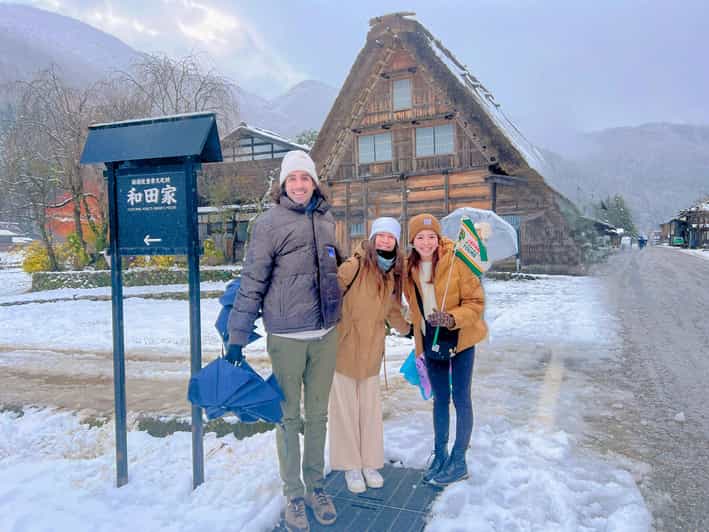
The drive is about more than getting there. You’ll hear commentary from your English and Japanese-speaking guides, and there’s also multilingual audio guidance available via headsets. The audio options listed include English, French, Italian, Spanish, German, Portuguese, and Ukrainian.
In practice, that means you’re not arriving at Shirakawa-go and guessing what matters. You’ll have the basics of the architecture and the village’s place in Japan’s heritage before you step out. This matters because the “Gassho-zukuri” buildings can look similar at first glance, and context helps you notice differences.
One detail I really appreciate from the way the tour is described is the focus on making your time in the village feel efficient. People mention getting maps and clear navigation advice, so you can plan a walk that hits key spots without wasting your precious 2+ hours.
Shirakawa-go on foot: Gassho-zukuri streets and real village life
Once you reach Shirakawa-go, you get a guided visit for about 2.33 hours. That time includes walking with your guide and then (depending on the flow) enough space to explore at your own pace.
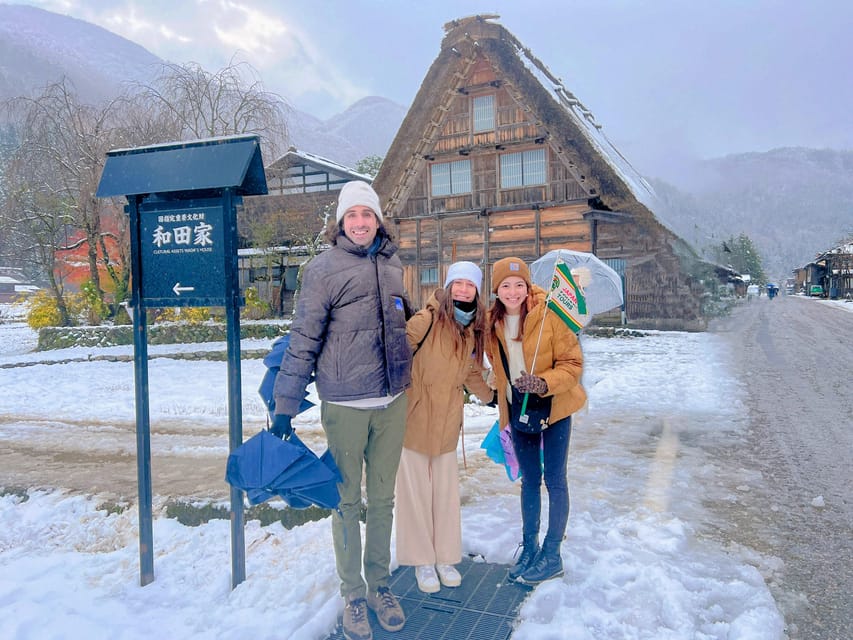
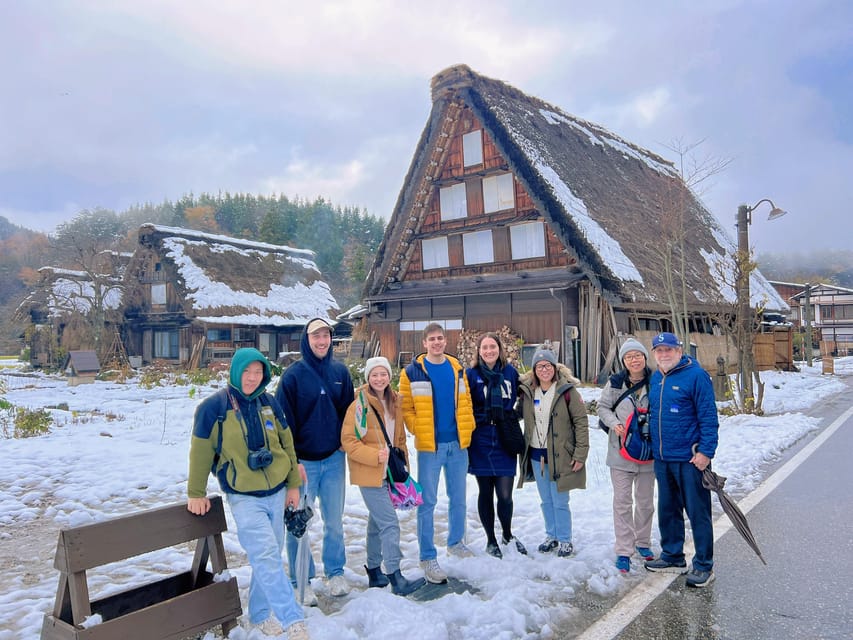
Shirakawa-go is famous for its Gassho-zukuri architecture—steep thatched roofs built to handle heavy snow. Even if you’ve seen photos, you’ll likely notice how the village layout pulls you forward: rows of houses, narrow paths, and views that constantly shift as you turn corners.
A key reason this tour works is that local residents still live here, so you’re not only looking at a staged theme village. The best moments often come when you pause and watch daily life continue beside the tourist scene—quiet doors, small storefronts, and the sense that the village is living, not museum-quiet.
Food stops I’d prioritize once you’re there
This is a food-forward morning, at least in the sense that the tour encourages you to try what locals sell. Based on the tour information and repeated tips, here are the best targets:
- Hida beef: served in different forms, including skewers and hot snacks. Several people specifically recommended the beef skewers.
- Doburoku soft serve: made with unfiltered sake. If you’re curious about local ingredients, this is a fun one.
- Pudding: there’s a famous local pudding people queue for. One review called out custard-flavored pudding and said the pudding store was worth the line.
- Goheimochi: one person said not to miss it. Even if you don’t know what it is now, it’s exactly the kind of local bite that makes a short visit feel memorable.
My practical advice: decide early what you want to eat, then plan your walk around that. With only a couple of hours, one long line can steal your best photo times.
Inside the houses: why you might not get to everything
Some visitors wished they had a little more time, especially for places with lines. There’s also a theme in the feedback: 2.5 hours is often enough to see the highlights, but not always enough if you want to slow down for inside access or extra stores.
If you’re the type who likes to browse every detail, you’ll likely feel that pinch. If your goal is architecture, views, and one or two tastings, you’ll probably feel satisfied.
Kenrokuen Garden finish: turning history into an easy next step
After Shirakawa-go, you ride the bus again for about one hour. This tour ends at Kenrokuen Garden around 13:00 (there’s an address listed for the finish point in Kanazawa).
This is smart for planning. You’re not stuck trying to figure out what to do next. Kenrokuen is one of the most convenient ways to keep the day moving, especially if you’re already in Kanazawa’s center.
Also note a seasonal change: on October 12 and 16, and November 1, 3, and 13, the tour ends at the Higashi Chaya District instead of Kenrokuen. That can be a great swap if you’re hoping to see Kanazawa’s preserved tea-house neighborhood.
Winter tip: packing for cold that sneaks up on you
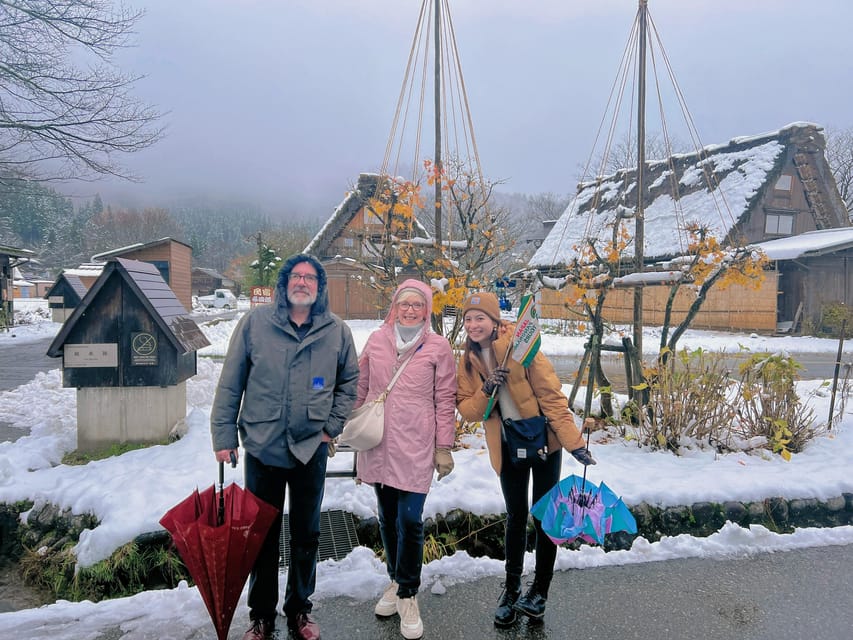
This tour’s biggest weather risk is straightforward: it can be colder in Shirakawa-go than in central Kanazawa, and winter days can be bitter. Many reviews specifically urged people to layer up.
Bring:
- warm layers you can move in
- comfortable shoes for uneven paths
- a plan for cold hands if you’re photographing for a long stretch
One more point: early morning means you might be cold even before you’re tired. The bus helps, but the village walk still demands real winter gear.
What guides do right here: humor, context, and helpful pacing
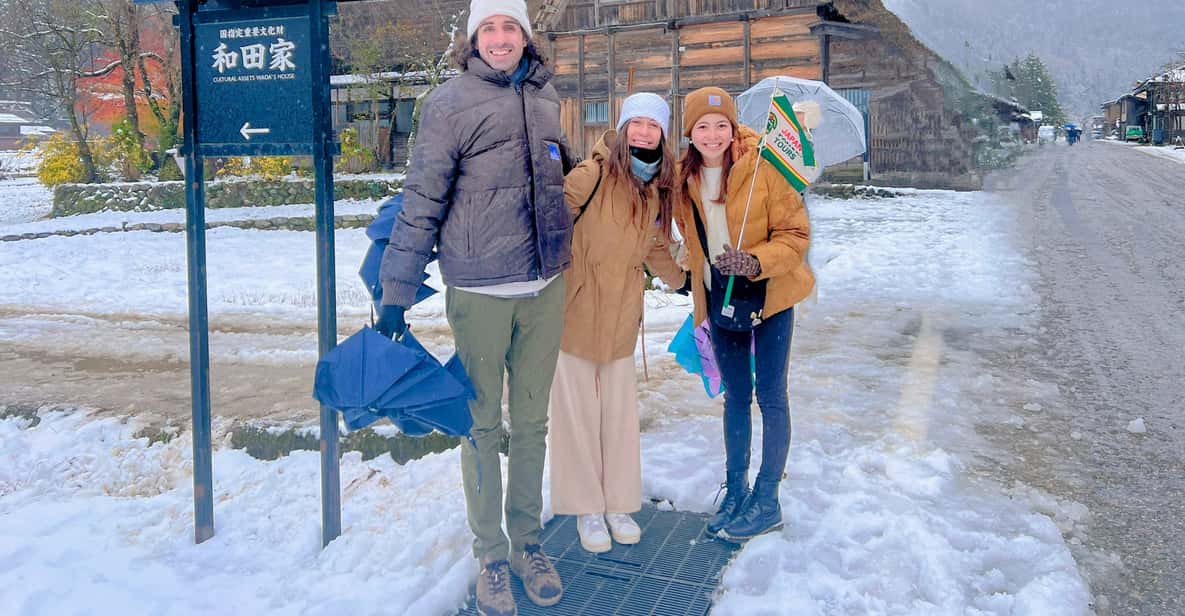
A lot of tours claim they’re fun. This one seems to actually deliver that. Multiple guide names come up across bookings—Keita, Yasushi, Aiko, Hiroko, Yasushi, Nagomi, Ciel, and others—and the repeated pattern is the same: the guides use the bus time to explain the village and Japan in a way that feels lively, not like a lecture.
Another consistent theme is pacing. Many people say they liked that the village time felt efficient and not rushed. The “arrive early, explore on your own, return before it gets too crowded” rhythm is basically the tour’s secret sauce.
You’ll also get practical help for walking the village. Some reviews mention getting a map and advice on where to eat and how to navigate. That’s exactly what you want from a guided tour: not just facts, but decision-making support.
Optional upgrade: when the half-day still feels short
If you catch yourself wanting more after the morning, there’s a full-day option. It’s described as: Shirakawa-go in the morning, then Kenrokuen Garden, and an afternoon focused on traditional crafts in Kanazawa.
Even better, you may be able to upgrade on the day if there’s availability. That’s useful when you wake up and decide you want more time in Kanazawa rather than rushing back to lodging.
Should you book this Kanazawa: World Heritage Shirakawa-go morning tour
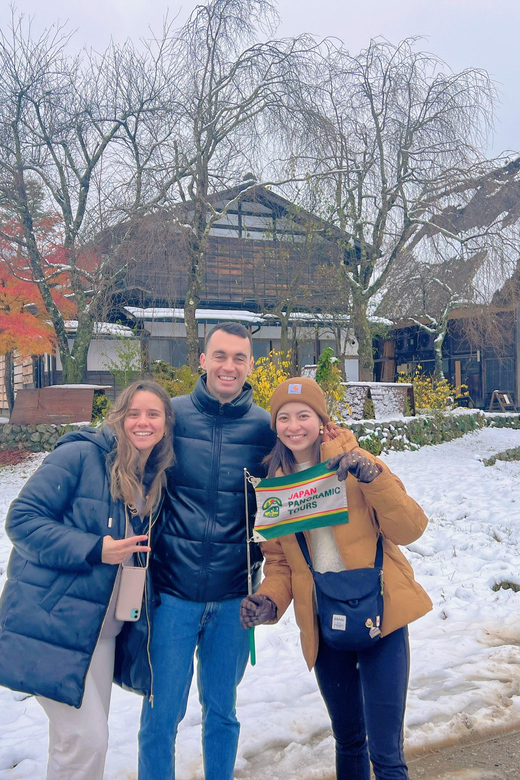
Book it if:
- you want the UNESCO village without wrestling bus schedules
- you care about early timing and want the village before it gets busy
- you prefer a mix of guided context and free walking time
- you’d like help with what to eat, especially Hida beef and Doburoku soft serve
Skip it (or consider the full-day) if:
- you hate short schedules and want hours of browsing and inside visits
- you want food and shopping time to be the main event
- you’re set on a slower, unstructured photo walk with no urgency at all
This tour is a strong value for people who want Shirakawa-go to feel easy to manage. You trade a little freedom (it’s a scheduled morning) for a lot of payoff: transportation handled, interpretation ready, and a smooth finish in Kanazawa.
FAQ
How long is the Kanazawa to Shirakawa-go morning guided tour?
The total duration is 5 hours.
Where do I meet for the tour?
You meet at Kanazawa Station West Plaza – Short-term Car Park (1-chōme-6-802 Hirooka, Kanazawa, Ishikawa 920-0031).
What time does the tour depart?
Check-in is at 7:50 AM and departure is at 8:00 AM.
How much time do we spend in Shirakawa-go?
You get a guided visit in Shirakawa-go for about 2.33 hours.
Does the tour include Kenrokuen Garden?
Yes. The tour ends at Kenrokuen Garden around 13:00.
What languages are available for the live guide and audio?
The live guide speaks English and Japanese. Audio headsets are available in English, French, Italian, Spanish, German, Portuguese, and Ukrainian.
Is the bus air-conditioned, and is there Wi‑Fi?
Yes. The bus is air-conditioned and includes free Wi‑Fi. It’s also described as having antibacterial coating and regular ventilation.
Are meals included in the price?
Additional food and drinks are not included, though the experience includes time to walk and enjoy local foods.
Is hotel pickup or drop-off included?
No. Hotel pickup and drop-off are not included.
What should I bring, and are pets allowed?
Bring comfortable shoes. Pets are not allowed.