REVIEW · KANDY
Kandy Private Guided City Tour by Tuk Tuk
Book on GetYourGuide →Operated by Dinesh Perera · Bookable on GetYourGuide
Kandy in a tuk-tuk is a smart way to get your bearings fast, especially when you only have a half day. I like that this is private and customizable, so you can steer toward temples, viewpoints, crafts, or the tea side of the hills. The tea factory and tea tasting are a real payoff for such a short day, and you also get hands-on style stops like an herbal garden demo and a gem or woodcarving workshop. One thing to consider: some of the headline sights come with extra tickets, so you’ll want a quick plan for what you’re willing to pay for.
What really makes the tour work is how the guide times the day around Kandy traffic and crowds, then gives you choices along the way. In particular, drivers and guides like Dinesh Perera, Sanjeewa, and Gayan show up often in reports as safe, friendly, and flexible—meaning you’re not stuck with a rigid script. The tour runs about 4.5 to 5 hours depending on the time slot, so you’ll get a focused highlights tour, not a slow wander.
In This Review
- The Big Picture: A Half-Day Kandy With Real Choices
- Key Points You’ll Care About
- How the Tuk-Tuk Day Feels in Real Life
- Timing: Morning vs Afternoon in Kandy
- Sacred Tooth Temple and Kandy’s Royal Complex Area
- Queen’s Bathing Pavilion and the National Museum Stop
- Hilltop Temple: The View That Makes the Climb Worth It
- Tea Plantation Route: River Mahawali and the Wildlife Question
- Tea Factory and Tasting: The Stop That Earns Its Reputation
- Botanical Gardens: Choose the Right Level of Tickets
- Gems, Wood Carving, Batik, and the Workshop World
- Herbs and Ayurveda: The Herbal Garden Demo and Massage
- Golden Buddha Statue, Asgiriya Stupa, and Kandy View Point
- Bahirawakanda Temple and the Big Buddha Choice
- Food Break and Local Restaurant Recommendations
- What You’re Really Buying With This $6 Private Price
- Guides Matter: The Names That Keep Coming Up
- Who This Tour Fits Best
- Should You Book This Kandy Tuk-Tuk Tour?
- FAQ
- FAQ
- How long is the Kandy private tuk-tuk tour?
- Is the tour private and in English?
- What is included in the tour price?
- What costs extra during the tour?
- Where does the tour typically take you?
- What should I bring or wear?
The Big Picture: A Half-Day Kandy With Real Choices
This is the kind of tour that makes sense in Kandy because the city is spread out, the roads can be chaotic, and the best views take a bit of climbing. You start with pickup and drop-off, then you spend the morning or afternoon bouncing between key cultural and scenic stops.
The value stands out quickly. At about $6 per person, you’re not paying big-city money for a private guide and tuk-tuk ride. What you do pay attention to is what’s included versus what’s optional. Several craft-and-culture entrances are listed as free, and then the big “maybe” items—like the Sacred Tooth Temple, the Royal Botanical Garden, or the dance show—are priced separately. That mix lets you build a day that fits your interests and budget.
Key Points You’ll Care About
- A private tuk-tuk ride through Kandy traffic with a guide who can adjust on the fly
- Tea factory stop with tea tasting as a standout highlight
- Hilltop temple viewpoint time for photos and a real sweep of the city
- Craft and culture visits like gems, woodcarving, batik, and an herbal garden demo
- Extra-ticket choices like the Sacred Tooth Temple, Royal Botanical Garden, and the culture dance show
You can also read our reviews of more tours and experiences in Kandy.
How the Tuk-Tuk Day Feels in Real Life
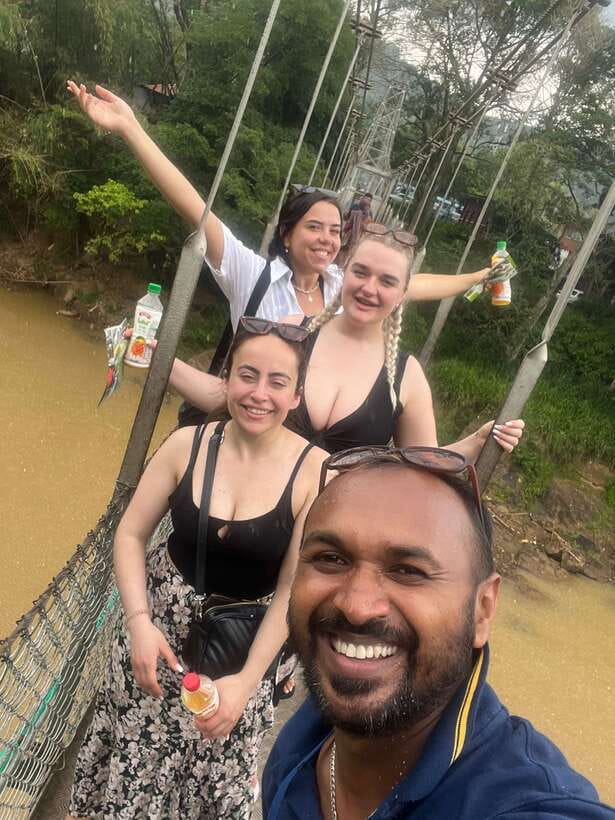
You’ll spend most of the time seated in a tuk-tuk, which is half the charm and half the practicality. Kandy streets are busy, and tuk-tuks maneuver well enough to keep your day moving. The guides mentioned in reports also emphasize safe driving and smooth navigation, which matters if you’re not used to Sri Lankan traffic.
Because this is private, you’re not stuck behind other groups. That’s a big deal at temples and viewpoint stops, where time matters. Even within the short window, you can ask to spend extra minutes at the best spots and skip what doesn’t grab you.
Comfort-wise, plan for short walks inside temple areas and around viewpoints. You’ll get the best experience with closed-toe shoes and a shirt that covers your shoulders and knees. At Buddhist and Hindu temples, you’ll be expected to remove shoes and hats.
Timing: Morning vs Afternoon in Kandy

This tour runs in two time windows. One slot is 9:00 AM to 2:00 PM, and the other is 2:30 PM to 8:00 PM. The duration is described as about 4.5 hours in the main overview, but the time windows themselves add up to roughly 5 hours. In practice, think of this as a half-day plan that can stretch a little depending on stops and pacing.
The afternoon slot is especially useful if you want the culture dance show (listed as starting at 5:00 PM). Some guides are also known for sequencing the day so you can catch a better moment at the Tooth Temple afterward, when the timing matches the day’s rhythm.
If you prefer daylight photos and cooler walking, the morning slot is a safe bet. Either way, the guide should be able to tailor the balance between temples, museums, and views.
Sacred Tooth Temple and Kandy’s Royal Complex Area
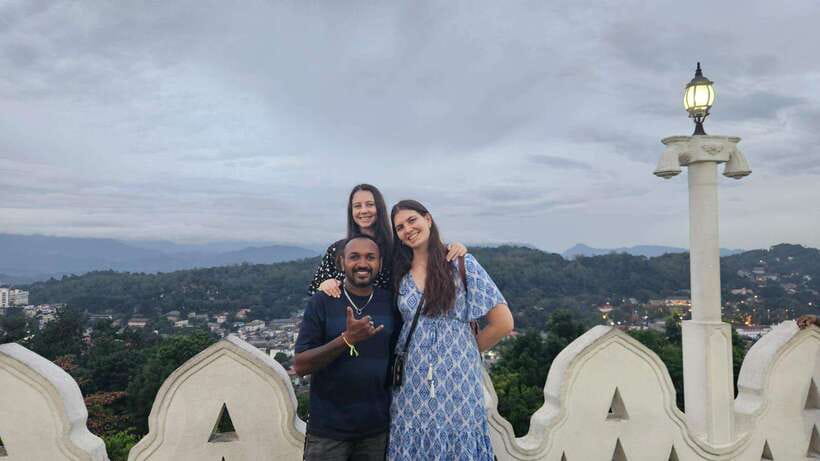
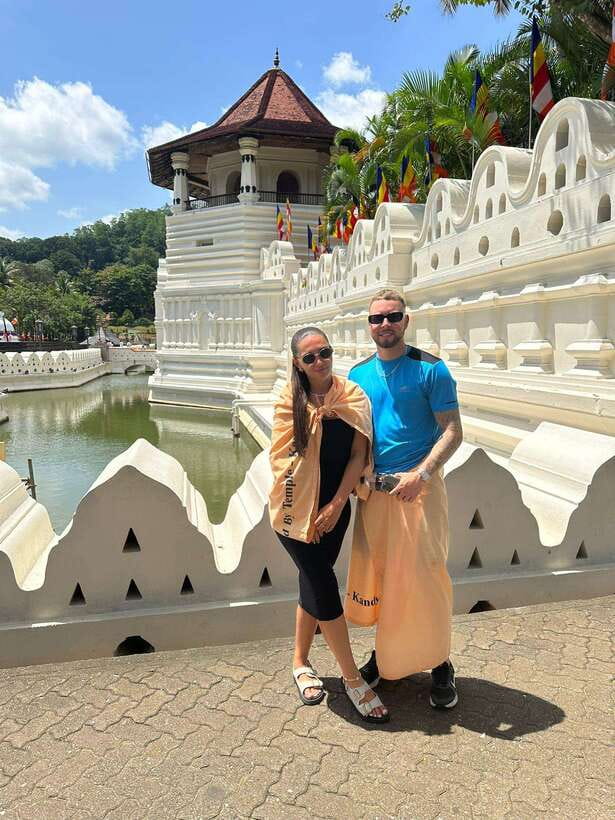
One of the central stops is the Sacred Temple of the Tooth, located within the Royal Palace Complex of the former Kingdom of Kandy. This is one of those places where Kandy’s cultural importance becomes tangible fast—royal legacy, Buddhist devotion, and the busy, lived-in energy of a working sacred site.
A key detail for planning: the Tooth Temple is listed as not included (ticket cost is given as $7). So you’ll want to decide early whether it’s a must. If it is, factor it into your time, because you’ll likely want a calmer moment to look around and take photos respectfully.
If you skip it, you’ll still cover other major temple and heritage stops, but your day will feel less “Kandy iconic.” If you do go, this stop often becomes the emotional anchor of the whole tour.
Queen’s Bathing Pavilion and the National Museum Stop
On the way through the palace complex area, you’ll also visit the Queen’s Bathing Pavilion and the National Museum of Kandy. These aren’t just side quests. They give you context for what you’re seeing, especially if you’re trying to understand the city beyond architecture snapshots.
The good part here is pace: you’re guided between sites in a short window, which is exactly what you want in Kandy. The possible drawback is that museums and palace-area sites can include more standing and slower viewing time. If you’re short on energy, tell your guide early that you prefer a quicker museum look and then more time for viewpoints.
Hilltop Temple: The View That Makes the Climb Worth It
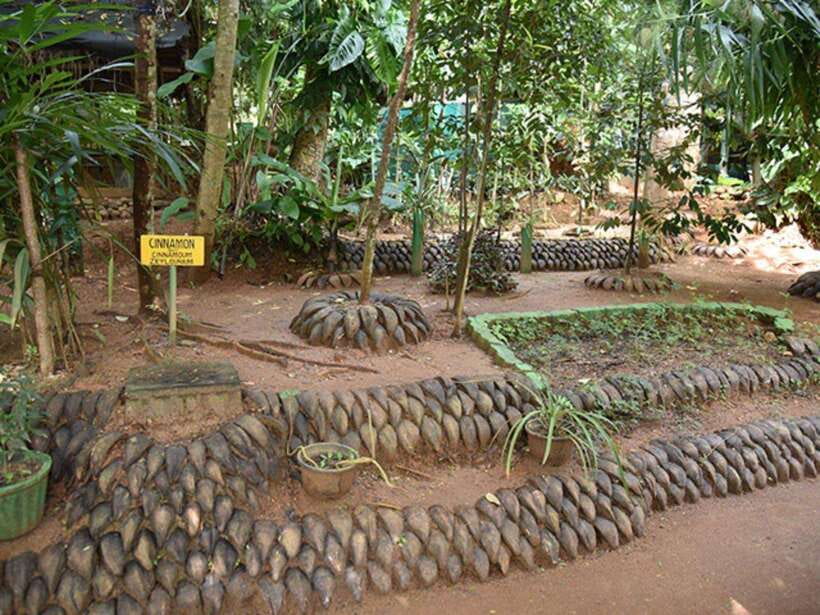
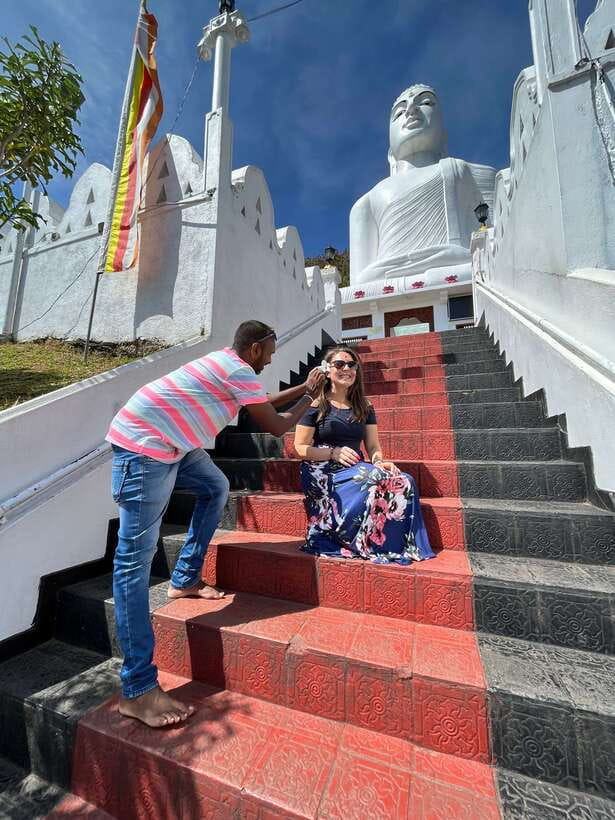
A hilltop Buddhist temple is part of the experience, and it’s described as offering a breathtaking overlook of Kandy. This is your “pause and look” moment. The best photos usually happen when the city spreads out below you and you can spot the layers of streets and greenery.
Temple etiquette matters here too—plan for time to remove shoes and cover properly. The climb itself is usually not an all-day hike, but it’s enough to make comfortable footwear a real advantage.
If you’re a photographer, you’ll likely want extra minutes at the top. The guides highlighted in reports often provide plenty of time to enjoy each stop, and that matters with views, where lighting can shift quickly.
Tea Plantation Route: River Mahawali and the Wildlife Question
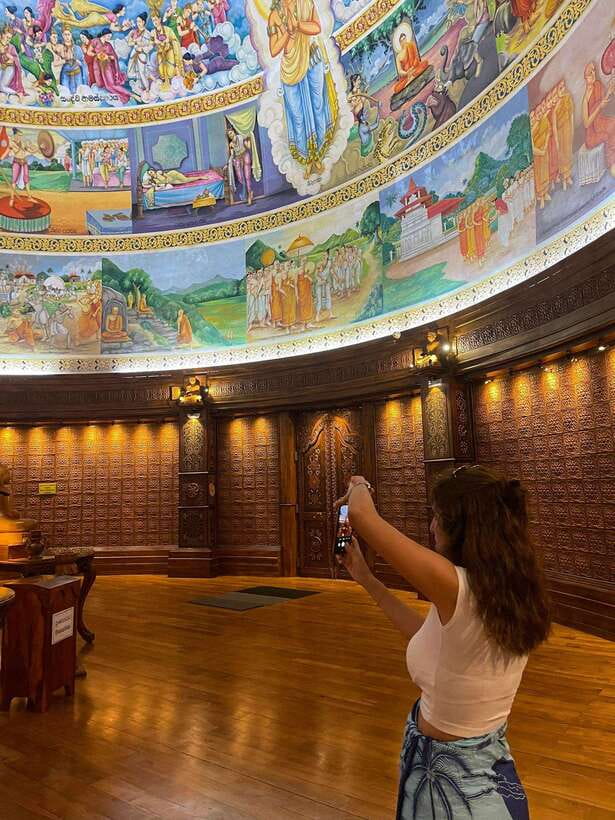
Between major stops, you travel toward a tea plantation area, passing along the banks of the Mahawali River. This stretch is where the day can turn from temple-and-museum to something more “Sri Lanka outdoors.”
You might see monkeys along the route, and the day’s description even notes a possible jaguar sighting in the distant landscape. Real talk: you shouldn’t plan your day around wildlife guarantees. But the practical value is that this route puts you into the landscape that makes the tea and hills possible.
Also, if you care about tea and not just the scenery, this is the segment that sets up the next highlight.
Tea Factory and Tasting: The Stop That Earns Its Reputation
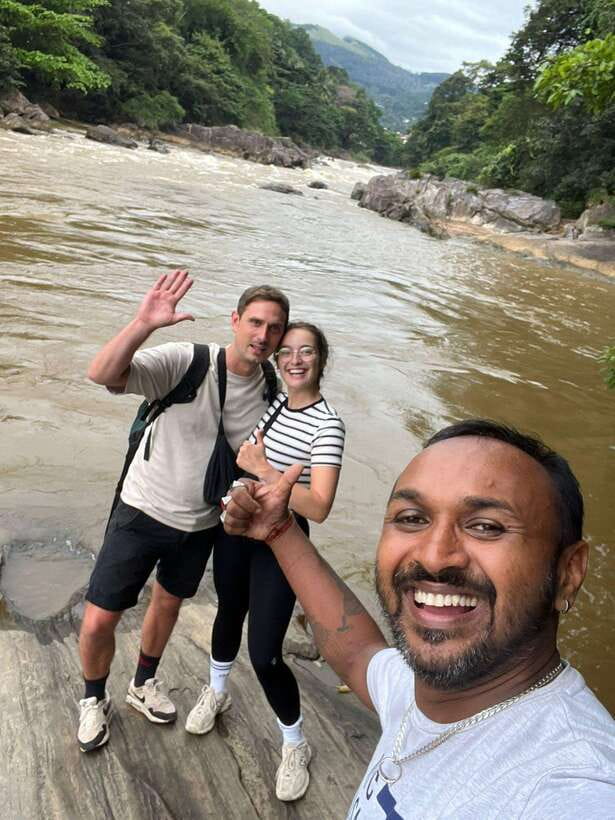
A tea factory visit is included with free entrance, and reviews consistently point to it as a standout. You get more than a quick peek—you’ll learn how tea is made and you may get to sample flavors during the tasting part.
What makes this stop valuable is timing and pacing. In a short half-day tour, you get a focused explanation without losing the whole day to production. And because tea production is such a signature part of Sri Lanka’s hill country, this is one of the best cultural-to-tangible transitions you can make.
If tea is high on your list, consider building the day so you don’t rush this section. The best tours give time to ask questions, and the guides mentioned in reports are repeatedly described as patient and informative while still letting you control your pace.
Botanical Gardens: Choose the Right Level of Tickets
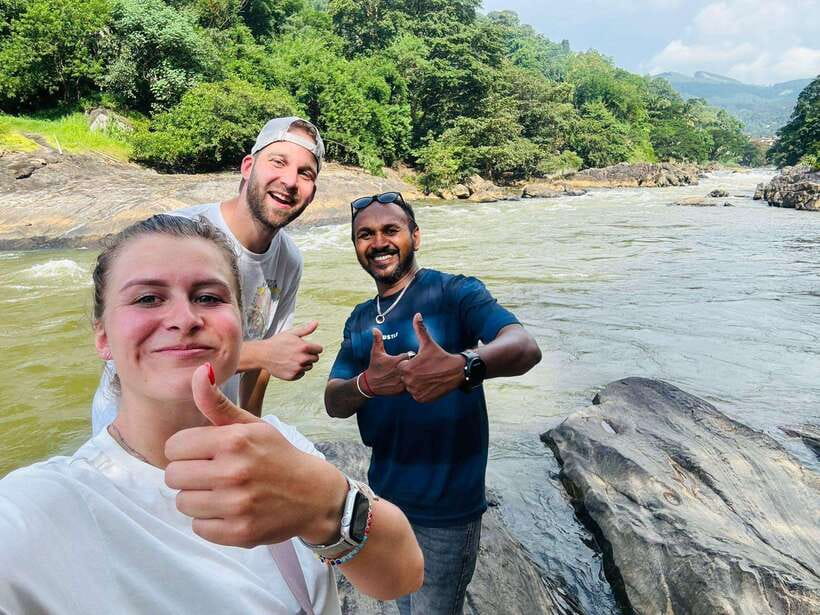
Kandy is famous for its gardens. The tour experience specifically calls out botanical beauty and wildlife nearby. Your decision point is whether you want the Royal Botanical Garden, which is listed as not included with a $12 ticket.
If you choose it, plan for a quieter, slower walk compared to the quick-photo temple stops. If you’re mostly here for culture and viewpoints, you might prefer to keep your budget for the most important temples and let the garden be a shorter highlight rather than the centerpiece.
Gems, Wood Carving, Batik, and the Workshop World
This is where the tuk-tuk day gets interesting in a practical way. You’re not just visiting temples. You’re also seeing how people make things—gifts, keepsakes, and skills.
Included free entrance stops commonly include:
- A Gem and Jewelers Museum & Workshop
- A Wood Carving and Wood Factory Family House
- A Batik Factory
These stops are often brief, but they’re a good use of time because they teach you how Kandy and Sri Lanka create value—through materials, design, and craftsmanship. The trade-off is that some workshop-style visits can feel salesy in other tours. Here, the best-case scenario is that your guide helps you look first, ask questions second, and decide what you want to buy rather than being pushed.
If you’re sensitive to shopping pressure, tell your guide upfront you’re only browsing. A good guide will shift the experience toward explaining rather than selling.
Herbs and Ayurveda: The Herbal Garden Demo and Massage
One of the most hands-on included experiences is the Herbs and Ayurvedic Garden. The listed experience includes a small cooking demonstration and an Ayurvedic head massage, plus an Ayurvedic Herbal Massage option as part of the included list.
This is a great stop if you like learning by seeing and doing. It also breaks up the day so you’re not only in temples and museums. For some people, it’s the most memorable “Sri Lanka feels different here” moment.
For practical reasons, consider your comfort level with massage. If you’d rather watch than participate, you can still ask for explanations and step back from the hands-on part. The guide should be able to adjust as your preferences come up during the day.
Golden Buddha Statue, Asgiriya Stupa, and Kandy View Point
Several smaller-but-meaningful stops are listed as free entrance:
- Asgiriya Stupa
- Golden Buddha Statue
- Kandy View Point
These are useful when you want atmosphere without committing to long ticketed sites. The value is in the variety: you get sacred symbolism, a sense of local religious landscape, and at least one structured viewpoint.
If your main goal is “big iconic Kandy,” these may feel secondary. But if your goal is a well-rounded Kandy snapshot, these free stops help you fill out the day without burning your budget.
Bahirawakanda Temple and the Big Buddha Choice
Two optional stops often listed as not included are:
- Bahirawakanda Temple (listed as $1)
- Big Buddha Statue (listed as $1)
These are good to add if you want more skyline and more landmarks. If time is tight, you can treat them as optional add-ons rather than required boxes. Your best move is to prioritize the Tooth Temple and the viewpoints first, then add these if you have energy for the extra travel and short walks.
Food Break and Local Restaurant Recommendations
You’ll take a break for food at a local restaurant recommended by your guide. Food isn’t included in the cost, but this can be a real time-saver because you’re in a new city with limited time.
Practical tip: ask your guide what’s good that day and whether there’s a local specialty. Also ask if you should eat a bit earlier if you’re thinking about an evening show.
What You’re Really Buying With This $6 Private Price
Let’s talk value without pretending it’s a free lunch. The listed base price is around $6 per person, which is strikingly low for a private tuk-tuk day with a guide and multiple stops. The reason it works is that several attractions and workshop entries are listed as free, and the remaining big-ticket items are clearly marked as optional.
So you’re basically paying for:
- transportation and a driver you can trust in traffic,
- guided time allocation,
- access to multiple included stops,
- and flexibility to skip or add.
You will still want spending money for extra tickets, food, and drinks. But you get to choose where your money goes: Tooth Temple, Royal Botanical Garden, and the dance show are all plug-in options rather than mandatory costs baked into the price.
Guides Matter: The Names That Keep Coming Up
One of the strongest themes in the experience reports is that the guide makes the difference. You’ll see names like Dinesh Perera, Sanjeewa, Gayan, Ranjan, Dilan, Rasika, Mangala, Lanka, Aaron, and Madda tied to smooth timing, friendly explanations, and safe driving.
A big practical takeaway: ask early what the guide recommends for your interests and your time window. In the best versions of this tour, you’re not just following a map—you’re getting a local explanation of why each stop matters, plus help with pacing so you don’t feel rushed.
Who This Tour Fits Best
This tour is a strong fit if:
- You want a private, short Kandy orientation without self-navigating.
- You care about mixing temples, craft stops, and tea rather than only scenery.
- You like learning something concrete in a few hours, like tea making, herbal practice, or woodworking and batik.
It’s less ideal if:
- You want a long, slow museum day.
- You’re hoping for fully free access to the major ticketed attractions, because several key highlights cost extra.
- You hate workshops and demonstrations, even if they’re informative.
Should You Book This Kandy Tuk-Tuk Tour?
If you’re spending limited time in Kandy and you want the most common highlights handled with a local guide, I’d book it. The combination of private transportation, a short list of included stops, and the ability to tailor the day is exactly what makes Kandy manageable in one half-day.
My advice: before you go, pick your top 2 priorities from the optional list—Sacred Tooth Temple, Royal Botanical Garden, and the Culture Dance Show—and tell your guide. If tea is one of your priorities, guard that time and don’t rush it. Then let the guide fill in the rest with the free stops and viewpoint moments that help Kandy make sense.
FAQ
FAQ
How long is the Kandy private tuk-tuk tour?
The experience runs about 4.5 hours in the main overview, and the two time slots run from 9:00 AM to 2:00 PM and 2:30 PM to 8:00 PM (roughly 5 hours each).
Is the tour private and in English?
Yes, it’s a private group tour with a live tour guide in English.
What is included in the tour price?
Hotel pickup and drop-off, a customizable schedule, a guide/driver, and free entrance to several sites such as Asgiriya Stupa, the Tea Factory, Golden Buddha Statue, Kandy View Point, and several craft and garden stops.
What costs extra during the tour?
Not included items listed include the Temple of the Sacred Tooth Relic ($7), Bahirawakanda Temple ($1), Big Buddha Statue ($1), Royal Botanical Garden ($12), and the Culture Dance Show ($8).
Where does the tour typically take you?
You’ll visit major Kandy sites such as the Sacred Temple of the Tooth area, the Queen’s Bathing Pavilion, the National Museum of Kandy, a hilltop Buddhist temple viewpoint, and then go toward a tea plantation route.
What should I bring or wear?
Wear comfortable clothes and closed-toe shoes. For Buddhist and Hindu temples, you should expect to remove shoes and hats, and cover shoulders and knees.