REVIEW · TOKYO
Tokyo: Nikko Toshogu Shrine and Kegon Waterfall Tour
Book on GetYourGuide →Operated by GORYO TRAVEL CO. LTD. · Bookable on GetYourGuide
Nikko feels like a world away. This day trip from Tokyo puts Nikko Toshogu Shrine and the nearly 100-meter Kegon Waterfall on one comfortable schedule, with scenic breaks like Lake Chuzenji.
I really like how the guide turns the shrine’s details into something you can actually picture, and I also like the pacing at the big sights: photo time at Shinkyo, then enough room to slow down at Toshogu and Kegon.
One thing to plan for: lunch isn’t included, and you’ll want cash ready because credit cards aren’t accepted at all locations.
In This Review
- Key things to love
- A Long Day From Tokyo That Feels Structured (Not Sloppy)
- Meeting Points, Coach Ride, and Why the Timing Works
- Shinkyo Bridge vs Nikko Onsen: The Stop Swap You Must Know
- Nikko Toshogu Shrine: Where Details Become Meaning
- Irohazaka Road: 48 Turns and a Famous Stretch of Asphalt
- Kegon Waterfall: The Nearly 100-Meter Moment
- Lake Chūzenji: A Scenic Breather Before You Head Back
- Price and Value: Is $84 Worth It?
- What to Bring (and the Rules That Can Surprise You)
- Who Should Book This Nikko Tour?
- Should You Book This Nikko Day Trip?
- FAQ
- What does the tour include?
- Is lunch included?
- How long is the Nikko Toshogu Shrine and Kegon Waterfall tour?
- Where is the meeting point in Tokyo?
- Does the itinerary include Shinkyo Bridge?
- Do I need cash?
- Are there luggage limits?
- What if bad weather cancels the tour?
Key things to love
- Nikko Toshogu’s carvings explained in plain, practical terms, so you know what you’re seeing
- Kegon Waterfall with a real window of time for photos and a lunch stop nearby
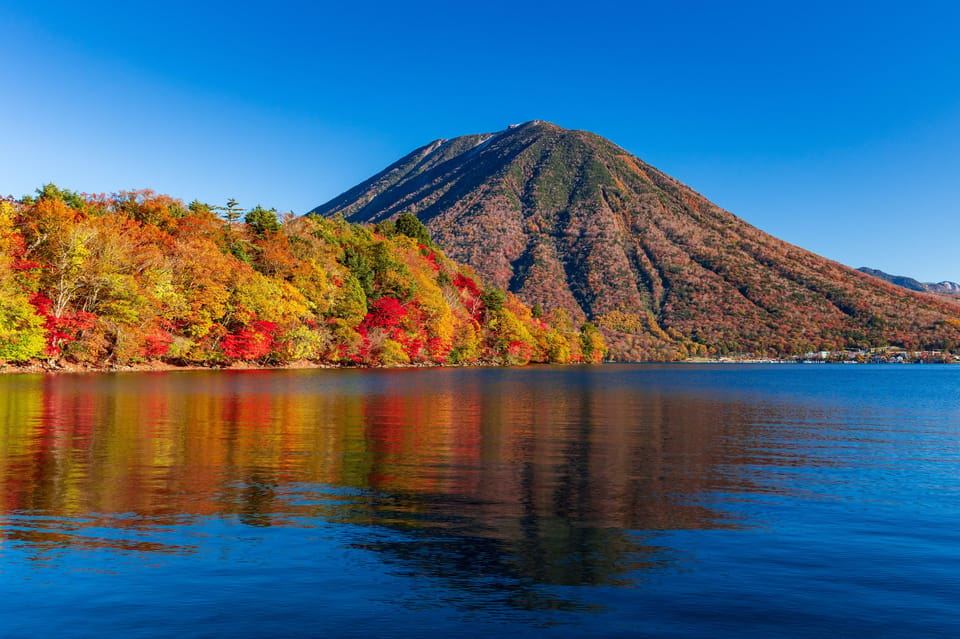
- Lake Chuzenji for a calmer finish, with walk-and-shop time
- Shinkyo Bridge for that classic red arch view (but the first stop can swap dates)
- A full day with guided context, not just sitting on a bus
A Long Day From Tokyo That Feels Structured (Not Sloppy)

This is a classic Nikko day trip: you leave Tokyo with a plan, you return with photos, and you get enough explanation to make it meaningful. The big draw is that Nikko is not one single sight. It’s a mix—massive shrine architecture, dramatic waterfalls, and a lake area that feels like you escaped the city for real.
The day is also well-suited to first-timers. If you’ve never gone beyond Tokyo train stations, this route keeps things simple: the tour leader greets you, a driver handles the roads, and you get guided time at the top stops rather than guessing how long to spend where.
You’ll be on the move for most of the day (around 10.5 hours total). That can be great if you like seeing more in one shot. If you hate long days or want lots of independent wandering, you’ll feel that schedule.
You can also read our reviews of more tours and experiences in Tokyo.

Meeting Points, Coach Ride, and Why the Timing Works
You start at one of two Tokyo meeting spots: Tokyo Yaesu Bus Terminal or the ground floor of Sumitomo Mitsui Bank, Shinjuku Nishiguchi Branch (the exact meeting point can vary by departure day, so it’s worth checking your schedule the day before).
Once you’re aboard, the ride to Nikko is part of the experience. Several guides are praised for using the bus time to set context—so when you arrive at Nikko Toshogu, it doesn’t feel like a random pile of buildings. Guides such as Sophie, Tina, Jeff, Zoe, and Vicki are specifically noted for clear explanations and good communication, which makes a difference when you’re dealing with a busy UNESCO site.
The coach ride is also comfortable. Some groups mention features like Wi‑Fi and USB charging ports, which is handy when you’re spending hours on the road. Even if you don’t use them, it helps the day feel less like a sacrifice.
The tour is designed around steady photo-and-walk blocks:
- short stop for Shinkyo Bridge
- longer stop for Nikko Toshogu
- a quick pass for Irohazaka
- a solid chunk for Kegon Falls
- a calmer finish at Lake Chuzenji
Shinkyo Bridge vs Nikko Onsen: The Stop Swap You Must Know
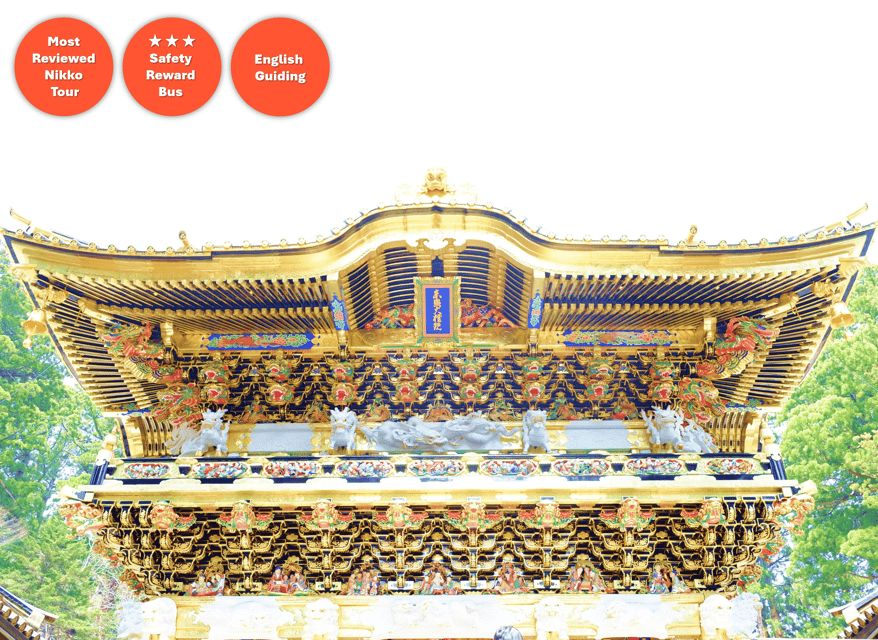
Here’s a key detail that changes the feel of the first part of your day. Until September 30, 2025, the group goes to Nikko onsen instead of Shinkyo Bridge. Starting October 1, 2025, the first featured stop becomes Shinkyo Bridge.
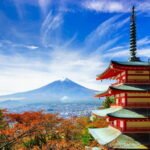
Shinkyo Bridge is the classic entrance-to-the-sacred-area look: a red, arched bridge crossing the Daiya River. It’s quick, but it’s iconic. You’ll get a photo stop plus time to look and orient yourself before heading into Toshogu.
If your date falls before October 1, you’ll trade that bridge moment for an onsen stop. Reviews describe onsen time as a relaxing, hot-spring break—exactly the kind of reset that makes a long day more pleasant. Either way, you’re getting a Nikko signature: either the spiritual gateway or the soothing hot-springs side.
Nikko Toshogu Shrine: Where Details Become Meaning
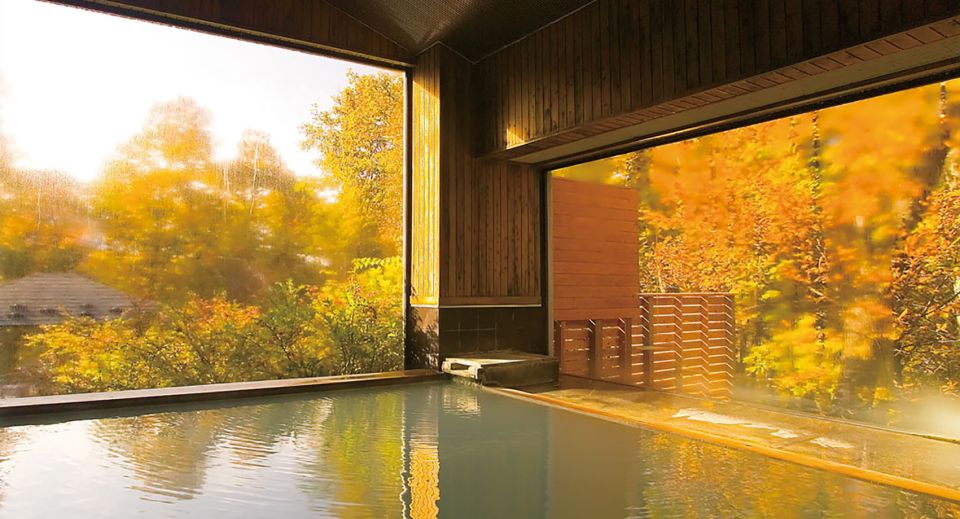
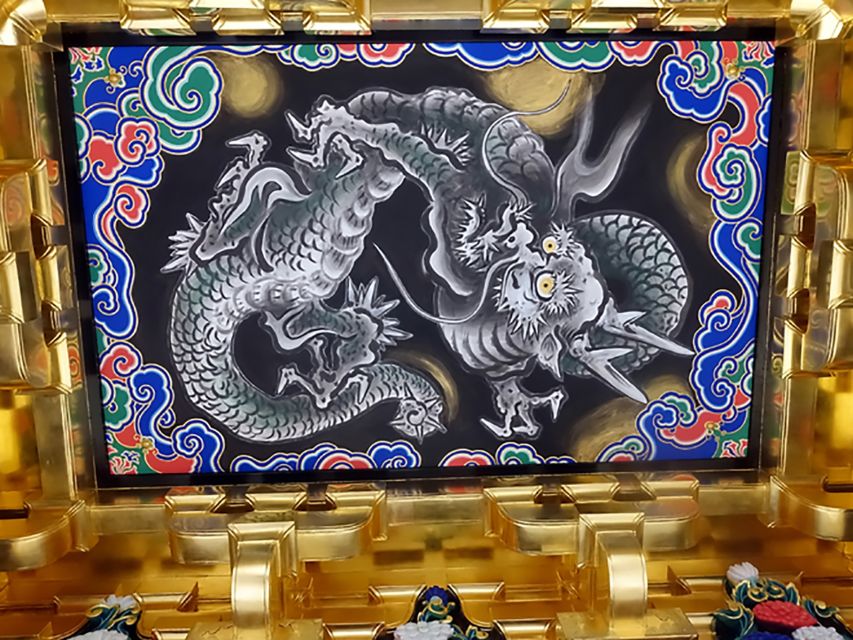
Nikko Toshogu Shrine is the headline, and for good reason. This UNESCO World Heritage complex is the final resting place of Tokugawa Ieyasu, the founder of the Tokugawa shogunate. That shogunate ruled Japan for more than 250 years until 1868, which means the site carries political and spiritual weight, not just aesthetic beauty.
What makes this stop work on a guided tour is that you don’t just wander. You learn what the guide thinks you should notice, from building stories to symbolic elements. Multiple guides are praised for giving a quick, focused history lesson so you understand what you’re seeing instead of just admiring it.
You typically get about 75 minutes at Toshogu. That’s enough to:
- see the main areas without sprinting
- take photos calmly
- read key details at your own pace (within crowd-flow limits)
A balanced caution: in peak times, even well-organized tours can feel a bit rushed inside the shrine complex. You’ll do best if you arrive with comfortable shoes and a mindset of short attention bursts—look, learn, photograph, then move.
If you want to read more on-site, you might find options such as audio guidance at the shrine complex when available. Even if you don’t use it, it’s a good reminder that Toshogu rewards curiosity.
Irohazaka Road: 48 Turns and a Famous Stretch of Asphalt
After Toshogu, you’ll pass through Irohazaka, a mountain road known for its 48 sharp turns. The road also has pop-culture recognition—it’s been portrayed in the animation Initial D, which is fun if you grew up on that kind of Japanese storytelling.
In this tour, Irohazaka is more of a scenic pass than a long stop. You get about 20 minutes to enjoy the mountain-road views. That’s enough time for photos if the weather cooperates, but not enough to treat it like a separate destination.
This is also where season matters. Autumn is the famous season for fall color, and Irohazaka is often linked with that classic Nikko vibe. In colder months, you may find fog or mist, which can soften views—sometimes it makes it atmospheric, sometimes it makes the scenery harder to read. Either way, it helps to bring patience for weather shifts.


Kegon Waterfall: The Nearly 100-Meter Moment
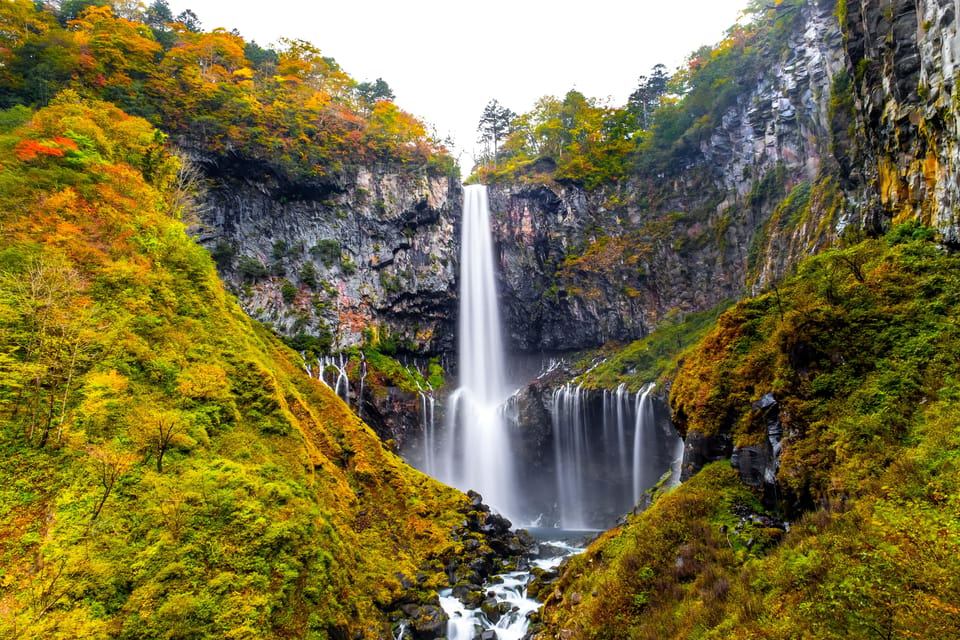
Then comes the payoff: Kegon Waterfall. It’s about 100 meters tall, and it’s widely known as one of Japan’s three most beautiful waterfalls—often mentioned alongside Nachi Waterfall (Wakayama) and Fukuroda Waterfall (Ibaraki).
You typically get around 75 minutes at Kegon, including time for photo stops and the chance to buy lunch nearby (lunch itself is not included). This is a sweet amount of time. It gives you room to move between viewpoints, take photos, and still eat without panic.
A practical note from real experience: there can be steps involved in reaching certain viewpoints. One review mentions 207 steps, and also points out that an elevator may not be part of the included experience. So if you want the easiest access, wear supportive shoes and be ready to walk uphill.
Weather is the other big variable. Some days you’ll get clear drama. Other days you’ll see mist, and the falls can look more soft and ghostly than sharp. Either version can still be impressive—you just need to adjust your expectation from crisp detail to moody atmosphere.
Cold matters here too. Lake-area air can bite, and near waterfalls the temperature can feel different. If you’re going in autumn or winter, I’d pack layers. One review specifically warned that it can get very cold by the lake, and you’ll often feel that same chill trend after you’ve spent time around the falls.
And yes, wildlife can pop up. One group mentioned seeing monkeys, which is a reminder that Nikko isn’t just buildings and water. It’s a living park-like environment.
Lake Chūzenji: A Scenic Breather Before You Head Back
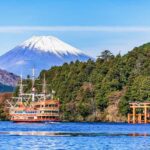
Finally, you reach Lake Chūzenji for about 45 minutes. This is where Nikko slows down. You get photo time, a chance to walk, and some shopping opportunities around the lake area.
The lake is a great contrast after the energy of the waterfall. You’ll likely get a better sense of the region’s geography—how the mountains feed into water, and how the views open up compared with the tight shrine courtyards.
This stop also tends to be weather-dependent. If it’s clear, the lake looks dramatic. If it’s foggy or rainy, views can be limited, but you still get atmosphere and a break from constant walking. Some tours report that rain can cut down visibility at the waterfall or the lake, yet you still end up with a satisfying day because the shrine and waterfall remain strong even when the sky cooperates less.
Price and Value: Is $84 Worth It?
At $84 per person, you’re not just paying for tickets. You’re paying for:
- round-trip transport from Tokyo
- a bilingual English/Chinese guide who keeps the day coherent
- the included Toshogu Shrine entry ticket
- a schedule that protects you from figuring out timing and transit on your own
If you were doing Nikko independently, you’d likely spend time planning routes, matching train/bus schedules, and deciding how much time to spend at each stop. This tour compresses that into one paid day with a driver and a leader managing the flow.
Where the cost can feel tight is the missing meal piece. Lunch isn’t included, so you’ll need to budget for food, and because credit cards aren’t accepted at all locations, you’ll want cash for snacks and lunch. If you show up underprepared, the day can feel more expensive than it is.
Still, for most first-timers, the math works out. A guided UNESCO shrine stop plus one of Japan’s most famous waterfalls, all within a day-trip structure from Tokyo, is exactly the kind of convenience fee that can be worth it.
What to Bring (and the Rules That Can Surprise You)
This is a practical day in the mountains, so prep matters.
Bring:
- comfortable shoes (you’ll walk and possibly climb steps)
- water
- cash (credit cards aren’t accepted at all locations)
Be aware of restrictions:
- no luggage or large bags
- only one carry-on bag is allowed, and you shouldn’t bring huge luggage
- unaccompanied minors are not allowed
- tattoos are considered taboo in this area
Also, the tour leader typically stays with your group throughout the day. That’s good for coordination, but it also means you should keep your pace realistic—if you want to run off for extra photos, you may lose the timing rhythm.
If you’re going in late fall or winter, add a real cold-weather layer to your pack. The lake and shaded areas can feel much cooler than Tokyo.
Who Should Book This Nikko Tour?
Book this tour if you want:
- a well-paced first Nikko day from Tokyo
- a guided visit to Nikko Toshogu, where explanations help you “read” the place
- a proper stop at Kegon Waterfall with time for viewpoints and photos
- one more stop at Lake Chūzenji so the day doesn’t end on a fast note
Consider skipping (or thinking twice) if:
- you dislike long bus days
- you hate walking up steps or hills
- you’d rather eat wherever you want with cards in hand (cash-only at the stops can be annoying)
- you need a slow, deep dive pace at Toshogu (this tour’s time is efficient)
Should You Book This Nikko Day Trip?
Yes—if your priority is seeing the headline sights without planning stress. This is one of those day trips where the guide and schedule do real work for you, especially at Toshogu and Kegon. The $84 price makes sense when you factor in transport plus the shrine ticket, and the day is paced so you still feel like you experienced each place.
Before you book, double-check your calendar for the Shinkyo Bridge vs onsen swap (October 1, 2025). Also make sure you’re ready for the cash-and-walking reality: comfy shoes, water, and bills in your pocket. If you can do that, you’ll leave Nikko feeling like you actually got the point of it.
FAQ
What does the tour include?
The tour includes the Nikko Toshogu Shrine entry ticket and a bilingual English/Chinese tour guide.
Is lunch included?
No. Lunch is not included, though you’ll have time during the day to eat at the stops.
How long is the Nikko Toshogu Shrine and Kegon Waterfall tour?
The total duration is 630 minutes (about 10.5 hours).
Where is the meeting point in Tokyo?
You’ll meet at either Tokyo Yaesu Bus Terminal or the ground floor of Sumitomo Mitsui Bank, Shinjuku Nishiguchi Branch. The meeting point can vary depending on the option booked, so check your schedule.
Does the itinerary include Shinkyo Bridge?
Yes, but only starting October 1st, 2025. Until September 30th, 2025, the tour goes to Nikko onsen instead of Shinkyo Bridge.
Do I need cash?
Yes. The tour notes that cash is needed and credit cards are not accepted at all locations.
Are there luggage limits?
Yes. Luggage or large bags are not allowed, and only one carry-on bag is allowed (no huge luggage).
What if bad weather cancels the tour?
If weather is too bad and the tour must be canceled, you’ll be informed on or before 2:00 PM the day before.