REVIEW · TOKYO
Tokyo Sushi Making Class in Tsukiji with Professional Chef
Book on Viator →Operated by Japan Wonder Travel · Bookable on Viator
Tsukiji sushi gets real fast. This short class pairs a market walk with a hands-on workshop led by an English host and a pro sushi master, and you leave having made and eaten fresh nigiri and maki. I like that it fits into a busy Tokyo day, and I like that the ingredients and tools come straight from the market world you came to see.
One thing to plan for: the classroom is on the third floor of a traditional building, and it’s stairs only—no elevator.
In This Review
- Quick Highlights You Can Plan Around
- Tsukiji Market Route: Why This Class Starts Outside the Kitchen
- The Hidden Classroom in Tsukiji: Traditional Space, Real Coaching
- Fish Disassembly Show and Japanese Knife Talk
- What You Learn About Sushi: Types, Steps, and What Matters Most
- Making 5 Nigiri and 1 Maki Roll: Your Hands-On Lunch
- How Each Tsukiji Stop Adds Value (and What to Expect)
- Tsukiji Fish Market
- Tsukiji Jogai Market
- Tsukiji Nippon Fish Port Market
- Language Support: English Host Plus Sushi Master
- Price and Value: Why $49.74 Can Work for Food Lovers
- Timing, Tickets, and Getting There Without Stress
- Who Should Book This Tsukiji Sushi-Making Class
- Who Might Want to Skip (or Choose Carefully)
- Should You Book This Tsukiji Sushi Making Class?
- FAQ
- How long is the sushi making class in Tsukiji?
- What is the price per person?
- Where does the class take place?
- What will I make and eat?
- Who leads the class?
- Does the class include lunch?
- Are ingredients provided?
- Is there hotel pickup or drop-off?
- Can you accommodate kosher or halal requests?
- What about allergies?
- What’s the cancellation policy?
Quick Highlights You Can Plan Around
- Fish disassembly + knife basics first so you understand what you’re building before you start rolling.
- You make 5 nigiri and 1 rolled sushi, then eat it as your lunch.
- English support all the way via a friendly host plus the sushi master coaching at the counter.
- Tsukiji market time in parts (Fish Market, Jogai/outer market area, and the Nippon fish port market).
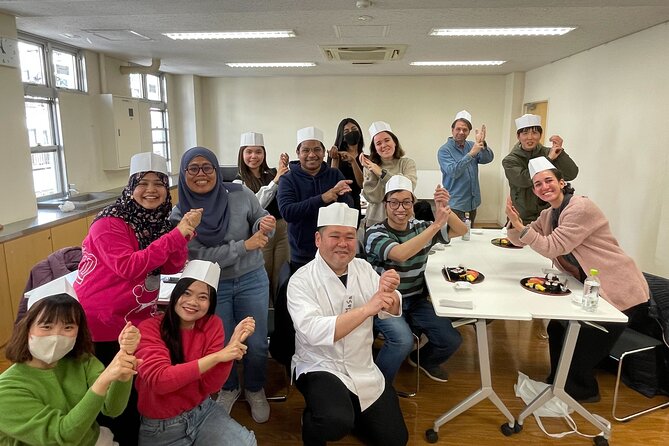
- Small-group feel with a maximum of 20 people, which helps with hands-on help.
- Third-floor classroom means bring your best stair game.
Tsukiji Market Route: Why This Class Starts Outside the Kitchen
This experience is built around Tsukiji, not just a cooking room. You start in the Fish Market area, then move through the Jogai market area and on to the Nippon fish port market. The point is simple: sushi tastes like what’s available and fresh, so seeing the supply side makes the techniques feel real.
I like the way the format spreads your attention. First you’re walking and looking, then you watch a pro work, then you do the work yourself. That rhythm helps if you’re coming from a long Tokyo day, because you’re not stuck listening the whole time.
Practical note: Tsukiji is a working food zone, so wear shoes you trust and keep your phone charged. The tour doesn’t list hotel pickup, so you’ll want to arrive ready to walk a bit and find the meeting point on your own.
You can also read our reviews of more tours and experiences in Tokyo.


The Hidden Classroom in Tsukiji: Traditional Space, Real Coaching
After the market time, you head to a classic Japanese-style classroom in a hidden local building. It’s on the third floor with stairs only, so don’t plan this if stairs are a dealbreaker for you. Once you’re inside, the teaching setup is what you’d want for a short class: tools laid out, ingredients handled with care, and step-by-step instruction so beginners aren’t left behind.
The class is capped at 20 people, and that size matters. In a bigger crowd, sushi rolling can turn into crowd-watching. Here, the format supports getting corrections and advice while you’re making your nigiri and maki.
Also, you’re not expected to bring anything fancy. Utensils and tableware are provided, and the ingredients are sourced from the market. That keeps the value high for the price and removes a big headache for first-timers.
Fish Disassembly Show and Japanese Knife Talk
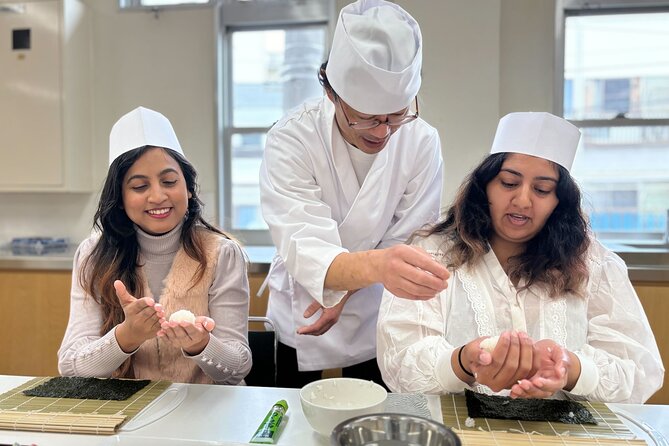
Before you touch rice, you get the kind of demo that makes sushi-making click. The sushi chef performs a fish disassembly show, walking through the steps used to prepare fish for sushi. You also get a look at how Japanese knives are used, and why knife skills affect texture and presentation.
I love this part because it explains the why, not just the what. A lot of cooking classes skip the craft behind the food. Here, you’re learning what matters: clean cuts, proper handling, and understanding what you’re about to assemble.
If you’re the kind of person who likes food details, this is where the class earns its keep. The disassembly show sets expectations so your later attempts at nigiri and rolling don’t feel random.
What You Learn About Sushi: Types, Steps, and What Matters Most
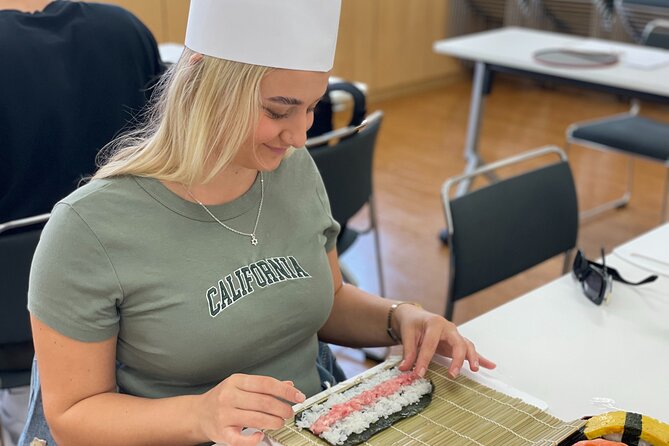
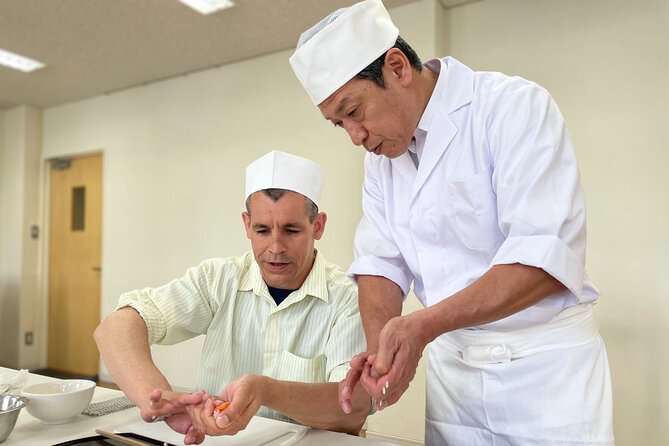
Next, the instruction turns from fish prep to sushi fundamentals. You’ll learn what sushi is, then the proper steps for making nigiri and rolled sushi. The sushi master teaches you step by step, and you’re guided as you go instead of being handed a recipe and disappearing.
From the reviews and class outline, the focus is on practical technique:
- how to handle rice properly for molding nigiri
- how to build the balance of fish and rice
- how rolling works for maki so it holds together
You’ll also hear history and context. Some sessions include sushi background tied to Edo-era roots and old Tokyo, which helps you connect the technique to the culture rather than treating it like a western-style cooking project.
You’ll get wasabi too. The chef prepares it with expertise, and it’s fresh. That matters, because wasabi changes the taste more than most people expect.
Making 5 Nigiri and 1 Maki Roll: Your Hands-On Lunch
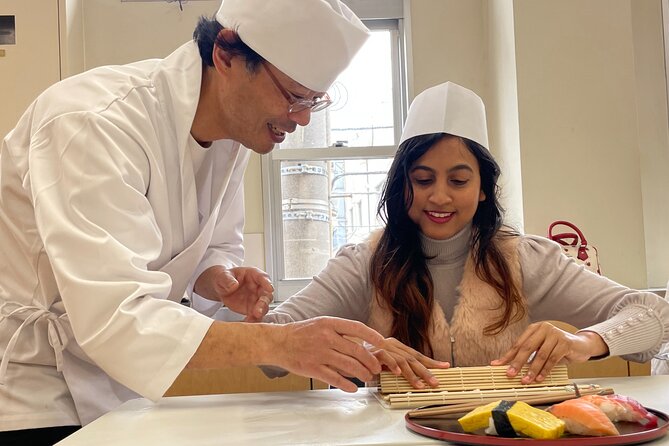
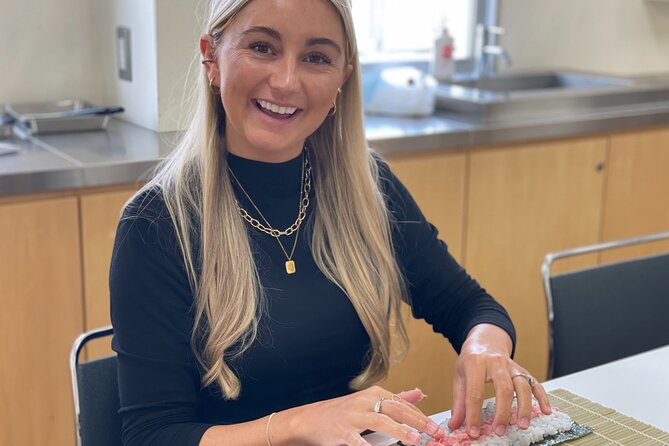
This is where you stop watching and start making. The class includes your finished sushi: 5 different nigiri and 1 rolled sushi. You’ll learn the workflow for each type, and you should expect lots of small adjustments from the chef and host as you shape rice, portion toppings, and refine your rolling.
I like that you’re not only making one style. Nigiri teaches you contact and balance. Maki teaches you tension and even thickness. Doing both in a short 1 hour 30 minutes class is a smart way to get real skill progress without turning it into an all-day event.
Then you eat your creations. Lunch is essentially what you made. You get to taste your work immediately, and that’s the best feedback loop in cooking. If your sushi falls apart at first, you’ll feel why and remember what the chef suggested.
One extra practical perk: there’s time to take a photo of your finished pieces. It’s a fun souvenir, and it also helps you remember what you made when you’re back home trying to recreate it.





How Each Tsukiji Stop Adds Value (and What to Expect)
The class route is split into three market areas, and each one supports the lesson.
Tsukiji Fish Market
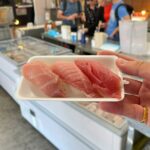
This is the start point for the fish-focused side of Tsukiji. Expect a seafood-first vibe where you can visually connect the fish disassembly demo to what’s actually for sale. It also helps you understand why sushi chefs care so much about freshness and handling.
Potential drawback: if you’re easily overwhelmed by sights and smells, arrive with a calm plan. This is a working market environment.
Tsukiji Jogai Market
This is the outer market area portion, and it’s a good place to soak in the variety around seafood and food stalls. It gives context for how Tsukiji isn’t only wholesale—it’s also a food destination.
You’ll likely feel more “visitor energy” here than inside the pure fish-market workflow, which makes it easier to enjoy during a class you also need to pay attention to.
Tsukiji Nippon Fish Port Market
This stop adds the port and distribution angle. You see another slice of the food chain, which makes your later sushi assembly feel less like a one-off trick and more like the final step of a bigger system.
Short advice: keep your eyes on the ingredient story. Even if you don’t speak Japanese, you can still connect the dots between market fish and sushi technique.
Language Support: English Host Plus Sushi Master
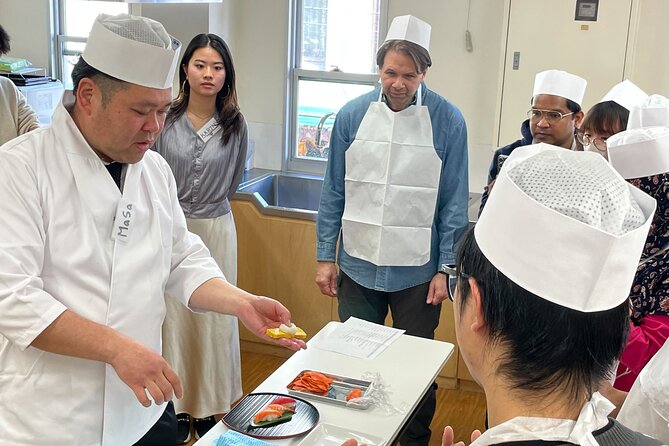
One reason this class works well for international visitors is the teaching structure. It’s led by a friendly English-speaking host alongside a skilled sushi master. The host helps you follow the instructions in plain language, and the chef is the one demonstrating and correcting technique.
The reviews mention that English translation can run throughout the presentation, which is exactly what you want in a hands-on class. If you miss one key step—like rice handling or cutting angle—you’ll feel it right away when you eat.
Also, the tone seems welcoming. Multiple accounts describe a sense of humor and patience when people try rolling or shaping for the first time. That matters in a skill class, because confidence helps your hands learn faster.
Price and Value: Why $49.74 Can Work for Food Lovers
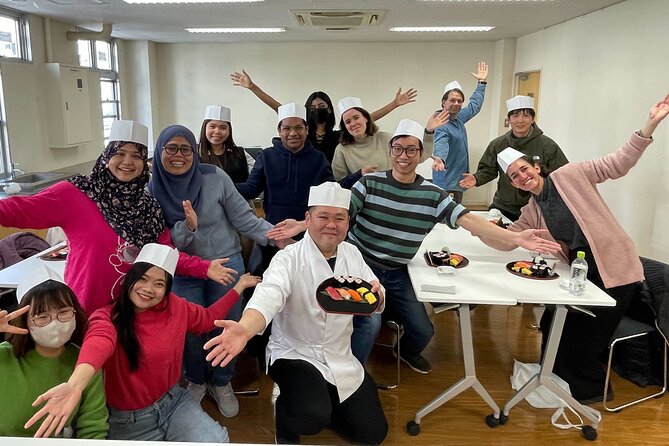
$49.74 is not a low-price splurge, but it also isn’t a long, multi-course investment. For this kind of experience, the value comes from what you’re actually getting:
- You eat what you make (5 nigiri + 1 roll), which replaces the need for a separate sushi lunch.
- Ingredients are market-sourced, not generic supermarket items.
- Utensils and tableware are provided, so you’re not paying to figure out gear.
- You get pro instruction from a sushi master plus English support.
- You learn technique, not just how to assemble one piece.
If you’ve ever watched sushi chefs work and thought, I want that skill, this is one of the clearer ways to try it in a short time window. If you’re only looking for a basic food tasting, it may feel more work than you want. But if you like making, this is a strong deal.
Timing, Tickets, and Getting There Without Stress
The class runs about 1 hour 30 minutes. You’ll use a mobile ticket, and the activity ends back at the meeting point. It’s near public transportation, but you still need to make your own way there.
The meeting point is listed as 千社額棟4-chōme-16-2 Tsukiji, Chuo City, Tokyo 104-0045, Japan. The address matters because Tsukiji has lots of side lanes. Give yourself extra minutes to get oriented, especially if you’re arriving in the middle of a busy Tokyo transit rush.
Also, the tour may run beyond the scheduled ending point. If you have a tight appointment right after, tell the operator in advance so they can try to help you manage timing.
Who Should Book This Tsukiji Sushi-Making Class
This experience is a great fit if:
- you’re a sushi fan and want a hands-on skill, not just a meal
- you like food culture explained with real technique (rice, fish prep, knives)
- you want something short enough to fit into a day that’s already packed with Tokyo sights
- you’re traveling with kids or teens who can handle stairs and enjoy interactive tasks
It’s also beginner-friendly in practice. The class is designed for people who are new to sushi-making, and the step-by-step format keeps you moving instead of getting stuck.
Who Might Want to Skip (or Choose Carefully)
Avoid this class if:
- stairs are a problem. The classroom is on the third floor and it’s stairs only.
- you need strict dietary accommodations. The info says it unfortunately does not accommodate kosher requests, and it also says halal isn’t accommodated. They’ll try to handle allergy-related needs, but it may not be possible depending on ingredients.
If you have allergies, tell them when you reserve. Don’t wait until you arrive. Short classes move fast, and the chef needs time to plan.
Should You Book This Tsukiji Sushi Making Class?
Book it if you want a Tokyo food experience with actual technique. The best reason to sign up is that you make and eat 5 nigiri plus 1 roll, after seeing a pro handle fish and explain knife basics. It’s an efficient way to turn sushi curiosity into a skill you can practice later at home.
Skip or reconsider if stairs are an issue or if you need kosher or halal options. In those cases, the class can’t promise the accommodation you’d need.
If you’re on the fence, think about your goal. Want a fun meal photo and a quick tasting? You might be happier elsewhere. Want to learn how sushi gets built—rice first, fish precision second—this is a solid pick.
FAQ
How long is the sushi making class in Tsukiji?
It’s about 1 hour 30 minutes (approx.).
What is the price per person?
The price is $49.74 per person.
Where does the class take place?
The meeting point is in Tsukiji at 千社額棟4-chōme-16-2 Tsukiji, Chuo City, Tokyo 104-0045, Japan. The experience starts and ends back at this meeting point.
What will I make and eat?
You’ll make and eat 5 different nigiri sushi and 1 rolled sushi.
Who leads the class?
It’s led by an English-speaking host and a professional sushi master/chef.
Does the class include lunch?
Yes. Your handmade sushi is included as lunch.
Are ingredients provided?
Yes. Fresh ingredients and proper utensils are provided, sourced from the market.
Is there hotel pickup or drop-off?
No, hotel pickup and drop-off are not included.
Can you accommodate kosher or halal requests?
Unfortunately, kosher requests are not accommodated. The info also says it unfortunately does not accommodate halal requests.
What about allergies?
Please let them know about any allergies when you reserve. They will try to accommodate allergy-related requests, though it may not be possible.
What’s the cancellation policy?
Free cancellation is available up to 24 hours in advance for a full refund. If you cancel less than 24 hours before the start time, the amount paid is not refunded.