REVIEW · TOKYO
Tokyo: Sushi Making Class in a Happi Coat near a Famous Spot
Book on GetYourGuide →Operated by SUSHI GARYU · Bookable on GetYourGuide
Make nigiri in a happi coat. This Tokyo workshop at Sushi GARYU turns a famous Japanese food into a hands-on skill, with tuna and salmon nigiri from scratch in just 90 minutes. You’ll wear the tube-sleeved chef coat called a happi, which makes the whole thing feel like more than a demo.
I like that you’re not stuck watching. The class is beginner-friendly, you get clear guidance in English (with Japanese support as needed), and then you personally assemble what you learn—so the payoff is immediate.
One thing to consider: the meeting point can vary, and depending on how busy the venue is, you may share seating with other customers. If you’re the type who hates sharing a workspace, that’s worth planning around.
In This Review
- Key highlights that make this class worth your time
- A beginner-friendly Tokyo sushi class with a happi coat vibe
- What you’re actually making: nigiri with tuna and salmon
- The 90-minute flow: how the time usually goes
- Your instructor makes the experience: English teaching plus real humor
- Wearing the happi: why the costume is more than a gimmick
- Allergies and dietary needs: tell them early for the best shot
- Price and value: is $42 for 90 minutes worth it?
- Who this class suits best
- After class: how to make your sushi practice last
- Pair it with a walk near a famous spot
- Should you book Sushi Garyu’s sushi-making class?
- FAQ
- How long is the sushi making class in Tokyo?
- How much does it cost per person?
- What will I learn to make?
- Are vegetarian, vegan, or gluten-free options available?
- What if I have a food allergy?
- Do I wear a happi coat?
- What languages do the instructor speak?
- Is the meeting point fixed?
- Are there any rules for children?
Key highlights that make this class worth your time
- Happi coat chef moment: You wear a traditional chef-style happi coat while you work, which also makes for great photo memories.
- Real nigiri practice: You learn how to make nigiri and then make it yourself at the counter.
- Fresh, recognizable ingredients: The class focuses on popular nigiri toppings like tuna and salmon.
- Support in English and Japanese: Your instructor can explain steps in English, with Japanese available too.
- You leave with a meal: You taste what you make, and the portions are described as filling enough to count as proper food.
A beginner-friendly Tokyo sushi class with a happi coat vibe
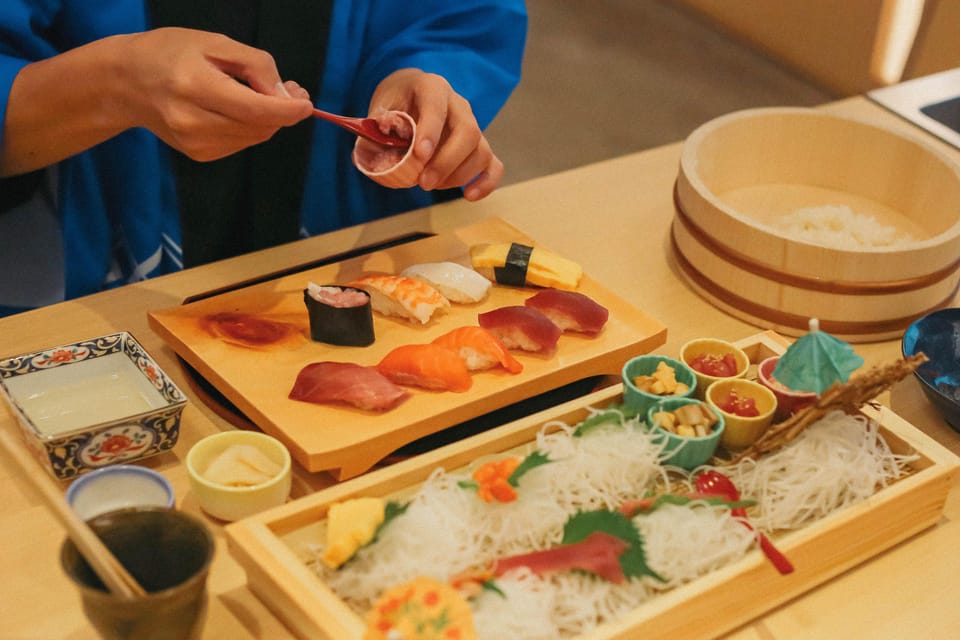
Tokyo has no shortage of food experiences, but this one is special because it’s built to get your hands messy, fast. In a 90-minute session, you learn the basics of nigiri and then practice the assembly yourself, so you don’t just leave with a full stomach—you leave with a skill you can try again at home.
The happi coat matters more than it sounds. Wearing it gives you a role in the process, and that shift changes the mood from classroom to craft. A bunch of instructors also seem to run the experience with a friendly energy, including humor, which helps if you’re nervous about getting it wrong.
The class also feels approachable for a range of travelers. Couples like it as a date-day activity, and families like that it ends in a real meal you made. Just be aware that depending on venue flow, you might be seated with other participants.
You can also read our reviews of more tours and experiences in Tokyo.


What you’re actually making: nigiri with tuna and salmon
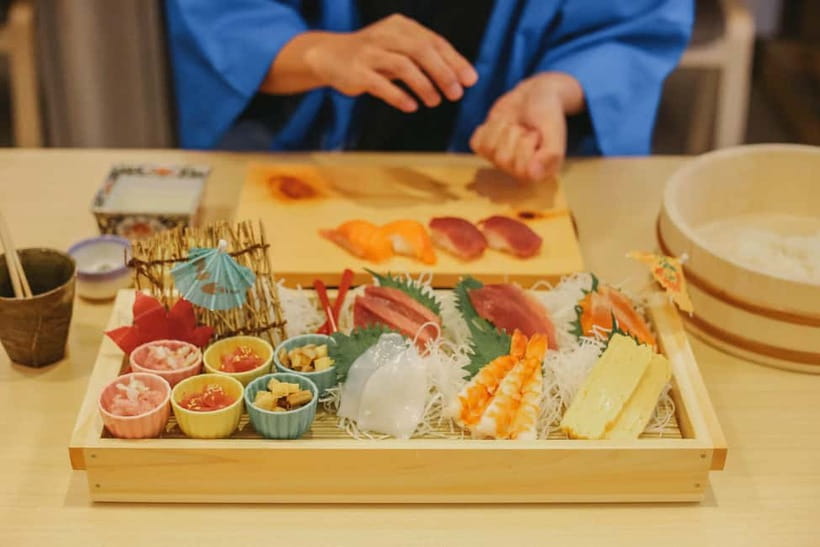
This is a nigiri-focused workshop. The core experience is learning to make nigiri sushi using ingredients like tuna and salmon. That structure is great because it gives you a clear target: learn the steps, then practice until your nigiri looks and tastes right.
You start with instruction and a lecture-style explanation. Then you switch into hands-on mode, where you personally build the nigiri. That’s the difference between a sushi tasting and a real cooking class: tasting teaches preference. Making teaches technique.
Some instructors in this program also guide students through additional styles. In the feedback you provided, people mention learning maki and even onigiri alongside nigiri. So if you want one core skill plus a little extra variety, this class can deliver that—just know the exact mix may depend on your session.
The 90-minute flow: how the time usually goes
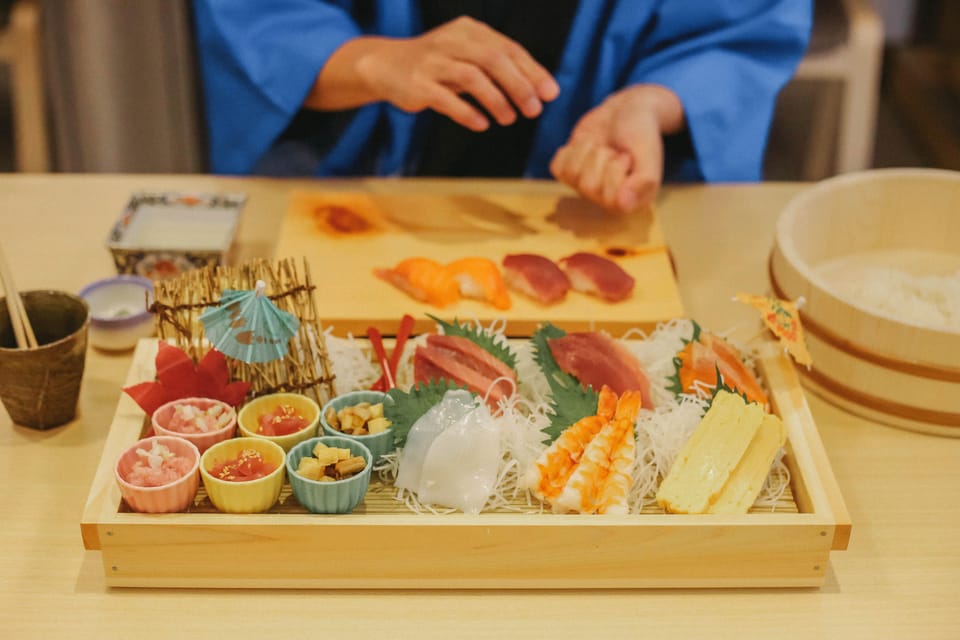
Ninety minutes sounds short, but sushi craft is step-based, so it works. You’ll typically begin with an explanation of what you’re making and how to approach each step, then you’ll get time to put that guidance into action.
A big practical win here is that the instruction is tailored enough for first-timers. Many classes in this style can feel like a blur of details. Here, the teaching approach—clear step-by-step help plus room to ask questions—keeps things from turning into guesswork.
At the end, you eat what you made. That turns the session into a meal, not a snack. Several people noted the portion is generous, which is important in Tokyo where paid food can add up quickly.
Your instructor makes the experience: English teaching plus real humor
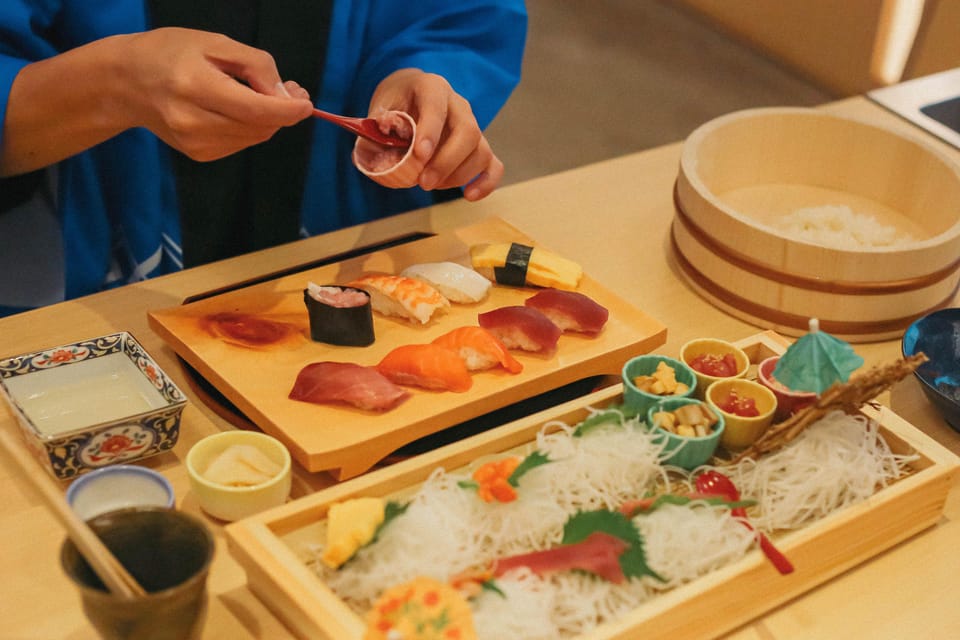
In Tokyo, language can make or break a workshop. This one lists instructors who speak English and Japanese, and the class energy in the feedback is consistently warm and interactive.
Some sessions are led by instructors with standout personalities. For example, people specifically praised Chef Hide for being skilled and funny while keeping things relaxed. Others highlighted Mikoto, Emi, and Masa for making techniques easy to follow, with patience and encouragement. Even when people arrived with questions or needed extra help, they reported that instructors stayed attentive.
That matters because sushi isn’t just about taste. It’s about feel—how you handle rice, how you shape pieces, and how you assemble with care. When the teacher explains the why, not just the what, you get better results immediately and you’re more likely to replicate them later.
Also, a nice bonus in the reviews: instructors often help with photos, including shots in your Japanese outfits and during the process. It’s a small thing, but it gives you something to remember besides the taste.
Wearing the happi: why the costume is more than a gimmick
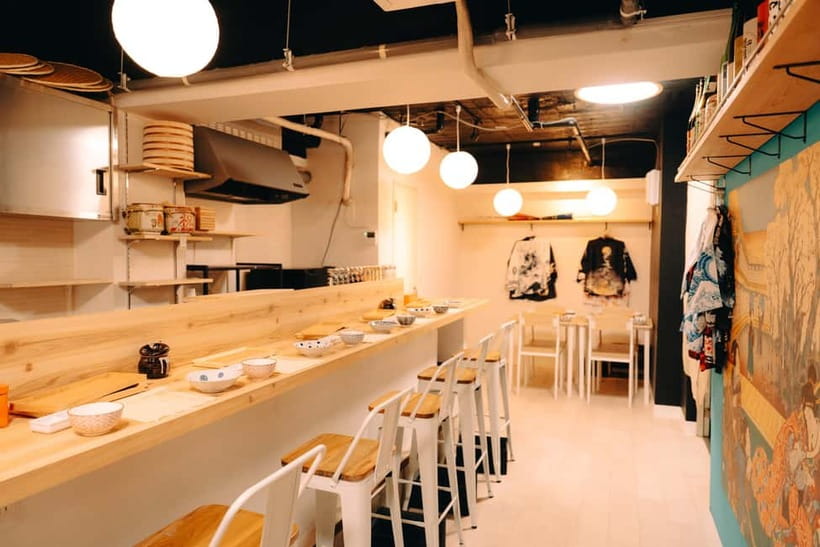
You’ll don a traditional tube-sleeved Japanese chef coat called a happi. Yes, it’s fun. But it also does something useful: it gives you a “chef mindset” for the session.
When you dress for the role, you tend to take the steps more seriously, and you pay closer attention to posture and handling. That’s a big help for beginners who may not know what to focus on.
It also makes the class feel like a cultural experience rather than a cooking demo. The program is built around Japanese culinary technique, and the happi coat visually reinforces that you’re participating in a craft.





Allergies and dietary needs: tell them early for the best shot
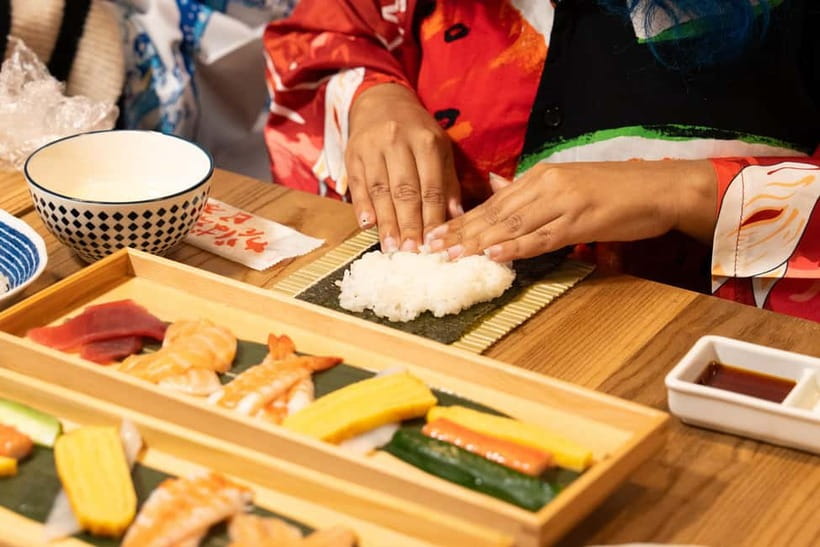
Food allergies and dietary restrictions are handled in the info you shared, but the timing matters.
If you have allergies, you need to let the team know in advance by message. The same goes for vegetarian, vegan, and gluten-free requests. The guidance says they may not be able to accommodate changes made on the day, so don’t assume last-minute fixes will work.
What I like about this setup is that it treats dietary planning as part of the experience, not an afterthought. If you’re traveling with a sensitive palate or strict needs, this is one of the better formats because it’s controlled: you’re cooking with the class ingredients, guided by the instructor.
Practical advice: when you book, message your allergy or dietary choice as soon as you can. Keep it simple and specific, like no fish, no shellfish, gluten-free only, or vegetarian without dairy (if relevant). The more precise you are, the easier it is for them to prepare you.
Price and value: is $42 for 90 minutes worth it?
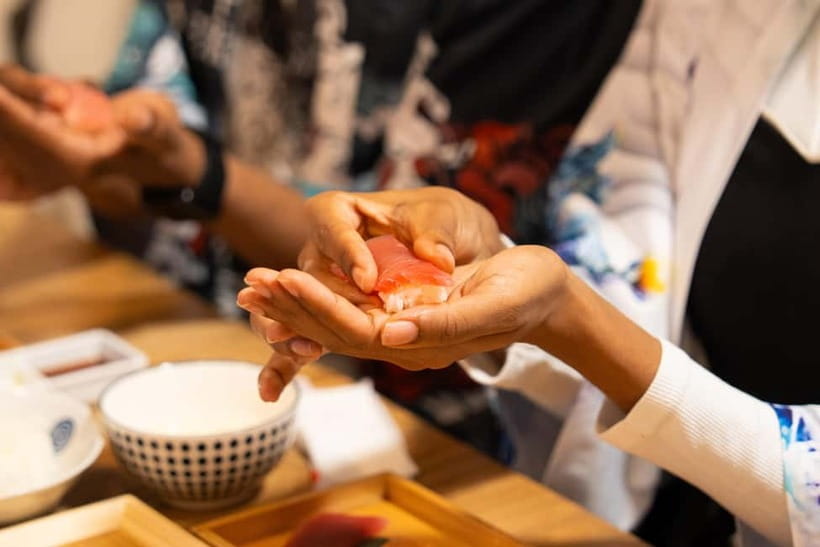
At $42 per person for a 90-minute class, you’re paying for instruction, ingredients, and a guided meal. In Tokyo, that’s not a crazy number because the ingredients are part of the experience and you don’t have to buy them separately.
The value comes from three places:
- Hands-on learning: You’re not just tasting expensive fish. You’re assembling nigiri yourself.
- Ingredient coverage: The class includes ingredients, which reduces shopping headaches.
- You eat what you make: If you treat it like lunch, it offsets the cost compared with paying for a meal elsewhere.
One reason this feels like a strong deal is the portion feedback—people described leaving full and satisfied. If you’re already planning to eat while you’re in the neighborhood, this class can replace a meal rather than add extra spending.
So, who gets the best value? If you want a skill you can practice later, you’ll feel the money better than someone who only cares about taste.
Who this class suits best
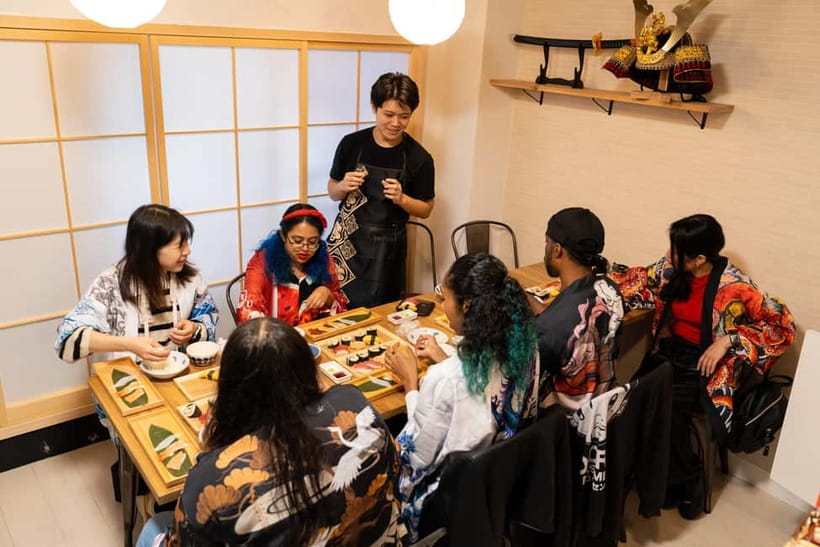
This workshop is a good match for:
- Beginners who want clear steps and supportive teaching
- Couples looking for an interactive Tokyo activity
- Food lovers who want to go beyond eating and into making
- Families (including kids), since people reported great experiences with children who participated
- Sushi-curious travelers who prefer a smaller, personal-feeling class over a huge group show
If you’re a hardcore sushi nerd who wants deep omakase-level fish cutting techniques, this may feel more like an entry point than a master class. But as a first real sushi skill, it’s practical and satisfying.
After class: how to make your sushi practice last
The class experience ends with you eating your work, but the best souvenir is the method in your head. Here’s how you can turn this into something you’ll actually use:
- Repeat the same structure at home: Make nigiri again before you experiment. If you can reproduce the assembly, the rest becomes easier.
- Use what you learned as a checklist: Focus on steps in order, not on perfection. Your first tries will look rough. That’s normal.
- Buy the right ingredients for the goal: Nigiri depends on the quality of the topping and the rice base. When you match what you can realistically source, the results improve quickly.
Also, if you want to keep the “chef” vibe alive, try making it into a mini dinner event. Wearing a similar coat or setting up your counter like a workstation makes the whole thing feel like the workshop again.
Pair it with a walk near a famous spot
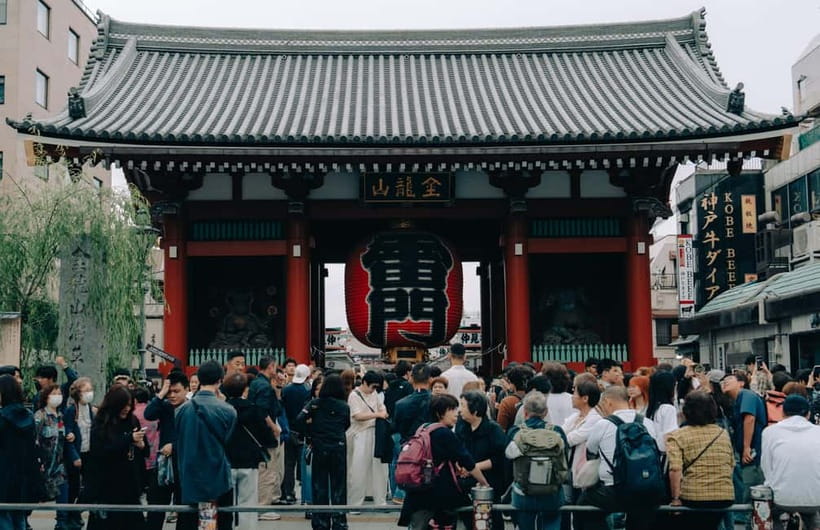
A common travel rhythm in Tokyo is: do one structured activity, then wander. In the feedback you provided, people mentioned leaving the class and walking through nearby temple areas and markets.
You don’t need a huge plan. Once the class ends, look at what’s close to your meeting location. You’ll likely be able to stack this with a short stroll, a quick snack, and some easy sightseeing without rushing.
Should you book Sushi Garyu’s sushi-making class?
If you want a hands-on Tokyo experience with a cultural feel, this is a strong choice. The class structure is beginner-friendly, the teaching is in English (with Japanese support), and you leave with a meal you made yourself.
Book it if:
- you want to make nigiri (especially with tuna and salmon)
- you enjoy interactive workshops over passive tours
- you like the idea of wearing a happi coat and taking photos in your chef outfit
- you’re looking for real value at $42 for 90 minutes
Skip it only if:
- you need guaranteed private seating, since the venue may seat you with other customers
- you need last-minute dietary or allergy changes, since advance notice is advised
Bottom line: this is one of those activities that pays you back immediately—full meal, real skill, and a memorable Tokyo story.
FAQ
How long is the sushi making class in Tokyo?
The duration is 90 minutes.
How much does it cost per person?
The price is $42 per person.
What will I learn to make?
You’ll learn how to make nigiri sushi, including tuna and salmon, and then practice making it yourself after the instruction.
Are vegetarian, vegan, or gluten-free options available?
Yes. Vegetarian, vegan, and gluten-free options are available, but you should request them in advance by message.
What if I have a food allergy?
Let the team know about your allergies in advance by message. The information you shared also notes that you should do this ahead of time.
Do I wear a happi coat?
Yes. You’ll don a traditional tube-sleeved Japanese happi coat during the class.
What languages do the instructor speak?
The instructor is listed as English and Japanese.
Is the meeting point fixed?
The meeting point may vary depending on the option booked.
Are there any rules for children?
You’ll be charged for participants over 4 years old. The information also notes that you should share a dish under 4 years old, and that the children fee follows the list.