REVIEW · TOKYO
From Tokyo: Mt. Fuji & Hakone Tour w/ Return by Bullet Train
Book on GetYourGuide →Operated by H.I.S. Co Ltd(TIC) · Bookable on GetYourGuide
Fuji day trips feel like a gamble, so the plan matters. This one works hard to get you close to the summit area, then pivots into Hakone when conditions shift. Add the Lake Ashi cruise and a Shinkansen ride home, and you get a packed day with real scenery payoffs.
Two things I really like: the focus on reaching the Mt. Fuji 5th Station area (about 2,300 meters), and the way Hakone is built around the Owakudani volcanic zone plus a boat cruise on Lake Ashi. One thing to consider is the weather reality: even with the best logistics, Mt. Fuji can disappear behind clouds fast.
In plain terms, this tour is a good value if you want a structured day with transport handled, but it’s not a guarantee that you’ll see the peak all day. You’ll be relying on that classic Fujisan visibility window, then making the most of the alternatives if it doesn’t show.
In This Review
- Quick hits before you go
- Meeting at Nishi Shinjuku and starting without stress
- Mount Fuji 5th Station: the best shot for big views
- The lunch break that keeps the day human
- Hakone Ropeway at Owakudani: where volcanic scenery does the talking
- Lake Ashi cruise: Fuji from the water, plus a fun ship
- Guides make or break the flow (and this one gets praise)
- Getting back by Shinkansen: fast, but pay attention to the details
- Price and value: what you’re really paying for
- Who this tour fits best, and who should rethink it
- My booking verdict: should you sign up
- FAQ
- Where do I meet the guide in Tokyo?
- What time length is this tour?
- What’s included in the price?
- Is lunch included?
- What happens if Mt. Fuji 5th Station can’t be reached?
- What if the Ropeway or Pirate Ship isn’t operating?
- How does the Shinkansen return work?
Quick hits before you go
- Mt. Fuji 5th Station goal (with a clear backup plan if the bus can’t reach it)
- Owakudani via Hakone Ropeway, where the elevation changes and volcanic steam is part of the experience
- Lake Ashi cruise on a themed pirate ship, one of Hakone’s most fun ways to see Fuji from the water
- Hot pot + half-buffet lunch (if you choose the lunch option), served on a set lunch window
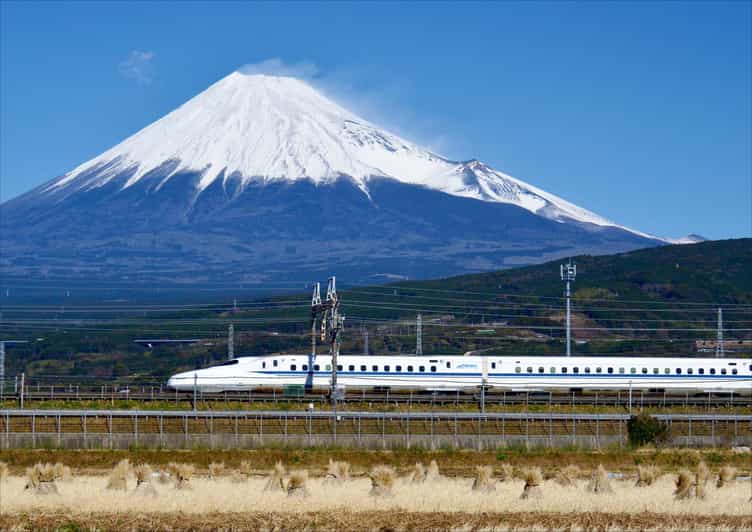
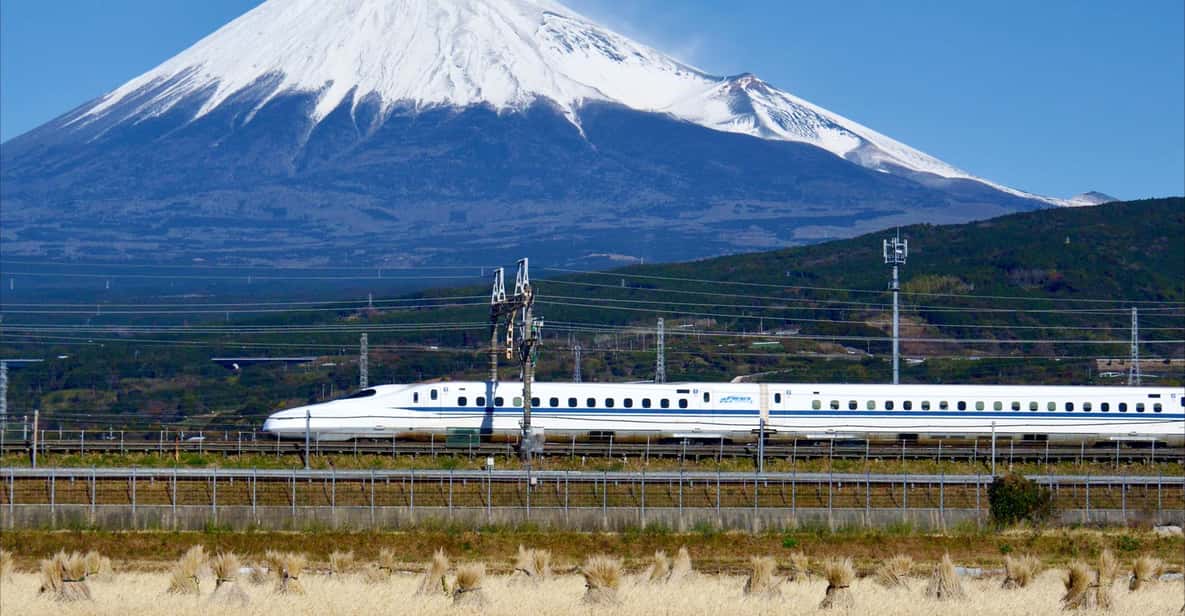
- Shinkansen return from Odawara on non-reserved seats, with multiple train options per hour
Meeting at Nishi Shinjuku and starting without stress
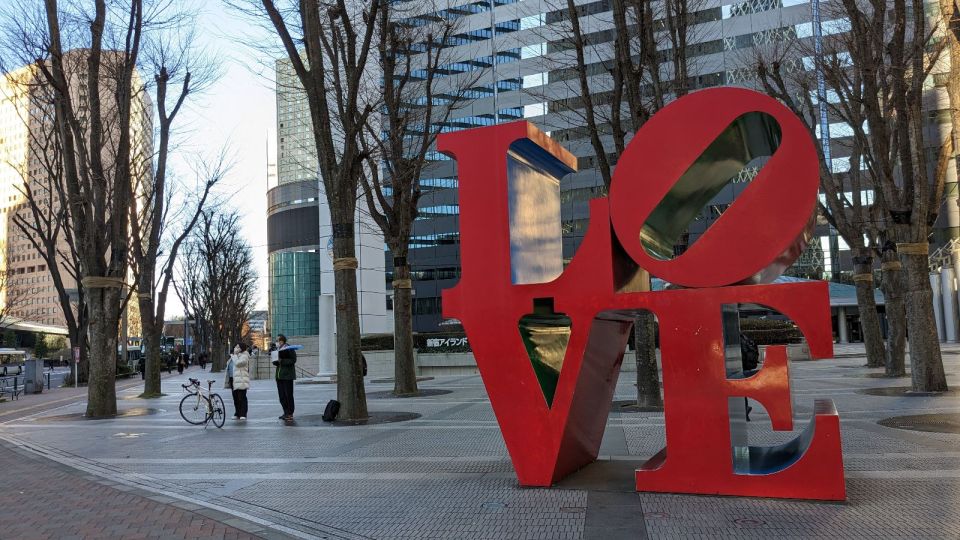
You’ll meet the guide outside the Shinjuku i-Land building by the Nishi Shinjuku Love sculpture. This matters more than it sounds, because you’re relying on being on time to hit a tight sequence across Fuji and Hakone. The good news: the meeting point is specific, and once you’re with the group, the day feels organized.
A practical tip: Shinjuku has lots of tour activity. Plan to arrive early enough to double-check you’re standing at the right spot for your exact tour group. If you’re even slightly late, you may not be able to join after the schedule shifts, since the day is timed.
You can also read our reviews of more tours and experiences in Tokyo.

Mount Fuji 5th Station: the best shot for big views
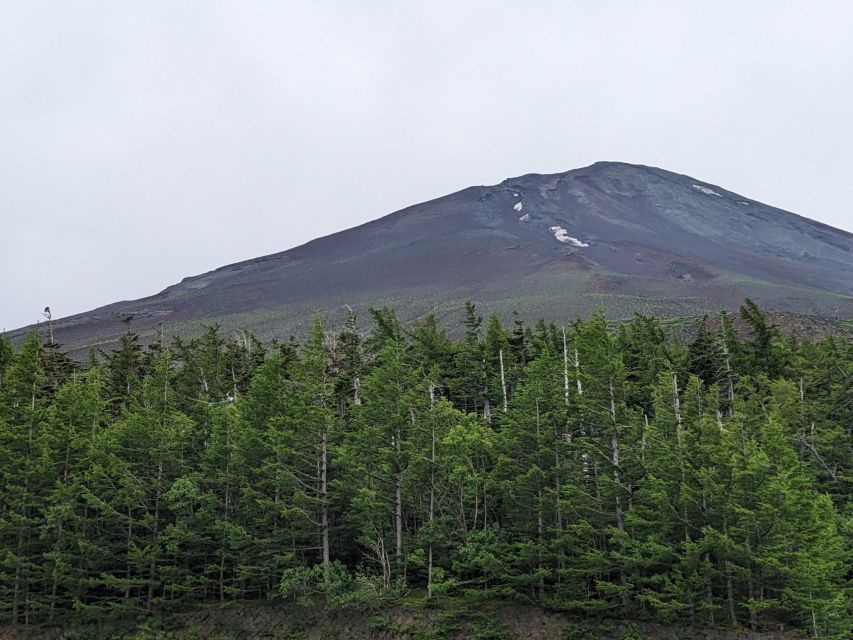
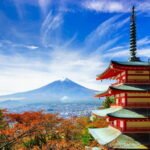
The day begins with a drive from Tokyo to the Fuji area, then you head to the Subaru Line route and aim for Mt. Fuji 5th Station. You’re going up to around 2,300 meters, which means you’re closer than the viewpoint-hunting crowds back in the lowlands. At this height, weather can change quickly, so the guide’s reminder to keep your eyes open for the peak isn’t just standard patter.
What makes this stop especially worthwhile is the feeling of altitude. Even if you don’t see the summit, you’re experiencing Fuji in a more direct way than you would from a distance. The Komitake Shrine is also part of the stop area, giving you a cultural pause near the mountain zone and not just photo time.
Here’s the key backup plan: if the bus can’t reach the 5th Station due to bad weather or an accident on the road, you’ll visit the highest point possible instead. That flexibility is a big deal on Fuji days, because roads and weather often decide how close you can get.
The lunch break that keeps the day human
Lunch lands after the Fuji portion, with about 45 to 60 minutes on the clock. If you select the lunch option, you’ll get a Japanese-style meal with hot pot and a half buffet. This timing is smart for two reasons: you avoid pushing through until you’re starving, and you still keep enough energy for Hakone’s ropeway and boat segments.
Food can be simple but good when it’s planned. If you have restrictions, let the team know ahead of time so the group doesn’t get stuck with mismatched options. Also note that drinks aren’t included, so plan on buying water or tea if you need it during the bus rides.
One small reality check: lunch windows on day tours are rarely long. If you’re hoping for extra time for photos or wandering, build that into your earlier breaks, not the lunch stop.
Hakone Ropeway at Owakudani: where volcanic scenery does the talking
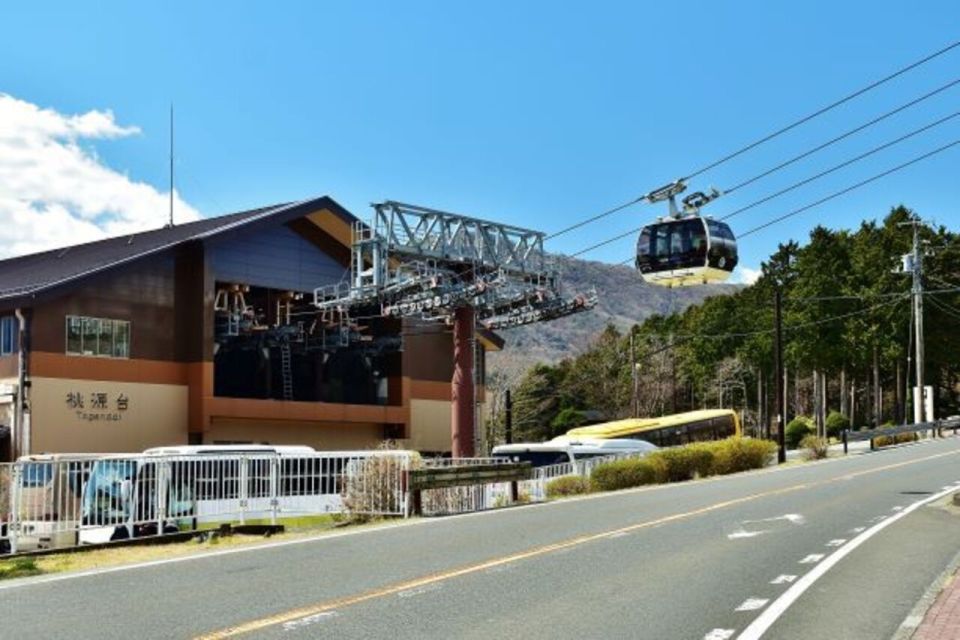
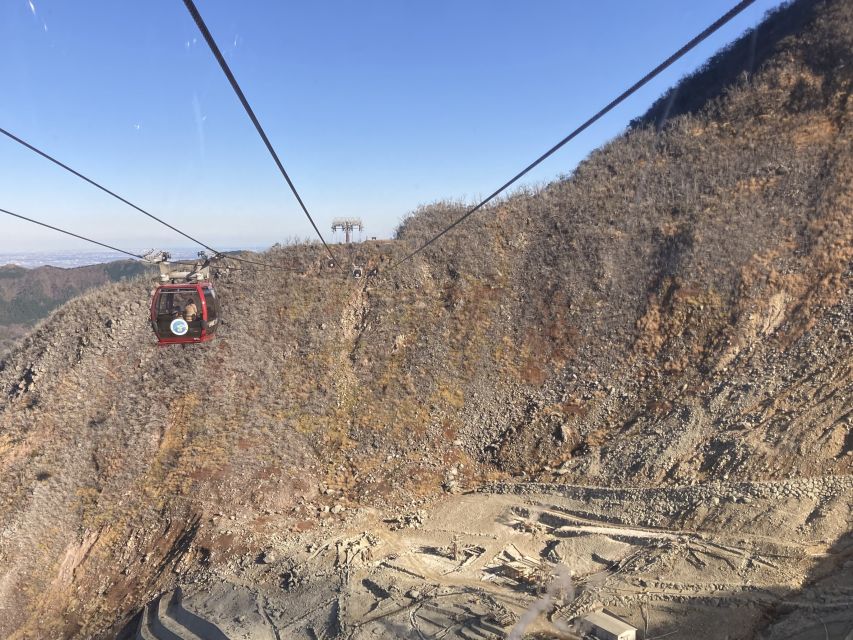
Hakone’s core moment is the trip through Owakudani on the Hakone Ropeway (gondola). This is the point in the day where the scenery goes from mountain views to active geology.
What you’ll notice right away is the elevation shift. Even if you don’t measure it, you feel it as the gondola moves. Owakudani is known for sulfur activity and dramatic volcanic atmosphere, and the ropeway ride is the practical way to access it without doing steep hiking.
You’ll also have the chance to buy souvenirs that fit the theme. The famous black eggs boiled in sulfuric water are available for purchase (that fee is not included), and they’re one of those very “Hakone” items that make the stop feel like more than a scenic ride.
One consideration: if you have a strong fear of heights, remember that ropeway/cable car segments can feel intimidating even when the ride is short. In that case, you’ll want to evaluate your comfort before you commit.
Lake Ashi cruise: Fuji from the water, plus a fun ship
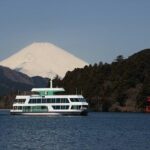
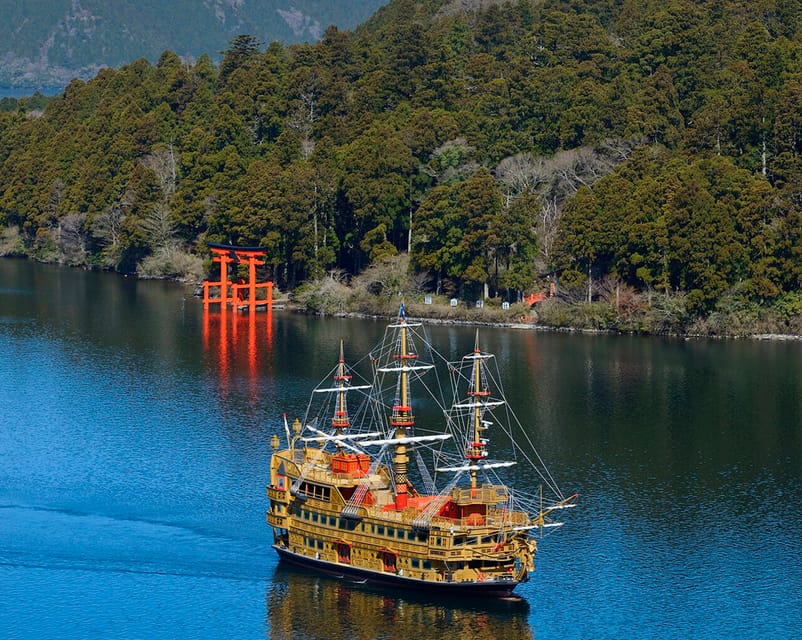
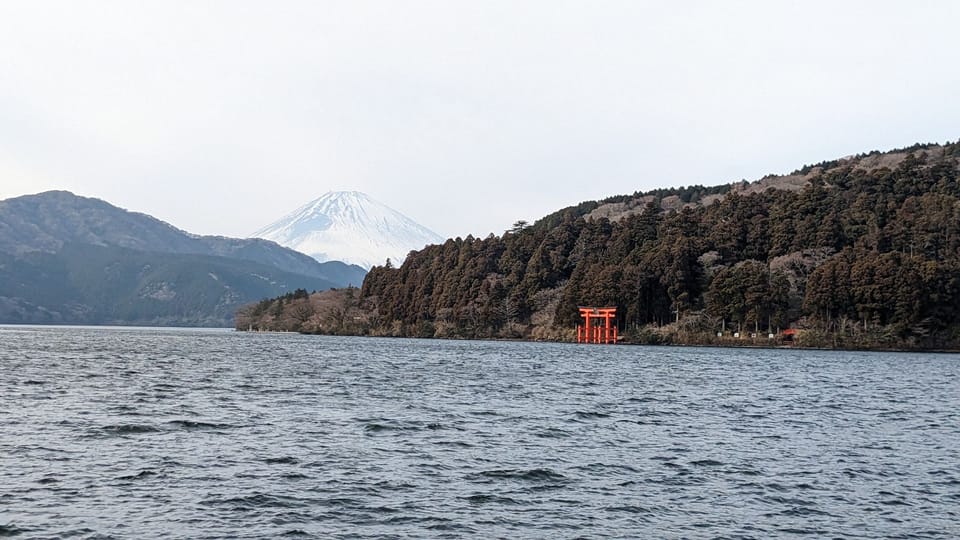
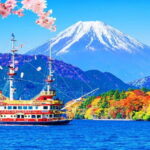
After the volcano, you shift to a calmer pace with a cruise on Lake Ashi. This part of the day is all about views. When conditions cooperate, you can catch striking scenery looking back toward Mt. Fuji from the deck. When it’s not clear, the cruise still has value because it breaks up the intensity of the day with open air, water views, and a different angle on Hakone.
The cruise ticket is designed to pair with the iconic experience of Hakone’s themed boat. Your day’s plan depends on operations, too. If the Hakone Ropeway and Hakone Pirate Ship aren’t operating, the tour redirects to other options like Komagatake Ropeway, Mt. Fuji Panoramic Ropeway, Mishima Skywalk, Narukawa Art Museum, Hakone Checkpoint, or the Hakone Shrine. That list signals the same goal: keep you moving through the region even when one piece of the schedule gets knocked out by weather or maintenance.
A small but useful tip from on-the-boat experience: if you want snacks sold on the ship (like themed buns), grab them early. Supplies can move fast once people are boarding.

Guides make or break the flow (and this one gets praise)
This tour is powered by the guide’s ability to keep the group together while still making stops feel worth it. The day’s comments show a consistent pattern: guides often share stories and personal touches, and they manage timing well so you don’t feel like you’re being rushed.
Names that have shown up in standout experiences include Yumi, Happy, Amy, Ai, Emi, Yoko, Mary, and Ken. That’s not just trivia. It tells you something about the product: the company leans into engaging guide energy, not dry facts-only narration.
You’ll also appreciate how the guide handles trouble spots. In tougher conditions, like fog or mist, the guide’s job becomes translating “we can’t see Fuji” into “here’s what we can still enjoy.” On Fuji days, this mindset can turn a disappointment into a good memory.
Getting back by Shinkansen: fast, but pay attention to the details
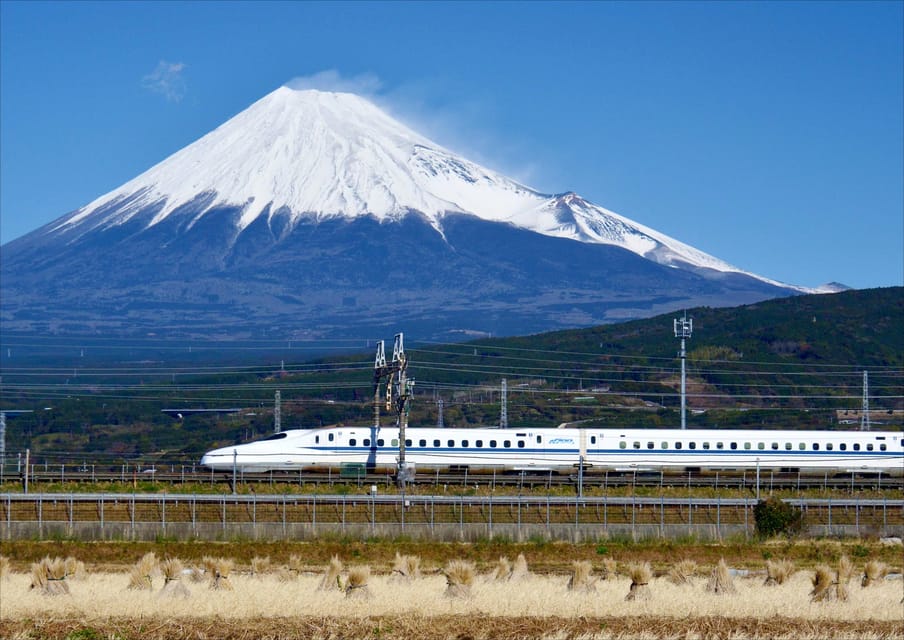
The return is the big time-saver. After Hakone, you’ll go back to Odawara Station, then take the bullet train to Tokyo. Typical travel time is about 34 minutes.
Two important logistics points:
- Your bullet train ticket is for a non-reserved seat.
- The guide will not ride the train with you. You’ll head off on your own, so have your bearings before boarding.
From Odawara, there are two trains per hour available, and you can choose among non-reserved coaches. You may also be able to get off at Shinagawa (one stop before Tokyo) and transfer to the Yamanote Line using the same Shinkansen ticket for access to Shinjuku and other Yamanote area stops.
Also plan for how the bus ride affects your train choice. Traffic on the way back to Odawara can shift your Shinkansen time, so don’t assume you’ll automatically catch a specific departure.
If you’re a train person, there’s a practical strategy that helps: consider not taking the very first available option if there’s an alternative within the same hour window. Some departures give you a more satisfying station approach and departure feel.
Price and value: what you’re really paying for
At $117 per person, the value comes from stacking transport + key sights into one guided day. You’re paying for:
- Air-conditioned bus from Tokyo and back
- Hakone Ropeway ticket
- Lake Ashi cruise ticket
- A guide
- Lunch only if you select the option
- Shinkansen ticket (non-reserved seat) for the return
What you don’t pay for: drinks.
To judge value, compare the alternatives. Doing Fuji + Hakone on your own means stitching together multiple transit legs, buying multiple tickets, and managing time pressure across changing weather. The tour price is basically buying you certainty: the guide coordinates the day and you get tickets handed to you for the big-ticket segments.
The best “value moment” is when everything aligns: a visible Fuji on the way up or from Lake Ashi, plus the ropeway and cruise running smoothly. Even when Fuji is hidden, you still get a structured Hakone day with volcanic scenery and a proper boat experience.
Who this tour fits best, and who should rethink it
This is a great fit if:
- You have limited time in Tokyo and want a full Fuji + Hakone day without planning every connection
- You want English or Spanish guidance through the day’s rhythm
- You’re excited by the idea of your first (or next) Shinkansen ride home
It’s not a fit if:
- You are pregnant, since the tour notes it as not suitable
- You need a guaranteed calm pace. This day is structured and active, with short-ish stop times and a schedule that doesn’t wait for you to linger
One more practical comfort note: the ropeway/cable segments can feel like a jump in height exposure compared with a typical city day. If you know you’re sensitive to that, plan accordingly.
Wheelchair notes (quick and important): the tour states all sightseeing spots are wheelchair-accessible, but standard tour buses may not have wheelchair lifts or ramps. Folding wheelchairs can usually be stored in the luggage compartment. Electric wheelchairs may not fit due to size and weight limitations, so you should tell the operator at booking.
My booking verdict: should you sign up
If your priority is “maximize your odds of a Fuji moment while still seeing the best of Hakone,” I’d say yes. The biggest strength here is that the plan doesn’t collapse when Fuji gets blocked. The tour is set up with backups for the Fuji access and the Hakone ropeway/ship operations.
I’d book this especially if you:
- Want an efficient day with transport and tickets handled
- Care about the emotional impact of being higher up near Fuji, even if you only get partial views
- Enjoy structured days where a guide keeps the flow moving, like the upbeat energy reported from guides such as Happy and Yumi
I’d hesitate only if you’re someone who needs guaranteed visibility of Mt. Fuji or you strongly dislike altitude rides. In those cases, you might find yourself thinking about what you couldn’t see.
Bottom line: for a Tokyo-based day trip, this is one of the more practical ways to combine Fuji, Owakudani, and Lake Ashi plus a real Shinkansen return.
FAQ
Where do I meet the guide in Tokyo?
You meet the guide at the Nishi Shinjuku Love sculpture outside the Shinjuku i-Land building.
What time length is this tour?
The tour runs for about 11 hours.
What’s included in the price?
Included are an air-conditioned bus, Hakone Ropeway (gondola) ticket, Lake Ashi cruise ticket, a guide, lunch if you select the lunch option, and a Shinkansen bullet train ticket.
Is lunch included?
Lunch is included only if you choose the lunch option. The stop is about 45 to 60 minutes, and the meal includes hot pot and a half buffet.
What happens if Mt. Fuji 5th Station can’t be reached?
If bad weather or an accident on the road prevents reaching the 5th Station, the tour visits the highest point possible instead.
What if the Ropeway or Pirate Ship isn’t operating?
If Hakone Ropeway and Hakone Pirate Ship aren’t operating, the tour is redirected to alternatives such as Komagatake Ropeway, Lake Ashi Cruise, Mt. Fuji Panoramic Ropeway, Mishima Skywalk, Narukawa Art Museum, Hakone Checkpoint, or the Hakone Shrine.
How does the Shinkansen return work?
The return is by non-reserved bullet train seats from Odawara to Tokyo (about 34 minutes). The guide does not ride the train with you, and you can choose non-reserved coaches among the available departures.