REVIEW · TOKYO
Tokyo: Private City Highlights Tour with Local Guide
Book on GetYourGuide →Operated by JGA Inc. · Bookable on GetYourGuide
Tokyo can feel like a puzzle at first.
This private 1-day highlights tour turns it into something you can follow: a licensed local guide meets you at your hotel, then builds a route around your interests. You’ll hit famous places like Asakusa and Meiji Jingu, learn how Japan’s history shows up in everyday life, and keep it personal as a private group.
I love two things most. First, the itinerary is truly customizable from a strong menu of must-sees, so you’re not stuck doing a rigid checklist. Second, the best guides in the mix bring real practical help, not just facts. For example, guides like Noripy and Steve have a way of making train basics feel simple, while Kenji’s focus on cultural details like Goshuin books and stamps turns sightseeing into a hands-on experience.
One drawback to plan around: this is a walking day with no private vehicle, and entrance fees, your lunch, and your own transport costs can add up. Also, 4–8 hours in Tokyo with transfers and walking is a lot if you’re not used to it.
In This Review
- Key things that make this Tokyo tour work
- Private Tokyo Highlights: why a guide pays off fast
- How customization works when your day has to fit
- Senso-ji and Asakusa: starting with old Tokyo that’s easy to love
- Imperial Palace Outer Gardens: royal calm without needing a palace ticket
- Harajuku and Takeshita Street: kawaii energy with a lunch plan that makes sense
- Meiji Jingu: the forest walk that resets your brain
- Tsukiji Fish Market and the food-sense of Tokyo
- Akihabara and Nezu: tech obsession or shrine detail, your choice
- Hama Rikyu and Shinjuku Gyoen: gardens that make the city feel bigger
- Shinjuku Golden Gai: a tiny slice of nightlife history
- Getting around: trains, taxis, and having the right money
- Who this tour suits best (and who should rethink it)
- Price and value: $106 for a private day that can save your energy
- How to choose your route before you start
- Should you book this Tokyo private highlights tour?
- FAQ
- What sights can I choose from on this private Tokyo highlights tour?
- How long is the tour?
- Is hotel pickup and drop-off included?
- Are entrance fees and lunch included?
- Do I need to pay for transportation during the tour?
- Can I cancel for a refund?
Key things that make this Tokyo tour work
- A nationally-licensed guide who can explain culture and history in English or Japanese
- Fully customizable highlights from Asakusa to Shinjuku Golden Gai
- Hotel pickup and drop-off plus free photos so you don’t manage camera timing
- Public transport + taxis when needed, with route help that can save hours
- The right pacing for real life, including breaks and kid-friendly adjustments when possible
- Your guide’s smart additions, like local shopping stops and temple traditions
Private Tokyo Highlights: why a guide pays off fast
Tokyo is impressive, but it can also be mentally exhausting. The street signs, station layout, and neighborhood rhythms don’t always match what you expected from photos. This tour is built to fix that early in your trip. You get a guide who can translate what you’re seeing into something that clicks: temple vs. palace vs. garden vs. neon shopping, and why each place exists in Tokyo’s timeline.
At $106 per person for a 4–8 hour private experience, the value comes from efficiency. You’re paying for time saved. Instead of figuring out which area makes sense next, you’re following someone who can string together top sights with realistic walking and transit choices. Many guides also use the day to teach you how to move around afterward, which is where the real payoff shows up on your remaining days.
This is also a tour that tends to feel human. In guides like Fumiko, Atsushi, and Kazuo’s cases, the planning starts before the tour day. You can end up feeling like you’re spending time with a Tokyo friend who actually knows your interests.
You can also read our reviews of more tours and experiences in Tokyo.
How customization works when your day has to fit
The tour is customizable from a list of popular must-sees. You can choose the mix that matches your energy level and curiosity. Here are the locations that are commonly available as options:
- Asakusa (including Senso-ji Temple area)
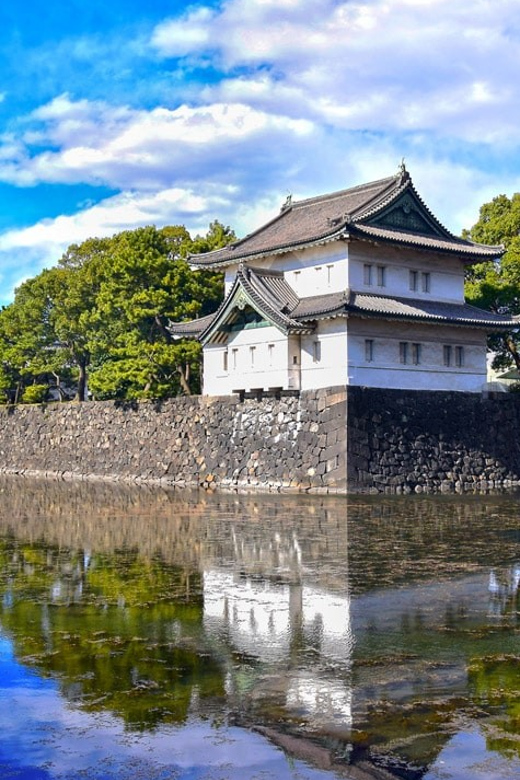
- Imperial Palace (Outer Garden / Gaien-type access, depending on timing)
- Shinjuku Gyoen National Garden
- Tsukiji Fish Market
- Meiji Jingu Shrine
- Akihabara
- Hama Rikyu Gardens
- Harajuku (including Takeshita Street area)
- Nezu (shrine area)
- Shinjuku Golden Gai
What I like about this approach is that it lets you build a story for your day. For instance:
- If you want old Tokyo, you can stack Asakusa + Imperial Palace area and then add a shrine stop.
- If you want modern Tokyo, you can build around Harajuku + Akihabara and end in a nightlife corner like Golden Gai.
- If you want “Tokyo without the noise,” you can lean on Meiji Jingu + gardens like Shinjuku Gyoen or Hama Rikyu.
Just keep expectations grounded: you’re moving. A private group means you’re not waiting in a big crowd, but you still have Tokyo’s real geography. Your route should match your walking tolerance.
Senso-ji and Asakusa: starting with old Tokyo that’s easy to love
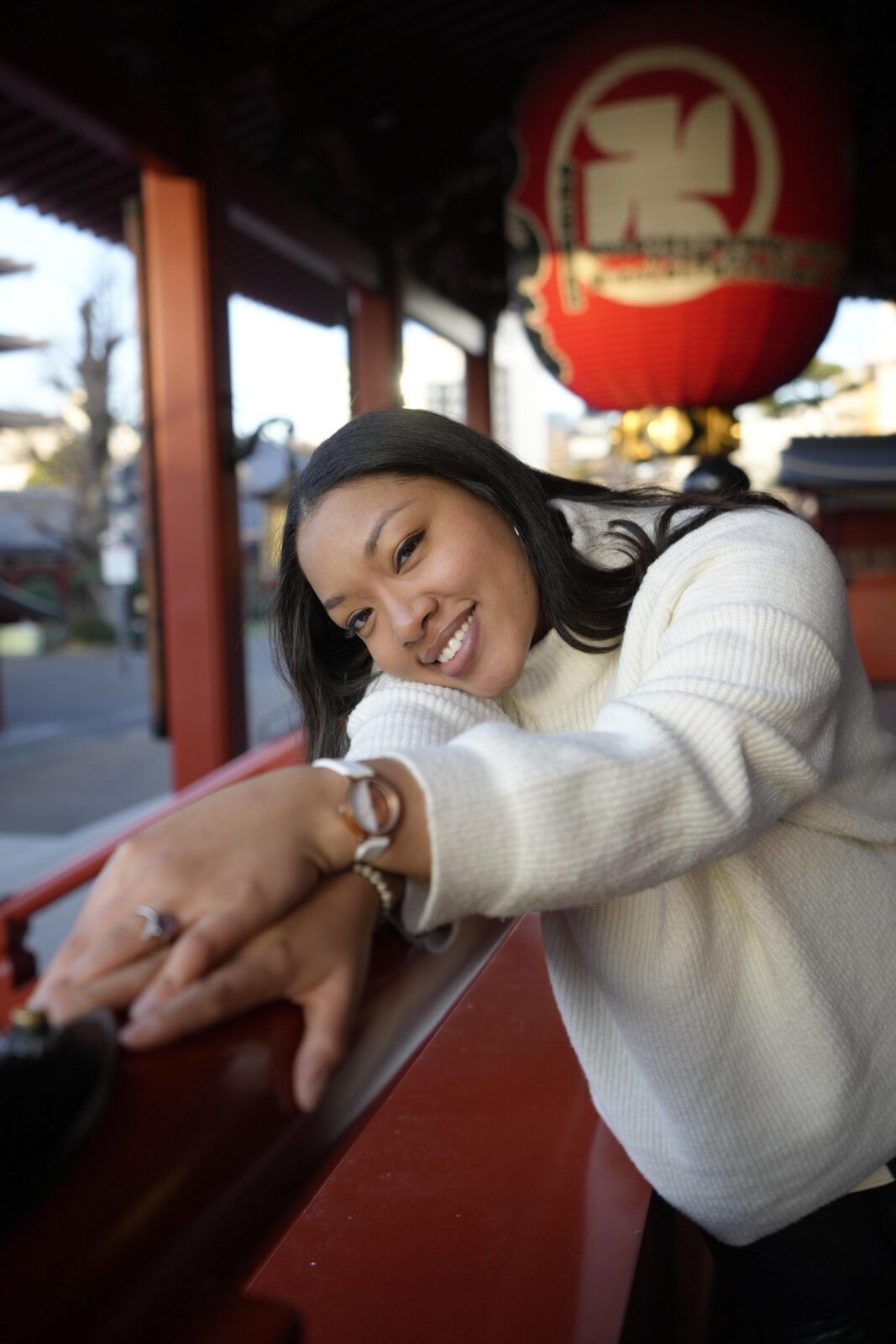
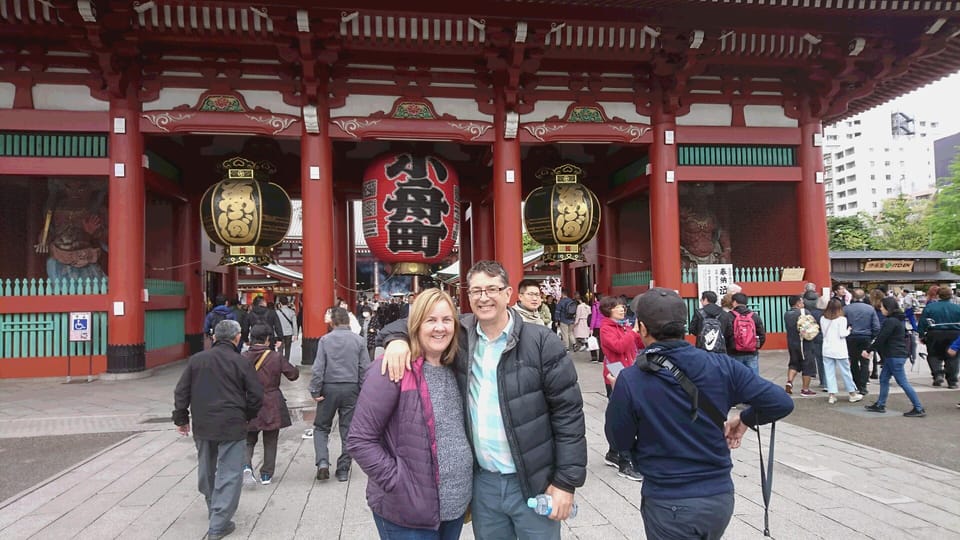
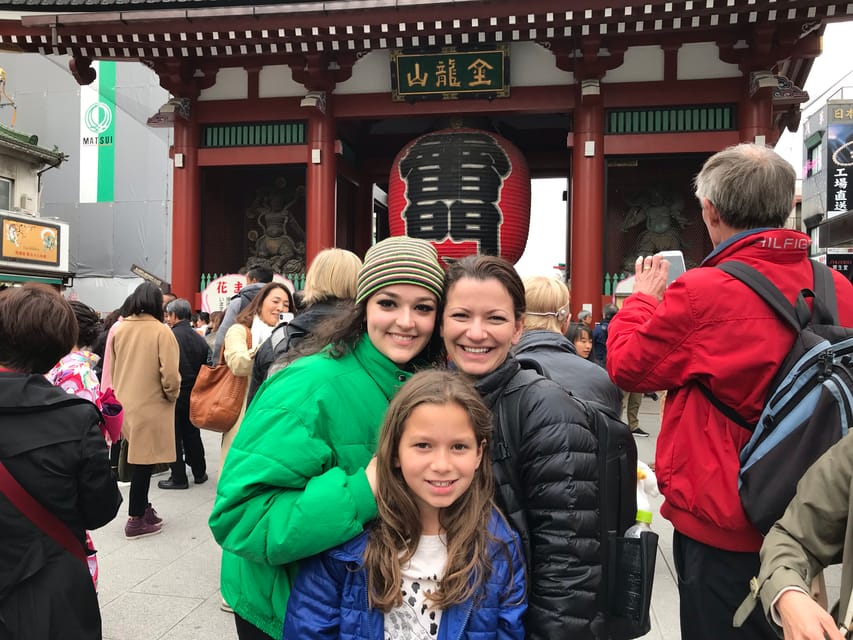
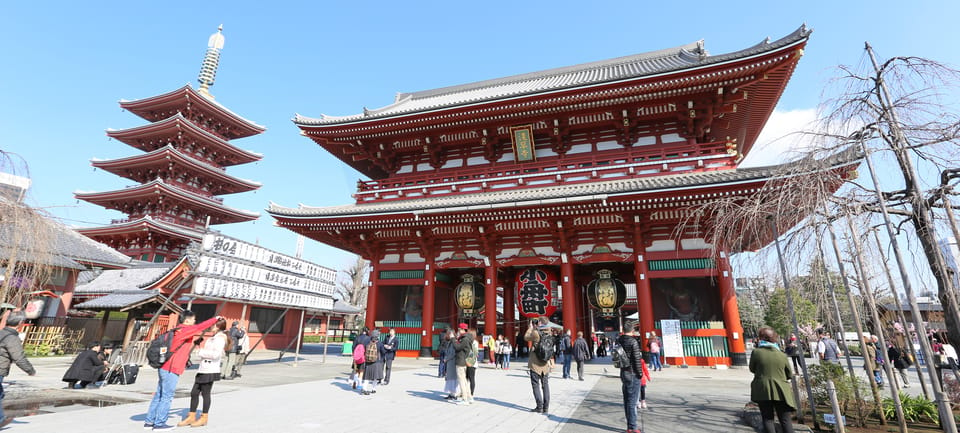
A classic start is Asakusa and Senso-ji Temple. This is one of the best introductions to Tokyo’s tradition side because the area is designed for walking and people-watching. You’ll see the temple complex and you’ll be in the thick of the old-city atmosphere fast, without needing special passes or a long commute.
Asakusa also works because it’s photogenic in a way that’s not only about skyline shots. It’s about textures: temple gates, lanterns, and the sense that this neighborhood has its own tempo. In the experiences shared by past guests, guides have commonly brought in nearby streets like the Nakamise Dori shopping area when it fits the day, which helps you connect the temple to everyday browsing.
Practical heads-up: Asakusa can get crowded, especially at peak hours. A good guide helps by timing things and by steering you through the flow without wasting your time in dead ends.
Imperial Palace Outer Gardens: royal calm without needing a palace ticket
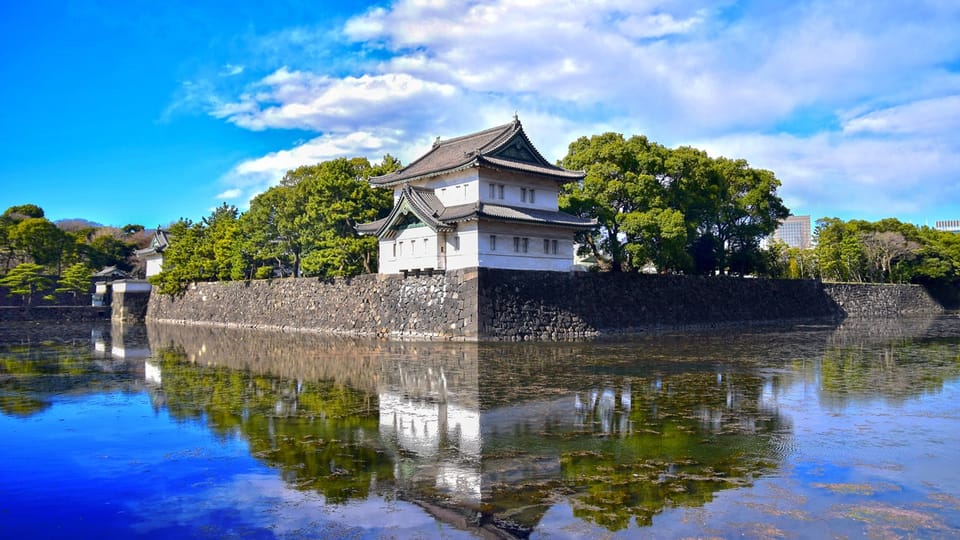
Next on many itineraries is the Imperial Palace area, often starting with a walk through the Outer Garden (Gaien). This is a shift in mood that I really appreciate. You go from active temple streets into something more open, structured, and quiet.
Why it’s worth including: Tokyo’s modern identity can feel all steel and speed. The Imperial Palace grounds show a different side—formal layout, big green spaces, and the sense of history still shaping the city. Guides also tend to explain how traditions and geography tie together here, which makes the place feel less abstract.
One consideration: access can depend on timing. Some days you may only see certain areas. Your guide can work around what’s possible that day, and if you’re sensitive to crowds, ask them to plan the palace segment thoughtfully.
Harajuku and Takeshita Street: kawaii energy with a lunch plan that makes sense
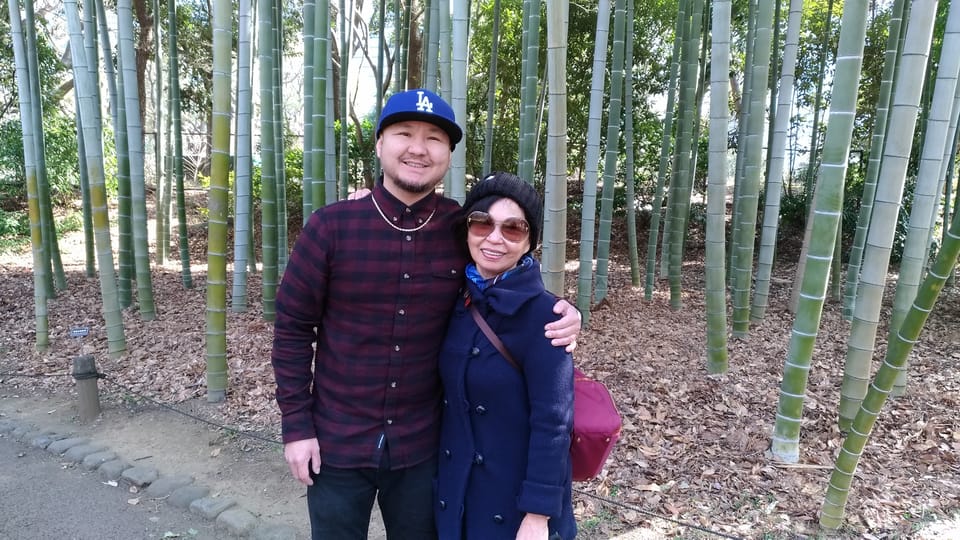
Harajuku is for people who want their Tokyo day to have personality. It’s loud in the best way. Even if you’re not hunting for specific fashion trends, the area is a visual mix of style, youth culture, and street-level creativity.
Most routes build Harajuku around lunch. That’s smart. You’re already in a neighborhood full of options, so your guide can help you choose a place that fits your tastes, and you avoid the common first-day trap of eating too early, too late, or far from where you need to be next.
In past tours, guides also helped families and mixed-interest groups keep lunch easy—one person can want something different, and the guide can steer each person to what works.
Drawback: Harajuku can be busy. If you’re prone to overwhelm, ask your guide to plan your walk through the main shopping strip (including Takeshita Street if you choose it) with break points. This is where a flexible guide matters.


Meiji Jingu: the forest walk that resets your brain
If Tokyo is giving you information overload, Meiji Jingu is the reset button. The shrine sits between major city areas, yet the grounds feel like a different world. A guide’s commentary helps here, because you’re not just looking at a pretty park. You’re understanding a tradition that shaped how people practice and gather.
In the way tours are typically described, Meiji Jingu works especially well in the afternoon. You get a buffer from the morning’s crowds, and you’re already close to other central zones your guide might include later.
One practical note: Meiji Jingu is easy to enjoy, but it’s still a walk-through experience. Wear shoes that can handle uneven ground and lots of steady steps.
Tsukiji Fish Market and the food-sense of Tokyo
Tsukiji Fish Market is one of those Tokyo highlights that pulls you in fast. Even if you’re not a seafood devotee, you’ll feel the food culture right away. The guide value here is timing and navigation. Market areas can feel chaotic if you’re trying to figure it out alone.
Also, Tsukiji is the kind of stop where you’ll appreciate cultural context. A guide can explain what you’re seeing and why this area matters in Japanese eating habits and supply chains.
Just remember: entrance fees and your own food costs are not included. Plan to budget for it, and you’ll enjoy it more instead of worrying mid-day.
Akihabara and Nezu: tech obsession or shrine detail, your choice
Tokyo can split into different personalities, and this tour lets you pick which side you want more of.
- Akihabara is for gadgets, anime culture, and electronic browsing. It’s fun, and it moves fast. A guide helps you move efficiently so you don’t lose time inside shops that don’t match your interests.
- Nezu (often around the Nezu Shrine area) brings you back to a calmer, more historical tone. It’s a good counterweight to high-energy neighborhoods.
I like having at least one “contrast stop” like these. It keeps the day from blending together.
Hama Rikyu and Shinjuku Gyoen: gardens that make the city feel bigger
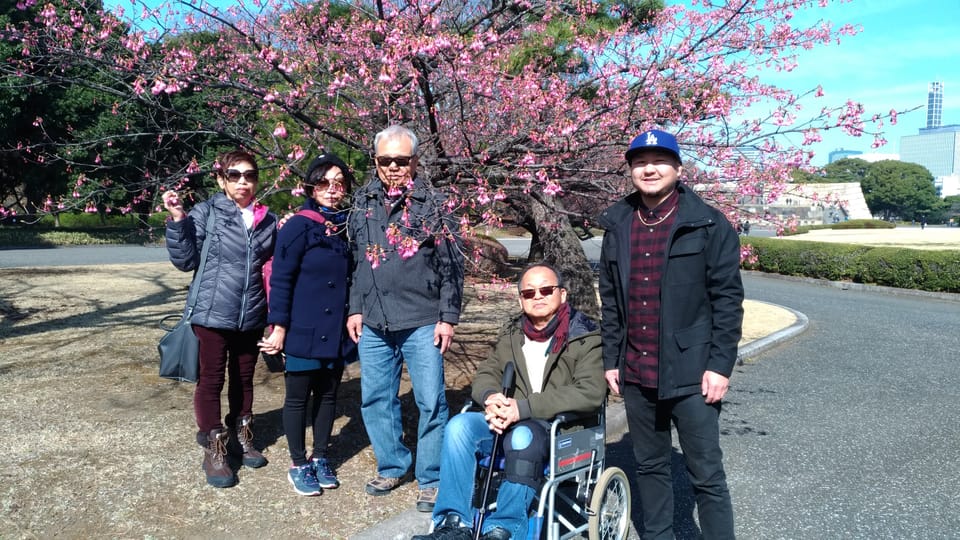
If you want Tokyo to breathe, add a garden. Two popular options are Hama Rikyu Gardens and Shinjuku Gyoen National Garden.
Gardens in Tokyo do something special. They give you space to slow down while still being in the middle of the city. That matters on a private highlights day because it reduces the fatigue factor. It also gives you better photos than you might expect, since the greenery and water features create depth without needing skyscraper views.
These stops also tend to be a good match for people who want cultural context without only museums or indoor sites. A guide can explain why particular features exist and how people use these spaces.
Shinjuku Golden Gai: a tiny slice of nightlife history
Shinjuku Golden Gai is a place you can understand only by being there. The alley-style bars are small, close, and full of character. It’s not the kind of nightlife spot you guess your way through.
This is the type of stop that can make your day feel like Tokyo beyond the postcard. It gives you a sense of how neighborhoods change—modern business towers nearby, then a pocket of older social culture.
Consideration: it’s an active area at night. If your day ends earlier, your guide may use Golden Gai as a shorter look rather than a long sit-down experience. You can also ask what makes the area meaningful culturally so it isn’t just a photo stop.
Getting around: trains, taxis, and having the right money
This is a walking day tour. Your hotel pickup and drop-off are included, but the tour is not done with a private vehicle. Instead, you’ll use public transport and possibly local taxis between sites.
That matters because it changes how you prepare:
- You should budget time for transfers and short walks.
- You should be ready to pay for transportation used for you.
- You should have Japanese yen on hand, since exact taxi/public transit costs can be discussed after you finalize your route.
The good news is that guides often help with the friction points. Several experiences shared by past guests mention help with navigating stations and even using phones for quick transit access. That can turn Tokyo’s subway maze into something manageable.
Also, this tour includes free photos. In practice, that means you don’t have to keep playing photographer while rushing between stops.
Who this tour suits best (and who should rethink it)
This tour is a strong fit if:
- it’s your first time in Tokyo and you want your bearings fast
- you like seeing a lot without planning everything
- you want your interests handled directly, not shoehorned into a fixed route
- your group has mixed ages or different tastes (some guides are especially good at pacing with families)
It may be less ideal if:
- you hate walking and transfers and want everything close together
- you prefer slow, single-neighborhood days
- you’re only interested in one type of sight (like just museums or just shopping)
The best tours often feel like a guided sampler platter, where each stop answers a different question about Tokyo.
Price and value: $106 for a private day that can save your energy
Let’s talk value, not just cost.
At $106 per person for a 4–8 hour private tour, you’re paying for:
- a licensed guide with English or Japanese interpretation
- hotel pickup and drop-off
- free photos
- route planning that can reduce wasted transit time
The extras are where your personal budget comes in: entrance fees, lunch, and your own transportation costs. If you’re planning to do paid entries anyway and you’re going to buy food during the day, the price still makes sense because it bundles the hard part—connecting the dots.
I also like the flexibility around duration. Four hours can work if you want a tight hit of highlights. Eight hours is better if you want gardens, shopping streets, and a slower pace without feeling like you’re sprinting from one landmark to the next.
How to choose your route before you start
Because you’ll be building your own best-day plan, use this simple method.
1) Pick one anchor for each vibe
- Old Tokyo: Asakusa and/or Imperial Palace area
- Quiet break: Meiji Jingu and/or a garden
- Modern fun: Harajuku and/or Akihabara
- Night flavor: Shinjuku Golden Gai
2) Add one “contrast” stop
A garden after a busy market day is a great contrast. A shrine after shopping streets also works.
3) Tell your guide your comfort limits
If you need more breaks, want shade, or have kids with you, say it up front. Several guides in past tours were praised for adapting in real time.
This is where guides like Steve and Tako’s approach really helped guests: planning in advance, then adjusting as the day evolves instead of forcing the schedule to win.
Should you book this Tokyo private highlights tour?
I’d book it if you want a first-day structure that doesn’t feel generic. The combination of a nationally licensed guide, private pacing, and the ability to choose from top Tokyo neighborhoods makes it a smart value for most visitors. The guide help with trains and with cultural context is especially useful early on.
Skip it (or shorten your expectations) if you want a relaxed, unstructured day or if you’re hoping every stop is included with no additional spending. You will likely pay for entrance fees and your own lunch and transport.
If you want Tokyo that makes sense quickly, this is a solid bet. With a strong overall rating of 4.8 from 1,433 reviews and guides like Fumiko, Noripy, Kenji, and Atsushi repeatedly getting high marks for planning and helpful explanations, it’s the kind of tour that tends to feel worth the day.
FAQ
What sights can I choose from on this private Tokyo highlights tour?
You can select from top options such as Asakusa, Imperial Palace, Shinjuku Gyoen National Garden, Tsukiji Fish Market, Meiji Jingu Shrine, Akihabara, Hama Rikyu Gardens, Harajuku (including Takeshita Street), Nezu, Shinjuku Golden Gai, and more.
How long is the tour?
The tour duration is 4 to 8 hours. You’ll need to check availability for the starting times.
Is hotel pickup and drop-off included?
Yes. Hotel pickup and drop-off are included. The tour is a walking day tour, so pickup at the meeting point is on foot and you’ll travel between sites using public transport or taxis.
Are entrance fees and lunch included?
No. Entrance fees (for yourself) and lunch (for yourself) are not included.
Do I need to pay for transportation during the tour?
Transportation costs for you are not included. The tour uses public transport and possibly taxis between sites, and the guide can discuss exact transportation costs after your route is decided. You should have Japanese yen on hand.
Can I cancel for a refund?
Yes. Free cancellation is offered up to 24 hours in advance for a full refund.