REVIEW · TOKYO
Tokyo: Tsukiji Fish Market Guided Walking Tour
Book on GetYourGuide →Operated by Traveling Tokyo · Bookable on GetYourGuide
Tokyo’s food world starts here. This Tsukiji Fish Market guided walk blends Tsukiji Hongwan-ji Temple with the Outer Market so you understand what you’re eating and why it matters.
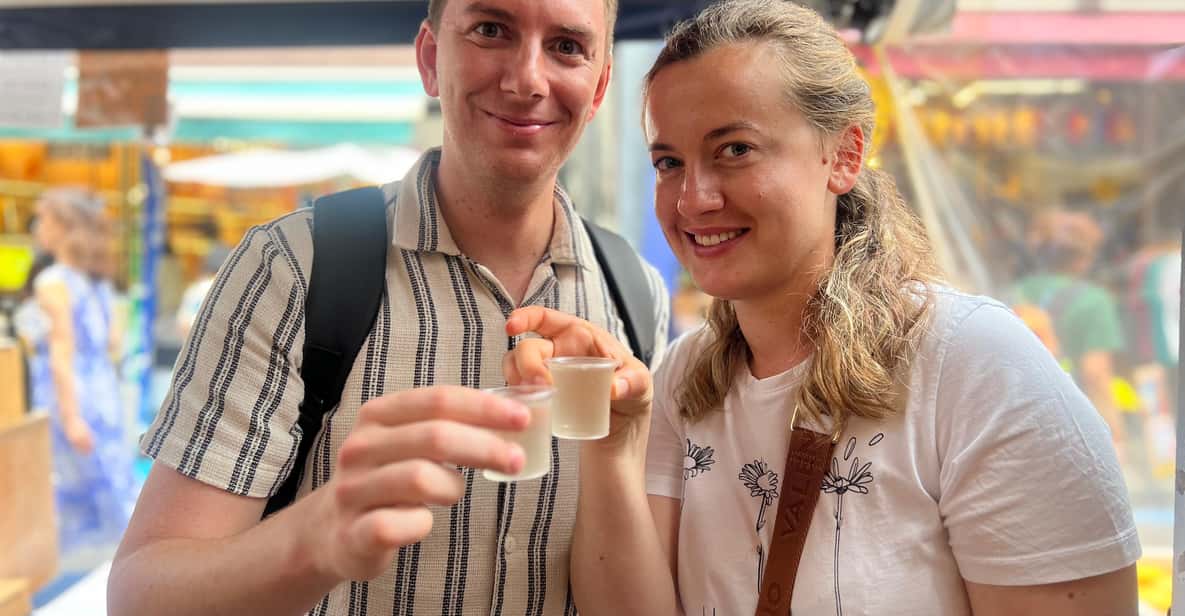
I love the mix of guided culture and real food stops, especially how your guide helps you find the places to try everything from classic seafood bites to sweets. I also like the small-group feel (up to 10 people) and the fact that you get photos during the tour.
One possible drawback: food isn’t included, so you’ll need to bring cash and decide what you want to buy at each stall.
In This Review
- Key things I’d plan around
- Meeting at Starbucks, Then Getting Oriented Fast
- Tsukiji Hongwan-ji Temple: A Calm Start With Meaning
- The Outer Market Walk: How You Actually Enjoy Tsukiji
- Two market blocks, different outcomes
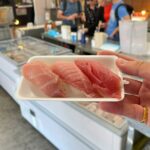
- What You Can Eat (Since Food Isn’t Included)
- How I’d handle seafood if you’re unsure
- Why $22 Can Be Good Value for Tsukiji
- Your Guide’s Role: History, Ordering Help, and Street-Level Picks
- Logistics That Matter Once You’re Standing in the Market
- Who This Tour Suits Best
- Should You Book This Tsukiji Guided Walking Tour?
- FAQ
- Where do I meet the guide?
- How long is the tour?
- Is the tour in English?
- How big is the group?
- Is food included in the tour price?
- Do I need cash?
- Are there entry fees included for the temple and market areas?
- Are photos included?
- Is there free cancellation?
- What’s included in the package besides the guide?
Key things I’d plan around
- Tsukiji Hongwan-ji Temple intro (15 minutes): a calmer start with carvings and an easy way to connect food to tradition.
- Outer Market time split into two blocks (about 100 minutes): you get enough time to eat, compare, and still walk without feeling rushed.
- Food is your choice, not a set menu: you order at each stall, so it works for preferences and allergies if you communicate clearly.
- Meeting at Tsukiji Station Starbucks: easy to find, and a simple place to regroup if you arrive early.
- English live guide, group capped at 10: it’s small enough to ask questions and get real guidance on what to try.
- Photos included: you won’t be stuck balancing your phone while you’re deciding what to eat.
Meeting at Starbucks, Then Getting Oriented Fast
Your tour starts in a very practical spot: Starbucks in front of Tsukiji Station, right where the guide stands by the bench. If you’ve ever wandered Tsukiji on your own, you know how quickly it turns into a maze of stalls, lines, and noise. This route gets you moving in the right direction right away.
You also get a quick win from the format. In just 2 hours, you’re not trying to “cover everything.” Instead, your guide helps you pick stops with purpose—so you leave with a handful of memorable items (and a better sense of how Japanese cooking uses seafood, spices, and pantry ingredients).
The small-group cap (limited to 10 people) matters more than it sounds. With fewer people, your guide can keep pace through narrow aisles, help you place orders, and answer questions without turning the tour into a lecture you can’t hear.
You can also read our reviews of more tours and experiences in Tokyo.

Tsukiji Hongwan-ji Temple: A Calm Start With Meaning
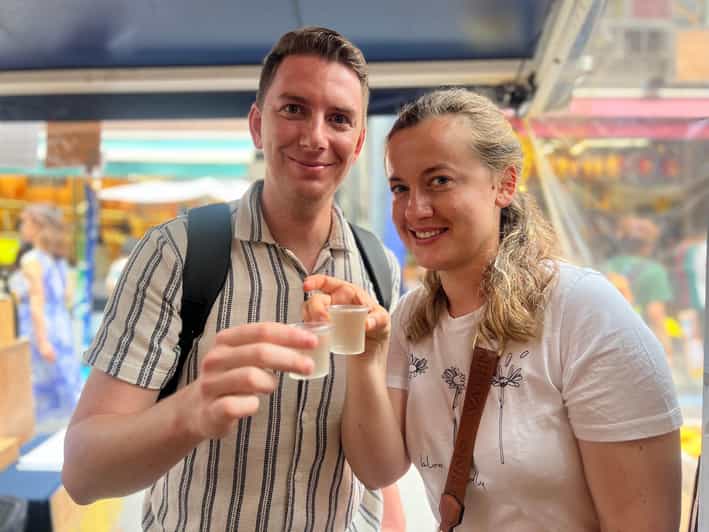
Before you hit the market noise, you’ll walk to Tsukiji Hongan-ji (Hongwan-ji) for about 15 minutes. This stop isn’t just a photo break. The tour introduces the idea that food culture in Japan isn’t separate from daily life, belief, and neighborhood tradition.
The temple experience is described as serene, with an interior that features intricate carvings. That contrast helps you reset your brain after walking through train-station bustle. It also gives your guide a natural way to explain the role of tradition—why markets exist, how community habits get passed down, and how food becomes part of identity.
Practical tip: wear shoes you can stand in. Even the temple stop still means you’re on your feet, and the market afterward is more walking and more stopping.
The Outer Market Walk: How You Actually Enjoy Tsukiji
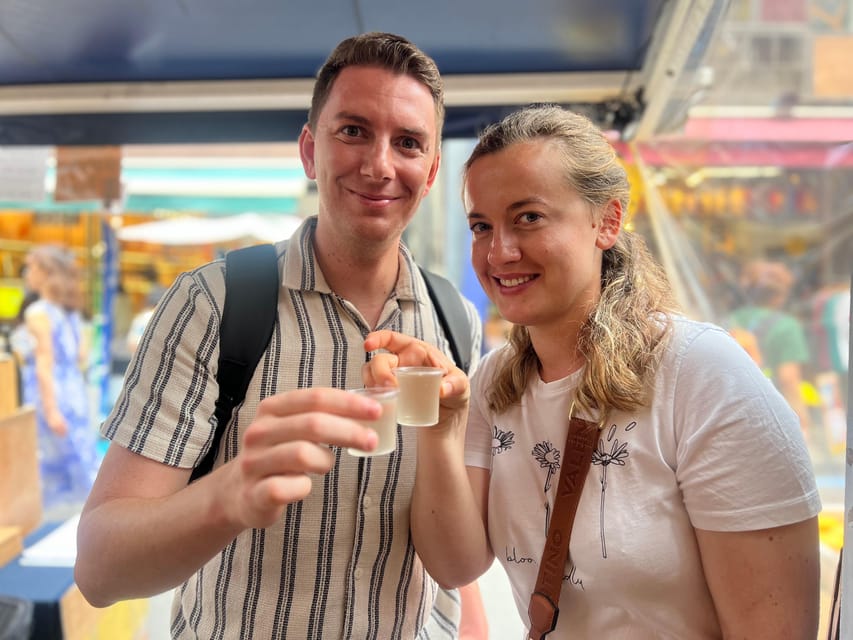
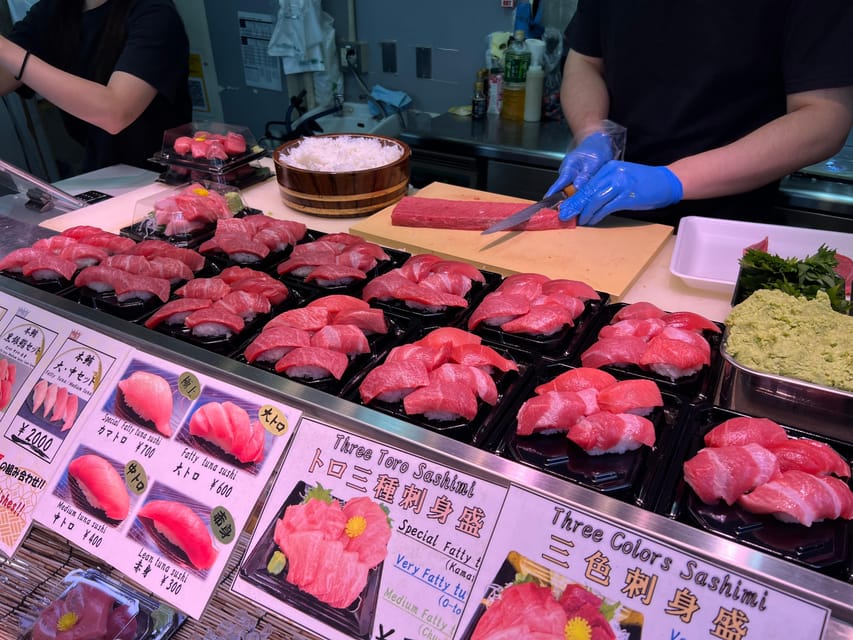
Once you reach the Tsukiji Outer Market, the tour shifts from context to choices. You’ll spend about 50 minutes, then another 50 minutes in this area, guided and focused on shopping and tastings (though food itself is not included in the tour price).
Here’s what makes the guided approach worth it: you’re not just walking past stalls—you’re being directed toward specific vendors and snack types. People who have toured Tsukiji on their own often find it overwhelming. With a guide, you get a plan: where to go first, what to try, and how to order efficiently in a busy environment.
Your guide will explain the market’s significance and how the ingredients connect to Japanese cooking. That matters because Tsukiji isn’t only about “fresh seafood.” The tour is also set up to show you the range of ingredients that show up across Japanese meals—rare seafood, everyday fish and shellfish, vegetables, and even the specialty spices and dry goods that make simple dishes taste intentional.
Two market blocks, different outcomes
That split into two Outer Market segments is a sneaky smart detail. The first half helps you get your footing: you taste a few things, learn how vendors work, and figure out what you like. The second half lets you refine your picks—either by repeating favorites or exploring something you skipped earlier.
If you’re the kind of person who hates indecision, this structure helps. It gives you time to choose without getting trapped in endless wandering.
What You Can Eat (Since Food Isn’t Included)
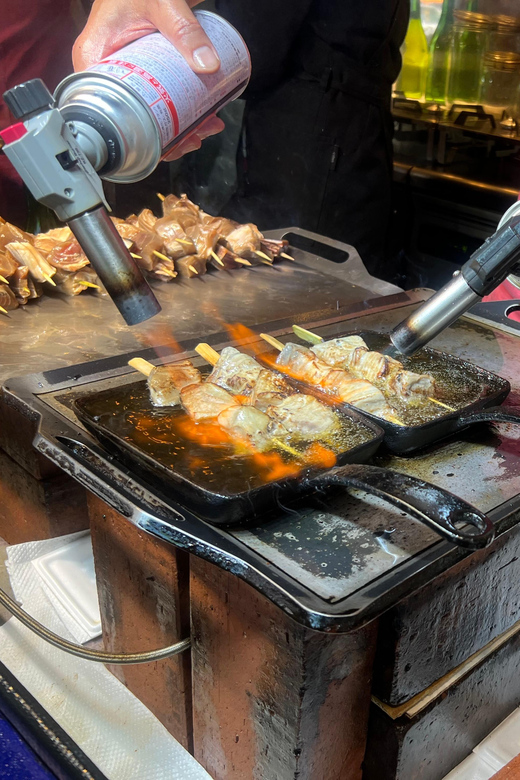
Food is not included in the tour price. You’re meant to order what you want at stalls throughout the market. That sounds simple, but it changes how you should budget and plan.
On a practical level:
- Bring cash, because you’ll be paying at different vendors.
- Expect to try multiple small items rather than one big meal.
- Decide ahead of time whether you want seafood-heavy tasting or a broader mix.
Even when food isn’t included, the tour still sets you up for success. Guides in this program are repeatedly praised for directing people to great stalls and helping them order. Some guides have also been credited with steering groups toward non-touristy spots and using local vendor connections for tastings or samples along the way.
Still, don’t assume every stop is free. The only thing guaranteed is the guidance and the chance to taste by ordering on-site. If you go hungry, you’ll spend more (which can be fun). If you go carefully, you can keep it light and still walk away happy.




How I’d handle seafood if you’re unsure
If seafood scares you, you’re not stuck. The tour covers many kinds of ingredients, and guides can help you select options that fit your comfort level. People have even mentioned enjoying certain highlights like eggs and sweets even when they weren’t big seafood fans.
You’re in control of what you order. Use the guide as your translator for choices, not as a force-fed menu planner.
Why $22 Can Be Good Value for Tsukiji
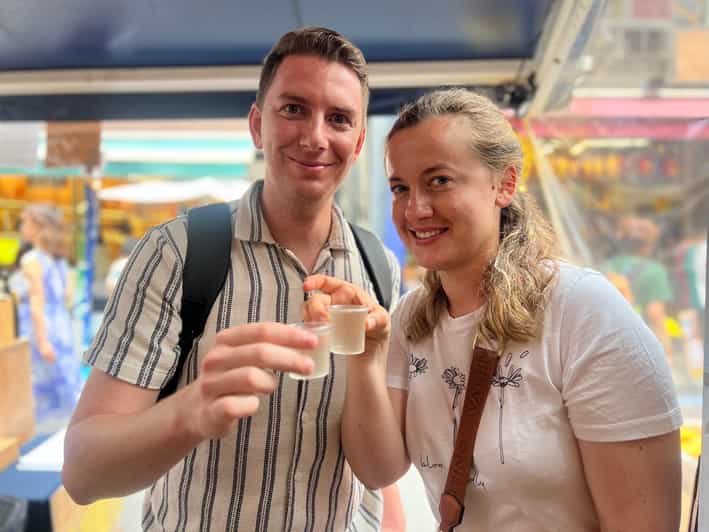
At $22 per person for a 2-hour guided walk, the math works best when you treat it as an “info + navigation + tasting assistance” package rather than an all-you-can-eat deal.
Here’s what you’re getting for that price:
- Live English-speaking guide
- Entry to the market areas and the Hongwan-ji temple (not a paid add-on for you)
- Photos taken during the tour
- Small group size (up to 10 people), which makes the guidance more personal
Then you add what you pay for yourself: food and drinks. In other words, the tour cost buys you direction and context, and you spend your money on what you actually want to eat.
If you plan to buy a few snacks and a drink anyway, the guide becomes a bargain because it reduces wasted time, helps you order faster, and helps you avoid stalls that don’t match your taste.
Your Guide’s Role: History, Ordering Help, and Street-Level Picks
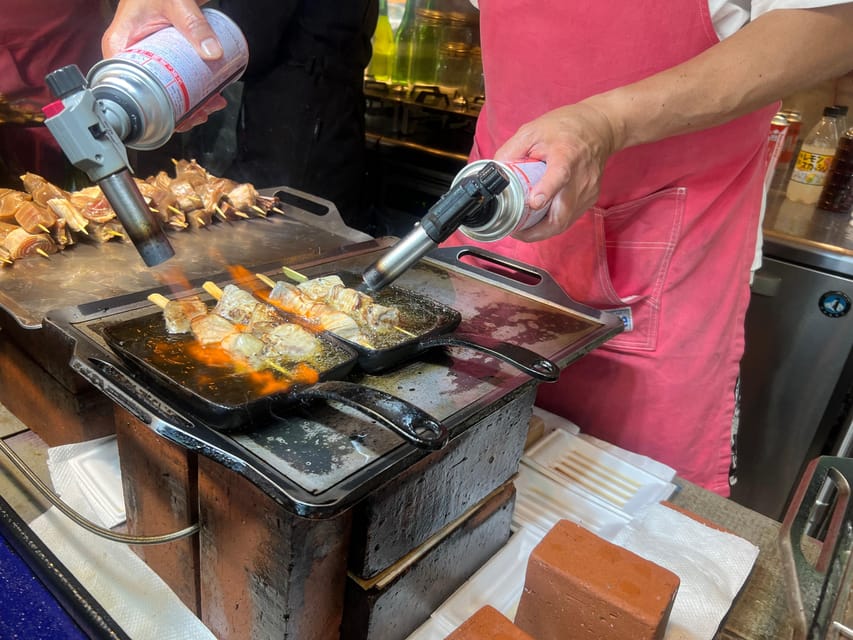
A big part of the experience is your guide. People have credited guides with being strong on market history and Japanese food culture—explaining not just what a vendor sells, but how ingredients fit into Japanese cooking habits and what to pay attention to while you’re tasting.
You’ll also feel the guide in the “human details”:
- Helping you understand what to order at each stop
- Pointing out which stalls are worth your time in a crowd
- Keeping the pace so you don’t feel stuck waiting too long
Names mentioned across guides include Jim, Yayoi, Rie, Nicolas, Haydn, Minori, Joe, and Sayaka. Regardless of who you get, the theme stays consistent: you’re expected to walk away with both flavor and understanding, not just pictures of seafood.
There’s also a small but meaningful “efficiency” value. Some guides have been praised for helping with practical follow-ups like arranging a taxi back to a hotel, which can matter if you’re tired after standing and eating for a couple hours.
Logistics That Matter Once You’re Standing in the Market
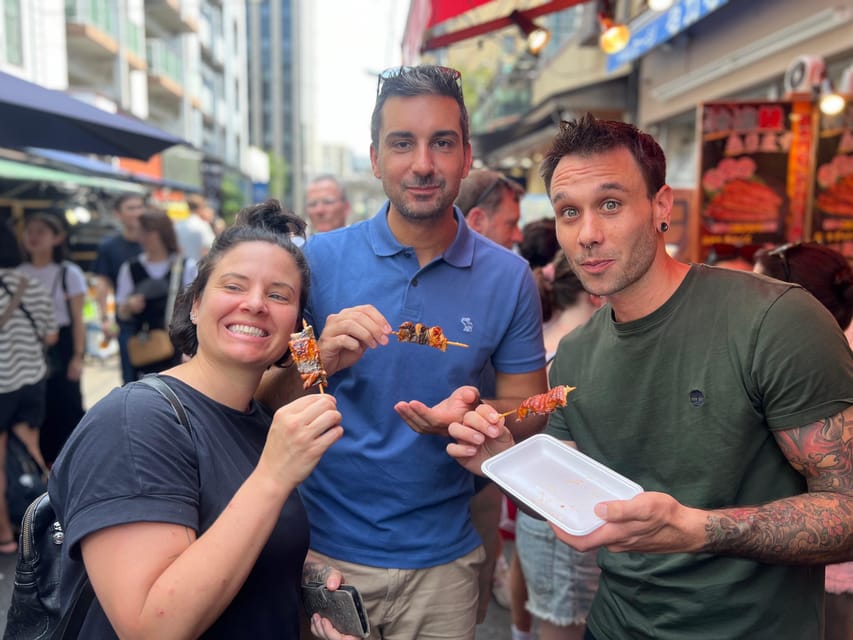
This is a walking tour. You should assume you’ll be on your feet for the whole session, especially around the Outer Market.
Plan for:
- Cash for food purchases
- Comfortable shoes
- Being ready to make quick decisions at stalls
- A phone with battery, but don’t rely on it to solve everything—follow the guide when lines or crowd flow change
The tour also includes entry for the temple and market areas, with the note that entry fees are free as part of the experience. That’s one less hassle while you’re trying to focus on eating.
If you like flexibility, you’ll also appreciate that you can cancel up to 24 hours in advance for a full refund. It’s a small thing, but it helps if your Tokyo schedule shifts.
Who This Tour Suits Best
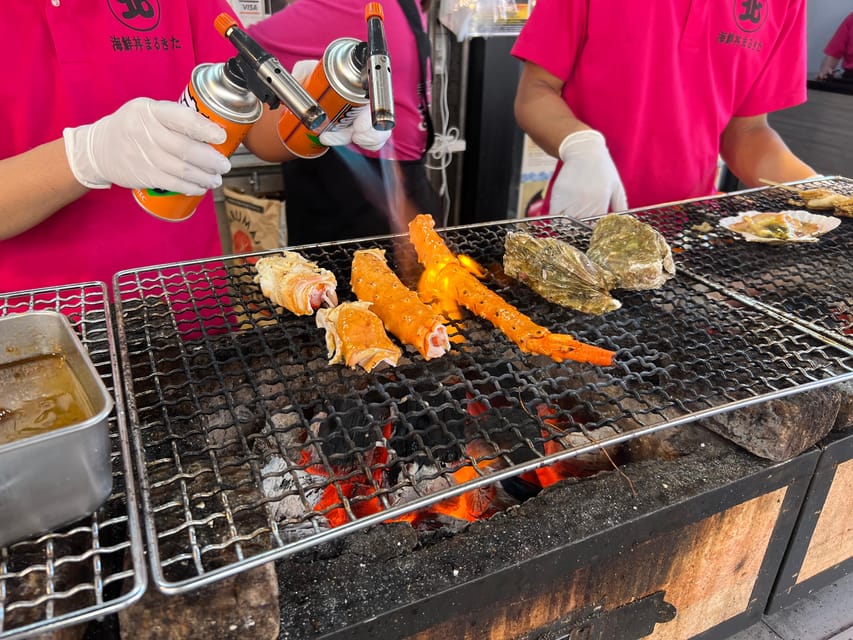
I think this tour is a great match if:
- You want a guided plan in a place that’s easy to get overwhelmed.
- You enjoy tasting Japanese street foods and want help choosing.
- You care about learning the context, not only eating.
- You’re traveling with a small group vibe, not a huge bus crowd.
It’s also a smart pick for your first Tsukiji visit. Guides can point out where you should focus your time if you return later on your own.
If you’re allergic or very picky, you can still make it work because the tour is not based on a set meal. You’ll be ordering as you go, so you can ask questions at each stall. (That said, communicate your needs clearly and be ready for some trial-and-error.)
Should You Book This Tsukiji Guided Walking Tour?

Yes, if you want Tsukiji to feel manageable and meaningful. For $22 and 2 hours, you get a guide who helps you navigate the Outer Market, learn how Japanese food culture ties into ingredients, and hit a temple stop that adds context before you start eating.
Book it especially if you’re the type who would otherwise wander stalls for too long and end up eating whatever is most convenient. With this tour, your choices come faster because the guide helps you pick the right spots.
Skip it only if you’re hoping for a fully paid food experience where you don’t need to budget for snacks. Since food and drinks aren’t included, you’ll want to bring a plan (and cash) so you actually get the tasting experience you’re after.
FAQ
Where do I meet the guide?
You meet your guide at Starbucks Coffee in front of Tsukiji Station, and the guide stands in front of the bench at Starbucks.
How long is the tour?
The tour lasts about 2 hours.
Is the tour in English?
Yes. The live tour guide is English.
How big is the group?
This is a small group capped at 10 participants.
Is food included in the tour price?
No. Food and drinks are not included, and you order what you want at the stalls.
Do I need cash?
Yes. The tour asks you to bring cash for purchases at the market.
Are there entry fees included for the temple and market areas?
Entry fees are included, and the info states they are free for Tsukiji Fish Market, Fish Market, and Hongwanji Temple.
Are photos included?
Yes. The tour includes photos taken during the tour.
Is there free cancellation?
Yes. You can cancel up to 24 hours in advance for a full refund.
What’s included in the package besides the guide?
Included items are the guided walking tour, photos, and entry to the market/temple areas. The only major cost you’ll add is food and drinks you choose to buy.