REVIEW · TOKYO
Tokyo, Shaped Around You: A Private Experience with a Local
Book on Viator →Operated by City Unscripted · Bookable on Viator
Tokyo works better with a local beside you.
This private City Unscripted experience is built around your interests, so you can mix big-name areas like Shibuya and Asakusa with quieter districts and food-stop detours that make the day feel personal. I like the setup that starts with a pre-tour questionnaire and direct messaging with your host, because it prevents the usual hit-or-miss planning. I also love the flexible walking pace and route changes on the fly, which matters in a city that never stops. One thing to weigh: it’s a walking experience with transfers by public transport or taxi, so it’s not the best fit if you need a mostly car-based day.
Your starting point is convenient for exploring central Tokyo, and the itinerary gets pulled from several classic neighborhoods depending on time and your priorities. With guides such as Shoko, Chiara, Justine, Tomo, Amir, and Apy (among others), the day tends to include practical context, neighborhood-level storytelling, and helpful tips for navigating Tokyo without stress.
In This Review
- Key points that make this Tokyo tour work
- A private Tokyo day shaped around your pace
- Where you meet and how you’ll actually move
- Shibuya Crossing energy, plus the side streets that explain it
- Kappabashi tool-and-ceramics shopping or the Skytree district vibe
- Asakusa and Sensō-ji backstreets: the slow, atmospheric Tokyo
- Yanaka’s old-town quiet: wooden houses, temples, and small cafés
- Ginza’s mix of elegance and everyday detail
- Harajuku and Meiji Shrine paths: fashion chaos meets quiet woods
- Shinjuku’s skyscrapers, alley hints, and Tokyo at full volume
- The value question: is $107.62 per person worth it?
- What you should know before you go
- Should you book this private Tokyo local experience?
- FAQ
- FAQ
- How long is this private Tokyo experience?
- Is this tour private or shared?
- Where does the tour start?
- Can my guide pick me up from my accommodation?
- What’s included in the price?
- Is there a fixed itinerary?
- Do I need to pay for transport during the tour?
- What should I do after booking?
- Is cancellation free?
Key points that make this Tokyo tour work
- Tailored routing from a menu of neighborhoods, instead of a fixed checklist
- Pre-tour questionnaire + direct host contact so the plan matches your pace and interests
- Real walking experience with flexible timing, plus transit used only when it saves time
- Central-meet pickup option if your accommodation is convenient for the host
- Extra help is possible for practical needs like train navigation and food ordering
- Most travelers can participate, but plan for comfortable shoes and frequent stops
A private Tokyo day shaped around your pace
This isn’t a scripted “see everything” tour. It’s a private walk, built for 2 to 5 hours, where your host adjusts the route as you go. That flexibility is the main value here. Tokyo can feel like a maze when you’re on your own, so having someone who can reroute you instantly is a real advantage.
You’ll also get a pre-experience questionnaire and direct communication with your local host. That means you start the day with a plan already in motion—whether your focus is shrines and history, street food and markets, or the shopping culture of places like Harajuku and Ginza. Start times are flexible, so it’s easier to fit into your itinerary without forcing a rigid schedule.
And because it’s private, it’s not a “herd you from place to place” style. You set the tempo, including breaks. That shows up again and again in high ratings: guides like Chiara and Tomo are praised for patience and adapting when people needed to sit, slow down, or change interests.
You can also read our reviews of more tours and experiences in Tokyo.

Where you meet and how you’ll actually move
The meeting point is NewDays Harajuku (150-0001 Tokyo, Shibuya, Jingūmae, 1-chōme1820 1F, Omotesando Exit). The activity ends back at the meeting point.
The tour is described as walking-only with no private vehicle. Transfers between areas may use public transportation or local taxis, with transportation costs discussed with your host after booking. That matters because it changes how you should plan your day: instead of budgeting only for a guide, you’ll want a little cash in mind for rides and a bit of room for meals and drinks (not included).
What to bring is simple, but it’s worth saying: comfortable shoes, water, and a light layer. Tokyo neighborhoods you’ll likely hit—Asakusa, Yanaka, Shinjuku, Harajuku—are great, but you’ll walk. High ratings often mention moving between many areas without feeling rushed. You’ll get that only if you’re physically set up for walking.
Shibuya Crossing energy, plus the side streets that explain it
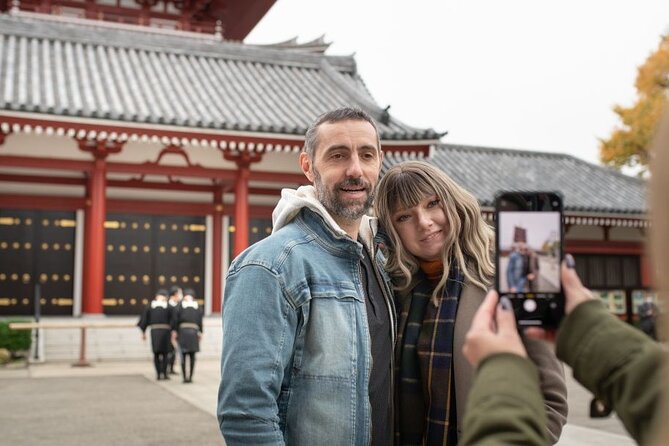
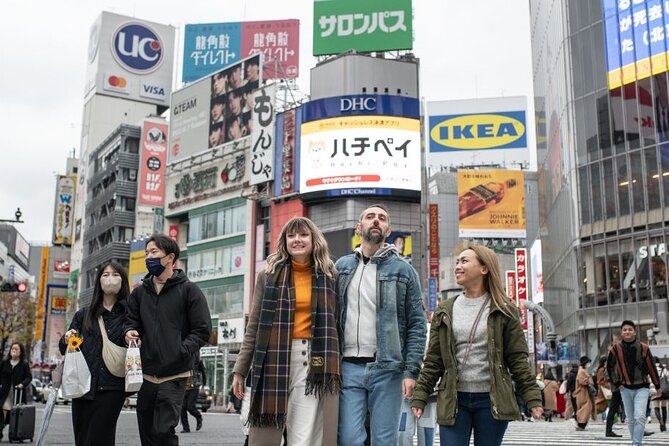
Shibuya is where Tokyo shows off. You’ll get the electric feeling of Shibuya Crossing, the world-famous organized chaos, and then you’ll move through the surrounding streets with a local host. The point isn’t just to stand and look up at the crowd machine—it’s to understand what makes the area tick day to day.
Your host can shape the experience based on what you care about. If you’re into modern Tokyo, expect stops connected to pop culture and neon streets. If you’re more into urban life and social habits, your guide can point out patterns you’d normally miss, like where people actually go after the crossing and how the neighborhood changes block by block.
One practical bonus: Shibuya is also a strong starting area for learning your Tokyo “legs.” If you’re new to the city, guides such as Lauren and Amir have been praised for helping people navigate transit and orient quickly. That’s huge if you don’t want your first day to turn into a train-station scavenger hunt.
Kappabashi tool-and-ceramics shopping or the Skytree district vibe
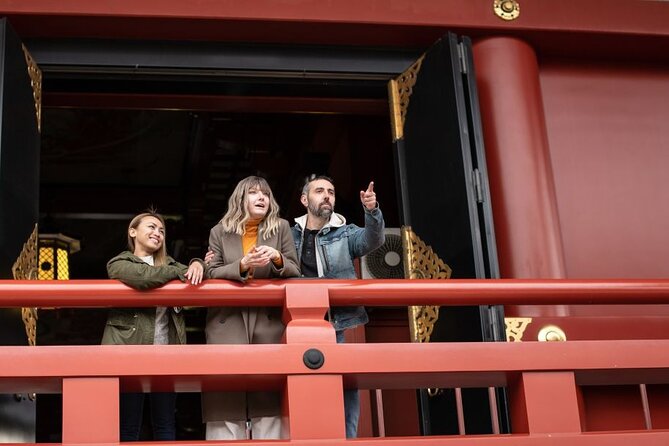
Depending on your preferences, your host may send you toward Kappabashi Street, famous for supplies and crafts—especially chef-focused items like handcrafted knives, plus ceramics. Even if you don’t buy anything, it’s a fun stop because it shows Tokyo’s maker culture in a very practical way. You’ll see how detailed and specialized the retail world can be, and it’s a nice break from purely temple or shopping-tour vibes.
If you’d rather see a different “Tokyo view,” your host can pivot toward the area around Tokyo Skytree. That gives you a change of scenery: more sightseeing energy, more open space than some older districts, and a different style of neighborhood layout.
A good consideration: this stop is optional in the sense that it depends on your route choices. If you’re short on time and your priorities are temples and older streets, you might skip this in favor of more time in Asakusa or Yanaka.
Asakusa and Sensō-ji backstreets: the slow, atmospheric Tokyo
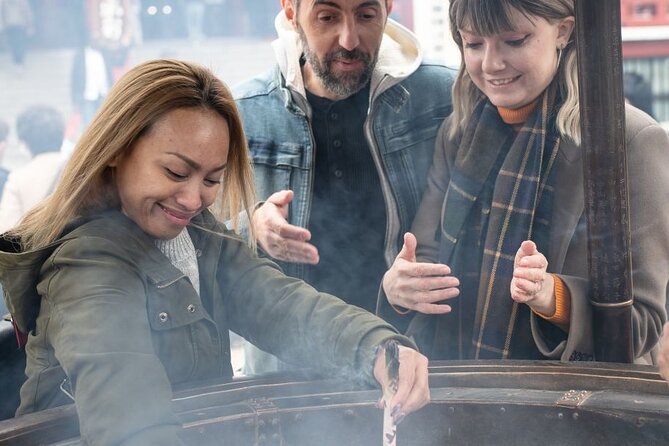
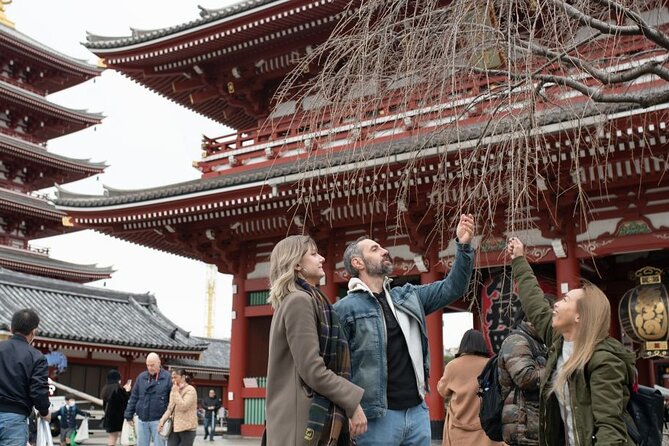
Asakusa is where Tokyo feels older, calmer, and more ceremonial. Your host will guide you through the area around Sensō-ji Temple, then into the historic backstreets nearby. This is one of the stops that works well even if you’re visiting Tokyo for the first time, because it gives you a clear “this is Tokyo’s spiritual core” moment.
What I like about this part of the day is that it’s not just a photo loop. A good host explains why the area looks the way it does, how visitors move through the temple space, and what you should notice as you walk. Guides like Nobu and Noah have been praised for temple-and-shrine context and for making each stop feel understandable, not like a memorization exercise.
There’s also a practical reality: Asakusa is popular. That means you’ll likely see crowds near the temple, but you can still get a more local feel by moving into nearby lanes. The best pacing strategy is simple—let your host set the rhythm and don’t fight the flow.





Yanaka’s old-town quiet: wooden houses, temples, and small cafés
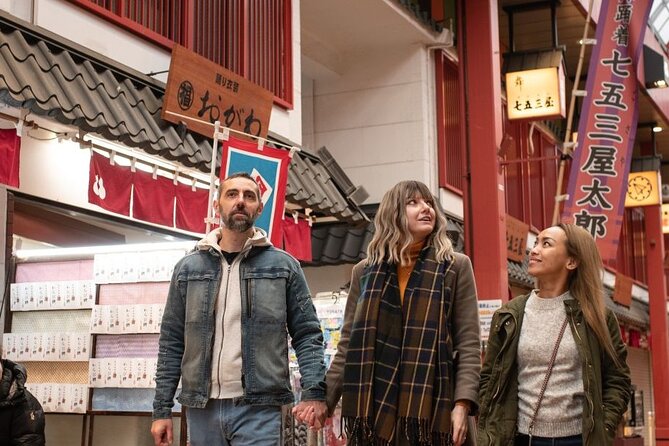
If you want Tokyo’s gentler side, your host may bring you to Yanaka. This district is known for traditional wooden houses, small family-run cafés, and quieter temples. It’s a different mood from Shibuya and even from the busiest parts of Asakusa.
The value here is variety. A day that mixes modern Tokyo with a neighborhood like Yanaka helps you avoid the “same-city feeling” that happens when you bounce only between major attractions. Yanaka gives you slower streets and a chance to see everyday Tokyo life with fewer spectacle distractions.
One thing to plan: it’s still Tokyo, so you’ll want to keep your walking expectations realistic. If you need a pace adjustment, guides like Chiara and others have been praised for handling requests for breaks and sitting when needed, which can make older neighborhoods much more enjoyable.
Ginza’s mix of elegance and everyday detail
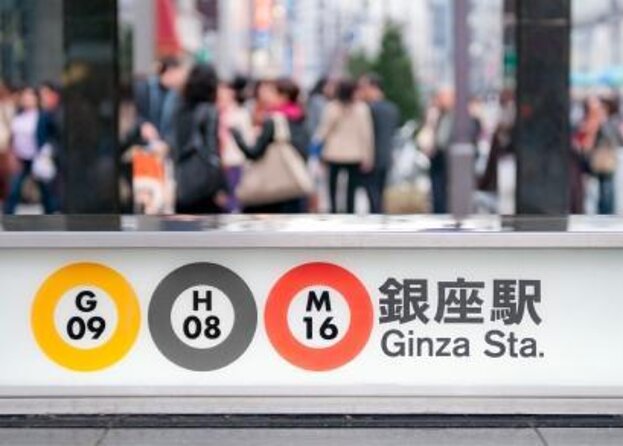
Ginza is often described as elegant, and that’s accurate—but the real interest is how history and modern luxury sit side by side. Your host can guide you down the iconic streets and point out traditional specialty shops alongside department stores and big-brand areas.
This stop works best if you like contrast. You get a chance to see how Tokyo handles “old meets new,” without forcing you into only one style of sightseeing. Even if you’re not shopping, the explanations around what kind of stores live where—and why—add a layer you won’t get by walking alone.
A consideration: Ginza can feel more “planned” than other neighborhoods. If you want maximum discovery through side alleys, you may get more satisfaction by splitting your time between Ginza and a slower district like Yanaka.
Harajuku and Meiji Shrine paths: fashion chaos meets quiet woods
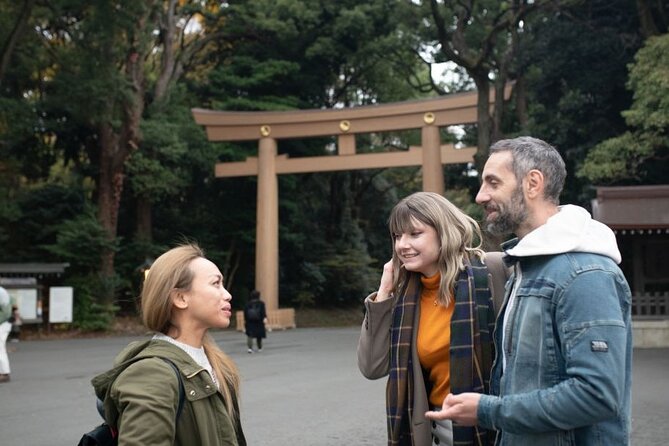
Your tour may include Harajuku, including the area’s eclectic pop-culture energy and shopping culture. It can range from the famous Takeshita Street vibe to quieter paths around Meiji Shrine, where the atmosphere shifts toward greenery and calm walking.
This is a smart pairing because it teaches you something Tokyo visitors often miss: neighborhoods can change character dramatically within a short distance. A good host helps you see the transitions, not just the highlights.
Justine and Chiara are among the guides praised for thorough explanation and making first-time visitors feel comfortable. If you’re new to Tokyo and want a day that covers both style and serenity, Harajuku plus Meiji Shrine paths can be a strong choice.
If you’re easily overwhelmed by crowds, you may want to spend a little more time on the shrine-side routes and slightly less in the most packed shopping lanes. Your host can adapt the balance.
Shinjuku’s skyscrapers, alley hints, and Tokyo at full volume
Shinjuku is a “many Tokyos in one neighborhood” kind of place. Your host can steer you between sleek buildings and more nostalgic alleyways. Depending on your preferences, you might also stop at a panoramic observation deck area for a view.
This part of the tour is where you can really feel how Tokyo functions as a city, not just a collection of landmarks. Shinjuku can be loud and fast, so pacing matters. The private format is the reason this works: you can spend longer where you’re interested and skip what doesn’t grab you.
Several guides—like Toshi, Amir, and Kieran—have been praised for mixing historical background with practical city navigation. If you want to understand what you’re seeing, not just where to point your camera, this stop is a good fit.
The value question: is $107.62 per person worth it?
At $107.62 per person, you’re paying for a private, local-guided walking experience with flexible routing over about 2 to 5 hours. That sounds like a lot until you consider what you’re buying.
You’re not only buying entrance tickets (not included). You’re buying:
- a route that’s chosen around your interests
- real context for what you’re seeing (temples, markets, neighborhoods, street culture)
- help with pacing so the day doesn’t turn into a fatigue sprint
- direct communication ahead of time, so you don’t start cold
In practice, guides have also been praised for practical assistance. For example, Hiroko has been specifically mentioned for helping with train-system understanding and even planning around Shinkansen tickets to Kyoto in conversation with the group’s needs. Another big theme: guides help people order food and handle small real-world issues with less stress. Not every request fits every itinerary, but it’s a sign of how flexible hosts can be.
Is it worth it for every traveler? If you love self-guided wandering and you’re comfortable figuring Tokyo out on your own, you could skip this and spend the money on experiences and food. But if you want your first Tokyo day to feel smooth, personal, and meaningful, the private guide format is where the value shows up.
What you should know before you go
A few practical expectations will help you have a better day:
- It’s a walking experience, so comfortable shoes matter. You’ll see more this way, but you’ll also feel it in your legs.
- Food, drinks, and entry fees are not included. Your host can choose stops together with you on the day if you want.
- Transportation between sites may happen via public transit or taxi, and those ride costs aren’t included.
- Language experience can vary by host. One review mentioned an English limitation as a drawback, so if language comfort is important to you, message your host before the day.
If you plan around those realities, you’ll get the best version of the tour: a day that feels like Tokyo, with fewer wasted steps.
Should you book this private Tokyo local experience?
I think this is a strong book if you want Tokyo to feel personal fast. It’s especially useful for first-timers who want temples and classic neighborhoods but also want local texture—side streets, neighborhood pacing, and context that makes the city make sense.
Book it if:
- you care about specific interests (temples, markets, shopping districts, quiet old neighborhoods)
- you want a flexible route without giving up on key Tokyo moments
- you’d rather spend money on a guide than on multiple uncertain day plans
Skip it if:
- you hate walking and need a mostly car-based plan
- you want a strict, fixed itinerary with guaranteed stops regardless of your interests
- you’re happy to navigate and learn Tokyo entirely on your own
FAQ
FAQ
How long is this private Tokyo experience?
It runs about 2 to 5 hours.
Is this tour private or shared?
It’s private. Only your group participates.
Where does the tour start?
It starts at NewDays Harajuku: 150-0001 Tokyo, Shibuya, Jingūmae, 1-chōme1820 1F, Omotesando Exit.
Can my guide pick me up from my accommodation?
Pickup is offered if your accommodation is central. The local host can meet you at your accommodation if it’s convenient.
What’s included in the price?
Included are the private experience shaped around your interests, a pre-experience questionnaire, direct communication with your host, flexible route and pacing, and local insight and conversation tailored to you. The price does not include food, drinks, entry fees, or transportation costs during the experience.
Is there a fixed itinerary?
No. You won’t get a guaranteed fixed list of attractions. The route can change based on your preferences and your host’s choices during the day.
Do I need to pay for transport during the tour?
Transportation costs during the experience are not included. Public transportation or local taxis may be used to transfer between sites, and costs can be discussed with your host after your reservation is finalized.
What should I do after booking?
You’ll receive a short online questionnaire to share your interests, preferences, and must-sees. Your City Unscripted guide will then reach out to craft a customized itinerary.
Is cancellation free?
Yes. You can cancel up to 24 hours in advance for a full refund. After that time window, the amount paid won’t be refunded.