REVIEW · GINZA
Mount Fuji, Kamakura, Big Buddha, & Lake Ashi Day Trip
Book on Viator →Operated by Amigo Tours Japan · Bookable on Viator
Fuji in a single day is a tall order. This day trip stacks Kamakura’s Great Buddha, a scenic Lake Ashi pirate-ship cruise, spring-fed ponds, and multiple Mount Fuji photo chances into one efficient 11-hour outing.
I love the early start that helps you see the iconic spots before the day gets hectic, and I love that you get guided context in English (or English/Spanish) instead of just riding around with a map. The one drawback is the big one: Mount Fuji visibility depends on weather, so a cloudy day can reduce the payoff.
In This Review
- Key things to know before you go
- The real promise: four to five Fuji moments, plus culture
- Starting at 7:00 AM: why that matters
- Kotoku-in’s Great Buddha: the one stop that hits immediately
- Hakone’s Lake Ashi cruise: scenic time you can control (mostly)
- Oshino Hakkai: the spring-fed village break
- The later Fuji hunt: Oishi Park and Lake Kawaguchi photo timing
- Price and value: what $109 buys you (and what it doesn’t)
- Guides, language, and the group pace
- What to bring for a cold, cloudy, or clear Fuji day
- Who this day trip is best for
- Should you book this Mount Fuji, Kamakura, Big Buddha, & Lake Ashi day trip?
- FAQ
- What time does the tour start?
- How long is the day trip?
- Is lunch included?
- Are the Big Buddha and Lake Ashi cruise included automatically?
- How long do you spend at the Great Buddha in Kamakura?
- Can I expect to see Mount Fuji?
- Is the Lake Ashi cruise included even if Fuji isn’t visible?
- How big are the groups?
- What is the cancellation policy?
Key things to know before you go
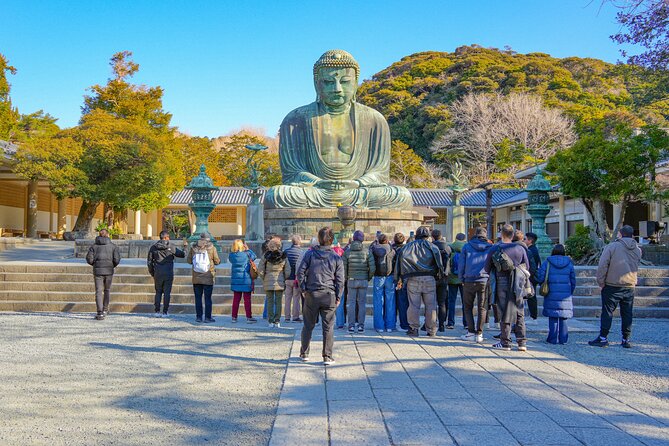
- Great Buddha at Kotoku-in (about 20 minutes): A massive bronze statue in Kamakura’s temple grounds, including its included admission with the option.
- Hakone’s Lake Ashi cruise (about 10 minutes): A short boat ride with a real shot at seeing Fuji reflected on clear days.
- Oshino Hakkai ponds (about 1.5 hours): A Fuji-spring village built around clear water, with an optional lunch stop.
- Mount Fuji viewing time (about 1 hour): A dedicated Fuji slot, plus later photo time from Lake Kawaguchi’s Oishi Park area.
- This is a timing-heavy day: Traffic and weekends can shift the return, which can shorten your time at the later stops.
The real promise: four to five Fuji moments, plus culture
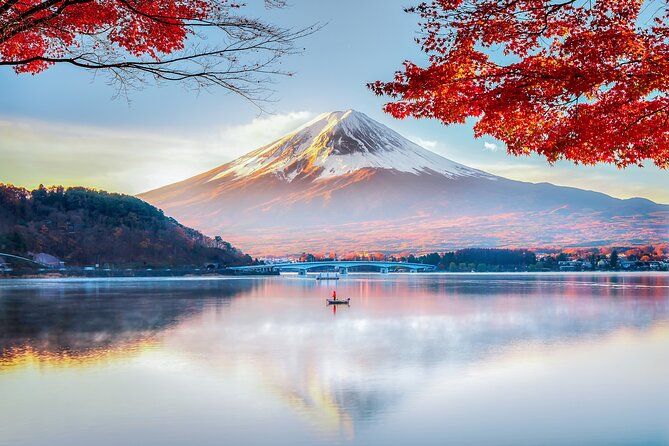
This tour is built for people who want a lot of variety without the hassle of arranging trains, transfers, and tickets on their own. You’ll start the morning aiming at one of Japan’s most famous symbols—Mount Fuji—and then spend the rest of the day weaving through Buddhism and classic scenic water spots.
What makes the plan feel smart is that it doesn’t rely on one single view. You get a Mount Fuji time slot early in the day, then another chance later around the Lake Kawaguchi / Oishi Park area. Add in the Lake Ashi cruise, and the day has multiple “window” moments even when clouds roll in.
You can also read our reviews of more tours and experiences in Ginza.
Starting at 7:00 AM: why that matters
The trip begins at 7:00 AM and runs about 11 hours, with the day ending back at the meeting point. That early start isn’t just a schedule detail—it’s how you reduce the stress of crowd spikes at temple sites and scenic viewpoints.
Also, you’re not expected to be physically intense for hours, but the tour does require moderate physical fitness. That usually means: getting on and off a bus, walking through crowds, and standing for photos at viewpoints. If you’re sensitive to long days, plan on a slow pace during your free time and save your energy for the photo stops.
Kotoku-in’s Great Buddha: the one stop that hits immediately
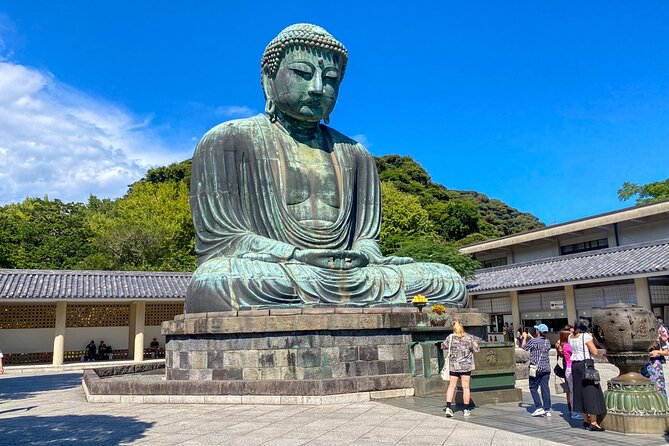
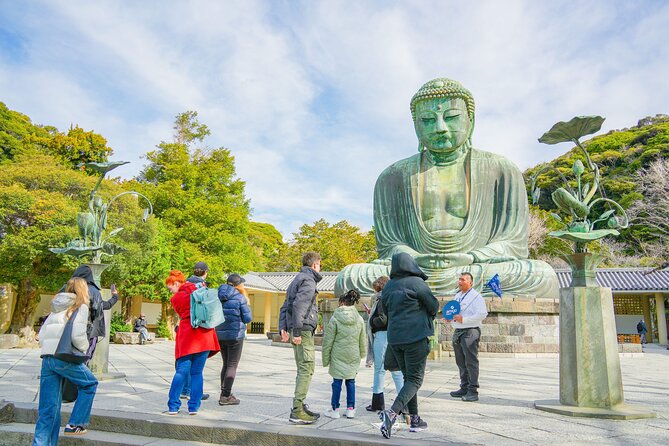
Kamakura’s Kotoku-in is home to the Great Buddha, a bronze statue about 13.35 meters tall. The tour’s stop there is short—around 20 minutes—but that’s often the right amount of time for a monument like this. The statue is the headline, and you can wrap the visit with quick photos and a calm look around the temple grounds.
This is also one of the smartest places to enjoy the “early advantage.” A temple visit at first light or early morning tends to feel easier, and your photos are less likely to be ruined by constant foot traffic.
If you choose the option that includes the Buddha ticket, you save time from hunting down the admission process on the spot. Either way, this stop works even on a cloudy day because it doesn’t depend on Fuji being visible.
Hakone’s Lake Ashi cruise: scenic time you can control (mostly)
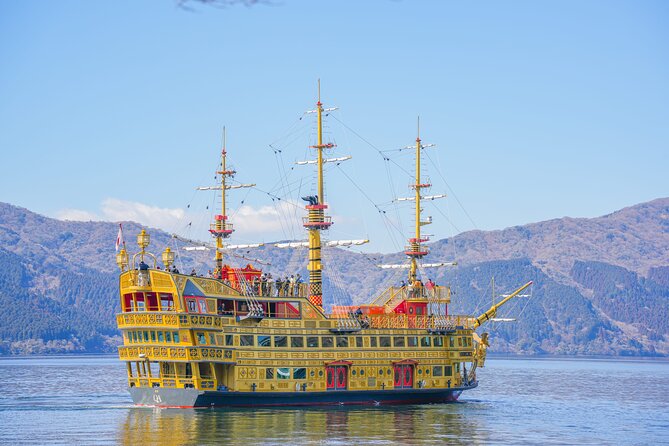
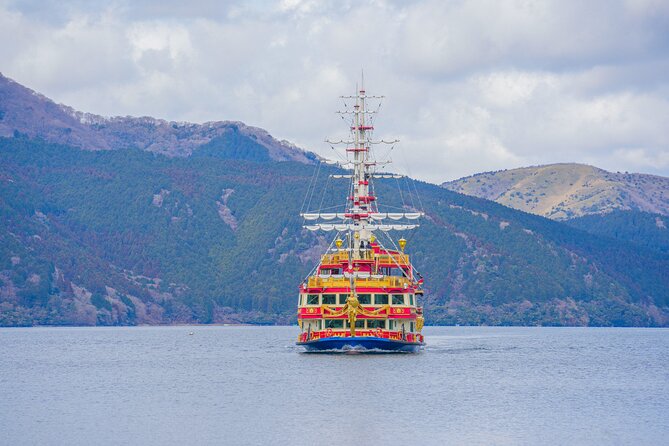
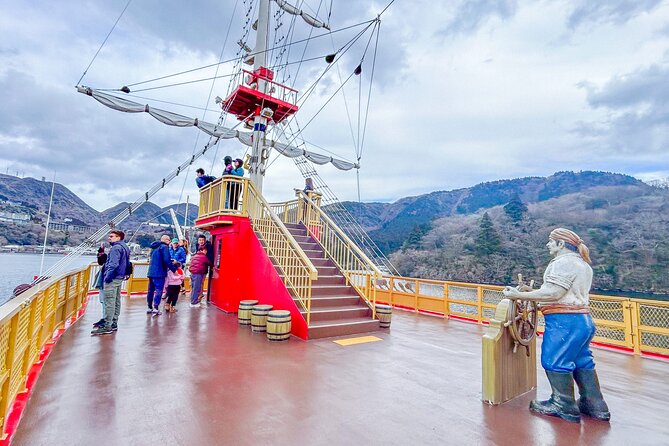
From Kamakura toward Hakone, you’ll head to Lake Ashi (a volcanic lake). The tour includes a boat cruise of about 10 minutes on a Hakone “Pirate Ship” style vessel when the cruise option is selected.
Here’s the practical angle: that cruise is short enough that you’re not stuck waiting for hours in wind and chill. But it’s long enough to feel like you actually left the bus and moved onto the water. On a clear day, you may even see Mount Fuji reflected on the lake surface, which is one of the classic photo effects Japan does well.
Weather is still the boss. If visibility is poor, you’ll get the water-and-mountain scenery without the mirror moment. Still, a lake cruise beats a bus-only day because it breaks the rhythm and gives you a different viewpoint.
Oshino Hakkai: the spring-fed village break
Next comes Oshino Hakkai, a village known for clear spring water connected to Mount Fuji’s underground springs. The time here is about 1 hour 30 minutes, and it’s one of the best “slow down” segments in the day.
If you select the lunch option, you’ll eat at a restaurant in Oshino Hakkai. If you don’t, you’ll still have time to find your own food. Either way, this stop is about more than eating—it’s a chance to see how Fuji’s water story shapes everyday life around these ponds.
A tip that helps: treat your photo time at Oshino Hakkai as “small bursts.” There are lots of angles in a compact area, and you don’t need to linger in one spot for long. If you want the calmest pictures, step aside from the most obvious walking lanes and give yourself a few minutes to watch how the water looks with changing light.
The later Fuji hunt: Oishi Park and Lake Kawaguchi photo timing
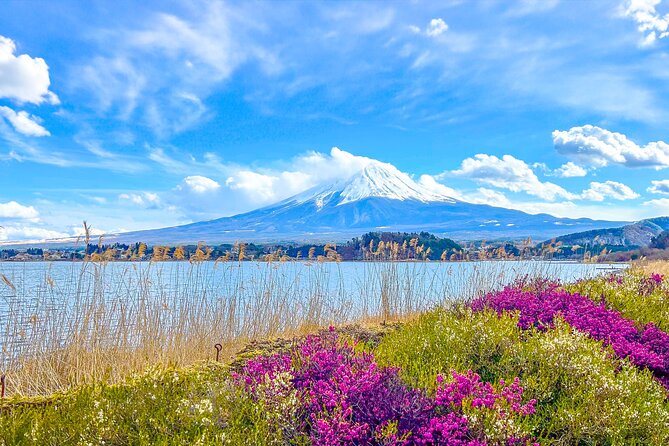
As the day goes on, the tour shifts back into Fuji viewing mode through Oishi Park, a location famous for framing views with seasonal flowers and the calm waters of Lake Kawaguchi. This is where the day’s “photo payoff” often happens—if the sky is cooperative.
Oishi Park also makes sense after Oshino Hakkai because you’re still in a Fuji-themed zone, but the scenery changes. Instead of temple and springs, you’re back in classic lake-and-mountain compositions. Even if Fuji is faint, the combination of waterlines and flower timing can still produce strong photos.
One thing to keep in mind: the tour schedule can tighten if traffic runs late or if you’re dealing with peak-season congestion. The operator notes that return time may be delayed on weekends and in busy periods, so the last stop could feel shorter on those days. If you care most about the Fuji shot, this is why you should stay fully ready for photos at the earlier viewing points too.
Price and value: what $109 buys you (and what it doesn’t)
At $109 per person, this is a classic “pay to simplify” kind of day trip. You’re paying for:
- a guided group experience in English (or English/Spanish),
- transportation from the meeting area,
- and included ticketing/activities depending on the options you choose (notably Kotoku-in Big Buddha and the Lake Ashi cruise, plus optional lunch).
You’re not just paying for transportation. The value comes from removing the friction: figuring out connections, buying tickets, and building a route across multiple regions in a single day.
What you should watch for is what the tour does not include. Lunch is only included if you select that meal option. Some stops list admission as not included, so you may still need money for small purchases even when major entry is covered.
To me, the value makes the most sense if you’re:
- short on time in Tokyo,
- okay with a long day,
- and want a structured plan with minimal decision fatigue.
Guides, language, and the group pace
The tour runs with a small cap—up to 30 travelers—which is a big deal for a day like this. Smaller groups tend to keep the bus flow smoother at stops and make it easier to follow instructions.
Language support is also a practical point. Your tour is guided in English or bilingual English/Spanish, depending on the option selected. In real-world terms, that means you’ll spend less time guessing what you’re looking at and more time understanding why the place matters—temple context at Kotoku-in and scenery context at the Fuji/lake areas.
Pacing is where you’ll feel both the strength and the downside of this format. When everything runs on time, the itinerary feels efficient and you’ll hit each highlight without rushing your own feet too much. When delays happen (traffic, congestion, weather), the later stops can feel tighter. The tour is built for moving on time, so you’ll want to be ready quickly when the group reassembles.
What to bring for a cold, cloudy, or clear Fuji day
Even in comfortable months, Fuji-area weather can swing fast—especially early morning near water. Based on the vibe of how these stops work, I’d pack like this:
- Comfortable shoes for temple grounds and viewpoint walking
- A light layer you can add or remove quickly
- Umbrella or hat in case the weather turns
- Water (you’ll be on the go from morning to evening)
- Some cash, since certain shops and small scenic areas may not take cards
- A battery pack if you’ll be shooting photos all day
- If you’re chasing the best shots, bring a phone camera setup (wrist strap or simple phone grip helps)
If Fuji is hidden by clouds, it still helps to have warm gear because you’ll likely stand and wait for the sky to change. Clear days are great, but the “almost clear” days are where you earn the best patience.
Who this day trip is best for
This tour fits best if you want a high-hit “greatest hits” day without doing logistics yourself.
You’ll probably love it if you:
- want to see Kamakura’s Great Buddha in the morning,
- like scenic water time such as Lake Ashi,
- and want multiple chances for Mount Fuji photos without booking separate day trips.
You might think twice if you:
- hate long days,
- need a slow, linger-all-afternoon pace,
- or are extremely dependent on seeing Fuji clearly (because weather decides that part).
Should you book this Mount Fuji, Kamakura, Big Buddha, & Lake Ashi day trip?
If your priority is efficiency—Buddha plus lakes plus Fuji viewpoints in one day—this is a solid choice for Tokyo visitors. The combination of included guided time, transportation, and optional activities like the Kotoku-in ticket and Lake Ashi cruise makes the $109 price feel reasonable for what you’re trying to accomplish.
I’d book it when you’re:
- okay with a structured schedule,
- willing to dress for changing weather,
- and happy knowing the Fuji view is a chance, not a guarantee.
If you’re the kind of traveler who wants long, unhurried exploring at just one or two locations, then a slower, self-arranged plan might suit you better. But if you want a big slice of Japan’s icons—without the planning burden—this day trip is built for you.
FAQ
What time does the tour start?
The tour starts at 7:00 AM.
How long is the day trip?
The duration is about 11 hours.
Is lunch included?
Lunch is included only if you select the lunch option. Otherwise, you’ll eat on your own at the free time stop.
Are the Big Buddha and Lake Ashi cruise included automatically?
They depend on the option you choose. The Big Buddha (Kotoku-in) ticket is included if the option is selected, and the Lake Ashi cruise is included if selected.
How long do you spend at the Great Buddha in Kamakura?
You spend about 20 minutes at Kotoku-in for the Great Buddha.
Can I expect to see Mount Fuji?
Mount Fuji visibility depends on weather conditions, so you should plan for the possibility that Fuji may be limited or obscured.
Is the Lake Ashi cruise included even if Fuji isn’t visible?
Yes, the cruise is part of the experience when selected. Fuji reflections depend on conditions, but you still get the boat ride.
How big are the groups?
The tour has a maximum of 30 travelers.
What is the cancellation policy?
You can cancel up to 24 hours in advance for a full refund. If you cancel within 24 hours, the amount paid is not refunded.