REVIEW · NANTA
Seoul: NANTA Show Ticket in Myeongdong or Hongdae Theater
Book on GetYourGuide →Operated by PMC PRODUCTION · Bookable on GetYourGuide
One-hour wedding chaos, powered by drums.
NANTA is one of those shows that works even if you do zero Korean, because the laughs come from physical comedy and rhythm you feel in your bones. I love how the chefs use everyday kitchen gear as real instruments, and I also love the way the energy stays high from the first beat to the final payoff. One thing to consider: the sound is loud, and it can be a lot for small kids or anyone sensitive to noise.
You can see it in Myeongdong or Hongdae, and the setup is built for international audiences. The story is simple: three chefs must pull off ten wedding dishes in one hour, and pressure turns the kitchen into a stage-sized disaster movie. The only real drawback is practical: the Myeongdong venue can be tricky to spot from the street, since it’s on the 3rd floor of the UNESCO Building and doesn’t look like a typical theater.
In This Review
- Quick Hits Before You Go
- Why NANTA Feels Like a Live Food Fight (But Smarter)
- Where to Watch It: Myeongdong vs Hongdae Without the Headache
- Myeongdong’s UNESCO Building is the one to double-check
- Hongdae is often easier for an evening vibe
- The One-Hour Wedding Plot You’ll Get Instantly
- The Real Star: Samulnori Rhythm Meets Pots-and-Pans Music
- Audience Participation: Fun, Risky, and Usually Worth It
- Loud Drumming and How to Plan for It
- Timing Your Night: Myeongdong Market Add-On or Hongdae Drift
- How Long It Feels (and Why the Pace Works)
- Value and Price Logic: Why a Ticket Can Be a Big Win
- Should You Book This NANTA Show Ticket?
- FAQ
- Is the NANTA show in Seoul non-verbal?
- Where is the Myeongdong NANTA Theater located?
- Can I mix up Myeongdong NANTA with another theater?
- Do I need to know Korean to enjoy the show?
- Is the show appropriate for children?
- Are infants allowed?
- How long is the show?
- Will I be involved if there is audience participation?
- Is the show loud?
- What’s included with the ticket?
Quick Hits Before You Go
- Non-verbal story, easy to follow: The comedy does not depend on understanding Korean
- Samulnori + kitchen percussion: Pots and pans become the soundtrack
- All ages, real audience energy: It plays well for kids, teens, and adults
- Audience participation happens: You might get pulled onstage
- Myeongdong location tip: It’s on the 3rd floor of the UNESCO Building and can be hard to find
- Loud show warning: Drumming volume is part of the experience
Why NANTA Feels Like a Live Food Fight (But Smarter)
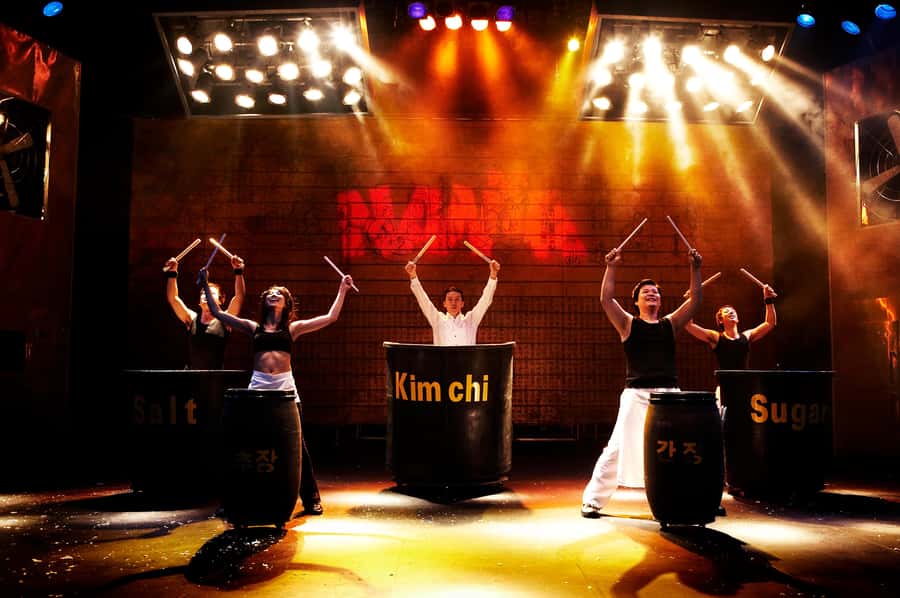
NANTA is the rare Seoul show that feels like theater, comedy, and music all at once. The premise is pure momentum: three chefs are tasked with creating ten wedding dishes in one hour. The clock starts ticking, mistakes multiply, and the kitchen becomes a percussion-driven slapstick battlefield.
The best part for you is that you don’t need to translate. The show is non-verbal, so the beats, gestures, timing, and chaos cues do the storytelling. Even if you arrived tired from walking all day, the pace basically resets your brain. And yes, it’s also genuinely funny, not just “tourist-friendly funny.”
You can also read our reviews of more tours and experiences in Nanta.
Where to Watch It: Myeongdong vs Hongdae Without the Headache
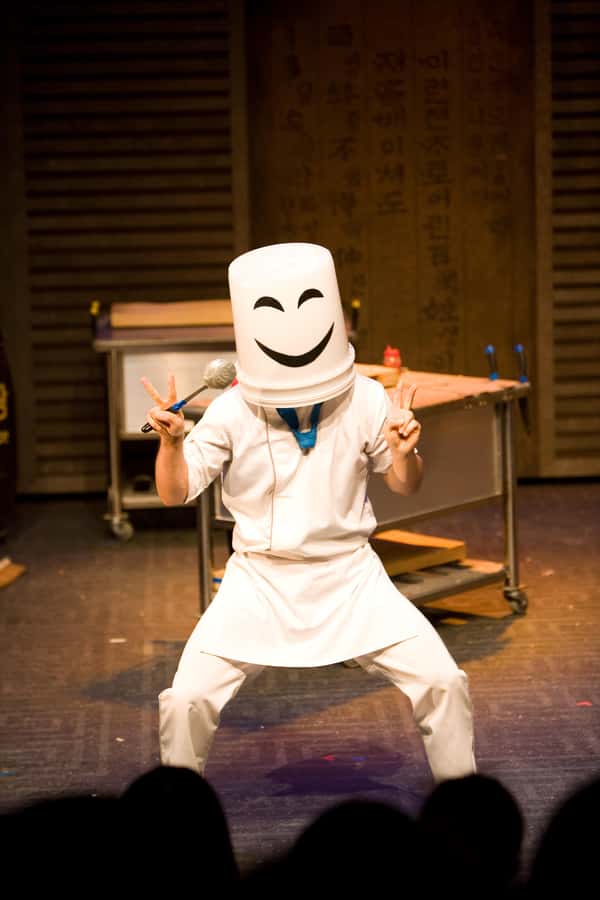
You can catch NANTA at either the Myeongdong or Hongdae theater option. The experience is the same idea, but the night around it will feel different depending on which area you choose.
Myeongdong’s UNESCO Building is the one to double-check
In Myeongdong, the theater is on the 3rd floor of the UNESCO Building. Since it doesn’t look like a classic theater from the outside, it can be confusing at first. Here’s the practical move: check the exact location before you head out, so you’re not wandering while your show time is approaching.
Also, don’t mix it up with the Myeongdong Arts Theater. The names are close enough to cause real confusion when you’re tired and jet-lagged.
Hongdae is often easier for an evening vibe
Hongdae tends to be more casual-feeling at night, with plenty of places to grab a snack or wander after. If you want a night that feels lively before the show, Hongdae can fit that mood well. The show still does not require language skills, so you can focus on the performance instead of decoding the story.
The One-Hour Wedding Plot You’ll Get Instantly
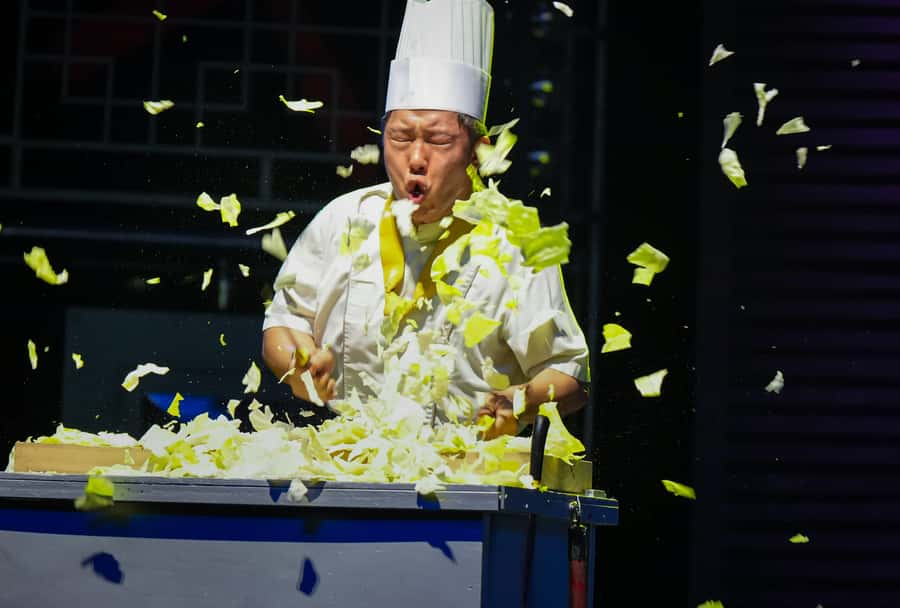
The show’s storyline is built for quick understanding. Three chefs are suddenly responsible for cooking ten wedding dishes inside one hour. As time runs out, everything escalates: missed steps, frantic work, and escalating chaos that turns into set-piece comedy.
You’ll follow the plot through actions, sound effects, and clear rhythm changes. There’s not much spoken language to catch, and that’s a big part of why it works for international audiences. Several people point out that even if you speak English only, the experience still lands well because the performance stays readable through body language.
The wedding theme also helps. It’s familiar, so the stakes are obvious: weddings need things to go right, and kitchens rarely cooperate when the deadline gets crazy. The result is humor that doesn’t rely on cultural inside jokes.
The Real Star: Samulnori Rhythm Meets Pots-and-Pans Music
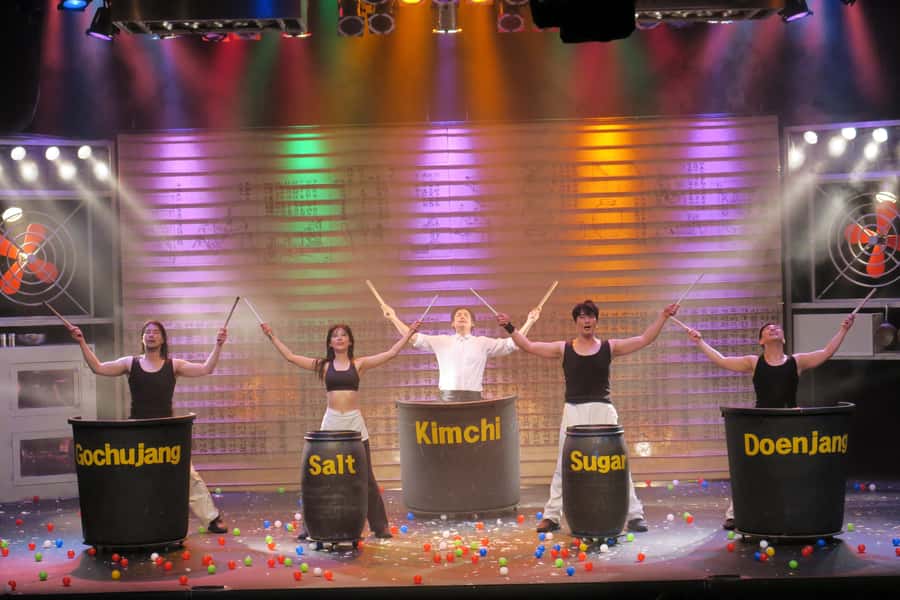
NANTA blends Samulnori rhythms with theatrical chaos. Samulnori is all about driving percussive energy, and NANTA takes that power and channels it through kitchen tools. You’ll see performers using pots, pans, and drum-like hits to create a full musical structure, not just random noise.
This is also where the show surprises you with skill. The physical demands are high: fast sequences, accurate timing, and movements that look effortless but clearly take training. One strong theme from the feedback is that the performers are more than just actors. They cycle through drumming, singing moments, acrobatics, and character work in a way that feels like a coordinated show team, not a gimmick.
It also helps that the humor is tightly linked to the music. When a beat changes, something is happening. When the rhythm accelerates, the chefs are usually in trouble. So even when the plot gets chaotic, you can still feel what’s going on.
Audience Participation: Fun, Risky, and Usually Worth It
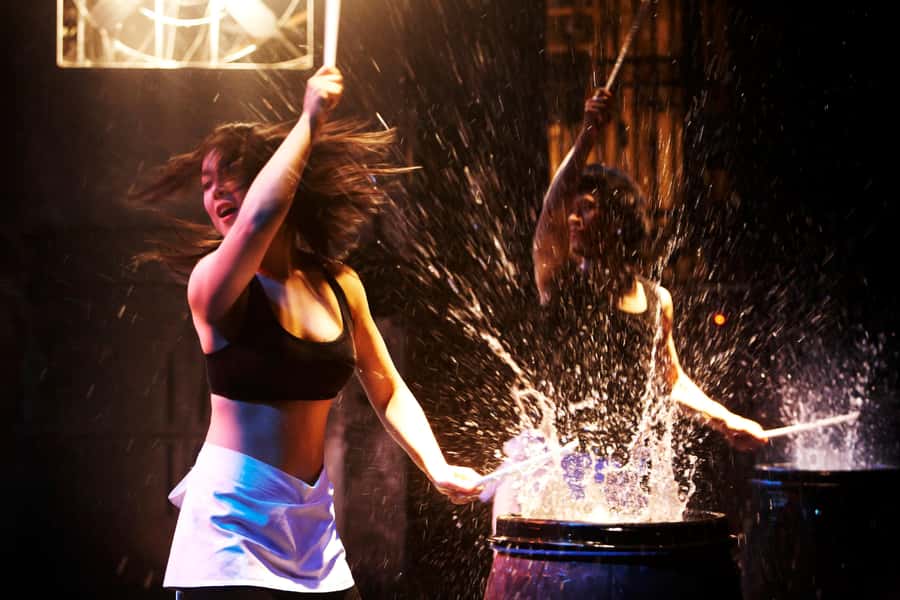
A key part of the experience is that the show may invite a few audience members onstage. This is not a random add-on; it connects to the on-stage chaos and wedding pressure. When it works well, it turns the whole room into one big team working toward the same laugh.
If you’re the type who hates attention, it’s smart to sit in a seat where you feel comfortable. But even if you’re not chosen, you’ll still benefit. Watching the performers react to the moment keeps the energy fresh and makes each show feel a bit different.
Also, you’ll likely get a lesson in how tight the timing is. The performers manage interactions without breaking the flow. That takes practice, and you can feel it.
Loud Drumming and How to Plan for It
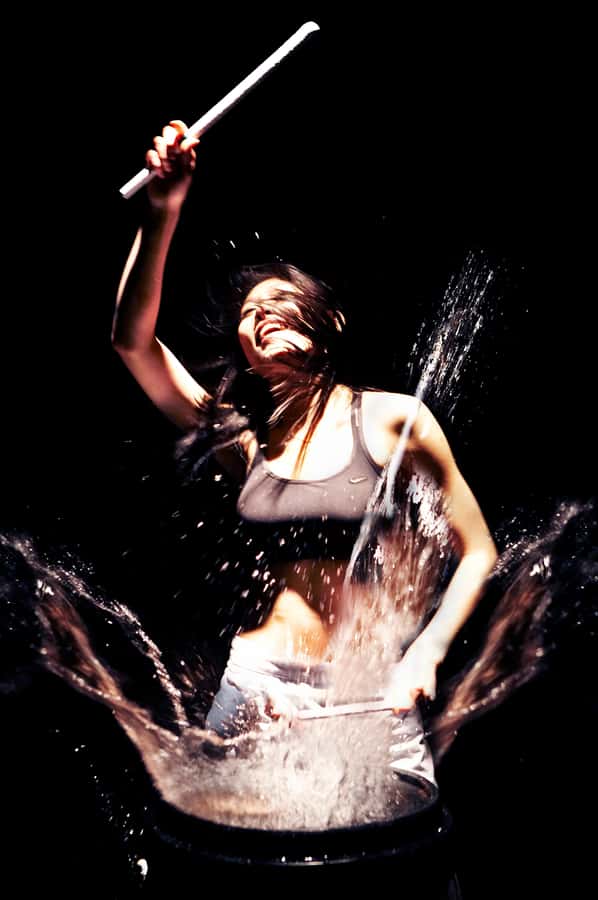
Let’s be honest: NANTA uses loud percussion. Multiple people call this out directly. If you bring a child with sensitive ears, plan for that. Ear plugs are a smart idea.
The good news is that loud doesn’t mean messy. The sound is loud because it’s designed to be theatrical and rhythmic, not because it’s a complaint-level volume war. Think of it as part of the show’s language.
If you go expecting a gentle cultural performance, you’ll be surprised. But if you want an energetic night where your body gets pulled into the rhythm, the loudness is part of the attraction.
Timing Your Night: Myeongdong Market Add-On or Hongdae Drift
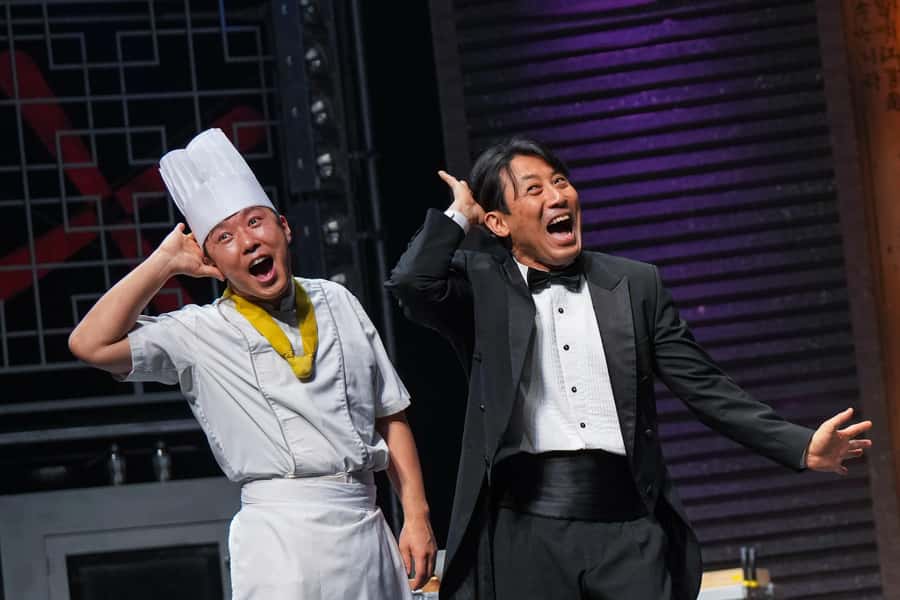
One practical perk: the theater areas are built for an evening plan. In Myeongdong, you can pair the show with time at the market nearby. Many people suggest leaving extra time so you can browse before the performance instead of racing straight from the subway to your seat.
If you pick Hongdae, you can do something similar, just with a different feel. The point is the same: give yourself breathing room so the night stays fun, not frantic.
Because the show is high-energy, I recommend not scheduling anything stressful right before it. Eat, relax, and let the performance do its job.
How Long It Feels (and Why the Pace Works)
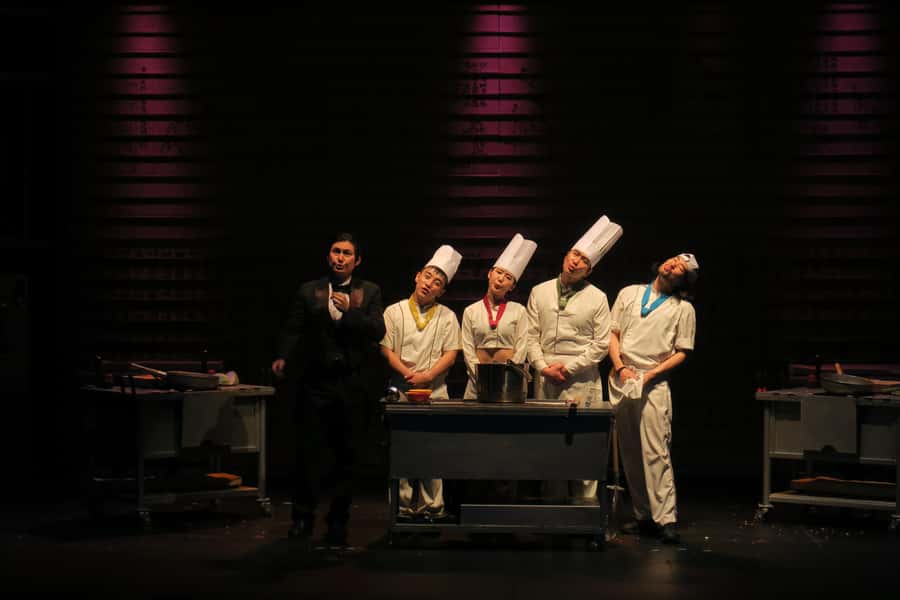
The show experience feels like a fast run. One review highlights a 90-minute runtime impression, and that matches the overall structure: it moves in big chunks with frequent escalation. There’s rarely a dead moment.
That pace is exactly why it works for mixed-age groups. Families enjoy it because the action keeps kids engaged. Adults enjoy it because the comedic timing and drumming keep it from turning into a long lecture-style culture show.
It’s also a smart choice if you’re tired of sightseeing that runs on schedules. This is a set event with momentum. You buy a ticket, you get pulled into the story, and you’re done.
Value and Price Logic: Why a Ticket Can Be a Big Win
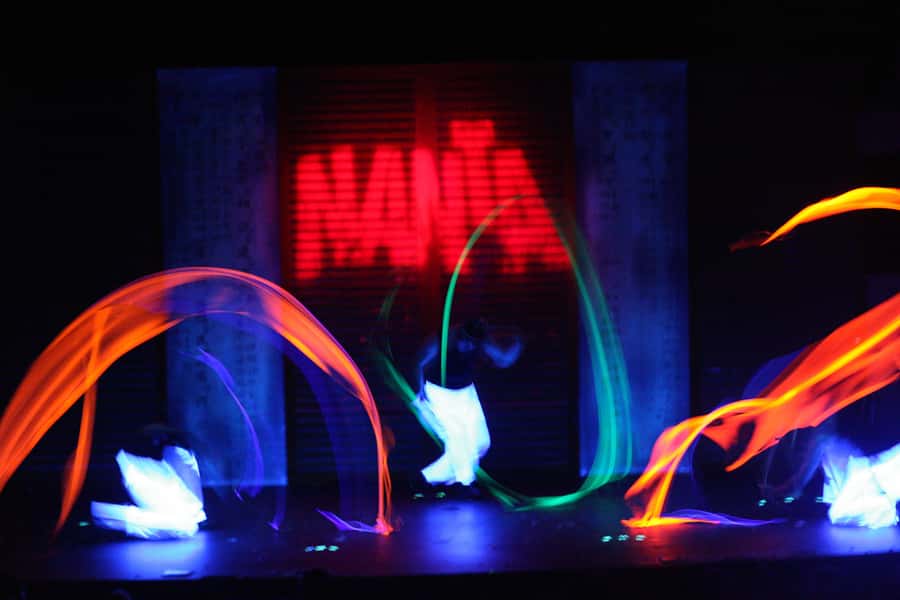
Even without seeing a posted price here, I can tell you what makes the ticket feel worth it. You’re paying for a full stage production where performers do multiple disciplines: drumming, comedy acting, movement, and audience interaction. It’s not just a performance that sits there. It’s a show where the energy is built into every second.
Also, the “non-verbal, English-friendly” factor matters for value. If you’ve been in Seoul long enough to feel language fatigue, this is a relief. You’re not buying a translation experience. You’re buying a rhythm and comedy experience that works right away.
Finally, NANTA has a global track record. It has toured 326 cities in 61 countries, attracted over 15 million audience members, and was recognized as one of Seoul’s Top 10 Cultural Tourism Programs. It even holds the record for the most-attended show in Korean theater history. That kind of reach usually means the production quality stays consistent.
Should You Book This NANTA Show Ticket?
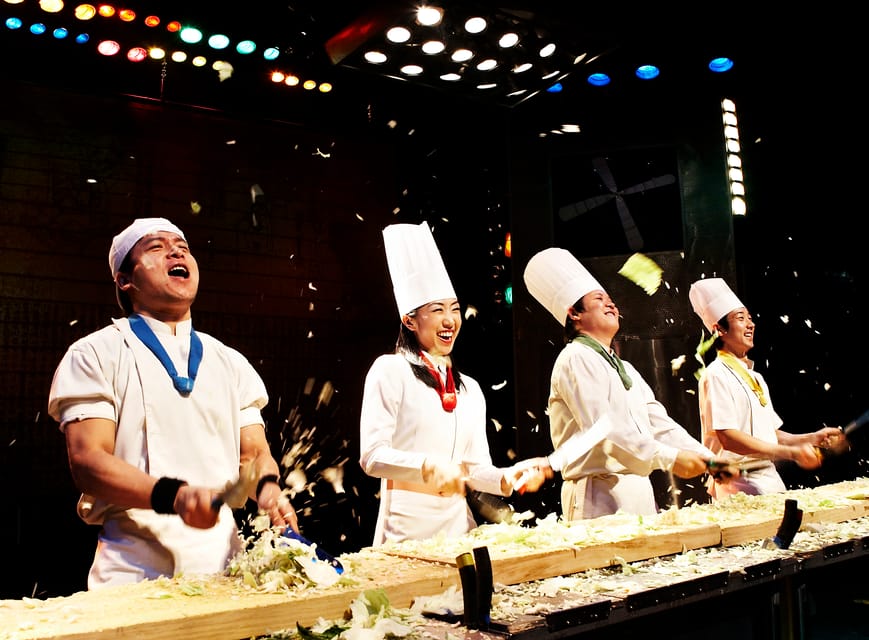
If you want one night in Seoul that feels fun, energetic, and easy to enjoy across languages, I’d book it. This is ideal for families, mixed groups, and adults who want something different from the usual museum-and-palace routine.
Choose it especially if:
- You want a non-verbal performance that you can follow instantly
- You love drumming, rhythm, and physical comedy
- You’re in Myeongdong and want an easy add-on to the market area
Consider a different plan if:
- You or your group is very sensitive to loud sound
- You strongly prefer quiet, dialogue-heavy theater
One more practical note: if you’re going to the Myeongdong venue, check the address details so you don’t lose time on the 3rd floor in the UNESCO Building. Once you find it, the show itself is the kind of experience you’ll remember as soon as the first beat hits.
FAQ
Is the NANTA show in Seoul non-verbal?
Yes. The show is described as non-verbal, and the performance can be enjoyed even if you do not understand Korean.
Where is the Myeongdong NANTA Theater located?
It is on the 3rd floor of the UNESCO Building. It may be hard to spot from the outside, so it’s best to check the location beforehand.
Can I mix up Myeongdong NANTA with another theater?
Yes, so be careful. Make sure you do not confuse the Myeongdong NANTA Theater with the Myeongdong Arts Theater.
Do I need to know Korean to enjoy the show?
No. The show is non-verbal and designed to be accessible for international visitors.
Is the show appropriate for children?
Yes. It’s widely described as a family-friendly show that works well for kids and adults.
Are infants allowed?
Infants under 1 year old are not permitted.
How long is the show?
One review notes the show felt like a 90-minute experience.
Will I be involved if there is audience participation?
The show may invite a few audience members onstage, so there is a chance you could be selected.
Is the show loud?
Yes. Loud drumming is part of the experience, and people specifically warn it can be loud.
What’s included with the ticket?
The ticket includes entry to the NANTA show.
If you tell me your travel dates and whether you’re staying closer to Myeongdong or Hongdae, I can suggest which area usually makes more sense for your evening plan.