REVIEW · BANGKOK
From Bangkok: Historical Day Tour to River Kwai
Book on GetYourGuide →Operated by Bigcountry Experience Co.,Ltd. · Bookable on GetYourGuide
Bangkok to River Kwai is a long day with a very real payoff. You’re looking at World War II history in Kanchanaburi, then experiencing the Death Railway stretch by train, with the River Kwai bridge in your photos and in your head. It’s the kind of day that makes the distance between dates and names shrink fast.
I especially like two things. First, the order of stops is strong: you start at the well-kept War Cemetery and then move into the Thailand-Burma Railway Centre so you get the story before the sights. Second, the transport is practical—an air-conditioned van plus the train ride—so you’re not just touring, you’re moving efficiently through places that are far from Bangkok.
One consideration: it’s a 10-hour trip on paper, but Bangkok traffic can stretch it closer to 12 hours. Also, the included train fare is basic, so you may not get an assigned seat unless you pay extra.
In This Review
- Key highlights worth aiming for
- Getting out of Bangkok: the 6 AM start and the 3-hour one-way grind
- War Cemetery: start with names before you see the bridge
- Thailand-Burma Railway Centre: the museum that explains how the “Death Railway” worked
- River Kwai Bridge: photos, the views, and why trains matter here
- The Death Railway train ride: included, memorable, and seat rules you should know
- Cave bridge area and the practical side of the stop
- Lunch at the disembarkation station: included, and better than you’d expect
- Pace and timing: why this day can feel like 12 hours
- Price and value: paying about $51 for the whole history-and-rail experience
- Who this tour suits best (and who should think twice)
- Should you book this day trip?
- FAQ
- What is the duration of the tour?
- How far is Kanchanaburi from Bangkok?
- What time does the tour usually start?
- Where do I meet if I choose not to do hotel pickup?
- What’s included in the price?
- Is lunch included?
- Do I get an assigned seat on the Death Railway train?
- What sites does the tour cover besides the train?
- What languages are the guides speaking?
- Can I cancel for a refund?
Key highlights worth aiming for
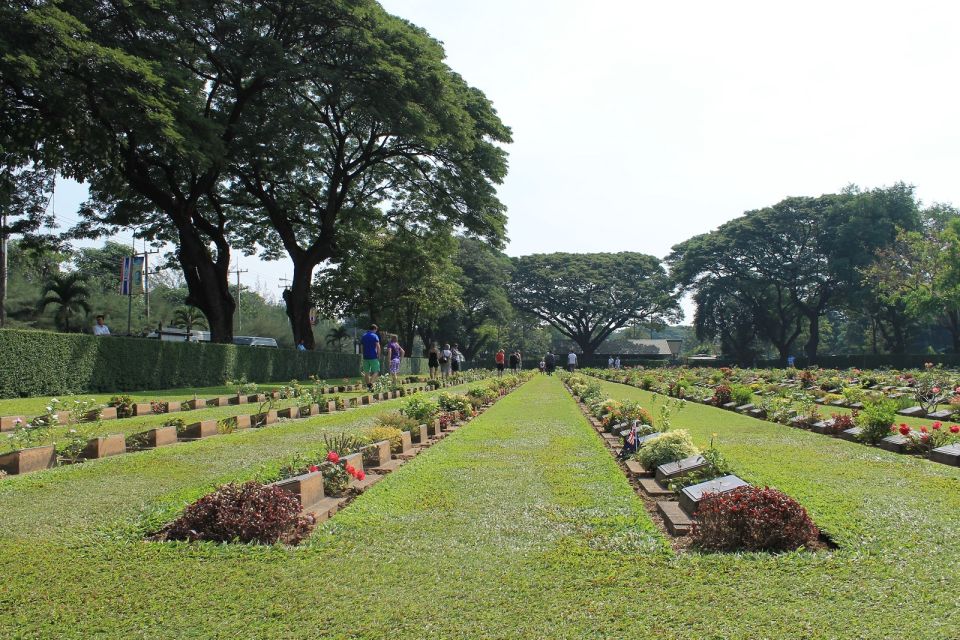
- War Cemetery first: graves of an estimated 9,000 Allied soldiers set the emotional tone
- Railway Centre museum: interactive exhibits, photos, and artifacts that explain how it was built
- River Kwai bridge time: enough breathing room for photos and to watch the train pass
- Death Railway train ride: included rail segment, with countryside views along the route
- Good guiding style: the team behind the tour (guides like Luke, Jokey, Woody, Henry) is repeatedly praised for clear explanations
- Comfort in the heat: lunch plus planned breaks matter on a hot day, especially if you’ll visit the cave area
Getting out of Bangkok: the 6 AM start and the 3-hour one-way grind
This tour runs early. Depending on your pickup area, you’ll typically be collected around 6:00 AM (Khaosan and some Sukhumvit zones) or 6:15 AM (Silom area), with hotel pickup optional. If you don’t do pickup, you’ll meet at BMP Bigcountry’s location by River City Bangkok: 23 Charoen Krung Soi 24, Talad Noi, Sampantawong.
Then it’s the Bangkok-to-Kanchanaburi reality check: plan for about 3 hours each way. Even with a smooth van ride, you’re leaving the city, crossing traffic, and watching the scenery shift toward rural Thailand. The good news is that reviews frequently mention the driving is careful and the day feels efficiently managed.
If you’re the type who hates rushing, treat the whole day as a full commitment. You’ll be moving from site to site, and the timing is built around getting you to the cemetery, museum, bridge area, and the train segment without cutting the important parts too short.
You can also read our reviews of more tours and experiences in Bangkok.
War Cemetery: start with names before you see the bridge
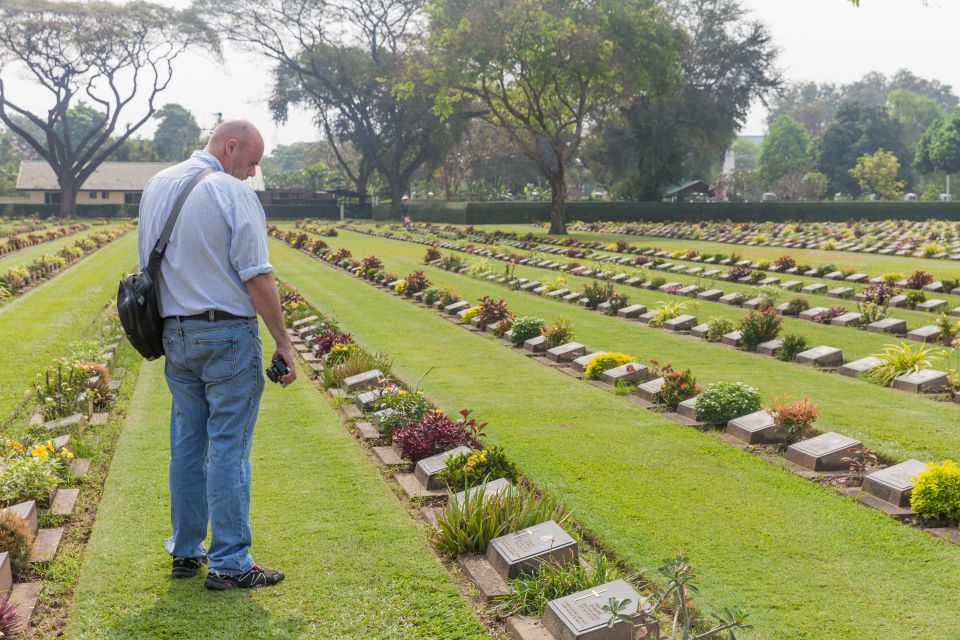
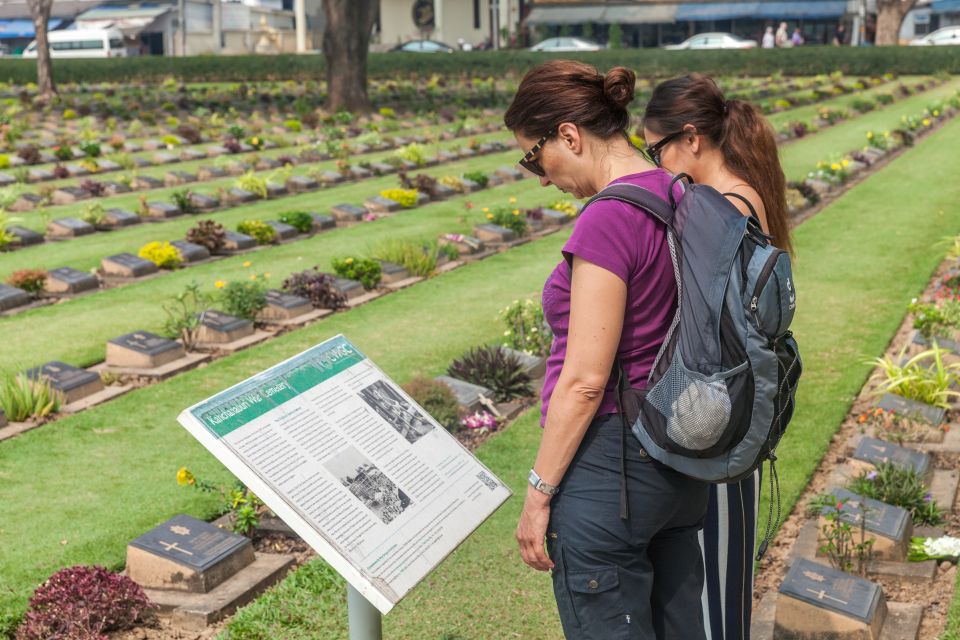
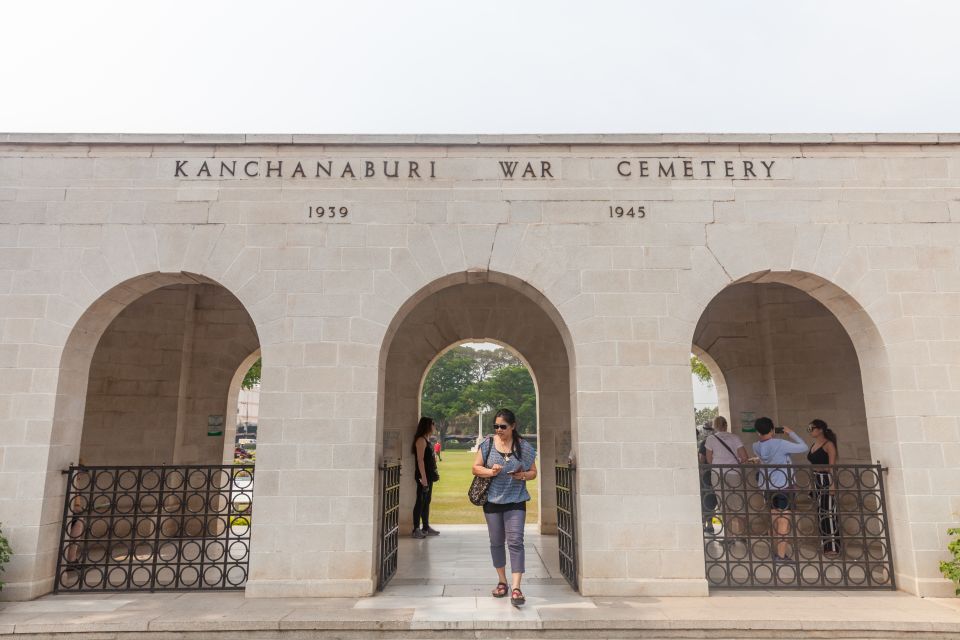
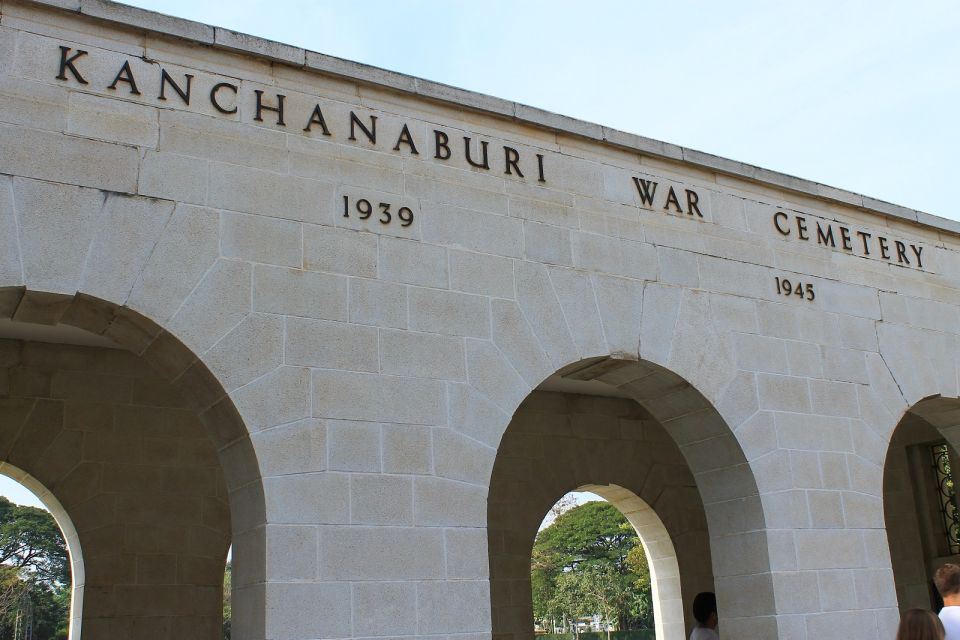
The first major stop is the well-kept War Cemetery. This is where you’ll see the graves of an estimated 9,000 Allied soldiers who died while constructing the Death Railway. It’s not a quick photo stop. The cemetery is maintained, calm, and clearly meant for respectful visiting.
I like starting here because it puts context behind everything you’ll later see as machinery, timber, and rail lines. Without this, the train ride risks turning into scenery. With it, the history lands.
A small practical note: if you’re sensitive to heavy subject matter, give yourself a little space before you move on. Then, when you head to the museum, you can connect the explanations to the names in front of you.
Thailand-Burma Railway Centre: the museum that explains how the “Death Railway” worked
Next comes the Thailand-Burma Railway Centre in Kanchanaburi. This is described as an interactive museum, research, and information centre focused on the Thailand-Burma Railway built during WWII.
You should expect more than static displays. The exhibits are designed to help you understand the past through recreated scenes, pictures, and artifacts, with enough structure that you can follow the story of why the railway was built and what it cost.
This is also where the tour becomes more than a checklist. The railway is infamous for a reason, and the centre helps you connect the dots between strategy, forced labor, and survival. If you only skim museums at home, you might not get the same impact here—but it’s worth slowing down a bit.
One timing consideration: some people wish for a touch more time in the centre, and others feel the time hits the sweet spot. If you’re a museum person, wear comfortable shoes and plan to read what you can without trying to absorb everything in one pass.
River Kwai Bridge: photos, the views, and why trains matter here
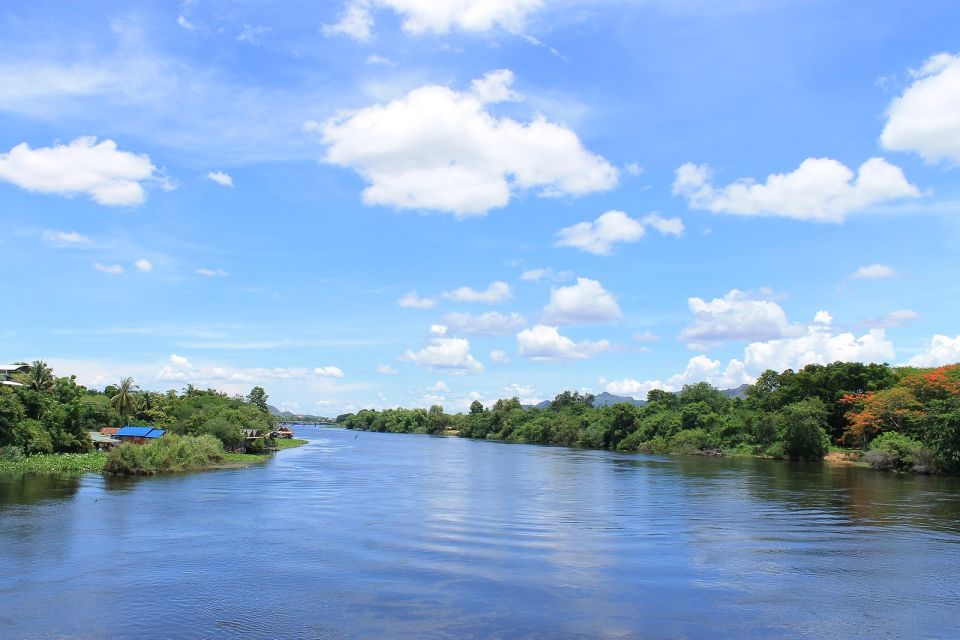
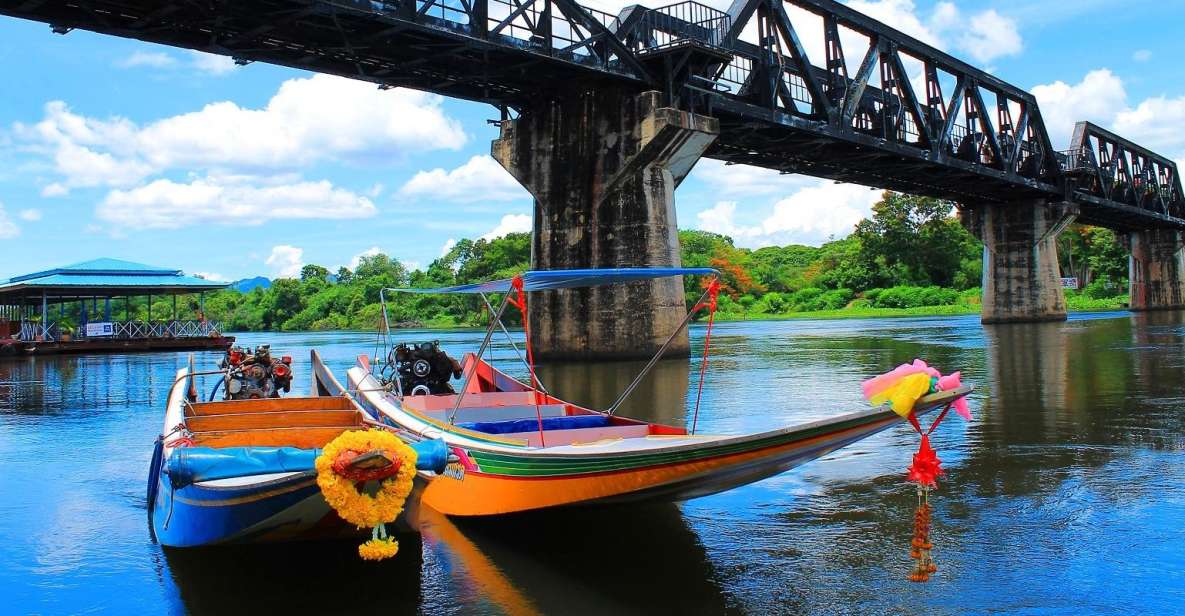
After the cemetery and museum, you’ll head to the River Kwai bridge area. This is the part everyone recognizes from films and stories, but the tour’s value is that you aren’t seeing it as a postcard. You’re seeing it as a working piece of wartime infrastructure—and that changes your reaction.
You’ll get time to explore the bridge area and take photos. Some guides also help you time it so you can watch the train movement as part of the experience. In one review, guests even noted the view from different sides of the train during the rail segment, which can make the bridge-and-rail theme feel more connected.
Be realistic about the weather. It’s hot often, and this area is outdoors. Bring sunscreen and a hat. If you’re planning to spend extra time for pictures, pace yourself so you don’t end the day wiped out.
The Death Railway train ride: included, memorable, and seat rules you should know
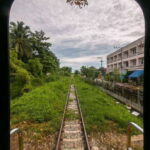
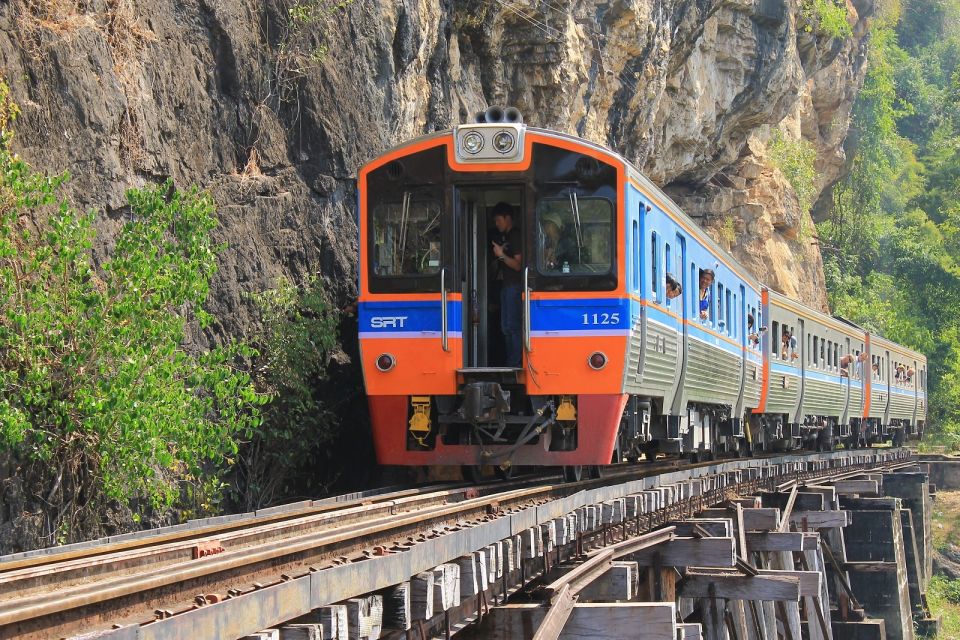
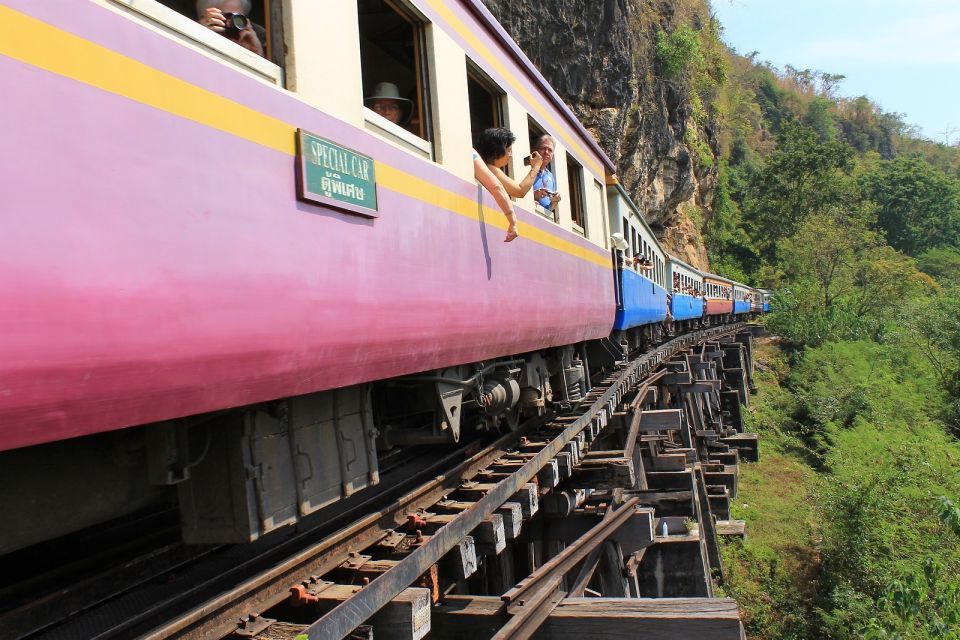
One of the strongest reasons to book is the included train ride along a stretch of the notorious Death Railway. The basic train fee is included (THB 100), and you’ll travel along the original track segment as part of the day’s flow.
Here’s the important logistics detail: the included basic fare does not guarantee an assigned seat. If you want a reserved seat, the option is to pay THB 200 per person upfront on the train. That’s not a huge cost, but it’s a smart move if you want comfort in a long day.
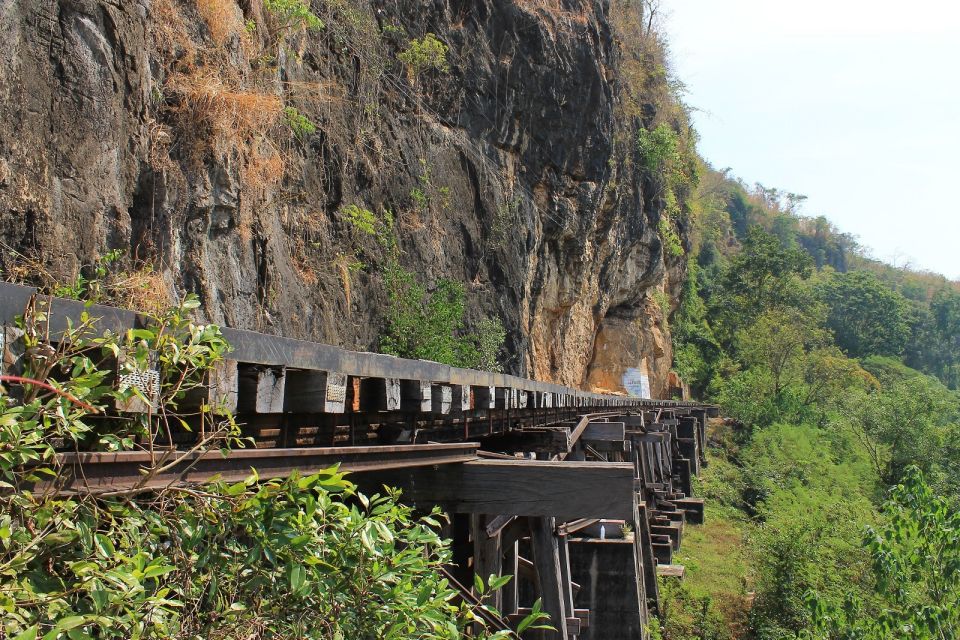
If you care about photo angles, you might also want to think about seat location. One guest reported getting seats on the left side for a great view while crossing a wooden viaduct. You can’t count on seat assignment every time, but if you’re paying for the comfort, you can ask for the best viewing side when possible.
This ride adds a sensory layer that museums can’t. You hear the train, feel the movement, and see the terrain that those workers passed through under impossible conditions. Even if you’re not a train enthusiast, it tends to become a highlight because it turns history into something you can physically experience for a short stretch.




Cave bridge area and the practical side of the stop
After the train segment, the day often continues with time around the track area and a cave stop that features a Buddha statue, plus the Krasae cave bridge (where applicable on the route). Reviews describe uneven ground and a muddy cave section, so treat it like a spot where shoes matter.
If you’re going in, wear sensible footwear with grip. Bring a small towel mindset too—this is one of those places where you can come back dusty. If you’re traveling with older relatives or anyone who doesn’t do uneven ground well, keep the cave walk short and focus on the main viewpoints.
This part can feel less “museum-like” and more like a direct look at how the railway intersects with daily geography. That’s part of why it works. You finish the day still thinking about the story, but with a stronger sense of place.
Lunch at the disembarkation station: included, and better than you’d expect
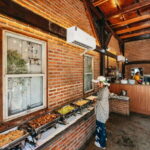
Lunch is included, served when you disembark from the train segment. The day is long, so food is a real part of the experience—not just a checkbox.
Reviews mention the lunch being lovely and tasty, and some mention it’s not a huge buffet. One guest also noted there are meat-free options available, which is a good sign if you don’t eat meat. Still, I’d treat it as a menu with choices, not a guaranteed fully custom meal.
The practical value here: you don’t have to hunt for food in transit. That saves energy for the next stops and for the drive back to Bangkok.
Pace and timing: why this day can feel like 12 hours
The tour is listed at 10 hours, and it usually starts early. But don’t be surprised if it feels closer to 12 hours once Bangkok traffic is in the picture. That extra time isn’t fun, but it’s predictable.
What helps is that the day stays structured:
- you start with the cemetery and museum while the story is fresh
- you transition to the bridge for outdoors photos
- you ride the Death Railway stretch by train
- you eat lunch without detouring
- then you finish with additional track/cave area time and head back
If you’re someone who wants a lot of slow time at one site, this tour may feel compressed. But if you want a high-impact “most important pieces” day without planning transit yourself, it’s a good fit.
Price and value: paying about $51 for the whole history-and-rail experience
At $51 per person, the value is mostly in what’s bundled:
- transport in an air-conditioned van
- an English-speaking guide
- entrance fees
- lunch
- the basic train fee (THB 100)
The train-seat upgrade is optional (THB 200). So the “headline” price can become a bit more if you want guaranteed comfort.
To me, the value equation looks like this: you’re paying for long-distance transport plus access to multiple sites that are hard to piece together cleanly from Bangkok. The Death Railway segment and the cemetery/museum combo are the core reason it works. If those are the places you came for, this package keeps the day from turning into a transportation headache.
Who this tour suits best (and who should think twice)
This trip is ideal if you want WWII history with real-world context. You’ll enjoy it if you like:
- memorial sites and museums that explain how events unfolded
- structured sightseeing with an English-speaking guide
- the specific experience of riding the Death Railway stretch
It’s also a good option if you want a small-group style day. Several reviews highlight how small groups and careful timing help avoid the worst Bangkok traffic and keep the day moving.
Think twice if you:
- hate long drives or early mornings
- need lots of time to linger at one site
- don’t want to walk on uneven ground at the cave stop
If you’re sensitive to heavy historical subject matter, go anyway, but plan your day so you don’t cram another big activity right after. This kind of place tends to stick with you.
Should you book this day trip?
Yes, if your goal is one unforgettable day that connects memorials, museum context, the River Kwai bridge, and an actual Death Railway train ride. The combination is the point, and the guide quality seems consistently strong in feedback you can use to feel confident—names like Luke, Jokey, Woody, Henry, and William come up often for guiding style and organization.
I’d book it especially if you’re traveling from Bangkok and you don’t want to spend your vacation solving transportation problems out west. Just do one thing before you go: decide if you want the THB 200 assigned seat. For many people, that turns a good day into a comfortable one.
FAQ
What is the duration of the tour?
The tour runs for about 10 hours, though Bangkok traffic can make the day longer.
How far is Kanchanaburi from Bangkok?
It takes about 3 hours to commute one way, so expect a long ride each direction.
What time does the tour usually start?
Pickup times mentioned include about 6:00 AM for Khaosan and some pickup zones, and about 6:15 AM for the Silom area. Exact timing can vary with traffic.
Where do I meet if I choose not to do hotel pickup?
The meeting point is BMP Bigcountry at River City Bangkok, 23 Charoen Krung Soi 24, Talad Noi, Sampantawong, Bangkok 10100.
What’s included in the price?
Lunch, entrance fees, an English-speaking guide, transportation to Kanchanaburi by air-conditioned van, and the basic train fee on the Death Railway track (THB 100).
Is lunch included?
Yes. Lunch is included at the disembarkation station.
Do I get an assigned seat on the Death Railway train?
No. The included basic train fare does not guarantee an assigned seat. If you want one, you can pay THB 200 per person upfront on the train.
What sites does the tour cover besides the train?
You’ll visit the War Cemetery and the Thailand-Burma Railway Centre, then see the River Kwai bridge. The day also includes time around the railway area, which can include the cave stop with a Buddha statue and the Krasae cave bridge.
What languages are the guides speaking?
The live tour guide language is English and Thai.
Can I cancel for a refund?
Yes. Free cancellation is available up to 24 hours in advance for a full refund.