REVIEW · HUE VIETNAM
Hue :Exploring Royal City with Multi Options and Dragon Boat
Book on GetYourGuide →Operated by LAGOM TRAVEL · Bookable on GetYourGuide
Hue is a city best seen one gate at a time. This private car day lets you mix Nguyen tombs, pagodas, and river views with a plan you can scale up or down. I like that it’s built for flow: your driver meets you, drops you at the right entrance, and waits so you don’t waste time. I also like the contrast—royal stonework in the morning, incense culture in the middle, and a Perfume River dragon boat when you want a lighter start. One drawback: entry tickets and food aren’t included, and some stops (especially Ghost City) can feel long and hot.
You’ll spend 5–10 hours in central Hue, with hotel pickup and drop-off, a private English-speaking driver, and cold water along the way. I see why this format works: the Nguyen dynasty sites are spread out, and having a car makes them feel manageable instead of stressful. Just note that it’s not suitable for wheelchair users.
Here are the most interesting reasons to pick this tour.
In This Review
- Key things that make this Hue day tour work
- Royal Hue in One Day: how the multi-stop plan feels
- Dragon boat on the Perfume River: scenery with a built-in reset
- Imperial City and the Nguyen headquarters you can actually picture
- The royal tomb trail: Minh Mang, Khai Dinh, and Tu Duc
- Minh Mang Tomb: architecture that fits the setting
- Khai Dinh Tomb: the UNESCO stop that surprises people
- Tu Duc Tomb: poetic planning for a long-reigning king
- Pagoda stops: Thien Mu and Tu Hieu for the spiritual side
- Thien Mu Pagoda: iconic, historic, and visually striking
- Tu Hieu Pagoda: a calm place tied to Thích Nhất Hạnh
- Thuy Xuan incense village and An Dinh Palace: culture between the tombs
- Thuy Xuan incense village: a 700-year craft you can smell
- An Dinh Palace: Bao Dai’s early residence, later renovated
- Ghost City (An Bang Cemetery) and the abandoned water park choice
- Ghost City (An Bang Cemetery): choose it with intention
- Abandoned water park: for the explorers
- Price and logistics: is $12 good value for 5–10 hours?
- How to choose your stops without feeling rushed
- Who this tour suits best (and who should skip it)
- Should you book this Hue royal city day tour?
- FAQ
- What’s included in the tour price?
- Are entry fees included for the attractions?
- How long does the tour take?
- Is the dragon boat required?
- Do I need a separate tour guide?
- Can I choose how many sites to visit?
- Is the tour suitable for wheelchair users?
- What’s the flexibility if my plans change?
Key things that make this Hue day tour work
- Pick-your-sites options so you can choose how many landmarks fit your pace (from a quick hit to a big royal-culture day)
- Dragon boat is optional, but it’s a great way to start and see the river without rushing
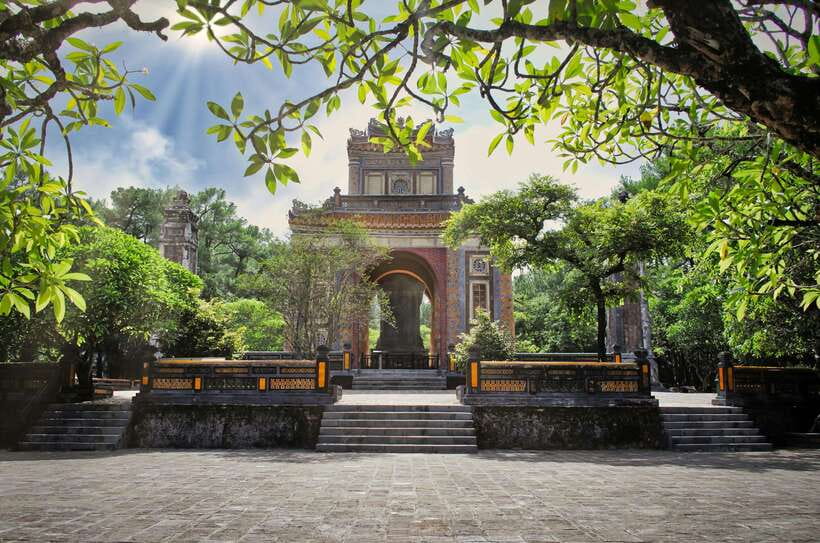
- Nguyen dynasty highlight trio (Imperial City plus royal tombs like Khai Dinh and Tu Duc)
- Religion and craft stops in the same route, including Thien Mu Pagoda, Tu Hieu Pagoda, and Thuy Xuan incense village
- Ghost City (An Bang) only if you choose that option, and it’s a powerful, very different kind of stop
- Driver support at the gate: many guides like Rin, Trung, and Vu are known for waiting and explaining clearly
Royal Hue in One Day: how the multi-stop plan feels
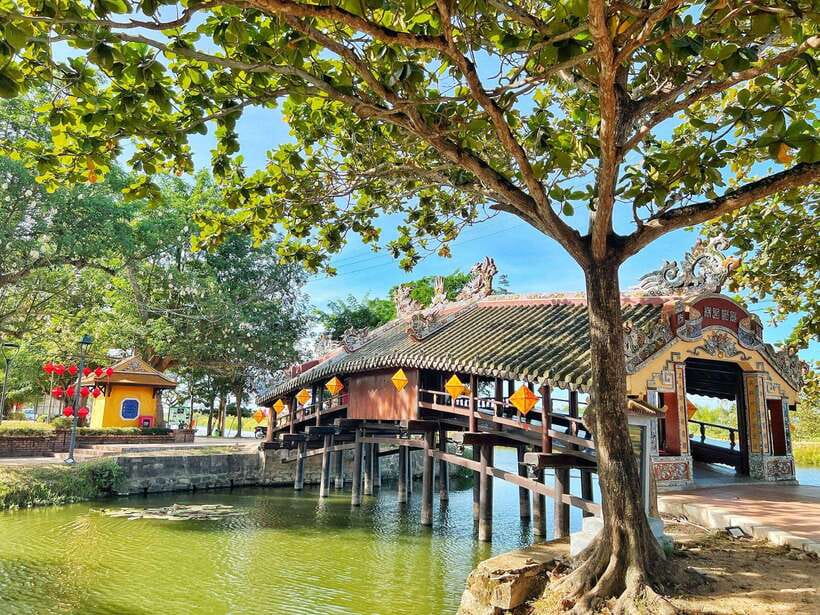
This is a Hue day built around a simple truth: the royal sights aren’t all in one neat block. You’re moving between the Imperial City complex, hillside tombs, pagodas on the river, and culture stops around town—so the value is in logistics that don’t steal your energy.
Your private car handles the transfers, and the driver stays in sync with your timing. In practice, this means you can spend more time where you care most—many people specifically enjoy how guides help you enter each place efficiently and then meet you again afterward. You can even adjust mid-day in a way that would be hard on a fixed-group bus.
The tour is also flexible in another way: it’s designed for different “site counts.” So if you’re arriving with jet lag, you can choose fewer stops and still feel like you saw the real core. If you’re a history shopper, you can stack more tombs and extra culture stops (like incense) into a longer day.
You can also read our reviews of more tours and experiences in Hue Vietnam.


Dragon boat on the Perfume River: scenery with a built-in reset
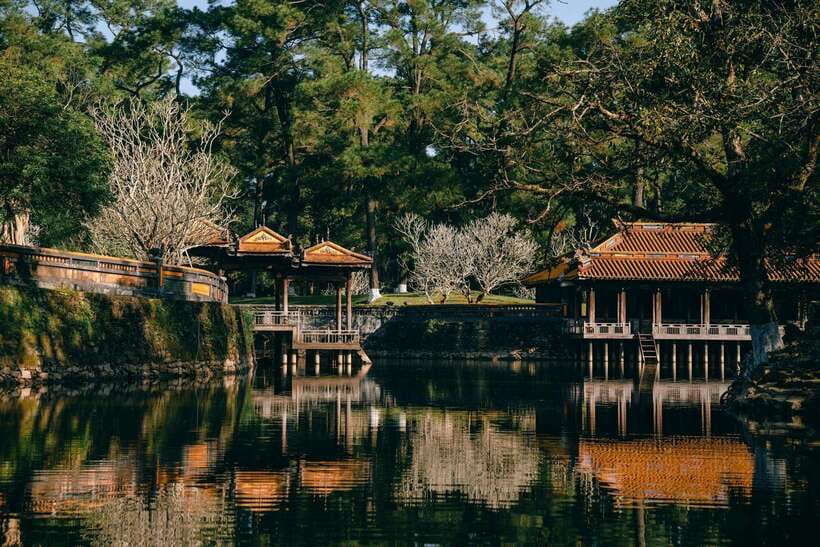
The Perfume River dragon boat portion is one of the easiest parts of the day to enjoy because it’s not another ticket line and it doesn’t require much hiking. When you choose it, it’s typically a fun start that sets a different mood from the stone tombs.
The river ride also helps you understand Hue’s geography. You get the sense that these royal-era sites weren’t random—they relate to water, trade routes, and the dramatic landscape around the city. It’s a welcome contrast to the formal, structured feeling of the Imperial City and tomb architecture.
If you skip the boat, you still get plenty of highlights. But if you want one “experience moment” that feels light and different, I’d treat the dragon boat as your mental breather.
Tip: if you’re pairing the boat with Thien Mu Pagoda, plan to arrive with a little patience for the general flow at the riverside area. The ride itself is part of the day, not a quick add-on.
Imperial City and the Nguyen headquarters you can actually picture
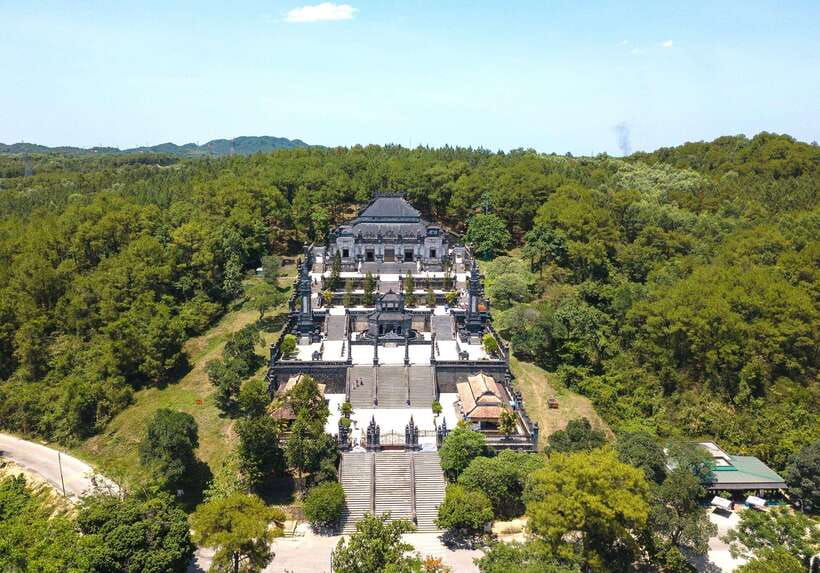
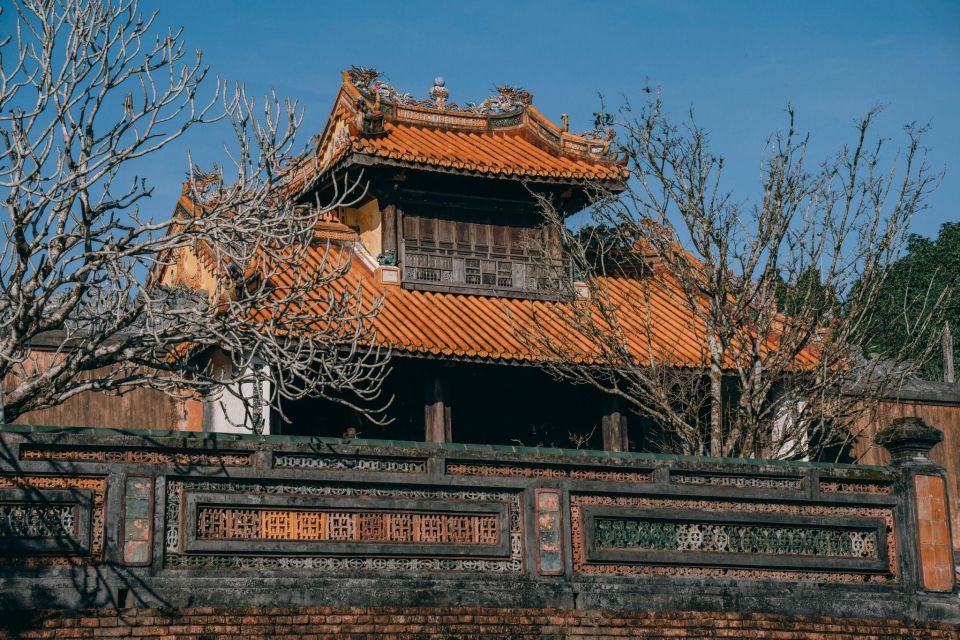
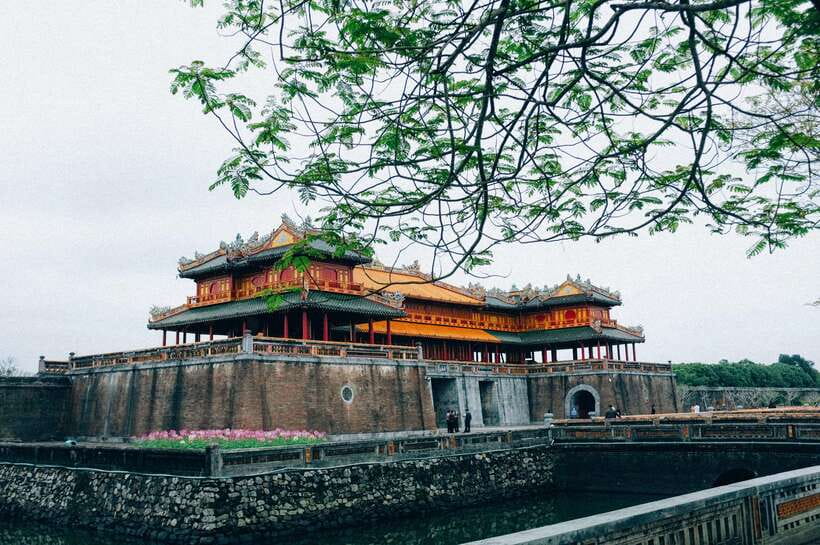
The Imperial City stop is the backbone of this tour. You’ll visit the headquarters of the Nguyen dynasty, where the kings lived and worked from 1802 to 1945 (143 years). That time span matters, because you’re not just looking at isolated monuments—you’re stepping into the center of a long reign.
What makes the Imperial City worth your time is how it organizes power through layout. Even if you don’t have a deep background, the scale and planning help you grasp why this complex was built to control movement, ceremony, and status.
One practical benefit: with a private driver, you can spend your energy on walking and looking, not on figuring out which gate is best. Many drivers (like Tom, Alex, and No Xa in past group experiences) are known for explaining what you’re about to see right before you enter, then meeting you at the entrance afterward so you don’t feel lost.
If you’re choosing among options, I’d treat the Imperial City as the “must” stop for a first Hue day.
The royal tomb trail: Minh Mang, Khai Dinh, and Tu Duc
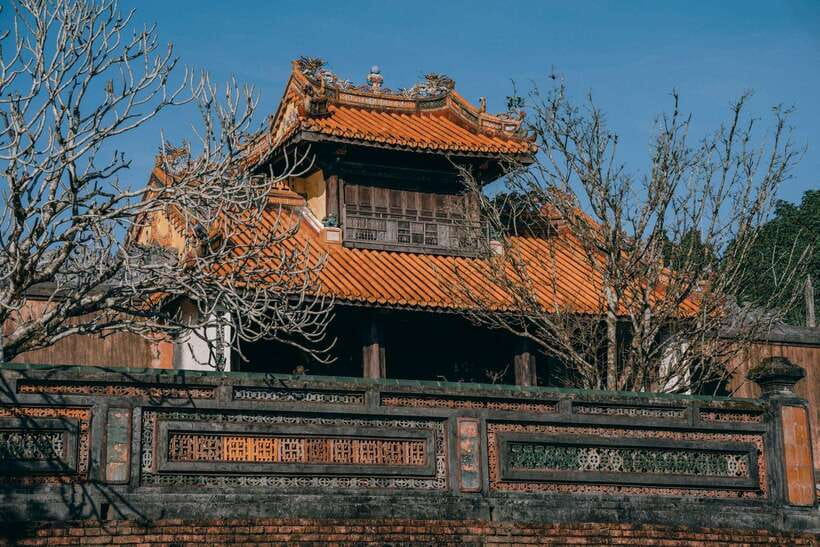
Hue’s royal tombs are where the day turns from city history to landscape drama. You’re moving through different styles of stone and garden design, each tied to a different emperor’s taste and the era’s thinking.
Minh Mang Tomb: architecture that fits the setting
Minh Mang’s tomb is famous for how its magnificent design blends into the natural environment. This is the kind of place where details matter—paths, terraces, and sightlines make you feel like the builders worked with the land rather than against it.
Khai Dinh Tomb: the UNESCO stop that surprises people
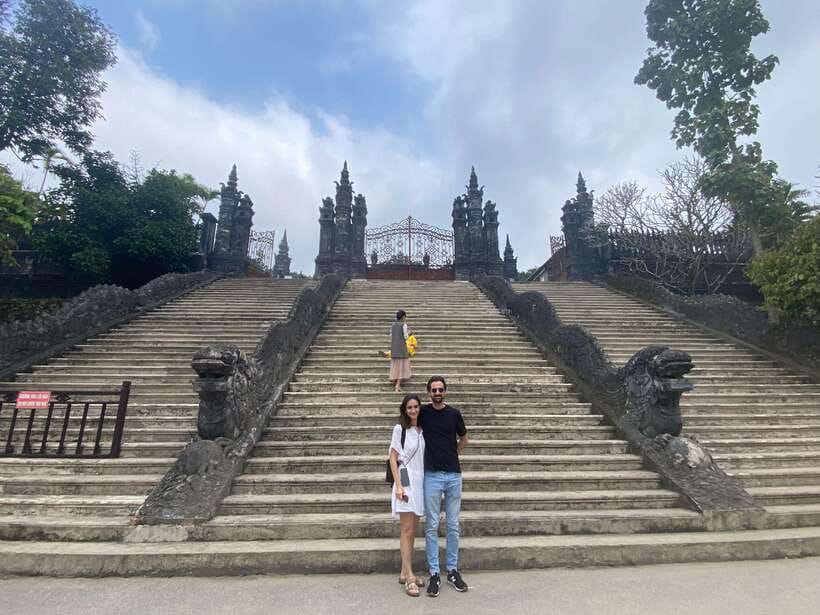
Khai Dinh’s tomb is a UNESCO World Heritage Site, and it’s often the highlight for architecture fans. It’s also described as the last construction of the Nguyen dynasty, which gives the site extra weight. If you like seeing how an empire’s style evolves toward the end of its timeline, this is the one to prioritize.
Tu Duc Tomb: poetic planning for a long-reigning king
Tu Duc tomb is the burial place of the 4th king of the Nguyen dynasty, known for poetic architectural beauty. This is where you can feel a quieter mood compared to the more formal feel of the Imperial City. Think of it as part garden, part memorial—designed to be experienced slowly.
Practical advice for tomb hopping: bring water (you’ll get bottled water) and wear shoes you’re comfortable with for uneven outdoor ground. Tomb routes tend to reward slower pacing, and your private setup helps you do that.
Pagoda stops: Thien Mu and Tu Hieu for the spiritual side
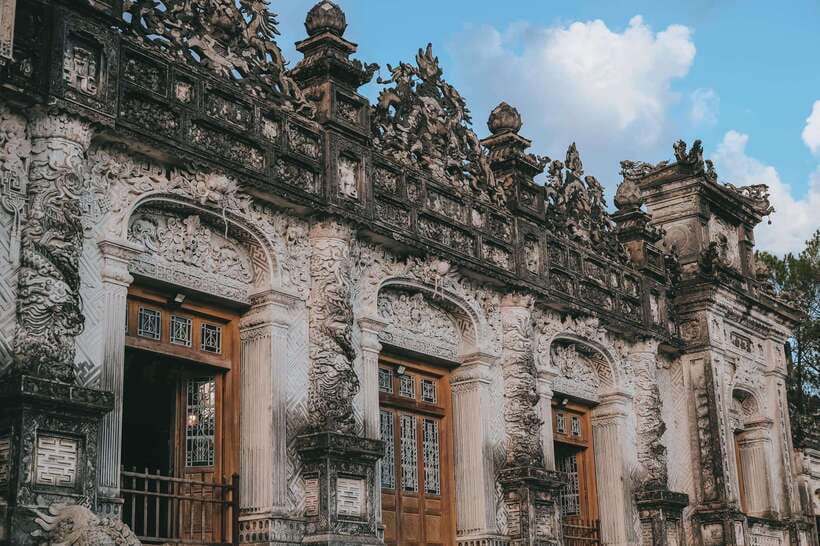
Hue is also a city of Buddhist architecture, and two pagodas in this route help you understand why.
Thien Mu Pagoda: iconic, historic, and visually striking
Thien Mu Pagoda is one of Hue’s most beautiful pagodas and it’s around 400 years old. You’ll learn the long history and see a very recognizable style that makes people stop for photos even when they’re trying not to.
The value here isn’t just the view. A good driver will connect the pagoda to the broader Hue story—how spirituality, culture, and imperial-era society overlap. On some days, drivers like Ron or Leigh have been praised for giving clear explanations at a pace you can follow.
Tu Hieu Pagoda: a calm place tied to Thích Nhất Hạnh
Tu Hieu Pagoda is known as the root pagoda of Zen master Thích Nhất Hạnh. It’s presented as both a place for monks and a serene retreat for anyone who wants a quiet break or even guidance on meditation.
If your day feels too “stone-and-stairs,” Tu Hieu is the reset button. It also helps balance your route: imperial power at one end, spiritual reflection at the other.
Thuy Xuan incense village and An Dinh Palace: culture between the tombs
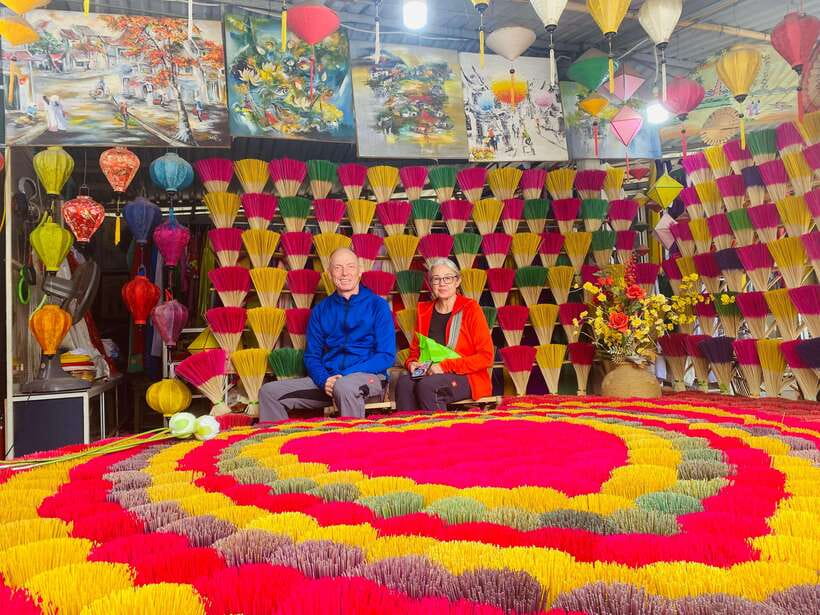
Not every Hue tour includes craft and daily-life traditions, but this one can—especially with the Thuy Xuan Hue incense village.
Thuy Xuan incense village: a 700-year craft you can smell
Thuy Xuan incense village dates back about 700 years. During the Nguyen dynasty, it acted as a traditional incense-making village and a supply center for the royal court and locals in the Thuan Hoa and Phu Xuan areas.
Even better, the tour info gives you specifics: incense sticks were produced in two basic colors, brown and red, serving spiritual life for locals and visitors. That detail turns the stop from “just watching incense” into understanding a whole ritual economy.
If you’re the kind of person who buys small gifts you’ll actually use, this is often where you find them. The craft feels grounded, not staged.
An Dinh Palace: Bao Dai’s early residence, later renovated
An Dinh Palace is connected to the Khai Dinh Emperor, who lived there as a child and later as the 12th emperor of the Nguyen dynasty. Then, between 1917 and 1919, Nguyen Phuc Vinh Thuy—later the Bao Dai Emperor—was part of a renovation in a modern style, and it became his residence officially.
This stop is a good reminder that Hue wasn’t frozen in time. You’re looking at a site that holds both old imperial authority and later changes.
Ghost City (An Bang Cemetery) and the abandoned water park choice
Two optional elements in this experience shift the mood a lot: the so-called Ghost City and the abandoned water park.
Ghost City (An Bang Cemetery): choose it with intention
Ghost City, also known as An Bang Cemetery, is considered very luxurious and magnificent, with thousands of tombs in all colors and sizes. Some tombs are described as being worth hundreds of thousands of US dollars, which signals why people treat the cemetery like more than a simple graveyard.
This stop is often called highly recommended—but I’d also say: bring the right mindset. It’s not a light stroll. It’s large, visually intense, and depending on timing, it can feel hot and tiring.
The tour note is important: you need to pick the option that includes Ghost City if you want it. So decide early, not mid-route.
Abandoned water park: for the explorers
The abandoned water park is described as a favorite destination for people who like to explore and see something mysterious. If you enjoy photos with atmosphere and you don’t mind a less formal “curiosity stop,” it can break up the royal rhythm of the day.
If you’d rather keep your time focused on the most famous Nguyen-era sites, it’s smart to treat the water park as optional.
Price and logistics: is $12 good value for 5–10 hours?
At about $12 per person, the value comes from what’s included, not just the sticker price. You’re getting:
- Hotel pickup and drop-off
- A private car
- A private English-speaking driver
- Bottle of water
- And depending on your option, the dragon boat and selected site count
Entry fees and food aren’t included, so you should budget for tickets once you arrive. But considering the distances between Hue’s sights, transport alone often makes a private setup feel practical.
Also, satisfaction for the transport quality is high, with 98% of reviewers giving perfect scores. That matters in Hue because traffic and timing can make a “DIY day” feel like a scramble. Here, you hand that stress to someone with a car.
One more value angle: this isn’t an all-or-nothing museum tour. The multi-option setup helps you match the day to your energy. That’s a big deal when you only have one day in Hue.
How to choose your stops without feeling rushed
Here’s how I’d decide if you want the best version of this day.
If this is your first time in Hue:
- Prioritize Imperial City
- Add at least one or two royal tombs (Khai Dinh is the UNESCO anchor, Tu Duc is the poetic one)
- Include Thien Mu Pagoda if you want the most famous river-side atmosphere
If you like balance (history + calm + culture):
- Stack Thien Mu plus Tu Hieu
- Add Thuy Xuan incense village so you’re not only viewing monuments
- Keep the dragon boat in if you want an easier scenic reset
If you want maximum intensity:
- Choose more site counts and consider including Khai Dinh plus Ghost City (An Bang Cemetery)
One practical tip from how guides operate: your driver will often help you navigate ticketing setups like a multi pass. Some places can be easiest if you know which entrance to use and how long each site typically takes.
Who this tour suits best (and who should skip it)
This experience fits best if you:
- Want to see multiple Nguyen-era sites in a day without wrestling buses or taxis
- Like customizing the itinerary to your interests (tombs vs pagodas vs culture)
- Value a private driver who can explain things in plain English and meet you at the gate
You might want a different kind of tour if you:
- Need a wheelchair-friendly itinerary (this one is not suitable for wheelchair users)
- Want a fully licensed, formal guide inside every monument (this setup includes a driver, not an additional tour guide, and entry fees are not included)
Should you book this Hue royal city day tour?
I’d book it if you want an efficient Hue day where you can scale your sightseeing, add a river experience, and still keep the pacing comfortable. The strongest reasons are the combination of Imperial City + royal tombs, the chance to include Thien Mu Pagoda, and the option to go deeper with incense culture and even Ghost City if that’s your style.
If you’re on the fence, choose the option that matches your real interests. For many people, Khai Dinh Tomb and Thien Mu Pagoda give the fastest payoff. Then decide how much “extra” you can handle—water park exploration or the emotional weight of An Bang Cemetery.
If you want Hue to feel like a story you can follow, this format is one of the most practical ways to do it.
FAQ
What’s included in the tour price?
The tour includes hotel pickup and drop-off, a private car, a private English-speaking driver, bottled water, and the dragon boat (for the options that include it).
Are entry fees included for the attractions?
No. Entry fees to attractions are not included, and food and other drinks are also not included.
How long does the tour take?
It runs from about 5 to 10 hours, depending on which option you pick and the starting time available.
Is the dragon boat required?
No. Dragon boat is optional. If you don’t want it, you can choose not to travel by dragon boat.
Do I need a separate tour guide?
No tour guide is listed as included. You’ll have a private English-speaking driver, who will provide information during the day.
Can I choose how many sites to visit?
Yes. The product offers many options, and you select the option based on how many sites you want to visit.
Is the tour suitable for wheelchair users?
No. It is not suitable for wheelchair users.
What’s the flexibility if my plans change?
Cancellation is free up to 24 hours in advance for a full refund, and you can reserve now and pay later to keep plans flexible.