REVIEW · NINNA JI
Kyoto: Ninnaji Temple Entry Ticket
Book on GetYourGuide →Operated by Ninnaji · Bookable on GetYourGuide
Quiet Kyoto moments start at Ninna-ji. This UNESCO-grade-feeling temple grounds you can enjoy through the year, centered on a famed five-story pagoda and the late-blooming Omuro sakura. Ninna-ji was founded in 888 AD and is the main temple of the Omuro school of the Shingon sect of Buddhism, so it has the kind of spiritual weight that makes Kyoto feel calmer right away.
Two things I really like: the slow, seasonal beauty of the Omuro sakura area and pagoda views, and the chance to walk the Omuro Pilgrimage course (a shorter version of the Shikoku Pilgrimage) in about two hours. It’s sightseeing you can pace like a walk in the park, only with temple stops and meaning built in.
One thing to plan around is the timing and extra charges in spring: during cherry blossom season, there’s an admission fee for the area after the Chumon inner gate to view the Omuro sakura. Also, ticket booths close 30 minutes before the temple closes, so you’ll want to arrive with enough daylight to enjoy what you came for.
In This Review
- Key things to notice before you go
- Why Ninna-ji feels special in Kyoto
- Hours, ticket-booth cutoffs, and the easiest timing strategy
- What your Ninna-ji entry ticket includes (and what it doesn’t)
- Main grounds: pagoda views, calm walking, and Kannon-do explanations
- Omuro Sakura in spring: late blossoms and the Chumon inner gate fee
- The Omuro Pilgrimage course: a shorter Shikoku-style walk
- Reiho-kan Museum: cultural objects tied to Ninna-ji
- Goten Palace and gardens: why winter can be the best time
- Season-by-season: what Ninna-ji gives you in every month
- Price and value: is $5 a smart buy?
- Who this fits best (and who might skip)
- Should you book the Kyoto Ninnaji Temple entry ticket?
- FAQ
- How much does the Kyoto Ninnaji Temple entry ticket cost?
- How long is the experience?
- What are the main inclusions with the ticket?
- What are Ninnaji Temple’s opening hours?
- When do the ticket booths close?
- Is there an extra admission fee for cherry blossoms?
- Is the Omuro Pilgrimage course included, and what is it like?
Key things to notice before you go
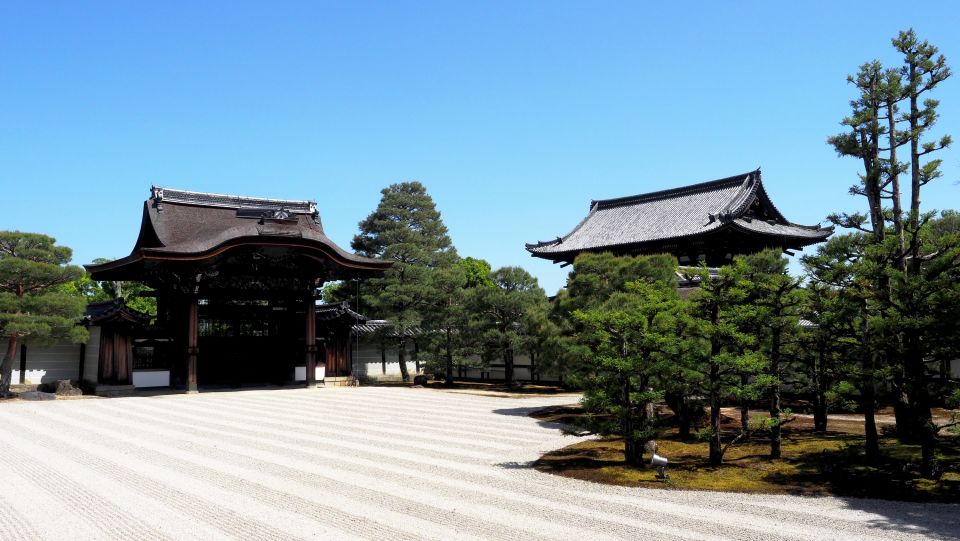
- Omuro sakura fee after Chumon inner gate in peak bloom, with the goal of preserving the trees
- Omuro Pilgrimage course takes about two hours and follows a Shikoku-style route
- Goten Palace and gardens are included (special entrances aren’t included)
- Reiho-kan Museum is an optional add-on if selected
- Seasonal shift is the whole point: priests in summer, red/yellow in fall, snow in winter
- Ticket booths close 30 minutes early so don’t plan a late arrival
Why Ninna-ji feels special in Kyoto
If you want Kyoto without the constant crowds, Ninna-ji is a smart pick. It’s famous for its late-blooming Omuro sakura and its iconic five-story pagoda, but the bigger win is the way the temple grounds change your mood across seasons.
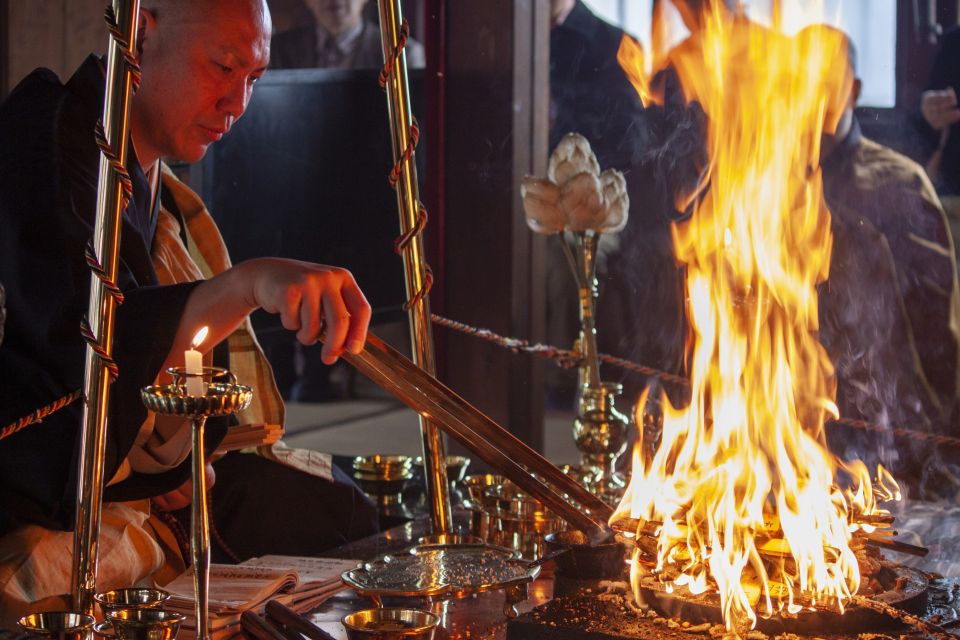
Ninna-ji is also an important religious site. Founded in 888 AD, it’s the main temple of the Omuro school of the Shingon sect of Buddhism. That matters because you’re not just looking at old buildings; you’re in a working spiritual place where ceremonies and temple life help explain what you see.
One more practical plus: the grounds are designed so you can move at a comfortable pace. You can do a quick circuit for the essentials, or you can spend real time on the pilgrimage-style walking route and gardens.
Hours, ticket-booth cutoffs, and the easiest timing strategy
Before you go, line up your arrival time with the posted hours. Ninna-ji is open from 9 AM to 5 PM from March to November, and from 9 AM to 4:30 PM from December to February. The ticket booths close 30 minutes before the temple closes, so you can easily get caught if you stroll in at the last hour.
My advice: treat the final hour as for relaxing and taking photos, not for figuring out your route. If you’re targeting spring blossoms, add extra time because the cherry blossom viewing area can come with an added fee and seasonal crowd pressure.
Also, think seasonally about what you’ll prioritize. In spring and fall, you’ll usually want daylight for photos. In winter, the garden atmosphere after snow is part of the magic, and it helps to have enough time to enjoy it slowly rather than rushing.
What your Ninna-ji entry ticket includes (and what it doesn’t)
This ticket isn’t just a basic gate pass. With it, you get entry to Goten Palace and the gardens. The one caveat is that special entrances are excluded, so if you see extra-signposted areas or special add-on routes, you may need another ticket for those.
Depending on the options you select, you may also have:
- Reiho-kan Museum entry (if selected)
- Flower festival entry (if selected)
- Other special entrance tickets (if selected)
That matters for value. At $5 per person, the base ticket can feel like a bargain if you make full use of the included Goten Palace and gardens. If you also select the museum option, you’ll get a clearer picture of the temple’s cultural role beyond what’s visible outdoors.
Main grounds: pagoda views, calm walking, and Kannon-do explanations
When you arrive at Ninna-ji, the whole experience starts with atmosphere. The temple is known for its peaceful beauty, and you’ll notice that the pacing of the place encourages slow movement rather than sprinting from one photo spot to the next.
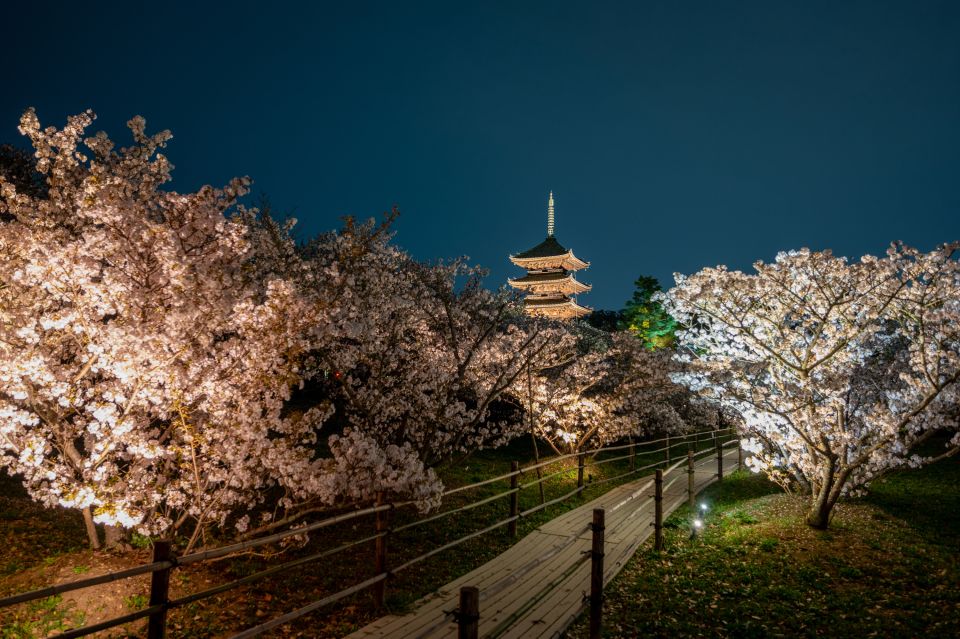
You’ll be looking out toward the famed five-story pagoda, and you’ll likely find yourself pausing for seasonal views—because the trees and garden planning here aren’t just decoration. They’re part of how the temple reads across the year.
Inside temple buildings, it can get more informative if you take the time to understand what you’re seeing. One strong highlight from visitor experience is the presence of a special guide inside Kannon-do, described as wonderful and informative. Even if you don’t catch every detail, it’s the kind of stop that makes the architecture feel less abstract.
If you’re the type who likes meaning behind the walls, prioritize at least one indoor or semi-indoor moment. It makes the outdoors feel more intentional afterward.
Omuro Sakura in spring: late blossoms and the Chumon inner gate fee
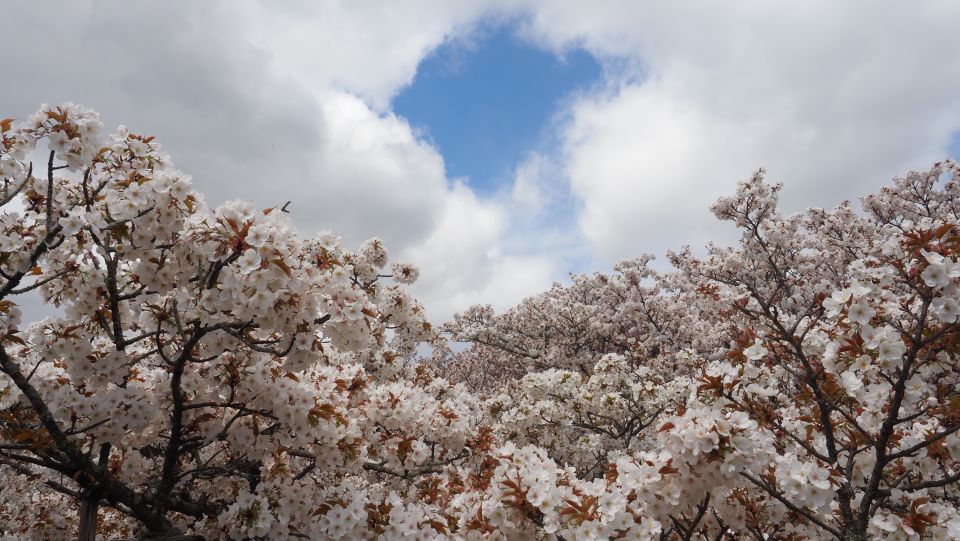
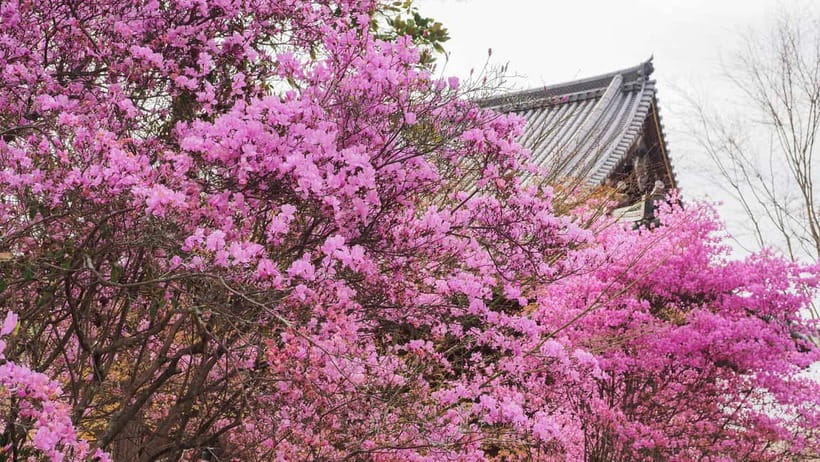
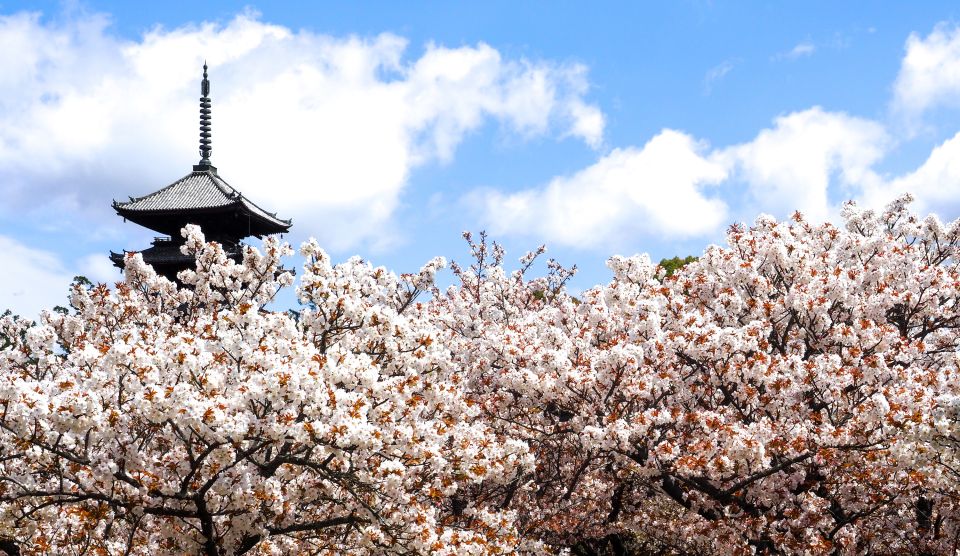
Spring at Ninna-ji is famous for late-blooming cherry trees called Omuro sakura. The big reason people plan for this specific temple is timing: they bloom later than many other cherry spots in Kyoto, which can help you extend the cherry season when other areas have already peaked.
Here’s the key logistical point: during cherry blossom season, there is an admission fee required to enter the area after the Chumon inner gate to view the Omuro sakura. The fee is used for the preservation of the Omuro Sakura, and the exact period when this extra fee applies can vary depending on full bloom.
So what should you do with that information? If you’re visiting in spring and cherry blossoms are the reason you came, you should build your schedule so you can reach the Chumon gate early enough to pay, enter, and still enjoy the rest of the grounds without feeling rushed.
If blossoms aren’t your main target, you can still enjoy the temple buildings and gardens outside that specific viewing area—just don’t assume the best sakura viewing is automatically included.
The Omuro Pilgrimage course: a shorter Shikoku-style walk
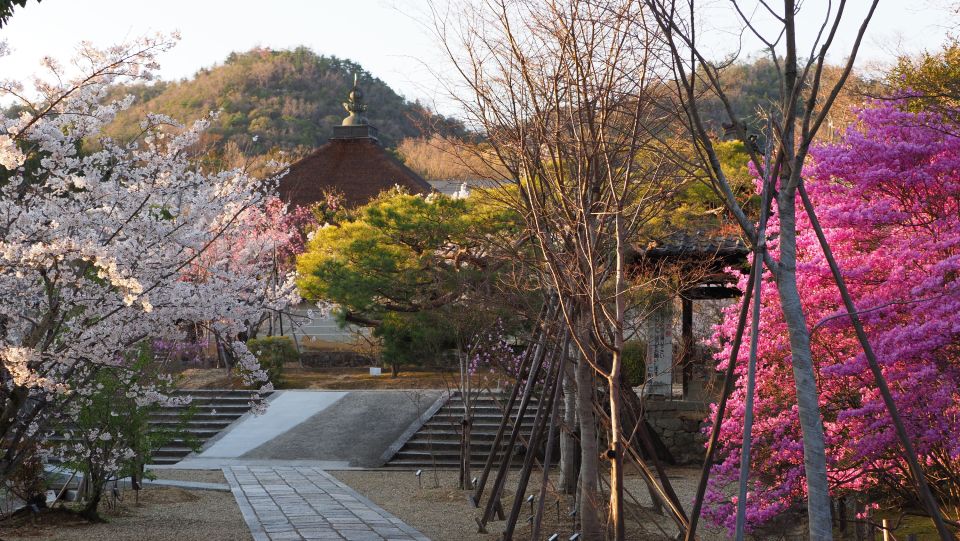
One of my favorite parts of Ninna-ji, even on a day that’s not filled with other Kyoto plans, is the Omuro Pilgrimage course. It’s a shorter version of the Shikoku Pilgrimage, and it’s designed as a roughly two-hour walk.
The route experience is built around the sounds of nature and the changing seasons. That’s why it feels good: you’re not just ticking off sights, you’re moving through a landscape that changes with you. In spring, that can mean lingering around cherry scenery. In summer, temple ceremonies add a different kind of energy. In fall, you’re walking through historic buildings framed by reds and yellows. In winter, snow turns the mood quieter and more meditative.
Practical tip: treat it like a real walking loop. Wear shoes you’d be happy in for a couple of hours of Kyoto sidewalks and temple paths. If your day is packed with trains and other stops, put this course on a time window where you won’t feel pressured to hurry.
Reiho-kan Museum: cultural objects tied to Ninna-ji
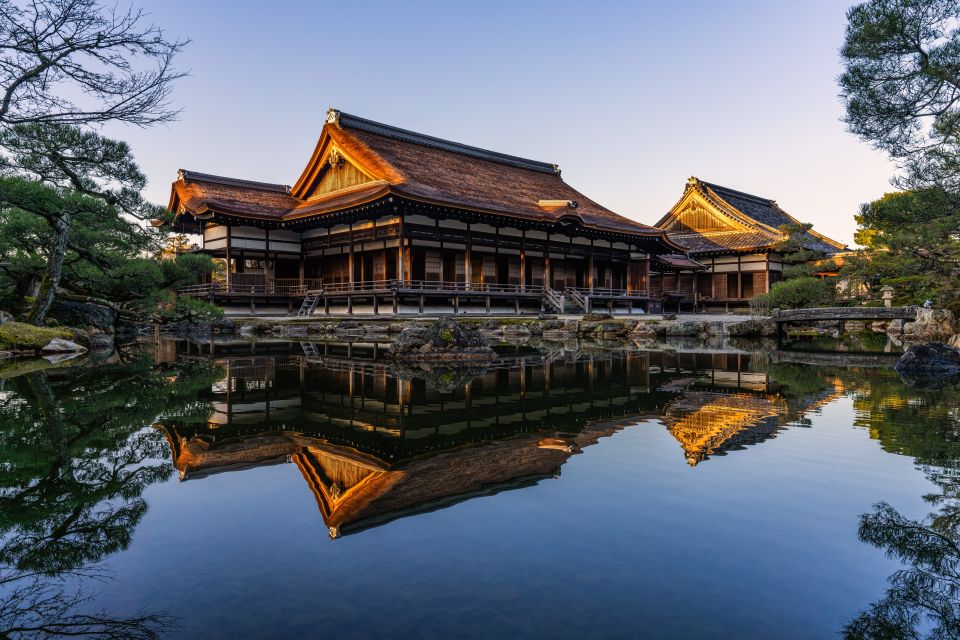
If you select the option for the Reiho-kan Museum, you get a stronger sense of the temple’s cultural importance. The museum is described as holding important cultural items that belong to Ninna-ji Temple.
This is the kind of add-on that’s worth considering when you’re the sort of person who enjoys museums but finds outdoor-only temple visits can sometimes feel too general. With an indoor stop, you can connect what you see in the gardens and halls to the objects that carry the temple’s identity.
My rule of thumb: if you want your day to feel more like learning and less like only photos, add Reiho-kan. If your priority is speed and outdoors, you can skip it and still have a full experience with the included Goten Palace and the Omuro areas.
Goten Palace and gardens: why winter can be the best time
The included Goten Palace and gardens are part of what makes this ticket feel like value. You’re not only wandering temple halls; you get access to a space people associate with calmer, more refined garden atmosphere.
In winter, it gets especially good. After it has snowed, you can enjoy a serene Japanese garden and even soak up snowy scenery associated with the Goten Palace. That’s not just aesthetic; snow changes sound and movement. Paths feel quieter, and the whole scene becomes more about slow attention than high-energy sightseeing.
One caution: the base ticket covers entry to Goten Palace and gardens, but special entrances are excluded. So if you’re hoping for every possible access point, plan to check on-site if there are additional areas that require separate tickets.
Season-by-season: what Ninna-ji gives you in every month
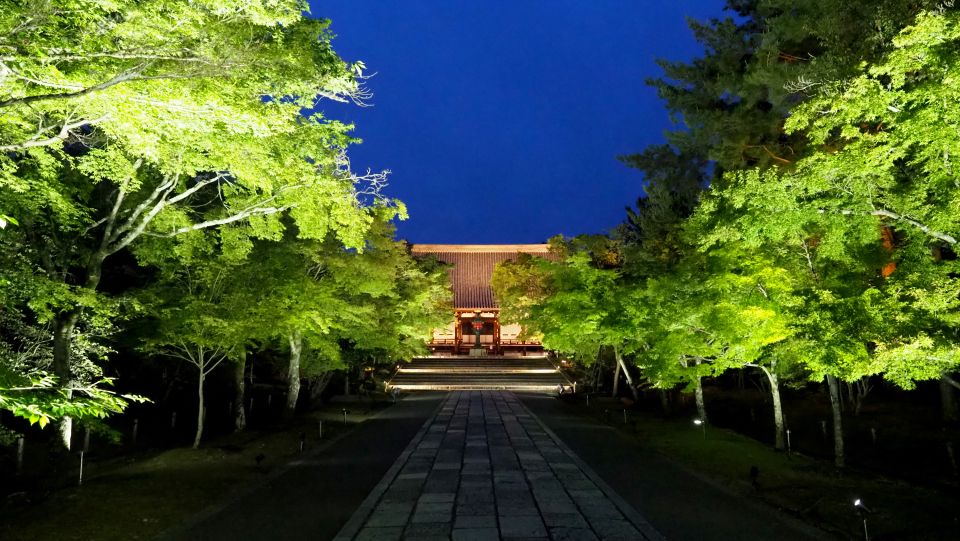
Ninna-ji is one of those places where the season isn’t an afterthought. It’s the product.
- Spring: you’re aiming for late-blooming Omuro sakura, plus the chance to enjoy the temple grounds under cherry shade. If you’re going specifically for the blossoms, remember the possible fee after the Chumon inner gate.
- Summer: the temple sees many priests as Buddhist ceremonies take place. The atmosphere shifts from scenic to ceremonial, so the visit can feel more alive in a quieter way.
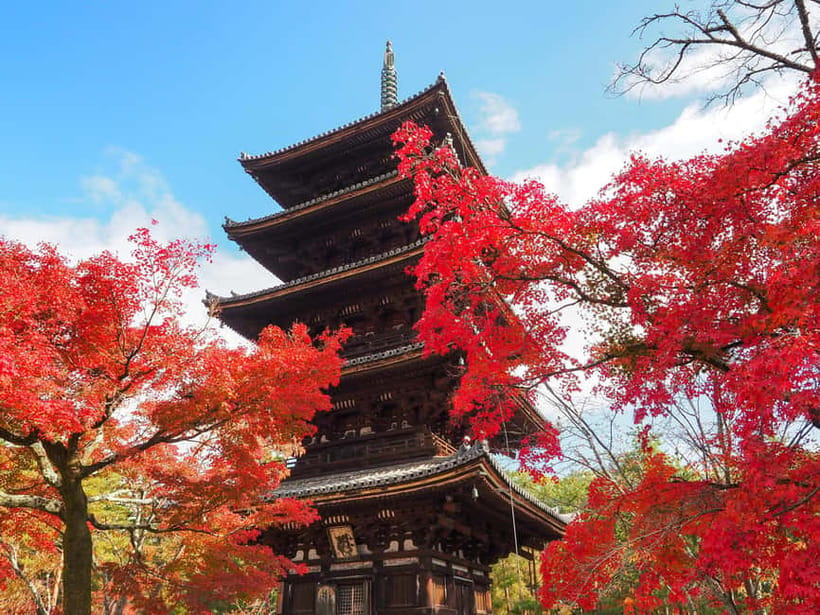
- Fall: historic temple buildings take on vivid shades of red and yellow. This is when photos tend to look extra crisp because the colors frame the architecture.
- Winter: after snow, the Japanese garden can feel very serene, including the snowy scenery connected to the Goten Palace experience.
If you’re trying to pick the best season, don’t just think about weather. Think about what kind of feeling you want: blossoms and timing, ceremonies and ritual, fall colors and crisp views, or winter stillness and snow.
Price and value: is $5 a smart buy?
At $5 per person, this ticket can be a strong deal—especially because it includes entry to Goten Palace and the gardens, not just the outer temple grounds.
Where you should be honest with yourself is in the extras. During cherry blossom season, there may be an admission fee to view the Omuro Sakura area after the Chumon inner gate. The timing of that fee depends on full bloom. If you’re traveling in peak sakura window, budget for it.
Also, your total value depends on how many options you choose. If you pick Reiho-kan Museum entry, you’re adding another layer of context through cultural objects tied to Ninna-ji. If you select flower festival or other special entrance tickets, you’ll expand your day beyond the basic highlights.
For most people, the best strategy is simple: focus on the included essentials first (grounds, Goten Palace and gardens), then decide if museum or special events match your interests.
Who this fits best (and who might skip)
This experience fits you best if you want a quieter Kyoto temple day with seasonal variety and a built-in walking route.
You’ll likely enjoy Ninna-ji if you:
- like temples that feel calm and grounded rather than rushed
- enjoy changing seasons and planning around flowering or color
- want a walk that feels meaningful, like the Omuro Pilgrimage course
- appreciate at least one deeper indoor stop, especially if you can catch informative guidance inside Kannon-do
You might skip or scale back if:
- cherry blossoms are the only reason you’re going and you’re visiting during a window where the Omuro Sakura viewing fee applies and you’d rather avoid that extra cost
- you only want a short stop with no walking route and minimal time spent across the grounds
Should you book the Kyoto Ninnaji Temple entry ticket?
Book it if you want value, calm, and a temple experience that actually changes across the year. The $5 price makes it hard to regret, and the inclusion of Goten Palace and gardens gives you more than the usual “see a few halls and leave” feeling.
I’d especially recommend it if you like the idea of combining temple beauty with the Omuro Pilgrimage walk. It’s a great way to slow down, feel the place, and move through Kyoto in a way that doesn’t feel like a race.
FAQ
How much does the Kyoto Ninnaji Temple entry ticket cost?
The price is $5 per person.
How long is the experience?
The activity is listed as valid for 1 day. The Omuro Pilgrimage course itself is described as a two-hour course.
What are the main inclusions with the ticket?
The ticket includes entry to Goten Palace and gardens (excluding special entrance tickets). A Reiho-kan Museum ticket is included only if the museum option is selected, and other special entrance tickets are included only if those options are selected.
What are Ninnaji Temple’s opening hours?
From March to November, hours are 9 AM to 5 PM. From December to February, hours are 9 AM to 4:30 PM.
When do the ticket booths close?
Ticket booths close 30 minutes before the temple closes.
Is there an extra admission fee for cherry blossoms?
Yes. During cherry blossom season, an admission fee is required to enter the area after the Chumon inner gate to view the Omuro Sakura cherry trees. The fee period can vary depending on when the blossoms are in full bloom.
Is the Omuro Pilgrimage course included, and what is it like?
The Omuro Pilgrimage course is described as a shorter version of the Shikoku Pilgrimage and takes about two hours. It’s surrounded by the sounds of nature and the changing seasons.