REVIEW · SAPA
Number one top rated ethical cultural trekking and homestay by ETHOS
Book on Viator →Operated by Ethos - Spirit of the Community · Bookable on Viator
Rice terraces and village life in two days. This private Sapa Valley trek by ETHOS – Spirit of the Community is built around walking through real countryside and spending the night with a host family, not just sightseeing from a car.
I like the homestay-centered format a lot: you share dinner and breakfast where you’re staying, then join your hosts for lunch during the hike. I also like the pacing. Day 1 includes an easy start, then a steady push up a steep section, so you get that Sapa effort without a full-day suffer-fest.
One thing to consider: you need moderate fitness and you’re relying on weather. The trek is best in good conditions, and Day 1 has a noticeable climb.
In This Review
- Key things to know before you go
- Why a private Sapa Valley trek feels more human
- Meeting ETHOS in Sapa: timing and expectations
- Day 1: rice terraces, villages, and the steep push you can feel
- The homestay night: dinner, breakfast, and living like a neighbor
- Day 2: choose your path, then taxi back to Sapa
- Guides make or break this kind of trek
- Price and value: what $93.34 is really buying
- Who should book this trek (and who should skip it)
- What to pack for Sapa’s two-day walking plan
- Should you book this ETHOS Sapa Valley homestay trek?
- FAQ
- What is the duration of this Sapa Valley trek with homestay?
- Where does the trek take place?
- What time does the trek start?
- Is this tour private?
- What meals are included?
- How much walking is on Day 1?
- Do I need a particular fitness level?
- What happens if weather is poor?
- Can I get a full refund if I cancel?
Key things to know before you go
- Private means just your group: your booking is private, with a minimum group size of two.
- Meals are part of the experience: dinner, breakfast, and two lunches are included.
- A real mix of terrain: rice terraces, village paths, and bamboo forest scenery, with an actual steep climb.
- Community time is built in: you cook or share lunch with your host family rather than doing a quick stop.
- Day 2 is flexible: distance and challenge can vary, followed by an afternoon taxi back to Sapa.
- Good weather matters: the experience depends on conditions, and ETHOS will offer a different date or refund if canceled for poor weather.
Why a private Sapa Valley trek feels more human
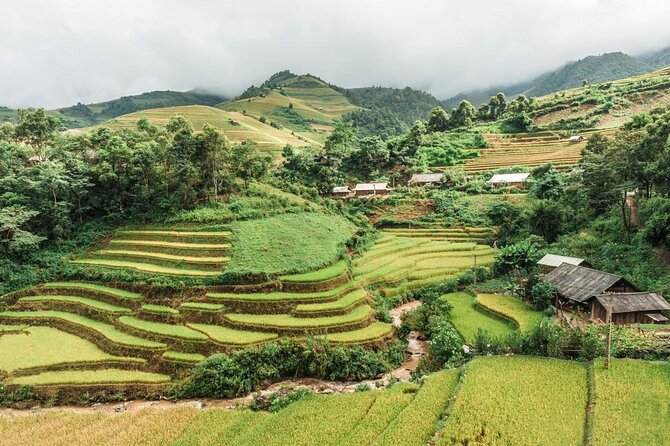
Sapa is famous for views, but most trips turn into a circuit: get off the bus, take photos, move on. This one works differently. You’re walking through rice paddies and village areas over two days, and the night is in a village homestay instead of a hotel.
That changes the whole tone of the trip. You’re not just passing through; you’re sharing meals and time with the people who live there. It’s the sort of travel that makes you pay attention to daily life, not just scenery. And because it’s private, you won’t be herded into a crowd.
ETHOS also frames the trip around community connection. In practice, that shows up in the way the day is structured: you’re not only hiking past villages, you’re stopping inside the rhythm of village life.
Meeting ETHOS in Sapa: timing and expectations
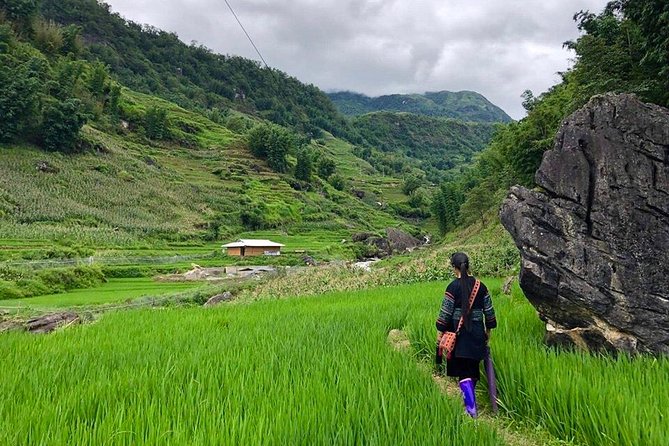
You start at ETHOS – Spirit of the Community at Số 79 đường Nguyễn Chí Thanh, TT. Sa Pa. The start time is 8:30 am, and the meeting point is near public transportation, which can make your day less stressful if you’re arriving from elsewhere in town.
You’ll get a confirmation at booking, and the experience uses a mobile ticket. What that means for you: you can travel lighter on the day, and you’re less likely to lose paper details.
Since this is a private tour with a minimum group size of two, plan as a pair (or as a small group of your own). It’s not set up as a casual “anyone can join” situation.
Day 1: rice terraces, villages, and the steep push you can feel
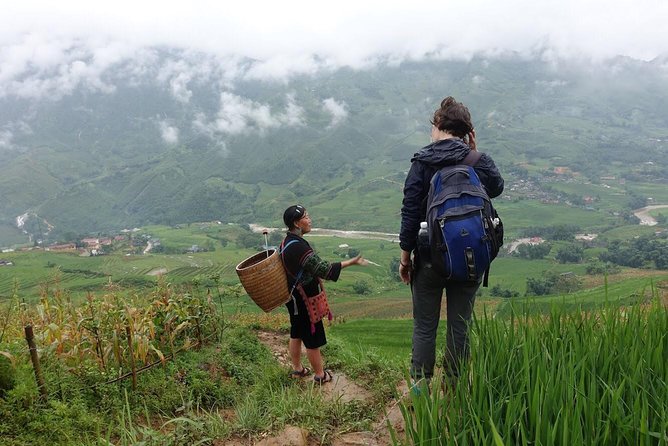
Day 1 is about 14 kilometers total. The first portion is relatively easier and undulating for around 6 kilometers, so you get your legs under you and time to ease into the valley atmosphere.
Then comes the climb: there’s a steep section of roughly 2 kilometers before you stop. This is the moment where the hike stops feeling like a stroll and starts feeling like trekking. If you’re the type who tends to go out too fast on Day 1, this is the section where you’ll want to slow down and pace your breathing.
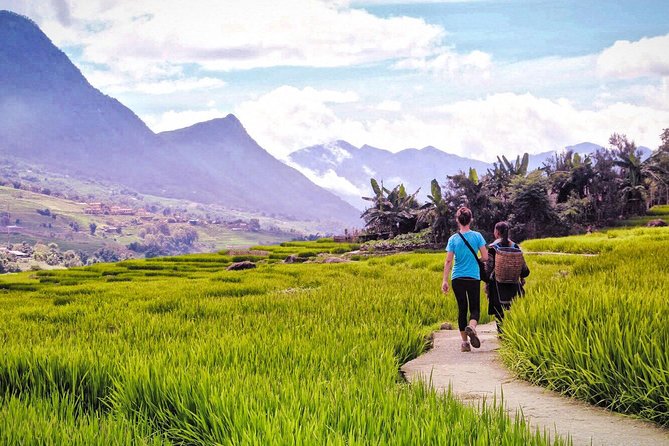
Along the way, you’ll move through rice terraces and traditional villages, which is exactly what gives Sapa its character. You’re seeing how the land is worked, not just standing in front of it. And because your route includes village areas, you’ll likely be sharing space with local routines rather than just hikers and tour groups.
The day’s best cultural beat is your lunch stop with your host family. The plan includes cooking and sharing lunch, which is a huge difference from a standard “we stop, you eat, back on the trail” situation. You’re practicing conversation and learning in a way that feels normal to the day, not forced.
This is also when your provided water and refreshments help you keep moving. They’re not a substitute for good pacing, but they do make the hike feel more manageable.
The homestay night: dinner, breakfast, and living like a neighbor
After Day 1, you’ll spend the night in a homestay accommodation in a village. ETHOS includes dinner and breakfast as part of the package, so you’re not scrambling for food once you’re off the main tourist track.
What I look for in a homestay program is whether it’s treated like real life or a staged performance. Here, the structure points clearly to the real life side of things: you already shared lunch with your hosts during the hike, and then you continue that connection overnight.
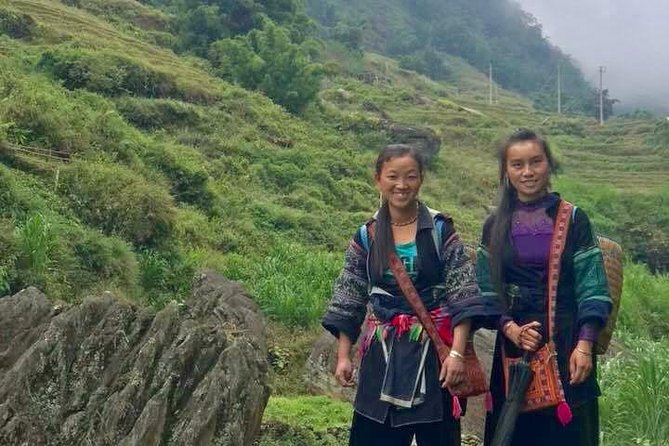
Guides can shape this a lot. ETHOS uses community-based guides, and their names often come up in experiences like Cha, Hoa, My, or Kae. Sometimes the conversation is practical and daily, like what plants are used for or what life is like across the seasons. Other times it’s cultural context: how people live, how work fits into the day, and why certain traditions matter.
One practical note: homestays can be different from hotel comfort. You’re here for the exchange and the village setting, so set your expectations accordingly. If you need a totally private, hotel-style setup, you might find the homestay portion less appealing.
Day 2: choose your path, then taxi back to Sapa
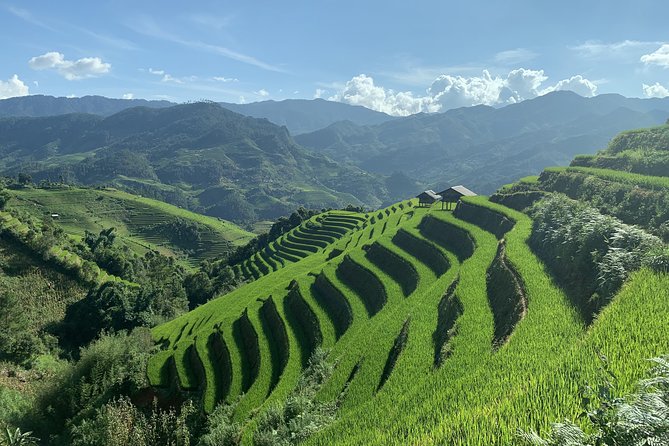
Day 2 continues the trek with lots of flexibility in both distance and challenge. That matters because people vary a lot in stamina at altitude and on uneven paths. If you’re feeling good, you can keep going. If you want a gentler route, the day is set up so your guide can adjust.
You’ll hike to a destination of your choosing. That’s a nice change from fixed itineraries where you’re forced into a one-size route. The goal here isn’t a checklist stop; it’s choosing the kind of walk you want, then turning the day into a memorable morning.
After the morning hike, there’s an afternoon taxi back to Sapa. That take-the-stress-away part is valuable. You get the walking experience and then you’re not trapped on the road for hours trying to figure out transport.
Day 2 still includes breakfast, and your pacing on Day 1 will decide how strong you feel for the second day. If Day 1’s steep climb felt like a workout, take Day 2 slower and enjoy the pace shift.
Guides make or break this kind of trek
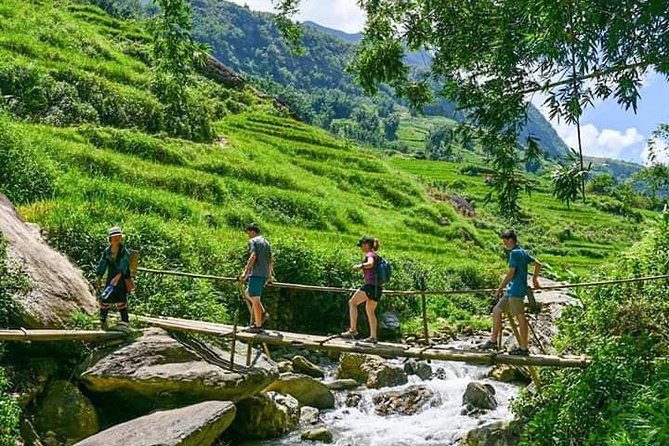
For a cultural trek, your guide isn’t just a route planner. They’re the translator between your world and the village’s world.
ETHOS guides frequently show up as people like Cha, Hoa, Ker, My, or Kae. When the guidance is good, you get more than directions. You get explanations: what you’re seeing, how people live, and what certain plants or tasks mean locally.
In these kinds of treks, I also value how the guide handles respect. With a homestay, you’re entering someone’s daily life. The best guides help you act appropriately without turning the experience stiff. That’s the difference between visiting and connecting.
Because the trek is private, your guide can also pace for your group and adjust the day’s challenge. So if your hiking style is “steady and chatty,” you’re more likely to get that version of the experience than a rushed march.
Price and value: what $93.34 is really buying
At $93.34 per person, this is not a cheap day tour. But it’s also not just “a hike with a meal.” The value comes from the package design:
- Homestay accommodation is included
- Dinner and breakfast are included
- Two lunches are included
- You get private transportation (including the taxi return on Day 2)
- ETHOS provides water and refreshments
So you’re paying for the hard parts that standard hiking tours often leave out: a real overnight stay in a village, meals, and guided logistics. That’s the part that usually costs more when you try to cobble it together yourself.
Not included is travel insurance. That’s normal, but it does matter. Trekking and homestays can mean anything from a fall risk to basic health issues in remote areas. If you don’t already have coverage, it’s worth taking care of before you go.
Also note the booking timing: the tour is commonly booked about 59 days in advance on average. If your trip is tied to a busy holiday window, you’ll want to lock it in earlier rather than hoping the schedule will magically work out.
Who should book this trek (and who should skip it)
This one is a strong match if you want:
- a two-day hike in Sapa Valley scenery
- a homestay night where meals are part of the day
- a private experience with a guide who helps you understand what you’re seeing
It’s also a good fit if you like walking at a moderate fitness level and you’re comfortable with uneven paths and stairs. Day 1 includes a steep climb, so it’s not a “flat and easy” walk.
Skip it if:
- you want a fully hotel-style stay with predictable comfort and privacy
- you expect a very short, effortless hike
- you can’t handle moderate physical effort or don’t feel comfortable with weather-dependent trekking
If you’re traveling as a couple or a small group of two or more, private is where the experience shines. When you’re not sharing your guide and path with a bigger group, conversation and pacing feel easier.
What to pack for Sapa’s two-day walking plan
The data here doesn’t list gear, so I’ll keep this practical and general. For two days in Sapa with hills and a homestay, you’ll want:
- comfortable hiking shoes with grip
- a rain layer you’ll actually wear if weather changes
- a small day bag for water and essentials
- quick-dry layers (Sapa weather can shift)
- something small for your host family, if you like that kind of gesture (but only if it fits your travel style)
Even with water and refreshments included, you’ll still feel better carrying a few small basics. Also, plan for tired legs on Day 2. The second day can be flexible, but it still involves walking.
Should you book this ETHOS Sapa Valley homestay trek?
I’d book it if you want Sapa to feel like a real place you walked through with people—not a theme park of terraces. The combination of private trekking, community-based homestay, and meals built into the schedule is the real draw. For the price, you’re not just paying for a guide; you’re paying for the overnight village experience and the food that makes it all work.
I wouldn’t book it if you need a fully predictable, low-effort hiking day or hotel-like comfort. And if you’re traveling when weather could be rough, keep your plans flexible and be ready for a date change if trekking conditions don’t cooperate.
If your ideal Sapa trip includes rice terraces, village paths, a homestay night, and guidance that helps you make sense of daily life, this is a solid choice.
FAQ
What is the duration of this Sapa Valley trek with homestay?
It’s approximately 2 days.
Where does the trek take place?
The experience is in Sapa, Vietnam, specifically around the Sapa Valley area.
What time does the trek start?
Start time is 8:30 am at the ETHOS meeting point.
Is this tour private?
Yes. It’s private, meaning only your group participates. The booking requires a minimum group size of two.
What meals are included?
The package includes dinner, breakfast, and two lunches.
How much walking is on Day 1?
Day 1 is approximately 14 kilometers, with about 6 kilometers of relatively easier undulating terrain, followed by a steep climb of around 2 kilometers before stopping.
Do I need a particular fitness level?
You should have moderate physical fitness to enjoy the trek.
What happens if weather is poor?
This experience requires good weather. If it’s canceled due to poor weather, you’ll be offered a different date or a full refund.
Can I get a full refund if I cancel?
You can cancel up to 3 days in advance for a full refund. If you cancel less than 3 full days before the experience starts, the amount paid is not refunded.