REVIEW · TEAMLAB BOTANICAL GARDEN OSAKA
Osaka: teamLab Botanical Garden Entry Ticket
Book on GetYourGuide →Operated by teamLab Botanical Garden · Bookable on GetYourGuide
TeamLab at a botanical garden sounds like a weird mashup. It actually works, because you’re walking through real plants by day and returning after dark for light art that reacts around you.
What I love most is the setting: Nagai Botanical Garden’s huge grounds and 1,200 plant species make the experience feel like more than a light show. Then night brings the second payoff: teamLab turns parts of the garden into an interactive art space where your movement and presence change the way light behaves.
One thing to consider is practical: there’s no restaurant or café on site, and the park is outdoors. If you show up hungry or unprepared for insects and evening chill, your mood will drop fast.
In This Review
- Key things you should know before you go
- Entering Nagai Botanical Garden: what the daytime part feels like
- Price and value: why an $11 ticket can still feel like a steal
- Your walking route: from central pond calm to nighttime spectacle
- The teamLab approach: interactive light that plays nice with the garden
- Timing tips that make the difference between good and great
- What to bring (and what will slow you down): shoes, layers, bugs
- Photography, pace, and crowd flow: how to get the best out of the lights
- Getting there and leaving: a simple Osaka reality check
- Who should book this ticket, and who might not love it
- Should you book the Osaka teamLab Botanical Garden ticket?
- FAQ
- How long is the teamLab Botanical Garden Osaka experience?
- What’s included with the ticket?
- Is the ticket refundable?
- Can I enter multiple times in one day?
- Are pets allowed at the venue?
- Is food or alcohol allowed inside?
- Are flash photos, drones, tripods, or selfie sticks allowed?
- What should I bring for comfort?
- Is the venue wheelchair accessible?
Key things you should know before you go
- Huge garden, not just a hallway: 240,000 square meters means you can wander without feeling boxed in.
- Two moods in one ticket: quiet greenery by day, then programmable light and sound after night falls.
- You become part of the art: interactive installations are designed to respond to visitors and the natural surroundings.
- Bring bug protection: long pants, long sleeves, and insect repellent matter here.
- Photo rules are strict: no flash, no tripods, and no selfie sticks.
- Plan your timing: the park can fill, and around early evening the darkness level helps the show land.
Entering Nagai Botanical Garden: what the daytime part feels like
Start your visit in the Nagai Botanical Garden portion, which is run as a hybrid space where nature stays the main character. The garden covers 240,000 square meters, so you’re not rushing through a small exhibit area. You can stroll at your own pace, look closely at plant groupings, and give your eyes time to adjust as you move from one path to another.
The big draw in the daytime is simple: about 1,200 species of plants. Even if you don’t know every botanical name, it’s satisfying to notice how different leaf shapes, textures, and colors create their own patterns. There’s also a central pond area that’s worth slowing down around. It gives you a calm break before the lighting shifts later.
If you’re the type who likes photos, daytime helps you get your bearings. You can figure out the shape of the garden before the “wow” elements turn on at night. That matters because night turns the space into a guided-looking maze, even when you’re free to walk.
Price and value: why an $11 ticket can still feel like a steal
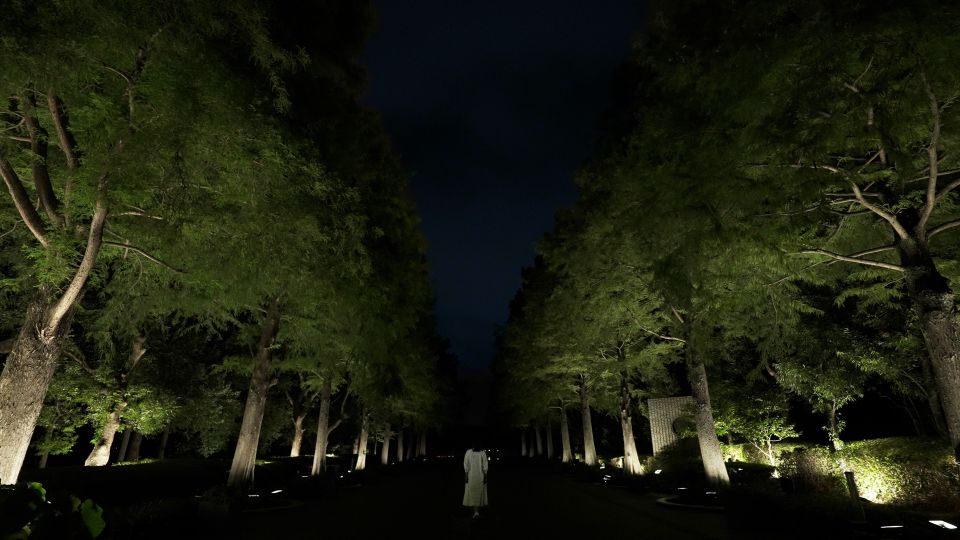
At around $11 per person, this ticket is priced like a basic attraction, but it plays like a bigger night activity. You’re paying for two experiences: a botanical garden visit plus teamLab’s nighttime installations. If you’ve been to art-light shows before, you know the usual tradeoff is that they’re often short. Here, the walking portion gives it length.
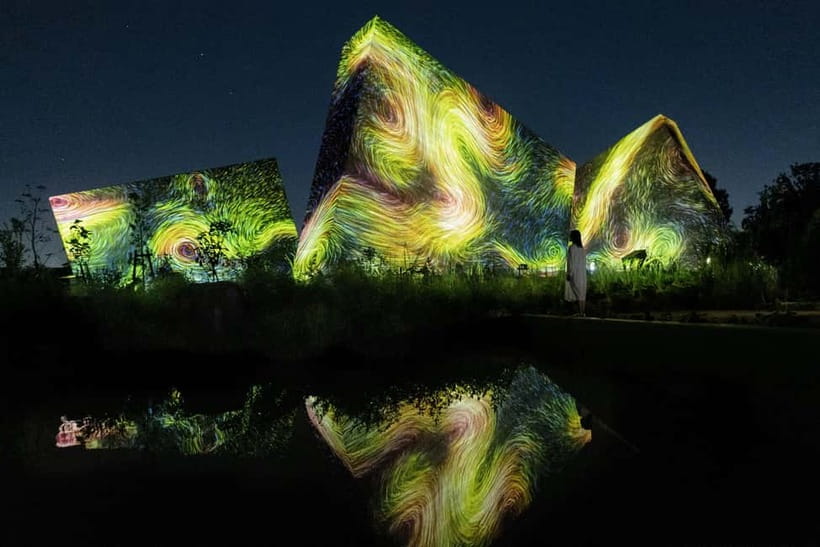
That value is also helped by what you’re actually getting for the money: interactive light that’s designed around nature, not just projected on a wall. The concept is that light-based digital tech can turn nature into art without harming it. In plain terms, you’re seeing a tech show staged inside a living garden.
The one “value risk” is that it’s still an outdoor walking experience. You might not feel like you’re getting your money’s worth if you arrive late, rush, or spend the evening stuck worrying about where to go next. Plan your time and the ticket feels fair. Rush it, and the experience can feel smaller than it really is.
Your walking route: from central pond calm to nighttime spectacle
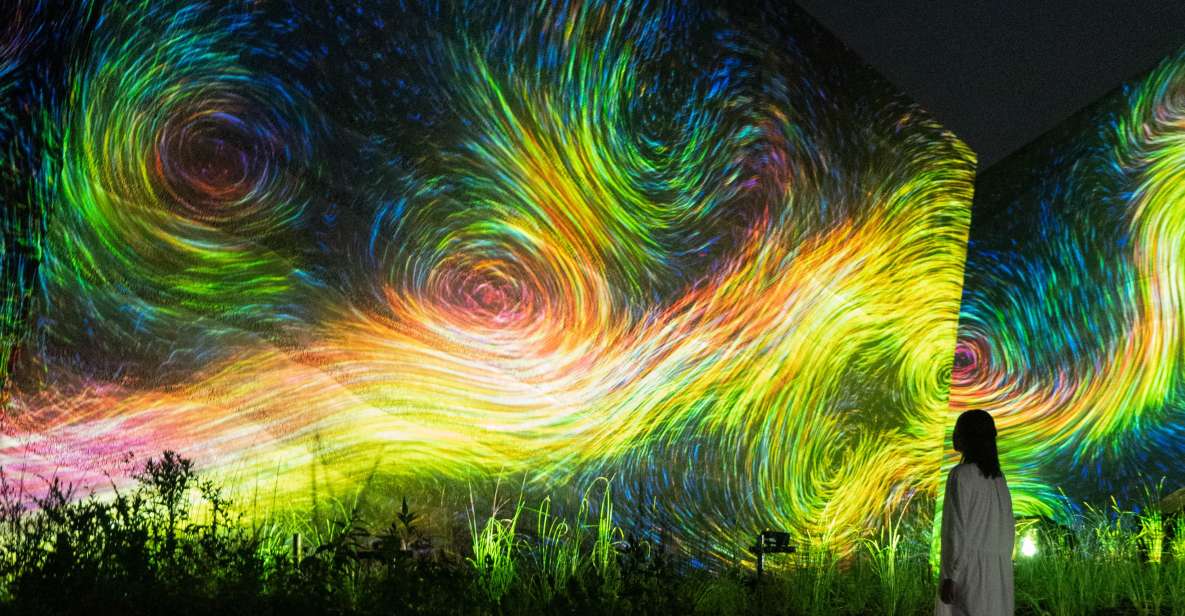
Your visit is essentially one loop with a clear shift in atmosphere: greenery first, interactive light art after. During the garden portion, your job is to walk, look, and relax. The garden is spacious enough that you can choose slower side paths without breaking your route.
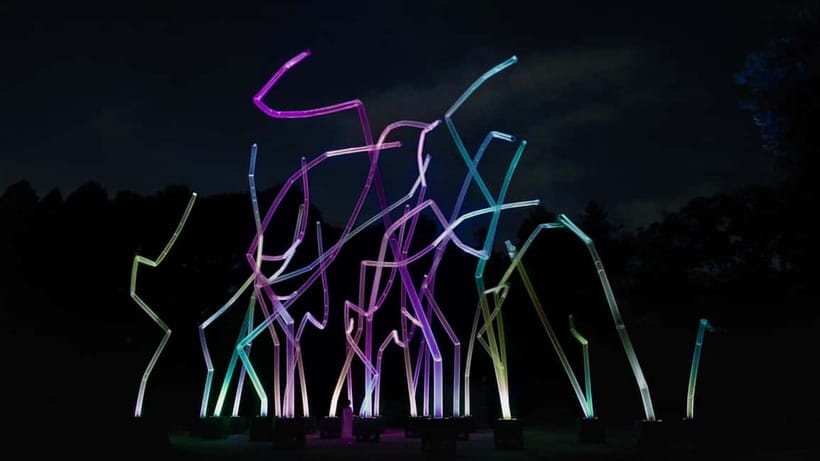
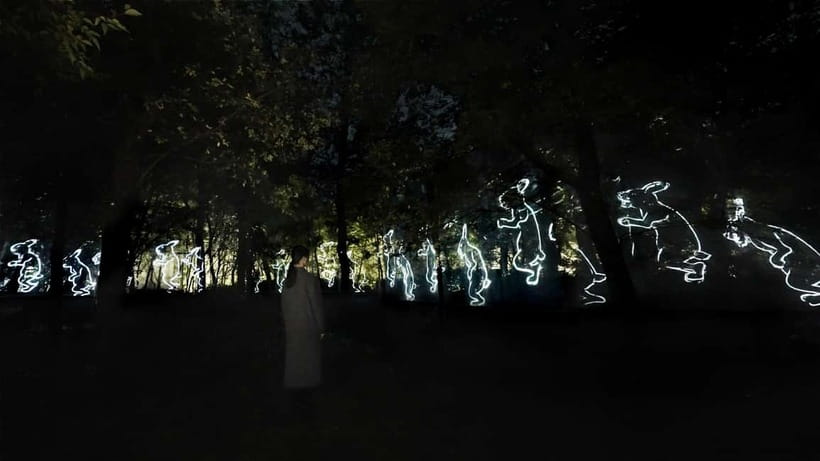
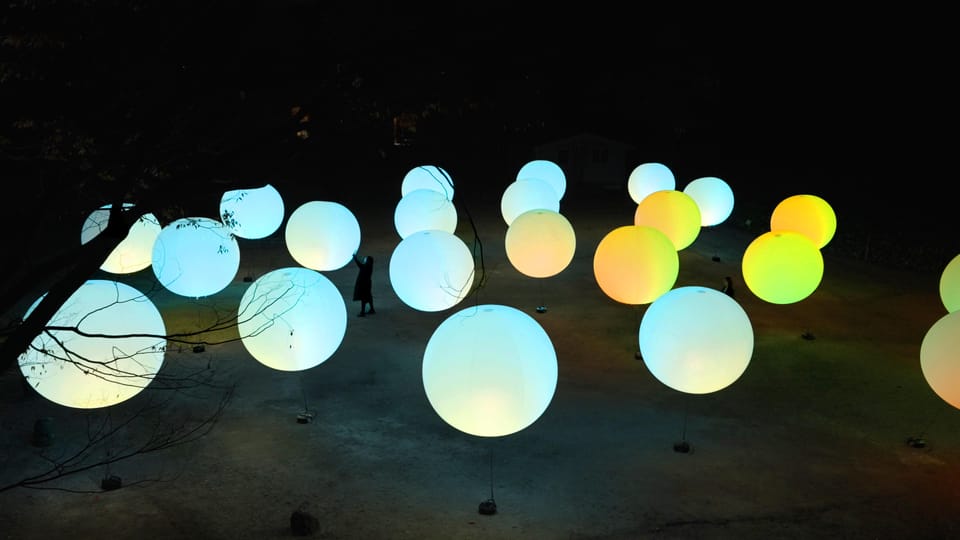
Then night arrives, and the garden becomes the stage. The lighting installations are the centerpiece, with color and light patterns moving around you and reacting to the environment and people in the space. One of the most common surprises is that it can start with simpler effects that feel a little “bubble light” at first, and then grows more impressive as you keep moving. If you feel underwhelmed early, don’t panic. Stay in the flow for a while.
A couple of installation moments people consistently remember include:
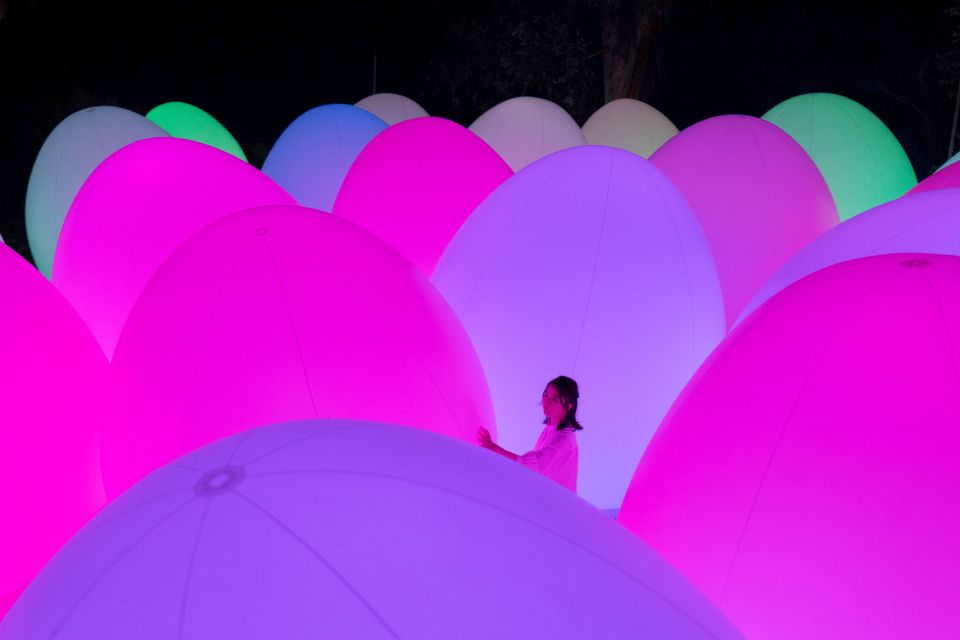
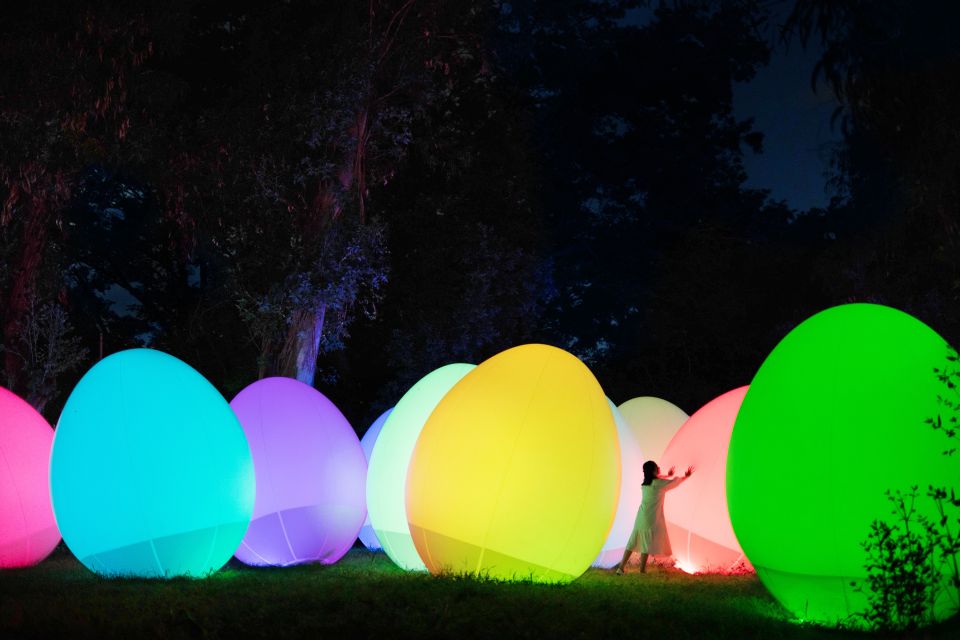
- Egg-shaped light forms you can pass through or run around.
- A lake/pond area with lights that becomes a focal point when the show is active.
That’s why the central pond stop is useful even before night. You’ll recognize it later as the moment things get dramatic.
One more timing note: the darkness level is part of the experience. A common smart move is to show up early enough that you’re already inside when it gets properly dark. That way, you don’t feel like you’re waiting outside for the good part to start.
The teamLab approach: interactive light that plays nice with the garden
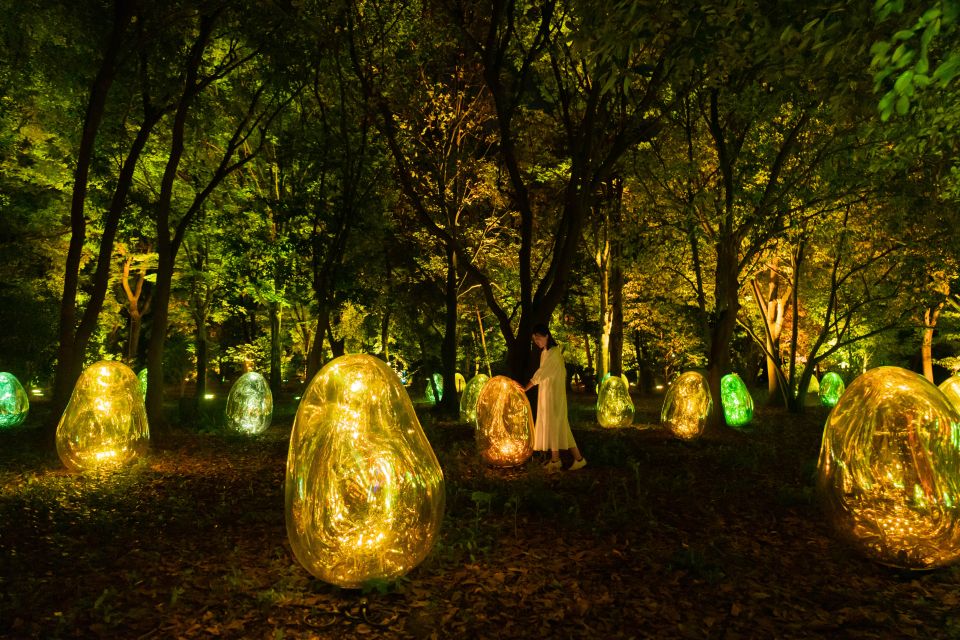
Here’s the heart of the concept: the art uses non-material digital technology, mostly light, to change how the garden looks and feels. The goal is that the natural setting stays intact while the light animations create a new layer of meaning.
What makes the interaction interesting is that it isn’t just eye candy. The displays are built to respond to surroundings and visitors. In other words, your presence changes what you see. That’s why it works better when you’re not treating it like a quick photo mission.
You’ll likely notice different types of interaction across the route—some areas feel more like drifting color, others feel more like you’re stepping into a scene. Many installations also include music and sound, which helps stitch everything together. One visitor noted a sound mix that combined classical instruments and Japanese drums with electronic music. You may not get the exact same soundtrack every night, but the presence of sound as part of the environment is a theme.
Also: the vibe is calmer than you might expect for something “trippy.” It’s outdoors, it’s slow-walking friendly, and you can choose how interactive you want to be. If you want to stand back and watch how other people trigger effects, you can.
Timing tips that make the difference between good and great
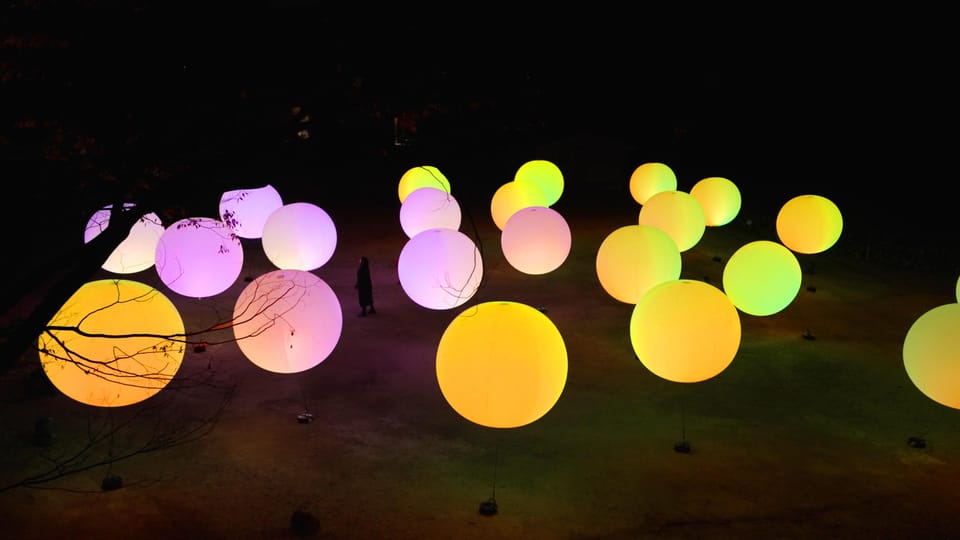
Timing isn’t a “nice-to-have” here. It affects crowd flow, darkness, and how much you can actually enjoy the light art instead of rushing between installations.
A few practical tips based on what works on the ground:
- Go earlier than you think you need to. The park can fill quickly, and the best experience comes when you have time to wander into the lighting portions without stress.
- Plan for evening darkness. One useful guideline mentioned is that around 6 pm it’s dark enough to get the most out of the experience.
- Don’t treat it like a 30-minute stop. The value comes from walking at your own pace and letting the installations stack.
Another tip: build in time to slow down around the pond areas and any big “signature” light elements (like egg-shaped installations). If you rush past those, you’ll feel like you missed the point even if you saw everything.
And yes, check weather before you go. This is outdoors, and a rainy or miserable evening can make the walk feel longer than it should.
What to bring (and what will slow you down): shoes, layers, bugs
The official packing list is short, but it’s spot on:
- Comfortable shoes (you’ll be walking a lot on outdoor paths)
- Long-sleeved shirt and long pants
- Insect repellent
I’d add one personal rule: dress for “evening outside,” not “middle of the day.” Lights bring ambience, but the air can feel cooler as the garden quiets down.
Now the restrictions are important, because they shape your whole experience:
- No food inside
- No smoking
- No luggage or large bags
- No drones
- No selfie sticks
- No flash photography
- No tripods
- No alcohol and drugs
- No flashlight
The big takeaway is to keep your gear simple. If you’re hoping to set up a tripod shot, this isn’t that type of venue. For photos, you can take pictures, just avoid flash.
Also, re-entry isn’t allowed, and there are no restaurants or cafés on site. That means you should eat before you arrive and treat the night portion as a continuous visit. If you rely on snacks, plan ahead. (Some visitors have mentioned there are vending options inside, but the reliable thing to count on is that you should not plan on a proper meal on site.)
Photography, pace, and crowd flow: how to get the best out of the lights
You can take photos, but without flash and without extra gear like tripods or selfie sticks. That changes how you experience the art in a good way. It pushes you to watch, not just shoot. You’ll spend less time crouched and more time moving through space.
Crowd handling is mostly about timing and flow. One review experience highlighted that entrance can feel structured enough that you don’t get slammed instantly. In practice, that means your entry time matters. If you pick an earlier start, you’ll likely have an easier time strolling without constant bottlenecks.
The biggest crowd mistake is trying to “speedrun” the installations. If you race ahead, you miss the way light interacts with plants and branches overhead. If you slow down, you’ll catch details like how the display colors reflect on nearby leaves and how the paths frame the light scenes as you walk.
Also, keep an eye on your route choices. Some people get stuck turning around or backtracking when they realize too late that the lighting sequence continues deeper into the garden. Once you commit to the loop, stay with it.
Getting there and leaving: a simple Osaka reality check
The park is walkable from nearby transit, but it’s not right beside a taxi stand. One guest pointed out that getting a taxi right after the show could be tough, and that a walk to the nearest station can be around 15 minutes.
So here’s the safe plan: treat the exit as part of the experience. Finish your walk, then head toward transit calmly. If you’re depending on a last-minute ride, don’t leave yourself a huge time crunch.
If you’re using public transit, give yourself buffer time for station navigation. Osaka is easy enough once you’re oriented, but night adds friction.
Who should book this ticket, and who might not love it
This works best for you if you like:
- Outdoor nighttime attractions where nature is the main setting
- Interactive art where your movement matters
- A slower pace after a day in the city
It’s also great as a first night plan in Osaka because it gives you an immediate “different side” of the city. Instead of another shopping or food loop, you get something atmospheric and calm.
It might be less ideal if:
- You hate walking (the experience is a lot of outdoor steps)
- You’re expecting something on the scale of other teamLab sites you may have seen elsewhere. One visitor noted Osaka is not comparable to teamLab Tokyo, but still worth doing.
- You want a quick hit with zero waiting and no walking. This is more of a wandering experience than a sprint.
For families, there’s a strict rule: children must be accompanied by an adult who is 18+ years old, and there must be one accompanying adult for every three children. If you’re traveling with kids, plan based on that ratio and keep everyone in long pants and bug-ready clothing.
Wheelchair users and strollers can enter, but some artworks may not be accessible. If that matters for you, it’s worth checking with the venue directly.
Should you book the Osaka teamLab Botanical Garden ticket?
Yes, I’d book it if you want a memorable Osaka night that isn’t just another indoor show. The combination of a real botanical garden plus interactive light art is the main reason. For the price, the length of the walk and the quality of the atmosphere give you strong value.
Book it with confidence if you:
- can arrive before it gets fully dark,
- wear comfortable shoes,
- and go with a mindset of walking and watching, not just photographing.
Skip or reconsider if you’re arriving late, you don’t do well with insects and outdoor evening temps, or you’re looking for a sit-down “one room only” attraction.
If you’re trying to pick one night activity in Osaka, this is an easy recommendation.
FAQ
How long is the teamLab Botanical Garden Osaka experience?
The experience is listed as 1 day, and you should plan time for both the daytime garden and the nighttime light installations.
What’s included with the ticket?
Your ticket includes entry to the teamLab Botanical Garden Osaka.
Is the ticket refundable?
No. The activity is non-refundable.
Can I enter multiple times in one day?
No. Re-entry is not allowed.
Are pets allowed at the venue?
No, pets are not allowed.
Is food or alcohol allowed inside?
Food is not allowed, and alcohol and drugs are not allowed.
Are flash photos, drones, tripods, or selfie sticks allowed?
Flash photography is prohibited. Drones, tripods, and selfie sticks are also prohibited.
What should I bring for comfort?
Bring comfortable shoes, a long-sleeved shirt, insect repellent, and long pants.
Is the venue wheelchair accessible?
Wheelchair users and children in strollers may enter, but some artworks may not be accessible. For specific guidance, you should contact the venue by phone.