REVIEW · COLOMBO
Udawalawe National Park: Elephant Safari with Expert Guide
Book on GetYourGuide →Operated by Udawalawe Wild Safari Tours · Bookable on GetYourGuide
Elephants in real grasslands. That’s the hook of Udawalawe. This half-day safari is built for close, respectful encounters with Sri Lanka’s big herds, plus a strong shot at other animals and birds in one of the island’s most reliable reserves. Udawalawe National Park is also a wildlife-viewing machine because it’s set up around the reservoir watershed, with habitats that keep animals moving.
What I like most is the way you get time to actually watch—open views for elephant sightings, not just quick stops. The other big win is the guide quality: you’ll be with a driver-guide who’s been doing safaris for a decade or more, and the better ones (like Gimhana, Deneth, and Lasindu, based on names people received) are also great at reading the park and positioning you for photos without crowding.
One drawback to plan for: the park is large, and sightings can take a bit of patience. You may sit and wait around 10–15 minutes between animal moments, especially if you’re covering grasslands and moving to the next best spot.
In This Review
- Key highlights you’ll care about
- Why Udawalawe is such an easy elephant safari win
- The 4 to 10 hour safari rhythm: half-day energy, no rush vibes
- Private 4×4 jeep + a real safari driver-guide makes a difference
- Elephant sightings: open grasslands, calves, and the art of patience
- Beyond elephants: crocodiles, jackals, deer, reptiles, and water buffalo
- Birding you can actually enjoy, including endemic species
- Timing strategy: morning often feels calmer, and afternoon can surprise you
- Price and the entry fee math: what $30 really covers
- What to pack (and what to avoid) for a smoother safari
- Who should book this Udawalawe safari, and who should skip it
- Should you book this Udawalawe Elephant Safari?
- FAQ
- What animals can I expect to see in Udawalawe National Park?
- How long is the safari, and are there different options?
- What’s included in the tour price?
- How much is the Udawalawe National Park entry fee?
- Does this safari have a live guide, and what languages do they speak?
- Is the tour private?
- Are drones or alcohol allowed during the safari?
- Is it refundable if my plans change?
Key highlights you’ll care about
- Expert driver-guides who spot animals quickly and explain what you’re seeing in practical, on-the-spot ways
- Elephant herds in open grasslands, with a real chance of seeing calves when conditions line up
- Respectful wildlife handling, like keeping distance and letting animals move naturally
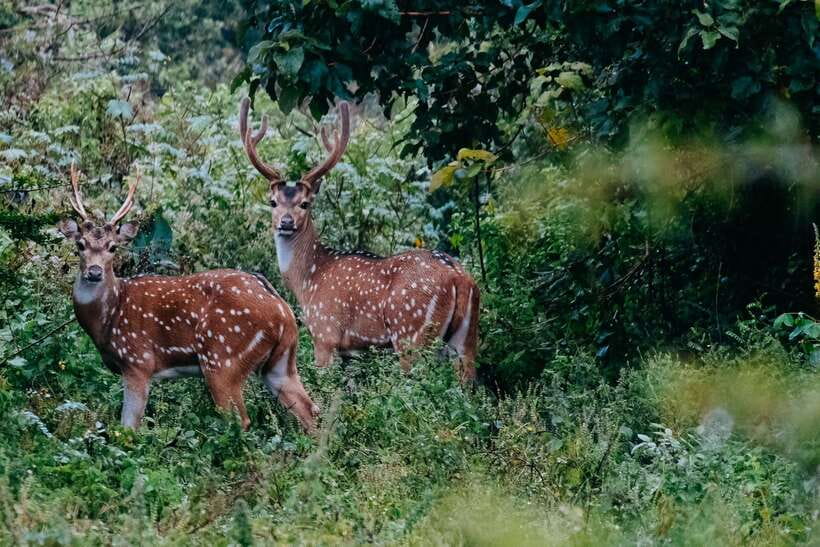
- More than elephants: crocodiles, jackals, deer, water buffalo, and reptiles depending on the day
- Birding bonus for endemic species such as the Sri Lankan junglefowl
- A private 4×4 jeep feel with pickup/drop-off in the Udawalawe area and flexible safari length
Why Udawalawe is such an easy elephant safari win
Udawalawe is in Sri Lanka’s Eastern Province, on the border of Sabaragamuwa and Uva Provinces. The reserve covers 308 square kilometers and was set up to protect the watershed for the Udawalawe Reservoir. In plain terms: animals have water and food cycles here, and the park’s layout gives you long viewing lines instead of only thick forest cover.
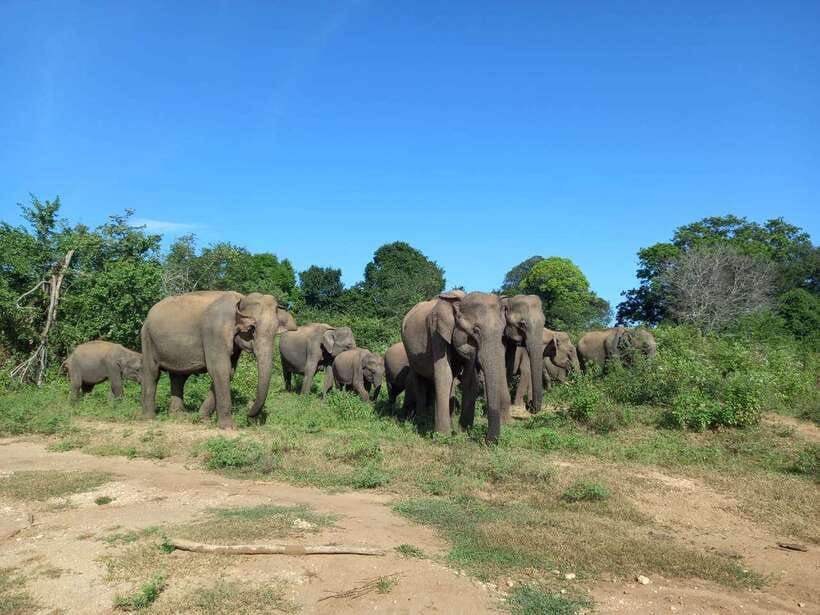
Elephants are the headline. The park is home to over 500 elephants, and that population density is why you’re not constantly stuck hoping. When you’re in Udawalawe, you’re working with odds. Your guide can shift between grasslands, forest edges, and wetlands to keep improving your chances as the morning or afternoon unfolds.
And if you don’t only care about mammals, Udawalawe rewards patience. Birds are common, and endemic species like the Sri Lankan junglefowl and spurfowl can show up. Guides who love birding tend to slow down at the right moments, not just when a herd is visible.
You can also read our reviews of more tours and experiences in Colombo.

The 4 to 10 hour safari rhythm: half-day energy, no rush vibes
This tour comes in multiple lengths, from about 4 hours up to 10 hours, depending on the option you choose. That matters because safari pacing is everything: a 4-hour plan is more about speed and concentration, while a longer day gives your guide more flexibility to wait for the next turn in animal activity.
Most safaris in Udawalawe work best when you start at the early end of the day—or when you catch the late-day light. People on morning departures often report being in the park early, sometimes when it isn’t busy yet. That can translate into a calmer experience and fewer jeeps clustered at the same wildlife moment.
What you’re really buying is time in the right habitats with a competent driver. You’ll move through the park, stop when animals appear, and then move on again. When animals are far off, you don’t always know from the road—so waiting is part of the deal.
Private 4×4 jeep + a real safari driver-guide makes a difference
You’re traveling by private 4×4 jeep, and the experience is guided by a driver-guide with 10 years of safari experience. That isn’t just a brag line. In a park like Udawalawe, speed without skill gets you nowhere. The best operators (and guides people have named, like Gimhana, Jana, Udith, Jayashan, Jaya, Gayan, and Gayan again in a different spelling) focus on three things:
1) Spotting early and spotting small
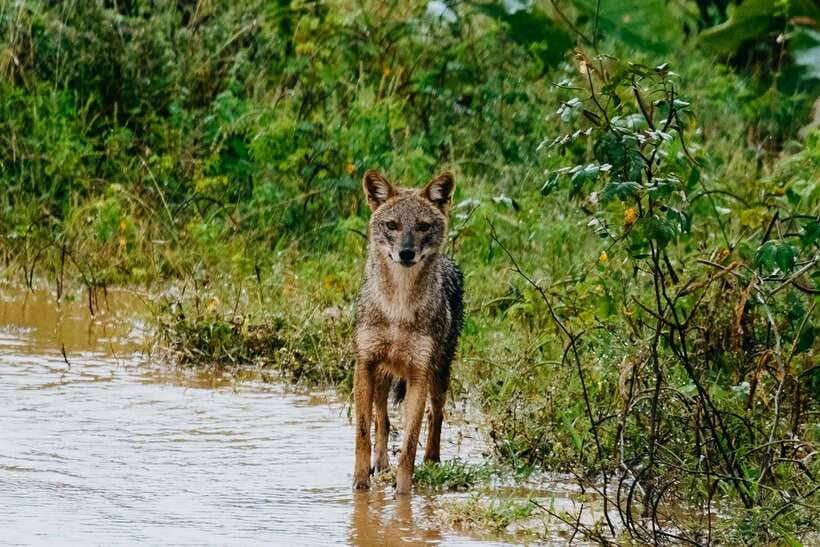
Elephants are obvious, but other animals can be easy to miss—jackals, mongoose, and reptiles often show up as quick movement and then vanish. Guides who scan constantly and stop at the right time add a lot of value.
2) Respecting distance
In good encounters, you’re not forcing wildlife closer. You’ll often see the jeep stop in a way that lets animals decide what they want to do. Some guides have a habit of turning off the engine while near animals, which helps keep the moment quieter and more natural.
3) Choosing routes that don’t feel like a parade
Udawalawe can get busy at the popular spots. The better guiding strategy is finding viewing points without driving in circles just to chase other jeeps.
Language support is listed as English and Singhalese. In practice, you’ll get lots of animal facts and practical explanations while you’re on the move—plus time to ask questions when something new appears.
Elephant sightings: open grasslands, calves, and the art of patience
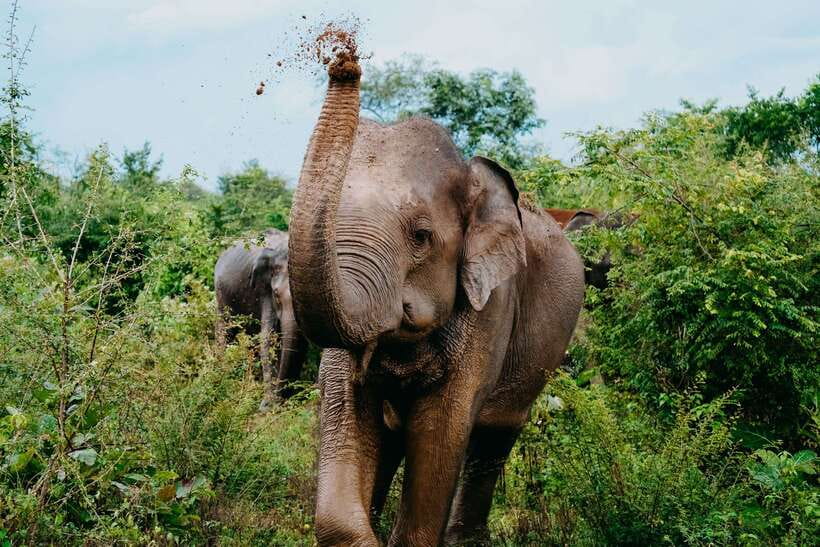
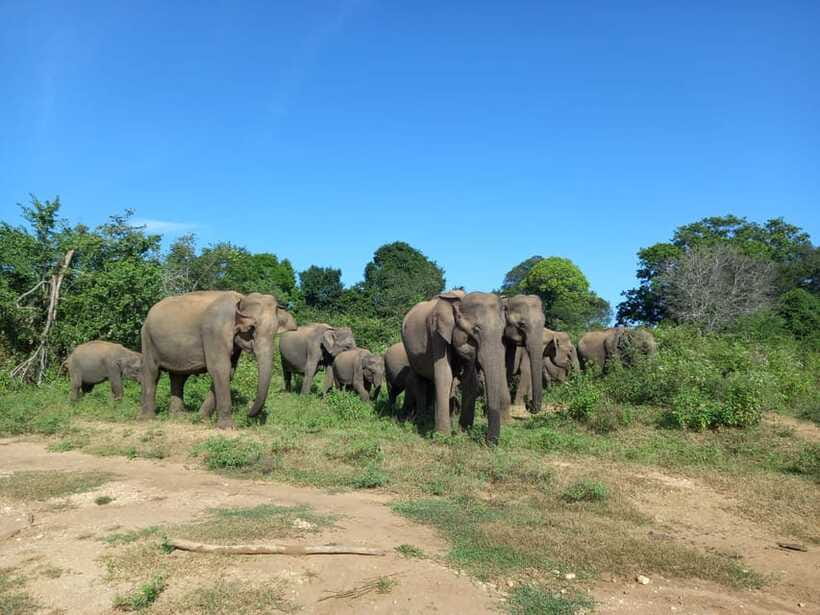
Udawalawe’s grasslands are made for elephant watching. With elephants roaming freely across varied terrain, you’re often looking for the moment a herd changes direction, gathers, or reveals a calf tucked behind a larger body.
The best elephant safaris balance two things: getting close enough for good photos, and not pushing the animal into alert mode. When it works, you get those classic scenes—an elephant herd in open view, a baby or juvenile close enough to feel real, and the herd’s body language that tells you they’re comfortable.
You should also expect that elephant sightings can come in waves. One stop might be many elephants at once, and then the next few kilometers might be quiet until your guide hits the next good approach. People who did shorter safaris still often reported lots of elephants, including family groups and younger ones, when timing and routing were right.
Beyond elephants: crocodiles, jackals, deer, reptiles, and water buffalo
Udawalawe is not an elephant-only park. The experience is designed so you keep your eyes open for other animals that share the habitats.
Here’s what the safari experience highlights mention as targets:
- Crocodiles
- Jackals
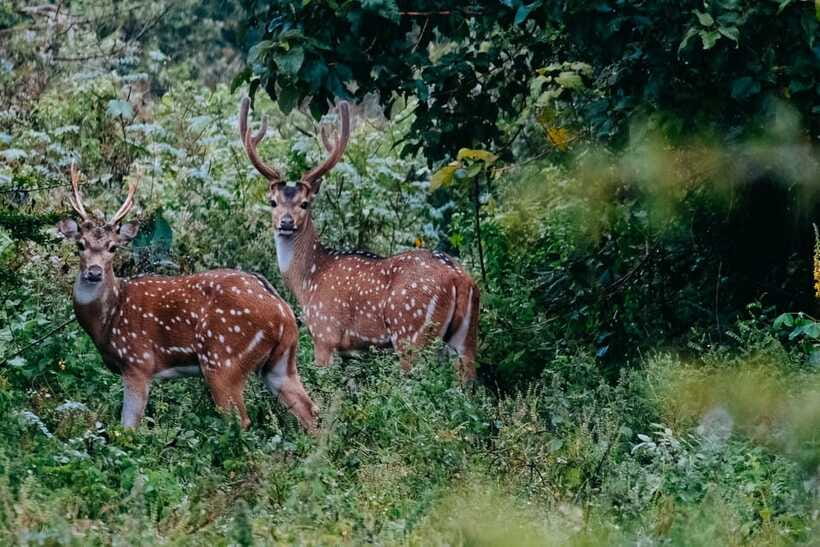
- Sambar deer
- Wild boar
- Reptiles
And the animal variety shows up in real sighting stories too: water buffalo, lizards/monitor-type reptiles, and lots of birds. Some people also noted lucky leopard sightings, which is never guaranteed, but it’s part of why experienced guides keep checking forest edges and shaded movement corridors.
If you love photography, crocodiles and deer can be easier subjects than elephants because you’re sometimes dealing with calmer positions. But it’s still the guide’s job to pick the viewing angle that doesn’t stress animals.


Birding you can actually enjoy, including endemic species
If you like birds, Udawalawe is a win. Even when elephants dominate the day, bird calls and movement around grass edges and wetland pockets can add a second layer to the safari.
The tour highlights specifically call out endemic birds like the Sri Lankan junglefowl and spurfowl. That’s the kind of bonus you only get when someone is paying attention to more than just the big silhouettes.
A practical point: bird moments are often quick. A guide who knows where to stop and when to look can turn a 10-second glance into a proper sighting. If your priority is birds, tell your guide early. The best tours adjust to your interests and keep you ready for sudden movement.
Timing strategy: morning often feels calmer, and afternoon can surprise you
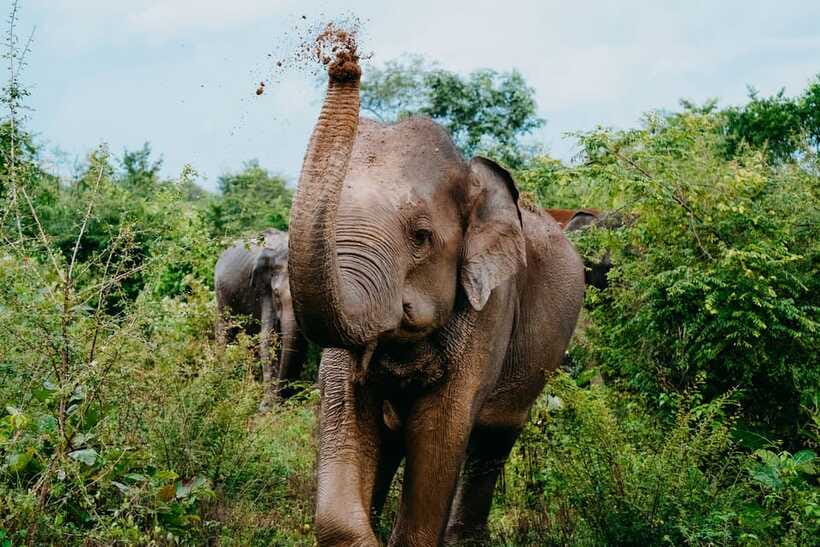
Your timing choice can change how the safari feels, even if the animals don’t read your calendar.
Morning safaris (people booked as early as around 6 AM) often get you into the park before it’s crowded. That can mean fewer jeeps at a sighting, more space to watch, and less waiting at the same stop while other groups arrive.
Afternoon safaris can still deliver big moments. One person described a 2 PM safari as a lifetime highlight, with lots of different animals. The key is that activity varies by weather and animal routine, and guides adjust by watching where animals are moving.
Two real-world comfort notes from safari stories:
- Morning can be cold, especially if you’re out early and the air feels sharp before the sun warms up.
- Dust matters. If you’re with a baby or someone who hates dry air, plan for dust cover and protection.
Price and the entry fee math: what $30 really covers
The listed price is $30 per person, and the park entry fee is separate at $37 per person. That total matters, so I like thinking of it as two layers:
1) You pay for the safari experience
This includes hotel pickup and drop-off in the Udawalawe area, a private safari tour, a driver-guide (10 years of experience), and transportation by a private 4×4 jeep. If you choose the 10-hour option, lunch and water are included.
2) You pay for access to the protected reserve
That’s the entry fee at the park.
Is $30 good value? For a private 4×4 with pickup, guide expertise, and dedicated wildlife time, it often is—especially because you’re not stuck with a large group. If you’re traveling as two people, you’ll usually feel it more strongly as value because the cost doesn’t multiply with every extra person the way group tours can.
If you’re budget-tight, compare the safari length. A 4-hour option can still deliver strong sightings in Udawalawe, but a longer day is more flexible if the park is quiet at first.
What to pack (and what to avoid) for a smoother safari
The experience rules include no drones and no alcohol or drugs. That’s good for wildlife and good for staying on the right side of park guidelines.
What I’d bring:
- A light layer for early starts (morning air can feel chilly)
- Something to cover up from dust (a scarf or mask can help)
- Sunscreen and a hat once the day warms up
- Water even if the 10-hour option includes it, because you’ll want it between stops
- Your camera with a fast way to start shooting since animals can appear suddenly
If you’re prone to motion discomfort, a safari jeep ride has bumps. People praised safe driving, but it’s still an off-road style of travel. Wear shoes you’re comfortable with for sudden stops and shifting seats.
Who should book this Udawalawe safari, and who should skip it
This is a strong fit if you:
- Want an elephant-focused safari with lots of chances
- Enjoy wildlife viewing with a guide who explains what’s happening
- Like birds and want a chance at endemic species like the Sri Lankan junglefowl
- Prefer a private jeep and a more adjustable pacing
It’s not suitable for:
- Pregnant women
- People with mobility impairments
Also, if your idea of a perfect safari is zero waiting, be careful. In Udawalawe, the best encounters come from patience and repositioning. Some time between sightings is normal.
Should you book this Udawalawe Elephant Safari?
Book it if you want a realistic chance at elephants plus a wider wildlife and bird mix, and you value a guide who focuses on respectful viewing. The private 4×4 format, hotel pickup in the Udawalawe area, and strong guide reputation (people often name guides like Gimhana and Deneth for their spotting skills and calm driving) add up to a safari experience that feels organized without feeling rushed.
Skip it if accessibility needs are a dealbreaker or if you’re in the groups listed as not suitable. And if you’re very sensitive to dust or cold mornings, plan your clothing and cover carefully so the experience stays comfortable.
If you’re aiming for one of your Sri Lanka wildlife days to be about elephants, Udawalawe is one of the most dependable ways to do it—especially when your guide is as focused on the small moments as the big herds.
FAQ
What animals can I expect to see in Udawalawe National Park?
You can expect to focus on wild elephants in open grasslands, and keep an eye out for other wildlife such as crocodiles and jackals, plus animals like sambar deer and wild boar. Birding is also a key part of the experience, including the Sri Lankan junglefowl and spurfowl.
How long is the safari, and are there different options?
The safari duration is listed as 4 to 10 hours. You’ll need to check availability for starting times for your preferred length.
What’s included in the tour price?
Included are hotel pickup and drop-off (Udawalawe area), a private safari tour, a driver-guide with 10 years of experience, and transportation by a private 4×4 jeep. If you select the 10-hour option, lunch and water are included.
How much is the Udawalawe National Park entry fee?
The park entry fee is listed as $37 per person, and it is not included in the tour price.
Does this safari have a live guide, and what languages do they speak?
Yes. The live tour guide is available in English and Singhalese.
Is the tour private?
A private group option is available.
Are drones or alcohol allowed during the safari?
No. Drones are not allowed, and alcohol and drugs are also not allowed.
Is it refundable if my plans change?
Free cancellation is offered up to 24 hours in advance for a full refund.