REVIEW · COLOMBO
Colombo Tuk Tuk City Tour -Sightseeing Entry Fees & Food Included
Book on Viator →Operated by Capital Tour By Tuk Tuk · Bookable on Viator
Four hours in Colombo, on three wheels. This private tuk-tuk city tour is built for seeing the main sights without spending the whole day trapped in traffic or stuck in a car. You’ll move through Fort and Pettah, stop at temples and churches, and end up on/near the oceanfront for the classic Galle Face Green feel.
I love the mix of big landmarks and everyday streets. You get the city’s history side (rail hub, colonial-era buildings, memorials) and the life side (Pettah markets and the vegetable market). I also like that the price bundles entry fees and food, so you’re not constantly working out what costs extra on the fly.
One thing to plan for: some sights are stop-and-photo short, so you’ll want good walking shoes and patience in the dense road traffic. Also, the Lotus Tower stop lists an admission ticket as not included.
In This Review
- Key highlights you’ll actually feel during the ride
- Private tuk-tuk vs. car: why Colombo feels easier this way
- Pickup, timing, and the 4-hour pacing that works
- Kailawasanathan Swami Devasthanam Kovil: a strong start with old-school temple detail
- Lotus Tower: skyline views, but the ticket is on you
- Colombo Fort Railway Station and the Fort cluster: where the city shows its backbone
- Old Town Hall and Pettah: markets that show Colombo in real time
- Red Mosque, Kayman’s Gate, and Wolvendaal Church: Dutch and Muslim landmarks side by side
- Galle Face Green, Parliament-era buildings, and the Port City contrast
- Galbokka Lighthouse and the Maritime Museum: why the port stops feel different
- Zylen Tea and Gangaramaya Temple: a calm break inside a busy day
- Memorials and independence landmarks near Victoria Park: what to look for
- Curry Pot meal: what you get when food is included
- Who should book this Colombo tuk-tuk tour (and who might not)
- Should you book this tuk-tuk tour?
- FAQ
- How long is the Colombo tuk-tuk city tour?
- What does the tour cost?
- Is hotel pickup and drop-off included?
- Is this a private tour?
- Are entry fees included for the main stops?
- Is food included?
- Is there a tea tasting stop?
- What if the weather is bad or I need to cancel?
Key highlights you’ll actually feel during the ride
- Hotel pickup and drop-off so you lose less time in Colombo logistics
- Private group on a nimble 3-wheeler with a driver-guide who can tailor pacing
- Fort + Pettah contrast: colonial architecture by day, market life by day
- Food included at Curry Pot, plus a Ceylon tea tasting stop at Zylen Tea
- Many entry fees covered, with a clear exception at Lotus Tower
Private tuk-tuk vs. car: why Colombo feels easier this way
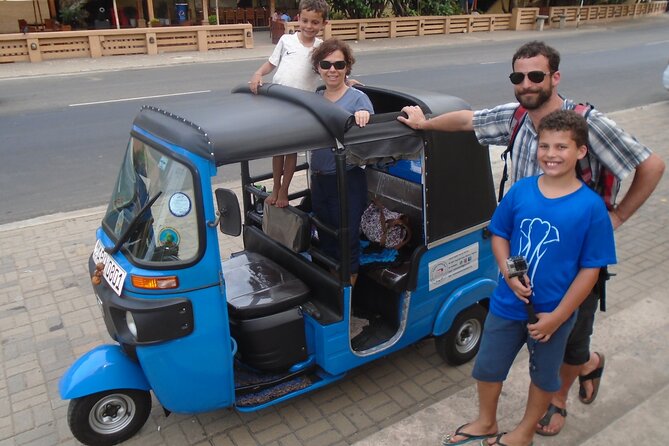
Colombo can be a hard city to tour solo because the streets are busy and signage can be hit-or-miss when you’re moving quickly. A tuk-tuk gives you something cars rarely do: easy, short stops where you can get out, look, take photos, and then roll on before the day collapses into travel time.
The private setup matters too. You’re not waiting on other people’s bathroom breaks or bargaining style. Your driver-guide handles routing and timing, which is a big deal when you’re trying to fit Fort landmarks, Pettah markets, and the sea front into about 4 hours.
You can also read our reviews of more tours and experiences in Colombo.


Pickup, timing, and the 4-hour pacing that works
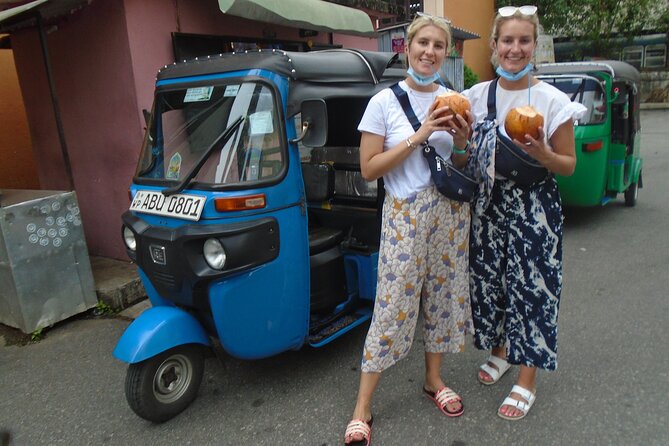
The tour is offered as a morning or late-afternoon departure, and it’s designed around quick “see it, then move” moments. The itinerary includes a mix of stops where you get around 10–20 minutes, like temples and museums, plus short orientation stops where you’re mostly there for photos and views.
If you want maximum sightseeing, this pacing is the point. You’re not meant to linger for hours at a single place. You’re meant to walk a little, learn a few key stories, and keep the momentum going—especially in Pettah, where the streets can get narrow fast.
Practical tip: if you’re arriving by cruise, confirm where pickup happens. One recurring caution in the info you provided is that pickup may not be right at the cruise gates, so plan for a short walk or a meet point near the official area.
Kailawasanathan Swami Devasthanam Kovil: a strong start with old-school temple detail
You kick off at Temple Of Sri Kailawasanathan Swami Devasthanam Kovil, a major Hindu temple in Colombo dedicated to Lord Shiva. The temple is noted as one of the oldest and most significant, with Dravidian-style architecture and striking carvings.
This first stop is a smart choice because it sets the tone. Early on, you’re learning what Colombo worship and architecture looks like, not just what it sounds like in guidebooks. You get about 15 minutes, and the admission ticket is listed as free—so it’s low-friction, high-payoff.
A good way to enjoy this stop: step back for the wider architecture look, then come closer for close details. The tuk-tuk pacing means you’ll only have enough time for a couple of “levels” of looking, so choose your photo angles fast.
Lotus Tower: skyline views, but the ticket is on you
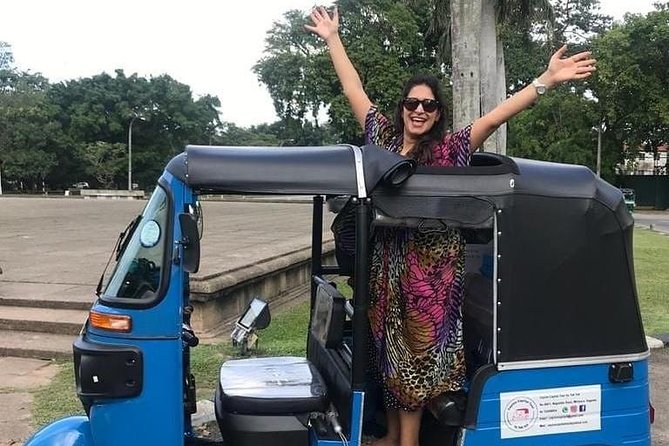
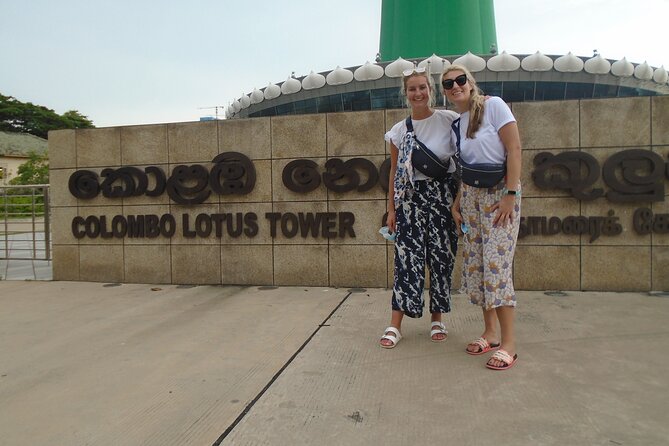
Next is Colombo Lotus Tower, a landmark that’s described as 350 meters tall and the tallest self-supported structure in South Asia. It’s also mentioned as a symbolic landmark from 2019.
The stop is only about 10 minutes, and the admission ticket is listed as not included. That means you can plan to view from outside or enjoy the brief orientation moment, but don’t bank on going up unless you’re willing to pay extra.
If you’re the type who likes viewpoints, treat this as a “see the tower and decide fast” moment. If you don’t care about going up, you’ll still get the important landmark in your Colombo picture set.
Colombo Fort Railway Station and the Fort cluster: where the city shows its backbone
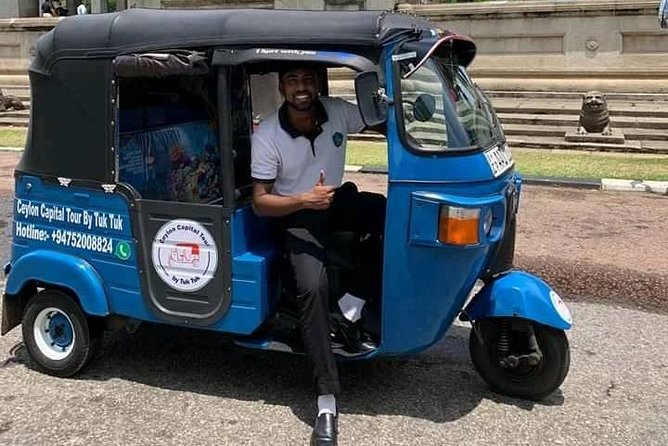
In Colombo Fort, you’re moving through Colombo’s older power center—rail, finance-adjacent buildings, and colonial-era infrastructure. You also get a stop at Colombo Fort Railway Station, which is an important rail hub and served by Sri Lanka Railways with inter-city and commuter trains.
The station stop lists admission as included, with about 15 minutes. Even if you don’t ride the rails, it helps you understand how people move through the city day-to-day. Train stations in places like this often act like social centers; they’re not just transport, they’re the rhythm of travel.
From there, you pass or stop near a cluster of notable Fort buildings mentioned in the route, including:
- Colombo Economic History Museum in the Central Bank building (opened in 2013)
- President’s House, a major official residence/workplace with British governor-era ties noted since 1804
- The Old General Post Office (GPO), built in 1895 during British rule
- Grand Oriental Hotel (GOH), originally built as a British military barracks
Even when some of these are more “look and learn” than “walk-in and explore,” having a guided driver-guide helps you connect the dots quickly. Fort is also a good area for photos because the architecture is more formal and less chaotic than Pettah.
Old Town Hall and Pettah: markets that show Colombo in real time
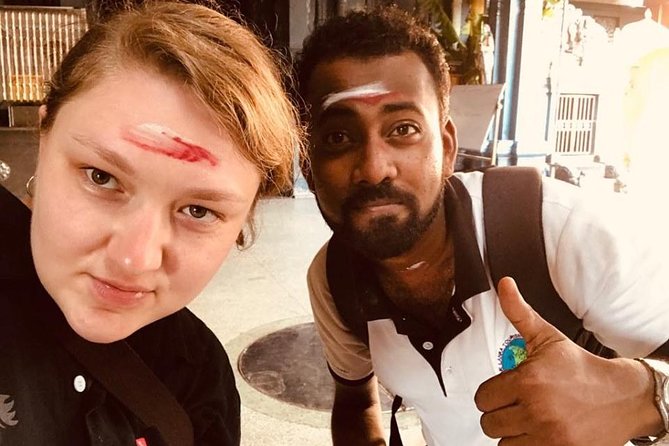
Now you shift to Old Town Hall and Pettah, which is where Colombo turns from monuments into daily life. The Old Town Hall stop is described as surrounded by little shops and street stalls of Pettah, with arches, needlepoint columns, crumbly yellow walls, and creaky staircases. Admission is listed as included, about 15 minutes.
Then comes Pettah Market itself. You’ll get around 15 minutes here, and admission is listed as included. Pettah is described as a neighborhood east of the Fort area, famous for the Pettah Market—open-air bazaars where commerce never truly slows down.
After that, you add the Vegetable Market in Pettah, also around 15 minutes with entry listed as included. This is one of the best stops if you like watching everyday systems: vendors, buyers, fresh produce, and the constant motion that makes market districts feel alive.
What to do at these market stops:
- Keep your phone/camera ready, but don’t block your path for too long
- Walk with your driver-guide so you don’t lose your way in the crowd
- Focus on a few visual themes (signs, stacks, ingredients) rather than trying to photograph everything
The goal isn’t to “collect all the sights.” It’s to get a real snapshot of how people shop, trade, and live.
Red Mosque, Kayman’s Gate, and Wolvendaal Church: Dutch and Muslim landmarks side by side
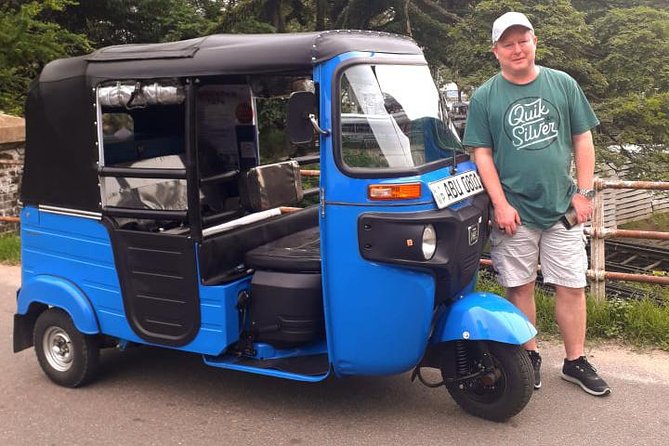
Pettah isn’t only Hindu temples and markets. It also includes powerful landmark architecture from other communities.
You stop at The Red Mosque, officially known as Jami Ul-Alfar Mosque, known for its red-and-white striped facade. This is a great quick photo stop because the color pattern is instantly recognizable even from a short distance.
Then there’s Kayman’s Gate Belltower, a historic landmark described as marking the site of one of the original entrances to the Dutch Fort of Colombo, built during the Dutch colonial period in the 17th century. This stop lists admission as free and is only about 5 minutes, so plan for fast photos and short listening.
Finally, you visit the Christian Reformed Church of Sri Lanka, also known as Wolvendaal Church, built in 1749 by the Dutch and described as one of the oldest and most significant Dutch colonial churches in Sri Lanka. Admission is listed as included, about 15 minutes.
This stretch is valuable because Colombo’s layers show up in one place: colonial fort history, Dutch religious architecture, and the visible presence of Muslim community landmarks. You’re not just seeing “old buildings,” you’re seeing how different communities left fingerprints on the same city.
Galle Face Green, Parliament-era buildings, and the Port City contrast
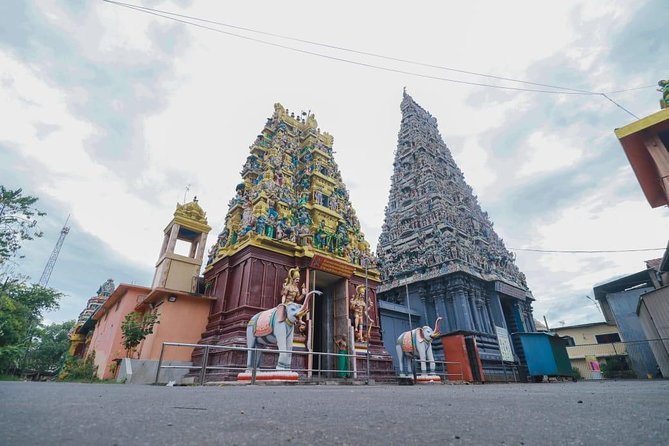
From Pettah, you move toward the sea front and bigger civic landmarks. The route includes viewing areas like Galle Face Green, described as a place Colombo-dwellers use for social interaction, with British influence credited for shaping it into the public space it is today.
You also pass the Old Parliament Building, completed in 1930 during British colonial rule and located along Galle Face Green overlooking the Indian Ocean. This is the kind of stop where the views are part of the story—open space, ocean air, and architecture built for a different era of government.
Then you get Colombo Port City, described as a major urban development on reclaimed land (269 hectares) launched in 2014 and backed by China Harbour Engineering Company (CHEC). This stop lists admission as free and is only about 5 minutes, so think of it as an “updated Colombo” look, not a long museum visit.
Galbokka Lighthouse and the Maritime Museum: why the port stops feel different
Near the harbor area, the tour includes Colombo Lighthouse (Galbokka Lighthouse). It’s described as a prominent maritime landmark built in 1952, replacing an older Colombo lighthouse. This stop lists admission as included and is about 10 minutes.
Right next to that area is Colombo Port Maritime Museum, described as operated/maintained by the Sri Lanka Ports Authority and commonly called the Colombo Maritime Museum. The stop lists admission as free and is about 15 minutes.
These maritime stops are worth your time because they connect Colombo to a bigger role than temples and markets. Sri Lanka’s trading past matters here, and the port-adjacent story gives you a practical reason why Colombo grew the way it did.
Zylen Tea and Gangaramaya Temple: a calm break inside a busy day
A well-placed part of the tour is the tea stop. At Zylen Tea, the tour includes a Ceylon Tea Tasting. The route lists this as about 20 minutes with admission/free. Sri Lanka is known as the birthplace of Ceylon tea, and this is the easiest way on a short schedule to get beyond just buying a packet to actually understanding what a tasting experience is like.
Next is Gangaramaya Temple, described as one of Colombo’s most important temples, mixing modern architecture with older cultural essence. It’s located on Beira Lake and is listed as about 20 minutes with admission included.
For many people, this is the emotional pivot point in the tour. After markets and colonial streets, Gangaramaya gives you a slower, more reflective atmosphere, even if you only have about 20 minutes.
Memorials and independence landmarks near Victoria Park: what to look for
The route includes two solemn stops that help you read modern Sri Lanka through public monuments.
First is the Cenotaph War Memorial, described as honoring those who lost their lives in military conflicts, particularly World War I and World War II. Admission is listed as included, about 10 minutes.
Then comes Independence Memorial Hall, described as a national monument built to commemorate Sri Lanka’s independence from British rule on February 4, 1948. Admission is listed as free and the stop is about 10 minutes.
There’s also a mention of an expanse formerly called Victoria Park, an area of vegetation in central Colombo between the town hall and Alfred Crescent, with the Ceylon Agricultural Society holding shows there. Even if you’re not walking far, this is one of the best places to understand how Colombo shaped public space as part of its identity.
A good approach at memorial stops: keep your photos respectful and brief. Stand back long enough to read the setting and feel the meaning before you take the picture.
Curry Pot meal: what you get when food is included
The tour includes a meal at Curry Pot Restaurant (stop listed at about 20 minutes with admission ticket included). Since the tour runs morning or afternoon, this meal often functions like lunch or an early dinner depending on departure time.
This is one of the best value parts of the tour because it reduces decision fatigue. Instead of hunting for somewhere good in the middle of a busy neighborhood, you’re being fed as part of the schedule.
One practical note for spice and diet: Sri Lankan cuisine can range from mild to fiery. If you’re sensitive, tell your driver-guide before ordering so you’re not surprised.
Who should book this Colombo tuk-tuk tour (and who might not)
This tour is a strong fit if you:
- Want a high-signal overview of Colombo in about 4 hours
- Prefer open-air, street-level viewing instead of enclosed car stops
- Like mixing big landmarks with real daily life markets like Pettah
- Appreciate when entry fees and food are bundled so your day stays simple
You might choose a different option if:
- You want long museum time at one place
- You dislike short stops and quick photo windows
- You’re very picky about only going into sites that have included admission (Lotus Tower is listed as not included)
Also, the private format tends to be great for solo travelers who want safety and direction without giving up independence.
Should you book this tuk-tuk tour?
Yes, with one big condition: go in expecting a half-day “best of” route, not a slow travel day. If that fits your style, this tour is good value. At $34 per person with hotel pickup/drop-off, a private driver-guide, many entry fees included/free, and a meal plus tea stop, you’re paying for time-saving and structure.
If you’re the kind of traveler who wants to hit Fort, Pettah, and the sea front without planning every turn, this is exactly the kind of tour that makes Colombo click fast. Just be ready for traffic and short visits, especially in market areas where the streets keep moving.
FAQ
How long is the Colombo tuk-tuk city tour?
It runs for about 4 hours.
What does the tour cost?
The price is listed as $34.00 per person.
Is hotel pickup and drop-off included?
Yes, pickup and drop-off are included.
Is this a private tour?
Yes. It’s private, and only your group participates.
Are entry fees included for the main stops?
Many stops list admission ticket included or free. One notable exception in the provided info is Colombo Lotus Tower, which lists admission as not included.
Is food included?
Yes. The route includes a stop at Curry Pot Restaurant, and the tour summary indicates food is included.
Is there a tea tasting stop?
Yes. There is a tea tasting stop at Zylen Tea, with admission listed as free and about 20 minutes.
What if the weather is bad or I need to cancel?
The experience requires good weather. It can be canceled due to poor weather with an offer of a different date or a full refund. For refunds, you can cancel up to 24 hours in advance for a full refund; within 24 hours, refunds are not listed.