REVIEW · BANGKOK
Bangkok: Old Siam Food Tour with 15+ Tastings
Book on GetYourGuide →Operated by A Chef's Tour · Bookable on GetYourGuide
Bangkok’s best lunch lesson starts on a canal boat. In 4 hours you’ll do 15+ tastings (way more variety than most tours) while hopping between local streets via a tuk-tuk and khlong boat. It’s a fast way to get your bearings and your stomach full, without the usual tourist-only stops.
I also love how the whole route feels built for real lunchtime eating: you’re guided to long-running stalls and family joints, then you’re taught what makes each dish Thai in the first place. The only real drawback is diet limits. This tour is not designed for strict vegetarians or vegans, and people with food allergies need to think carefully due to cross-contact risk.
The sweet spot for this experience is early in your trip. You’ll leave with a better sense of what Thai cooks actually prioritize, plus practical tips for ordering street food later on your own.
Key tour highlights
- 15+ tastings in 4 hours, with more variety than typical Bangkok food tours
- Max 8 guests means more chat, better pacing, and easier logistics at each stop
- Khlong canal boat + tuk-tuk rides keep the experience local and fun
- You’ll eat across markets, small joints, and a home-style kitchen (not just restaurants)
- Ending at Nang Loeng, a market with roots going back to 1899
In This Review
- Canal Boat + Tuk-Tuk: Why the Transport Feels Part of the Meal
- Big C Supercenter to the Old Streets: Getting Oriented in Real Bangkok
- 15+ Tastings in One Afternoon: What You’re Actually Eating
- Fried mussels pancake, plus a clue about how Thai stars get recognized
- A roasted pork and duck joint recipe with family history
- Banana fritters from a home-style kitchen
- Classic Thai salads and curry with coconut cream
- Khanom bueng and other crepe-style bites
- Market staples that teach you how Thai ordering works
- Nang Loeng Market: The 1899 Ending That Feels Like a Time Capsule
- Boat Leg and Tuk-Tuk Logistics: How the Tour Stays Fun Instead of Exhausting
- Small Group Size (Up to 8): Why You Get Better Answers
- Timing Tips: Eat Light Before You Go
- Who This Tour Suits Best (And Who Should Rethink It)
- Price and Value: Why $62 Feels Fair for Bangkok
- Should You Book This Old Siam Food Tour?
- FAQ
- What time does the tour start?
- How many tastings do you get?
- Is the group small?
- What transport is included?
- Where does the tour start and end?
- Is hotel pickup included?
Canal Boat + Tuk-Tuk: Why the Transport Feels Part of the Meal
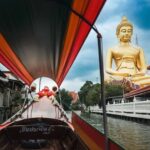
One of the smartest things this tour does is treat travel like a flavor tool. A khlong canal boat ride doesn’t just move you across town. It gives you a quick visual sense of Bangkok’s older layout, with waterways doing what roads can’t: showing you how life and commerce used to flow.
Then you jump in a tuk-tuk and the city hits you differently. Streets get narrower, sounds get closer, and the smells arrive in layers. You’re not just tasting food. You’re getting dropped into the pace of Bangkok street life.
I like that the tour doesn’t rely only on walking. The route helps you cover more ground without turning the afternoon into a sweaty slog. And the “change of scenery” between stops keeps your energy up, which matters because the food amount is the whole point.
Big C Supercenter to the Old Streets: Getting Oriented in Real Bangkok
The tour begins at a very practical meeting point: outside Big C Supercenter Ratchadamri, along Ratchadamri Road (look for the white BIG C SUPERCENTER letters). It’s close enough to the canal area that you’re not fighting the city just to start.
From there, you move into areas that feel like Bangkok before the skyline took over. You’ll be led away from the polished tourist strip and into neighborhoods where street food still runs like a daily routine. This matters because Thai cuisine is personal and local. It changes by vendor, by recipe passed in families, and by the kind of crowd that shows up.
If you like learning by doing, this approach clicks. You’ll be walking through old-market streets, stopping for food, then getting short explanations on what you’re eating and why it matters.
You can also read our reviews of more tours and experiences in Bangkok.


15+ Tastings in One Afternoon: What You’re Actually Eating
This tour earns its value with volume and variety. You’re not doing a few samples at fancy restaurants. You’re eating a true range of Thai flavors in smaller portions, in different settings, across about 4 hours.
Here’s what you can expect to taste, based on what the tour serves:
Fried mussels pancake, plus a clue about how Thai stars get recognized
You’ll try a fried mussels pancake that gets attention for quality, linked to the Green Bowl recognition by Shell Shuan Shim (Thailand’s version of a Michelin-style nod). Even if you don’t care about awards, this kind of reference tells you something useful: Thai food excellence often lives at places with repeat customers, not just flashy signage.
What to watch for: it’s usually crisp on the outside and savory in the middle. If you like texture contrasts, this one is a great anchor dish early on.
A roasted pork and duck joint recipe with family history
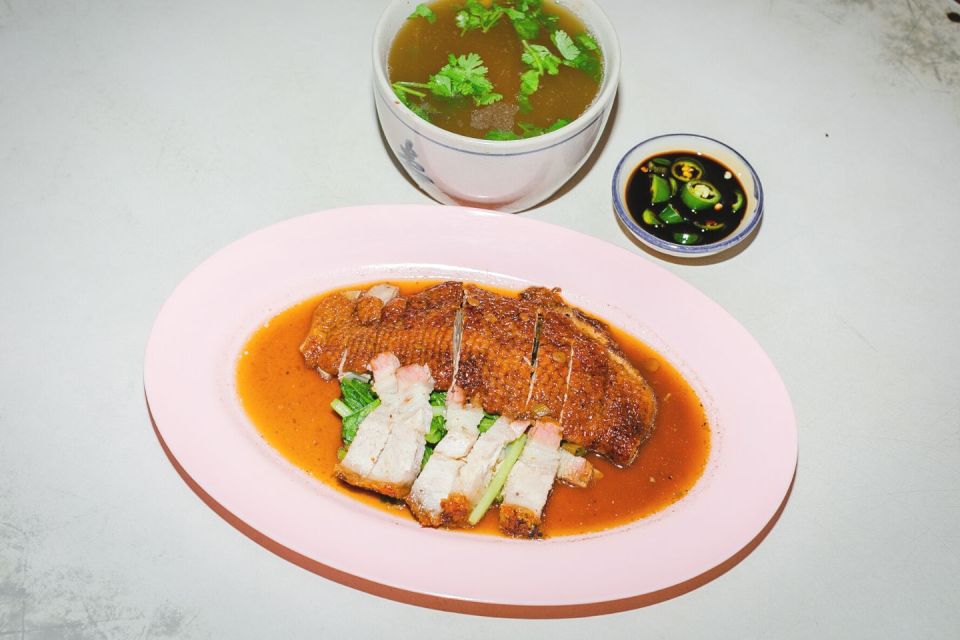
Next up is a joint-style meal focusing on roasted pork and duck, with recipes passed down through family owners. That’s the real lesson here. Thai street food isn’t only about “what’s tasty.” It’s also about technique that stays consistent because families keep doing it.
You’ll get a chance to taste how roasting and seasoning set the tone, so later when you eat similar flavors on your own, you’ll recognize what’s happening.
Banana fritters from a home-style kitchen
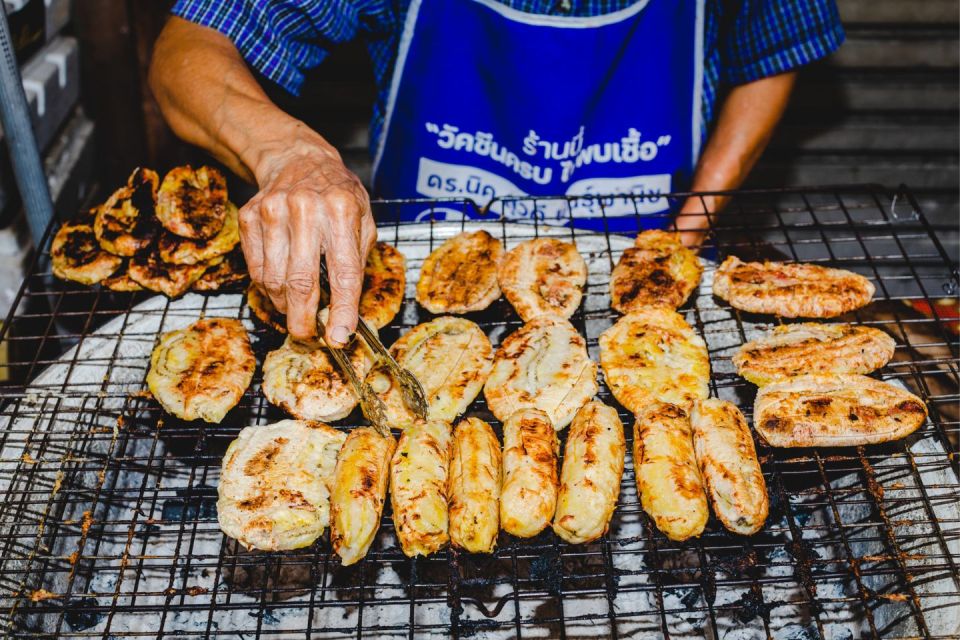
Dessert shows up in a big way, and banana fritters are part of that. You’ll stop for banana fritters cooked in a local home-style kitchen, not a generic tourist sweets counter.
One practical tip: if you’re thinking of this as a light-food tour, forget that idea. Multiple reviews highlight that the tour can become dessert-heavy toward the end, so pacing your earlier bites matters.



Classic Thai salads and curry with coconut cream
You’ll also see the lighter, fresher side of Thai food. One dish you’re served is crispy mungbean salad with pineapple dressing. It’s a great palate reset: crunchy, tangy, and sweet-sour balanced.
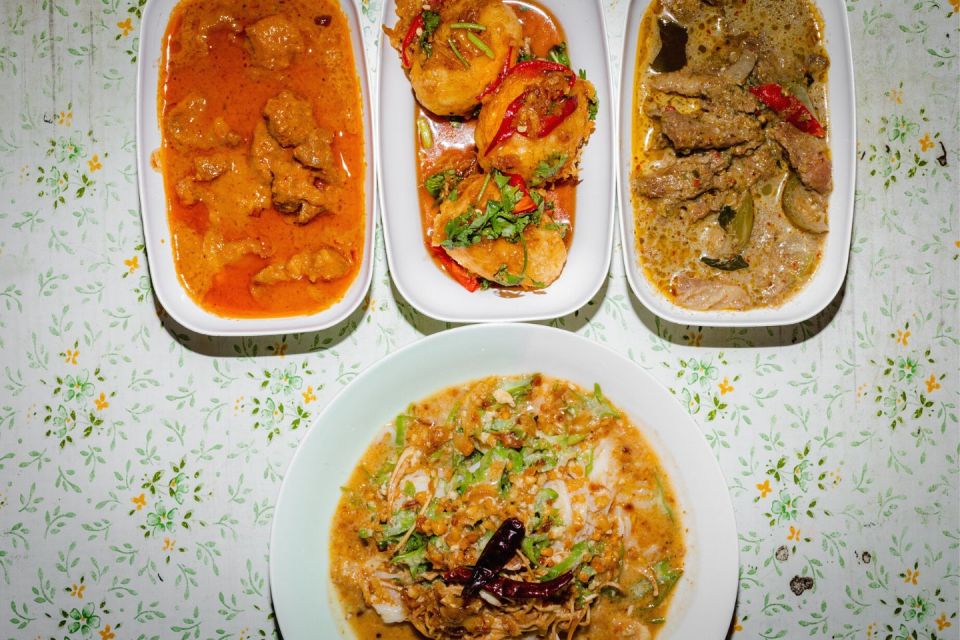
Then you’ll move into something warmer and richer: steamed Thai curry topped with coconut cream. Coconut cream is a common Thai comfort flavor, but different stalls use it differently. This tasting helps you learn how sweetness, salt, and spice get balanced rather than just thrown together.
Khanom bueng and other crepe-style bites
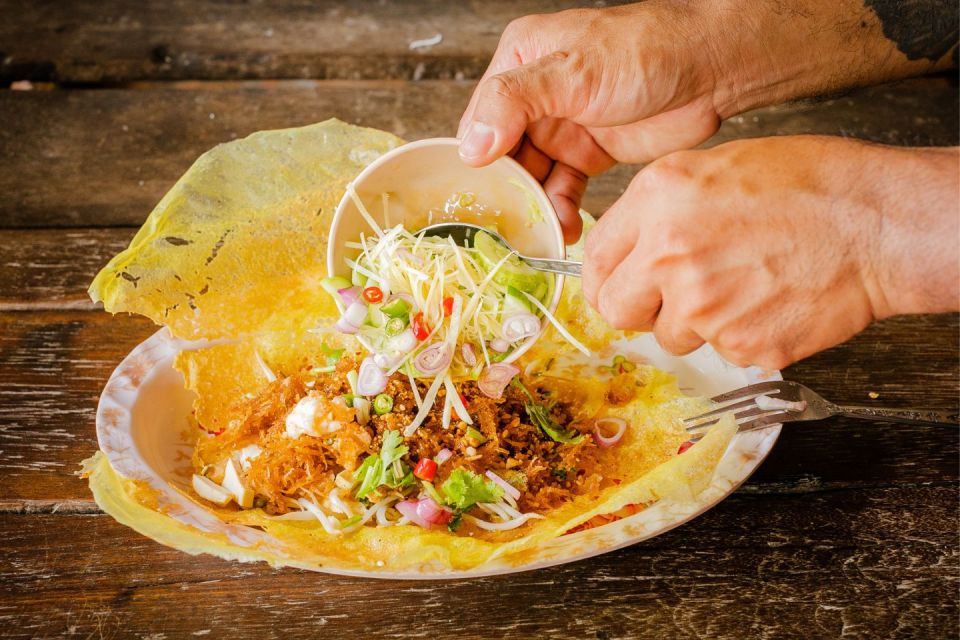
Multiple guides and past guests specifically mention a crispy mung-bean crepe with coconut salad (khanom bueng) as a standout. Even if you’re not a dessert person, this is the kind of Thai snack that feels like a savory meal in disguise: crunchy outside, fragrant herbs and coconut notes inside.
Market staples that teach you how Thai ordering works
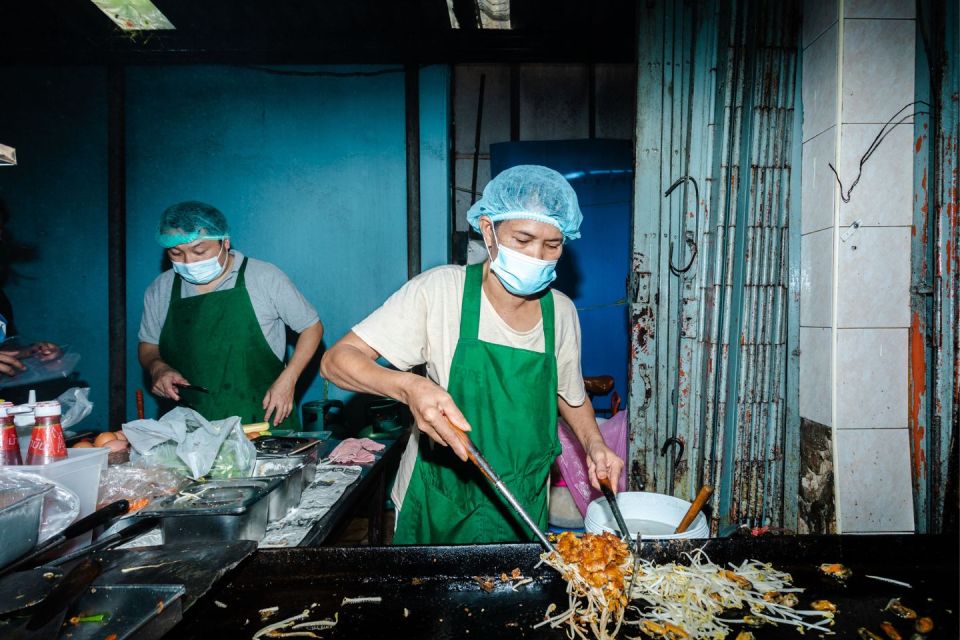
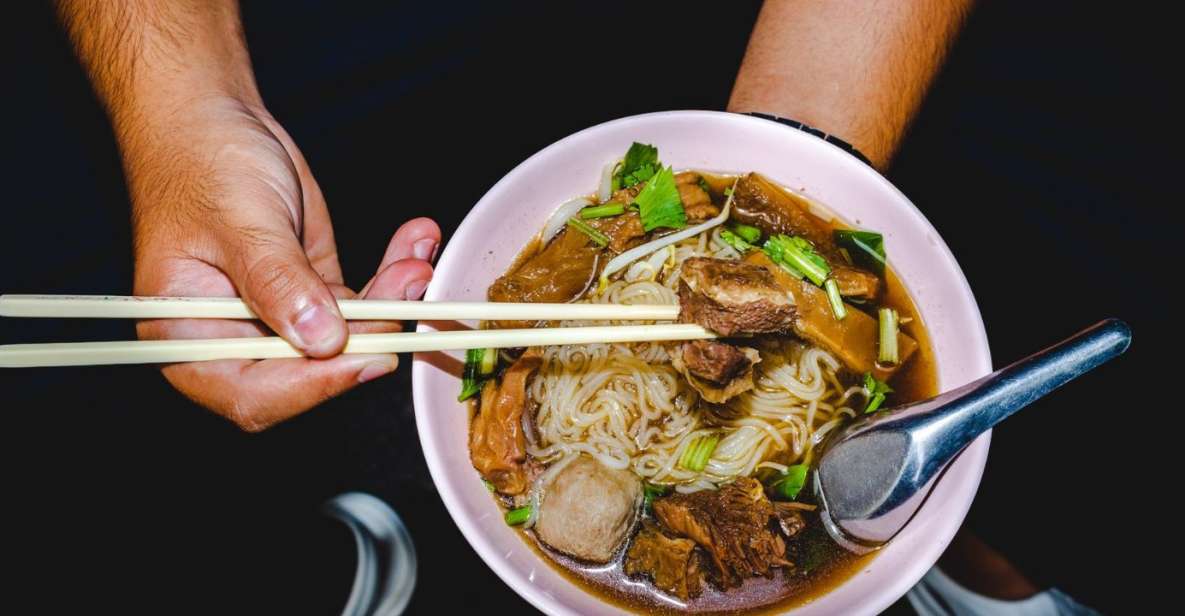
At the market, you’ll keep sampling enough variety that you can start to understand how Thai meals are built: not a single dish, but a set of flavors that work together. You’ll see how salads cut through richness, how curry carries depth, and how snack textures keep your mouth interested.
Nang Loeng Market: The 1899 Ending That Feels Like a Time Capsule
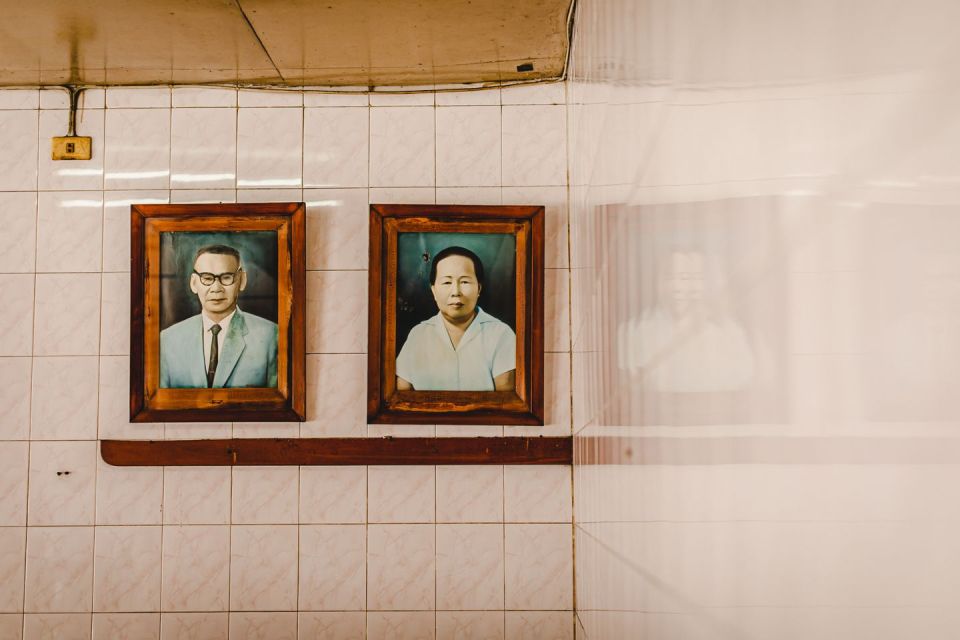
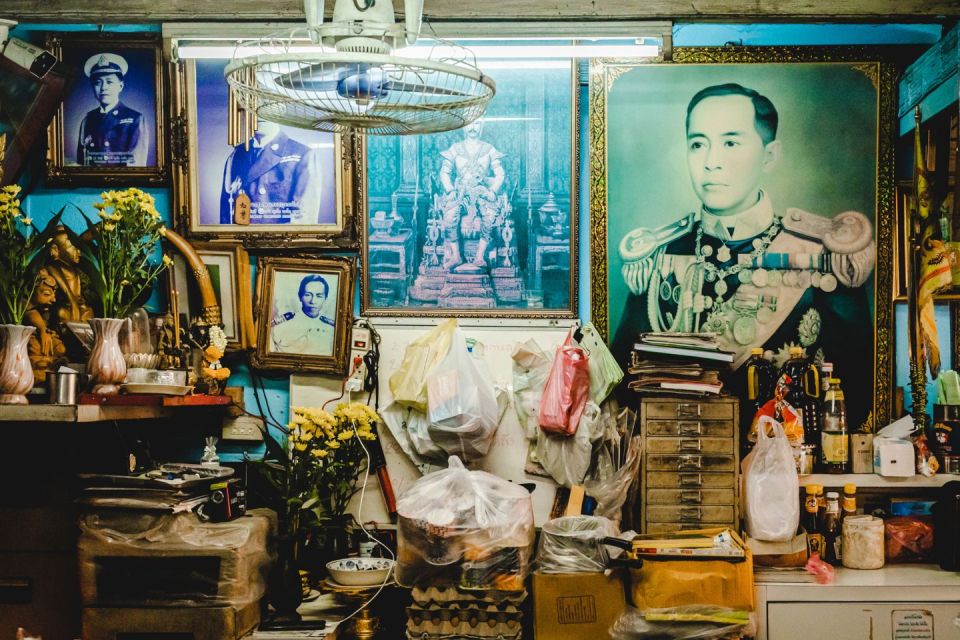
You finish at Nang Loeng Market, described as a market serving hungry locals since 1899. That date matters. Markets like this don’t survive on novelty. They survive because people show up for the same core flavors, generation after generation.
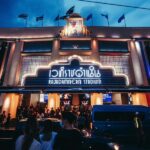
This is also where you get more than food. You’ll get a guided look at what makes the area special, including wooden remains of the city’s oldest silent cinema. You’ll also hear why the area became the first land market, which gives context to why street trading and food are so tied together here.
Royal influence is part of the story too. You’ll learn how Thai royal recipes survived from palace life to canal-side areas where Bangkok first began. That might sound grand, but the practical payoff is simple: you’ll start recognizing why certain flavors and techniques show up again and again in Thai cooking.
Boat Leg and Tuk-Tuk Logistics: How the Tour Stays Fun Instead of Exhausting
One reason many people love this tour is that it uses multiple transport modes without turning it into a parade of stops. The short boat ride gives you a breather and a local viewpoint. The tuk-tuk segments add excitement and keep you from getting stuck in traffic heat.
Some groups also mention an extra city bus or e-tuk-tuk type leg. Even without that detail, the overall structure stays the same: move, eat, walk a bit, eat again, repeat.
For you, that means less fatigue and more attention on the food. And it matters because by the later stops you’ll want to taste carefully, not just shovel bites.
Small Group Size (Up to 8): Why You Get Better Answers
Max 8 exclusive guests is a huge deal on a food tour. With a smaller group, guides can keep you together without rushing you into a single-file line. It’s also easier to pause when questions come up, especially about spice level, ingredients, and what to order next time.
In the reviews, guide pairings get praised a lot. Names show up like Annie and Mikey working as a team, or O with an assistant like Pim handling logistics so tables and pacing work smoothly. Other guide duos mentioned include Nood and Aom, and Oh with Mikey. Different names, same pattern: smooth service so you can focus on eating.
If you enjoy conversation, this is where the tour often shines. You’re not just following directions. You’re learning why the dish is built the way it is.
Timing Tips: Eat Light Before You Go
If you do just one thing before the tour, do this: don’t eat a full breakfast. Multiple people recommend coming hungry because the servings add up fast.
Here’s the simple logic: Thai food includes carbs, proteins, and sweet snacks all in one run. Even if each tasting is small, the total volume is big. You’ll feel it by the last part, and yes, the ending can be dessert-heavy.
So I’d treat it like a lunch event, not a snack crawl. Wear comfortable shoes, plan for walking in heat, and bring an umbrella if rain is possible. Water is provided, but you still want to stay comfortable.
Who This Tour Suits Best (And Who Should Rethink It)
This is ideal if you’re a food-first traveler who wants structure without stiffness. You’ll love it if you:
- Want to learn how Thai flavors work across salads, curry, roasted meats, and snack foods
- Prefer locally run stalls and markets over big-name restaurants
- Want a tour you can do early in your trip to get ordering confidence later
It’s also good for solo travelers because the group size is small and guides tend to check in and keep things moving.
But be honest about dietary constraints. The tour is unsuitable for strict vegetarians and vegans. If you’re pescatarian, you’ll likely still eat, but you may get about 4 to 5 fewer tastings because some vendors don’t have alternatives. People with severe allergies should be careful since cross-contamination risk exists in street-food environments.
Mild gluten intolerance is mentioned as okay, but celiac disease is advised against due to unavoidable soy sauce traces. That’s not nitpicking. It’s the difference between “I can handle a little” and “I need zero risk.”
Price and Value: Why $62 Feels Fair for Bangkok
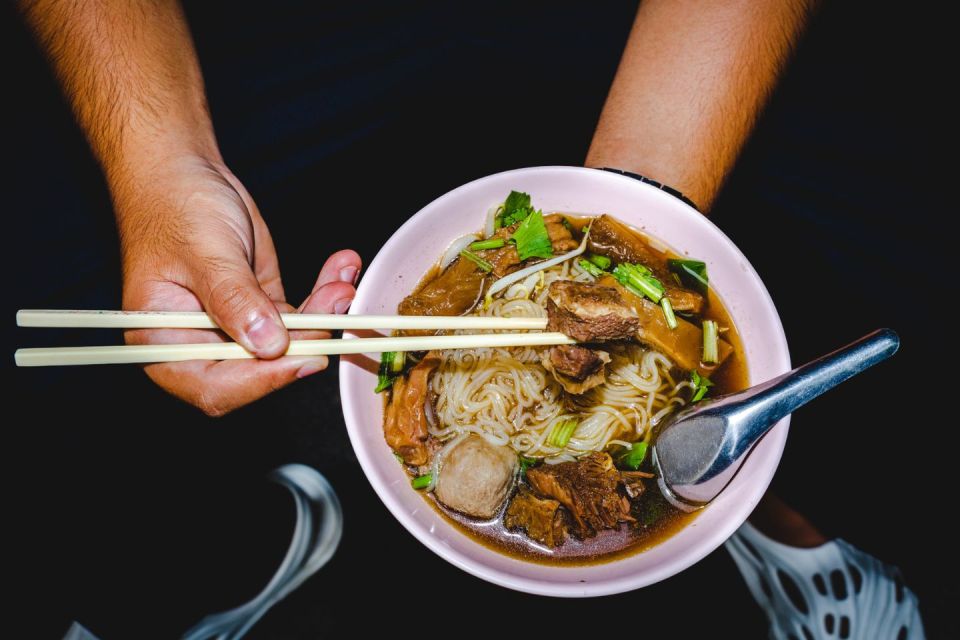
At $62 per person for about 4 hours, the value comes from three places: quantity, variety, and transport included.
- Quantity: 15+ tastings is the headline. You’re basically getting multiple small meals, not a few bites.
- Variety: You’ll eat across different types of places—street vendors, market stalls, a home-style kitchen, and joints—so your experience isn’t repetitive.
- Transport: A canal boat ticket and a tuk-tuk ride are included, so you’re not paying extra just to move between scattered food stops.
You also get licensed guides, unlimited bottled water, and help arranging transport back to your hotel at the end. None of that is “free” in Bangkok; it has real cost.
If you’re the type who hates food tours that feel like forced upsells, this one has a practical advantage: it’s designed around eating, not sales. And it’s hard to beat that focus for the money.
Should You Book This Old Siam Food Tour?
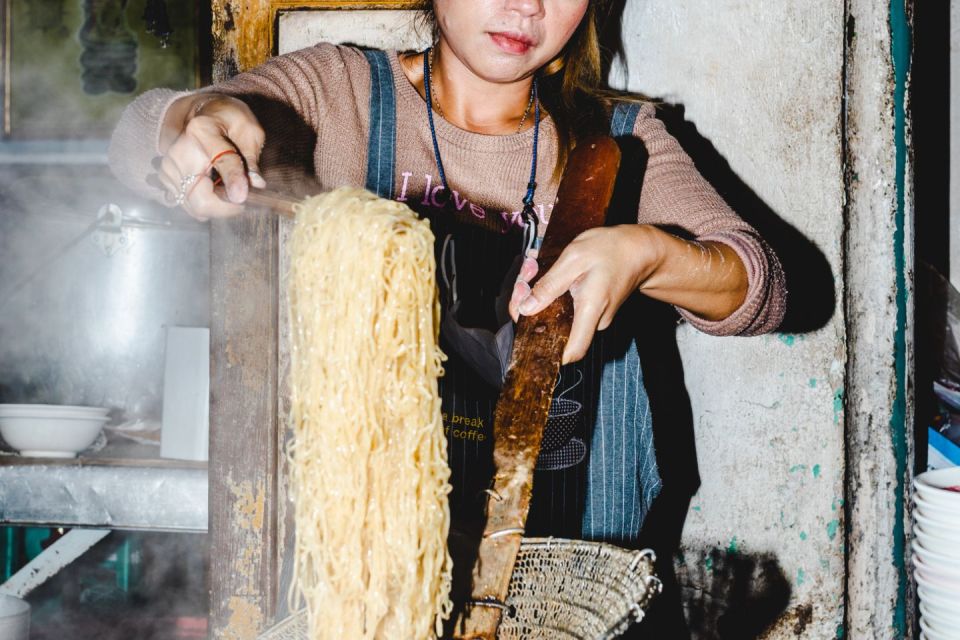
I’d book it if you want an efficient introduction to Bangkok eating beyond the obvious tourist areas. The small group size, the mix of canal boat plus tuk-tuk, and the sheer number of tastings make it feel like a real Thai lunchtime experience rather than a checkbox activity.
If you’re very strict about vegetarian or vegan diets, or you manage severe allergies, you may want to skip this one and look for a tailored food tour that can guarantee safer substitutions. For everyone else, come hungry, wear comfortable shoes, and plan to eat desserts with confidence.
FAQ
What time does the tour start?
The tour runs for about 4 hours, and starting times depend on availability. You can check available times when you reserve.
How many tastings do you get?
You’ll get 15+ tastings over the 4-hour experience, including items from street stalls and markets.
Is the group small?
Yes. The tour is limited to a maximum of 8 participants.
What transport is included?
You’ll include a khlong canal boat ride and a tuk-tuk ride. Some groups also mention additional local transport legs.
Where does the tour start and end?
It starts outside Big C Supercenter Ratchadamri (look for the BIG C SUPERCENTER letters). It ends at Nang Loeng Market.
Is hotel pickup included?
No. Hotel pickup and drop-off are not included, but the guide team can help you with transport back to your hotel at the end.