REVIEW · CU CHI TUNNELS
From Ho Chi Minh City: Cu Chi Tunnels Tour
Book on GetYourGuide →Operated by Vietnam Adventure Tours JSC · Bookable on GetYourGuide
Cu Chi Tunnels are one of those places that makes history feel physical, not abstract, and this tour keeps it grounded with clear guidance plus hands-on moments. I like the mix of war-era realism and the calm rural drive outside Ho Chi Minh City, and I also like that you’re not just watching from the sidelines while guides like Phil bring a smart, funny flow to the explanations. One heads-up: the crawling parts are small and physically demanding, so if you hate tight spaces or expect a casual stroll, plan carefully.
From pickup to drop-off, you’ll get a smooth, air-conditioned setup with English explanations, then time inside the tunnels with an up-close look at living spaces, traps, and how Viet Cong fighters moved and survived. I also like the way the day balances story with safety, including the option to fire war guns with guidance, but it’s worth knowing you’ll need to pay for bullets if you shoot and hearing protection may not be provided for spectators.
In This Review
- Key things to know before you go
- Why Cu Chi Tunnels Still Feel Real
- Getting There From Ho Chi Minh City: The 60 km Rice Paddies Ride
- The Orientation Film: How You Get Your Bearings Fast
- Crawling the Tunnels: Kitchens, Living Quarters, and Trap Tactics
- Physical reality check
- What the peaceful setting changes
- The War Guns Shooting Range: Safe Try-At-Play, Real Cost
- Budget reality for shooting
- Timing That Works: Morning vs Afternoon Tours
- Comfort Tips That Matter in the Jungle Heat
- Who This Tour Fits Best (And Who Might Prefer Another Plan)
- Value and Price: What You Get for About $14
- Should You Book This Cu Chi Tunnels Tour?
- FAQ
- How far is Cu Chi from Ho Chi Minh City?
- How long is the drive from the city to the tunnels?
- What do you do when you arrive at the tunnels?
- Can I go into the tunnels and crawl?
- Is the shooting range included?
- Are bullets included in the price?
- Where is hotel pickup offered?
Key things to know before you go
- District 1 hotel pickup: included for central hotels, not for Tan Dinh and Dakao Ward.
- Short film first: you get a quick orientation before you crawl into the tunnel sections.
- What you’ll actually see underground: kitchens, living quarters, hospitals, plus explanations of traps.
- Tunnel crawling is the main event: it can feel tight and requires a bit of stamina.
- Shooting range is optional: war guns are part of the experience, but bullets aren’t included.
- Choose your timing: a morning tour ends around 3:30pm, and an afternoon tour ends around 7:00pm.
Why Cu Chi Tunnels Still Feel Real

Cu Chi Tunnels aren’t a museum diorama. You’re walking through a system built for hiding, moving, and surviving under constant threat. The tour uses a simple rhythm: you learn what the tunnels were for, you see how daily life could happen underground, and then you crawl through sections so you understand the reality of “underground movement” instead of just hearing about it.
What makes the best guides stand out is not volume, it’s clarity and tone. Some guides, like Phil, keep the group engaged with humor while still handling heavy topics responsibly. Others, like Ben, lean into balance and explain how different sides understood the conflict, which can help you form your own picture instead of swallowing a single narrative.
You can also read our reviews of more tours and experiences in Cu Chi Tunnels.

Getting There From Ho Chi Minh City: The 60 km Rice Paddies Ride
The trip starts in Ho Chi Minh City with pickup and drop-off from central District 1 hotels. After you leave town, it’s about 1.5 hours of riding to the tunnels, with side-of-road views of rural rice paddies that make the journey feel like a break from city noise.
This part matters more than you might think. It sets expectations for the day: you’re heading into a quiet green zone that, during the war, could be a place of sudden danger. When traffic slows, the whole schedule shifts, so treat the stated end times as approximate.
The Orientation Film: How You Get Your Bearings Fast

Once you arrive, you’ll watch a short documentary film that introduces the Cu Chi Tunnels system and sets context for what you’re about to do. Then the guide builds the story around real-world needs: hiding people, moving supplies, and staying alive long enough for guerrilla tactics to work.
This is a smart start. Without it, the underground spaces can look like a generic tunnel network. With it, you start noticing details the guide points out, like where certain spaces would have supported meals, rest, and medical care.
Crawling the Tunnels: Kitchens, Living Quarters, and Trap Tactics
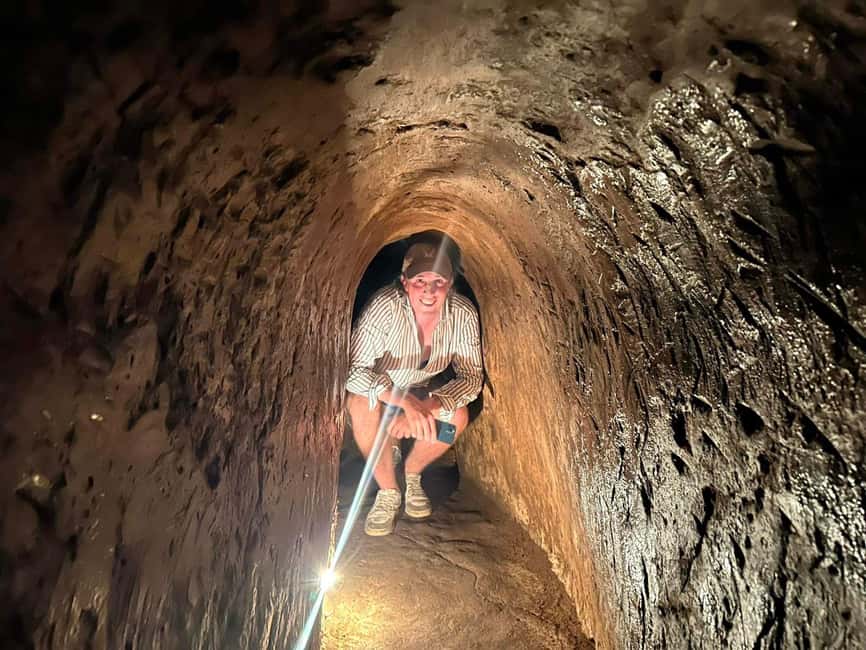
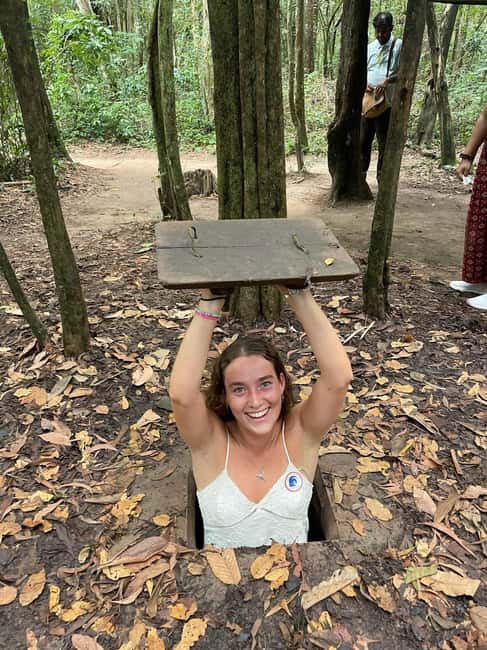
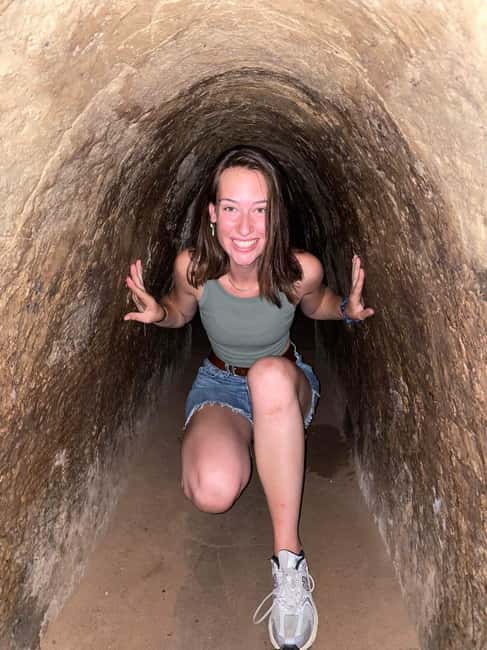
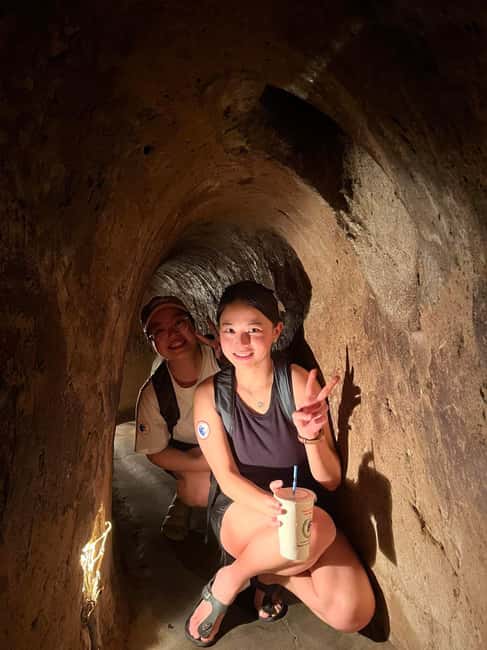
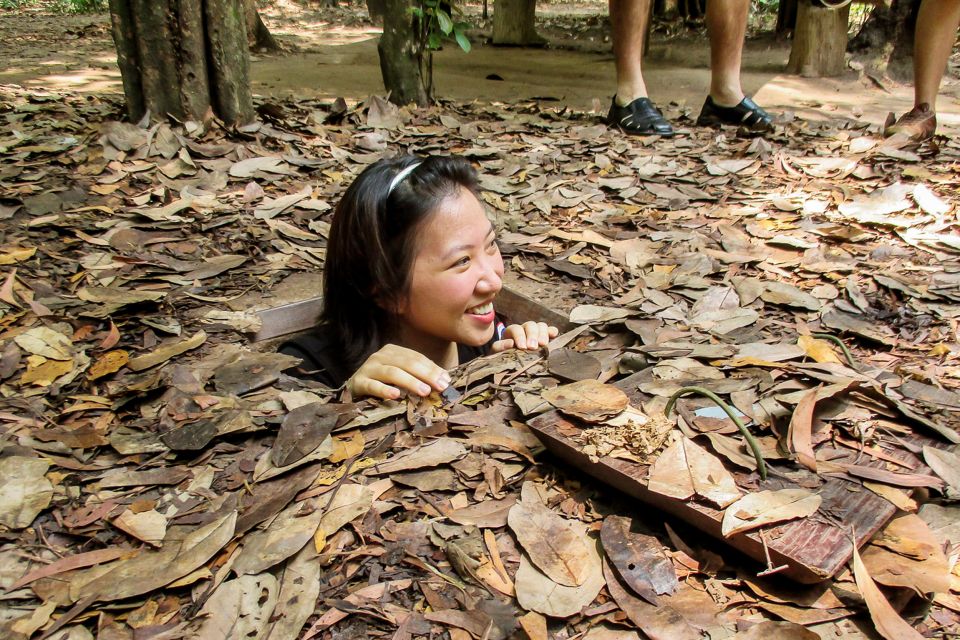
The core experience is the chance to crawl through tunnel distances used by guerrilla fighters. You’re not going to “explore an entire underground city,” but you do get meaningful segments that show how narrow, low, and practical the design really was.
Inside, you may see areas described as kitchens, living quarters, and hospitals, along with explanations of the traps created and set up. Even if you don’t retain every mechanism detail, you’ll leave with a clearer sense of the logic behind the tunnels: protect movement, limit detection, and make an enemy’s route costly and unpredictable.
Physical reality check
This is where you should be honest with yourself. The crawling sections can require bending, crouching, and moving slowly in confined space. If you’re claustrophobic, take the warning seriously. The good news is that there’s no pressure to enter everything, and the guide can help you decide what feels manageable.
What the peaceful setting changes
One of the most affecting ideas is the contrast: you’re standing in a place that now looks calm and green, but it was once described as a Free Target Zone and suffered damage from bombings. That change in light and sound is what makes the tour stick with you long after you return to the city.
The War Guns Shooting Range: Safe Try-At-Play, Real Cost
A shooting range visit is part of the tour, and you’ll get a chance to safely fire war guns after the tunnel exploration. This isn’t about training or combat practice. It’s a controlled, guided experience tied to the larger story of the conflict.
Two practical notes:
- Bullets are not included. If you shoot, you’ll pay for ammunition.
- If you’re watching rather than shooting, don’t assume you’ll receive hearing protection. One traveler noted that ear muffs were limited to those paying to shoot, and they wished they had brought hearing protection of their own.
If you want to watch and protect your ears, bring small ear plugs. Humid air, lots of activity, and loud sound are not the best combo when you’re already dealing with tight spaces.
Budget reality for shooting
If shooting is a must-do, plan for the extra cost. One account put the price around 60,000 VND per round, and noted that using an AK47 with a 30-round magazine can get expensive fast. Even if you only take a few shots, it’s worth setting a number in your head before you arrive at the range.
Timing That Works: Morning vs Afternoon Tours
You can choose a morning or afternoon departure to fit your schedule.
- Morning tour: you’ll typically return to Ho Chi Minh City around 3:30pm.
- Afternoon tour: you’ll typically return around 7:00pm.
If you take the morning option, plan for a simple meal after. A nearby restaurant stop is suggested for restroom, and you can handle light lunch on your own afterward.
Traffic can stretch the day, so keep your evening plans flexible. Cu Chi is close on paper, but city-to-rural travel can still be slow.
Comfort Tips That Matter in the Jungle Heat
This is Vietnam, not Scandinavia. The tunnels and surrounding area can feel intensely humid, and that changes how you experience everything from breathing to foot comfort.
Here’s what I’d pack based on what people run into on-site:
- Insect repellent: humidity plus insects can make the outdoors less pleasant.
- A rain jacket or poncho: you might want one even if the sky looks fine. One traveler specifically recommended bringing a rain coat and mentioned you can buy one on site (about 16,000 VND).
- Ear plugs if you plan to watch the shooting: because hearing protection may not be offered to non-shooters.
- Comfortable shoes: you’ll be moving around before and after crawling. Choose something with grip and that you don’t mind getting damp.
Also, don’t skip the small included extras. You’ll get 1 bottle of water and tapioca, and the tour frames tapioca as something linked to the guerrillas’ routine. It’s not a fancy lunch, but it helps you reset energy before the next part of the day.
Who This Tour Fits Best (And Who Might Prefer Another Plan)
This tour suits you if you want:
- A hands-on history experience, not just photos.
- Clear English explanations and a guide who can connect details to the larger war context.
- The mix of learning + doing: film, tunnel segments, and an optional shooting range.
It might not fit you as well if:
- You’re strongly claustrophobic or expect long, comfortable walking underground.
- You’re not interested in war-related content. The tour doesn’t sugarcoat the setting, and guides handle the sensitive details deliberately.
If you do go, you’ll get the most value if you ask questions. Guides like Tuan have served in the war, and others like Alex (described as a former history teacher) tend to explain with structure. Either way, your curiosity improves the whole day.
Value and Price: What You Get for About $14
At around $14 per person, this tour is good value if you actually use what’s included. You get:
- Air-conditioned transportation
- An experienced English-speaking tour guide
- Entry tickets
- Pickup and drop-off from central District 1 hotels
- Water and tapioca
The hidden cost is not the ticket price. It’s the optional add-ons:
- Bullets for shooting
- Any extra purchases once you’re there, like artisan stops if your route includes them
Also, remember the time commitment. This is a half-day format, but it still eats most of your daylight. If you’re trying to stack too many tours in one day, Cu Chi can squeeze your schedule.
Should You Book This Cu Chi Tunnels Tour?
If you want a memorable, high-impact history outing that feels practical and guided, I’d book it. The value is strong for what’s included, and the experience is more than a simple stop: you get orientation, tunnel crawling segments, and an optional shooting range.
Book it especially if you like tours where the guide keeps the tone balanced and the explanations clear, like you’d get from guides such as Phil or Ben. Skip it or approach with caution if tight spaces or loud noise are deal-breakers for you.
If you’re deciding between morning and afternoon, choose the one that fits your energy. Morning tours can be great if you want the rest of the day back in the city. Afternoon tours give you time in town in the morning and still land you back before dinner.
FAQ
How far is Cu Chi from Ho Chi Minh City?
Cu Chi is about 60 kilometers outside Ho Chi Minh City.
How long is the drive from the city to the tunnels?
The ride takes about 1.5 hours, though traffic can affect timing.
What do you do when you arrive at the tunnels?
You watch a short documentary film, get an introduction to the tunnels, and then explore tunnel distances used by guerrilla fighters, including areas described as kitchens, living quarters, and hospitals.
Can I go into the tunnels and crawl?
Yes. The experience includes crawling through tunnel distances used by guerrilla fighters, though you should consider comfort if you dislike tight spaces.
Is the shooting range included?
Yes, the tour includes time at a shooting range where you can safely fire war guns.
Are bullets included in the price?
No. Bullets are not included if you try shooting.
Where is hotel pickup offered?
Pickup and drop-off are offered from central hotels in District 1, but not from Tan Dinh & Dakao Ward (unless you book VIP & Private options).