REVIEW · SOUTH KOREA
Seoul: DMZ, 3rd Tunnel and Optional Suspension Bridge Tour
Book on GetYourGuide →Operated by PLK Travel Inc. · Bookable on GetYourGuide
A tunnel walk makes the DMZ feel painfully close. You’ll see the 3rd Infiltration Tunnel and the Dora Observatory viewpoints, and you can add a suspension bridge for dramatic battle-scar scenery. I like how the guide ties the stops together into a clear story, and I really appreciate the hands-on feel of walking inside that tunnel section. The main heads-up: you’ll need a passport, and DMZ access can change suddenly.
This is also one of the better-value Seoul day trips because you’re not just staring at fences. You’re moving through multiple DMZ-related sites with a licensed English guide, usually in a small group, and the full-day versions run about 7 to 9 hours depending on options and military timing.
In This Review
- Key things to know before you go
- DMZ basics: what this day trip really gives you
- The 7–9 hour schedule: halfday DMZ vs full-day with a suspension bridge
- Meet-up points that shape the day: Imjingak Park and beyond
- Imjingak Park: the emotional warm-up before you go inside
- Entering the DMZ: what the guided time is like
- The 3rd Infiltration Tunnel of Aggression: the core experience
- Dora Observatory: watching, controlling, and understanding the “why”
- Unification Village: a short stop with a big emotional weight
- Imjingak landmarks again: Bridge of Freedom and the steam locomotive moments
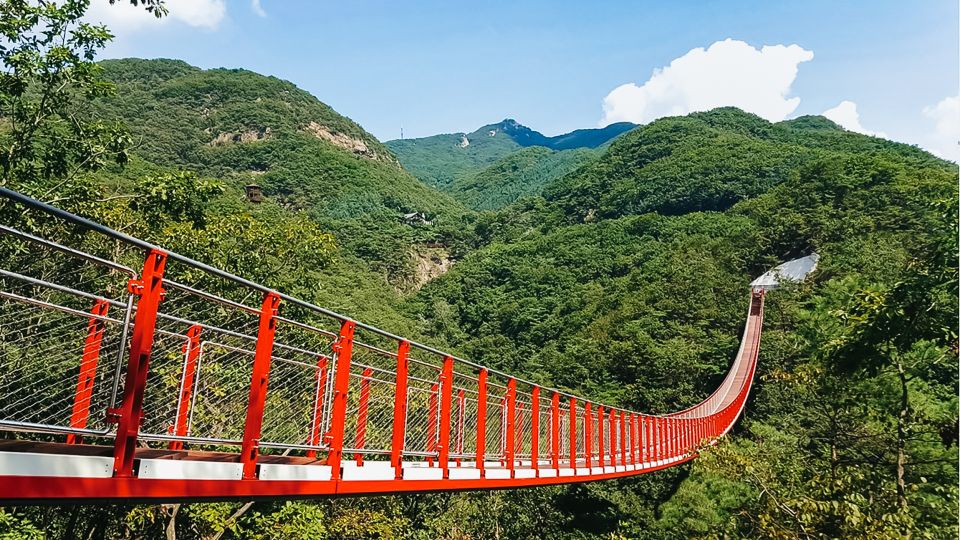
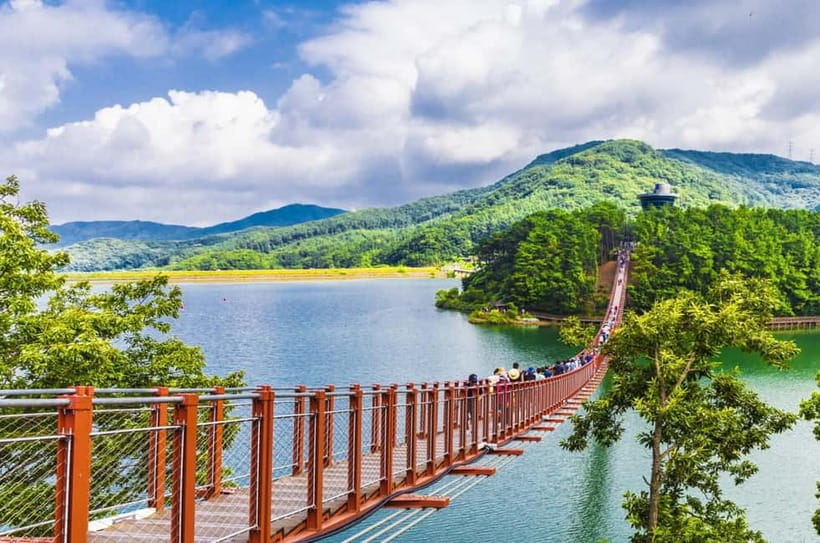
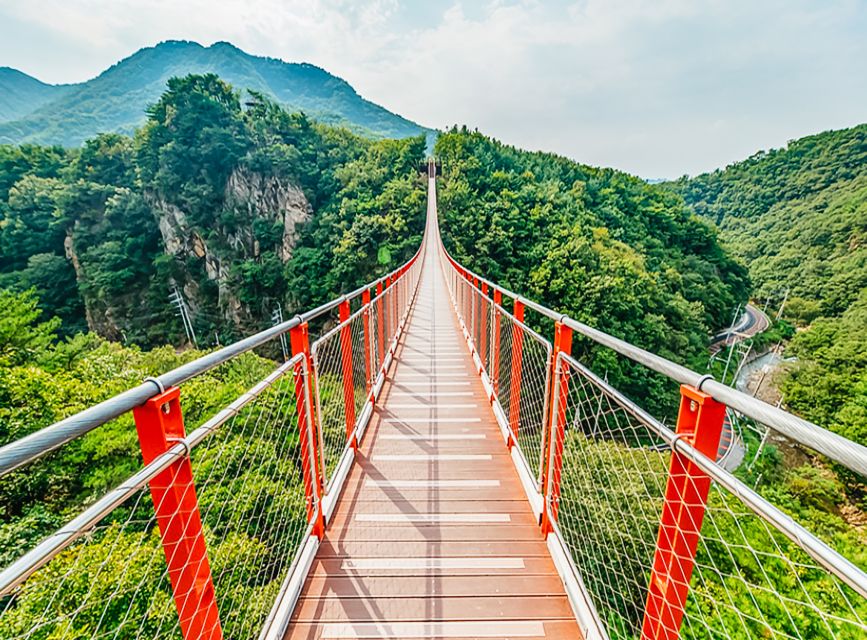
- The optional suspension bridge add-on: Gamaksan vs Lake Majang
- Gamaksan Suspension Bridge route
- Lake Majang Suspension Bridge route
- “Worth it” check: is $39 good value for the DMZ day?
- English guides and a day that stays engaging
- What to bring, what to skip, and how to move through the day
- Who should book this DMZ tour from Seoul
- Should you book this DMZ tour or skip it?
- FAQ
- Do I need a passport for this tour?
- How long is the tour, and when will I return to Seoul?
- What suspension bridge options are available?
- Is lunch included?
- Can I get hotel pickup in Seoul?
- What happens if the DMZ is closed on the day?
Key things to know before you go
- The 3rd Tunnel of Aggression: an especially vivid walk through North Korea’s invasion planning.
- Dora Observatory: timed, guided views tied to the story of watching and control.
- Unification Village stop: a structured look at life-in-limbo near the DMZ.
- Imjingak Park + Bridge of Freedom + steam locomotive: the emotional anchor points before the tunnel.
- Optional suspension bridge add-on: Gamaksan or Lake Majang for scenic payoff after the heavy stuff.
DMZ basics: what this day trip really gives you
A good DMZ tour doesn’t just show sites. It gives you a sense of how the North and South prepared for the same standoff from different angles. This trip does that by stacking three kinds of stops: invasion infrastructure (the tunnel), observation points (Dora), and the symbolic “real world” edges (Freedom Bridge area, Unification Village).
You’ll also get a guide who keeps the day moving without rushing. In the style you can expect from guides like Julie, Moon Young, and Dennis, the storytelling tends to be clear, a little funny, and constantly tied back to what you’re looking at. That matters because DMZ history can feel abstract fast. Here, it stays concrete.
There are two main formats: a DMZ-focused halfday route and full-day DMZ routes that add a suspension bridge. Either way, plan on a full morning getting to the DMZ zone and a structured return to Seoul in the early afternoon or later.
You can also read our reviews of more tours and experiences in South Korea.
The 7–9 hour schedule: halfday DMZ vs full-day with a suspension bridge
The full tour length depends on which option you pick, and the return time changes with it.
For the DMZ-only halfday, the day centers on the core DMZ access with less time for extra viewpoints. You’ll expect a drop-off around 1:30 pm at Hongik Univ. Station and 2:00 pm at Myeongdong Station (times can shift with traffic, weather, and military permission).
For the DMZ + suspension bridge options, you’re still hitting the tunnel and Dora, but you also add a bridge stop for views and a breather after the intense parts. In those versions, the expected drop-off is around 4:00 pm at Hongik Univ. Station and 4:30 pm at Myeongdong Station, again subject to the same real-world delays.
You’re not stuck choosing “either history or scenery.” The best move is usually the full-day option, because you get both the heavy realism and the wide-open views.
Meet-up points that shape the day: Imjingak Park and beyond
This tour runs as a tight, guided circuit, so where you meet changes how the day flows.
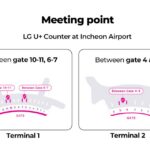
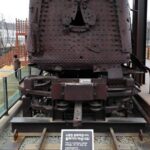
For the group DMZ-only version, you meet at Imjingak Park, where you’ll start with key emotional landmarks: Mangbaedan Altar, Bridge of Freedom, and a historical steam locomotive. Think of this as the setup act. You get the context and atmosphere first, before you go underground.
For the full-day bridge versions, you still start at Imjingak Park, but the schedule stretches to include the bridge hike and sightseeing.
If you choose the private option, the big difference is comfort: hotel pickup in Seoul is offered, and you still follow DMZ-access rules. Your guide accompanies you for the private DMZ format, but access itself remains bound by DMZ regulations and runs in group structures.
Imjingak Park: the emotional warm-up before you go inside
Imjingak Park is where the DMZ story stops being a map concept and starts feeling personal. You’ll see Mangbaedan Altar and the Bridge of Freedom, along with the steam locomotive display.
Why I like this start: it changes your mindset. Before you see the tunnel, you’re reminded that this area is tied to separation, contact attempts, and the constant uncertainty for families and communities. The bridge and altar aren’t just photo stops. They’re cues for how to listen to the rest of the day.
Practical note: you’ll be walking during this early part too, so wear comfortable shoes right from the start. This is not a sit-and-watch tour.
Entering the DMZ: what the guided time is like
Once the bus gets you into the DMZ area, you’ll spend a longer guided block there, with time to look around and understand what you’re seeing from the South Korea side. You also get the structure of how the day works: where you can go, how stops are paced, and what the viewing rules mean.
This part tends to set expectations for the “surreal” factor people talk about. You’ll likely notice how controlled movement feels, and how the day’s big themes show up in small details: distance, barriers, sightlines, and signage.
And since this is a military area, plan for uncertainty. The DMZ can be closed suddenly on the day, and if that happens you’ll be given an alternative tour option without refunds. It’s not something you can plan around, so keep expectations flexible.

The 3rd Infiltration Tunnel of Aggression: the core experience
This is the stop most people remember, and it’s easy to see why. The 3rd Infiltration Tunnel is designed to show invasion planning—how North Korea dug, routed, and prepared for an underground approach. You’ll do a guided tunnel walk, which is usually the most physically “real” part of the day.
The reason the 3rd Tunnel often lands harder than other tunnel sites is the experience of going inside something that was meant for stealth. It’s not just a building or a display panel. It’s a passage built with purpose, and your guide can explain what that purpose was.
A couple tips that help:
- Wear shoes you’re comfortable moving in. You’ll be walking through a tunnel route, and it’s easier if you don’t feel unstable.
- Bring your attention. The guide’s job is to connect tunnel features to tactics, not just describe what you see.
If you’re choosing between DMZ tours that include multiple tunnels, the 3rd Tunnel option is the one I’d prioritize when available, because it can feel more vivid and more alive than the more staged versions.
Dora Observatory: watching, controlling, and understanding the “why”
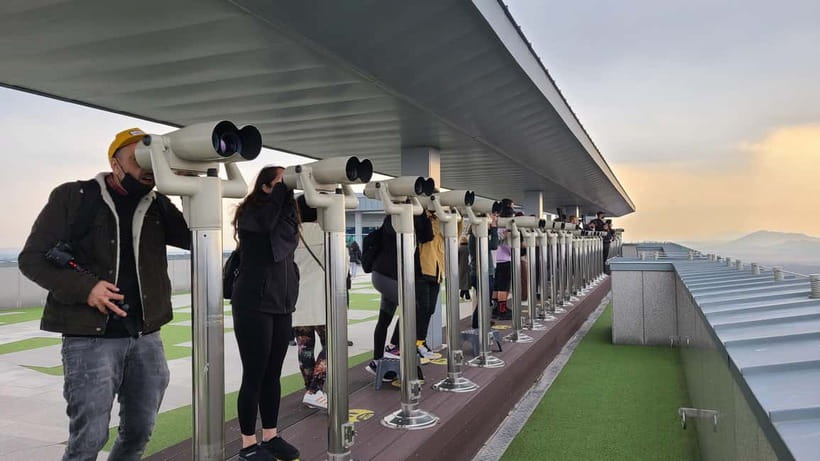
After the tunnel, you’ll shift back toward what you can see from the South side. At Dora Observatory, you’ll have guided time to look out and understand how observation fits into the standoff.
This is where your guide’s storytelling really pays off. If the tunnel gives you the “how,” Dora gives you the “why from a distance.” Observation changes everything: it affects planning, deterrence, and how each side monitors the other.
You’ll likely also appreciate the pacing here. The tunnel is intense; the observatory gives you a chance to recalibrate and then reframe what you just learned.
Unification Village: a short stop with a big emotional weight
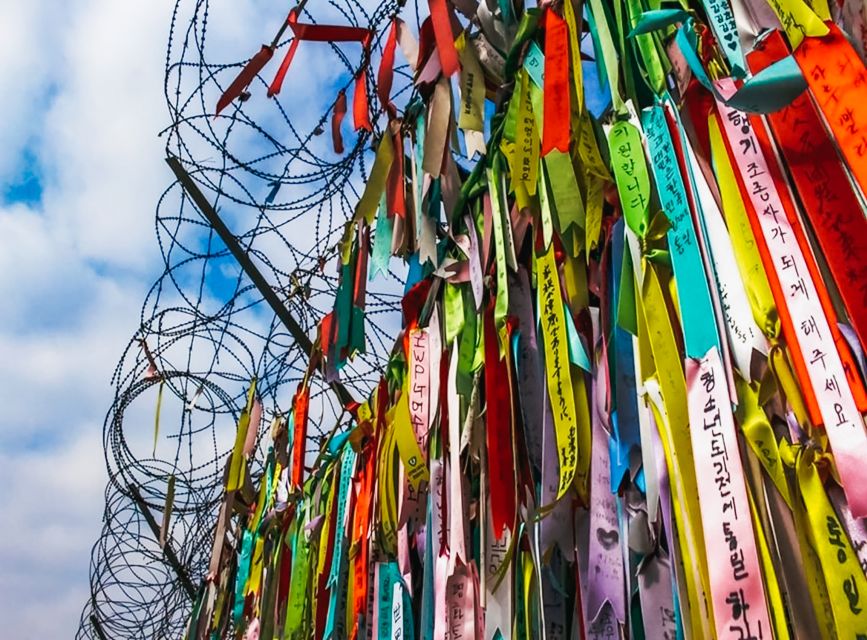
The Unification Village stop is shorter than the tunnel and observatory blocks, but it’s designed to broaden the picture beyond military infrastructure. You’ll have guided time there, with a clear focus on what this area represents.
This is the kind of stop that doesn’t need to be long to hit. The whole concept is about a border that hasn’t become normal life. You’ll come away thinking about how policy, conflict, and daily routine collide in one place.
If you tend to like context over crowds, this stop can feel like a reset point before the tour’s return leg.
Imjingak landmarks again: Bridge of Freedom and the steam locomotive moments
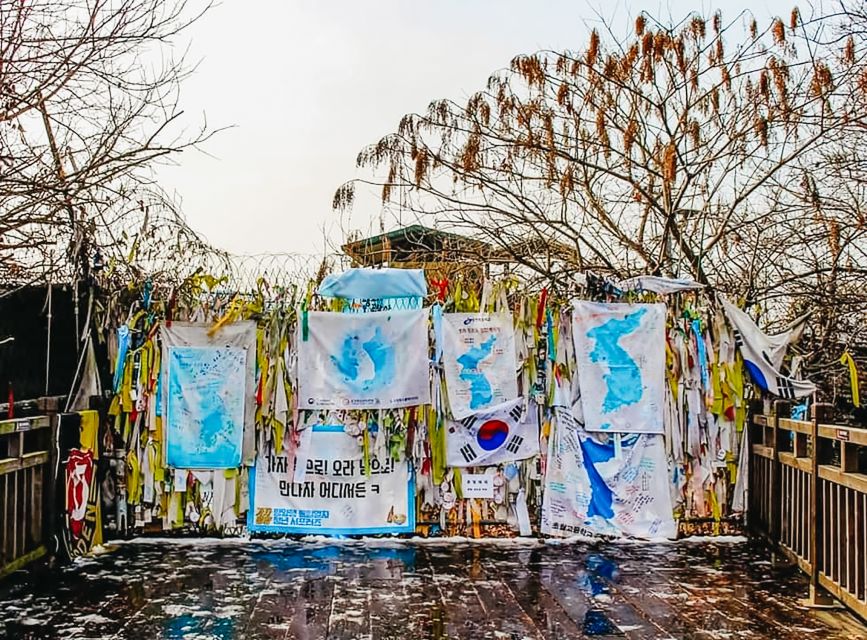
Even though Imjingak Park is on the early side for the day, it’s also one of the clearest places to connect the story emotionally. In the full-day formats, you return to the broader Imjingak cluster points as the tour heads back out.
You’ll spend guided time at Mangbaedan and Freedom Bridge, plus time around the steam locomotive area. That repeat focus helps the day “stick.” Instead of only remembering the tunnel, you remember what the tunnel story is trying to explain.
Photo note: the bridge and the locomotive areas are popular, so bring patience and expect a small crowd at peak times.
The optional suspension bridge add-on: Gamaksan vs Lake Majang
If you want a DMZ day that also delivers scenic air and a less enclosed feeling, choose a suspension bridge option. This is where the tour lightens the emotional load without erasing the gravity.
You’ll do one of these:
Gamaksan Suspension Bridge route
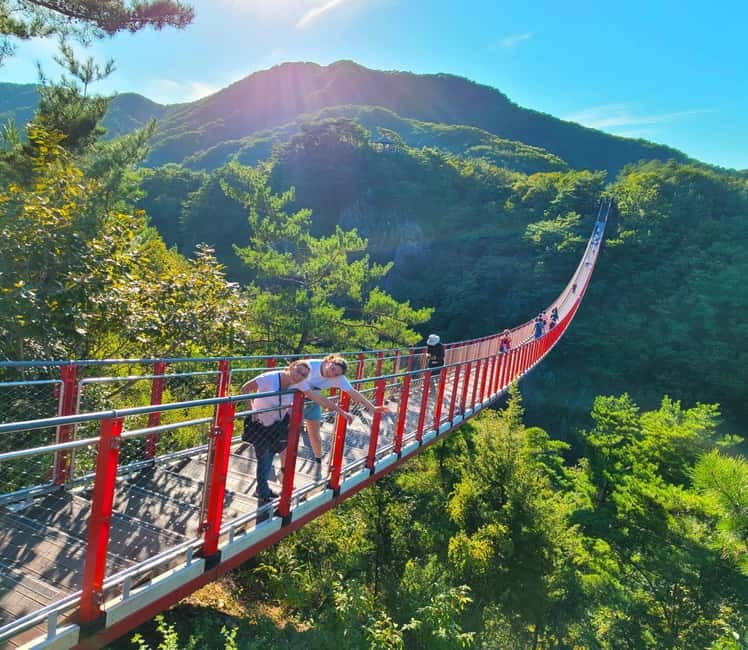
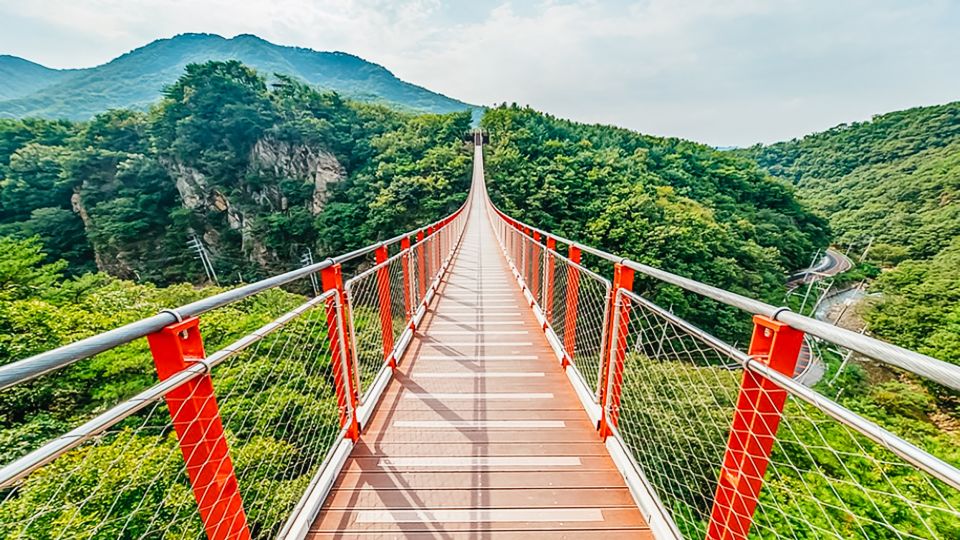
You’ll meet your guide, then head to Mt. Gamaksan Suspension Bridge with about 15 minutes of hiking to reach the bridge area. After that, you’ll have guided sightseeing time (about 1 hour total for this sightseeing block).
This works well because the hike acts like a transition. You go from underground to open views, which helps your brain process what you saw.
Lake Majang Suspension Bridge route
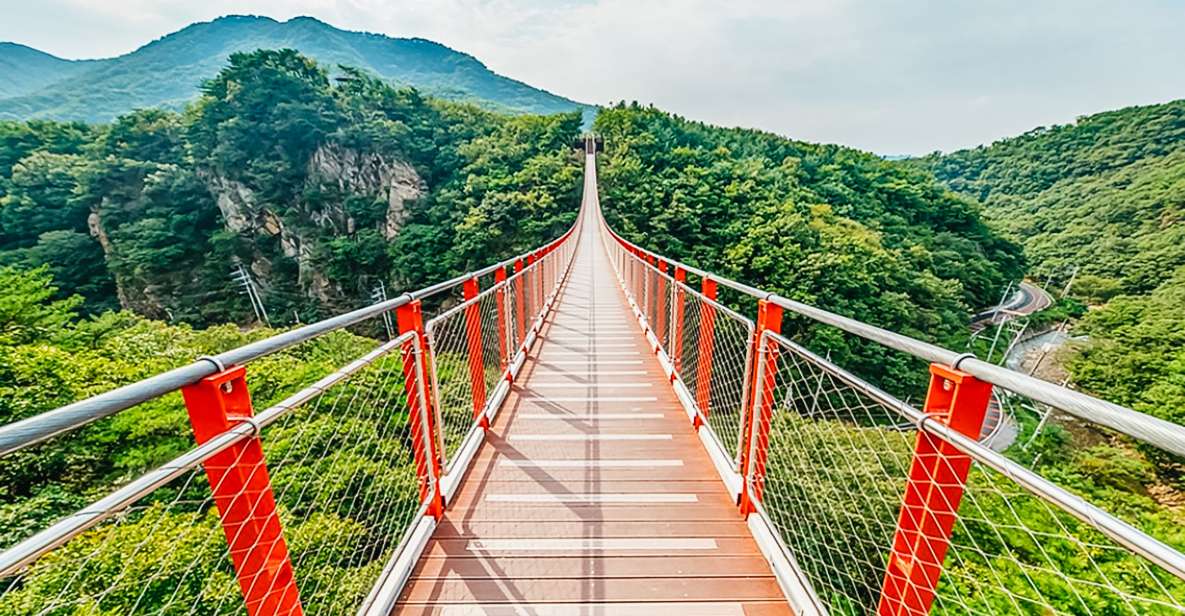
This option centers on Lake Majang Suspension Bridge and keeps the sightseeing more straightforward. You’ll still do the full DMZ sequence first, then add the bridge stop on the way back.
If you want the bridge payoff with less hike emphasis, Lake Majang can be the simpler choice. Either way, the bridge is a scenic counterpoint to the tunnel.
“Worth it” check: is $39 good value for the DMZ day?
At around $39 per person, this tour is priced like a budget-friendly way into one of Seoul’s most restricted regions. The value comes from three things you’re getting together in one day:
- DMZ access with admission fees included
- Roundtrip transfer from Seoul
- A guided walk through the 3rd Tunnel plus the major observation and context stops
The big thing you’re not getting is lunch. You’ll likely spend time planning a meal stop on your own unless you opt into any optional food available during the day (some groups note an optional lunch option for an extra charge).
When a day trip costs this much less than “private-only” alternatives, the main tradeoff is time in a group structure and the DMZ rule set. If you’re okay with that, the price-to-experience ratio is strong.
English guides and a day that stays engaging
The tour runs with a licensed professional guide in English, and the day’s energy depends heavily on the person leading it. In the DMZ context, you want someone who can explain without turning it into a lecture.
From the way guides like Moon Young, Julie, Joey, and Dennis are described, the good ones do three things well:
- keep the group together and on time
- tell the story in a way that matches what you see, stop by stop
- keep it lively so you stay interested even when you’re standing still
If you’re going to do only one guided DMZ tour, pick one with this kind of guide reputation and don’t overthink the rest.
What to bring, what to skip, and how to move through the day
You’ll need a few basics:
- Passport (required for DMZ access)
- Comfortable shoes (moderate walking across several stops)
Leave bulky items behind. The tour notes that luggage or large bags aren’t allowed. That matters because you don’t want to spend energy managing bags in transit or while moving through controlled areas.
Also, this tour is not suitable for mobility impairments. The tunnel walk and multiple walking blocks make it hard for limited mobility.
Who should book this DMZ tour from Seoul
This tour is a great fit if you want a single-day plan that checks the big boxes in a guided, understandable way:
- you care about the Cold War story told through real places
- you want the 3rd Tunnel experience (not just an exterior DMZ view)
- you like optional scenery and don’t want the day to end at the last fence
It’s less ideal if you want long free time or you hate structured schedules. DMZ access is controlled, and the pace is designed to fit military permission and route rules.
Should you book this DMZ tour or skip it?
I’d book it if you want the most direct connection between DMZ sites in one organized day, especially because the 3rd Infiltration Tunnel is the standout. The added suspension bridge options are also a smart choice for balancing heavy history with a visual payoff.
Skip or reconsider if you’re not comfortable with moderate walking, if you’re sensitive to sudden changes in access, or if you’re hoping for maximum independence. This trip rewards curiosity and flexibility. If you bring both, you’ll leave with a far clearer picture of how the two Koreas relate to this narrow, tense border.
FAQ
Do I need a passport for this tour?
Yes. All guests must bring a valid passport to access the DMZ.
How long is the tour, and when will I return to Seoul?
Plan for about 7 to 9 hours total. Expected drop-off times are around 1:30 pm (Hongik Univ. Station) / 2:00 pm (Myeongdong Station) for the DMZ-only halfday, and around 4:00 pm (Hongik Univ. Station) / 4:30 pm (Myeongdong Station) for the suspension bridge options. Times can change due to traffic, weather, and military permission.
What suspension bridge options are available?
You can add Mt. Gamaksan Suspension Bridge (with about a 15-minute hike to reach the bridge) or Lake Majang Suspension Bridge. Both versions include the DMZ stops plus sightseeing time for the bridge.
Is lunch included?
No. Lunch isn’t included. Some groups note an optional lunch available for an extra cost.
Can I get hotel pickup in Seoul?
Yes, a private option includes hotel pickup and drop-off services for Seoul City only.
What happens if the DMZ is closed on the day?
The DMZ can be closed suddenly without notice. If that happens, an alternative tour will be provided, and there are no refunds offered for that change.