REVIEW · NAGANO
Nagano: Snow Monkeys, Zenkoji Temple & Sake Day Trip
Book on GetYourGuide →Operated by Machinovate Japan Ltd. · Bookable on GetYourGuide
Hot springs, temples, and a sake lesson—one day. This Nagano day trip strings together Zenko-ji Temple and the Jigokudani Snow Monkey Park with a real, guided storyline and a hearty lunch stop. I love the way the temple visit puts Japanese Buddhism in context, and I love how close you get to the snow monkeys in their hot-spring routines. One heads-up: the winter path to the monkeys can be slippery, and on a few days the monkeys don’t come down like you want.
I’m also a fan of the practical structure here. You’re not stuck figuring out buses or lining up tickets; you meet at a set time and follow a timed plan that still leaves room to look around. Guides such as Dylan and Hiroshi tend to keep things friendly and efficient, which matters when your boots are already complaining.
In This Review
- Key things I’d highlight before you go
- Zenko-ji Temple: where Nagano’s story starts
- The middle stop: sake tasting and a food bite in Nagano
- Lunch in a local restaurant: fuel that actually tastes like the region
- Jigokudani Snow Monkey Park: watching hot-spring bathing up close
- Transportation and timing: meeting points, shuttles, and not wasting your morning
- What to wear and pack: the snow monkey walk is the real test
- Who this day trip suits best (and who should skip it)
- Should you book the Nagano Snow Monkeys, Zenko-ji & Sake Day Trip?
- FAQ
- What time do I meet if I’m joining from Nagano Station?
- If I’m staying in Hakuba, what are the winter shuttle pickup times?
- How long is the day trip and when does it end?
- Is this tour private?
- How much walking is involved?
- Can everyone taste sake?
- Are the snow monkeys guaranteed to appear?
- What is included in the price?
Key things I’d highlight before you go
- Zenko-ji Temple with guided context: you’ll walk through a major historic site with explanations that make it easier to connect the dots
- Sake tasting as part of the cultural rhythm: multiple pours and learning how the drink is made, not just a quick sip-and-go
- Lunch built around Nagano flavors: a full meal with vegetarian options, including miso soup (and familiar sides) to refuel
- Jigokudani snow monkeys close up: a winter highlight where you can watch bathing, eating, and lounging in the steam
- A real winter walk (bring traction): roughly 1.6 km on forest trails, with slippery conditions possible
Zenko-ji Temple: where Nagano’s story starts
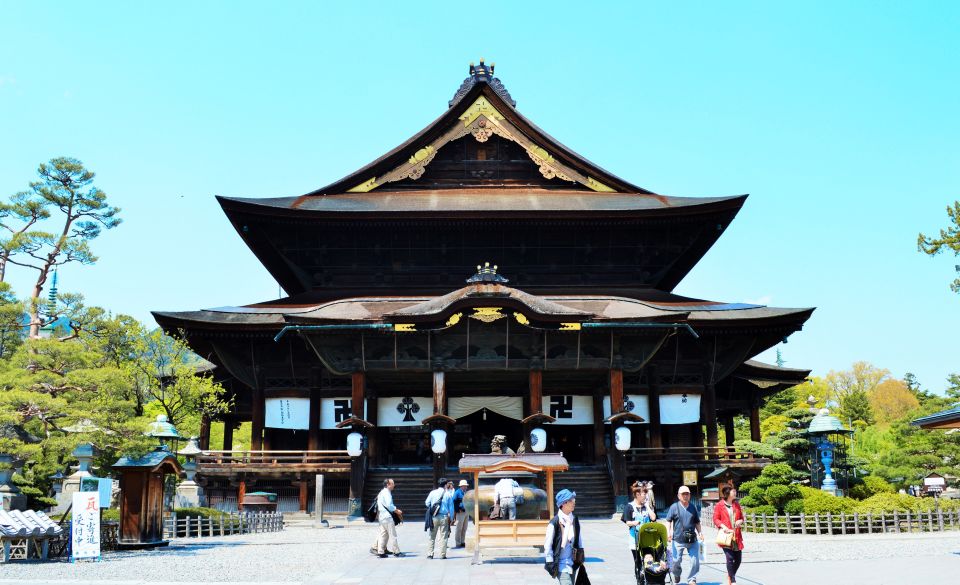
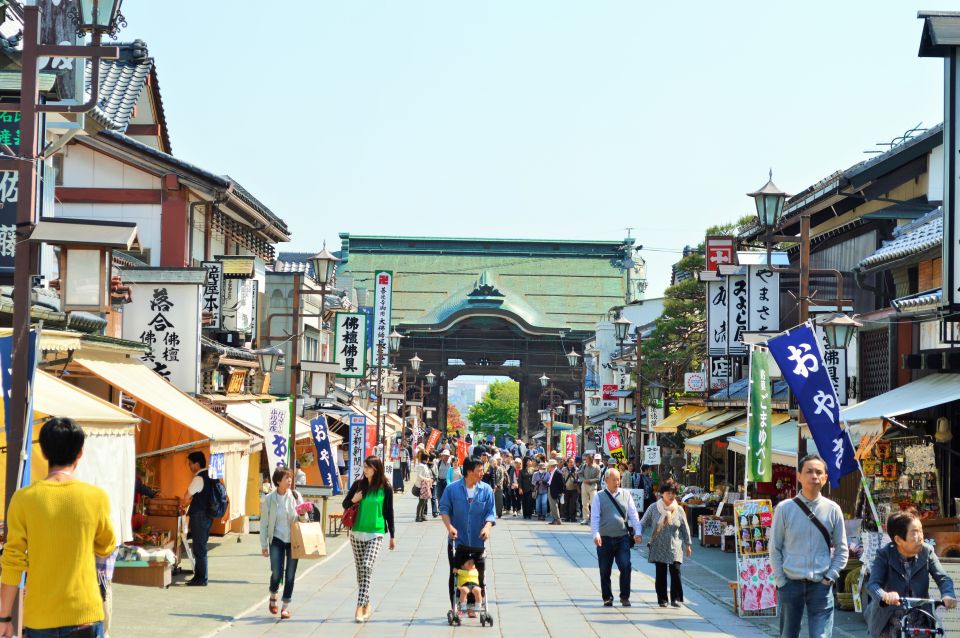
Zenko-ji is one of Japan’s oldest and most important temples, and that weight is felt the moment you arrive. This part of the day is guided for about 1.5 hours, which is the sweet spot: long enough to slow down, short enough that you’re not stuck in a museum-time fog before the snow monkeys.
What you’ll actually do is a mix of seeing, walking, and listening. The temple isn’t just a backdrop; the guide helps you notice patterns—why certain areas exist, what you’re looking at, and how the site fits into Japan’s Buddhist history. If you want a quick wow photo, you’ll get it. If you want the why behind the wow, you’ll get that too.
Two practical notes. First, the tour doesn’t include optional entry to the inner sanctuary of Zenko-ji, so if you’re chasing the deepest access, you’ll need to plan that separately. Second, the temple area can include smaller lanes and walking segments, so keep footwear solid. No heels—your feet will thank you later when the trail turns icy.
You can also read our reviews of more tours and experiences in Nagano.

The middle stop: sake tasting and a food bite in Nagano
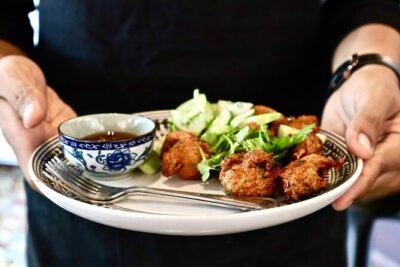
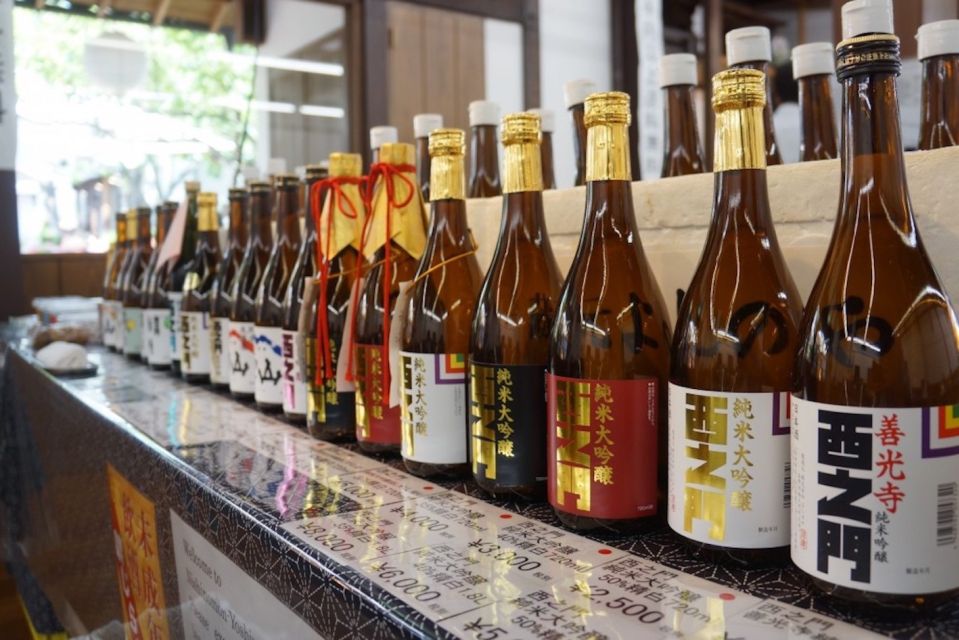
Between Zenko-ji and lunch, there’s a stop that mixes guided talk with a food tasting component. The big win is the sake tasting that’s included, with small samples that let you compare styles without turning the afternoon into a blur.
Sake tasting here isn’t treated like a souvenir stop. You get to taste different types and learn the basics of how sake is made and why styles can differ. That makes it fun even if you’re not a total sake nerd yet. And if alcohol isn’t your thing, you can still enjoy the experience: non-alcoholic sakes are available. Just note the rule that you must be at least 20 to consume alcohol in Japan.
This is also a good moment to pace yourself. You’ll be headed toward a winter park that involves walking and standing around in cold air. A sensible strategy is to treat the sake pours like tasting notes, not a challenge. Small cups are the point.
Lunch in a local restaurant: fuel that actually tastes like the region
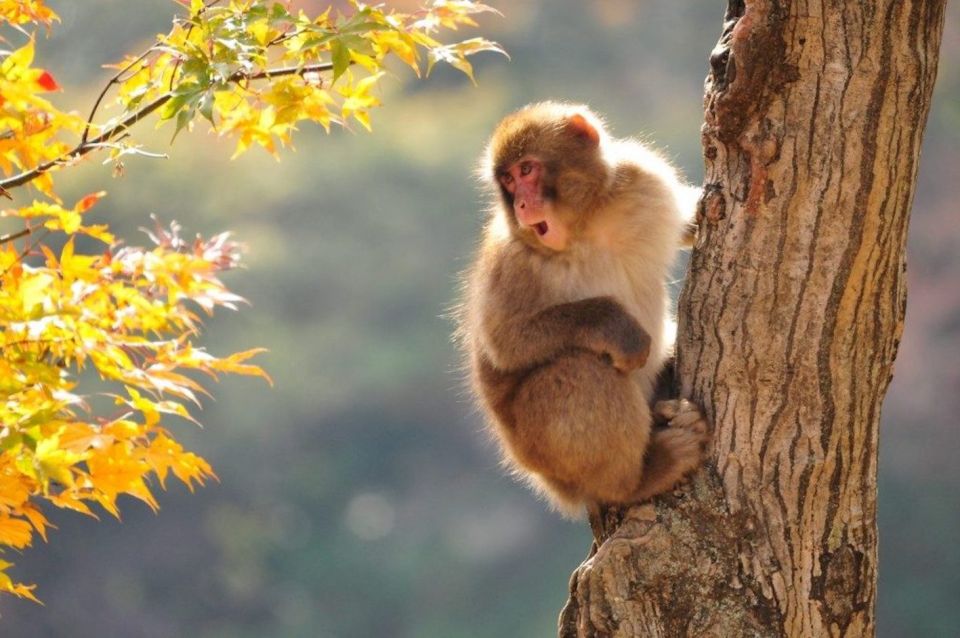
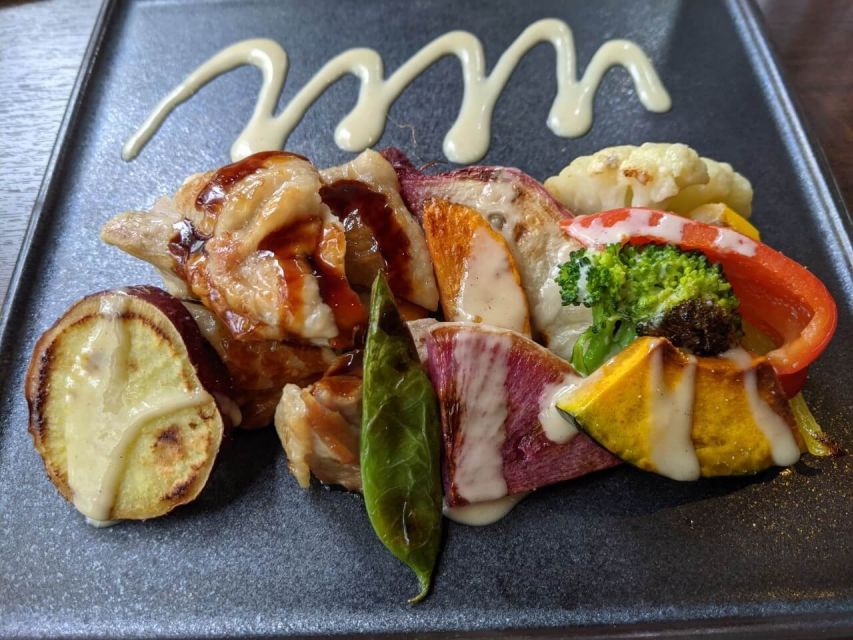
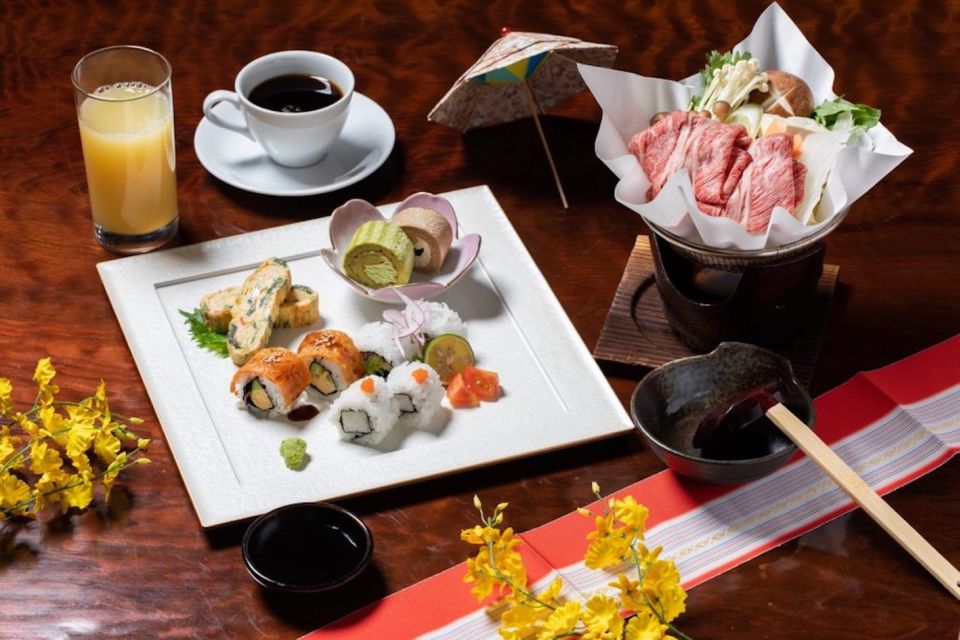
Lunch is built into the day (about 1 hour), and it’s more than a bland box to keep you from getting hungry. You’ll eat at a local restaurant, with vegetarian options available. One thing I like: the menu includes traditional elements such as miso soup, and you may see choices like tempura and sushi alongside it, depending on what’s being served that day.
Vegetarian travelers are covered, and that matters because it’s easy for day trips to fail at dietary needs. Still, don’t wait until the last second. If you have food allergies, tell the organizer so they can arrange lunch accordingly.
Value-wise, lunch inclusion is a big deal. When you combine lunch plus snow monkey park entry plus guide time, you’re paying for convenience and planning labor—not just transportation. Even better, lunch gives you the mental reset you’ll need before the cold trail.
Jigokudani Snow Monkey Park: watching hot-spring bathing up close
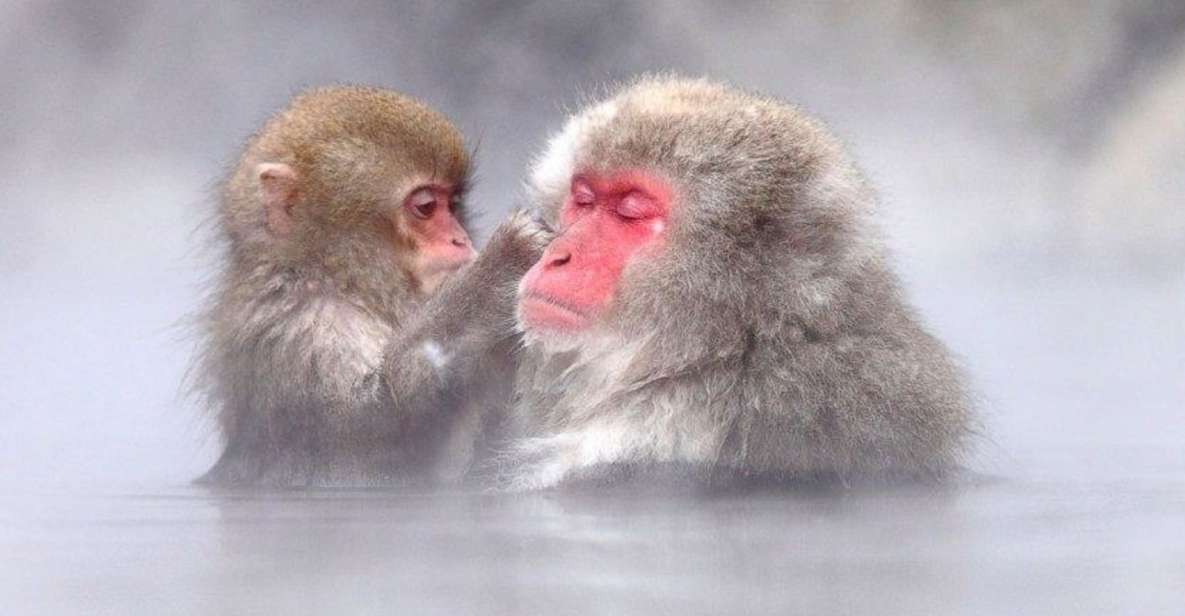
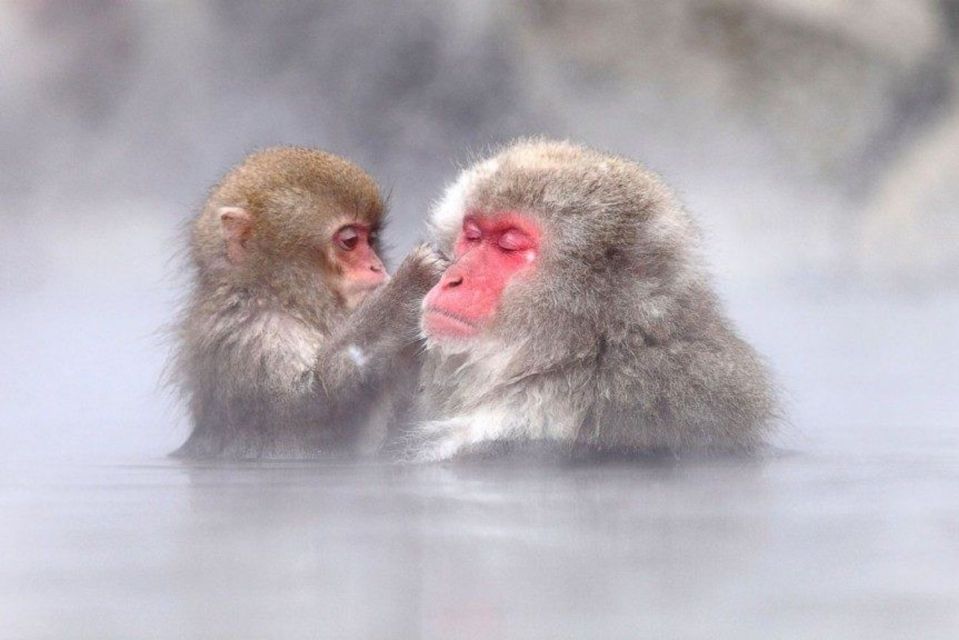
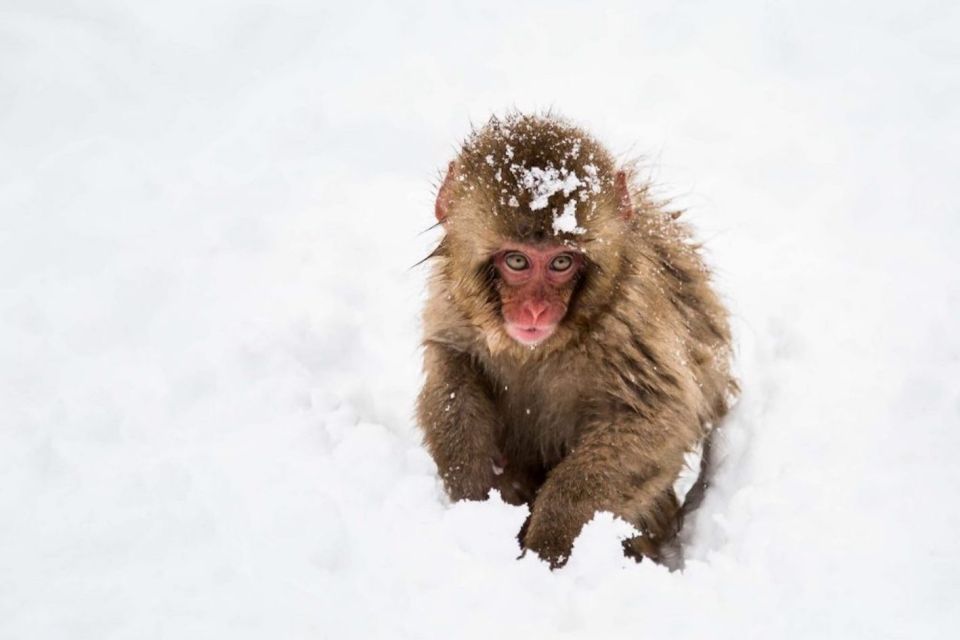
Then comes the main event: Jigokudani Monkey Park, also known as the Snow Monkey Park. The tour gives you about 2.5 hours here, including time to walk and wildlife viewing. The headline is obvious—these monkeys are famous for bathing in hot springs, and this is the place to see it.
What surprises people is how active it feels. You’re not just looking at a couple of sleepy faces. You’re watching movement: monkeys shifting positions, coming in and out of the hot water, grabbing food, and generally acting like they own the whole snowy stage. In winter, the steam and the snow create that classic image you see online—except now you’re there with a little cold air stinging your cheeks.
Here’s the honest part: the monkeys are not guaranteed to come down on every day. The tour notes a few days when they might not appear at the park the way you expect. That’s out of anyone’s control, so build flexibility into your mindset.
Also plan for walking. You’ll do roughly a 1.6 km walk to and from the park along forest trail paths. The route is generally described as flat and easy, but winter conditions can make it slippery. If you’ve got crampons, traction spikes, or proper winter grip shoes, bring them. Reviews specifically mention crampons being helpful after ice formed in places—so I’d treat traction as part of your winter kit, not an optional accessory.
Transportation and timing: meeting points, shuttles, and not wasting your morning
This tour is designed as a guided, day-long plan with set pickup and drop-off points. It’s not private, and you can only be picked up and dropped off at the designated locations. That matters because it keeps the schedule stable, but it also means you can’t improvise if you’re staying outside the listed options.
If you’re in Hakuba during winter, there’s a shuttle option. You can get picked up at either:
- Hakuba Tokyu Hotel (Wadano area) around 7:40 AM
- Hakuba Happo Bus Terminal around 7:55 AM
If you’re starting from Nagano Station, the meetup time is 9:35 AM. There can be an earlier 9:00 AM option if the 9:35 slot fills up, so check your booking time carefully.
Why I think this matters: the snow monkey park is the bottleneck. Getting there with enough daylight and enough time on-site is the difference between rushing and actually enjoying the animals. The tour aims to finish back at Nagano Station by 17:30, or by 18:45 for Hakuba pick-up in winter.
One small comfort consideration: you’ll be on a bus/coach for transfers, and day trips can feel tight if you’re tall. If that’s your situation, bring a little patience and pack your layers so you’re not fiddling constantly during rides.
What to wear and pack: the snow monkey walk is the real test
If there’s one thing that will make or break your day, it’s what you wear on the trail to Jigokudani. The rules are simple: no high-heeled shoes, and you should use shoes that handle slippery forest paths. Sandals don’t cut it. Neither do shoes with smooth soles.
Bring a bag you can carry easily. You’ll be walking and standing around in a cold, wintry setting, so you don’t want to haul something bulky. In winter, temperatures and ice can change quickly—so layers are your friend.
If you want a slightly practical checklist:
- winter traction or crampons (or at least shoes with serious grip)
- warm layers you can adjust on the bus
- gloves and a hat if you run cold
- a small bag you can keep out of the way while walking
And a humorous reality check: your feet will be fine as long as the soles grip. If the soles don’t grip, your feet will create their own travel itinerary.
Who this day trip suits best (and who should skip it)
This tour is a great fit if you want a high-impact Nagano day without the stress of planning. It’s especially strong for:
- people staying in Hakuba in winter who want an easy, direct route to Nagano highlights
- visitors who care about context (Zenko-ji) as well as the big photo moment (snow monkeys)
- couples and friends who like group pacing that still feels un-rushed
It may not be the best match if:
- you have mobility constraints, since walking is part of the experience and the route includes forest trail sections
- you’re hoping for a fully private, customize-anything day (this is a fixed itinerary with set pickup/drop-off points)
If you’re traveling with a mix of interests, this tour works because it has a cultural spine and a wildlife payoff.
Should you book the Nagano Snow Monkeys, Zenko-ji & Sake Day Trip?
I’d book it if you want the classic Nagano winter combo done efficiently: Zenko-ji for cultural grounding, sake tasting for a local food-and-drink moment, and Jigokudani for snow monkeys in hot-spring action. The included lunch and the included transport reduce the usual hassle of getting around on your own, especially if you’re coming from Hakuba.
I would think twice if you’re very sensitive to cold walking, hate slippery terrain, or need a fully flexible pickup/drop-off. Also remember the monkeys aren’t guaranteed to come down on every day. If you can accept that small uncertainty, this tour is a smart way to spend your one precious day in the region.
If you want a safe bet, wear traction shoes, plan for a longer winter walk, and show up ready to slow down at the temple and stay curious during the tasting. That’s when the day feels like more than a checklist.
FAQ
What time do I meet if I’m joining from Nagano Station?
You meet at Nagano Station at 9:35 AM. If that timeslot is fully booked, an earlier 9:00 AM start may open for additional participants, so confirm your exact booked time.
If I’m staying in Hakuba, what are the winter shuttle pickup times?
In winter, shuttle pickup is offered from Hakuba Tokyu Hotel (Wadano area) at 7:40 AM or from Hakuba Happo Bus Terminal at 7:55 AM.
How long is the day trip and when does it end?
The tour runs 8 to 12 hours. It concludes by 17:30 at Nagano Station, and by 18:45 for guests joining from Hakuba in winter.
Is this tour private?
No. It is not a private tour, and you can only be picked up and dropped off at the designated meeting points.
How much walking is involved?
There is a substantial walking component, including about a 1.6 km walk to and from the Snow Monkey Park area. The forest trail can be slippery in winter.
Can everyone taste sake?
Guests must be at least 20 years old to consume alcohol in Japan. If you are underage or don’t drink, non-alcoholic sakes are available.
Are the snow monkeys guaranteed to appear?
Not always. There are a few days in the year when the monkeys might not come down to the park, so sightings are not 100% guaranteed.
What is included in the price?
Included are transportation between activities, an English-speaking guide, Snow Monkey Park entry, lunch (vegetarian options available), sake tasting, and the Hakuba shuttle service in winter.