REVIEW · TOKYO
Tokyo Great Cycling Tour
Book on Viator →Operated by 東京グレートサイクリングツアー · Bookable on Viator
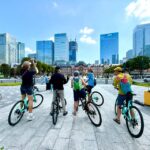
Tokyo’s best views come faster on a bike. This small-group ride (max 12) turns big sights into a smooth, two-wheels-and-street-scenes day, with bike access to places buses can’t reach. I especially like the way you’ll hit major highlights like Tsukiji-area shopping streets and Meiji Jingu Shrine without feeling rushed, and the guides (including names like Toshi, Naoko, and Nick) keep the pace friendly and the group safe. One thing to consider: you do need moderate fitness, and in hot or rainy weather your comfort level will depend on how well you handle being outside for about six hours.
For the money, this feels like a strong value: it’s about $99.49 per person for a full half-day that bundles famous landmarks with local neighborhood feel, plus admission-free stops. You’ll start at Tokyo Great Tours near Shinkawa and get a mobile ticket, and then follow a guided route that covers a lot more ground than walking ever would.
In This Review
- Key highlights at a glance
- Why Tokyo Looks Better From Two Wheels
- Price and What Makes It Worth $99.49
- Start Line at Shinkawa: Your 9:00 AM Launch
- Tsukiji Area: Modern Tokyo Shopping Life at Stop 1
- Zojo-ji Temple and Tokyo Tower’s Unusual Backdrop
- The City Between Landmarks: Apartments, Offices, and a Cemetery in Fashionable Tokyo
- Meiji Jingu Shrine: A Shinto Pause in the Middle of Motion
- Imperial Palace Area: Seeing Power Without Going Inside
- Guides Matter: Toshi, Naoko, and Nick’s Safety-First Feel
- Lunch Changes With Weather: Plan for Flexibility
- Bike-Time Tips to Keep the Day Comfortable
- Who This Tokyo Great Cycling Tour Fits Best
- Should You Book This Tour?
Key highlights at a glance
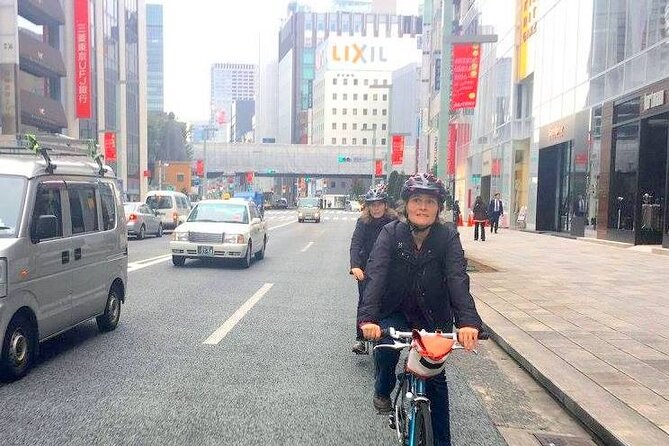
- Small-group size (max 12) keeps the ride personal and easier to manage
- Four major stops, multiple neighborhood vibes from Tsukiji to Meiji Jingu and the Imperial Palace area
- Bike routes that reach beyond bus-friendly streets for a more local feel
- Free admission at the temple and shrine stops on the route
- Guide support you can count on, with a safety-first approach
Why Tokyo Looks Better From Two Wheels
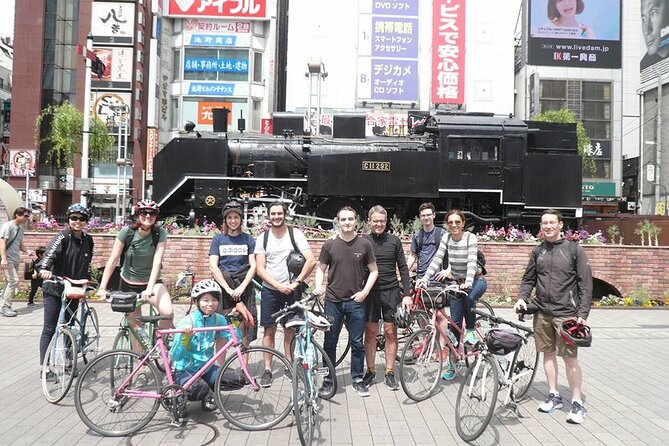
Tokyo is a city of tiny choices: which street, which corner, which light. Walking is great, but it keeps you tied to pace and distance. On a bike tour, you get a different kind of freedom.
You’re still moving at a human speed, but faster enough to connect areas that would take you hours on foot. That means you can actually experience different parts of the city in one morning or afternoon instead of picking just one neighborhood and stretching it all day.
The other big reason this works is access. The tour is built around the idea that bikes can reach places buses can’t, so the route can stay closer to where people actually live, shop, pray, and work. You’re not just viewing Tokyo from a distance. You’re traveling through it.
And because the group is capped at 12, the vibe tends to be calmer. You’ll get to listen, ask questions, and reset when you need to—without losing the whole day to crowd control.
You can also read our reviews of more tours and experiences in Tokyo.
Price and What Makes It Worth $99.49
At about $99.49 per person for roughly six hours, you’re paying for three things:
- Time saved vs. planning and transport on your own
- A guided route that strings together top sites with context
- A bike experience that gets you around in a practical way
What I like about this price point is that it doesn’t rely on paid admissions. The major stops listed on the route include free entry, so a big chunk of the cost is really paying for logistics and interpretation, not tickets.
Also, the tour is typically booked about 46 days in advance on average. That’s a hint it’s popular, and the small-group size likely contributes to that demand. If you want one of the easier-to-book time slots, planning ahead helps.
Start Line at Shinkawa: Your 9:00 AM Launch
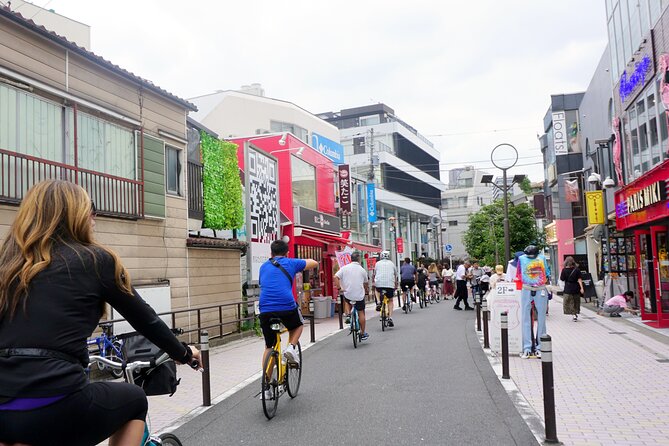
The tour meets at Tokyo Great Tours in Shinkawa (Chuo City). Start time is 9:00 am, and it ends back at the meeting point.
That timing matters. Mornings in Tokyo tend to feel more manageable for a long ride. You also get your temple and shrine visits earlier, which can be a comfort if the day heats up later.
It’s also close to public transportation, so you’re not stuck with a long commute just to get to the start.
Tsukiji Area: Modern Tokyo Shopping Life at Stop 1
The first stop is the Tsukiji Jogai Market area. This is the part that’s still full of local shoppers and visitors even after the Inner Market moved to Toyosu.
What you’ll like here is the mix of everyday energy and tourist-friendly sights. It’s not just a postcard market. You’ll see a working shopping street feel, the kind of place where locals pick up food and supplies while visitors walk through with curiosity.
Since the stop is about 15 minutes and admission is free, treat it like a “get your bearings” moment. You’re not there to shop for hours. You’re there to feel the neighborhood and let your guide set the stage for the rest of the day.
A practical thought: if you’re the type who likes to snack while traveling, Tsukiji-area streets are usually where that habit makes sense. Keep it quick, then get back in the saddle.
Zojo-ji Temple and Tokyo Tower’s Unusual Backdrop
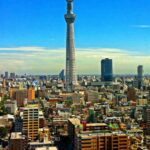
Next up is Zojo-ji Temple. It’s described as an old Buddhism temple, and one of the standout details is the visual contrast: traditional temple buildings with Tokyo Tower rising behind them.
That contrast is exactly why this stop works on a bike tour. By the time you arrive, you’ve already traveled through modern streets. Then you hit a calmer, older setting. It helps the city feel real instead of purely futuristic.
The stop is about 15 minutes with free admission, so you’re going for first impressions: the main grounds, the atmosphere, and the story your guide shares.
One consideration: temples and shrine grounds can have uneven ground or crowds depending on the day. Keep your pace steady, follow your guide’s lead, and you’ll have a smooth visit that doesn’t eat up your riding time.

The City Between Landmarks: Apartments, Offices, and a Cemetery in Fashionable Tokyo
After Zojo-ji, the route moves through sections of Tokyo with lots of high-story apartment, shopping, and office buildings. Then you pass a cemetery situated in the middle of more fashionable areas.
This segment is underrated. On many “major sights only” tours, you miss the in-between Tokyo that makes the city feel believable. Here, you get a moving window: how people live in dense high-rises, how commercial Tokyo sits near quieter spaces, and how not-everything is flashy.
The cemetery detail is the kind of contrast you can only appreciate by traveling the streets, not by hopping from one car window view to another. You’ll probably notice how Tokyo can put deep stillness right next to busy money and style.
If you like photography, this is often where you’ll get better street-level frames—more architecture and city rhythm, less pure monument.
Meiji Jingu Shrine: A Shinto Pause in the Middle of Motion
Stop 3 is Meiji Jingu Shrine, and it’s described as Tokyo’s most popular Shinto shrine. The stop is about 20 minutes, again with free admission.
This is the moment where the tour usually clicks for many people. You’ve been riding through dense streets, then you arrive at a more ceremonial, wooded-feeling shrine setting (even if you don’t expect it to feel like the countryside).
Your guide’s job here is to add meaning. You’re not just walking around. You’re learning how the space works and what the shrine represents in Japanese culture.
Because it’s 20 minutes, you can do the essentials without feeling dragged. Take a slow walk through the main areas, watch how people behave respectfully, and let yourself reset before you head to the last big stop.
Imperial Palace Area: Seeing Power Without Going Inside
The final major stop is the Imperial Palace area, where the Emperor and Empress live. The stop is about 15 minutes, with free admission.
You’re not there for an all-day museum style visit. You’re there to understand Tokyo’s geography of power and history—how the city’s structure relates to the imperial residence.
From a bike tour, the key advantage is perspective. You can move around the surrounding streets and get a sense of how the palace area fits into Tokyo’s broader layout. It’s like seeing the city’s roadmap in real time.
The short stop length also keeps things realistic. After six hours of riding and sightseeing, you want the day to end with a highlight, not a long endurance test. This is built to close strong.
Guides Matter: Toshi, Naoko, and Nick’s Safety-First Feel
A lot of bike tours succeed or fail based on the guide. On this one, the standout theme is care—taking safety seriously and keeping the group comfortable.
In particular, names you might hear from guides on this tour include Toshi, Naoko, and Nick. The consistent point is that they watch over the group throughout the ride. That’s more than friendliness. It means you’re less likely to feel lost or rushed, and you’re more likely to enjoy the day even if Tokyo traffic nerves kick in.
One helpful detail from the experience: bike condition and readiness are taken seriously. A smooth-running bike makes a huge difference when you’re covering multiple stops.
Also, your guide controls the pace. That matters a lot when you’re visiting multiple sacred spaces with short time blocks. You’ll get enough time to look, but not so much time that the group falls behind.
Lunch Changes With Weather: Plan for Flexibility
One real-life advantage of being on a guided tour is that plans can shift when the day turns.
There’s a note from one experience that a picnic plan changed to lunch at an izakaya due to very hot weather. That tells you the tour team is paying attention to comfort.
So if you’re booking in summer or you know your heat tolerance is limited, mentally prepare for a route where food options might change based on conditions. That flexibility is usually a good thing, not a hassle.
Bike-Time Tips to Keep the Day Comfortable
You’ll get the best day if you match your body to the format. Here’s how to do that.
- Dress for weather, not just forecasts. You’ll be outside for about six hours.
- Bring a water mindset. Even with stops built into the route, it’s smart to hydrate before you feel thirsty.
- Expect short photo moments. The stops are around 15–20 minutes, so don’t try to treat each one like a half-day detour.
- Wear shoes you can walk in confidently. Temple and shrine visits are part of the day, and you’ll want stable footing.
If you ride a bike fine and you’re comfortable in public spaces, this is the kind of day that feels efficient and fun. If you’re brand-new to riding, you may find it stressful, especially in a moving group.
Who This Tokyo Great Cycling Tour Fits Best
This tour is ideal if you want:
- A fast, high-sight-value day in Tokyo without spending the whole time on transit
- A guided explanation of major sites instead of wandering with an app
- A small-group ride that doesn’t feel like cattle movement
It’s also a smart match if you like seeing contrasts—old temple spaces beside modern Tokyo Tower views, and ceremonial shrine calm after urban streets.
You should think twice if you dislike bike riding, can’t handle moderate physical activity, or know you struggle with heat. The tour expects a moderate fitness level, and weather can impact comfort and meal plans.
Should You Book This Tour?
If you want one day in Tokyo that covers major landmarks while still feeling like you’re moving through neighborhoods, this is a strong choice. The small group size, the ability to reach streets that buses can’t, and the guide support you can rely on make it feel like a practical way to get more Tokyo per hour.
I’d book it if you can handle a full ride day and you want the history and culture context along the way. I’d skip or switch to a less physical option if you’re not confident on a bike or you know you’ll feel miserable outdoors for six hours.
If you do book, aim to lock your date early. With popularity and a small-group cap, getting the time you want is easier when you plan ahead.