REVIEW · ULUWATU
Uluwatu: Beginner & Intermediate Surf Lesson with Equipment
Book on GetYourGuide →Operated by Cakrawala asia · Bookable on GetYourGuide
Two hours, one board, and a whole lot of learning. In Uluwatu, you get coaching at Balangan, Jimbaran, or Dreamland Beach with a tight small group so you’re not stuck watching from shore. It’s the kind of lesson that turns the ocean from intimidating to doable fast.
I love the lesson structure: a 15-minute safety and theory warm-up, then practice blocks that gradually build your confidence. I also love the included setup—rush guard, reef shoes, locker and shower, sunblock, and mineral water—so you show up ready to work, not rummage for gear.
One consideration: this is physical, and the reef breaks can be serious. The lesson isn’t suitable for children under 9 or people over 65, and you’ll feel it if paddling tires you out quickly.
In This Review
- Key highlights you’ll care about
- Uluwatu surf: why this lesson fits beginners and improvers
- Your beach day: Balangan, Jimbaran, or Dreamland
- The first 15 minutes: safety and theory on shore
- The 45-minute practice block: paddling and your first stands
- The 10-minute break: reset before the final push
- The final 50 minutes: more rides, more confidence
- Gear, lockers, and why the included extras matter
- Instructors you’ll likely match with: calm coaching beats hype
- Price and value: what $36 really covers in Bali terms
- Who should book this (and who might skip it)
- Should you book this Uluwatu surf lesson?
- FAQ
- How long is the Uluwatu surf lesson?
- Where does the lesson take place?
- Do I get surf equipment included?
- What should I bring to the lesson?
- Is photos and video included?
- Is pickup or drop-off provided?
- What is the group size?
- Is there a safety briefing?
- Who can join the lesson?
- What if the beach or time changes due to waves?
- FAQ
- Can I cancel for a full refund?
- Do I need to pay when I book?
Key highlights you’ll care about
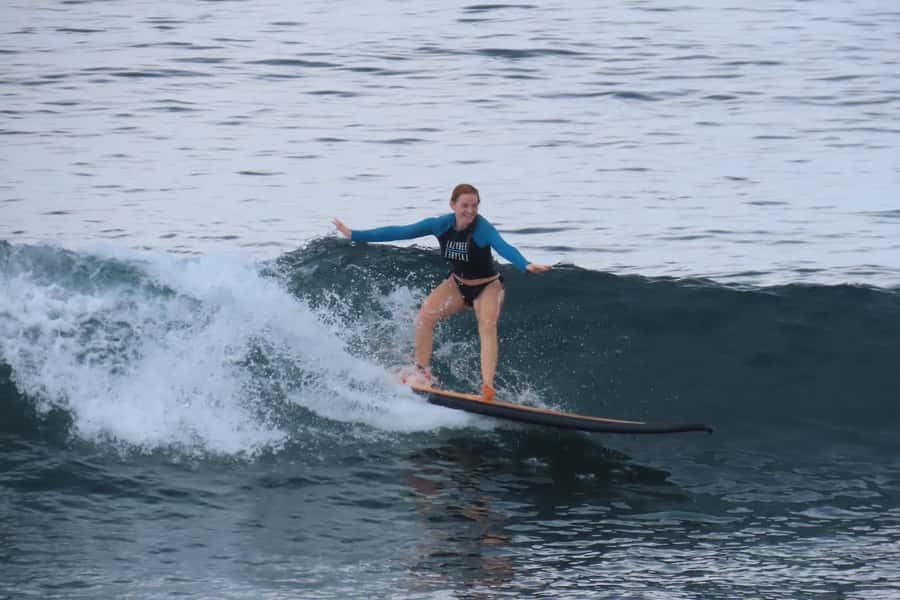
- Small group size (max 6): easier attention in the water and less time waiting for your turn.
- Coach-to-student ratio: a trainer for every two students (and one coach per student under age 12).
- Built-in safety flow: theory first, then gradual time practicing your paddling, stance, and surf basics.
- Protection included: rush guard, reef shoes, and sunblock help you handle the beach and water more comfortably.
- Beach selection based on conditions: you may surf Balangan, Jimbaran, or Dreamland, depending on waves.
- Photos/videos for groups of 2+: you can take home real moments without hunting for a GoPro setup.
Uluwatu surf: why this lesson fits beginners and improvers
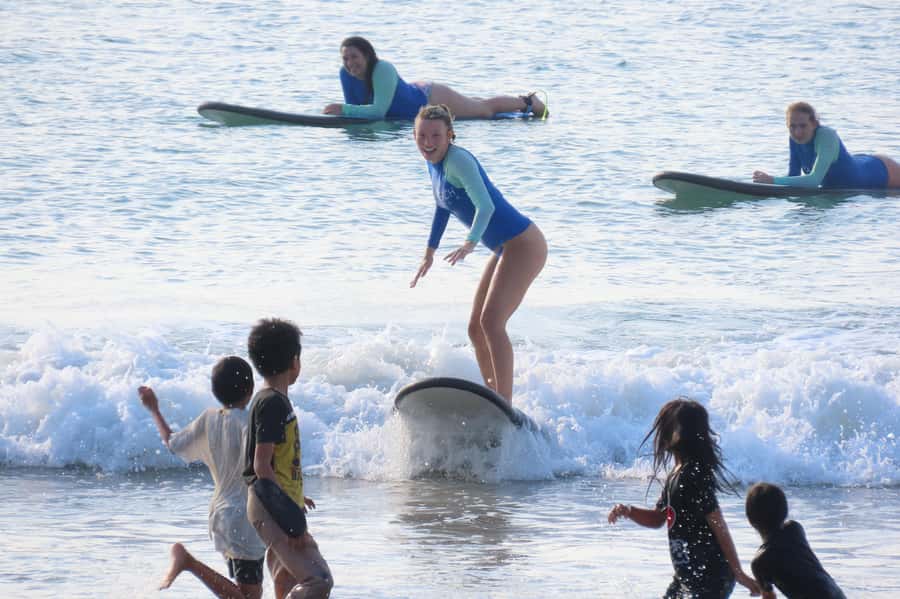
Uluwatu surf is known for strong, reefy breaks and big scenery. That can sound scary on day one, but the way this lesson is taught makes it workable: you’re coached step-by-step, and you practice in chunks instead of being thrown straight into chaos. The result is less guessing, more progress.
For beginners, the best part is that you’re taught the fundamentals in plain language: how to lay down, how to paddle, how to stand up, and how to surf in a way that keeps you safe. For people with some experience, the same format helps you tighten technique—especially timing, positioning, and reading where the set is coming from.
You also get a realistic surf-day rhythm. You don’t just sprint from start to finish; you build skills, take a short break, then get more time to apply what you learned. That matters, because surfing improves when you can try, fail, reset, and try again.
You can also read our reviews of more tours and experiences in Uluwatu.


Your beach day: Balangan, Jimbaran, or Dreamland
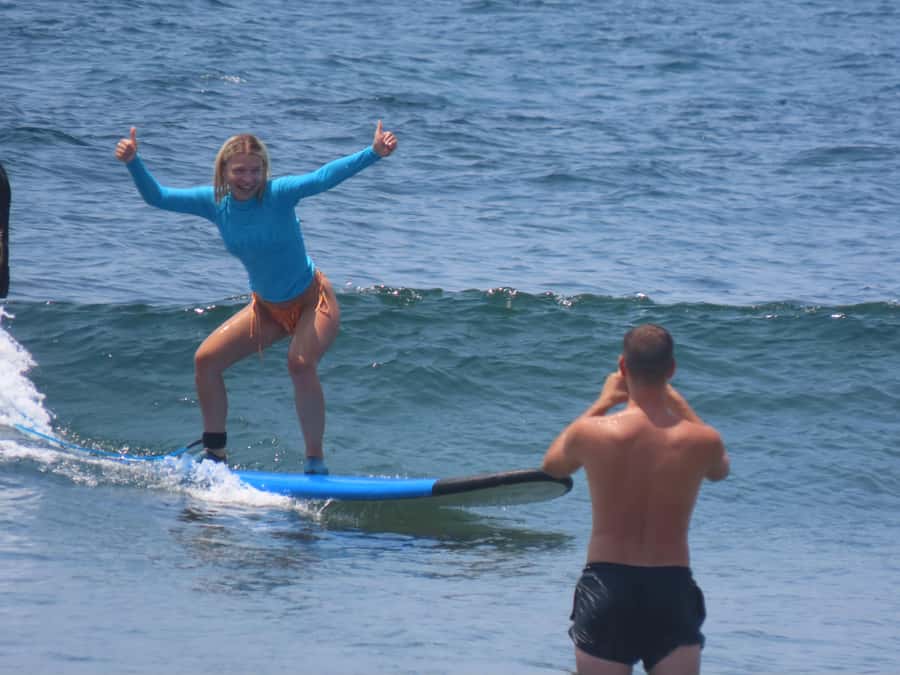
This lesson runs at Balangan, Jimbaran, or Dreamland Beach in the Uluwatu area. The exact spot can change based on the day’s weather and waves, and the provider will contact you if they need to move the schedule or location.
That flexibility is not a gimmick. Surf conditions vary a lot from morning to afternoon, and picking the right beach helps you spend time on waves you can actually ride rather than wrestling conditions that are too big or too messy. In recent feedback, instructors also adjusted when conditions weren’t ideal, which is a smart sign of a team that’s paying attention.
Practical tip: if you’re staying nearby, you’ll want a bit of slack in your plans. Even with a 2-hour session, the location shift can affect timing, and you’ll start learning once you’re at the beach—not from your hotel.
The first 15 minutes: safety and theory on shore
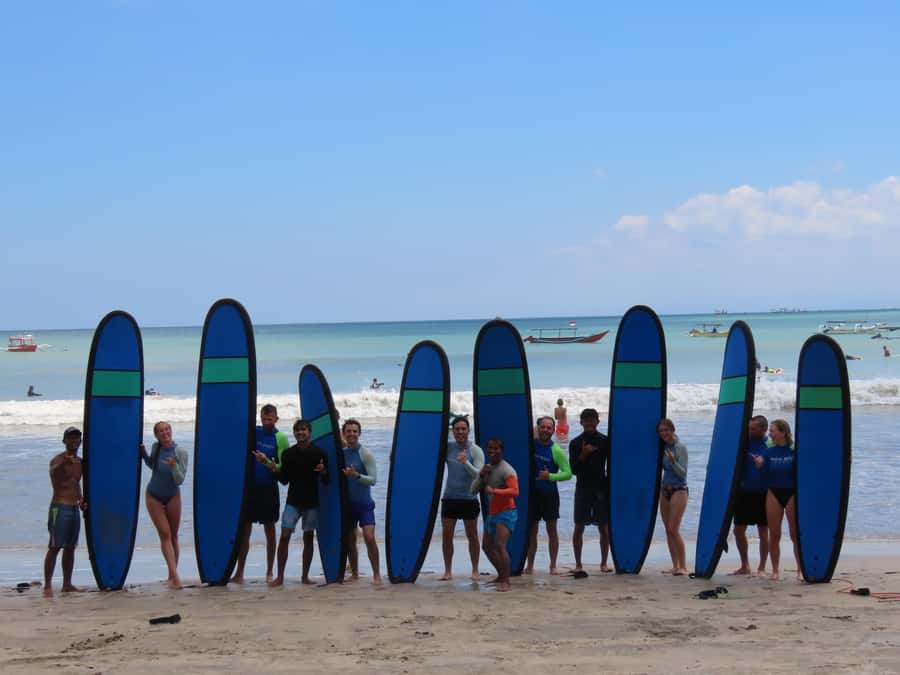
Before you ever get wet, you get a 15-minute surf safety and theory lesson. This is where you learn the rules of the lineup: what to watch for, how to stay aware of other surfers, and how to move in and out of the water with less panic. It’s also where you get the basics of technique so your first attempts aren’t random.
Expect instruction focused on the exact mechanics beginners struggle with. You’ll get guidance on how to position on the board, how to paddle effectively, and what to do when a wave is coming. Many first-timers do better when the coaching is specific—like what angle to aim, when to start moving, and how to line up your body to stand.
This part also matters because Uluwatu has reef breaks. You’ll hear safety cues for the water and beach area so you don’t treat it like a calm swimming hole. The reef shoes included in the gear list are there for a reason, and the safety briefing helps you use them properly.
The 45-minute practice block: paddling and your first stands
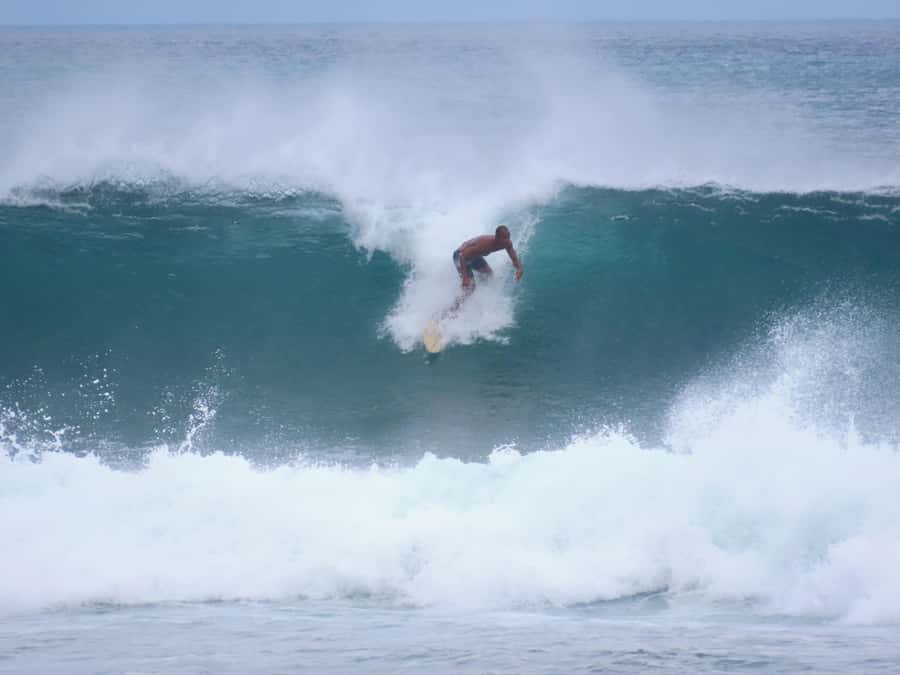
After shore instruction, you jump into a 45-minute practice session designed to turn theory into muscle memory. This is where the lesson earns its keep. Instead of endless paddling drills, you’re coached toward the moments that matter: timing the wave, committing to the stand, and moving in a controlled way.
A standout theme in instructor feedback is patience. People reported teachers like Luis, Repho, Aldin, and Irawan staying calm while giving clear direction in the water. You can also sense the coaching style: some instructors focus on helping you catch the wave and stand—so beginners don’t burn out trying to brute-force paddling.
Also, don’t ignore physical reality. One review-style reminder was clear: paddling can be tiring, especially if you’re not a strong swimmer. So pace yourself. Use efficient strokes, relax your shoulders when you can, and follow the coach’s cue for where to position your board.
If you’re intermediate, this practice block is a chance to refine your fundamentals—especially stance, balance, and how you react when waves shift.
The 10-minute break: reset before the final push
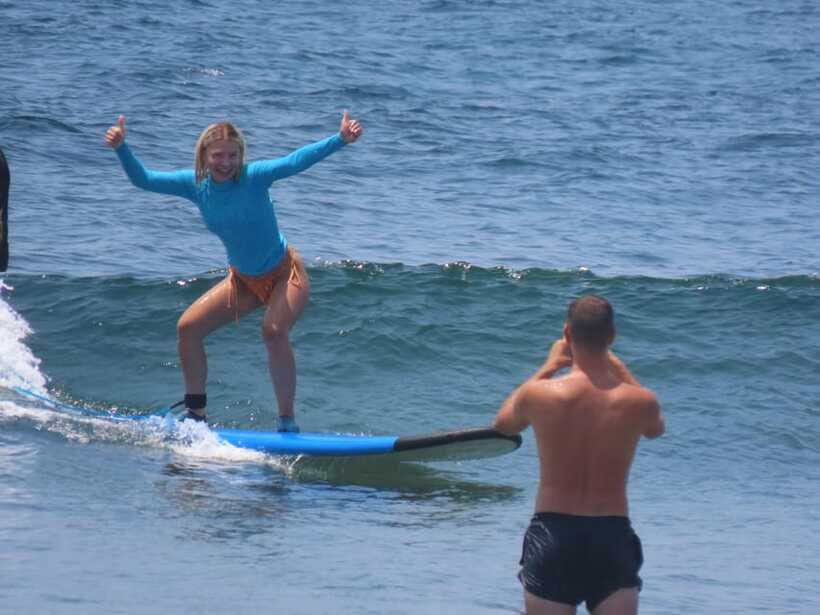
Midway through the lesson, you get a 10-minute break. That sounds short, but it’s timed well. Surf is exhausting. Arms fatigue. Your brain slows down. That break gives you a chance to hydrate, catch your breath, and reset your focus before the final instruction-and-practice stretch.
Use this time wisely. If you have questions, ask then. If the coach corrected something earlier—like board position or standing timing—mentally rehearse it so it’s fresh for the last session.
You’ll also be dealing with beach logistics: gear on, gear off, and staying aware of your surroundings. The included locker and shower setup means you’re not scrambling to keep your stuff dry or to wash off saltwater after.
The final 50 minutes: more rides, more confidence
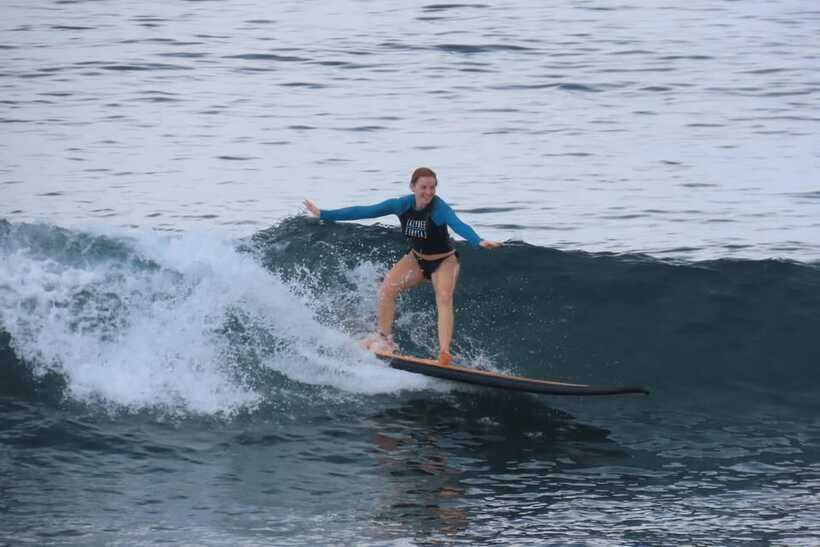
The last 50-minute practice session is where you’re meant to feel the change. By now you’ve learned the safety basics, you’ve tried the paddling and standing steps, and your coach can push you to improve with real feedback.
This is also where the small-group advantage shows. With limited to 6 participants, it’s easier for the trainer to spot what’s going wrong for each person—things like when you start your pop-up, how your feet land, or whether you’re aiming at the right part of the wave.
In the feedback, many first-timers described riding waves quickly after being coached through the moment of standing. Some instructors are very hands-on with positioning and encouragement, and you can feel the intention: get you surfing, not just “learning about surfing.”
And yes, the waves can feel aggressive at times. Reef breaks mean you stay alert, and you follow the coach’s safety calls. If you do, your chances of ending the lesson feeling proud instead of battered go up a lot.
Gear, lockers, and why the included extras matter
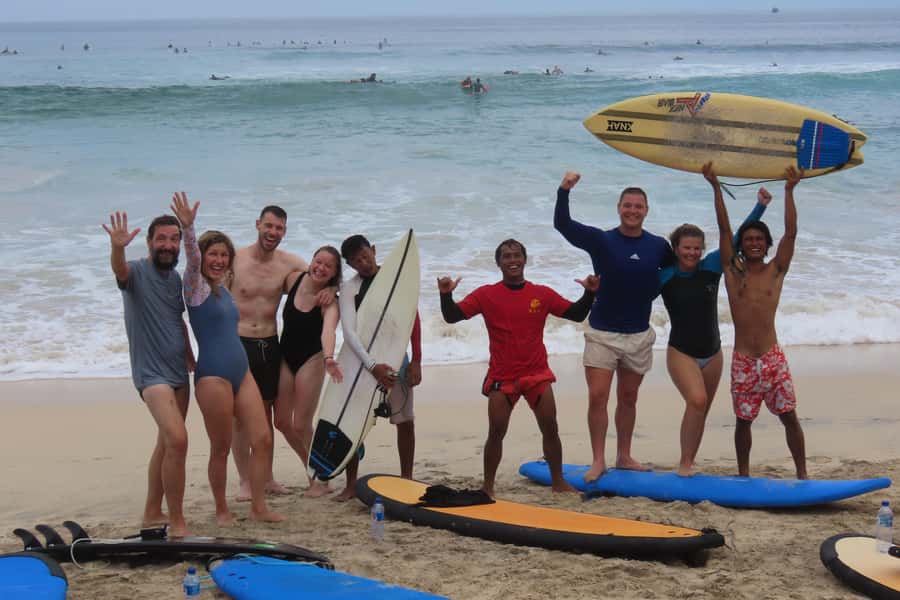
This lesson is unusually well-equipped for the price. You get surf equipment, plus a rush guard and reef shoes. That matters because rash guards reduce chafing from both the board and the surf zone, and reef shoes protect your feet on rocky or coral-strewn edges.
You also get practical comfort items: sunblock, mineral water, and a locker and shower. Lockers are especially useful in surf areas where you don’t want to carry valuables or your towel in and out every few minutes. One detail I appreciated from feedback: lockers were described as small but protected while people were in the water.
What you should bring is simple: swimwear and a towel. That’s it. No digging for wetsuit rentals, no guesswork about what to wear under the board short.
One more point: the lesson includes free time at the end of your session. That’s helpful in Bali, where you might want to cool down, grab a drink, or just sit on the sand without rushing back immediately.
Instructors you’ll likely match with: calm coaching beats hype
A big reason this lesson earns a strong rating is the coaching tone. Multiple instructors were named in recent feedback—Luis, Repho, Aldin, Irawan—and the consistent thread is clear instruction with a patient, safety-first vibe.
What “patient” looks like in surfing coaching is specific. It means you get corrections in the water without feeling embarrassed, and it means the coach keeps you pointed at what to do next. Some coaching includes focusing you on the stand even if you’re not able to paddle at full power yet. That turns a beginner problem into a teachable moment.
It also helps that the session is set for a small group and a trainer ratio of about one coach per two students. You’re not competing for attention. If you’re unsure where to position yourself, you can actually ask.
Language-wise, instructors are English and Indonesian, so you can expect communication to be manageable even if you’re not fluent in Indonesian.
Price and value: what $36 really covers in Bali terms
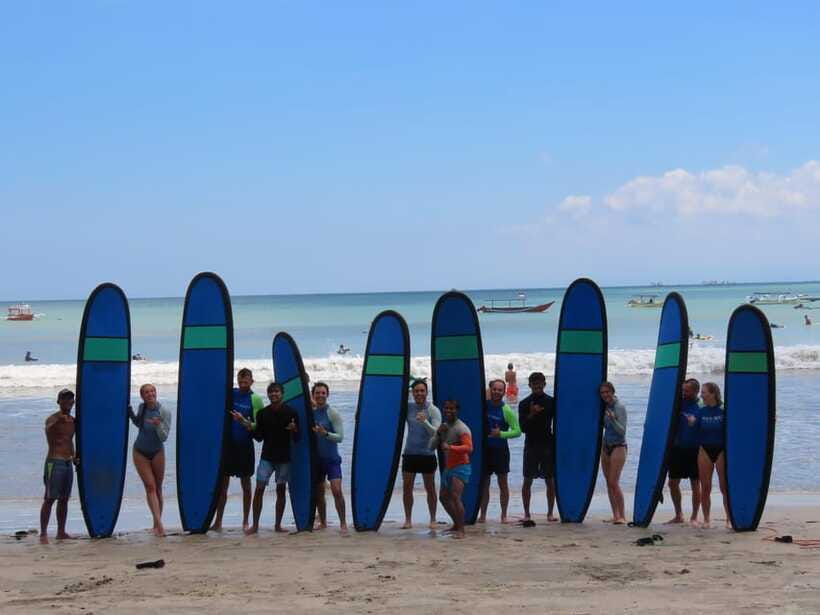
At $36 per person for a 2-hour lesson, the value is stronger than it looks at first glance—because the “hidden costs” are mostly covered. You’re not paying extra for a board, protective clothing, or surf shoes. You’re also getting locker storage, shower access, mineral water, and sunblock.
Then there’s the media piece: photos and videos are included when you book as 2 or more participants. If you’re traveling with someone, this is a nice perk. It means you don’t have to coordinate a friend or a stranger to capture your first stand-up moment—something that’s hard to do when you’re trying to balance and breathe.
The biggest value trade-off is that pick up and hotel drop-off are not included. If you’re far from Uluwatu’s beaches, you’ll want to plan your transport ahead. That’s not a dealbreaker, but it can change the real cost in time and taxi bills.
Overall, if you want a well-run introduction to surf in Uluwatu without shopping for gear, this price feels fair.
Who should book this (and who might skip it)
This lesson is a great match if you’re:
- a beginner who wants a guided first surf experience
- someone with basic experience who wants more focused practice time
- a traveler who likes clear instruction and a safety-first coach style
It’s less suitable if:
- you’re a child under 9
- you’re over 65
- you know paddling will be a major struggle for you, since surfing demands real effort even with good coaching
If you’re comfortable in the water and you can follow directions, you’ll likely have a fun time. If you’re unsure about swimming strength, consider doing some warm-up swimming first—your arms will thank you.
Also, if reef breaks make you nervous, good news: the lesson includes reef shoes and a safety briefing that treats the environment seriously. That combination helps you feel in control.
Should you book this Uluwatu surf lesson?
I’d book it if you want a structured, small-group surf session where you’re coached through the steps instead of tossed into the lineup. The gear list, the safety briefing, and the focus on practice blocks make the lesson feel efficient for the time you’re spending in the water.
One last decision tip: check your logistics for getting to the beach. Since there’s no pick up, make sure you can arrive on time at Balangan, Jimbaran, or Dreamland Beach. If transport is easy for you, this is one of the smoother ways to try surfing in Uluwatu.
FAQ
How long is the Uluwatu surf lesson?
It lasts 2 hours total.
Where does the lesson take place?
The lesson may run at Balangan, Jimbaran, or Dreamland Beach in the Uluwatu area.
Do I get surf equipment included?
Yes. Surf equipment is included, along with a rush guard and reef shoes.
What should I bring to the lesson?
Bring swimwear and a towel.
Is photos and video included?
Photos and videos are included when you book with at least 2 participants.
Is pickup or drop-off provided?
No pickup and no hotel drop-off are included.
What is the group size?
It’s a small group limited to 6 participants.
Is there a safety briefing?
Yes. You get a 15-minute surf safety and theory lesson before practice in the water.
Who can join the lesson?
It’s not suitable for children under 9 years old or people over 65.
What if the beach or time changes due to waves?
The provider may move the schedule and/or location due to weather and wave conditions, and they will contact you within a suitable timeframe.
FAQ
Can I cancel for a full refund?
You can cancel up to 24 hours in advance for a full refund.
Do I need to pay when I book?
You can reserve now and pay later, meaning you pay nothing today.