REVIEW · SINGAPORE
Singapore: Chinese, Indian & Arabic Quarters, Culture & Food Tour
Book on Viator →Operated by Livin' Da Local · Bookable on Viator
Chinatown, Little India, Kampong Glam in one run. This 5.5-hour small-group walk strings together three of Singapore’s best-known neighborhood stories, with stops built around the foods you actually want to eat. You’ll see major landmarks like the Sultan Mosque, but the real point is how culture shows up in what people queue for at hawker centres.
What I like most is the food stays local: tastings come from UNESCO-inscribed hawker centres, not touristy set menus. Second, you get the “why” with real context from a long-time local host, Gerry, including how each district formed and what you should notice while you’re there.
One drawback to plan around: this is a lot of time on your feet, and it’s not recommended for vegetarians or people with dietary restrictions (including gluten intolerance), so check your needs before you book.
In This Review
- Key Highlights You Can Use
- A 5.5-Hour Tour That Maps Three Neighborhoods
- Meet Gerry in Chinatown, and Why Small Groups Feel Better
- What You Actually Get to Eat and Drink
- Chinatown Stop: Old Streets, Hawker Staples, and the Why
- Little India Stop: Colorful Markets and Spice-Forward Street Food
- Kampong Glam Stop: Sultan Mosque Views and Malay Quarter Stories
- Price and Value: Is $148 Worth It?
- Timing, Weather, and a Walking Plan That Works
- Who This Tour Suits Best (and Who Should Rethink It)
- Should You Book This Singapore Chinese, Indian & Arabic Quarters Tour?
Key Highlights You Can Use
- UNESCO-inscribed hawker centres for the food, plus coffee/tea and multiple meals
- Alcoholic and non-alcoholic drinks included, so you can choose your pace
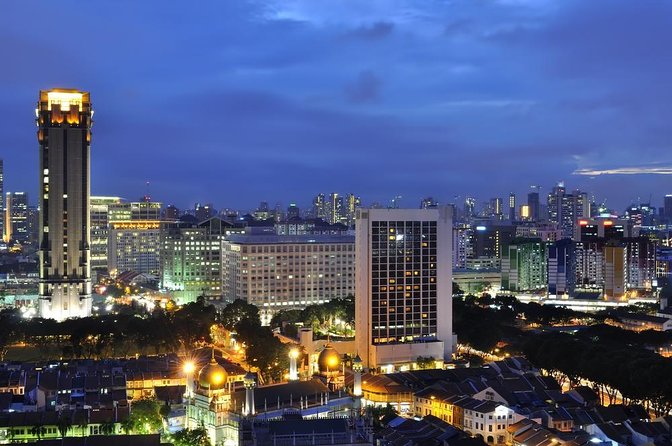
- Sultan Mosque and Kampong Glam street atmosphere in the Arabic/Malay Quarter area
- A maximum group size of 8, which keeps questions easy and the pace smoother
- Gerry’s local story style, including practical city-navigating tips like MRT use
- A big eating plan that works best when you show up hungry
A 5.5-Hour Tour That Maps Three Neighborhoods
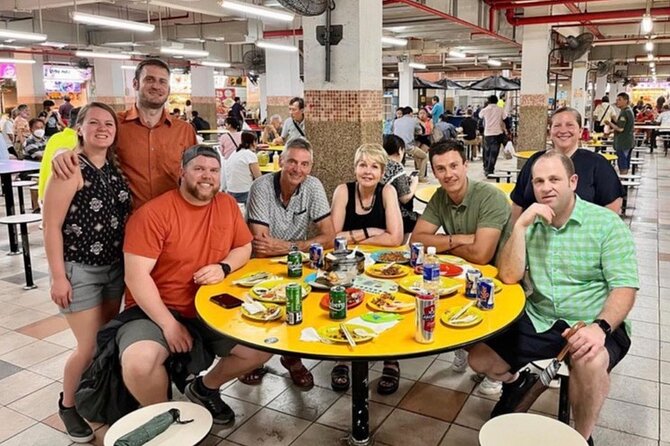
Singapore can feel like a blur of neighborhoods and street signs. This tour helps you pin them down fast. In one morning (starting at 9:00 am), you move through Chinatown, Little India, and Kampong Glam while stopping to eat your way through each area’s food culture.
The timing matters. Five and a half hours is long enough to notice patterns, not just grab a bite and run. It’s also short enough that you can keep your afternoon free for museums, gardens, or a second round at hawker stalls you liked.
The other thing I appreciate is the focus. You’re not doing a checklist of photo stops. You’re learning how Singapore’s multi-ethnic communities shaped the food you’re tasting today—so every dish has a backstory that helps you remember it.
You can also read our reviews of more tours and experiences in Singapore.


Meet Gerry in Chinatown, and Why Small Groups Feel Better
This tour caps at 8 travelers, which is a big deal in crowded areas. Smaller groups mean you can actually ask questions and hear answers. It also makes it easier for your guide to steer you around bottlenecks without losing the line of where you’re going next.
The host is Gerry, described as a fourth-generation Singapore-Chinese-Peranakan who shares stories in a way that feels personal and grounded. From what’s shared in the guide style, he ties food to people—why certain shops exist, what rituals show up, and how the streets changed over time. In some walks, he even uses an iPad with images of what streets used to look like, which turns your stroll into a kind of time travel you can see with your own eyes.
There’s also practical value beyond food. Some groups noted Gerry helps you understand how to use public transit (MRT and buses) as part of the tour. Even if you don’t copy the exact route later, you’ll leave with the confidence to move around the city like you mean it.
If you want your first day in Singapore to feel like you got your bearings fast, this type of guided start is a smart move.
What You Actually Get to Eat and Drink
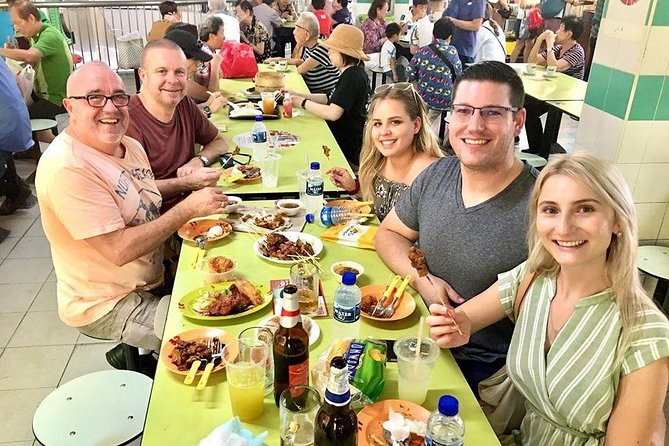
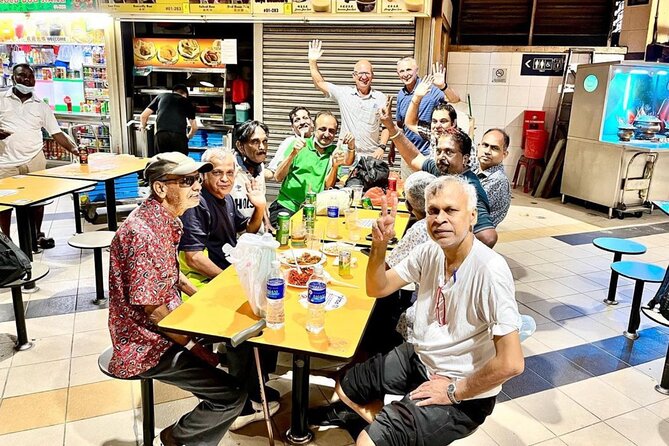
Food tours are only as good as the plan behind them. Here, the inclusions are heavy. You’ll have coffee and/or tea, lunch, dinner, snacks, soda/pop, bottled water, and alcoholic beverages (plus non-alcoholic options).
That matters because you’re not guessing what you’ll spend on meals between neighborhoods. It also changes how you experience hawkers. In Singapore, hawker food is everywhere, but it can be tough to choose quickly when you’re hungry and the menu looks like a wall of options. On this tour, your guide helps you select what to try so you don’t waste your appetite.
A quick practical tip: show up hungry. More than one person emphasized not eating breakfast beforehand, because the servings add up early and keep coming. If you eat a full breakfast, you may end up trading food for willpower.
One more note: the tour is not recommended for vegetarians, and it’s not recommended for travelers with dietary restrictions. That doesn’t mean the tour is unsafe or careless—just that the format is built around the street-food variety, and it may compromise what you can realistically eat.
Chinatown Stop: Old Streets, Hawker Staples, and the Why
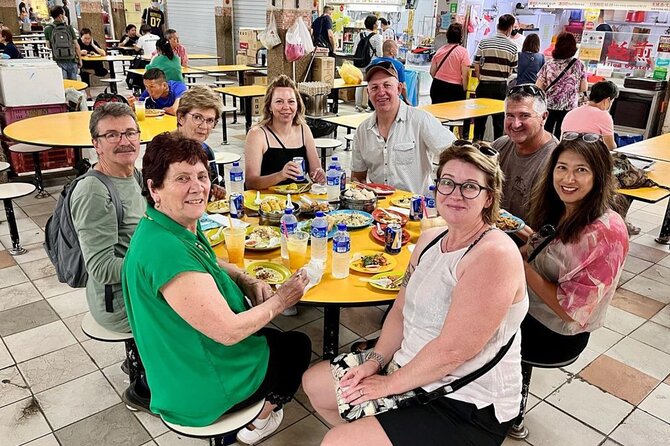
Chinatown is where you start, and it’s a good choice. It sets the tone: markets, shopfronts, and the kind of street-life that Singapore does better than most big cities.
On this part, you’ll walk through the Chinatown neighborhood and get stories that connect today’s sights to earlier hardship and migration. The tour is designed to explain not just what you’re looking at, but how those patterns built the food culture you’ll taste next.
Food-wise, this is typically where you’ll find classic hawker styles: dumplings, noodle dishes, and other comfort food you can smell from several stalls away. If you’re a “I want the iconic stuff” eater, Chinatown is where you scratch that itch fast.
Practical consideration: Chinatown can be visually busy and warm, especially in Singapore’s heat. A guide-led pace helps. You won’t just drift—you’ll stop, taste, learn, and keep moving, which reduces the chance you’ll feel overwhelmed or lose track.
Little India Stop: Colorful Markets and Spice-Forward Street Food
After Chinatown, the tour shifts gears to Little India, where color and scent do a lot of the talking. Expect areas with street stalls selling fruit and vegetables, flower garland markets, traditional clothing shops, and incense-related shopping streets.
This stop is more than shopping scenery. It sets you up to understand why Indian food in Singapore isn’t just “spicy versions of familiar dishes.” It’s a street-food culture with its own tempo: sweet, sour, smoky, fried, and grilled flavors that hit in layers.
If you like spice, this is where you’ll likely feel happiest. Even when you choose milder options, you’ll still get that Indian street-food feeling—bold seasonings, strong aromatics, and sauces that show up more than once across different plates.
A practical upside: Little India gives you a change of pace after Chinatown. Visually, it’s a different world. That variety keeps the tour from feeling repetitive.
One more thing to keep in mind: this section is still walking, and it can get hot. Bring water breaks in your mental plan, and rely on the included bottled water rather than waiting until you feel drained.


Kampong Glam Stop: Sultan Mosque Views and Malay Quarter Stories
The final neighborhood is Kampong Glam, in the Malay Quarter area. This is the one that often feels most “anchored” because of the landmark you’re visiting: the grand Sultan Mosque.
Watching the mosque area from the street gives you a sense of scale and importance. But the tour keeps it grounded in everyday life too—quaint streets, the history behind the area, and how Malay royalty and community life shaped what you see today.
What I like about the Kampong Glam segment is that it’s not just sightseeing. It’s positioned as the place where you connect Singapore’s multi-ethnic story to something you can point at: architecture, street layout, and the way people gather around food and commerce.
After the mosque area, you’ll also move through streets associated with Middle Eastern cuisine and shops like textiles and carpets. That helps you see how cultures don’t exist in separate boxes. They rub shoulders in real neighborhoods, and that cross-over shows up in food choices and shopping habits.
Drawback to consider: if you’re aiming for a fully relaxed day with minimal walking, you may find this last stretch demanding. The tour is built for momentum. Wear shoes you actually trust.
Price and Value: Is $148 Worth It?
At $148 per person, the value depends on what you expect from a food tour. If you want one neighborhood and one meal, it’s pricey. But if you want three districts, multiple tastings, drinks, and a guided explanation that makes sense of what you’re eating, it looks much more reasonable.
Here’s why the math works: you’re not just buying food. You’re buying:
- Multiple meals and snacks (lunch, dinner, snacks)
- Coffee/tea plus soda
- Bottled water
- Alcoholic and non-alcoholic beverages
- A guide who connects food choices to neighborhood history
Also, group size is small. That often means you get better attention and less time waiting in lines compared to larger group formats.
If you’re the type who hates guessing at hawker centres, this tour is a shortcut. It can save you effort and reduce the chance you pick the “safe but not memorable” option.
My practical advice: budget for being hungry, then let the inclusions carry the day. If you show up already full, you’re paying for food you may not finish.
Timing, Weather, and a Walking Plan That Works
The tour runs about 5 hours 30 minutes, starting at 9:00 am and ending back at the meeting point in Chinatown.
That start time is helpful. It gives you cooler morning hours for walking and tasting, and you’re done early enough to enjoy the rest of your day without feeling like you’re stuck in tour mode.
Weather is a real factor here. The experience requires good weather. If it’s canceled due to poor weather, you’ll be offered another date or a full refund. In Singapore, that’s not small news—heavy rain can turn street walking into a soggy sprint.
As for walking and fitness: the tour expects moderate physical fitness. It’s not described as extreme, but it is described as mostly walking through multiple areas. If you’re using personal mobility aids or you’re traveling with a pram or stroller, it’s not recommended.
One more data point worth taking seriously: one set of guests logged around 9,050 steps, even though it was described as about 6,000 steps for the plan. Translation: plan for more than you think, and wear footwear that can handle heat and pavement.
Who This Tour Suits Best (and Who Should Rethink It)
This experience is best for you if you want:
- A first-day Singapore plan that introduces three major areas
- A food-forward guide who explains what you’re eating and why
- A morning that mixes landmark sights (like Sultan Mosque) with hawker-centre tastings
- A small group vibe for easier conversation
It’s less suitable if:
- You’re vegetarian (the experience will be compromised)
- You have gluten intolerance or other dietary restrictions you need reliably met
- You’re traveling with prams/strollers or personal mobility aids/devices
- You want a minimal-walking tour
If you have dietary needs, don’t guess. Ask questions up front to confirm whether you can be accommodated, because the tour is built around street-food variety and that can be hard to swap out cleanly.
Should You Book This Singapore Chinese, Indian & Arabic Quarters Tour?
Book it if you want the smart intro to Singapore’s neighborhoods where food does the storytelling. The combination of hawker-centre tastings, included drinks, and a guide like Gerry—who connects history to what’s on your plate—makes this feel like more than a snack run.
I’d especially recommend it if:
- You’re short on time and want three districts in one morning
- You like learning while eating, not eating while learning takes a back seat
- You want a guide who helps you feel confident navigating parts of the city by public transit
Skip or rethink it if:
- You’re vegetarian or need strict dietary accommodation
- You want a slow, sit-down itinerary
- Walking for about half the day is a challenge
One final practical note: this tour has free cancellation, with a full refund available when you cancel at least 24 hours before the start time. Given the weather requirement, that flexibility is useful if your travel schedule is tight.
If you’re ready for a hungry, history-meets-hawker day, this is the kind of tour that earns a spot early in your trip.