Monkey faces and temple fountains in one day. This full-day Ubud route is a clean mix of wildlife, spirituality, farming views, and a proper waterfall stop, all with an English-speaking driver/guide and hotel pickup.
I love the private, guide-led pace. People like Romy, Santanu, Ketut, and Bayu show up as the kind of guides who actually explain what you’re seeing (and when you need a breather, they can adjust). I also like that you’re traveling in a comfortable, air-conditioned vehicle with bottled water—so the day stays fun, not just exhausting.
One main consideration: you’ll still need to budget for temple and attraction tickets (and bring your own towel and dry clothes). Also, temple entry has rules—women who are menstruating aren’t allowed inside, so plan around that.
In This Review
- Key highlights worth planning for
- Private A/C pickup from Seminyak: how the day flows
- Monkey Forest Sanctuary: staying calm with cheeky macaques
- Tirta Empul Water Temple: sarongs, the 13 fountains, and real ritual etiquette
- Tegalalang rice terraces: views that work even when time is short
- Tegenungan Waterfall: a water stop that needs planning
- Price and tickets: what $28 really covers
- What to wear and bring: the simple checklist that prevents stress
- Which guides make this tour feel personal
- Who this Ubud day tour fits best
- Should you book this Monkey Forest, Tirta Empul, rice terraces, and waterfall tour?
- FAQ
- Is hotel pickup and drop-off included?
- How long is the tour?
- Does the $28 price include entrance tickets?
- Is this a private tour?
- What should I wear for the temple?
- Can women enter the temples during menstruation?
- What happens if weather is bad?
Key highlights worth planning for
- Hotel pickup and drop-off from Seminyak, in an A/C car, so you don’t waste your morning stuck in local logistics
- Monkey Forest time among about 700 macaques—great fun, but you’ll need to follow safety rules
- Tirta Empul’s 13 fountains plus on-site sarong use, which makes the purification ritual feel real
- Tegalalang rice terraces with a focused stop that balances photos and actual scenery
- Tegenungan Waterfall where clean water means you may want to rinse off (bring extra clothes)
Private A/C pickup from Seminyak: how the day flows
This tour is built around an efficient loop through Ubud’s famous spots. You start with hotel pickup (in most Bali areas that the provider covers), then ride up into the hills in a comfortable air-conditioned vehicle. It’s private in the sense that it’s only your group in the car, not a big shared bus where you’re always waiting.
The timing is designed for a full day, about 8 to 10 hours. That matters because Ubud gets busy, and travel time inside the island isn’t always quick. When guides like Romy and Pande are steering, the day feels less like a checklist and more like a guided route—especially when you want small pauses for photos or rest.
One nice detail is that you don’t have to carry the whole day in your head. Your guide handles parking, keeps the plan moving, and (depending on your pace) can help you avoid rushing through the best parts. That flexibility shows up across guide reviews, including people who specifically mention patience with kids and extra time at viewpoints.
You can also read our reviews of more tours and experiences in Seminyak.


Monkey Forest Sanctuary: staying calm with cheeky macaques
At Sacred Monkey Forest Sanctuary, the headline is simple: you’ll see around 700 Balinese long-tailed macaques living in a real forest. The sanctuary covers about 12.5 hectares, so it’s not just one courtyard and you’re done. You’ll walk through shaded paths and watch the macaques move the way wildlife does—snack hunting, lounging, and occasionally getting too curious.
The big thing here is behavior. Monkeys can be playful and bold, and you’ll want to keep your belongings secure and follow your guide’s instructions. If you carry a phone on a lanyard or wear sunglasses with easy-grab frames, you might learn the hard way. This is one stop where smart, quiet caution beats bravado.
Admission isn’t included in the base price, so you’ll likely pay the ticket directly unless you choose an option that bundles entry fees. Either way, this is a stop that’s worth budgeting for because it’s one of the more iconic wildlife encounters in Bali.
Also, do yourself a favor: treat the monkeys like they’re in charge of the forest. Don’t try to feed them or reach toward them. The day will be better if you keep your distance, watch their routines, and let your guide handle the boundary rules.
Tirta Empul Water Temple: sarongs, the 13 fountains, and real ritual etiquette
Next comes Tirta Empul, one of Bali’s most recognized purification temples. You’re looking at a sacred complex famous for its tiered fountains and a system of ritual water features, including 13 fountains fed by a spring created in Hindu legend. The gardens and stone carvings—mythical creature sculptures spouting water into bathing pools—make it feel like the ritual has a physical rhythm, not just a photo backdrop.
A practical detail: you’ll be provided comfort and style through a Balinese sarong for temple visits. That’s helpful because even when you bring the right outfit, temple dress codes can still catch you off guard. The sarong makes it easier to show up prepared.
Here’s the key etiquette point: temple rules can be strict. Women who are menstruating are not allowed to enter the temple area. If this applies to you or someone in your group, plan an alternate activity for that person before you get to the gate.
Time at Tirta Empul is about one hour, which is usually enough to understand what’s happening, take a few respectful photos, and watch the purification process without feeling rushed. I like this stop because it’s not just scenery. You get a cultural explanation tied to what you’re seeing on-site, and guides tend to connect the ritual to everyday Balinese belief and practice.
Tegalalang rice terraces: views that work even when time is short
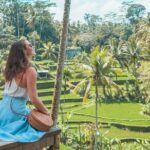
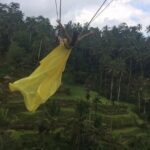
Tegalalang Rice Terrace is one of Ubud’s postcard scenes, and it earns its reputation. The terraces are set into the hills, and the farming layout creates a repeating pattern of green steps that you can spot from multiple angles.
Your stop is about 40 minutes, so it’s short—but not meaningless. In that time, you can do two things well: (1) take a wide view to understand how the terraces sit on the slope, and (2) walk to a viewpoint that matches your photo style. If you’re traveling with someone who likes scenic stops, this duration is often a good match: you’ll get the look without turning it into a half-day hike.
You’ll also notice the human side. This is active farmland, and you’ll often see Balinese farmers working in the fields. Even if you don’t know the language, the scene tells you what matters here: rice cultivation is part of the landscape, and it shapes the pace of life around it.
Admission isn’t included, so again, it depends on which ticket option you select. Either way, if you care about culture beyond temples, this is a strong counterbalance. It’s peaceful, visual, and uniquely Ubud.
Tegenungan Waterfall: a water stop that needs planning
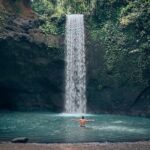
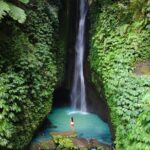
Then you head to Tegenungan Waterfall in the Ubud area. This is where the day shifts from temples and farming visuals to something more physical. Expect about one hour at the waterfall.
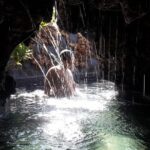
The water at Tegenungan is described as clean and clear, and it’s considered suitable for washing or playing around in the water. That’s a big reason to plan your clothing. If you arrive in shoes you don’t mind getting wet—or you don’t bring extra clothes—you’ll feel it by the time you’re ready to leave.
Also, remember towel and dry clothing aren’t included. Many people underestimate this for waterfall stops. I recommend bringing at least a small towel and something you can change into afterward, even if you don’t plan to fully swim.
One more point: waterfall experiences are weather-dependent. If conditions are poor, the provider may offer a different date or a full refund. In practice, a guide can help you decide how long to stay based on what the site looks like that day.
Price and tickets: what $28 really covers
At $28 per person, this tour is priced as a value route for hitting multiple major Ubud stops in one day. What you’re paying for isn’t just entrance and sightseeing—it’s the logistics.
Included basics:
- Private transportation with hotel pickup and drop-off in an air-conditioned vehicle
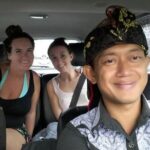
- An English-speaking driver/guide who stays with you through the day
- Parking fees tied to the itinerary
- Bottled water
- Mobile ticket support
- An option with entry fees included (so tickets can be part of the package)
Not included:
- Towel and change of dry clothing
- Food (you can buy along the way)
- Tickets if you choose an option that excludes them, listed as $16 per person to pay during the tour
So, if you hate dealing with multiple cash payments at different sites, the bundled entry option usually feels easier. If you prefer to choose and pay on your own, the excluding-ticket option can work—but you’ll want to be sure you can handle the total ticket cost without surprises.
On the value side, the best argument for this tour is the guide-led flow. In many of the guide stories, the driver isn’t just driving. People talk about guides acting like photographer helpers, personal assistants, and conversation partners. That’s what turns a “see a few attractions” day into a smoother Ubud day.
What to wear and bring: the simple checklist that prevents stress
Dress code is listed as smart casual, which is refreshing because it’s not overly formal. For the temple stop, you’ll also have sarong support, so you don’t need to arrive in full traditional clothing.
I’d pack for two different situations: walking in forest paths and being near water. Here’s what matters most based on what the tour info highlights:
- Bring a camera (you’ll want it at the terraces and waterfall)
- Bring extra clothes for after Tegenungan
- Don’t forget a towel and a change into dry clothing since they’re not provided
- Plan for temple rules: smart casual, and note the menstruation restriction for women entering temples
- Have lunch money if you want to eat during the day; food is available to purchase
If you’re the kind of person who likes to keep things easy, bring a small crossbody or zip bag for your phone and valuables. Monkey Forest is the one stop where that small habit saves you a lot of worry.
Which guides make this tour feel personal
Even though the route is the same, the experience can feel different depending on your guide. The names that come up often include Romy, Restu, Ketut, Bayu, Santanu, Dama, Pande, Tyson, Nyoman, and Wayan Budiarta (with Marcos mentioned alongside him). Across these guide stories, you’ll see common threads:
- Clear explanations at each stop
- A safe, confident driving style
- Patience when you need space, breaks, or extra photo time
- English communication that keeps the day flowing
If you’re traveling with kids, look for a guide who’s willing to slow down when needed. One family-friendly story mentions guides adjusting for young children and extra breaks, which is exactly what you want on a long day.
If you’re traveling solo or as a couple and you care about photos, choose a day where your guide is comfortable helping with angles and timing. Several experiences mention guides taking great photos and videos so you’re not stuck doing everything yourself.
Who this Ubud day tour fits best
This tour suits you if you want a fast, structured day that covers the best-known Ubud highlights without building your own itinerary from scratch. It’s especially good for:
- First-timers in Bali who want the headline experiences: Monkey Forest, Tirta Empul, rice terraces, and a waterfall
- Travelers who prefer a car and a guide over public transport
- People who like learning small culture facts while still having time for photos
- Families who want a private setup and guides who can flex with breaks
It may not be ideal if you’re extremely sensitive to monkeys or water. Monkey Forest is close-up by design, and Tegenungan is wet by nature. In that case, adjust your expectations: go slower, bring the right gear, and let the guide set the pace.
Should you book this Monkey Forest, Tirta Empul, rice terraces, and waterfall tour?
I think this is a smart booking for most people doing a first Ubud day, especially if you’re staying in Seminyak and don’t want to plan transportation and timing yourself. For the money, you get real value in the form of private air-conditioned pickup, a stay-with-you guide, and a day that links wildlife, culture, farming scenery, and water.
Book it if:
- You want the full Ubud highlight set in one go
- You like having someone explain what you’re seeing
- You’ll pay attention to temple rules and bring what you need for the waterfall
Consider another plan or adjust expectations if:
- You hate long days (8 to 10 hours adds up)
- You don’t want to handle tickets and on-the-spot extras
- You’re not comfortable with monkeys near you
If the weather looks rough, have a Plan B mindset. Since the experience requires good weather, your provider may reschedule rather than force a wet, miserable day.
If you go in prepared—smart casual outfit, towel and dry clothes, and a bit of caution around macaques—you’ll end up with a Ubud day that feels like it’s stitched together on purpose, not just stitched together.
FAQ
Is hotel pickup and drop-off included?
Yes. Pickup and drop-off are included, and you travel in a comfortable air-conditioned vehicle.
How long is the tour?
The duration is listed as about 8 to 10 hours.
Does the $28 price include entrance tickets?
It depends on the option you choose. The tour offers a way to include entry fees, or you can exclude tickets and pay an additional $16 per person during the tour.
Is this a private tour?
Yes. It’s described as private, with only your group participating.
What should I wear for the temple?
The dress code is smart casual. You’ll also have a Balinese sarong provided while visiting the temple.
Can women enter the temples during menstruation?
No. Women during menstruation are not allowed to enter the temple.
What happens if weather is bad?
The experience requires good weather. If it’s canceled due to poor weather, you’ll be offered a different date or a full refund.