REVIEW · BUSAN
Old Korea Thousand History Tour of Gyeongju from Busan
Book on Viator →Operated by Lecirt · Bookable on Viator
Gyeongju in one day can work. This tour strings together major sights with round-trip transfers and live commentary, so the whole day feels planned, not stressful. You’ll also cover well-known UNESCO-area stops tied to Korea’s ancient capital.
I like that the itinerary is built around real places you can walk through, with complimentary admission at the ticketed attractions. The one drawback is simple: it’s still a long day. Expect plenty of standing, walking, and time outdoors, especially when the heat follows you inland from Busan.
In This Review
- Key Takeaways Before You Go
- Getting From Busan to Gyeongju: Pickup Points Matter
- Bulguksa Temple: One Hour That Changes How You See Silla-Era Korea
- Gyeongju Gyochon Traditional Village and Woljeonggyo: Hanok Time With Real-World Context
- Daereungwon Tomb Complex: Massive Scale, Minimal Drama
- Hwanglidangil: A 1960s-Style Street Break That Lets You Breathe
- Donggung Palace and Wolji Pond (Anapji): Reflections You’ll Want to Time Right
- Woljeonggyo Bridge at Night: The Easiest Best Photo of the Day
- Guide Energy and Real Timing: How to Survive a 12-Hour Day
- Price and Value: Why $64 Can Work (If You Want One-Day Coverage)
- What to Bring and How to Plan Your Day
- Who This Tour Fits Best (and Who Should Think Twice)
- Should You Book This Gyeongju Day Trip From Busan?
- FAQ
- How long is the tour?
- What is included in the $64 price?
- Are meals included?
- What stops are included in the itinerary?
- Where does the pickup happen in Busan?
- Can I cancel, and what if weather is bad?
Key Takeaways Before You Go
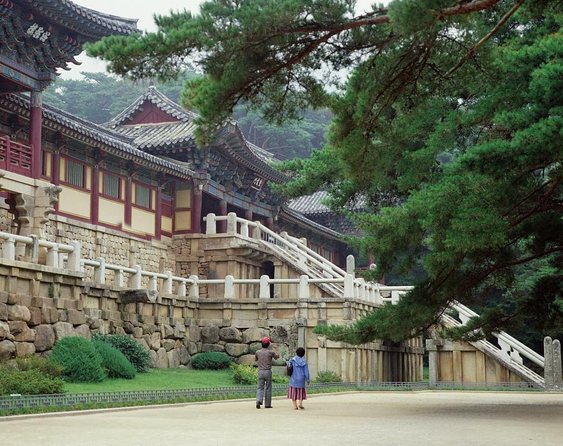
- UNESCO-focused stops with meaningful time at Bulguksa Temple and the Gyeongju sites tied to the Silla era
- Complimentary admission included at all ticketed attractions on the route
- Live guide storytelling that helps you read each site faster (and get better photos), with guides like Bada, Hyony, Kayla, Katrina, Erica, and Eva mentioned by name
- Evening views that make Donggung Palace and Wolji Pond, plus Woljeonggyo Bridge, feel special after a full day
- Busan pickup coverage across Busan Station, Seomyeon Station, and Haeundae Station using a mobile ticket
- A realistic pace warning: about 12 hours, lots of walking, and a holiday or summer slowdown can make it feel rushed
Getting From Busan to Gyeongju: Pickup Points Matter
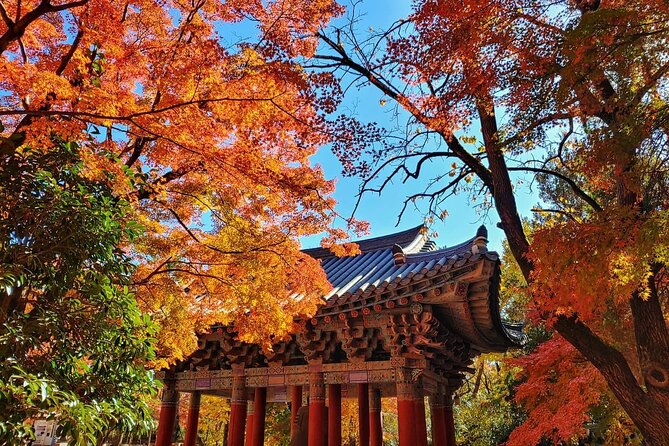
You start in Busan and head straight to Gyeongju with round-trip transportation included. Pickups begin at Busan Station, then continue at Seomyeon Station and Haeundae Station. There’s no hotel pickup, so you’ll want to be at the station meeting point on time.
Most days run long. Plan for roughly 12 hours from start to return, and remember the tour goes into the evening—so you’re basically turning this into your whole day plan. On hot, humid days, that matters because your body needs breaks. A common comfort: the bus rides include air-conditioning between stops, giving you a reset before the next walk.
You can also read our reviews of more tours and experiences in Busan.

Bulguksa Temple: One Hour That Changes How You See Silla-Era Korea
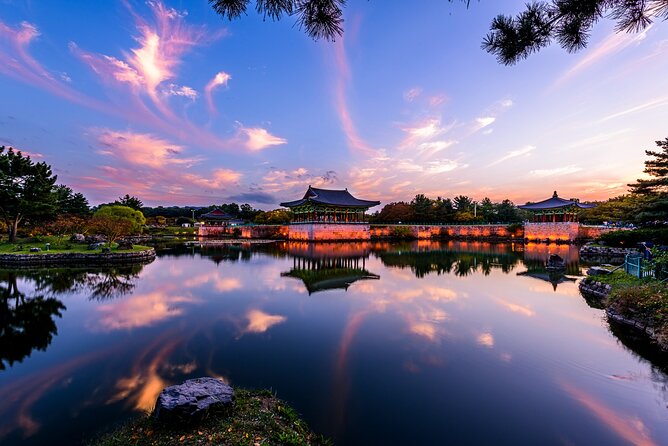
Bulguksa Temple is your first big UNESCO stop, and it’s not there for decoration. You get about one hour on site, with admission included.
What I like about this stop is the way it sits in its setting. The temple is tied to the Silla period, and it’s known for blending into the natural scenery around it. In practical terms, that means you’re not just looking at buildings—you’re also getting a sense of how religion and landscape worked together.
What to watch for:
- Take a slow moment for symmetry and structure before you rush toward the most photographed angles.
- Bring something for the sun. One reason people feel wiped out later is that they don’t protect themselves early, then the day stacks up.
Gyeongju Gyochon Traditional Village and Woljeonggyo: Hanok Time With Real-World Context
Next up is Gyeongju Gyochon Traditional Village, which is built around hanok houses and the local atmosphere of old Gyeongju. You get about one hour here, and admission is included at this stop.
This is the part of the tour that helps you picture daily life instead of just royal monuments. The village includes features like Woljeonggyo and mentions areas such as Gyeongju Hyanggyo, plus a stone wall road feel that makes it easier to understand the layout when you’re standing there.
A balanced expectation helps:
- This is not a slow, wander-all-day village visit. It’s timed.
- Some people found it a bit rushed, so if you’re picky about seeing every house interior, you may want to pair this tour with extra independent time later.
Daereungwon Tomb Complex: Massive Scale, Minimal Drama
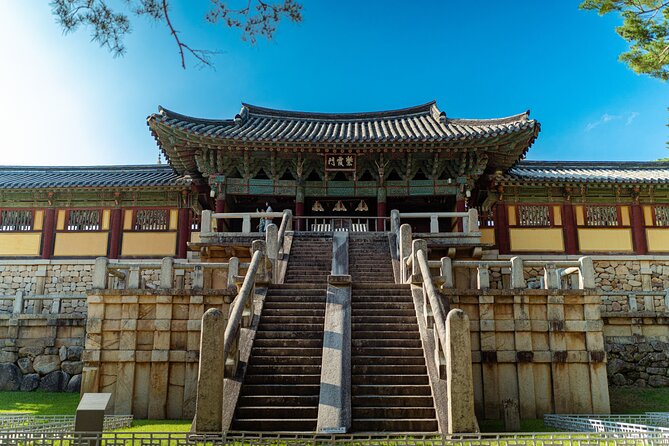
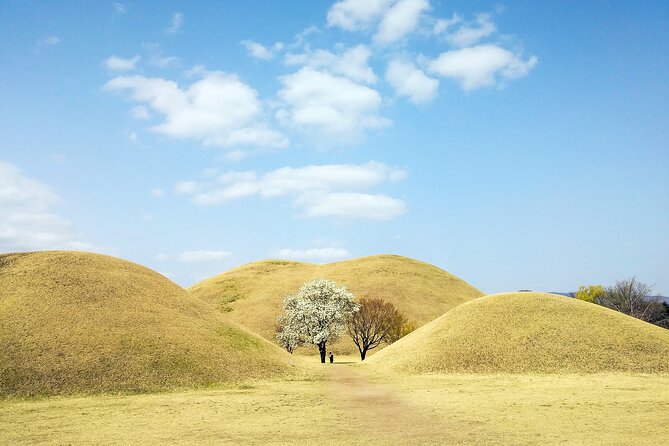
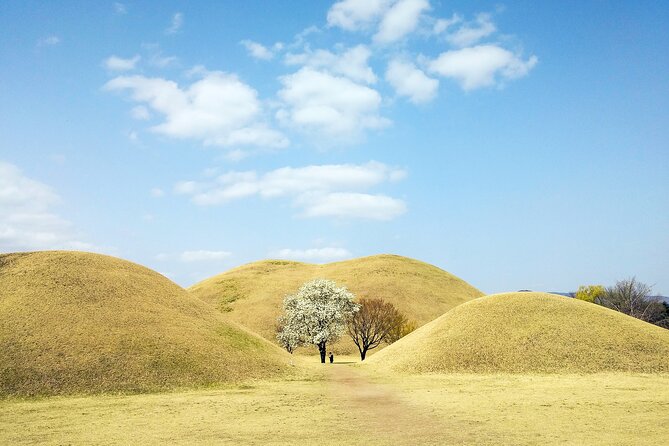
Then you move to Daereungwon Tomb Complex, a key Silla-era cultural heritage site. You’ll have about one hour, with admission included.
Here’s the thing: these are tomb sites, and visually that often means large mound forms and a wide, historical layout rather than dramatic indoor displays. The site is described as a densely packed area connected to tombs of kings, queens, and aristocrats from the old Silla era. That can be impressive—once you know what to look for.
My practical advice:
- Focus on scale and spacing. The meaning comes from how these monuments sit together.
- If you’re expecting lots of “viewing highlights,” you might feel underwhelmed. Some parts can look like quiet grassy or earth-covered mounds, depending on what you notice first.
Hwanglidangil: A 1960s-Style Street Break That Lets You Breathe
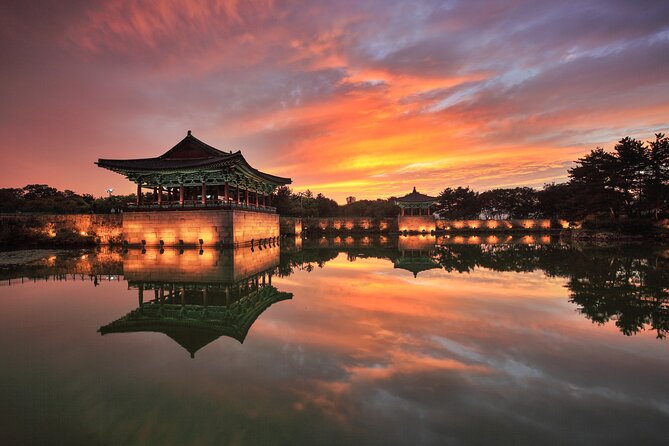
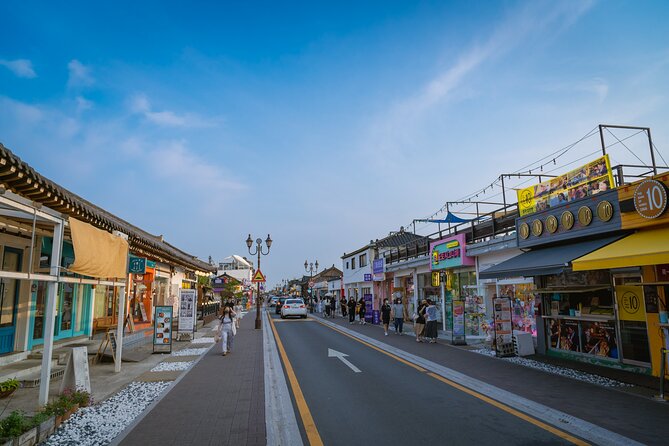
After the bigger historical sites, you get a calmer chunk of time on Hwanglidangil, a street where older buildings from the 1960s have been preserved. This stop is about two hours and admission is free.
This part works because it gives your brain a different type of input. Instead of learning about Silla royalty, you’re walking a street that feels like old everyday Gyeongju. You’ll also find it’s a place to look around at shopfronts and small street life.
Two-hour street time is also your built-in chance to:
- stop for a rest and water
- take photos without feeling rushed toward the next entrance gate
- reset before the palace-and-pond segment later
Donggung Palace and Wolji Pond (Anapji): Reflections You’ll Want to Time Right
Now for the payoff. Donggung Palace and Wolji Pond (Anapji Pond) is where the scenery shifts from monuments to atmosphere. You get about one hour, and admission is included.
The site is tied to the Unified Silla period, and the most talked-about feature is the palace reflected in the lake. Even when you don’t study it like an archaeologist, that reflection effect makes everything feel more alive. It’s also a smart pivot point in the day, because the tour’s evening ending makes this stop feel more like a finale than another quick checklist item.
Photo practicalities:
- If the light is right, the reflections are the reason to be here. Slow down for a minute instead of snapping everything while walking.
- Wear shoes you can handle on uneven or damp ground near water.
Woljeonggyo Bridge at Night: The Easiest Best Photo of the Day
Finally, you end with Woljeonggyo Bridge. It’s about 30 minutes, admission free, and it’s specifically known for the night view. Lights reflect on the water, creating a traditional-looking scene that’s perfect for quick evening photos.
This is short on purpose, and it makes sense. After a long day, you don’t need another hour-long history lecture. You need a simple win that feels worth the heat and walking earlier.
If you want your shots to come out well:
- Step away from the densest crowd spot when you can.
- Give yourself 10 minutes to adjust your angles, not just 2 minutes to point and shoot.
Guide Energy and Real Timing: How to Survive a 12-Hour Day
The tour lives or dies by the guide’s pacing. In the feedback, names like Bada, Hyony, Kayla, Katrina, Erica, and Eva come up for a reason: guides are often credited with making explanations clear and adding humor, while also keeping the group moving.
You’ll likely feel a rhythm like this:
- short, focused site time
- bus ride reset with AC
- another concentrated walk and story segment
- then an evening push toward the pond and bridge
What can affect your experience:
- Summer heat can hit harder inland than you expect from Busan. Bring a hat or umbrella, plus water and sunscreen.
- Holidays can add crowds or event setups that change what you see and can make the schedule feel tighter.
- Some segments may feel less satisfying if you expected more hands-on exhibits or more time at each entrance.
On the bright side, a few solo-traveler notes in the feedback suggest guides can help with photos too, which is a big deal when you’re traveling alone and don’t want to beg random strangers.
Price and Value: Why $64 Can Work (If You Want One-Day Coverage)
At $64 per person, this isn’t trying to be the cheapest option—it’s aiming at value through three things you don’t have to manage yourself:
- Round-trip transportation
- Professional guide
- Admission to the attractions on the route
That package matters if you’re starting in Busan and you don’t want to plan trains, buses, timing between sites, and ticket logistics. You’re essentially paying for convenience plus guidance that helps you understand what you’re seeing at each UNESCO-relevant stop.
Where value can slip:
- You still need to manage your own meal plans because meals aren’t included.
- If you hate long days or already planned to spend multiple days in Gyeongju, you may prefer a slower plan where you can linger and re-visit.
What to Bring and How to Plan Your Day
This is a walk-heavy day. People have reported logging over 18,000 steps, and the general pattern is that you’ll be on your feet most of the time.
Bring:
- water and a refill plan
- sunscreen plus a hat or umbrella
- comfortable walking shoes
- a light layer if you get cold on AC bus rides
Plan meals like a grown-up:
- Lunch costs extra since meals aren’t included.
- Use your Hwanglidangil street time to grab something simple if you need it, then be ready to move on.
Also, since it uses a mobile ticket, make sure your phone battery is healthy before you board.
Who This Tour Fits Best (and Who Should Think Twice)
This tour is a strong match if you:
- have limited time in Busan and want a big Gyeongju highlights day
- want UNESCO-linked stops without the stress of self-guided timing
- like guided stories that help you connect the dots between different Silla-era sites
- travel solo and appreciate photo help and group structure
You should think twice if you:
- hate long days and tight schedules
- expect lots of museum-style displays at every stop
- need long photo sessions and unstructured wandering at each attraction
Should You Book This Gyeongju Day Trip From Busan?
If your goal is to hit the key Silla-era landmarks in one day—with transportation, a guide, and included admissions—this is a smart way to do it. The best parts are the temple start, the timed palace-and-pond atmosphere, and the bridge night views that feel like a reward.
Book it if you can handle heat, walking, and a schedule that keeps moving. Skip it (or add extra days) if you want slow, deep exploration of fewer sites.
In short: this tour is built for people who want the highlights, not an all-day free-for-all—and when you go in with that mindset, it delivers.
FAQ
How long is the tour?
The tour lasts about 12 hours.
What is included in the $64 price?
The price includes round-trip transfers, admission to attractions, and a professional tour guide.
Are meals included?
No. Meals are not included.
What stops are included in the itinerary?
The main stops are Bulguksa Temple, Gyeongju Gyochon Traditional Village, Daereungwon Tomb Complex, Hwanglidangil, Donggung Palace and Wolji Pond, and Woljeonggyo Bridge (return to Busan after).
Where does the pickup happen in Busan?
You start at Busan Station, and pickup is completed at Seomyeon Station and Haeundae Station. Hotel pickup and drop-off are not included.
Can I cancel, and what if weather is bad?
You can cancel for a full refund up to 24 hours in advance. This experience requires good weather; if it’s canceled due to poor weather, you’ll be offered a different date or a full refund.