REVIEW · KHAO LAK
Thai Cooking Class in Khao Lak by Amazon Prime Series Chef
Book on Viator →Operated by Khao Lak Cooking Class by Pakinnaka Thai Cooking School Khao Lak · Bookable on Viator
Spice shopping first beats learning by cookbook. In Khao Lak, this experience pairs a guided walk through Bang Niang Market with hands-on cooking led by Chef Wandee Rathanapan, so you learn ingredients and technique in the same session. I especially love making curry pastes from scratch and learning why Thai dishes taste the way they do. One consideration: the whole thing runs about 4 hours, so you will shop with purpose, not wander at your own pace.
I also like how smooth the day feels. Hotel pickup and drop-off in the Khao Lak area takes the stress out of getting to the cooking school, and you leave with recipes for what you made. Choose the morning or afternoon class depending on your plans, then finish by eating your own food in the school’s botanical garden setting.
In This Review
- Key highlights at a glance
- Bang Niang Market: learning Thai flavor starts before the stove
- Pakinnaka Thai Cooking School: the bamboo hut in a real garden
- Chef Wandee’s teaching style: curry pastes and the why behind Thai food
- Curry paste from scratch
- Royal Thai recipes and technique
- Q&A so you can fix problems in real time
- Adjusting to your group
- What you’ll cook, and what the dishes teach you
- Eating your work: lunch or dinner in the botanical garden
- Logistics that keep the day stress-free in Khao Lak
- Pickup times and duration
- Hotel pickup and drop-off
- Air-conditioned vehicle and bottled water
- Small group size
- Alcohol
- Price and value: why $59 feels fair for what you get
- Who should book this class (and who might rethink it)
- Should you book this Thai cooking class in Khao Lak?
- FAQ
- How long is the Thai cooking class in Khao Lak?
- Are there morning and afternoon cooking classes?
- Does the tour include hotel pickup and drop-off?
- What do I do during the class?
- What’s included in the price?
- Is alcohol included?
- Can I cancel for a full refund?
Key highlights at a glance
- Bang Niang Market ingredient hunting before you cook, so you understand what goes into each dish
- Chef Wandee Rathanapan teaching traditional methods and curry paste techniques
- Homemade curry pastes from scratch (not shortcuts)
- Q&A during the class so you can ask why a sauce works or how to adjust flavors
- Eat what you cook in the school’s garden, with lunch or dinner included
- Small groups (max 10) for more direct attention and easier questions
Bang Niang Market: learning Thai flavor starts before the stove
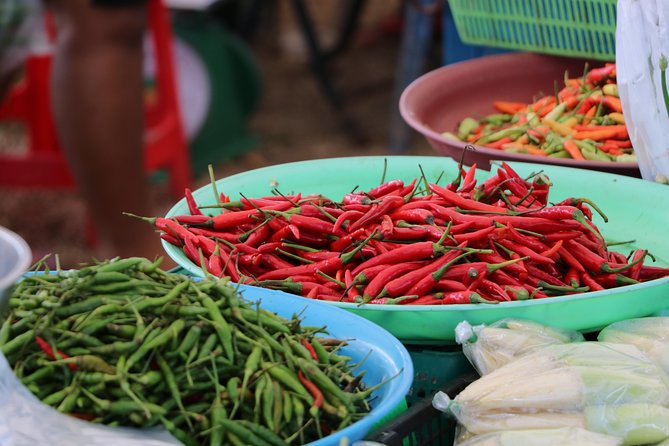
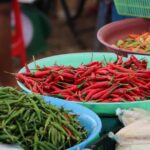
The day kicks off at the market, and that is the smart part. Instead of starting with a recipe, you start with ingredients. You’ll walk through Bang Niang Market with a guide, get oriented to what real Thai shoppers look for, and learn how herbs, vegetables, spices, and seafood fit into Thai cooking.
A few things make this stop genuinely useful:
- You learn what to look for when buying Thai herbs and aromatics, not just what the ingredient is called.
- You get the story behind common staples: where seafood comes from, why fresh coconut milk matters, how meats are chosen, and what to expect from tropical fruit.
- You can shop for yourself during the market time, which is great if you want to recreate the flavors back home.
What you probably won’t do here is “market browsing forever.” Since the class is time-boxed (about 4 hours total), the market walk is focused. That’s not a flaw—it keeps the class moving toward cooking instead of turning into a casual stroll you forget to use.
If you love food markets, this part is the one you’ll remember on future trips too. Even if you never cook Thai again, you’ll walk away with better instincts about herbs, spice, and freshness.
You can also read our reviews of more tours and experiences in Khao Lak.



Pakinnaka Thai Cooking School: the bamboo hut in a real garden
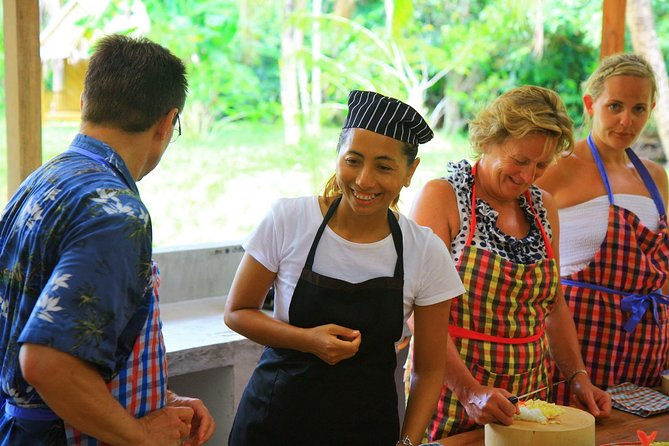
After the market, you head to Pakinnaka Thai Cooking School in Khao Lak. The setting is part of the experience: a new bamboo hut setup in the garden. It feels like a small, purposeful workspace rather than a formal classroom.
I like this kind of environment for two reasons. First, it keeps the class relaxed. Second, it helps you stay focused—because you are surrounded by the ingredients and tools you’re using, not by distracting show-and-tell.
You also get to see how the kitchen and team operate. The school runs with a chef at the center, plus assistants who help during prep and cleanup so you can actually cook instead of waiting. The group size is capped at 10, which makes a difference when you’re learning hands-on.
Dress code is casual. That means you do not need to hunt for something special—just plan for comfortable clothes you can cook in.
Chef Wandee’s teaching style: curry pastes and the why behind Thai food
The core of the class is learning traditional Thai technique, and Chef Wandee Rathanapan is the engine here. The focus is not only on what to cook, but on how and why.
Curry paste from scratch
One standout skill is making curry pastes from scratch. That matters because curry flavor in Thailand comes from the paste itself—crushed aromatics, toasted spices, and the balance of heat and fragrance. When you learn to build that base, you stop guessing at what makes a curry taste like a curry.
Chef Wandee’s approach includes:
- learning curry paste methods step-by-step
- cooking with your own homemade curry paste
- understanding traditional cooking methods (not just assembling ingredients)
If you have ever tried making curry at home and ended up with something that tastes “fine” but not Thai, this is where the difference usually is.
Royal Thai recipes and technique
Another thing I’d call out is the emphasis on traditional and royal Thai recipes. Royal Thai food tends to be about refined balance—aromatics, texture, and controlled seasoning. You’re not just learning street-food shortcuts; you’re learning a disciplined approach to flavors.



Q&A so you can fix problems in real time
Every class includes a Q&A session. That is a big deal for beginners. It means you can ask questions while you’re actively cooking, when the answers matter most.
You’ll also get recipes after the class. That turns the day into a skill you can use again, not just a meal you enjoyed once.
Adjusting to your group
The class can include mixed skill levels, and you also might have a group with different dietary needs. I’ve seen examples where the team catered for a vegan and a coeliac person in the same class, which suggests they take dietary adjustments seriously. If you have a strong allergy or strict requirement, ask ahead so they can plan the safest approach.
What you’ll cook, and what the dishes teach you
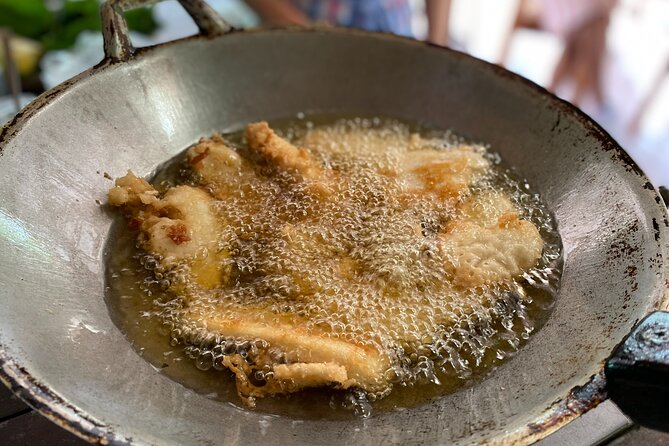
You’ll cook multiple Thai dishes using the ingredients you selected at the market. Many sessions include curry and classic Thai favorites, with a mix of starters and mains. You also typically finish with dessert.
The exact menu can vary by class, but the learning pattern stays consistent: each dish teaches you a different flavor skill. You might practice:
- building and using curry paste
- balancing sweet, salty, sour, and heat
- using herbs and aromatics for fragrance
- understanding how Thai cooking times affect texture
This is one reason the class works even if you are a total novice. You are not stuck doing only one dish over and over. You cook enough different items to understand the logic behind Thai cuisine.
Also, you get to cook with ingredients you can actually find in the wild world outside the classroom—herbs, spices, coconut products, seafood or meats—so the recipes are meant to travel home with you.
Eating your work: lunch or dinner in the botanical garden
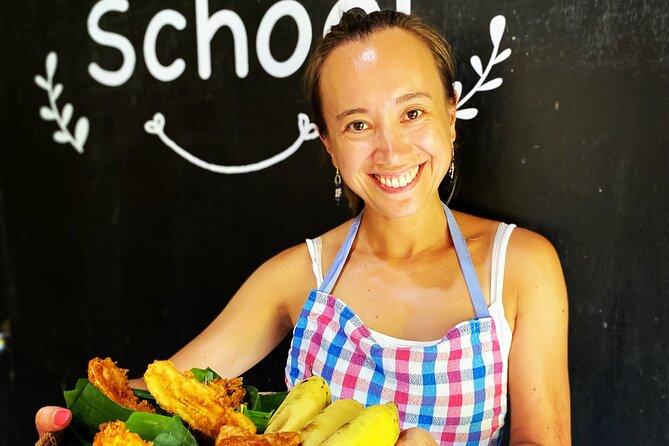
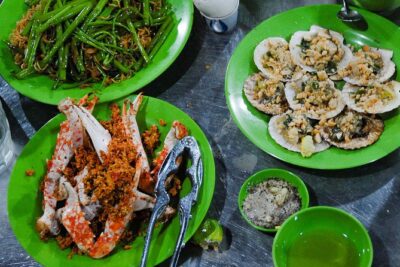
Once the cooking is done, you sit down and eat what you made. Lunch or dinner is included, and the garden setting makes the meal feel like a reward instead of an afterthought.
This part is more than just tasty. It’s also how learning sticks. You taste the dish while the technique is still fresh in your head. You also get to compare your expectations with reality. If something tastes stronger than you expected, the reason usually connects back to something you did during prep—like how the paste was combined or how long things cooked.
And yes, you’ll probably feel proud. You can love Thai food and still be a little shocked the first time your own curry paste turns into something that smells like Thailand.
Logistics that keep the day stress-free in Khao Lak
Here’s the practical side, because good experiences are half planning and half execution.
Pickup times and duration
You’ll be picked up from your hotel between:
- 9:30 to 10:00 AM for the morning class
- 3:00 to 3:30 PM for the afternoon class
The total duration is about 4 hours. That fits well if you want a memorable activity without losing your entire day to transport and waiting.
Hotel pickup and drop-off
Pickup and drop-off are included for the Khao Lak area. That means you’re not scrambling for a taxi or guessing where the school is. When you’re in a new place, that small convenience is huge.
Air-conditioned vehicle and bottled water
You get bottled water and travel in an air-conditioned vehicle. It helps because the market is active and warm, and you’ll want to cool down before cooking.
Small group size
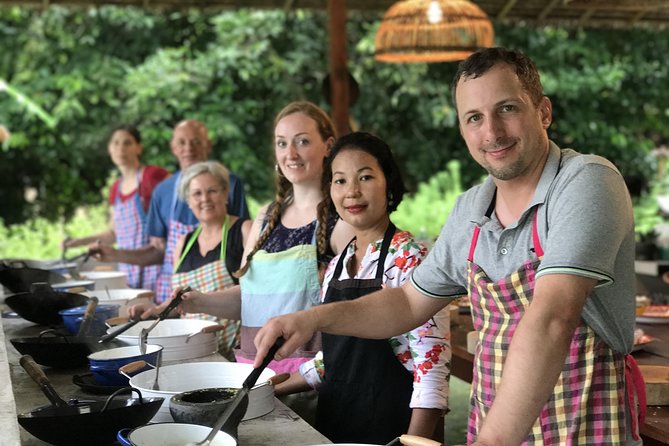
With a maximum of 10 travelers, you are more likely to get attention while you cook. It also helps with the group vibe: you tend to meet people from different countries, because the shared task of cooking pulls everyone in.
Alcohol
Lunch or dinner is included, and alcohol is not. Alcohol is available to purchase, but plan on paying extra if you want a drink with the meal.
Price and value: why $59 feels fair for what you get
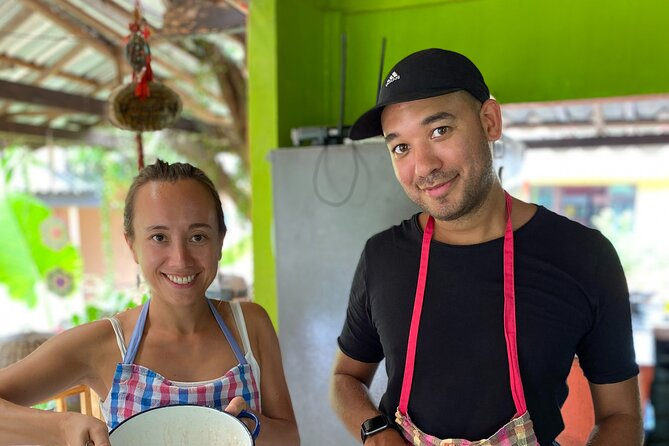
At $59 per person for a 4-hour, hands-on Thai cooking class, the value comes from bundling several things that are usually separate:
- market time with guidance so you learn ingredients, not just recipes
- hotel pickup and drop-off
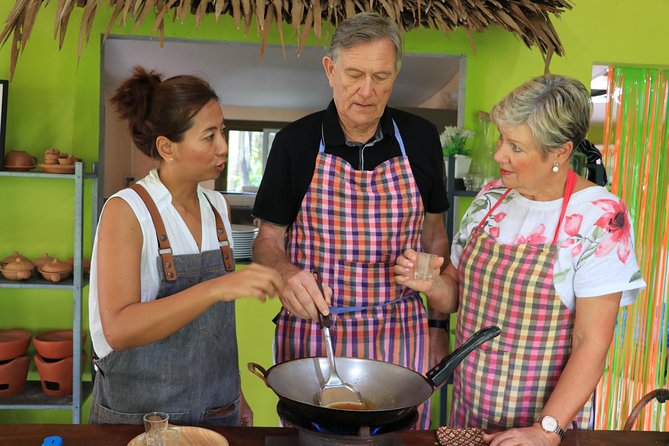
- cooking instruction with a chef and assistants
- lunch (or dinner) plus bottled water
- curry paste making from scratch
- recipes provided after the class
If you tried to replicate this on your own, you would spend time figuring out where to buy ingredients, which ones to pick, and how to turn them into authentic flavors. This class compresses all of that into one guided day, and it does it without making you feel like you have to be a “real foodie” first.
For me, the strongest value signal is the curriculum: the market walk and the curry paste skill are the heart of Thai cooking. It’s not just watching a chef cook while you take notes.
Who should book this class (and who might rethink it)
This cooking class is ideal if you:
- love food and want real technique, not just a meal
- enjoy markets and want to learn what Thai cooks buy and why
- want to leave with recipes you can actually cook again at home
- like the idea of a small group where you can ask questions
It may be less ideal if you:
- hate structured time and prefer long, slow exploration
- want a totally hands-off experience where you do minimal cooking
- expect the trip to feel like a restaurant meal first and a class second
But if you’re the kind of person who wants to understand how dishes get made, you’ll probably be very happy.
Should you book this Thai cooking class in Khao Lak?
My take: yes, if you want a Thai experience that is both practical and fun. The market-first format helps you connect ingredients to flavor. Chef Wandee’s curry paste from scratch instruction gives you a skill you can use long after you leave Khao Lak. And the garden meal turns the day into something you actually enjoy.
Book it if your schedule allows a morning or afternoon slot and you don’t mind that the market time is focused. Skip it only if you truly want unstructured wandering or you are looking for something more like a food tasting tour than a cooking lesson.
If you have dietary needs, it’s worth messaging ahead so the team can plan appropriately. The class has shown flexibility in at least some cases, but you’ll get the best outcome when everyone’s on the same page.
FAQ
How long is the Thai cooking class in Khao Lak?
It lasts about 4 hours.
Are there morning and afternoon cooking classes?
Yes. Pickup is between 9:30 to 10:00 AM for the morning class, or 3:00 to 3:30 PM for the afternoon class.
Does the tour include hotel pickup and drop-off?
Yes. Hotel pick-up and drop-off are included for the Khao Lak area, using an air-conditioned vehicle.
What do I do during the class?
You visit the local market to learn about ingredients, then return to the cooking school to cook traditional Thai dishes using those ingredients. Curry pastes are made from scratch.
What’s included in the price?
Lunch (or the included meal for your class time), bottled water, hotel pick-up and drop-off, the guided market tour, and cooking of authentic Thai dishes.
Is alcohol included?
No. Alcoholic drinks are available to purchase, but they are not included.
Can I cancel for a full refund?
Yes. You can cancel up to 24 hours in advance for a full refund. If you cancel less than 24 hours before the start time, the amount paid is not refunded.