REVIEW · BANGKOK
Bangkok: Maliwan Thai Cooking Class with Market Tour
Book on GetYourGuide →Operated by Maliwan Thai Cooking Class · Bookable on GetYourGuide
Thai cooking starts with a real market scout. What makes Maliwan Thai Cooking Class special is that you don’t just learn recipes on paper. You ride in a tuk-tuk to pick ingredients with Mae, then you cook in a small setup where the help feels close, not crowded, with up to 6 people.
I like the hands-on pace and the way the kitchen work is supported. The teacher demonstrates, then you move to the stoves with clear guidance, lots of assistance, and ingredients handled so you can focus on technique and flavor. I also like that you leave with a cooked-recipes handout and even an e-certificate of Completion, which makes the whole thing feel like a real course.
One consideration: you generally cook multiple dishes and eat them together at the end, not dish-by-dish as soon as it’s finished. If you want to taste immediately, plan for a bit of waiting.
In This Review
- Key highlights worth your attention
- Starting at the Market: Choosing Produce Like Mae
- The Cooking School Setup: Small Group, Big Support
- Your Four Dish Plan: From Curry and Pad Thai to a Sweet Finish
- How the Class Teaches Thai Flavors (Not Just Recipes)
- Eating What You Cook: Rice, Portions, and Take-Home Food
- Price and Value for a 4-Hour Small-Group Class
- Where to Meet: Sipsamhang Road Near Banglumphu
- Who Should Book This Thai Cooking Class
- Should you book Maliwan Thai Cooking Class?
- FAQ
- What is the duration of the cooking class?
- How many dishes will I cook?
- Is the class offered in English?
- Do we go to a market during the experience?
- What’s included in the price?
- Can the menu be adapted for dietary restrictions?
- Where is the meeting point?
- Is it suitable for children and minors?
Key highlights worth your attention
- Tuk-tuk market tour with Mae: Learn what to buy and why, using fresh produce you select on the spot.
- Small-group format (limited to 6): More attention while you chop, stir, and ask questions.
- 4 recipes in one 4-hour session: You cook enough for a full meal experience, then eat what you made.
- Step-by-step help in an equipped workspace: Demonstrations first, then you cook with support.
- Take-home materials: A cooked recipes handout plus an e-certificate.
- Menu can adapt to dietary needs: Tell the team your limits ahead of time so you can be accommodated where possible.
Starting at the Market: Choosing Produce Like Mae
The experience begins with the part most cooking classes skip: shopping with intention. You go by tuk-tuk to a local market to select ingredients with Mae. The goal isn’t shopping like a tourist with a photo app. It’s learning how Thai cooks think—about freshness, ripeness, and what each ingredient is actually for in the dish.
What I like about this approach is how fast it teaches you taste logic. You see whole aromatics and pantry staples up close, and the guide explains how Thai flavor builds—starting with the basics that can’t be replaced by a sad substitute. One review noted a big lesson about using fresh herbs rather than dried, and that’s exactly the kind of takeaway you want from a market stop.
This market phase also sets you up for confidence at the stove. When you know what you’re buying and what it should smell like, you’re less likely to panic when the dish calls for something unfamiliar. Even if you’re a total beginner, you come back to the school with the right ingredients in front of you, rather than a list you’ll scramble to recreate later.
One more practical benefit: the market tour helps the class feel local and grounded. The meeting point is near the Banglumphu/Khaosan Road area, but the market portion nudges you toward everyday Bangkok shopping rather than the same handful of tourist stops.
You can also read our reviews of more tours and experiences in Bangkok.


The Cooking School Setup: Small Group, Big Support
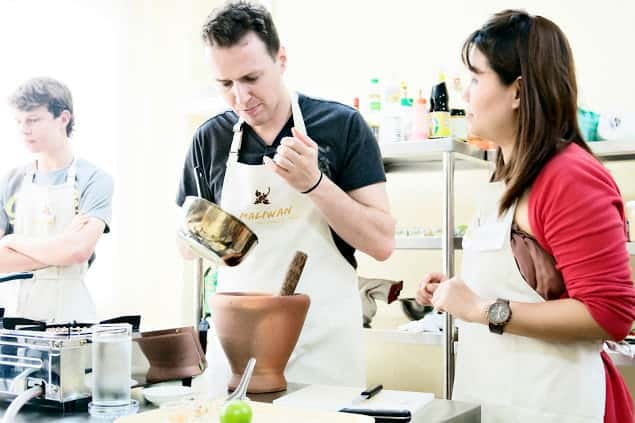
After the market, you return to Maliwan for a welcome drink and a cooking demonstration. The instructor prepares the dishes first so you can see the flow—what goes in, what order matters, and where timing can make the difference between good and great.
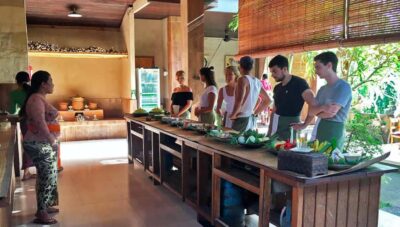
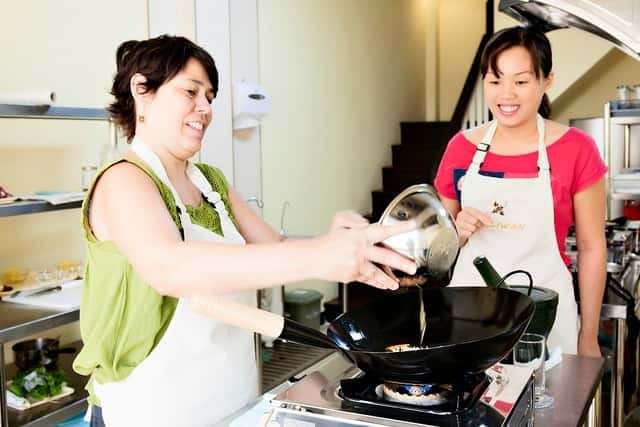
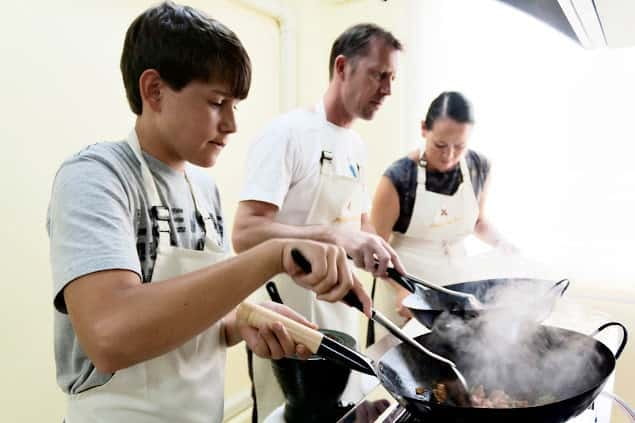
Then you get hands-on. The class runs as an uninterrupted session, and you’ll work in a fully equipped space. Ingredients and components are provided, including measured parts of the cooking process, so beginners aren’t stuck with the hard part: guessing. It’s the kind of structure that keeps you from feeling lost and lets you learn by doing.
The small group size is a big deal here. With a limit of no more than 6 participants, you’re not competing for attention when you’re learning how to chop, stir, or adjust seasoning. Several reviews highlight the staff/helper support during prep and cleaning, and that matters because Thai cooking is a sequence—not one magical step.
Chef style also comes through in how the class runs. The teacher’s English is part of the value. If you’ve ever taken a cooking class where instructions fly by, you’ll appreciate that this one focuses on clarity and practical technique.
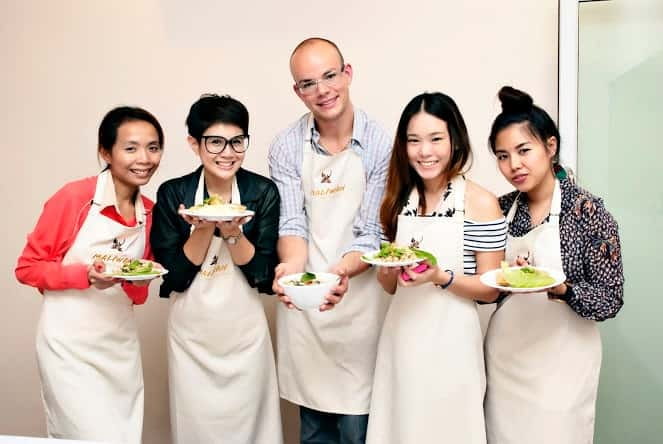
And yes, you also meet like-minded food people. It’s not a lecture hall. It’s more like you’re learning in a friendly kitchen circle where questions are actually welcome.
Your Four Dish Plan: From Curry and Pad Thai to a Sweet Finish
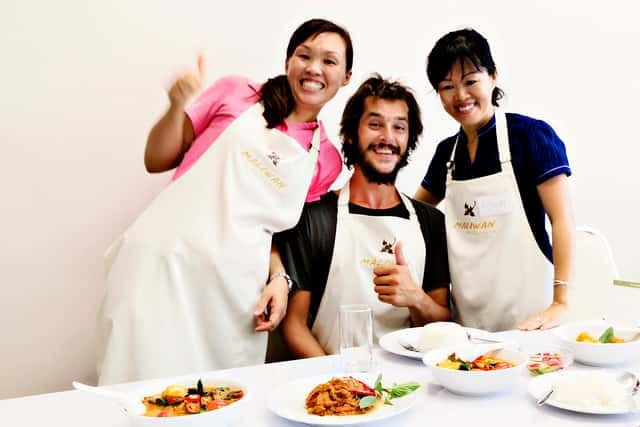
The class centers on 4 different recipes. The exact dishes vary because the menu is decided by the instructor prior to your date. That said, common examples from the experience include classics such as chicken green curry, prawn pad Thai, chicken coconut soup, and mango sticky rice.
You’re not only making sauces and testing flavors. You’re cooking real dishes that you then serve and eat. That’s what makes the class feel like more than a demo: you handle the work, and you understand the dish as a whole.
Thai cooking gets taught in patterns, and this class works because it lets you practice multiple patterns in one sitting:
- Curries and soups teach you balance and how to build body and aroma.
- Noodles like pad Thai teach you how stir-frying rhythm affects texture.
- Sweet dishes like mango sticky rice remind you that Thai flavor isn’t only savory; it’s also about sweetness, salt, and fragrance in the right amounts.
One review mentioned making curry paste from scratch. Since menus can change, you shouldn’t assume that specific step happens every time, but it shows the class can go deeper than just using pre-made shortcuts.
What you should do before you go: tell the team your dietary restrictions during booking. Vegetarian and pescatarian adjustments have happened, and at least some menus have been adapted for food intolerances. The key is communication ahead of time, since last-minute changes may be limited.
If you’re looking for a class that leaves you with a practical Thai repertoire, four recipes in one course is a smart size. It’s enough variety to learn techniques, without turning the session into a chaotic marathon.
How the Class Teaches Thai Flavors (Not Just Recipes)
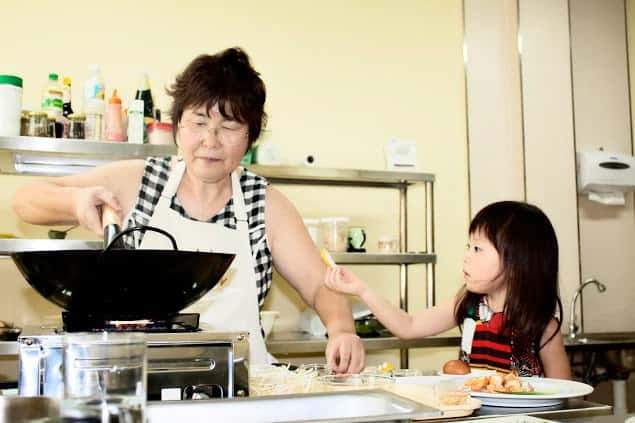
Thai cooking is tricky if you treat it like a checklist. This class leans into technique and flavor thinking. You watch the instructor demonstrate, then you cook while the staff supports you at each step. The guidance tends to focus on the “why” behind common results: too sour, not enough aroma, imbalance in salt/sweet, or a curry that tastes flat.
A repeat theme from the experience is clarity. Reviews praise how explanations are easy to follow and how the teacher helps you get to a result you can actually repeat. That matters because learning to cook at home depends on whether you understand the method.
The market tour ties directly into this lesson. When you buy fresh ingredients, you learn what fresh should taste and smell like. And when you use those ingredients in the dishes, you feel the difference right away, rather than waiting weeks to discover you bought the wrong thing.
Another practical aspect: the class includes instructions and a take-home handout. Even if you don’t memorize everything during the session, you have something to rebuild from later. If you like keeping notes while cooking, this handout gives you a structure to keep your home versions consistent.
And don’t underestimate the “social learning” factor. Small group classes make it easier to ask what you’re confused about without feeling embarrassed. That’s often where the real learning happens.
Eating What You Cook: Rice, Portions, and Take-Home Food
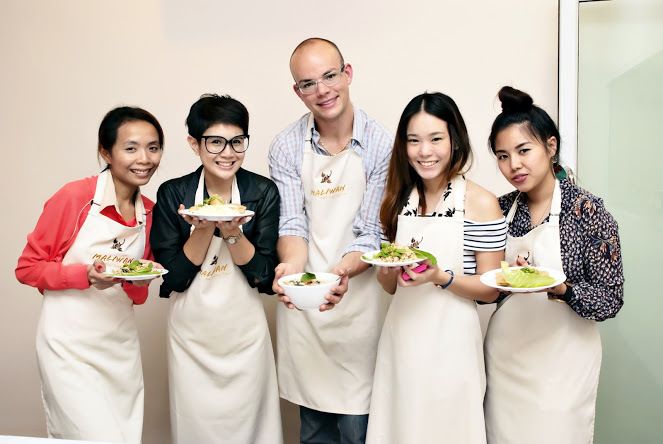
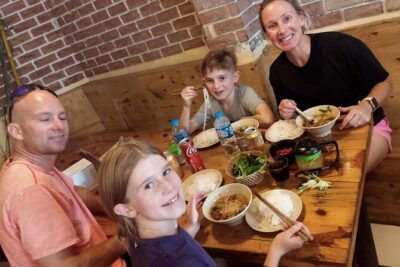
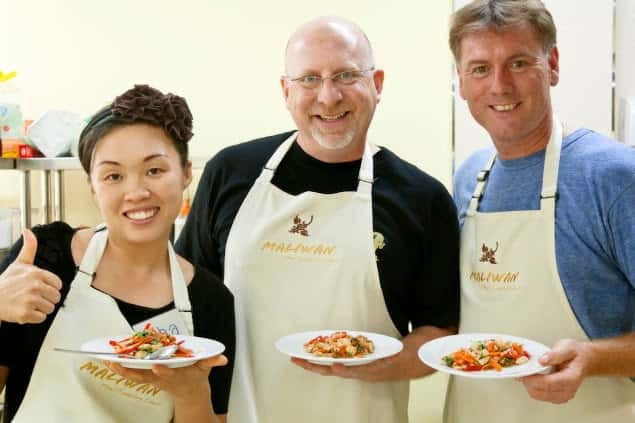
After all the cooking, you move to the dining area and eat in an informal atmosphere. The format is friendly and efficient: you cook, you sample the results, and you don’t need to translate Thai food into something understandable. You just taste, adjust mentally, and enjoy.
Meals include rice serving, and the dishes are generally generous. More than one review notes that there’s plenty of food and that you can take extra home if you don’t finish. That’s a practical advantage in a city where food can be expensive if you keep ordering after every stop.
Also, the “eat at the end” structure is both a strength and a small drawback. It’s a strength because you stay focused on cooking without stopping constantly. It’s a drawback because you might want to taste sooner—especially if you’re proud of your dish and want immediate feedback. Still, the end-of-class meal is when the full lesson clicks: you taste the set, notice how each dish’s flavors relate, and remember the ingredient choices you made earlier.
If you have a big appetite, you’ll likely be happy. If you prefer a lighter meal, you might still feel satisfied but should just plan how much you want to sample of everything.






Price and Value for a 4-Hour Small-Group Class
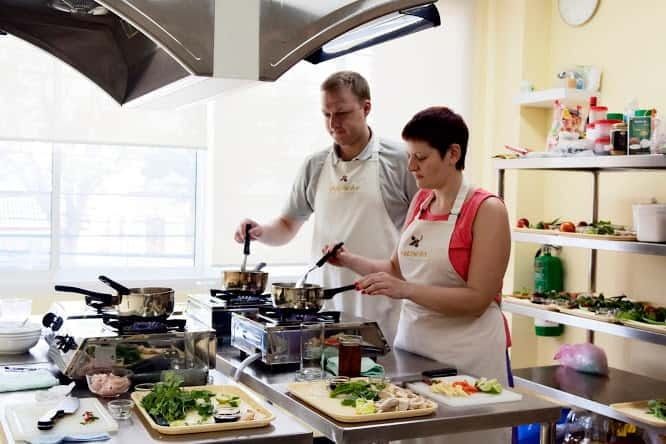
At $40 per person for about 4 hours, this is priced in the middle of Bangkok cooking classes, but the value is the key. What you get isn’t just a cooking demonstration. You get:
- a market tour by tuk-tuk
- hands-on cooking for 4 recipes
- all cooking ingredients
- welcome drink and drinking water
- rice serving
- cooked recipes handout to take home
- an e-certificate of Completion
When you add those pieces up, the market tour alone has real value. Many classes skip it entirely. Here, the shopping step becomes part of the curriculum, and that changes what you learn.
The small group size also helps justify the price. With limited participation, you get more direct attention during prep and cooking. That’s hard to replicate in a larger class where you’re waiting for instructions.
So the real question isn’t whether it costs $40. It’s whether you’ll use what you learn. If you’re the kind of person who loves recreating favorite meals, this course gives you enough practical output—four finished dishes plus take-home instructions—to make it worth your time.
Where to Meet: Sipsamhang Road Near Banglumphu
You start at Maliwan Thai Cooking Class, 9 Sipsamhang Road, Taladyod Phranakorn, Bangkok 10200.
If you’re arriving by taxi, use this simple landmark approach: ask the driver to bring you to the Kraisi Road area near Banglumphu Market, close to Khaosan Road. Then head into the small alley next to the Chinese Shrine or Domino’s Pizza on Kraisi Road. Walk into the alley, turn right, and look for the four-story building painted dark grayish brown at the end. Ring the bell for entrance.
This level of detail matters because the meeting point is described in a way that reduces confusion, especially if you’re tired after a day of walking.
Who Should Book This Thai Cooking Class

This experience is a strong fit if you want authentic Thai cooking skills you can repeat. It’s especially good for:
- beginners who want step-by-step support rather than a sink-or-swim class
- food lovers who want a local market stop that actually teaches ingredient thinking
- people who appreciate small group instruction (you’ll get more attention)
- anyone who wants a complete meal outcome rather than a short demo
It may not be your best match if you have mobility concerns or back problems, since it’s not marketed as suitable for those needs. Also, unaccompanied minors aren’t allowed, and children need parental accompaniment and won’t have their own workstation.
One more tip: go in hungry for learning. If you come with curiosity about ingredients and flavor balance, the market tour and the stove time work together in a way that’s hard to get from eating alone.
Should you book Maliwan Thai Cooking Class?
I think you should book it if you want a genuine Thai cooking lesson that includes a local market and real hands-on cooking for four dishes. The small group size, English instruction, and take-home recipe handout make it practical, not just entertaining.
Book it if you love Thai food and want to understand why it tastes the way it does—starting with fresh ingredients chosen with Mae. Skip it only if you strongly prefer tasting each dish immediately as it’s finished, or if your needs make a kitchen session harder.
If you want a class that leaves you with both food memories and repeatable skills, Maliwan is an easy yes.
FAQ
What is the duration of the cooking class?
The class is listed as 4 hours.
How many dishes will I cook?
You’ll prepare 4 different recipes.
Is the class offered in English?
Yes, the instructor provides instruction in English.
Do we go to a market during the experience?
Yes. You’ll travel by tuk-tuk to a local market to select fresh produce, then return to the cooking school.
What’s included in the price?
Included items are the market tour, all cooking ingredients, drinking water, a welcome drink, rice serving, a cooked recipes handout to take home, and an e-certificate of Completion.
Can the menu be adapted for dietary restrictions?
You should inform the team of dietary restrictions like vegetarian, vegan, gluten-free, allergies, or intolerances during booking. Last-minute changes may be limited, but adjustments have been made when restrictions are shared ahead of time.
Where is the meeting point?
The meeting point is Maliwan Thai Cooking Class, 9 Sipsamhang Road, Taladyod Phranakorn, Bangkok 10200. Taxi directions are provided via Kraisi Road near Banglumphu Market.
Is it suitable for children and minors?
Unaccompanied minors are not allowed. Children need parental accompaniment and will not have their own workstation.