REVIEW · BALI
Elephant Care Experience with Mud Bath at Bali Zoo
Book on GetYourGuide →Operated by Bali Zoo · Bookable on GetYourGuide
Mud baths. Gentle giants. Straight-up fun.
I like the way this day is built around rescued Sumatran elephants and real, hands-on care moments like feeding fruit, bathing, and watching their behavior. I also like that you’re guided by an experienced English-speaking mahout, so the day has context, not just selfies. One thing to consider: getting to the exact elephant area inside Bali Zoo can be a little confusing at first, so build in time to ask where to go and follow staff directions.
What follows is a full, active half-day-to-full-day at Kampung Sumatra, followed by lunch and time to explore the zoo grounds at your own pace.
In This Review
- Key takeaways before you book
- Bali Zoo’s Elephant Care Day: Mud, Fruit, and Mahout Talk
- Pickup Times, How Long It Takes, and Where the Day Starts
- Kampung Sumatra Intro: Coffee, Snack, Fruit, and Elephant Basics
- Feeding and River-Bank Play: Learning Their Rhythm
- Mud and Sand Spa: Getting Dirty While You Watch Behavior
- River Wos Splash and Scrub-Down: A Second Water Moment
- Lunch, Showers, and Zoo Time: More Than Just the Elephants
- Orangutan Breakfast Upgrade: Worth It for Early Birds
- Price and Value: Is $93 Fair for This Much Active Time?
- What to Bring (So You Don’t Regret It Mid-Day)
- Photos, Guide Help, and One Common Head-Scratcher
- Who This Elephant Mud Bath Is Best For
- Should You Book Elephant Care with Mud Bath at Bali Zoo?
- FAQ
- How long does the Elephant Care with Mud Bath experience take?
- What is the price per person?
- Where does the experience start and end?
- Does this include zoo admission and lunch?
- Is a towel included?
- Is pickup included?
- What time is pickup in Kuta/Seminyak/Canggu/Nusa Dua and similar areas?
- What time is pickup in Ubud and Sanur?
- Can children participate?
- Are the elephants forced to participate?
Key takeaways before you book
- English-speaking mahout guidance: you get behavior and care explanations while you’re with the elephants
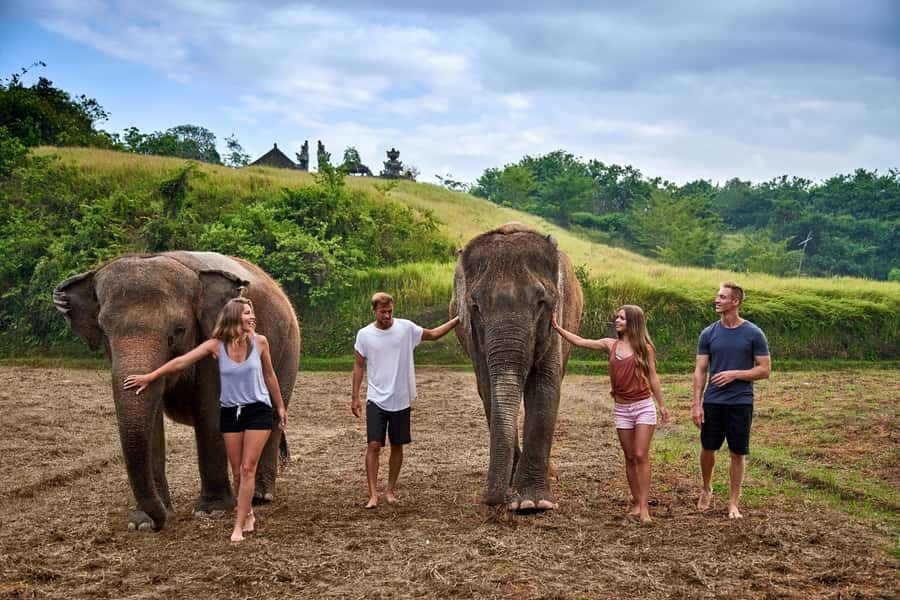
- Feeding + river-bank interaction: you’re not just watching behind a fence
- Mud-and-sand spa time: you’ll get dirty while learning why elephants bask in mud
- River Wos splash and scrub-down: the day includes a second “water moment,” not just one wash
- Included zoo entry and time afterward: you can keep exploring the 300+ animal collection
Bali Zoo’s Elephant Care Day: Mud, Fruit, and Mahout Talk
This experience is for people who want a more active elephant encounter than the usual stand-and-point routine. At Kampung Sumatra, you spend the day learning about rescued Sumatran elephants while moving through their day: fruit feeding, river play, mud fun, and a scrub-down.
The setup matters. The elephants are not forced into the program, and your time with them is based on what they’re comfortable doing. That changes the whole feel of the day. You’ll still be “with” the elephants, but it’s more about following their pace than making them perform.
The day also includes real time to observe behavior. You’ll hear why you see elephants basking in mud during certain times of the year, and you’ll get cues for what to watch for while you’re around them.
You can also read our reviews of more tours and experiences in Bali.



Pickup Times, How Long It Takes, and Where the Day Starts
The activity runs about 7 to 10 hours, depending on the start time and how your day flows. That’s long enough to feel like a true outing, but short enough that you’re not locked into your hotel for the rest of your trip.
Pickup is optional, and the zones are clearly defined. If you’re staying in areas like Kuta, Seminyak, Canggu, Nusa Dua, Tanjung, Benoa, Jimbaran, or Sanur, pickup is typically 6:30 AM. If you’re in Ubud or Sanur, it shifts to 7:00 AM.
Your start and finish are at Bali Zoo’s main entrance, with the tour ending back there. That makes the day simple if you’re using a car service or a driver you trust.
Kampung Sumatra Intro: Coffee, Snack, Fruit, and Elephant Basics
After hotel pickup, you arrive at Kampung Sumatra at Bali Zoo. You’ll start with a brief program introduction plus a complimentary snack and coffee or tea. It’s a small touch, but it helps because this is an early, physical day.
Then you meet your English-speaking mahout. This is where the experience turns from activity into understanding. You’ll learn about elephant behavior and lifestyle, plus practical care ideas and answers to questions as you go.
Before the fun begins, you’ll also get a selection of fruit for feeding. This part sets expectations: it’s not just feeding for a moment. You’re learning how feeding fits into their day and how your actions need to stay calm and respectful.
Feeding and River-Bank Play: Learning Their Rhythm
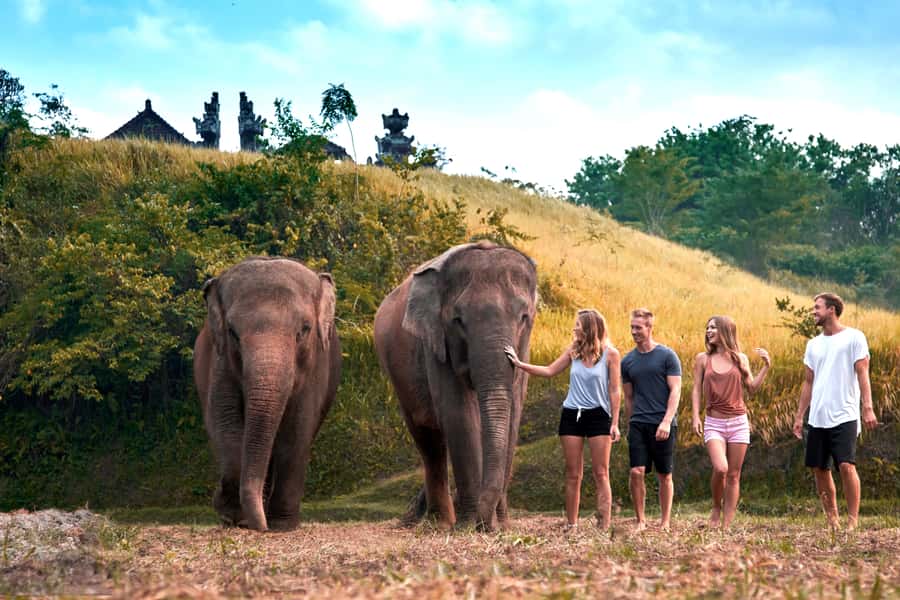
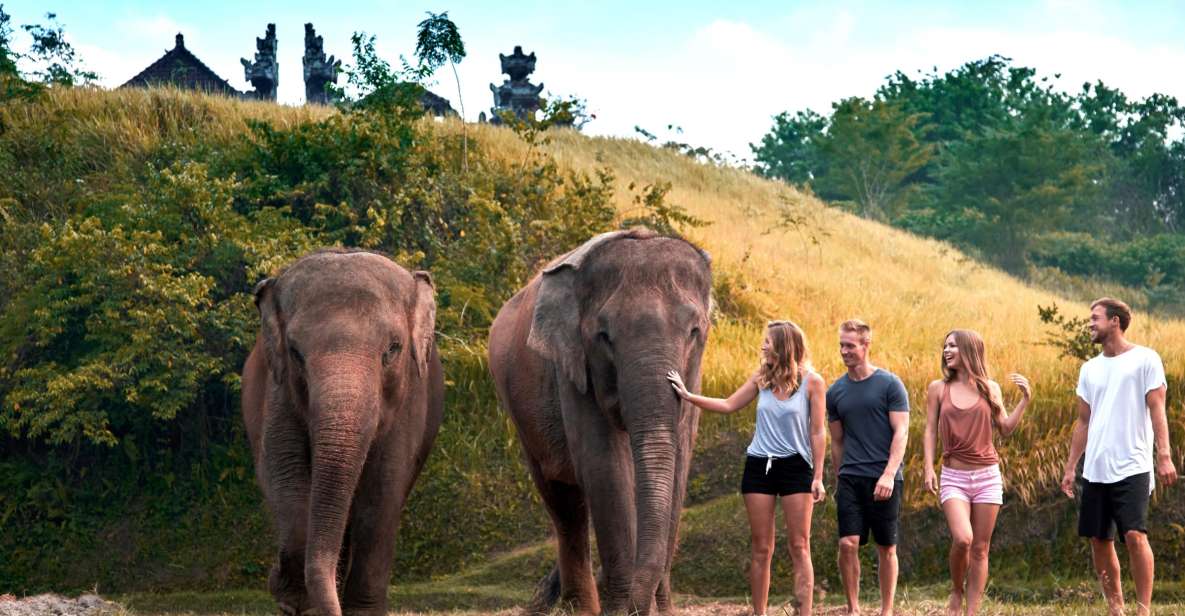
Next comes a river-bank segment where you’re introduced to the elephants as free-roaming animals. You get time to play, feed, and interact with them while you’re learning what different behaviors can mean.
This is often the most memorable stretch for first-timers. Up close, you can see how elephants move, how they pause, and how social they can be. It also helps you understand the experience’s main promise: you’re following them and their choices, not pulling off staged tricks.
One practical point: bring shoes you can get muddy. Even if you’re not in the mud yet, the ground near river and outdoor paths can be slick or sandy.
Mud and Sand Spa: Getting Dirty While You Watch Behavior
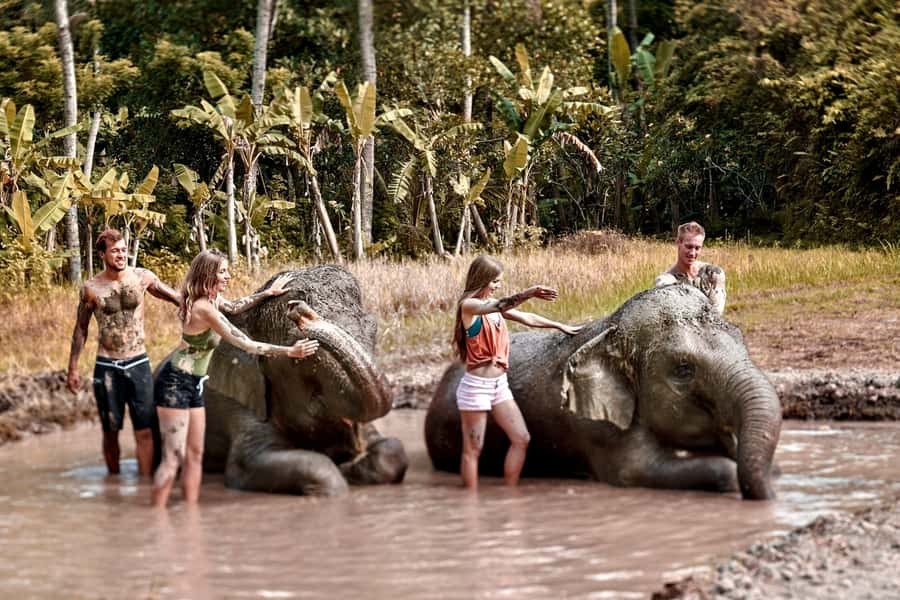
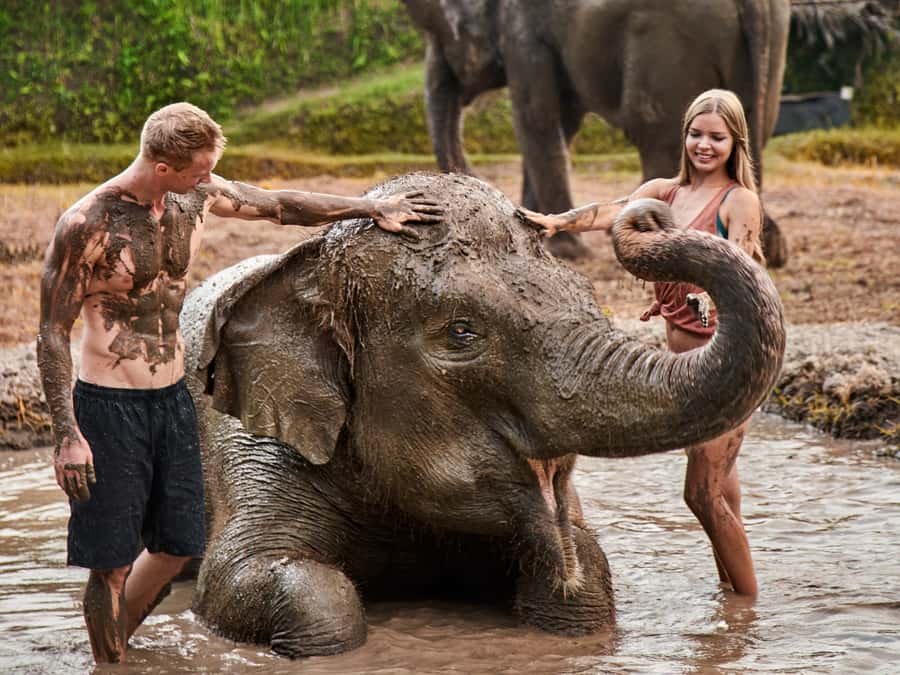
This is the headline moment: walking with the elephants into the mud and sand spa. The plan is simple and fun—earth, water, and elephant play—but the meaning is more than just “slap mud on yourself.”
Elephants use mud for comfort and care, and the guide portion explains why you notice mud-bathing more in certain times of the year. You’ll also have time to observe how they behave while they’re in that environment. Watching them settle in, reposition, and interact gives you a better sense of how they regulate their body comfort.
And yes—you’ll get covered in mud. So plan your clothing around that, not around looking cute for photos.
If it’s raining, don’t automatically panic. One review noted heavy rain but still described the experience as amazing. The animals don’t stop being elephants just because the sky changes.





River Wos Splash and Scrub-Down: A Second Water Moment
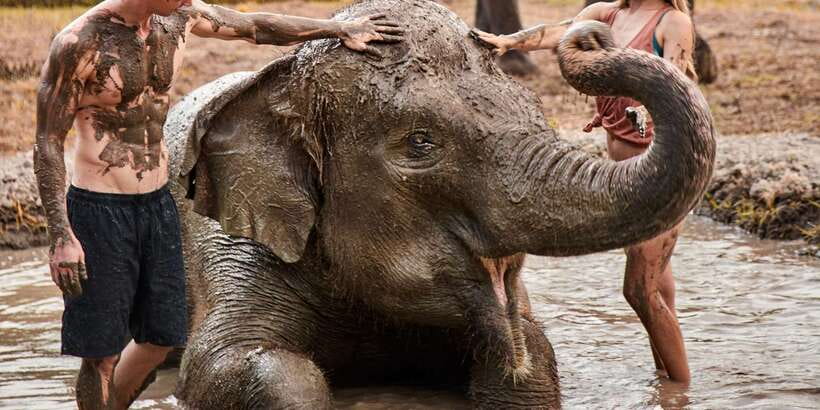
After the mud play, the day includes a walk with the elephants to River Wos. This segment is all about a splash, bathing, and a scrub-down. So you’re not going from mud to dry land and calling it done—you get another realistic water moment.
This is also where the experience becomes “care” again. Mud fun is messy; the scrub-down is practical. Afterward, you’ll return to the zoo for a shower and change.
From recent experiences, I’d strongly suggest you treat the wash-up time as part of the activity, not an add-on. You’ll feel better, you’ll get comfortable faster, and you’ll be able to enjoy your lunch and zoo wandering without turning into a walking mud costume.
Lunch, Showers, and Zoo Time: More Than Just the Elephants
Once the elephant portion is complete, you’ll have lunch and then free time to explore Bali Zoo. Lunch is included, and it’s served after your shower/change period, so you can actually enjoy it instead of eating while still feeling grimey.
Then you’re free to explore the rest of the zoo, which includes 300+ rare and exotic animals. Depending on your interests and the time of day, you might spot big names like Komodo Dragon, Sumatran Tiger, Orang Utan, and Bali Starling.
If you want to stretch the day into a full outing, this is your chance. If you want a quieter ending, focus on the easiest exhibits you can reach without burning your energy after mud and walking.
Some visitors also point out that lockers and showers are provided after the experience, which makes the transition from elephant time to lunch time much more comfortable.
Orangutan Breakfast Upgrade: Worth It for Early Birds
There’s an optional upgrade to add breakfast with an orangutan. The experience is described as Bali Zoo’s first Breakfast with Orangutan, with the breakfast happening at the orangutan playground.
If your schedule allows, this can be a great add-on because it stacks a second animal-focused experience into the same trip. If you’re mainly here for elephants, you still get plenty of elephant time either way.
Just know the upgrade is an additional option, not part of the base experience. If you want the simplest day, stick with the elephant mud program and use the included zoo time to see other animals at your pace.
Price and Value: Is $93 Fair for This Much Active Time?
At $93 per person, you’re paying for several things at once: zoo admission, a guided elephant care session, fruit feeding, lunch, a towel, and a full set of transfer options if you select pickup. You’re also paying for time inside Bali Zoo after the elephant portion.
So the real value question is this: are you the type who wants interaction and learning, not just a short encounter? If yes, this price can make sense because your day includes multiple elephant touchpoints—feeding, mud play, river bathing, and a scrub-down—plus a meal and zoo access.
If you only want a quick photo stop, this might feel expensive. But the structure is built around an extended, hands-on experience that uses a mahout-led program rather than a brief walk-by.
Also consider logistics. Pickup is available for major areas with specific early time slots, and that convenience can be a big hidden value on Bali. Doing this without transfers often means more coordination and more time lost to transport.
What to Bring (So You Don’t Regret It Mid-Day)
Do the simple prep before you leave home. Pack a change of clothes, swimwear, and sunscreen. You’ll also want sandals or water-friendly footwear, plus insect repellent since you’ll be outside for a good chunk of the day.
A common mistake is skipping the footwear piece and then suffering on sandy or muddy paths. Bring sandals you’re okay getting ruined, and keep your socks if you think they’ll stay clean.
A small tip: bring something you can tolerate after it gets wet. If you arrive expecting one clean outing, the mud part will remind you fast that this is an elephant mud bath day.
Photos, Guide Help, and One Common Head-Scratcher
Two things can make or break the vibe: where you start inside the zoo, and how you handle photos.
Some visitors reported that it can be hard to find the elephant experience area on arrival due to signage or distance inside the zoo. If that’s your worry, show up with a calm plan: ask staff at the entrance where the elephant guide meeting happens, and don’t be afraid to ask twice.
On photos, people sometimes purchase professional photo packages after the activity. If you’re image-focused, you might prefer taking your own pictures during the day so you can decide later if the package price feels worth it.
The day works best when you treat your phone camera like your main tool and let the guided program do the heavy lifting.
Who This Elephant Mud Bath Is Best For
This is a great fit if you want a hands-on wildlife day with learning built in. You’ll probably enjoy it most if you like active experiences and you’re okay getting dirty.
It’s also a strong option for families and groups that want a clear schedule and built-in meal. One caution: the experience is suitable for adults 12+, and the mud fun area has height limits.
You should not plan around bringing younger kids into the mud area. Children under 120 cm aren’t allowed in the mud fun zone, and children at 120 cm are charged adult price. Also, Bali Zoo does not provide babysitting, so parents must handle kids independently during restaurant breaks.
If you have mobility concerns, this is not a match. The experience is also listed as not suitable for people with mobility impairments, and it’s not suitable for pregnant women.
Should You Book Elephant Care with Mud Bath at Bali Zoo?
I’d book this if you want more than a look-at-elephants moment. The day is built around a guided, respectful interaction with rescued Sumatran elephants, plus mud and river moments that feel real and memorable. You get lunch and can keep exploring the 300+ animal collection, so you’re not losing time after the main event.
Skip it or rethink it if you want minimal walking, zero mess, or if your group needs accessible options. The mud portion is central, and the day is active.
If you’re excited by the idea of learning from a mahout, following the elephants through their day, and ending with a shower and a solid zoo explore, this is one of the better-structured animal experiences you’ll find in Bali.
FAQ
How long does the Elephant Care with Mud Bath experience take?
The duration is listed as 7 to 10 hours. Check availability to see starting times.
What is the price per person?
The price is $93 per person.
Where does the experience start and end?
It starts at Bali Zoo’s main entrance in Singapadu and ends back at the same meeting point.
Does this include zoo admission and lunch?
Yes. Zoo admission and lunch are included, along with welcome drinks and snacks.
Is a towel included?
Yes, a towel is included.
Is pickup included?
Return transfers depend on your options. Pickup is available for areas including Kuta, Seminyak, Canggu, Nusa Dua, Tanjung, Benoa, Jimbaran, Sanur, and Ubud, with set pickup times.
What time is pickup in Kuta/Seminyak/Canggu/Nusa Dua and similar areas?
Pickup for Kuta, Seminyak, Canggu, Nusa Dua, Tanjung, Benoa, and Jimbaran is listed as 06:30 AM.
What time is pickup in Ubud and Sanur?
Pickup for Ubud and Sanur is listed as 07:00 AM.
Can children participate?
The experience is suitable for adults 12 years old and above. Children under 120 cm are not allowed in the mud fun area, and 120 cm children are charged adult price.
Are the elephants forced to participate?
No. The program notes that the activities are based on the elephants and they are not forced to do anything they do not want to do.