REVIEW · KO SAMUI
Koh Samui: Ethical Elephant Home Guided Tour with Transfers
Book on GetYourGuide →Operated by SamuiElephantHome · Bookable on GetYourGuide
Elephants get to be elephants here. This 4-hour Koh Samui visit pairs a small Elephant Museum stop with a jungle walk where rescued elephants roam freely, plus hands-on care activities. You also get hotel transfers around the island, so you can show up ready and not fuss with logistics.
I love two parts most. First, the program centers on ethical elephant welfare: you observe them at a respectful distance, and the day is paced around their comfort, not showmanship. Second, the hands-on stuff actually teaches you—making organic elephant food with mahouts, then launching clay-and-seed seed bombs to support future forest growth.
One consideration: at just 4 hours, the site can feel a bit compact, and if you’re craving deeper Thai elephant history, you might want to add extra time elsewhere.
In This Review
- Key things I’d pencil into your Koh Samui day
- Entering an Elephant Home Built Around Welfare
- Pickup, Arrival, and the First Hour’s Safety Briefing
- The Museum Stop: Thai Elephant Heritage in Plain, Practical Terms
- Making Elephant Food With the Mahouts (And Why Nutrition Matters)
- The Jungle Walk: Natural Behavior, Respectful Distance, Great Photos
- Seed Bombs: The Conservation Activity That Feels Less Like a Craft
- Cooling Down With Shade, Water, and Calm Routines
- Food, Break Time, and What to Bring for a 4-Hour Day
- Price and Value: What $96 Buys on Koh Samui
- Who This Tour Fits Best (and Who Might Want More Time)
- My Booking Advice: Make the Most of Your 4 Hours
- Should You Book the Koh Samui Ethical Elephant Home Guided Tour With Transfers?
- FAQ
- How long is the Koh Samui Ethical Elephant Home guided tour?
- Is pickup and drop-off included?
- What language is the tour guide?
- What activities do I do during the visit?
- Do I get food during the tour?
- Does the tour include bathing or water time for the elephants?
- What should I bring?
- Is the tour wheelchair accessible?
- What is the tour price?
- Is cancellation free if my plans change?
Key things I’d pencil into your Koh Samui day

- Freer-roaming observation in a natural jungle setting, with clear boundaries for respectful viewing
- Mahout-led feeding and nutrition education, including food-prep in the caretaking routine
- Seed bomb conservation activity using clay, native seeds, and a traditional slingshot
- Cooling-down time guided by shade, water, and calm routines (not forced bathing)
- On-the-ground service details like drinks, vegetarian lunch, and a surprise video during the program
Entering an Elephant Home Built Around Welfare
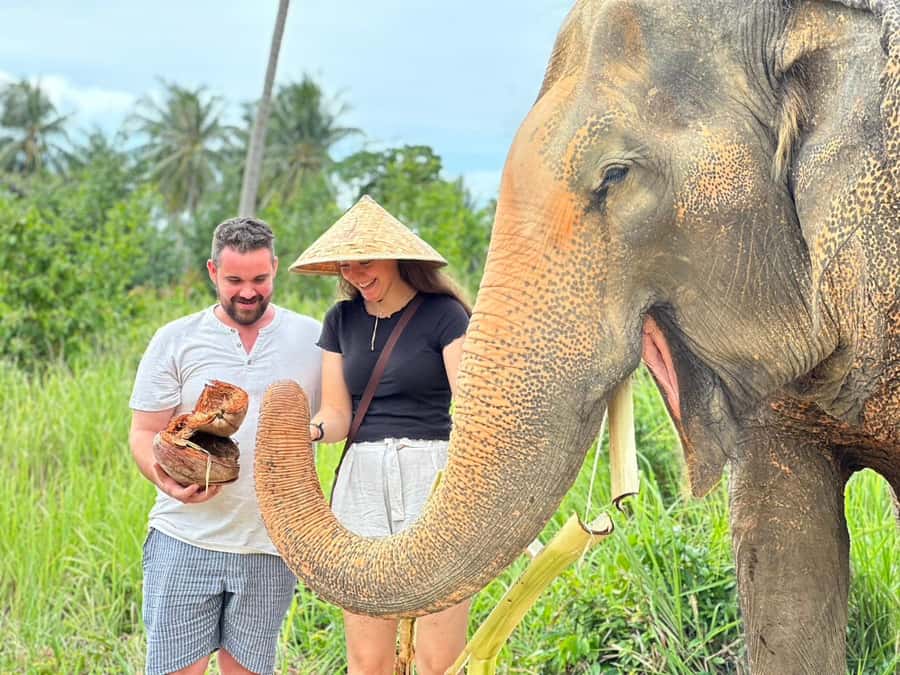
If your main goal in Koh Samui is to see elephants without the usual circus-style pressure, this tour is designed for that. The core idea is simple: the rescued elephants live in an environment that supports natural behaviors, while you learn through observation and small, guided interactions.
From the start, you’re reminded that this place is about care, not entertainment. The elephants aren’t there to perform tricks. You’re there to watch them forage, socialize, and cool off, then understand why those daily routines matter to their wellbeing.
One reason people walk away happy is the staff energy. Guides such as Pat and Nana (and other team members mentioned like Katie and Maria in different groups) focus on education and calm handling. That matters, because elephant encounters can go wrong fast when the day turns into a scramble.
You can also read our reviews of more tours and experiences in Ko Samui.



Pickup, Arrival, and the First Hour’s Safety Briefing
Your day begins with hotel or villa pickup around Koh Samui. Transfers are a big part of why this tour feels easy: you don’t have to coordinate a taxi and you arrive when the team is ready.
On arrival, you typically get welcome refreshments (including water and juices in the kinds of reports I saw), plus a safety briefing. That briefing isn’t just rules for humans; it sets the tone that you stay aware, stay calm, and keep your distance when elephants are doing elephant things.
This is also where you get oriented to the flow of the morning. If you’re wondering whether it’s chaotic, you’ll likely appreciate the structure. People describe the experience as well organized, with activities moving along at an “elephant’s pace.”
You’ll also hear about what the elephants went through before rescue, and why this sanctuary-style setup is needed in the first place. Then you shift into the museum side of the experience.
The Museum Stop: Thai Elephant Heritage in Plain, Practical Terms
The Elephant Museum portion is meant to connect the dots between culture and conservation. You’ll spend time learning about Thai elephant heritage and how elephants have shaped daily life, spirituality, and tradition in the country.
It’s not only “facts on a board.” The museum is described as interactive and storytelling-based, with historical displays and context that helps the later jungle walk make sense. You’ll also learn what makes rescued elephants different from elephants used in tourism elsewhere—how rehabilitation and daily care routines help them recover.
In one group, Pat (mentioned as having years of caretaking experience) shared personal-style insights about the rescue work and how the sanctuary meets elephant needs. That kind of human context is what makes a museum stop feel useful instead of just a quick photo break.
If you’re the type who loves history, plan to pay attention here. That said, if you were hoping for a longer, deeper dive into Thai elephant history, the museum is only one part of a short 4-hour program—so keep your expectations aligned with the time you have.
Making Elephant Food With the Mahouts (And Why Nutrition Matters)
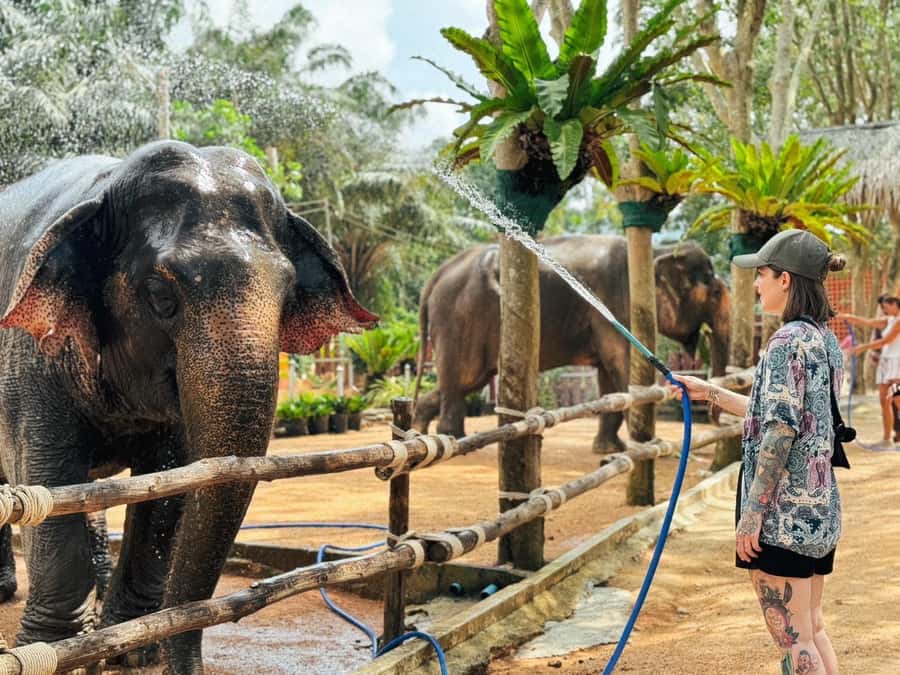
This is where the tour becomes hands-on in a way that feels educational, not gimmicky. You’ll participate in preparing organic elephant food as part of their daily nutrition routine.
You’ll learn why elephants eat the way they do, plus basics like how nutrition supports elephants at different life stages and what caretakers watch for in health. The best part is that this isn’t a lecture you ignore; it’s tied directly to what you’ll do next—feeding the elephants.
The feeding ball / food-making element (reported as fun and interactive by many visitors) gives you a real sense of routine. You’re not just throwing something into a trough. You’re making part of a care process, guided by staff who want you to understand what you’re doing.
Also, you’ll get a contrast between human food and elephant food later in the day. Your own meal is vegetarian and served as a seasonal buffet, which keeps things simple for dietary needs and fits the sanctuary-style theme of the day.
The Jungle Walk: Natural Behavior, Respectful Distance, Great Photos
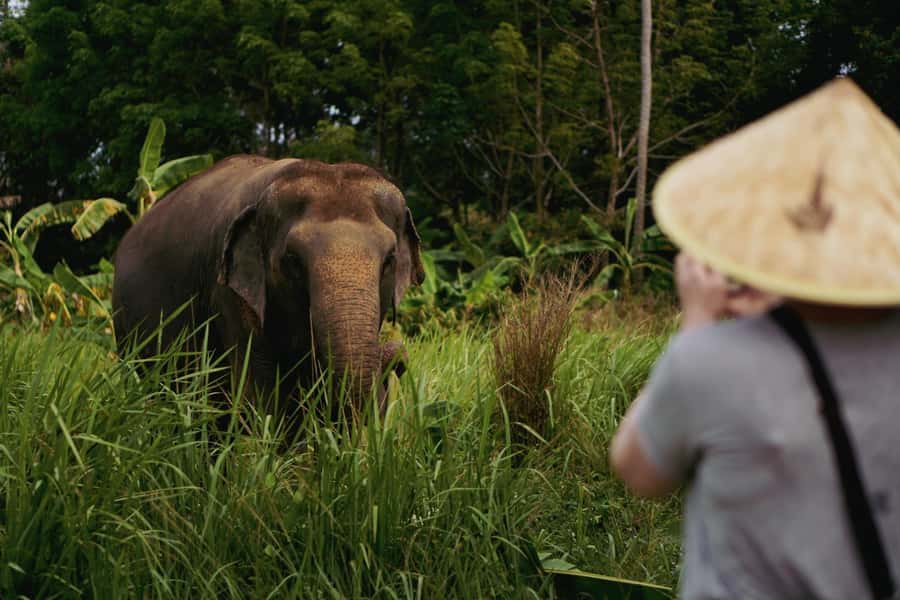
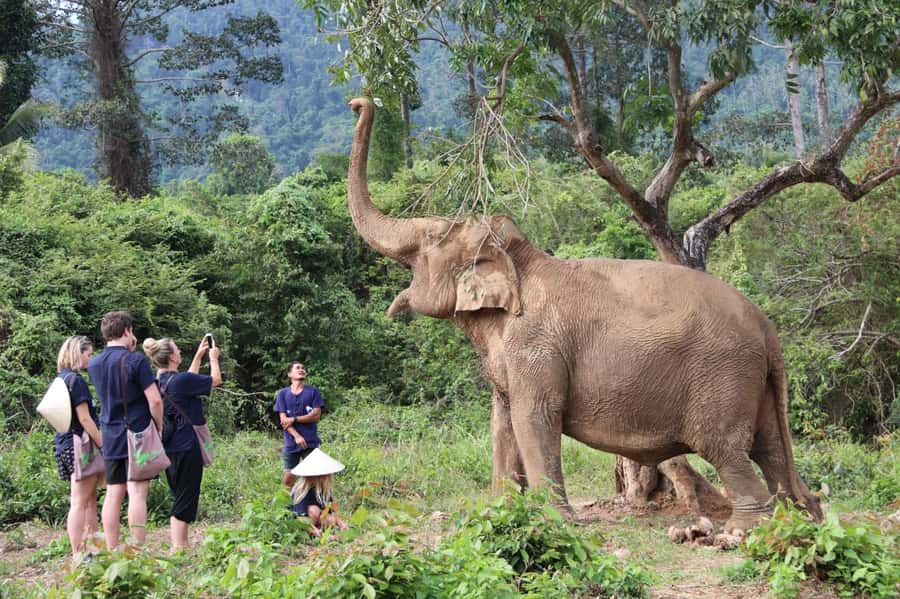
After the feeding portion, you head into the jungle area to observe elephants in their natural environment. The walk is intentionally paced and done at a respectful distance, so you can watch normal behaviors: foraging, exploring, and moving through the habitat.
I like this part because it turns the story into something you can see. Instead of hearing about social bonds, you can watch elephants interact, pause, and choose where to go next. People repeatedly mention that elephants seemed calm and well cared for, and that staff keep the group controlled so the elephants aren’t pressured.
You also get some photo opportunities, but the best photos are the ones where you capture the elephants doing normal elephant stuff. In some experiences described, elephants even came closer for brief moments—like one elephant walking right up to someone at the end of the walk—then moving on when it wanted.
That’s a key point to remember: your comfort matters, but their choice matters more. Good ethical sanctuaries act like that.






Seed Bombs: The Conservation Activity That Feels Less Like a Craft
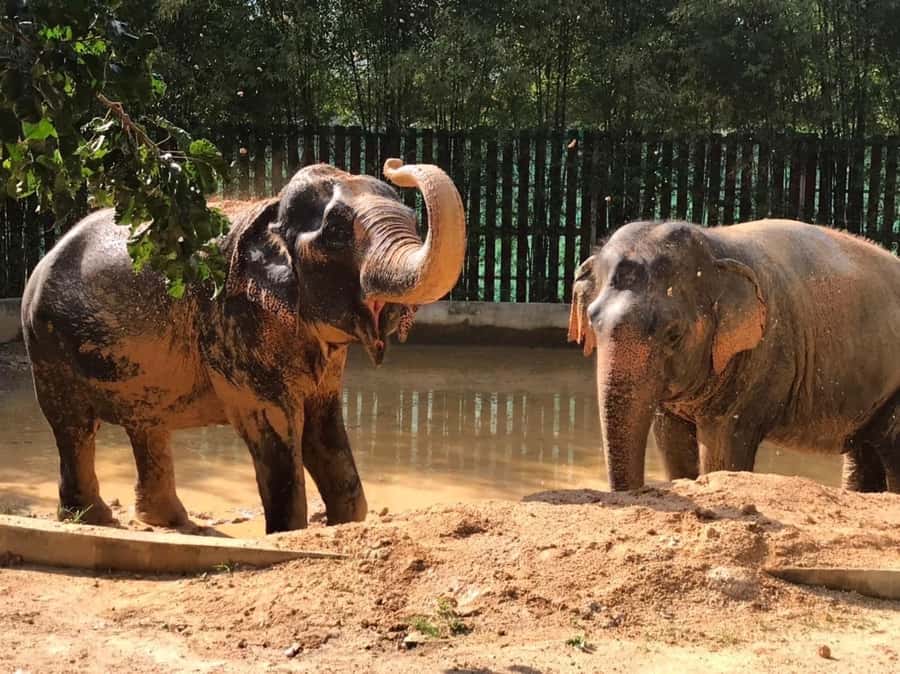
Then comes a conservation action that’s different from the usual “make a souvenir” setup. You’ll craft seed bombs using clay and native plant seeds.
After that, you’ll use a traditional slingshot to launch them into the forest area. The goal is to help restore or support forest growth—creating future food sources and improving habitat over time.
Why this matters for your experience: it gives you a tangible way to connect your visit to something longer than a single day. It also matches the sanctuary message—care for elephants now, and support for their environment so more food and cover exists in the future.
If you like doing something with your hands, this section is a nice break from standing around. If you don’t, it’s still worth doing because it’s tied to conservation, not entertainment.
Cooling Down With Shade, Water, and Calm Routines
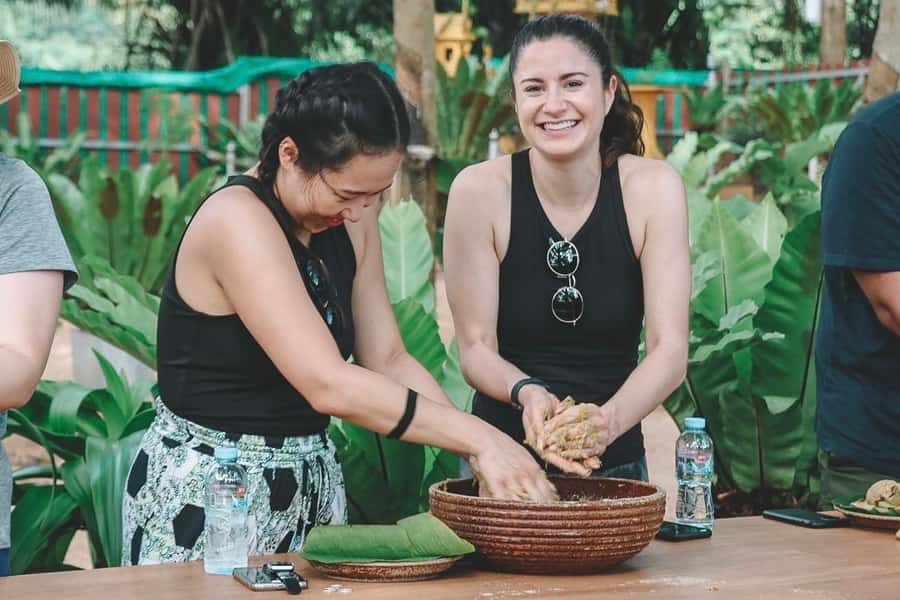
In the later stage of the day, you’ll see how caretakers help elephants cool down naturally in the tropical heat. Mahouts support the elephants after the jungle walk, and the focus stays on calm routines, shade, and water.
What I found useful to know: the elephant bathing or cooling-down part isn’t treated as a hard requirement. If an elephant doesn’t want to bathe at that moment, the activity can be skipped, which signals the sanctuary isn’t forcing behavior.
People also mention water play elements like spraying or bathing pool time when elephants are comfortable. In other cases, the cooling-down pond moment happens with visitors nearby—close enough to feel special, but not close enough that it turns into reckless “touch everything” tourism.
This section is also a good time to slow down. The day has been active—food prep, walks, and seed bombs—so cooling time feels like a natural reset.
Food, Break Time, and What to Bring for a 4-Hour Day

You’ll get break time with coffee and tea, plus vegetarian food in a seasonal buffet style. A surprise video movie is also part of the day, so you’re not only outdoors and in the jungle.
Bring the basics and your day will feel smoother. I’d strongly suggest:
- Comfortable shoes for walking areas
- A change of clothes (because water and cool-down time can happen)
- A towel so you’re not stuck drying off in discomfort
Soft drinks include tea and coffee, so you can pace yourself without needing extra stops. And because the tour includes lunch and refreshments, you’re unlikely to hit the “hangry” problem mid-afternoon.
Weather is always a variable in Thailand. One report mentioned wet weather but still called the tour brilliant, so if rain shows up, it usually doesn’t ruin the whole program.
Price and Value: What $96 Buys on Koh Samui
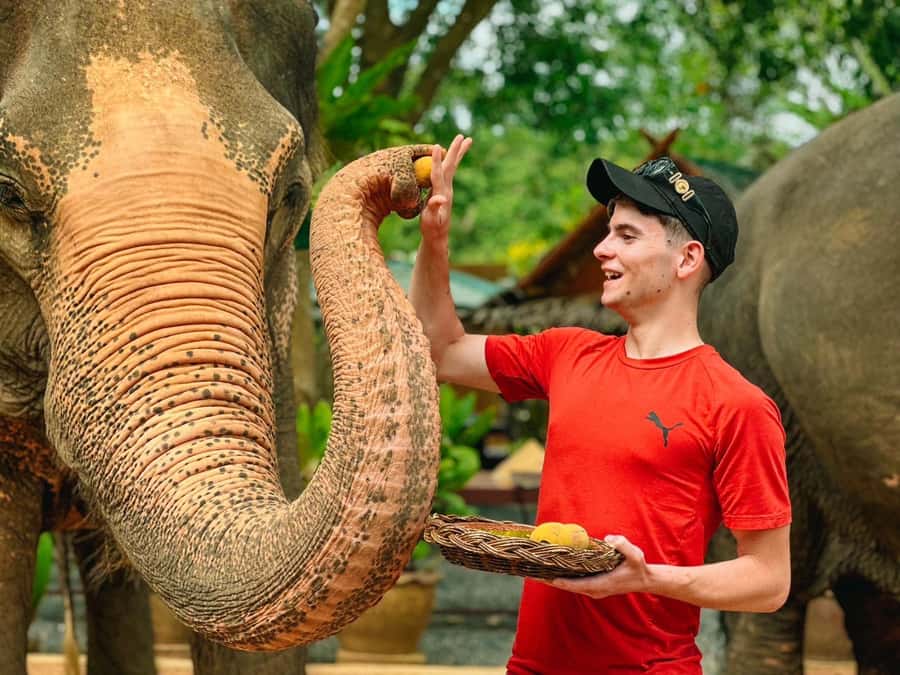
At around $96 per person for a 4-hour experience, the value depends on what you want from your day.
Here’s what you’re actually paying for:
- Hotel or villa pickup and drop-off around the island
- A professional English-speaking guide
- Structured activities: museum, feeding/food-making, jungle observation, seed bombs
- Vegetarian lunch and refreshments
- Full insurance plus a smoother entry flow (like skipping ticket lines)
- A setup that prioritizes ethical interaction and wellbeing
If you compare that to the cost of piecing together a private transfer plus a single attraction plus lunch, it often starts to look reasonable. The biggest “value” variable is time: 4 hours is not a full day, so you’ll want to make peace with a tight schedule.
That said, the focus is on quality of care and education, not stuffing in extra stops. You leave with a clearer understanding of elephants and a conservation action you participated in.
Who This Tour Fits Best (and Who Might Want More Time)
This tour suits you if you want:
- An ethical elephant experience centered on observation and care
- Hands-on learning like preparing elephant food
- A family-friendly structure that keeps things moving without rushing elephants
- A meaningful conservation activity (seed bombs) rather than a quick photo moment
Many people mention this works especially well when you travel with kids. The day isn’t only lectures, and the hands-on segments give children something to focus on.
You might want to look elsewhere or add extra time if:
- You want a longer, deeper cultural or historical program beyond the museum stop
- You prefer a full-day jungle plan with more walking time
- You dislike water-related activities, even if they are optional for elephants
In short: it’s not the kind of tour where you spend hours just riding the same bucket list emotion. It’s more like a well-run education-and-care experience that leaves space for elephants to set the pace.
My Booking Advice: Make the Most of Your 4 Hours
If you book, do these small things and you’ll get more out of it.
First, wear shoes you trust. There’s walking involved, including jungle-area paths. Second, pack your change of clothes and towel early, not at the bottom of your bag. When the cooling-down water happens, you’ll be glad you’re ready.
Next, pay attention to the staff-led explanations during food prep and after the jungle walk. Ask simple questions like why certain feeding routines matter or how caretakers read elephant behavior. Guides such as Pat and Nana are there to answer, and the better you listen, the richer the encounter becomes.
Finally, keep your expectations matched to the time. Four hours can feel short when you’re having fun. But in this case, short can also be a strength, because it means you’re not overstaying and crowding an experience that’s meant to remain calm.
Should You Book the Koh Samui Ethical Elephant Home Guided Tour With Transfers?
If you’re choosing between elephant encounters that feel exploitative and ones that prioritize welfare, I think this tour is a solid pick. You get a structured museum + jungle observation flow, hands-on feeding/food-making education, a conservation seed bomb activity, and a calm cooling-down portion led by mahouts.
Book it if:
- You want ethical elephant care with clear rules and respectful distance
- You like interactive learning, not just watching from afar
- You appreciate value that includes transport, lunch, and insurance
Consider skipping or adding other plans if:
- You need a longer history lesson than what fits in a 4-hour window
- You want a more expansive day in the grounds rather than a concentrated program
Bottom line: for many people, this becomes one of the most meaningful parts of a Koh Samui trip because it connects your time with care, conservation, and the animals’ own routines.
FAQ
How long is the Koh Samui Ethical Elephant Home guided tour?
The tour lasts about 4 hours.
Is pickup and drop-off included?
Yes. Hotel or villa pickup and drop-off around the island are included.
What language is the tour guide?
The tour is guided in English.
What activities do I do during the visit?
You’ll visit the Elephant Museum, take part in a guided tour and forest walk, help with preparing organic elephant food, feed the elephants, and make and launch seed bombs.
Do I get food during the tour?
Yes. You get vegetarian food, including a seasonal buffet, plus soft drinks such as tea and coffee.
Does the tour include bathing or water time for the elephants?
You can observe how elephants cool down naturally, including time in the bathing pool when that’s part of the elephants’ routine during the visit.
What should I bring?
Bring comfortable shoes, a change of clothes, and a towel.
Is the tour wheelchair accessible?
Yes, the tour is listed as wheelchair accessible.
What is the tour price?
The price is listed at $96 per person.
Is cancellation free if my plans change?
Free cancellation is available up to 24 hours in advance for a full refund.