REVIEW · UBUD
Ubud Cooking Class Bali with Balinese Chef
Book on Viator →Operated by Bali Cooking Class Ubud · Bookable on Viator
Your lunch starts with a market stop. I love the hands-on cooking setup where you work at your own station, and I love the English-speaking chef who keeps the steps clear. One possible drawback: the included transfer for the morning class is only for hotels in Ubud center.
You’ll also get a short morning visit to the Ubud Traditional Art Market, then head to the kitchen for about four hours of prep, cooking, and eating. The menu can be vegetarian or non-vegetarian, and the group size is capped at 24, so you’re not stuck watching from the back.
In This Review
- Key highlights you’ll feel right away
- Hands-On Ubud Cooking Class: What You Actually Make
- Market Morning at Ubud Traditional Art Market
- Ketuts Bali Cooking Class: How the Lesson Flows
- The Dish Lineup: Vegetarian and Non-Vegetarian Menus
- Vegetarian menu (7 items)
- Non-vegetarian menu (7 items)
- Taste the Meal You Cook: Lunch or Dinner Included
- Pickup, Timing, and the “Where Do I Meet?” Part
- Price and Value: Is $35.79 a Good Deal in Ubud?
- Small-Group Support: Why the Instructions Matter
- Who This Cooking Class Fits Best
- Quick Practical Tips Before You Go
- Should You Book This Ubud Cooking Class with a Balinese Chef?
- FAQ
- How long is the Ubud cooking class?
- Is pickup included?
- Where do we meet for the afternoon class?
- Is the class taught in English?
- What menus are available: vegetarian or non-vegetarian?
- Does the price include the market visit?
- What dishes will I cook?
- What’s the group size limit?
- What happens if weather is bad?
- Can I get a refund if I cancel?
Key highlights you’ll feel right away
- Your own cooking station with utensils, so you actually cook every dish
- Market time in Ubud for morning departures, with admission included
- English instruction from a Balinese chef who teaches step by step
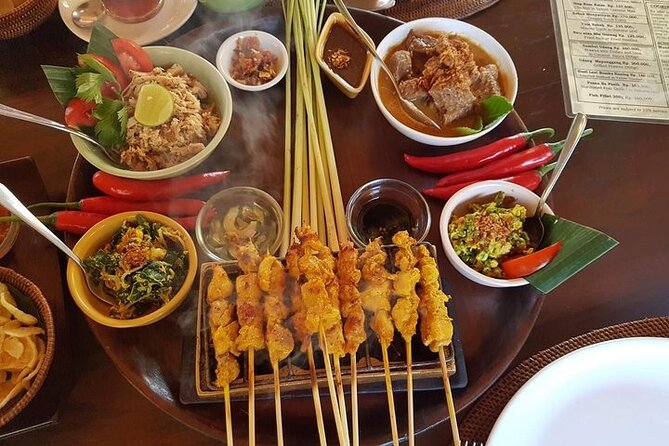
- Sauces + core staples like Sauce Kacang and Bumbu Bali used across multiple dishes
- Small-group vibe (maximum 24) with enough staff support to keep things moving
Hands-On Ubud Cooking Class: What You Actually Make
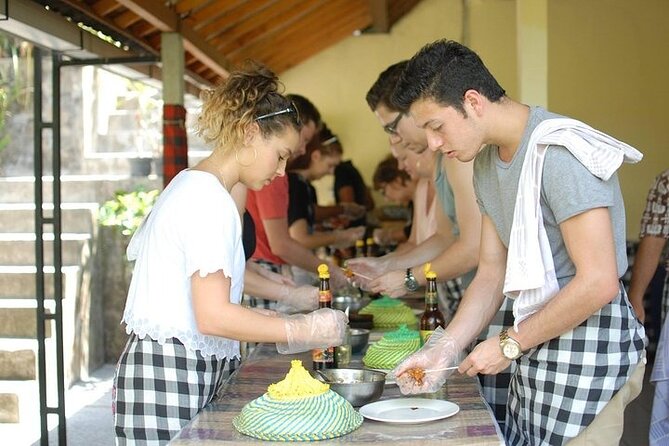
This is a cooking class where your hands do the work, not your eyes. You’ll be given a personal cooking station plus the utensils to use, and then you’ll prepare and cook the food yourself from start to finish.
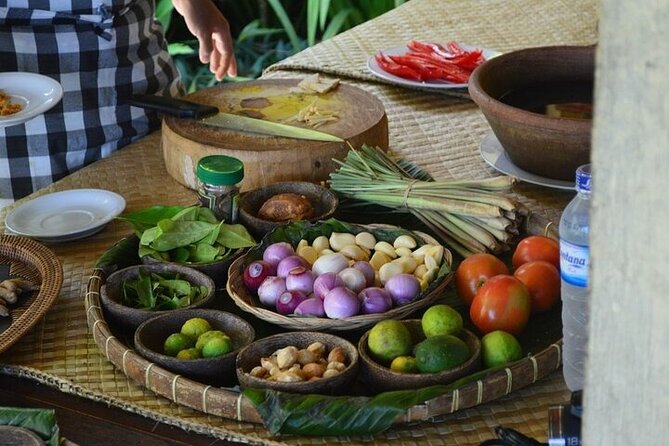
The structure is practical. You learn a base (like Bumbu Bali spice paste or Sauce Kacang peanut sauce), then you use those flavors again in multiple dishes so it feels less like memorizing recipes and more like building a meal.
If you’re thinking, I want to bring something home beyond photos, this is the kind of class that helps. Once you’ve made the peanut sauce and used banana-leaf cooking techniques, you’ll have real skills you can repeat.
You can also read our reviews of more tours and experiences in Ubud.



Market Morning at Ubud Traditional Art Market
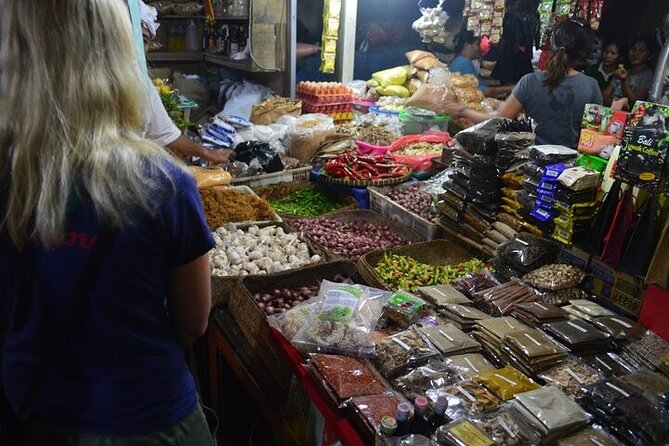
For morning trips only, you start with a short tour of the Ubud Traditional Art Market. It’s not an all-day shopping expedition. It’s a focused walk designed to set the stage for the food you’ll cook.
You’ll also have the chance to see the kinds of ingredients used in local cooking, which makes the class feel more grounded when you reach the kitchen. If you’re a sauce person, this stop helps because Balinese cooking often starts with spice mixes and fresh aromatics.
One practical note: the tour includes the market admission, but personal spending isn’t included. So if you want snacks, fruit, or spices to bring home, budget a little extra.
Ketuts Bali Cooking Class: How the Lesson Flows
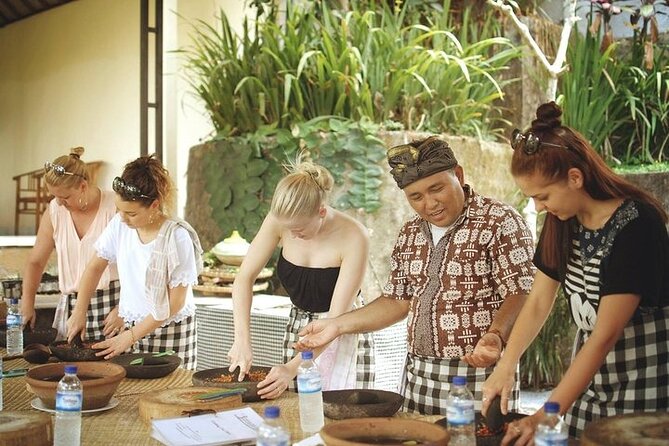
Once you’re at Ketuts Bali Cooking Class, the day becomes a clear sequence: learn a step, cook it yourself, then move on. The instruction is in English, and the chef explains in a way that’s meant to be followed while you’re working—not after you’re done.
The class is built for participation. You’re not just watching someone else cook. You’ll prep, cook, and then you’ll eat what you made for lunch or dinner.
In the best sessions, the chef’s delivery can be light and funny, which matters more than you’d think. When you’re hungry and learning at the same time, a good teacher keeps it easy to concentrate.
The Dish Lineup: Vegetarian and Non-Vegetarian Menus
You choose either the vegetarian menu or the non-vegetarian menu, and in both cases you’ll cook a total of 7 dishes. The “7 dishes” count includes the sauces and key items, not just plate food.
Here’s what’s on the menu for each option, so you can picture what you’ll be making:
Vegetarian menu (7 items)
- Sauce Kacang (peanut sauce)
- Bumbu Bali (Balinese spice paste)
- Kare Sayur (vegetable curry)
- Tempe, tofu and vegetable Sate with peanut sauce
- Pepes Mushroom (grilled mushroom in banana leaf)
- Mie Goreng (fried noodles)
- Kolak Pisang (braised banana saba in palm sugar gravy)






Non-vegetarian menu (7 items)
- Sauce Kacang (peanut sauce)
- Bumbu Bali (Balinese spice paste)
- Ayam Bumbu Bali (Balinese fried chicken)
- Sate Ayam with peanut sauce
- Pepes Ikan (grilled fish in banana leaf)
- Mie Goreng (fried noodles)
- Kolak Pisang (braised banana saba in palm sugar gravy)
What I like about this lineup is that it mixes techniques. You’re not locked into just frying. You’ll work with curry-style flavors, noodle cooking, satay with peanut sauce, and banana-leaf grilling for the Pepes dishes.
The dessert is also part of the payoff. Kolak Pisang is sweet, comforting, and uses palm sugar flavors that fit the rest of the meal.
Taste the Meal You Cook: Lunch or Dinner Included
You’re not left holding an empty plate while watching others eat. After cooking, you’ll have the chance to taste what you prepared—lunch or dinner, depending on your session.
This makes the class feel complete. If a dish tastes too salty or not enough spicy, you learn by doing, and you leave with a memory of what it’s supposed to taste like.
You’ll also get a welcome drink and mineral water. Beverages beyond that aren’t included, so if you know you’ll want extra drinks, plan for that.
Pickup, Timing, and the “Where Do I Meet?” Part
Timing is simple on paper, but the meeting point matters in real life. Morning departures include return transfer for hotels in Ubud center only, using a sharing car. If your hotel is outside that area, pickup for the cooking class area can cost extra.
For the afternoon class, you meet at 2:30pm at the front of Lapangan Desa Ubud as the pickup point for the return. That’s a key detail. Show up with enough buffer time so you don’t start stressed.
The full experience runs about 4 hours. You’ll use that time to cook, eat, and get taught step by step. Also, there’s a cap of 24 travelers, which generally helps keep the kitchen from feeling chaotic.
One more practical touch: you’ll have a mobile ticket. That usually makes check-in easier once you’re in the area.
Price and Value: Is $35.79 a Good Deal in Ubud?
At $35.79 per person, the value is strong because you’re getting several things bundled together:
- Hotel transfer in Ubud center for the morning option (sharing car)
- Market tour for morning trips (including admission)
- English-speaking chef instruction
- Your own cooking station and utensils
- Cooking ingredients
- 7 dishes cooked by you
- Lunch or dinner (what you cook)
- Welcome drink and mineral water
The main things not included are personal market spending, additional beverages, and insurance. There’s also the note that pickup from areas outside Ubud center for the cooking class can cost extra.
So think of the price as paying for time plus everything needed to cook—not just a demonstration. If you want a hands-on Bali food experience that also gives you a meal, this is the kind of deal that makes sense.
Small-Group Support: Why the Instructions Matter
A lot of cooking classes fail because participants get stuck. You’re chopping while other people move on, and suddenly you’re lost.
Here, the class is designed around step-by-step guidance and enough help around you while you cook. That matters for beginners and for people who don’t cook much at home.
I also like that the structure gives you repeating flavor foundations. Once you understand Bumbu Bali spice paste and Sauce Kacang peanut sauce, you’ll see those flavors show up again and again across the meal. That makes it easier to remember what to do later.
If you happen to get the chef named Made and his team, expect clear teaching and a playful approach that can keep the class fun without turning it into chaos.
Who This Cooking Class Fits Best
This is ideal if you want:
- A hands-on cooking experience with real participation
- A meal that includes both savory dishes and a dessert
- Clear English instruction in a guided setting
- A mix of techniques (curry, noodles, satay, banana-leaf grilling)
It’s also a good fit for solo travelers and couples, because the group limit keeps attention from getting swallowed.
If you’re the type who hates kitchens, standing on your feet, or you want a pure food-walk with no cooking, then you might find the hands-on part less appealing. But if you’re even slightly curious about learning sauces and Balinese methods, you’ll likely enjoy this.
Quick Practical Tips Before You Go
A few simple things will make the experience smoother.
- Wear comfortable clothes and shoes you can move in. You’ll be active for the cooking portion.
- Bring a light plan for sun and heat, especially if you’re doing the morning market stop.
- If you have dietary concerns beyond vegetarian vs non-vegetarian, tell the organizer ahead of time so you’re not guessing at the last minute.
- Plan for extra spending if you want to buy items at the market. Admission is included, personal purchases are not.
Also remember the class depends on good weather. If conditions are poor, you should expect them to offer another date or a full refund.
Should You Book This Ubud Cooking Class with a Balinese Chef?
I’d book it if you want a real Ubud food lesson you can repeat at home. The combination of market context, English coaching, and a menu that includes sauces, grilling in banana leaf, noodles, curry, satay, and dessert is a smart mix for the price.
Skip it only if you specifically want a passive activity (more watching than cooking) or if you need hotel pickup outside the included Ubud center area and don’t want to pay the extra transport cost.
If you’re trying to choose between a random tasting tour and a cooking class, this one leans toward skill-building. You’ll leave with the confidence that you can make the meal again, not just the memory of eating it.
FAQ
How long is the Ubud cooking class?
The experience runs about 4 hours (approximately).
Is pickup included?
Pickup is offered. For the morning class, return hotel transfer is included for hotels in Ubud center only (sharing car). For other areas, pickup for the cooking class area costs extra up to IDR 600K/car.
Where do we meet for the afternoon class?
The afternoon class meets at 2:30pm in front of Lapangan Desa Ubud as the pickup point for the return.
Is the class taught in English?
Yes. The cooking is conducted in English with a Balinese chef.
What menus are available: vegetarian or non-vegetarian?
You can choose either vegetarian or non-vegetarian. The class includes 7 items cooked for either menu, including a shared dessert: Kolak Pisang.
Does the price include the market visit?
Yes, for morning trips only. The Traditional Art Market tour is included and admission is included.
What dishes will I cook?
You’ll cook 7 dishes, including key components like Sauce Kacang (peanut sauce) and Bumbu Bali (Balinese spice paste). The rest of the dishes differ between the vegetarian and non-vegetarian menus, plus Kolak Pisang for dessert.
What’s the group size limit?
The class has a maximum of 24 travelers.
What happens if weather is bad?
This experience requires good weather. If it’s canceled due to poor weather, you’ll be offered a different date or a full refund.
Can I get a refund if I cancel?
This experience is non-refundable and cannot be changed for any reason. If you cancel or request an amendment, the amount you paid will not be refunded.