REVIEW · BALI
Ubud: Spectacular Waterfalls Tour
Book on GetYourGuide →Operated by Hire Bali Driver · Bookable on GetYourGuide
Five Bali stops in one smooth waterfall day. This tour is interesting because it strings together dramatic waterfalls with a temple stop and rice-terrace time, all with hotel pickup so you’re not wrestling routes. I especially like the chance to swim at Tibumana in mountain-fresh water, and the way the day mixes photo walks with quieter, slower moments at Gunung Kawi Sebatu. One thing to plan for: there are stairs and uneven jungle paths, and the day can stretch beyond 8 hours if traffic and weather slow things down.
Another reason I think this works: the transport and guiding tend to feel calm, not chaotic. You’ll get English/Indonesian/Malay support, bottled water, and a guide who can help with pacing and photo angles, with names like Kantun and Sakha popping up in the feedback for being friendly, organized, and helpful. If you’re expecting a totally stroller-friendly, no-walking day, this isn’t that type of itinerary.
In This Review
- Key Highlights You’ll Actually Care About
- Why This Ubud Waterfall Route Works So Well
- Pickup, Timing, and How the 8 Hours Can Stretch
- Tukad Cepung: Walking Through the Cliffs for a Hidden View
- Tibumana Waterfall: Swim in Mountain-Fresh Water
- Kanto Lampo Waterfall: The Stepped Rock Photo Moment
- Gunung Kawi Sebatu Temple: A Quiet Sacred Break
- Tegalalang Rice Terrace: Subak Views, Not Just Pretty Fields
- Price and Value: What $27 Really Buys
- Rain, Stairs, and Staying Comfortable All Day
- Who This Tour Fits Best (and Who Should Skip)
- Should You Book This Ubud Waterfall Tour?
- FAQ
- What’s included in the tour price?
- Where does the pickup happen?
- How long is the tour?
- Can I swim during the tour?
- Are there stairs at the waterfalls?
- What should I bring?
- What happens if it rains?
- How do entrance ticket payments work?
Key Highlights You’ll Actually Care About
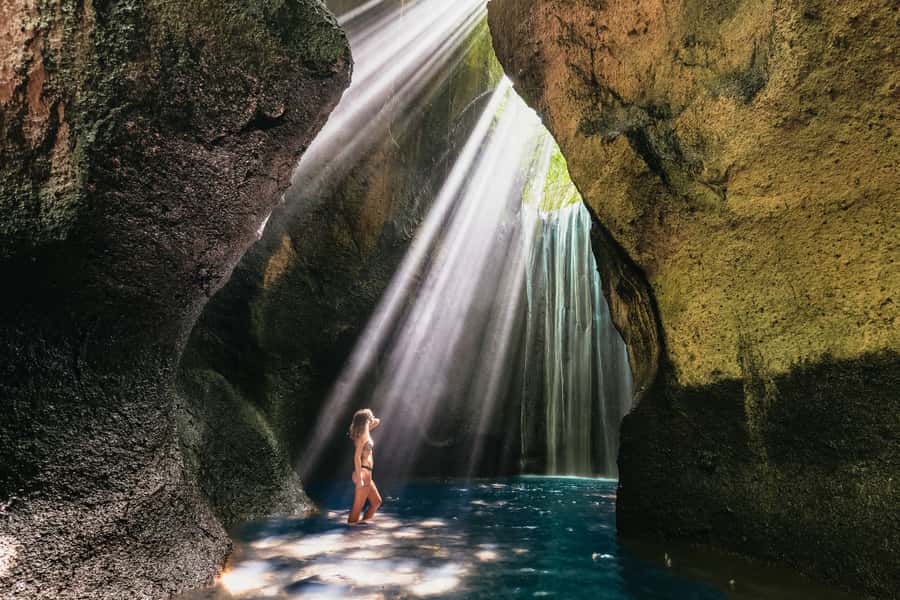
- Tibumana swim stop with change-of-clothes potential built into the day
- Tukad Cepung canyon walk for a waterfall viewpoint you won’t get from a roadside
- Kanto Lampo photo session focused on rock steps and cascading streams
- Gunung Kawi Sebatu Temple for a quieter sacred break between the waterfalls
- Tegalalang rice terrace time to see the subak irrigation layout from the valley viewpoints
- High-rated transport with a large majority of guests scoring it perfectly, which matters on a jammed island road day
Why This Ubud Waterfall Route Works So Well
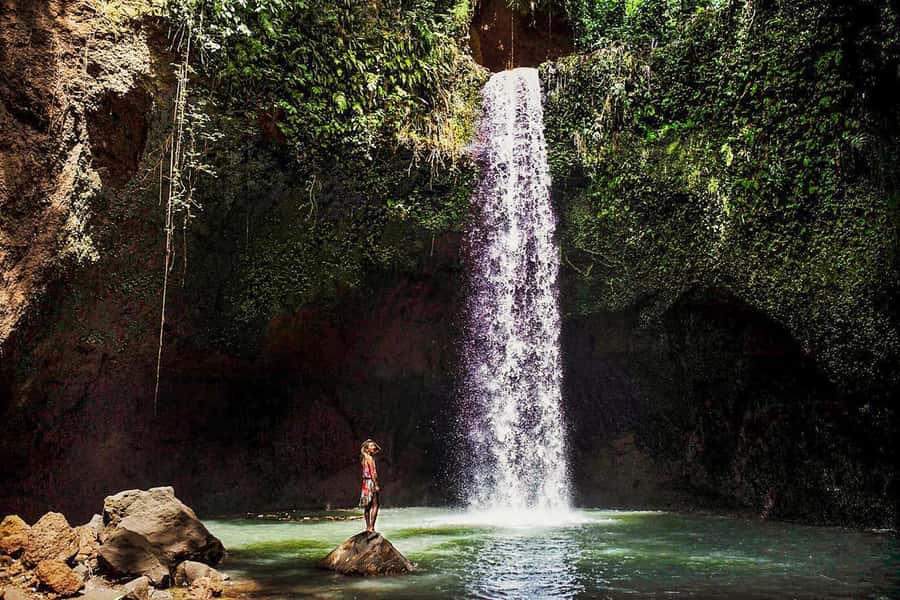
This itinerary is built like a good day in Bali: you start with a quick getting-to-know-the-area drive, then you move through waterfalls in a way that feels varied. Tibumana gives you water you can actually get into, Tukad Cepung gives you a more enclosed “walk-in” viewpoint, and Kanto Lampo is all about that iconic stepped rock cascade look.
What I like most for your planning is that you’re not just hopping between random stops. You’re getting three different waterfall experiences, then switching gears to culture at Gunung Kawi Sebatu and ending with a classic Tegalalang rice terrace scene that connects the water theme back to Bali’s living irrigation system.
The big tradeoff is physical. This day includes stairs to reach waterfall viewpoints, plus jungle paths and wet footing at times. If your knees are cranky, your best friend here is good footwear and taking the steps slowly.
You can also read our reviews of more tours and experiences in Bali.



Pickup, Timing, and How the 8 Hours Can Stretch
The tour is listed at about 8 hours, but in real life you should mentally allow extra time. Traffic in Bali is not predictable, and pacing between stops (how long you spend swimming, photos, and walking) can shift the schedule.
Pickup is one of the easiest parts. You can be collected from many areas around the south and coastal zones, including Ubud, Sanur, Kuta, Seminyak, Canggu, Denpasar, Jimbaran, Uluwatu, and Nusa Dua. There’s also a pickup flexibility around Ubud/Kuta/Bali options, so you’re usually not forced to meet far away.
A practical note: some groups choose early departures because they want calmer waterfall moments and fewer crowds. If your schedule allows a morning start, you’ll likely get more comfortable photo time and less waiting around.
Also worth knowing: the tour keeps going in rain, with adjustments if conditions change. That’s not a promise that every waterfall will be perfect weather-wise, but it does mean your day usually doesn’t vanish just because clouds roll in.
Tukad Cepung: Walking Through the Cliffs for a Hidden View
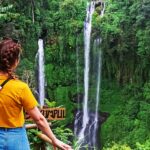
Tukad Cepung Waterfall is the kind of stop that makes a waterfall day feel different. Instead of a simple viewpoint from the road, you walk through a jungle path and then take stairs down to see the cascade from a more dramatic angle.
This is a big value moment for you if you care about photos that look like you made an effort. The setting has that “you went somewhere” feel, because you’re moving through the landscape to reach the water view. You’ll also spend time walking and sightseeing here, about an hour.
The drawback is straightforward: expect uneven, sometimes slippery footing, and plan for stairs. If you’re traveling with kids, the tour is considered OK as long as they can handle the walking and stairs.
If it’s been raining, go slower than you think. A calm pace keeps the walk enjoyable and reduces the stress of rushing in wet jungle conditions.
Tibumana Waterfall: Swim in Mountain-Fresh Water
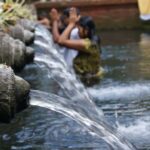
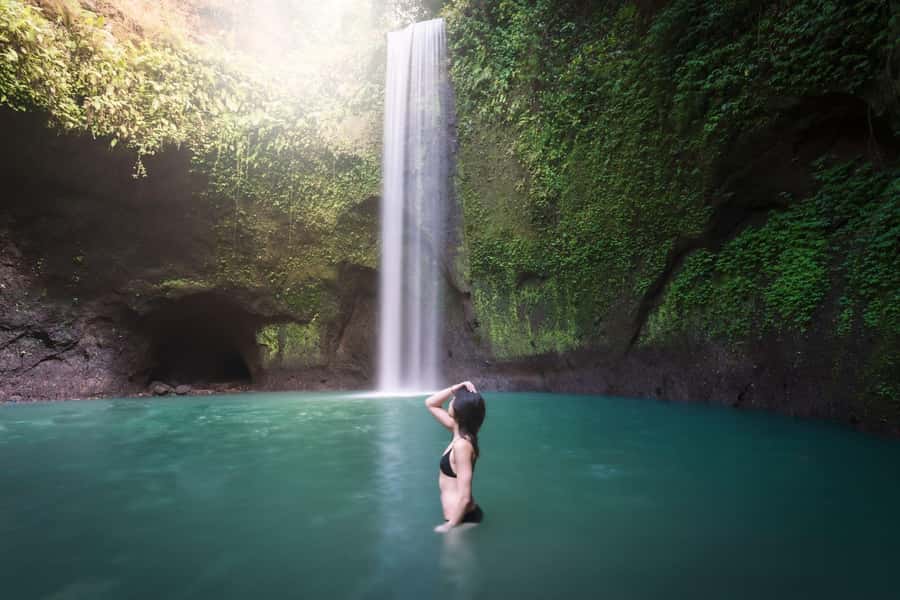
Tibumana is the star for water lovers. This stop includes swimming and takes about an hour for sightseeing plus a swim window. The appeal is simple: mountain-fresh water feels cooler and cleaner than many “dip once” tourist spots, and the jungle setting around it makes the swim feel like a real break, not just a checkmark.
You’ll also do more of the gentle nature side here, with scenic paths and a wooden bridge included as you move around the area. That matters because it gives you something to do even if you’re not ready to swim the whole time.
What to bring becomes more than advice here. You’ll want swimwear, a towel, sandals or water-friendly footwear, sunscreen, insect repellent, and a change of clothes. Wet shoes are often an issue on rainy days, so having a plan for how you’ll deal with wet feet is smart.
If you’re not planning to swim, you can still enjoy the walk and views, but the tour is clearly designed with that water time in mind. It’s one of the reasons this day tour feels better value than a “look-only” waterfall circuit.
Kanto Lampo Waterfall: The Stepped Rock Photo Moment

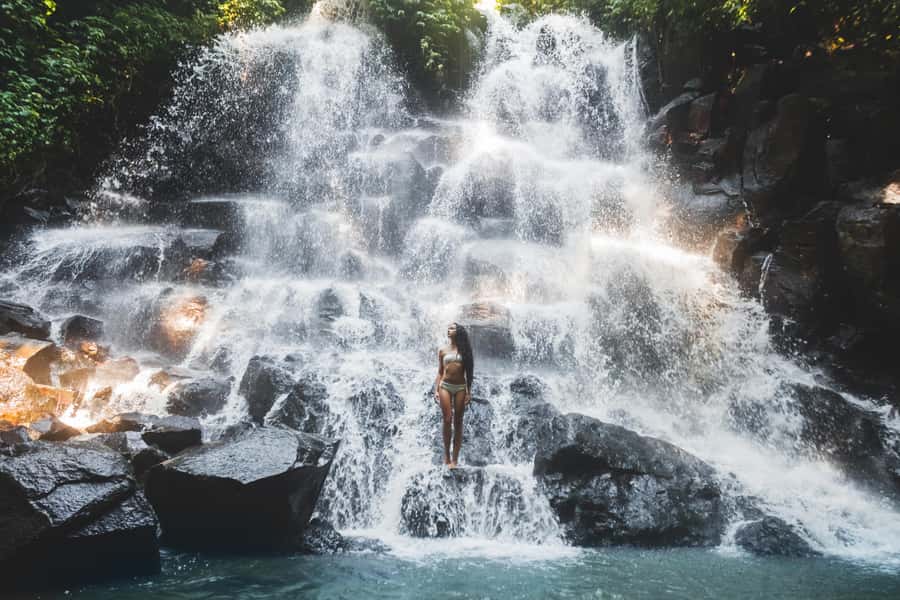
Kanto Lampo Waterfall is the stop most people recognize. You’re going there for the look: cascades flowing gently down natural rock steps, creating that layered waterfall appearance that photographs well.
This portion is about an hour, and it’s focused on visiting and guided touring. The practical advantage here is that Kanto Lampo tends to be more “experience the view” than “climb to a specific hidden angle,” which can be a nice break after the more walk-and-stairs style of Tukad Cepung.
Bring your phone habits and camera habits into sync with the conditions. If it’s wet, the area can be slippery around the edges, so keep your footing first and your framing second.
Also, if you’re a solo traveler, this is often a pleasant stop because there’s plenty to shoot from multiple angles, and your guide can help you time photos when people are moving in and out.






Gunung Kawi Sebatu Temple: A Quiet Sacred Break
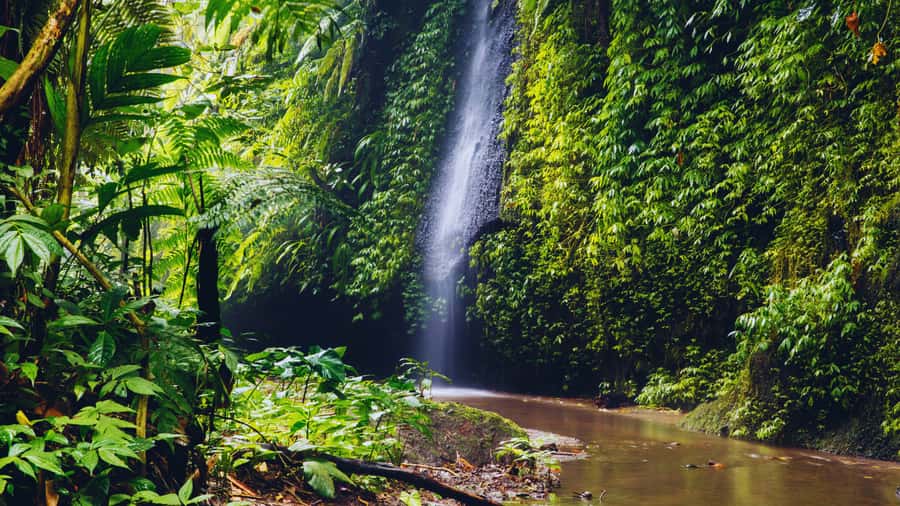
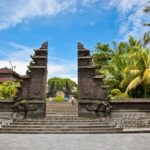
After all that water and walking, Gunung Kawi Sebatu is where your brain gets a rest. This temple is described as tranquil and less visited compared to some better-known Bali sacred sites.
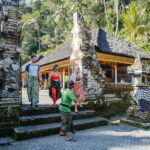
You’ll get about an hour here for guided touring and sightseeing. This stop is valuable because it adds meaning to the day. Instead of only chasing waterfalls as visual moments, you get a chance to understand how sacred spaces and water culture sit side by side in Bali.
For me, the best part of a temple stop inside a waterfall day is timing. You’re not rushing through it, so you can actually notice details and let the noise of the day fade.
A simple consideration: keep respectful behavior with your clothing and attention. The tour is guided, but you still want to be ready for what the temple environment asks of visitors.
Tegalalang Rice Terrace: Subak Views, Not Just Pretty Fields
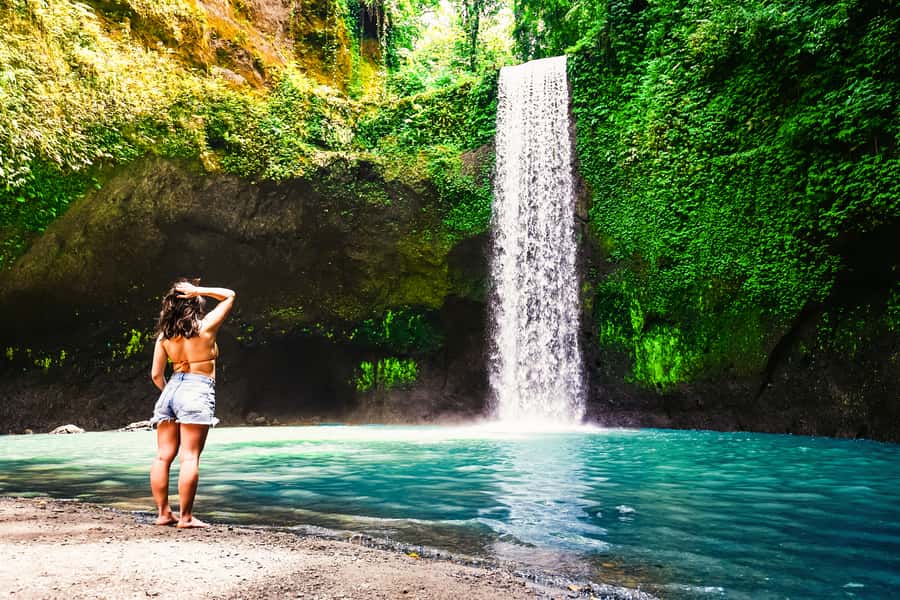
The end of the day is Tegalalang Rice Terrace, famous for sweeping emerald-green paddies and dramatic terraces. You’re not just viewing scenery—you’re seeing a system. The rice terraces highlight the traditional subak irrigation system, which ties back to the water theme of the whole day.
You’ll have about an hour with guided tour and sightseeing. This time works well for photos and for slow wandering along narrow paths between the fields. If you want a break from heat after waterfalls, you can also enjoy coffee at viewpoints overlooking the valley.
I like this stop for a specific reason: it gives your day balance. Waterfalls are loud, wet, and active. Rice terraces are more about patience and looking—standing still long enough to notice how the irrigation shapes the land.
If you’re sensitive to sun, plan shade breaks. The end-of-day timing can mean brighter light after an earlier wet experience.
Price and Value: What $27 Really Buys

At $27 per person for an 8-hour guided day, this is a good value if you add up the practical items you’d otherwise pay for or organize. You get hotel pickup and drop-off, bottled water, a guided tour, and parking fees. Entrance tickets are included only if you choose the option that includes tickets; lunch is included only if you pick the option that includes both ticket and lunch.
So the real question isn’t whether it’s cheap. It’s whether it saves you hassle. For many people, it does—especially if you don’t want to plan routing across Ubud’s area or you’d rather spend energy enjoying the stops instead of driving.
What’s not included is also clear. Alcoholic drinks are not included, so if you like beer or cocktails on tours, you’ll need to plan separately.
Also, if you choose an option without tickets, you can buy tickets at your destinations. The important detail is payment method: entrance ticket purchases are mostly in IDR cash, and credit card acceptance is rare.
Rain, Stairs, and Staying Comfortable All Day
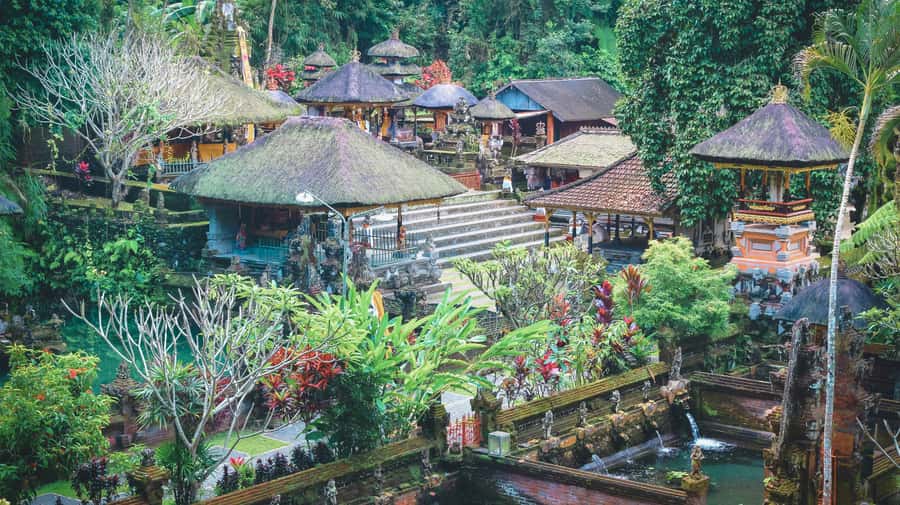
This tour is designed with the reality of Bali weather in mind. You’re told to expect that the tour continues if it rains, and that umbrellas or ponchos may be provided. That matters because waterfall areas often get slick fast, and you don’t want to be stuck without rain gear.
Plan for stairs. Some parts of the route require walking down to reach waterfall areas, including stairs to get to waterfall viewpoints at stops like Tukad Cepung. Even at places that don’t feel steep in photos, wet steps can change everything.
Here’s how you protect the day:
- Wear footwear you trust on wet paths
- Bring a towel and dry layer in your bag
- Keep your pace slow on stairs and muddy patches
- Use insect repellent if you’re prone to bites in tropical environments
Guides also tend to adjust the plan based on what’s open and the day’s conditions. If a waterfall becomes difficult due to weather, expect the day to shift rather than shut down.
Who This Tour Fits Best (and Who Should Skip)
This is a great match if you want a guided waterfall day without the stress of arranging transport, paying multiple small fees yourself, and timing your own entry points. It’s also a strong fit if you want both nature and culture in one shot—waterfalls plus Gunung Kawi Sebatu plus Tegalalang rice terraces.
I’d consider another option if you need a low-walking itinerary. Between stairs, jungle paths, and wet conditions, this isn’t the easiest day for mobility limitations. Also, if you’re traveling with kids, it’s workable, but only if they can handle the walking and stairs.
If you’re the type who likes calm mornings, consider starting early. The day’s flow tends to be easier when you arrive before peak crowds at each stop.
Should You Book This Ubud Waterfall Tour?
I’d book it if your goal is a well-paced day that mixes three waterfall styles with one temple stop and one rice-terrace finish. The value is strongest when you want pickup and a guide to handle timing and photo angles, and when you’re okay doing some stairs and walking.
Skip or rethink it if you’re fragile-footed on stairs, hate wet terrain, or you only want “view from a platform” sightseeing. In that case, you’d probably be happier with a less active nature tour.
If you’re on the fence, check the option you choose for tickets and lunch. The right package can turn this into a truly smooth day with minimal spending surprises, and it’s easier to enjoy waterfalls when you’re not juggling cash for multiple entry fees.
FAQ
What’s included in the tour price?
Hotel pickup and drop-off, bottled water, a guided tour, and parking fee are included. Entrance tickets and lunch are included only if you choose the option that includes tickets (and lunch, if that option is selected).
Where does the pickup happen?
Pickup is included from many areas, including Ubud, Sanur, Kuta, Seminyak, Canggu, Denpasar, Jimbaran, Uluwatu, and Nusa Dua.
How long is the tour?
The duration is about 8 hours, but it can run longer depending on traffic and tour speed.
Can I swim during the tour?
Yes. Tibumana Waterfall includes sightseeing and swimming.
Are there stairs at the waterfalls?
Yes. There are some stairs to reach waterfall areas, including stairs at Tukad Cepung.
What should I bring?
Bring swimwear, a change of clothes, a towel, sandals, sunscreen, insect repellent, and cash.
What happens if it rains?
The tour keeps going if it rains, and adjustments may be made depending on conditions. Umbrellas or ponchos are provided during rain.
How do entrance ticket payments work?
If you buy tickets at the destination, payment is mostly in IDR cash, and credit cards are very rarely accepted for ticket purchases.