REVIEW · TOKYO
Tokyo Castle & Imperial PalaceーShogun Walking Tour
Book on GetYourGuide →Operated by Local Guide Stars · Bookable on GetYourGuide
Edo Castle didn’t disappear, it changed uniforms. What makes this tour fun is how you connect samurai era defenses to today’s Imperial Palace grounds, stop by major gates and watchtowers, and end with garden moments that feel calm in the middle of Tokyo. I also like that the group stays small (up to 10), which means you can ask questions and get pointed out details you’d normally walk past. One thing to plan for: the Imperial Palace security check can slow you down a bit, and a lot of the walking is outdoors.
You start at a very easy-to-find meeting point near Wadakura Fountain Park, then move through photo stops, guided explanations, and short stretches that keep the pace realistic for a 2-hour outing. This is English only, so if you need Japanese support, you’ll want a different option. Also, keep an eye on the weather, since you’ll be outside much of the time and you’ll want your camera ready.
In This Review
- Key things to know before you go
- Edo Castle to Imperial Palace: why this walk feels different
- Meeting at Starbucks Kōkyo Gaien Wadakura Fountain Park and the first stop
- Ote-Mon Gate: learning how Edo defenses worked in real space
- Tokyo Imperial Palace: security check, photo stops, and the 2,600-year thread
- Ninomaru Garden: koi fish, an Emperor-admired garden vibe, and seasonal clues
- Edo Castle ruins and Imperial Palace East Gardens: turning ruins into a map
- Price and logistics: is $23 really good value for this tour?
- Who this Shogun-era Imperial Palace walk is best for
- Should you book Tokyo Castle & Imperial Palace: Shogun Walking Tour?
- FAQ
- How long is the Tokyo Castle & Imperial Palace–Shogun Walking Tour?
- What is the group size?
- Is the tour offered in English?
- Where do I meet the guide?
- What’s included in the tour?
- Do I need to go through security at the Imperial Palace?
- Can I take photos during the tour?
- Is the tour mostly outdoors?
- Is wheelchair access available?
- What is the cancellation policy?
- Is there a reserve and pay later option?
Key things to know before you go
- Small group (up to 10): easier questions, less waiting around.
- Edo Castle mapped to the present: you’ll learn how the site functions and why it was so hard to breach.
- Imperial Palace East Gardens + grounds included: more than just a quick gate-and-go.
- Ninomaru Garden and koi moments: the tour ends with sights tied to the garden setting.
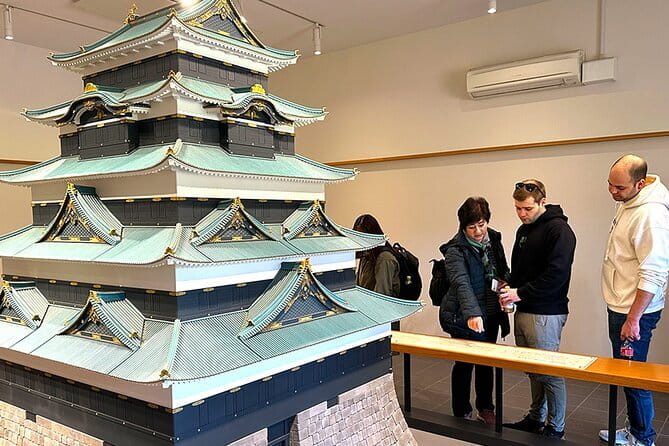
- A miniature structure stop: a helpful way to picture how the palace looked in the past.
- English-only guide: the tour is designed for English speakers.
Edo Castle to Imperial Palace: why this walk feels different
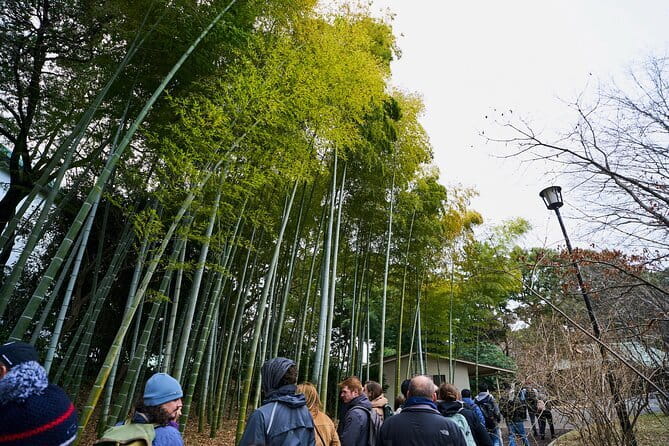
Tokyo’s Imperial Palace sits on top of what used to be Edo Castle, and that matters more than it sounds. Your guide helps you read the grounds like a map: where defenses lined up, why certain walls and gates mattered, and how the layout supported stability during the Edo period. When you understand the logic, you stop seeing the place as just beautiful greenery and start seeing it as a working power center.
The tour also ties together two timeframes that can be easy to mix up. You’ll hear about the samurai and shogun system that shaped Edo-era life, and then you’ll connect it to the long-running imperial tradition that continues today. It’s not a “history lecture” so much as a guided explanation that turns the grounds into a timeline you can walk through.
You can also read our reviews of more tours and experiences in Tokyo.


Meeting at Starbucks Kōkyo Gaien Wadakura Fountain Park and the first stop
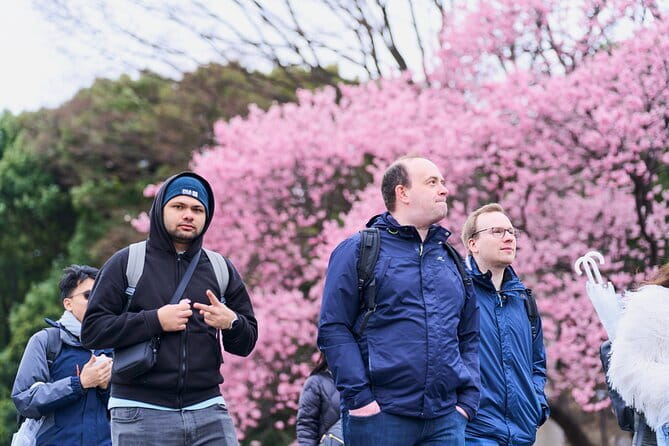
Your meeting point is simple: in front of Starbucks Coffee Kōkyo Gaien Wadakura Fountain Park Store, at 3-1 Kōkyo Gaien, Chiyoda City, Tokyo. The guide will be holding a sign that says Local Guide Stars, so you can spot them quickly and avoid that awkward airport-style searching.
From there, you’ll head to the first major photo-and-explanation moment at Sakurada Tatsumi Yagura. This is a short stop, but it sets the tone. Expect your guide to frame what you’re looking at in terms of function, not just appearance, so you’re already thinking in “Edo Castle defenses” by the time you reach the first gate.
Practical note: the first stretch is short, and the tour structure keeps moving, which is helpful if you don’t want a long preamble before the main sights.
Ote-Mon Gate: learning how Edo defenses worked in real space
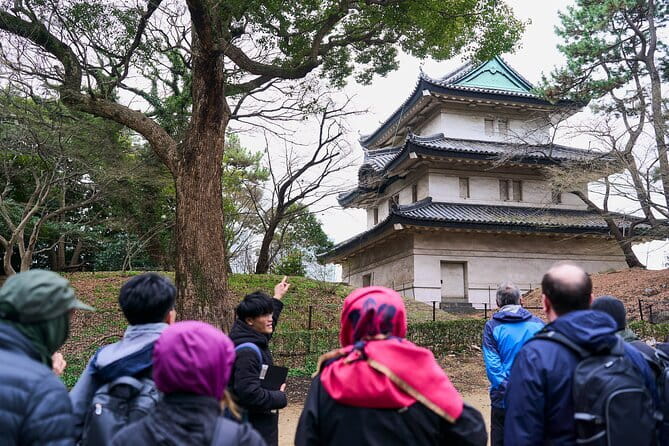
Next up is Ote-Mon Gate, a stop built for photos and for understanding. The value here is that you’re not just snapping pictures of a gate and moving on. Your guide will walk you through why Edo Castle was so massive and how layered defenses made it extremely difficult to attack.
That explanation helps you “see” the site in a new way. You start noticing how routes would have funneled movement, how guards would have controlled entry, and how attackers would have faced obstacles at every stage. Even if you’re not a hardcore history person, the logic clicks quickly because you’re watching the grounds while someone explains the system.
Timing tip: this stop includes a guided component, so don’t rush it. Let the guide point things out before you step into photo mode. Otherwise, you’ll miss some of the most useful context.
Tokyo Imperial Palace: security check, photo stops, and the 2,600-year thread
Once you’re at Tokyo Imperial Palace, there’s the key practical reality: you’ll go through a security check when entering. The tour information is clear on what not to bring, so plan ahead and leave knives and alcohol at your hotel. It’s one of those small rules that can trip people up if they pack without thinking.
Inside the tour flow, you’ll have time for a photo stop and guided tour focused on the palace grounds. The guide’s job is to connect “what’s here now” with “what used to be here,” so you can understand why the imperial system has endured for roughly 2,600 years. That long timeline can feel abstract, but on the ground it becomes easier to grasp because you’re linking tradition to place.
Here’s a detail that really helps: the tour includes a look at a miniature structure of the former palace. That kind of model makes the scale and layout easier to visualize, especially because you’re seeing a modern palace complex where many original structures aren’t directly visible.
Ninomaru Garden: koi fish, an Emperor-admired garden vibe, and seasonal clues
The tour then shifts into a calmer mode at Ninomaru Garden. This is where the experience adds sensory payoff. You’ll spend time on guided sight points that help you understand why gardens mattered in Edo-era and imperial contexts, and you’ll also get moments centered on koi fish and the kinds of trees used across Japan.
From the tour highlights, this garden is described as one that the Emperor admired, and your guide’s focus tends to fit that idea. In practice, it means you’ll be looking for symmetry, careful planting choices, and features meant for seasonal viewing rather than just taking quick snapshots of flowers.
I also like that this stop isn’t random “pretty garden time.” It’s guided, so you can connect what you see to the bigger story of power and taste: who designed spaces like this, why they were maintained, and how the environment supports the atmosphere of the palace.
If you’re traveling in cold or rainy weather, this is still a good stop because the tour pacing is built to keep you engaged without turning the whole experience into an endurance walk.




Edo Castle ruins and Imperial Palace East Gardens: turning ruins into a map
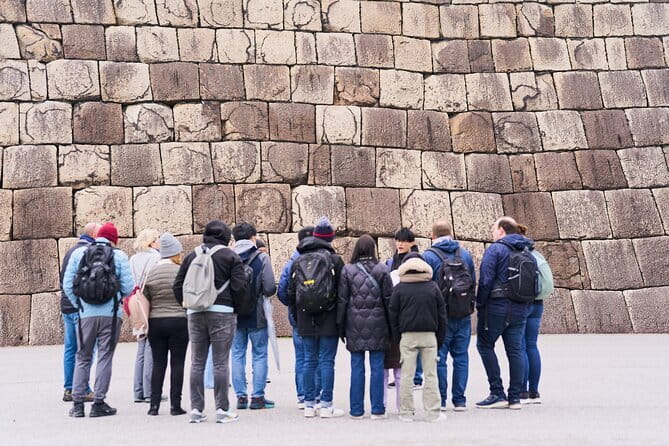
After the garden, the tour hits Edo Castle Ruins, followed by time in the Imperial Palace East Gardens. This portion is where the walking tour format really earns its keep. Ruins can look like “a few stone remnants” unless someone explains what they used to represent, and that’s exactly what your guide does.
Expect short, efficient guided moments where you connect the remnants to the larger defensive layout. Since Edo Castle was described as nearly impenetrable thanks to its defenses, the ruined areas make a lot more sense when you understand the layered approach. You stop guessing and start reading.
Then you finish in the Imperial Palace East Gardens, where photo opportunities often feel better than you expect. Your guide helps you look for features that make the grounds feel curated and intentional, and you’ll get a sense of how the site balances openness for visitors with historical structure.
The outdoor-and-photo rhythm continues here, so keep your camera accessible. Photography is encouraged, and the views can reward you if you pause rather than sprinting through.
Price and logistics: is $23 really good value for this tour?

At $23 per person for about 2 hours, this tour is positioned as strong value for a major Tokyo landmark with English guidance. The key is that your money doesn’t just buy entry to a site. You’re paying for interpretation: help understanding Edo Castle’s size and defenses, explanations that connect samurai and shogun roles to the imperial system, and guidance that points out details you’d likely miss on your own.
You also get included “extras” that make the tour feel like more than a basic walk. The tour includes the Imperial Palace grounds and eastern garden, plus a look at a miniature palace model, and mentions encounters with special koi and trees from across Japan. Those are small stops, but they add texture and memory.
One more practical value point: the group size is capped at 10 people, which keeps the experience from turning into a crowded museum line. If you’ve ever spent money on tours where you can’t hear the guide, this is the opposite.
The only real logistics drawback I’d flag is the outdoor time. Dress for weather, and be ready for the pace to be “walk-and-explain” rather than “sit-and-watch.”
Who this Shogun-era Imperial Palace walk is best for
I think this tour suits you if you like history, but especially if you like history tied to real place. You’ll enjoy it if you want a clearer picture of how the Edo period worked and how the samurai and shogun system influenced daily power.
It also works well if you’ve watched a lot of Edo-era stories and want the real geography behind them. The tour is designed to connect “story” to “stone,” so your mental picture becomes more accurate after you walk it.
If you prefer self-paced sightseeing with no security procedures, this might feel a bit structured for you. Also, because it’s English only, it’s best for English speakers who don’t need Japanese support.
For families and multi-generation groups, the short stop lengths help. For anyone using a wheelchair, the tour info says wheelchairs are available within the Imperial Palace grounds, but some slopes and areas mean you may still need to walk or go down on foot.
Should you book Tokyo Castle & Imperial Palace: Shogun Walking Tour?
I’d book it if you want a high-signal, low-drama guide-led walk through one of Tokyo’s most important historical sites. The mix of Edo Castle context, key photo points like Ote-Mon Gate and Sakurada Tatsumi Yagura, plus garden time with koi and seasonal trees makes the 2 hours feel like a full story arc rather than a checklist.
You might skip it if you can’t handle outdoor walking, you strongly dislike security checks, or you need a Japanese-language guide. If those aren’t an issue, this is one of those experiences that gives you something you can use immediately: a better mental map of Tokyo’s past power system, right where it still lives today.
FAQ
How long is the Tokyo Castle & Imperial Palace–Shogun Walking Tour?
The tour lasts about 2 hours.
What is the group size?
The group is limited to a small group of up to 10 participants.
Is the tour offered in English?
Yes. The tour is conducted in English only, with no Japanese language support.
Where do I meet the guide?
Meet in front of Starbucks Coffee Kōkyo Gaien Wadakura Fountain Park Store. The address is 3-1 Kōkyo Gaien, Chiyoda City, Tokyo, and the guide will be holding a sign that says Local Guide Stars.
What’s included in the tour?
Included are the Imperial Palace grounds and eastern garden, English guiding, insights into the history of the samurai and development of Tokyo, viewing of a miniature structure of the former palace, and encounters with special koi fish and diverse trees from across Japan.
Do I need to go through security at the Imperial Palace?
Yes. There is a security check when entering the Imperial Palace, and you should not bring knives or alcohol.
Can I take photos during the tour?
Yes. Photography is encouraged, so bring your camera.
Is the tour mostly outdoors?
A large portion of the tour takes place outdoors, so dress for the weather on the day.
Is wheelchair access available?
Wheelchairs are available and can be used within the Imperial Palace grounds, but there are some slopes and areas where you may need to walk or go down on foot.
What is the cancellation policy?
Free cancellation is available up to 24 hours in advance for a full refund.
Is there a reserve and pay later option?
Yes. You can reserve now and pay later to keep your plans flexible.