REVIEW · HANOI
Hanoi – Sapa 2 Days 1 Night Overnight At Homestay
Book on Viator →Operated by Sapa May Travel · Bookable on Viator
Sapa hits different when you stay in the villages, not just town. This two-day, small-group trek from Hanoi Old Quarter pairs guided walks through Muong Hoa Valley with an overnight in Ta Van Village, plus a homestay cooking class. The day format is packed, so the only real catch is that you need stamina for the hikes and you should expect the bus ride to eat most of a day.
I especially like that you start with the big transport win—VIP cabin bus transfers that pick you up in the Old Quarter—then the itinerary turns into real village life with stops like Lao Chai and Giang Ta Chai. You also get four included meals, which matters when you’re moving on foot. A possible drawback: the pace is sporty and the meal style can feel basic, so go in with the right expectations.
In This Review
- Key highlights at a glance
- From Hanoi to Sapa: what this trip really feels like
- Day 1: Sapa arrival, Muong Hoa Valley trek, and your homestay night
- Morning transfer and lunch in Sapa Town
- First hike: 5 km into Muong Hoa Valley
- Lao Chai village stop: time to slow down
- Ta Van Village check-in and cooking class
- Dinner and the overnight benefit
- Day 2: 8 km hike to Giang Ta Chai and Su Pan, then a reset in Sapa town
- Breakfast and early start
- Big morning trek: 8 km with village stops
- Su Pan lunch and a breather
- Sapa town time: your short free window
- Return to Hanoi late evening
- Why the Ta Van homestay experience is the heart of the trip
- Your local guide and what to expect from the group size
- Meals: included, but expect basic homestay style
- Transfers and timing: where the comfort comes from
- Price value: how $89 adds up for a two-day homestay trek
- Who should book this (and who should skip)
- The travel details that matter in real life
- Should you book this Sapa Hanoi to Ta Van 2 Days 1 Night tour?
Key highlights at a glance
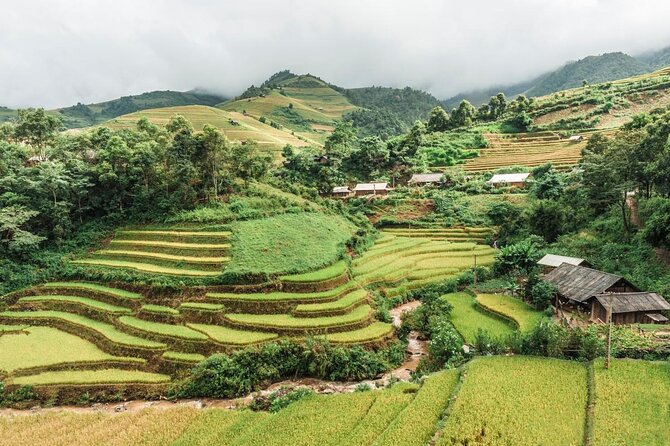
- Overnight in Ta Van Village with a private homestay room (not just a quick photo stop)
- Cooking class included while you’re based in the community
- Village-to-village hikes: Muong Hoa Valley, Lao Chai, Giang Ta Chai, Su Pan
- Small group size up to 12 for a more personal experience with your local guide
- Hassel-free transfers: pick-up from Hanoi Old Quarter hotels plus the return drop-off back to the Old Quarter
From Hanoi to Sapa: what this trip really feels like
This is the kind of Sapa trip where you trade the usual rush for a full cultural rhythm. You leave Hanoi early, land in Sapa around midday, hike through the valley slopes, and then sleep in a village homestay. The next morning continues on foot into nearby villages before you head back toward Sapa town and then back to Hanoi.
The best part is that you’re not only looking at minority culture from a distance. You’re walking among it, and then you’re staying overnight in Ta Van Village, which gives you the time to hear the evening pace and see daily life from inside the community.
You can also read our reviews of more tours and experiences in Hanoi.



Day 1: Sapa arrival, Muong Hoa Valley trek, and your homestay night
Morning transfer and lunch in Sapa Town
You’re picked up in the Hanoi Old Quarter window of about 06h15 to 06h30, then transferred to the main meeting point before boarding the big bus to Sapa. You reach Sapa town around 13h00 to 13h30, where a smaller vehicle takes you to your hotel base (Sapa Retreat Condotel).
Lunch comes next. This matters because it helps you avoid the classic Sapa problem: hiking on an empty tank right after a long ride.
First hike: 5 km into Muong Hoa Valley
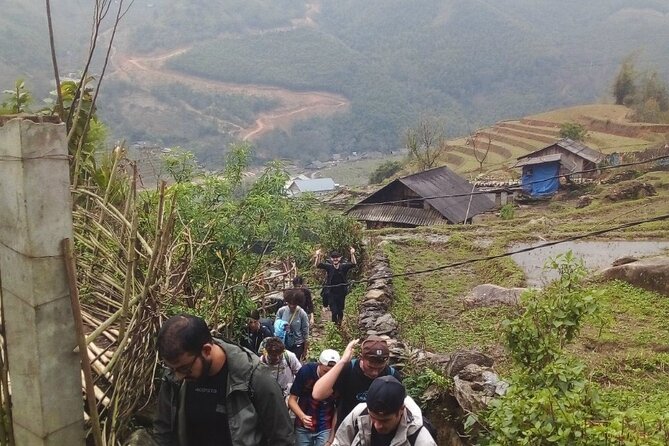
After lunch, you leave your big luggage at the hotel lounge and hike light with your guide. The first trek is about 5 km and runs roughly two hours, following routes along the slopes of Muong Hoa Valley toward Y Linh Ho.
This is a good stretch to set expectations. It’s active, but it isn’t a brutal slog right out of the gate. You’re moving through rural scenery and small settlements at a human pace—more walk-and-talk than marathon.
Lao Chai village stop: time to slow down
Around 16h00, you arrive at Lao Chai. The timing gives you a real chance to look at the village scene and get your bearings before continuing onward. Lao Chai sits about 8 km from the center of Sapa, which helps explain why the “Sapa experience” here feels more countryside than tourist-town.





Ta Van Village check-in and cooking class
By about 17h30, you reach Ta Van Village, where check-in happens at the homestay. The itinerary also points to landmarks nearby like Ancient Rock Beach and Cau May, which hints at why this village area is such a draw for views and walks.
The night highlight is the included cooking class. This is the part I think most people underestimate. A good homestay class can turn your evening from just sleeping and eating into something hands-on. Even if you’re not a cooking person, it’s a practical way to understand ingredients, everyday techniques, and what matters locally.
Dinner and the overnight benefit
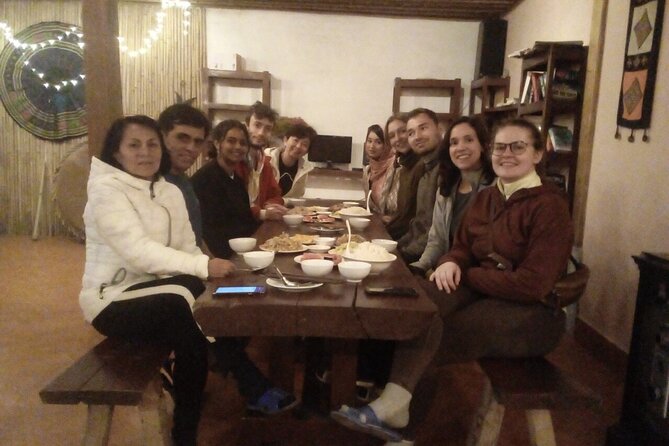
You also get dinner included on day 1. Based on how this tour is run, expect homestay-style simplicity rather than a restaurant spectacle. The trade-off is worth it: you’re going to bed where the day actually happens.
Day 2: 8 km hike to Giang Ta Chai and Su Pan, then a reset in Sapa town
Breakfast and early start
You’re up for breakfast at the homestay (included), then you check out. Your second-day hike starts at 09h00.
Big morning trek: 8 km with village stops
This hike is about 8 km and takes roughly five hours, heading to Giang Ta Chai Village and Su Pan. Expect a longer day here than day 1. You’ll be walking enough that weather and trail conditions can matter.
Because this is village-to-village, you’re not just staring at scenery—you’re seeing how places connect. Small paths, changing elevations, and the shift from one settlement rhythm to the next is where the value lives.
Su Pan lunch and a breather
Around 12h30, you arrive in Su Pan for lunch at a local restaurant and some rest. This is a welcome reset because it breaks the day into manageable chunks: hike, eat, then continue.
Sapa town time: your short free window
At 13h30, the bus returns to Sapa town. You get about 1.5 hours to explore on your own before heading back to prepare luggage.
This time is meant for quick browsing or a casual coffee—not for a deep second itinerary—so plan to keep it simple.
Return to Hanoi late evening
At about 15h15 you go back to the hotel area to prepare for the bus, then you board the ride toward Hanoi around 15h30 to 16h00. You arrive back in Hanoi Old Quarter around 22h00 to 22h30 and are dropped near the bus station. From there, you head back to your hotel on your own.
If you’re doing this back-to-back with other Hanoi plans, keep day-after downtime in mind. The long travel stretches are real.
Why the Ta Van homestay experience is the heart of the trip
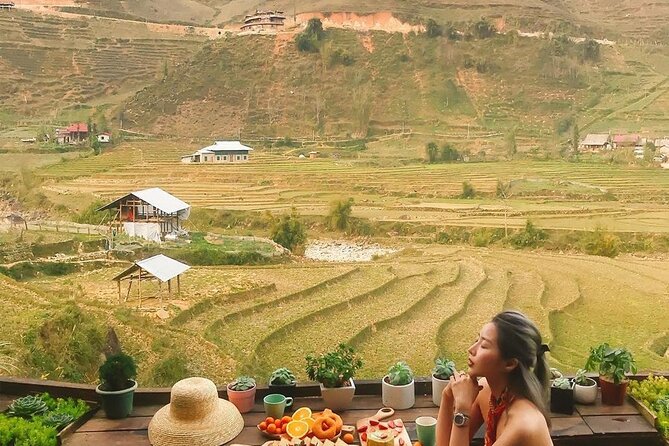
A lot of Sapa tours treat villages like a stop on a checklist. This one gives you what most day trips can’t: a night in Ta Van.
Staying overnight changes how you experience the community. You’re not only arriving during peak activity hours with a camera crew. You’re there when the pace slows down, when conversations and daily routines feel more human, and when you can see how people live beyond the main viewpoints.
And you don’t just sleep there—you also get a cooking class. That combination is what makes the whole thing feel more grounded.
In past departures, guides and hosts have included people with names like Mao (as a local guide) and Sue (as a homestay host). If you’re lucky enough to get someone like that, you’re likely to get storytelling that makes the place feel personal.
Your local guide and what to expect from the group size

The tour runs with a local English tour guide in Sapa, and the group size is capped at 12 travelers. That’s the sweet spot for most people: big enough to feel social, small enough that you’re not constantly waiting in a crowd.
With group hikes, timing matters. The itinerary is structured around specific arrival windows—Lao Chai at about 16h00 and Ta Van at 17h30—so your group needs to keep moving. If you pause to take photos, just do it strategically so you don’t fall behind the group pace.
Meals: included, but expect basic homestay style

You get four meals total: two lunches, one dinner, and one breakfast, plus the cooking class on day 1. The value here is obvious: you’re not hunting for food during active travel.
That said, meal quality can be simple. Some people have described lunch as straightforward, and at least one comment pointed to food being mediocre at best. If you’re picky or you’re used to restaurant-level meals, go into this with realistic expectations.
Tip that helps: treat meals as fuel and experience, not as a culinary vacation. When you’re in the village, the goal is connection and routine—not gourmet dining.
Transfers and timing: where the comfort comes from
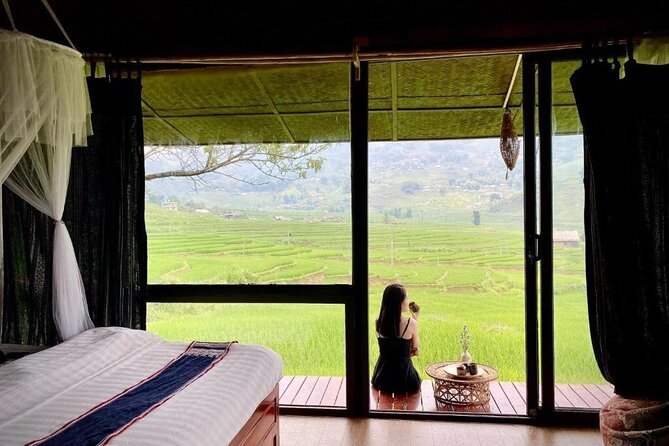
This tour includes 2-way VIP cabin bus transport between Hanoi and Sapa. You’re also picked up from any hotels in Hanoi Old Quarter, which saves you the awkward scramble of getting to a far meeting point.
Realistically, you should plan for about 6 hours each way by bus, with bathroom breaks along the route. One nice part is that you’re traveling with enough structure that you don’t have to manage it yourself.
One more practical note: big luggage gets handled at the hotel/lounge before hiking. That means your trek day won’t be weighed down by a giant bag you don’t need.
Price value: how $89 adds up for a two-day homestay trek
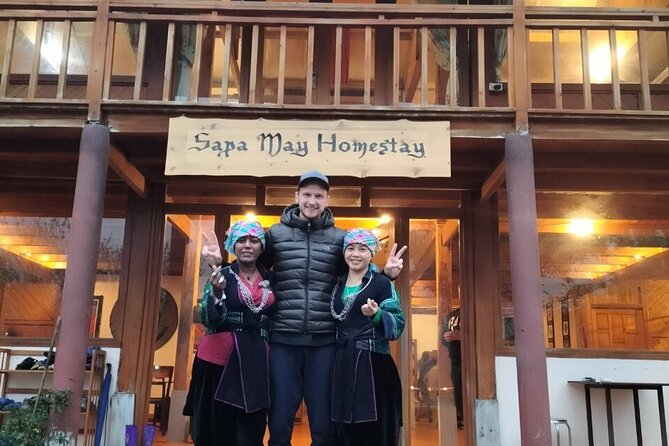
At $89 per person, this is a budget-friendly way to buy four things in one package: transport, guided hikes, meals, and the overnight homestay.
Here’s how the value makes sense:
- You’re paying for round-trip bus plus ground transfers (not just the hike).
- You’re getting a private room in Ta Van Village, plus cooking class.
- You’re not budgeting separately for meals across two days.
Could you do Sapa cheaper on your own? Sure. But you’d likely spend time coordinating transport, finding guides, and making sure your overnight stays and meal plans are solid. This tour bundles the work so you can focus on walking, talking, and seeing the villages up close.
Who should book this (and who should skip)
This is a strong fit if you want:
- Village immersion for real, including an overnight in Ta Van
- A guided trek with a small group (max 12)
- A schedule that’s active but organized, with meal stops built in
You might think twice if:
- You hate long travel days. The bus runs early to midday and returns late at night.
- You’re not comfortable with hiking distances like 5 km and 8 km.
- You’re expecting a food-and-sightseeing trip with lots of downtime.
Also: the tour expects strong physical fitness. If you’re unsure, be honest with yourself about whether those treks fit your comfort level.
The travel details that matter in real life
A few practical points that can save you stress:
- Mobile ticket is supported.
- Your pick-up is specifically Hanoi Old Quarter.
- Your tour includes local guide services in Sapa, but not a guide on the bus for both directions.
- Service animals are allowed.
- Confirmation is provided at booking time (so you’re not stuck waiting).
And yes, weather is part of the Sapa equation. Hikes can feel less fun when conditions aren’t ideal, so keep your mindset flexible and your shoes ready for uneven paths.
Should you book this Sapa Hanoi to Ta Van 2 Days 1 Night tour?
I’d book it if you want the Sapa experience that goes beyond viewpoints and into daily village life. The combination of Ta Van homestay, cooking class, and guided hikes with set meals makes it good value for the price, especially if you’re traveling with limited time.
I wouldn’t choose it if you’re looking for an easy-going, slow tour with lots of optional activities. This is a walking-forward itinerary with a long bus component, and the meals are included but may not satisfy everyone’s standards.
If you’re ready to move, stay overnight in a real village, and trade comfort for connection, then this one fits.