REVIEW · CHIANG MAI
Chiang Mai: Elephant Jungle Sanctuary with Lunch & Transfer
Book on GetYourGuide →Operated by Elephant Jungle Sanctuary Chiang Mai · Bookable on GetYourGuide
Elephants, mud, and a real conservation feel. This Chiang Mai tour pairs free-roaming elephant time with hands-on mud spa and river bathing, so you’re not just watching from a distance. You’ll also dress in traditional Karen clothing, then finish with a hearty lunch and snacks.
I like that the day is structured around how elephants actually live and move—feeding, interacting, and washing in a way that feels gentle and controlled. Another big plus is the “wait, we’re really getting wet” part: you get time in the water and mud, with showers and dry clothes afterward.
One heads-up: expect heat, rain, and muddy water, and plan your clothing and footwear accordingly. If you show up in sandals you hate, you’ll regret it.
In This Review
- Key highlights worth your time
- Elephant Jungle Sanctuary in Chiang Mai: what this day is really about
- Pickup, timing, and how long you’ll be out
- The sanctuary morning: Karen clothing, feeding, and respecting space
- A small-group feel you’ll appreciate
- Walking and learning around free-roaming elephants
- Mud spa with the elephants: what to expect and how to prepare
- Your best move: bring gear for real mud
- River bath and brushing: the wet part people remember
- What to wear so you can enjoy it
- Lunch, snacks, and fruit: the reset you need
- Guides and group vibe: what makes the day feel fun
- Value for money: what $61 includes that usually costs extra
- Who should book (and who should skip)
- Practical tips that will save your day
- Should you book Elephant Jungle Sanctuary with lunch and transfer?
Key highlights worth your time
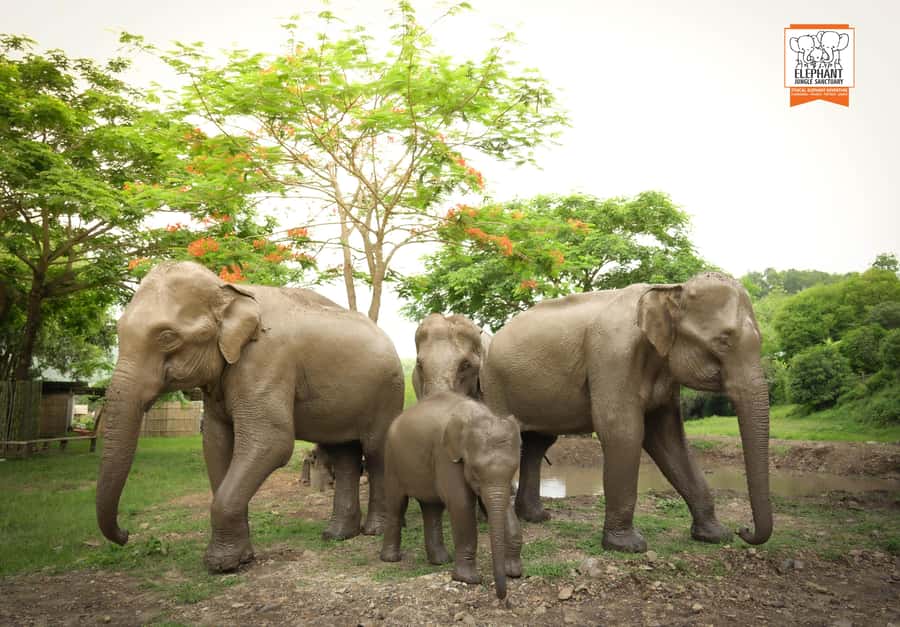
- Free-roaming elephant interactions with no riding and lots of time to watch and help
- Mud spa where you join the elephants in applying a mud treatment
- River bath for brushing, washing, and playful water time
- Karen clothing included, so you’re part of the cultural moment
- Smooth hotel transfer and a half-day pace (with a guide for safety and explanations)
- A full meal break with lunch plus snacks, fruit, and water
Elephant Jungle Sanctuary in Chiang Mai: what this day is really about
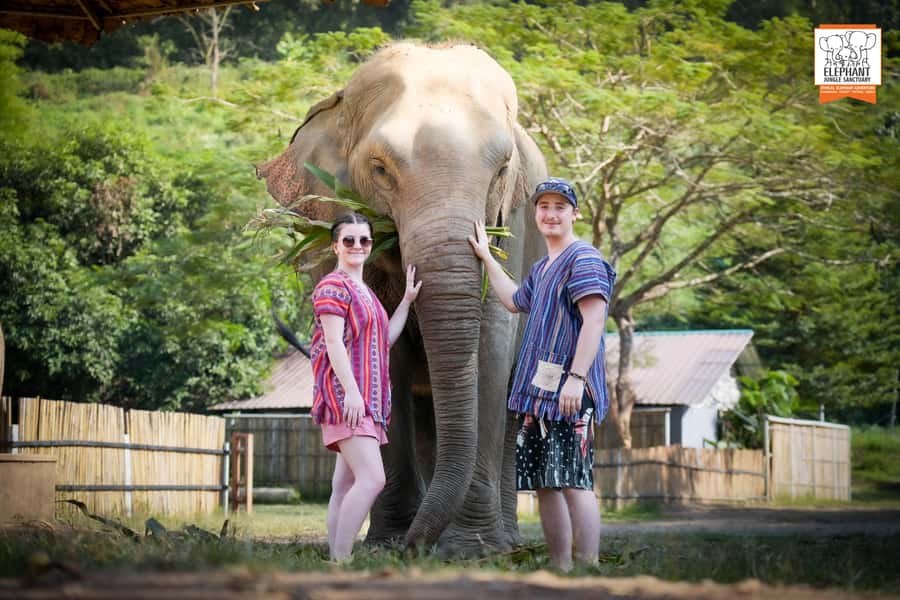
This isn’t a quick photo stop. The tour is built around relationship and routine—feeding, learning, and carefully interacting in a setting designed for elephants to roam. You also get a guide throughout, with safety briefings before the hands-on parts start.
The “ethical” angle here matters because the experience is set up so you don’t force elephants into tricks or labor. In practice, that means your role stays simple: feed, brush, wash, and follow the guide’s cues while elephants decide when to come closer.
You can also read our reviews of more tours and experiences in Chiang Mai.


Pickup, timing, and how long you’ll be out
You’ll be picked up from your accommodation in Chiang Mai, then ride out by van through agricultural areas, hills, and forest scenery. The drive time is listed at about 1.5 hours each way, so you’re trading a chunk of your day for a true change of pace.
Once you arrive, the schedule is paced with breaks:
- A short break period before activities
- A safety briefing
- About 3 hours of guided time in the sanctuary area
- A meal/snack break afterward
- Then back to Chiang Mai
The total duration is listed as 3–6 hours, but plan your day like it’s closer to a half-day outing that can feel longer once you factor in travel and the wet, muddy parts. If you’re the type who hates “being on a clock,” this format still feels relaxed because the elephant time isn’t rushed.
The sanctuary morning: Karen clothing, feeding, and respecting space
When you get to the sanctuary, you’ll meet your guide and get traditional Karen clothing to wear. It’s not just a costume moment—your guide uses it as part of the cultural context before the feeding and interaction begins.
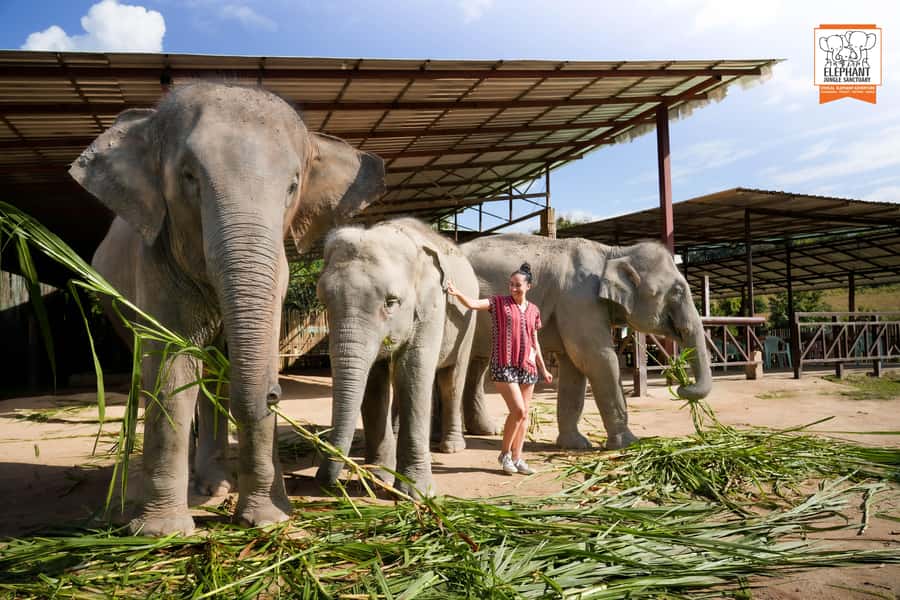
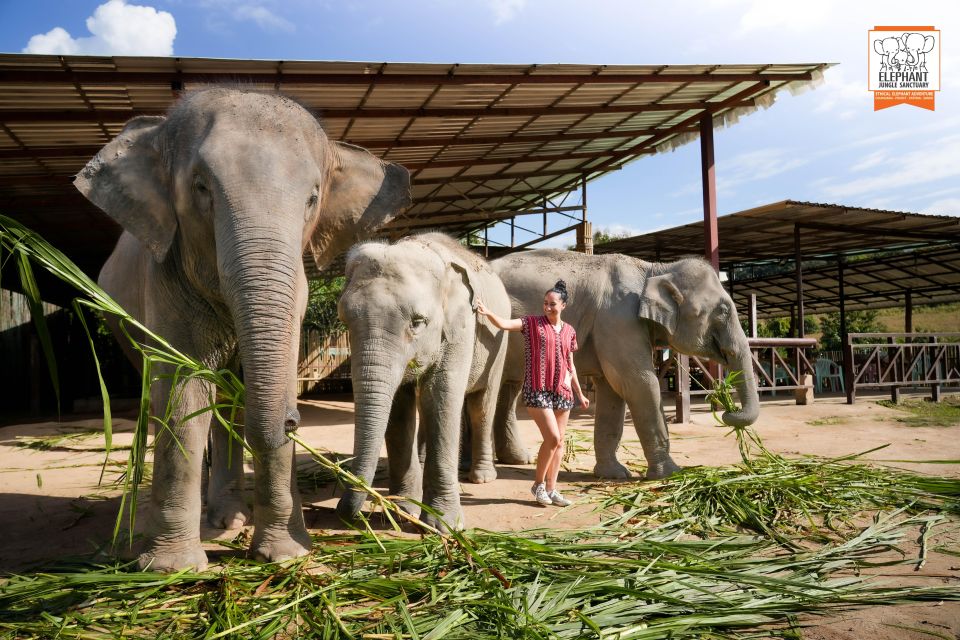
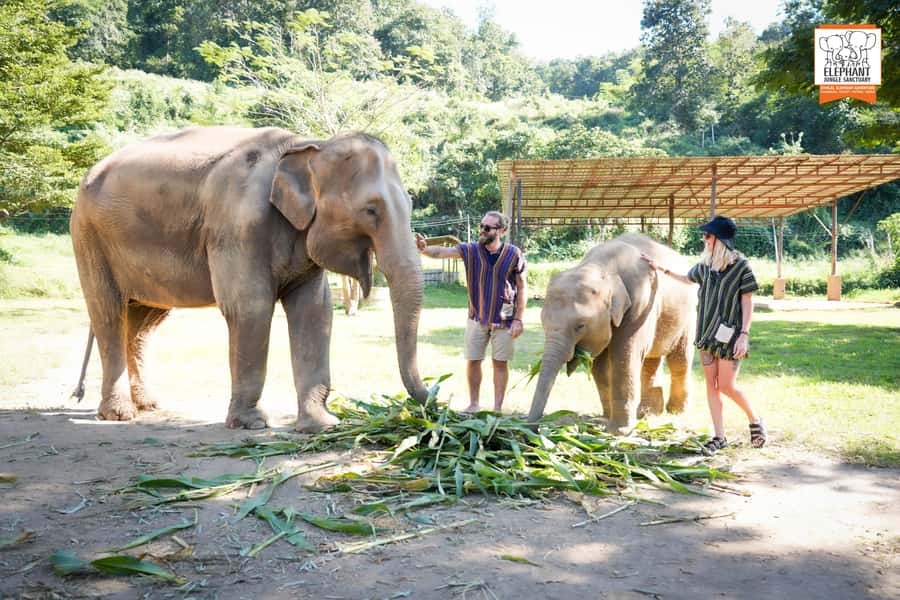
Then comes the practical elephant basics. You’re provided with items like bananas and sugar cane to feed the elephants, and you’ll learn that each elephant has its own personality and routine. This is also where the “respect” part becomes real. You’re not instructed to grab or chase; you’re shown how to move calmly and let elephants approach when they’re comfortable.
Guides on this experience may include people like Thomas, Chai, On, Fah/Fa, San, Kong, or M (names vary by group). In the best cases, they keep things light and clear, mixing elephant facts with humor so you don’t zone out before you even meet the animals.
A small-group feel you’ll appreciate
This tour offers a small group, which matters when the activity is physical and wet. You get better odds of following the flow without getting swept into a bottleneck of people all trying to do the same thing at once.
Walking and learning around free-roaming elephants
After the initial feeding, you’ll spend time moving through the sanctuary and meeting multiple elephants. The day is described as free-roaming, and that shows up in how the schedule works: elephants come and go naturally, and your interaction time depends on where they are and what they’re interested in.
You’ll also learn how elephants behave in their environment—how they interact with their handlers, what calm engagement looks like, and how their routine changes throughout the day. That learning isn’t academic; it helps you understand why your guide keeps calling out certain body-language signals and movement rules.
Some groups also do extra hands-on care tasks like preparing elephant food in a fun way (one example mentioned is making medicine balls). Even when your exact menu of activities varies, the pattern stays the same: you’re participating, not performing.


Mud spa with the elephants: what to expect and how to prepare
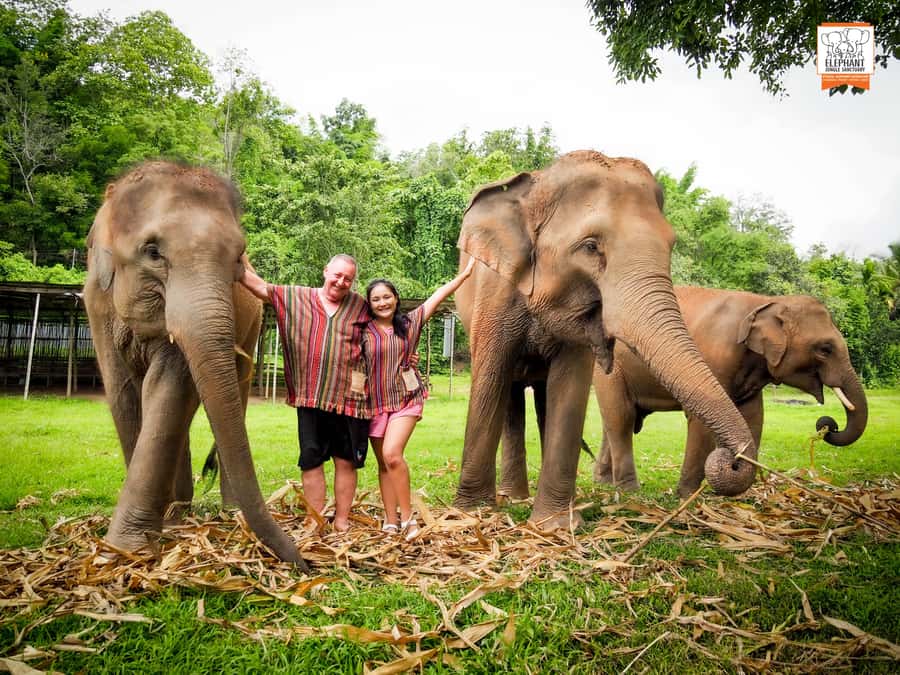
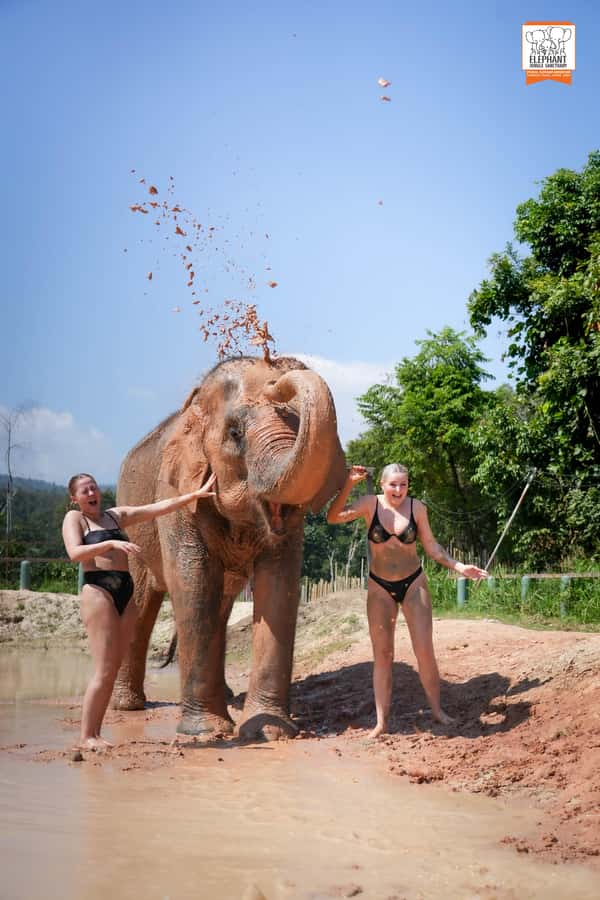
The standout “wow” moment is the mud spa. This is where you join the elephants as they get a nourishing mud treatment. The idea is simple: you’re helping apply mud, and you’re learning why it’s part of elephant care.
In real terms, this is the point where you’ll fully commit to the outfit choice you made that morning. Mud gets everywhere: on legs, shoes, and camera straps. The good news is the tour is built for this—your day includes time to wash up afterward, and you’ll change into dry clothes before lunch.
Your best move: bring gear for real mud
If you’ve got sturdy water shoes (or footwear you don’t mind ruining), wear them. That advice keeps showing up because the river portion is active and slippery, and mud tends to follow you. If you show up in flip-flops, they may not survive the day in one piece.
River bath and brushing: the wet part people remember
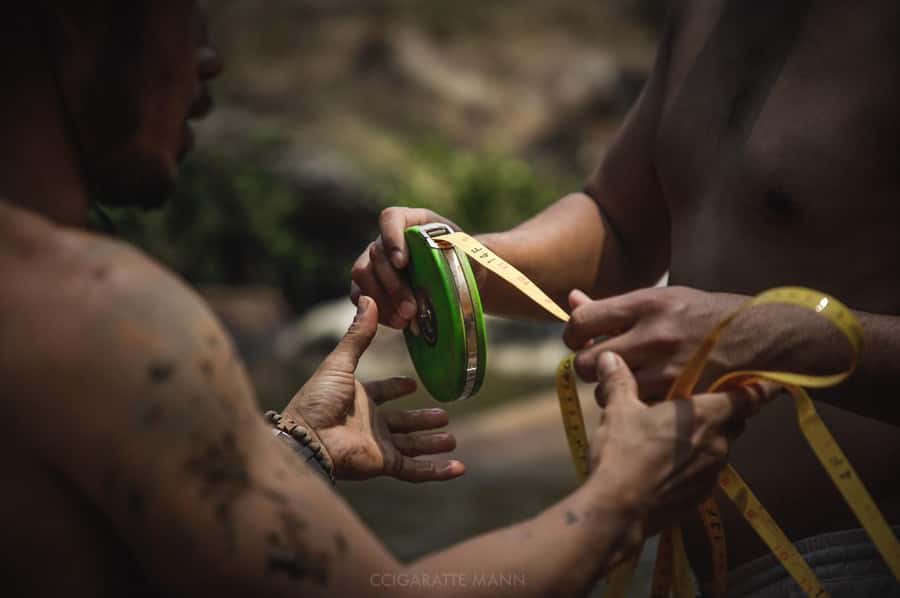
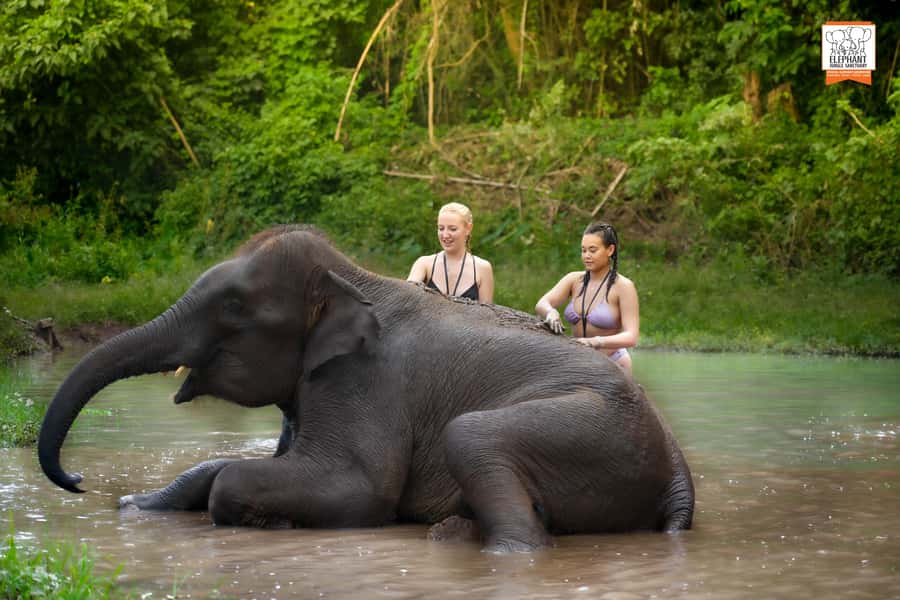
Next comes the river bath, which is more than a rinse. You’ll accompany elephants to the water, then take part in bathing, playing, and brushing them as they splash and move around.
Expect it to be chaotic in the best way. One theme that comes up is a playful water fight moment involving staff and participants, with elephants turning it into a full-on water show. It’s not the kind of chaos that feels out of control; it’s the natural result of elephants enjoying the water and everyone being encouraged to participate safely.
What to wear so you can enjoy it
This is where you win your day by planning:
- Water shoes or footwear that can get wet
- Clothes you’re okay with replacing later
- A towel, if you have one (drying time matters once mud is fully in place)
You’ll have shower facilities and the tour includes a change into dry clothes afterward, but having your own basics makes the transition feel smoother.
Lunch, snacks, and fruit: the reset you need
After the elephant time, you’ll have a meal break with lunch and snacks, plus drinking water. The tour description highlights fruit, and the overall vibe is that you eat well enough to feel human again after getting dirty and wet for hours.
This part matters more than people think. Elephant days are physically active, even if you’re not doing hardcore hiking. A proper lunch keeps your energy up for the return drive, and it prevents the classic end-of-day crash where you’re hungry but still damp.
Guides and group vibe: what makes the day feel fun
The sanctuary part is the main event, but the guide shapes how easy (and enjoyable) the day feels. In multiple groups, guides like Thomas, Chai, On, Fah/Fa, San, Kong, and M are mentioned as warm, funny, and engaging—good at explaining elephant routines without turning it into a lecture.
That matters because the elephant interaction is safe, but it’s also close and physical. A guide who can keep you calm and moving correctly helps you get more time with elephants and fewer awkward pauses where everyone’s trying to figure out what happens next.
Also, the schedule includes a safety briefing before the guided interaction. You’ll understand the rules, then you can focus on the animals instead of worrying about what you should do with your hands.
Value for money: what $61 includes that usually costs extra
At around $61 per person, this tour looks like strong value because key items are included:
- Hotel pickup and drop-off
- A tour guide
- Lunch plus snacks and drinking water
- Elephant food
- Traditional Karen clothing
- Time structured around a real sanctuary experience (not a quick drive-by)
The expensive part of most day tours in Chiang Mai is often transport + guide + entry-style access. Here, those basics are bundled, and you also get the mud-and-river experience that would cost more if booked as separate activities.
The value also depends on your expectations. If you want a chill bus tour with minimal physical activity, this probably feels too active. If you want a memorable hands-on elephant day with care-focused interactions, the price lines up with what you’re actually doing all day.
Who should book (and who should skip)
This is a great match if you:
- Want an elephant experience that doesn’t involve riding
- Are happy to get wet and muddy and actually participate
- Enjoy learning about animal behavior in a practical, hands-on way
- Prefer a small-group format
It’s not suitable for pregnant women, and you can’t bring pets (assistance dogs are allowed). If your knees don’t like slippery river edges or you hate getting wet, consider that carefully before booking.
Practical tips that will save your day
A few simple prep moves can make this tour way more comfortable:
- Wear water-ready shoes you can walk in.
- Bring clothes you’re okay with getting muddy, because you will.
- Plan for heat and sudden rain—especially since the day includes outdoor elephant time and water play.
- If you care about photos, know that some groups have had photographers on site, so you may get help capturing your moment without stopping the flow of elephant time.
Also, the pickup process is straightforward, and drivers are set to wait only a short time after the scheduled pickup. If you’re traveling with a group or you’re slow at mornings, set an alarm so you’re in the lobby on time.
Should you book Elephant Jungle Sanctuary with lunch and transfer?
If your goal is to have a meaningful, care-centered elephant day in Chiang Mai—and you’re okay with getting soaked—then this is an easy yes. The best reasons to book are the longer interaction time, the real hands-on mud spa and river bathing, and the fact that everything you need is included (transfer, guide, food, clothing, and a meal).
I’d skip it only if you’re uncomfortable with wet conditions or you need a very calm, low-activity outing. One more check: if you’re booking around weather, remember that rain happens and the day still continues—your best protection is smart footwear and quick-dry planning.
If you want a sanctuary day that feels more like respectful caretaking than a performance, this one fits the bill.